Bexora
In recent years, the demand for advanced AI solutions has surged globally. This has led to the rise of specialized AI server factories in China. These facilities are crucial for meeting the needs of international buyers. They produce high-performance servers designed to support artificial intelligence applications.
With numerous options available, selecting the best AI server factory can be challenging. Key factors include manufacturing capabilities, product quality, and technological expertise. Some factories excel in scalability, responding to the growing market needs efficiently. However, not all manufacturers uphold the same standards. Potential buyers must conduct thorough research.
Trust and reliability are paramount when choosing an AI server factory. Buyers should consider certifications and industry reputation. Gathering feedback from previous clients is beneficial. While many factories claim superiority, the true test lies in performance and customer satisfaction. A well-informed decision can make a significant difference in achieving project goals.
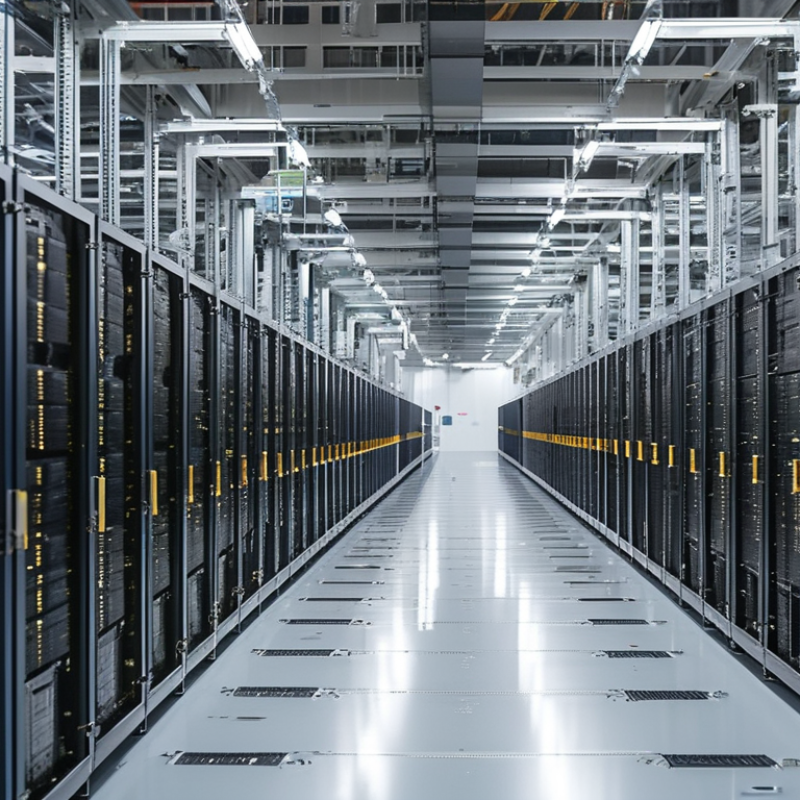
China has established itself as a dominant player in AI server manufacturing. The country's factories are equipped with state-of-the-art technology. Skilled engineers and technicians work tirelessly to produce high-quality servers. This dedicated workforce contributes to the rapid growth of the industry. However, challenges remain in maintaining consistent quality across various manufacturers. Some facilities may struggle with outdated methods or insufficient quality control.
Factors such as raw material sourcing also impact production. Global buyers often seek reliable suppliers to meet their specific needs. Communication can sometimes be a hurdle in these transactions. Language barriers might lead to misunderstandings, affecting delivery times. Despite these issues, many manufacturers possess the capability to innovate and adapt. They regularly explore new designs and technologies to enhance performance.
Investing in AI servers requires thorough research. Buyers should consider various manufacturers and their production practices. A focus on transparency and reliability is essential when selecting a supplier. Challenges like fluctuating material costs can affect pricing. In an ever-evolving tech landscape, remaining adaptable is crucial for industry success.
The Chinese AI server market is rapidly evolving. According to a recent report, the market grew by 28% year-on-year in 2023. Several key players dominate this sector, driven by advances in artificial intelligence and computing power. These companies invest heavily in research and development. They focus on delivering high-performance solutions for global buyers.
In the competitive landscape, companies frequently adapt to emerging technologies. For example, the rise of edge computing is shifting demands for AI servers. Buyers seek customization and efficiency in server specifications. A study from a leading industry analyst predicts a doubling of demand for AI processing capabilities by 2025. This highlights the need for manufacturers to upscale production techniques.
However, challenges persist in the market. Issues like supply chain disruptions and component shortages can hinder growth. Companies must navigate these complexities to maintain their position. Continuous innovation remains vital. Global buyers must also consider these dynamics when sourcing AI servers from China.
When selecting an AI server factory in China, several factors require attention. Quality control stands out. Manufacturers should have strict protocols to ensure that every unit meets industry standards. It’s essential to inquire about their testing processes and failure rates.
Another critical factor is technical expertise. The factory's engineers should be knowledgeable in AI technology. Assessing their experience with complex AI systems can reveal their capability. Look into their history of service and innovation in the field. Strong support structures enhance reliability. Ensure they offer technical support and reliable maintenance services post-purchase.
Cost considerations are also vital. While staying within budget is important, overly cheap options can indicate compromised quality. Buyers should balance price with value. Reflection on previous purchases may help understand long-term impacts. Overall, the selection process must integrate both current needs and future scalability.
In the rapidly evolving world of AI technology, quality assurance is critical. An efficient AI server factory must prioritize rigorous testing and compliance. This ensures that every server meets global standards. Factories often utilize automated testing to guarantee performance and reliability. This process helps reduce human error in production. However, flaws can still slip through, revealing a need for continual improvement.
Production facilities must adhere to regulatory guidelines. Compliance with international standards adds credibility to the manufacturing process. Investing in certified materials is essential. Yet, many factories struggle with sourcing high-quality components consistently. This inconsistency can lead to product failures. Regular audits and assessments are needed to maintain high-quality levels.
Employee training is another vital aspect of quality assurance. Skilled workers are essential for creating efficient AI servers. However, training programs may not always keep pace with technological advancements. Some factories find it challenging to adapt training to new equipment and techniques. Regular updates in training protocols can improve production outcomes and product reliability.
| Country | Factory Location | Production Capacity (units/month) | Quality Certifications | Compliance Standards | Export Experience (years) |
|---|---|---|---|---|---|
| China | Shenzhen | 5000 | ISO 9001, CE | RoHS, FCC | 10 |
| China | Beijing | 7000 | ISO 14001, UL | JIS, ITAR | 8 |
| China | Shanghai | 6000 | ISO 13485, CE | IEC, WEEE | 5 |
| China | Guangzhou | 8000 | ISO 27001, BSI | PSE, CSA | 12 |
China's AI server manufacturing is rapidly evolving. The industry is focusing on advanced technologies like AI chips and energy efficiency. Manufacturers are investing in R&D to enhance performance. This shift reflects a growing demand for powerful computing solutions globally. Companies are looking for partners who understand the dynamics of the AI market.
Future trends indicate a push towards sustainable practices. The emphasis is on reducing carbon footprints and improving supply chain management. However, challenges remain. Adapting to international standards can be difficult. Some manufacturers may struggle with this transition. Balancing innovation with reliability is crucial for long-term success.
Additionally, automation will play a key role in the production process. Smart factories may leverage AI for quality control and efficiency. Yet, integrating these technologies is not straightforward. There could be a learning curve involved. So, as China targets global buyers, the focus should be on quality and adaptability.
I server manufacturing in China?
Consistent quality is a challenge, with some factories using outdated methods and inadequate quality checks.
Raw material sourcing impacts production quality and reliability, complicating supplier relationships and delivery.
Skilled workers are needed for efficient production, but training may not always keep up with technology changes.
Adhering to international standards enhances credibility, yet many factories face challenges in sourcing certified materials.
The industry is focusing on energy efficiency, automation, and sustainable practices to meet global demands.
Automation can enhance efficiency, but integrating these technologies may involve a learning curve for workers.
Buyers should research manufacturers, focusing on transparency and reliability in production practices.
There must be a balance between innovation and reliability for long-term success in AI server manufacturing.
Challenges like changing material costs can significantly influence the pricing of AI servers.
China has established itself as a leading hub for AI server manufacturing, driven by rapid technological advancements and a robust supply chain. The country's infrastructure and expertise have attracted global buyers seeking reliable partners in the AI server factory sector. Key players in the market emphasize innovation and scalability, catering to diverse needs ranging from startups to large enterprises.
When selecting an AI server factory, buyers should consider critical factors such as production capabilities, compliance with international quality standards, and the factory's track record in delivering high-performance products. As the demand for AI technologies continues to grow, future trends indicate a shift towards more energy-efficient and cost-effective solutions in AI server manufacturing, positioning China as a pivotal player in the global tech landscape.
