Bexora
Bexora
Bexora
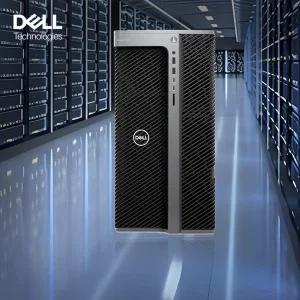
Deploy enterprise-grade reliability and advanced dual-socket compute power built on Intel Xeon architecture.
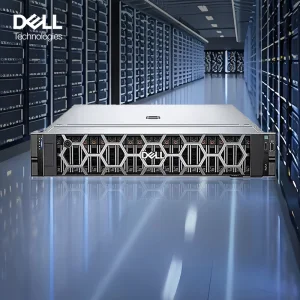
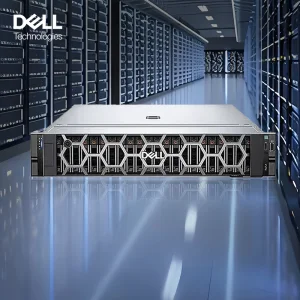
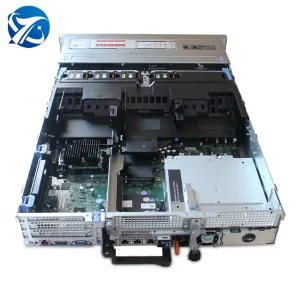
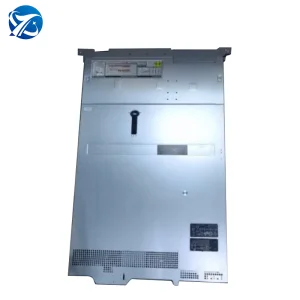
Bexora is a premier, professional AI GPU server integrator and high-performance computing (HPC) infrastructure manufacturer based in China. Since our inception in 2016, we have focused on delivering scalable, complex computational environments designed specifically for heavy artificial intelligence training model deployments, neural network inference arrays, and high-density, green energy data center layouts.
Leveraging our deep, authorized integration pathways with global silicon providers, we combine raw compute nodes like the Dell PowerEdge series with customizable accelerators, low-latency interconnects, and bespoke thermal management setups. Our client portfolio spans global cloud service providers, academic research bodies, and enterprises pushing the absolute limits of spatial compute densities.
Operating as an export-centric manufacturer with robust OEM/ODM supply chains, Bexora coordinates hardware procurement across critical tech corridors in North America, Europe, Southeast Asia, and the Middle East.
Decoupling the innovations behind the 16th Generation PowerEdge portfolio for enterprise scaling.
Unlocking up to 128 GB/s bi-directional bandwidth per slot, reducing latency between CPU and NVMe storage or external hardware accelerators.
Memory speeds peaking at 4800 MT/s and 5600 MT/s, driving low-power high-capacity DIMMs to maximize application responsiveness.
Dynamic airflow optimization designs that maintain optimal operating temperatures while cutting fan power overhead up to 52%.
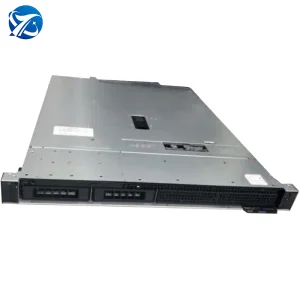
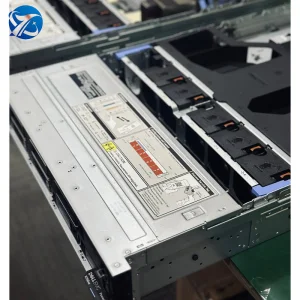
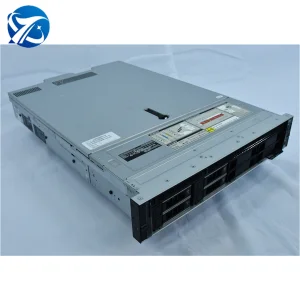
The introduction of Dell's "XS" models (such as the PowerEdge R760xs and R660xs) represents a targeted approach to workload-matching. While standard chassis (R760 and R660) support full resource scalability, including maximum expansion slots, drive bays, and thermal tolerances for top-bin processors, the XS family is designed specifically for virtualization, database hosting, and hybrid cloud configurations.
By restricting the maximum configuration limits slightly, XS platforms offer substantial savings on unit weight, power supplies, and thermal load, maximizing the return on investment (ROI) for IT departments that do not require peak scaling but demand the enterprise reliability, firmware security, and management software (iDRAC9) of the main PowerEdge line.
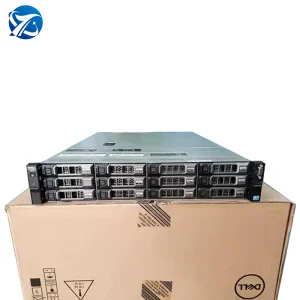
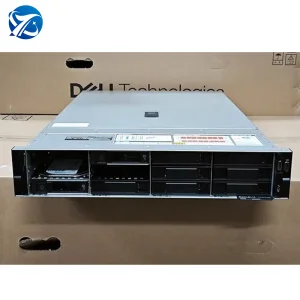
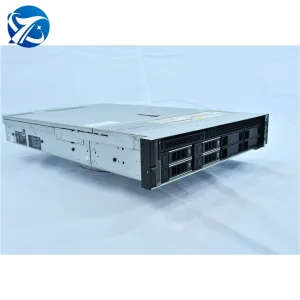
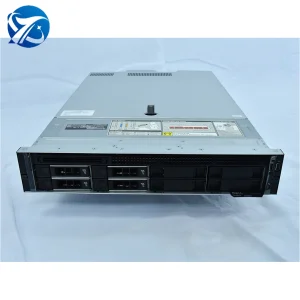
As unstructured data scales exponentially, storage density per rack unit becomes a primary operational constraint. The PowerEdge R760XD2 solves this challenge by packing vast amounts of storage into a 2U dual-socket footprint. Designed for workloads like media streaming, video surveillance, private cloud backup, and software-defined storage nodes, it supports massive high-density LFF (3.5-inch) drive arrays, bridging the gap between cold storage solutions and performant local application access.
Aligning physical server design with the compute dynamics of modern enterprise operations.
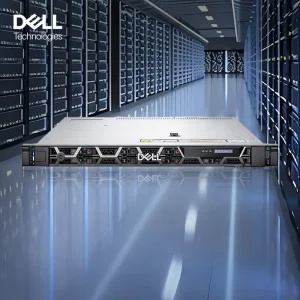
Enabling high-density virtualization, hyperconverged infrastructure (HCI), and bare-metal multi-tenant hosting. Dell PowerEdge systems integrate with industry-standard orchestration layers (OpenStack, Kubernetes, VMware vSphere) to support rapidly scaling instances.
Providing high-density PCIe lanes to support multiple GPU accelerators. Bexora builds custom configurations that handle large language model (LLM) fine-tuning, complex computer vision models, and parallel data analysis pipelines.
Optimized for research facilities and industrial design testing. Scaled clusters deliver high floating-point execution rates (FLOPS) to run computational fluid dynamics (CFD), structural analysis, and molecular modeling workloads.
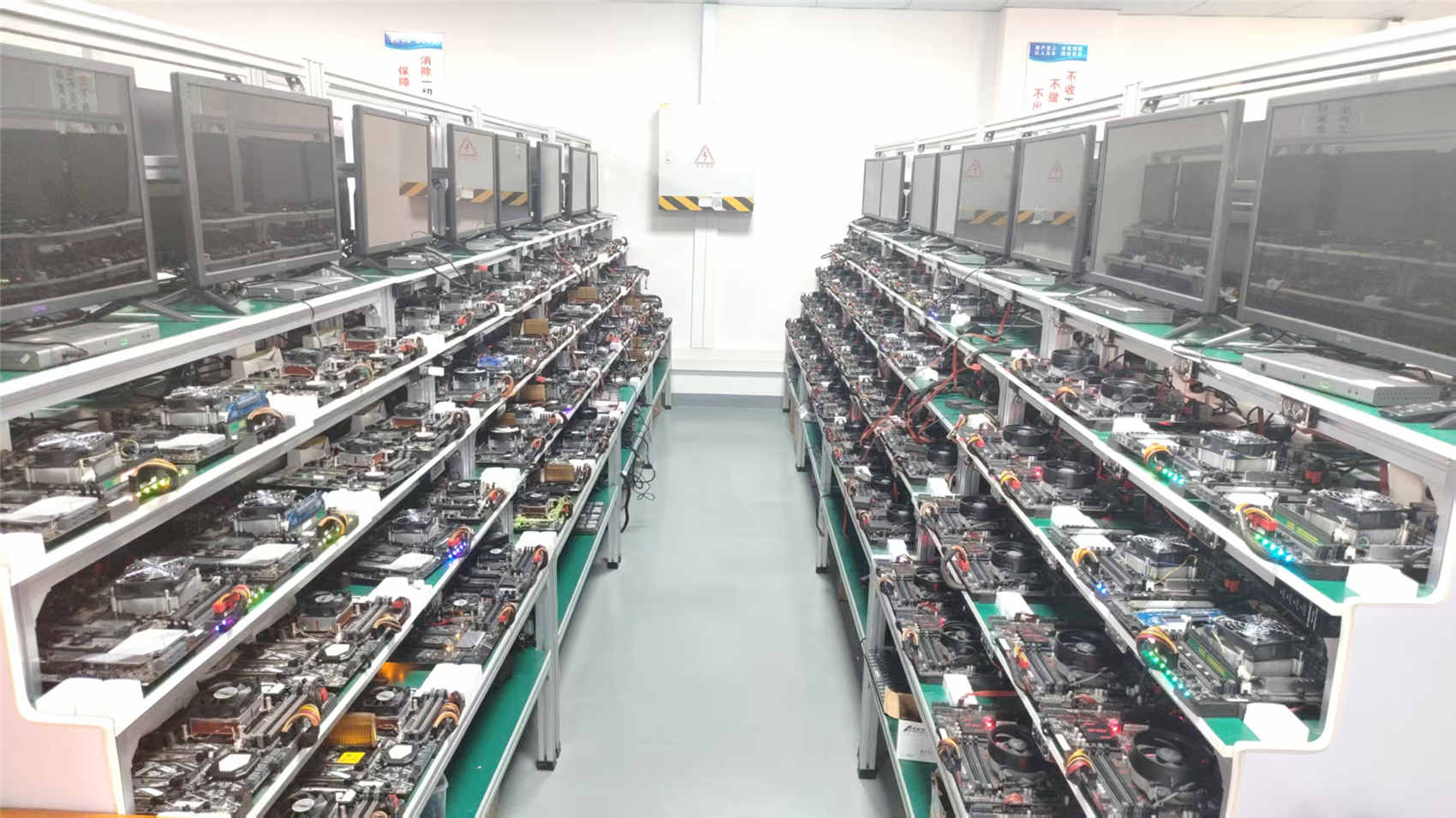
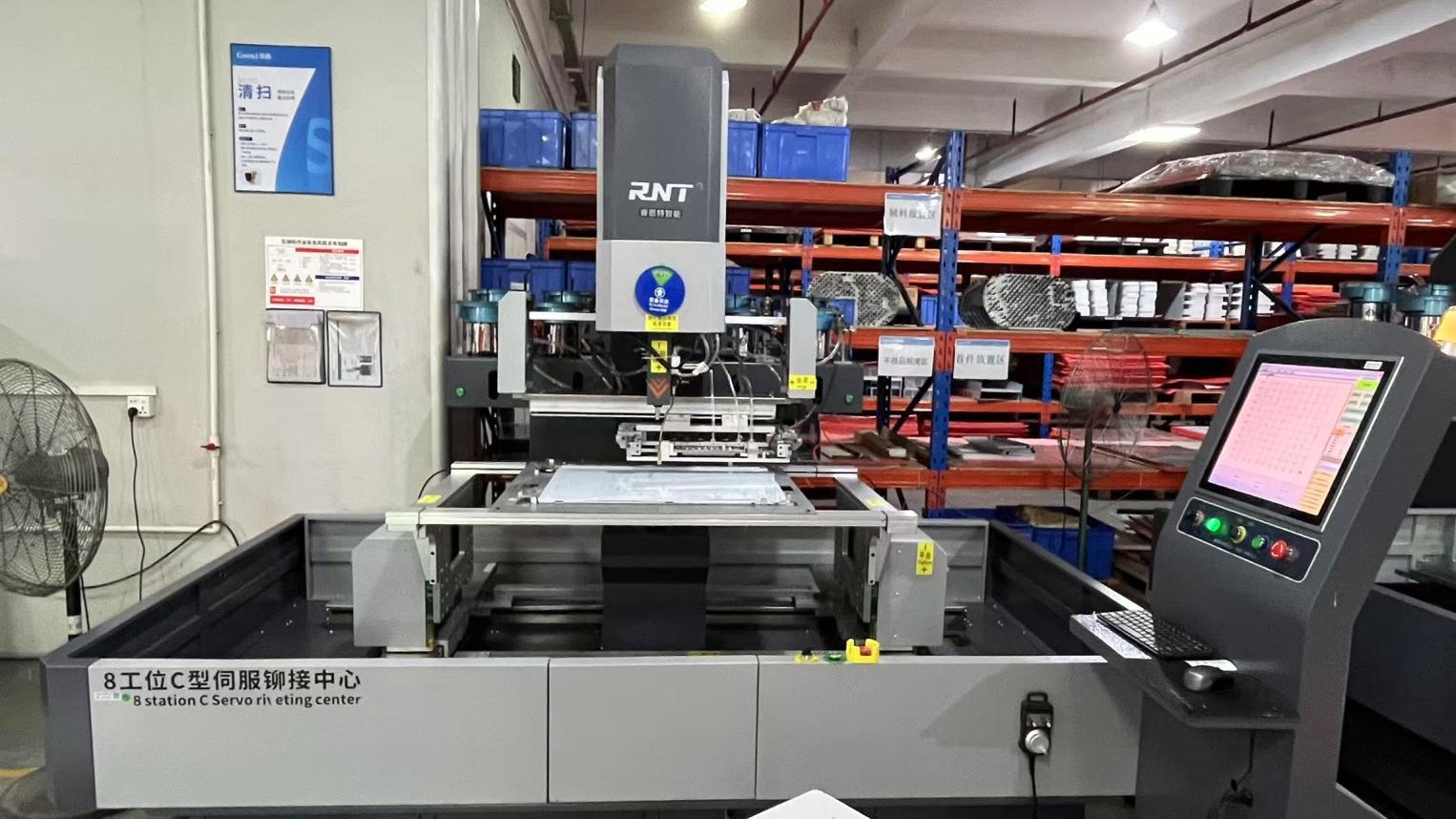
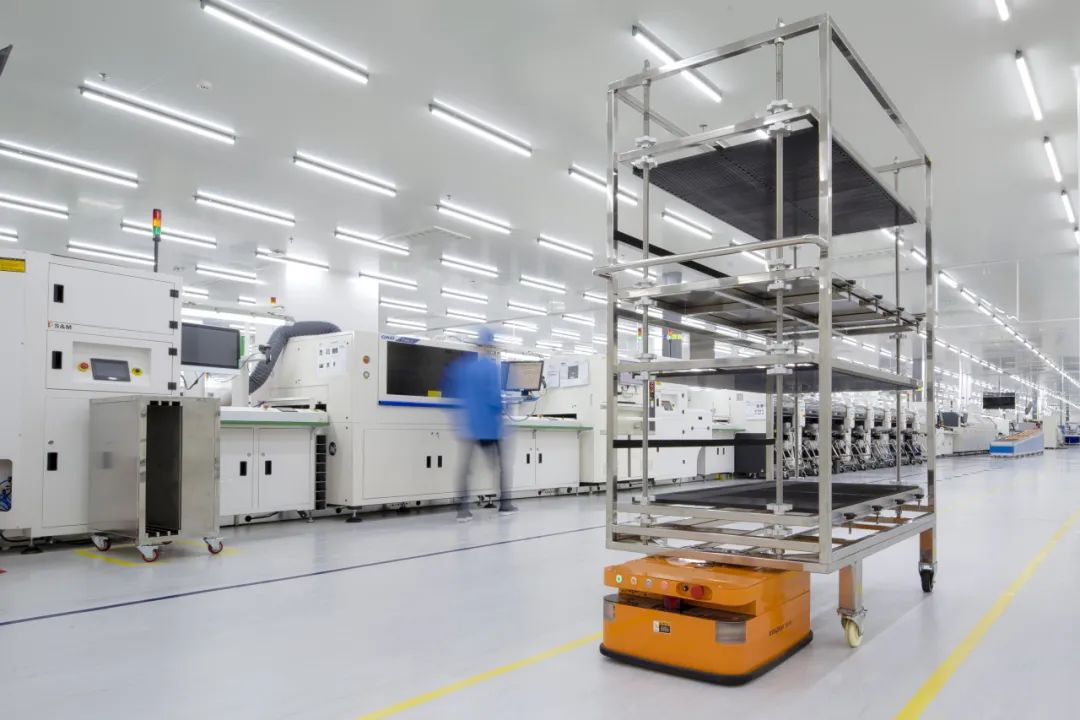
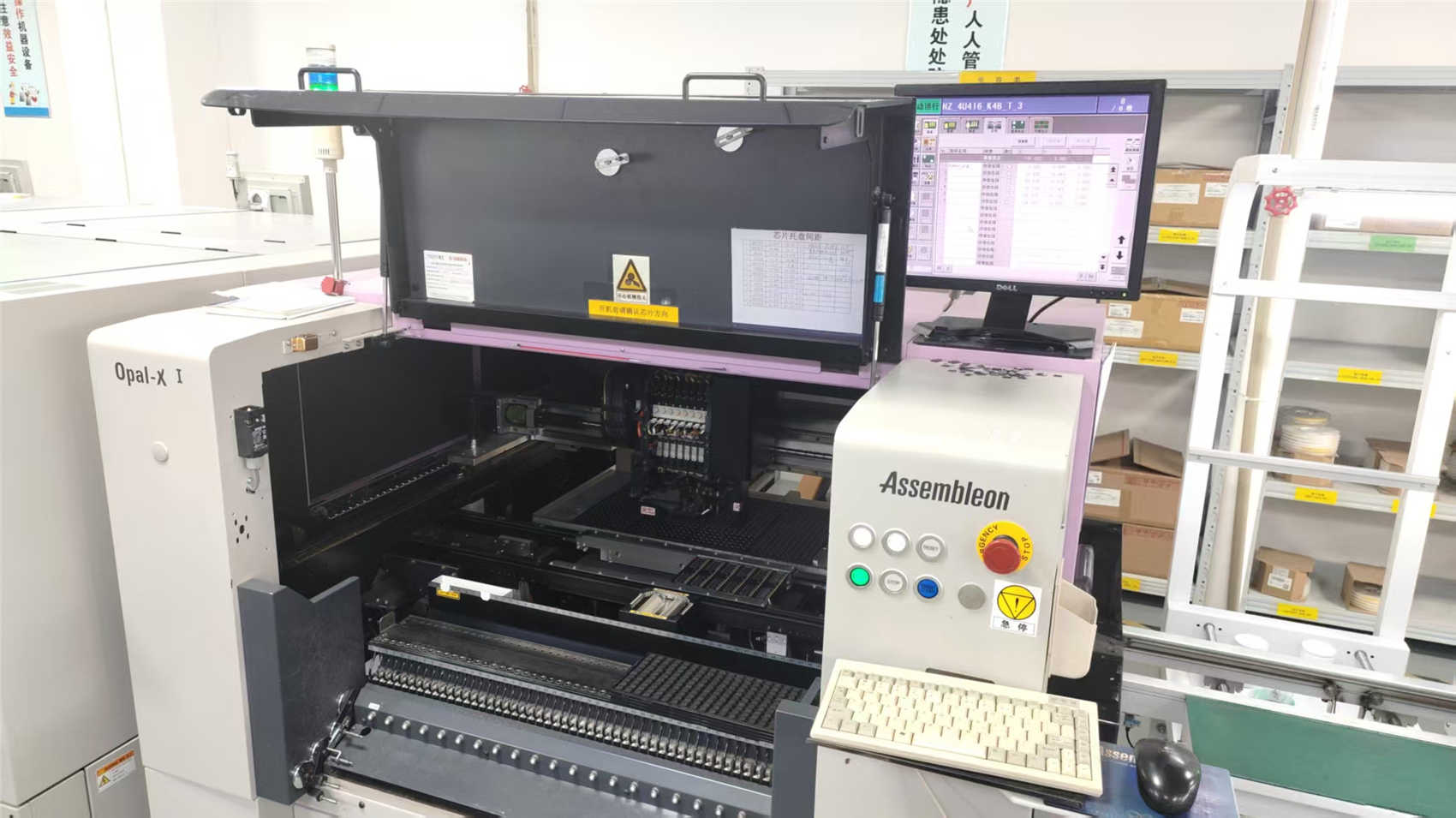
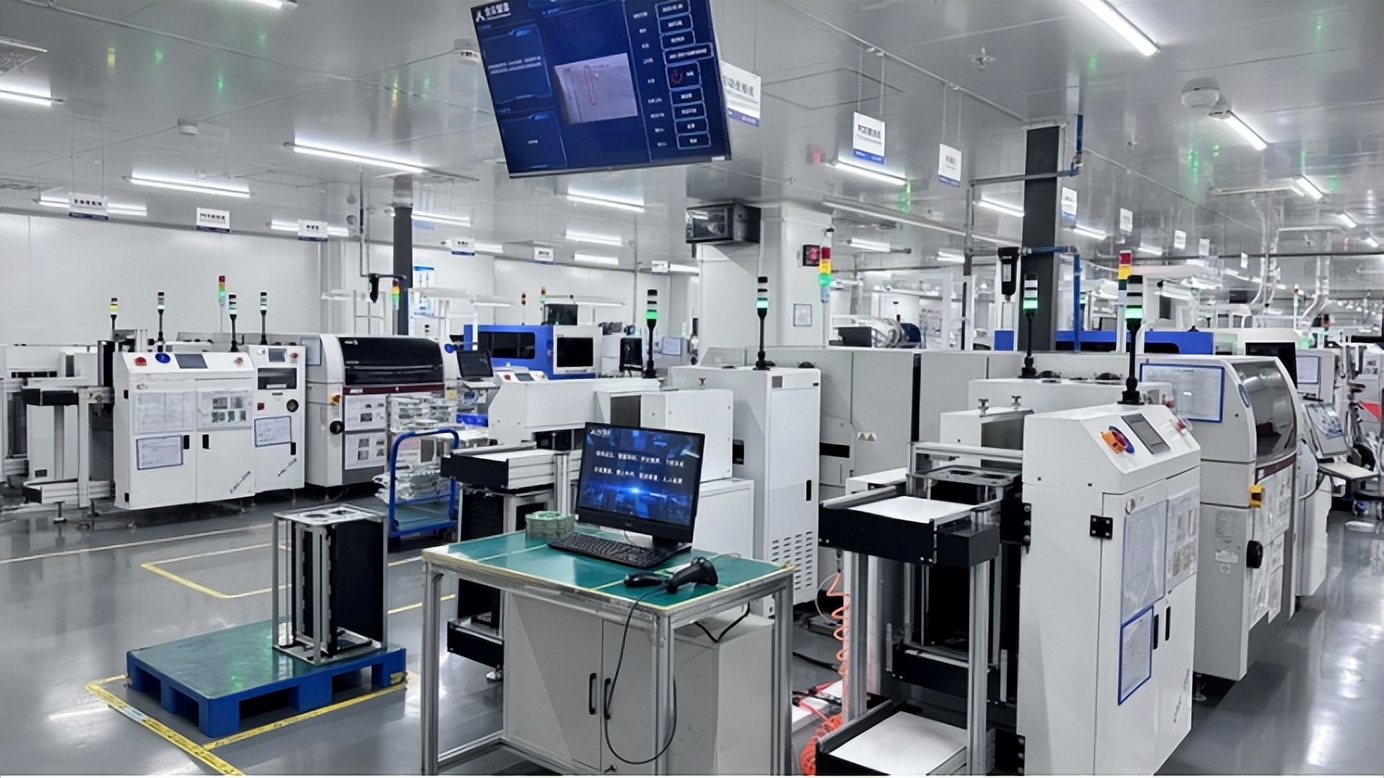
Bexora operates a highly automated, modern production and testing plant in Shenzhen, China. Our facilities run on Factory 4.0 principles, incorporating automated tracking systems, real-time quality control telemetry, and integrated logistics management systems.
By working with over 860 verified supplier networks, we bypass component bottlenecks that slow down standard procurement pipelines. Whether importing barebones Dell systems or assembling custom GPU nodes, our team ensures every server goes through a rigorous qualification sequence before global export.
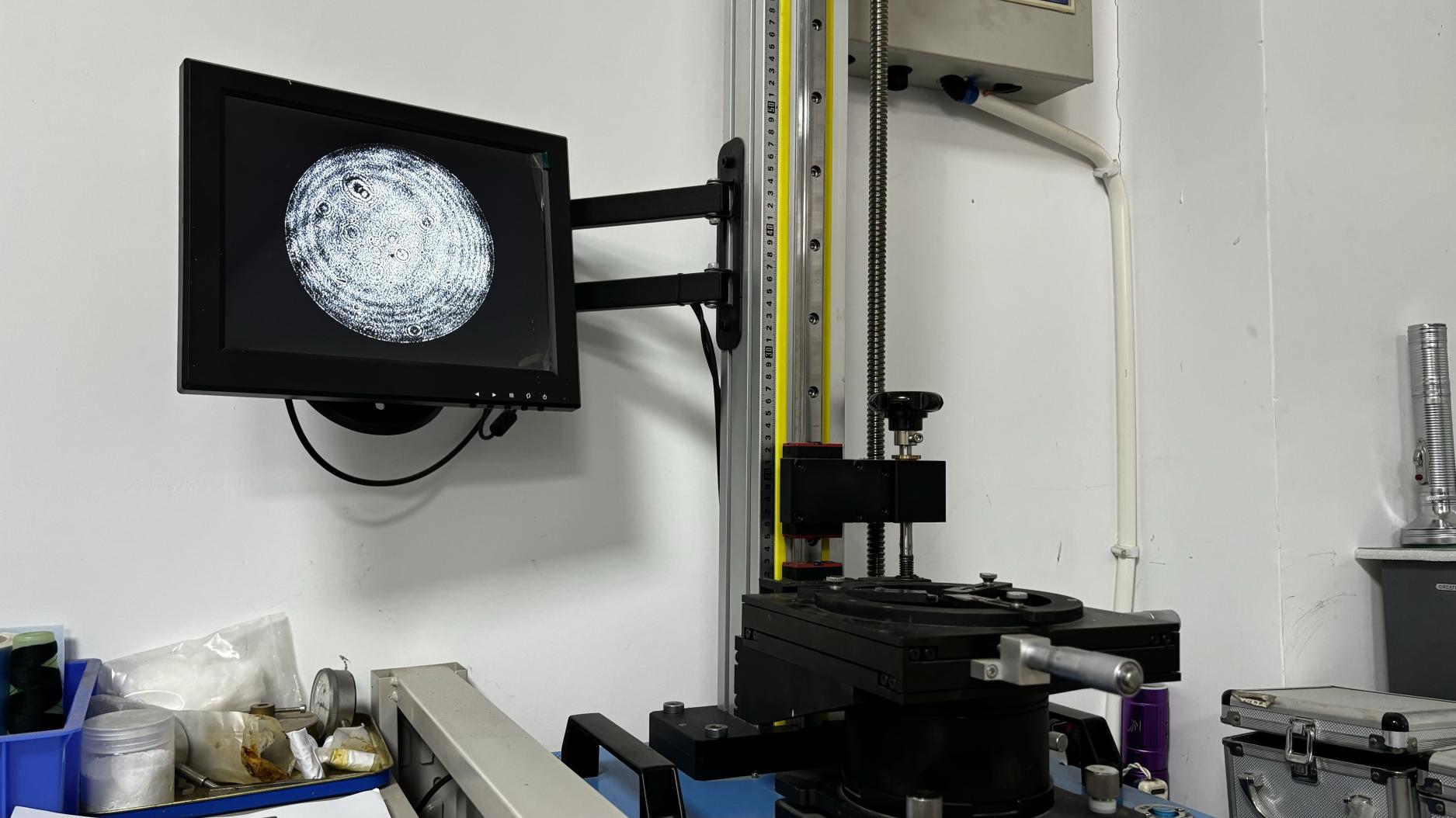
Our quality control department consists of 45 specialized engineers. Every server order goes through 100% full visual and system diagnostics alongside random reliability tests to guarantee stable long-term performance under demanding operating environments.
Full System Inspection
New Model Iterations/Yr
Deploying servers internationally requires aligning physical hardware choices with regional operational requirements, electrical standards, and compliance frameworks.
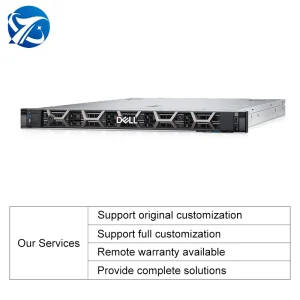
We build customized server systems to match your operational requirements. This includes physical branding, customized BIOS settings, optimized storage arrays, and pre-installed hypervisor systems.
Our integration systems meet CE, FCC, RoHS, and localization compliance requirements. We ensure all imports clear customs smoothly with complete documentation packages.
We work with international logistics providers to pack and ship systems securely. Double-walled crates, foam suspension, and shock sensors protect your hardware during transit.
Bexora helps enterprise customers optimize their data center footprint and operational costs. By selecting custom combinations of cost-effective "XS" compute units alongside high-performance servers, cloud and host providers can balance compute capacity against their budgets, reducing unnecessary power consumption and cooling overhead.
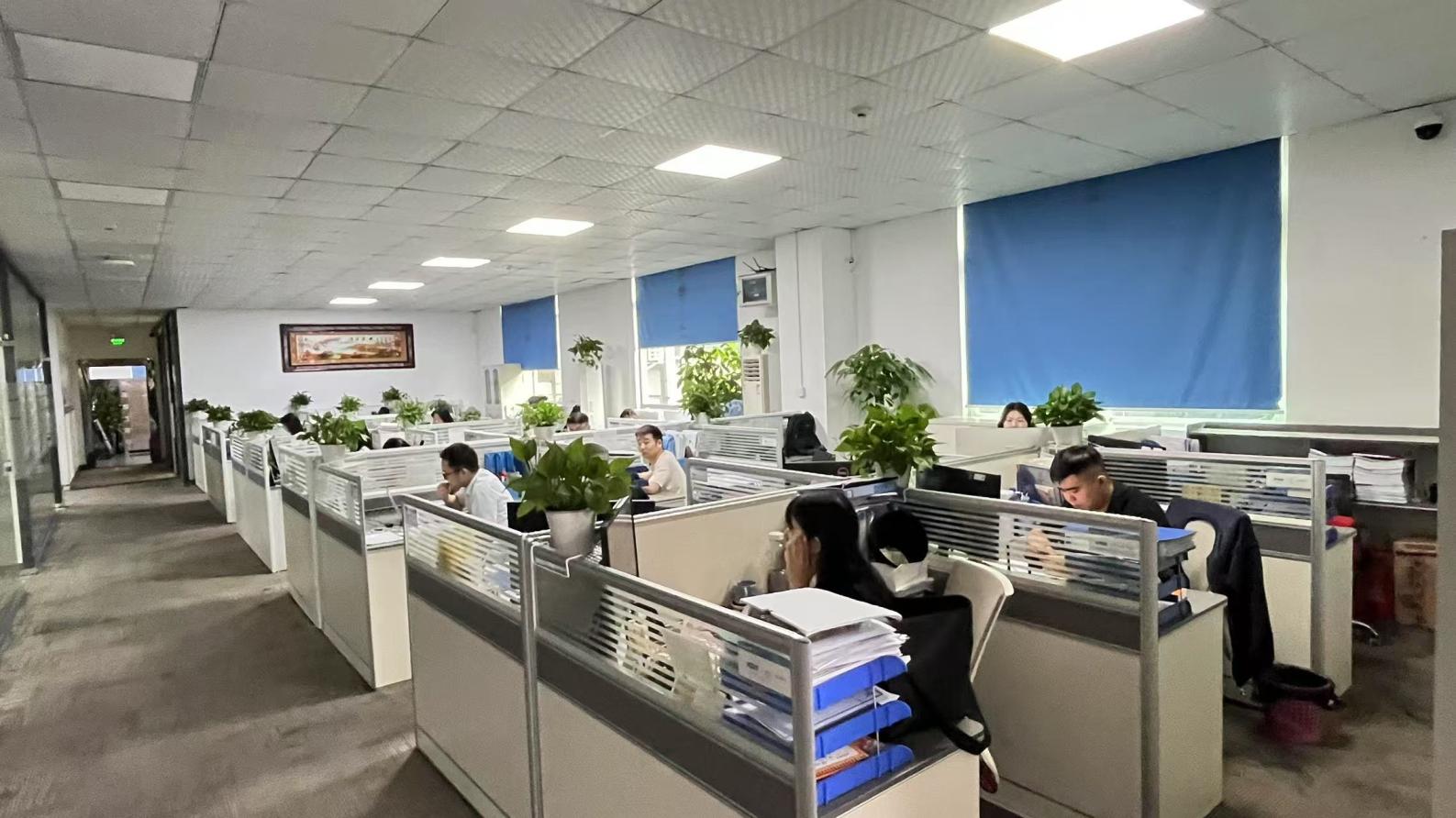
Inside Bexora's state-of-the-art production floors and reliability testing chambers.

Expert technical insights to help guide your hardware purchasing decisions.
Compact compute systems and high-density multi-socket servers optimized for enterprise data centers.