Bexora
Bexora
Bexora
High-frequency ECC RAM and scalable compute modules engineered for modern workloads.
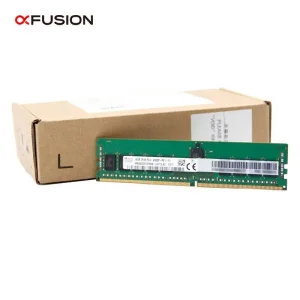
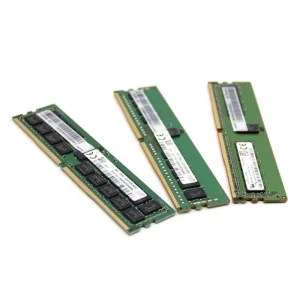
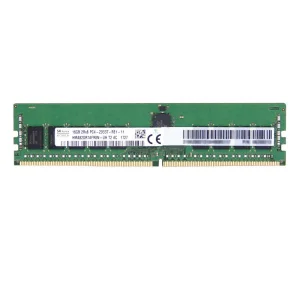
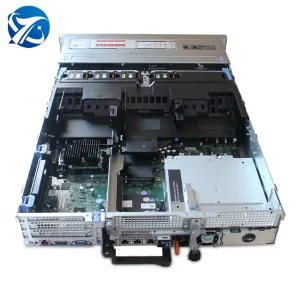
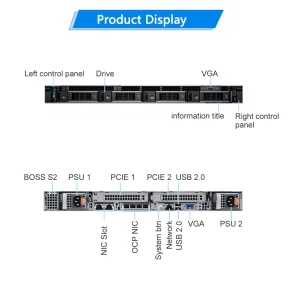
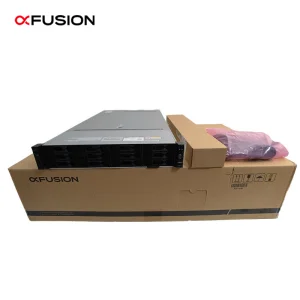
The global datascape is undergoing an exponential shift. The rapid emergence of generative artificial intelligence (AI), massive large language models (LLMs) such as DeepSeek, and high-performance computing (HPC) workflows have placed unprecedented stress on hardware subsystems. At the heart of this operational strain is Server RAM—the primary conduit linking high-velocity storage systems to execution pipelines in central processing units (CPUs) and graphics processing units (GPUs).
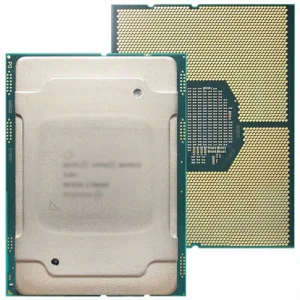
Historically, enterprise architectures depended on DDR4 memory subsystems operating at speeds ranging from 2400MHz to 3200MHz. Today, we are observing a significant industrial transition from DDR4 to DDR5 platforms. DDR5 architecture introduces sub-channeling improvements, doubling the burst length from 8 to 16, and separating the single 64-bit channel into two independent 32-bit channels. This design progression dramatically improves overall processing efficiency and mitigates the bandwidth bottlenecks inherent in multi-core CPU architectures (e.g., AMD EPYC™ and Intel® Xeon® Scalable processors).
For B2B procurement professionals, cloud service providers, and data center operators, aligning with a reliable Server RAM Supplier & Exporter is crucial. Upgrading server configurations to modern ECC RDIMMs ensures maximum data throughput, lowering the overall Total Cost of Ownership (TCO) by reducing latency spikes and prevention of data corruption during prolonged analytical computations.
Comparative performance benchmarks of modern enterprise server memories under sustained database operations:
High-capacity ECC RDIMMs (16GB to 64GB and beyond) enable large-scale AI processing. When configured in multi-socket environments, they prevent data bottlenecks during intensive model execution and complex data parsing.
Modern server memories integrate Error-Correcting Code (ECC) mechanisms which run real-time hardware-level parity checks. This guarantees continuous stability, eliminating silent data corruption issues that lead to system crashes.
Transitioning power management from the motherboard directly to the DIMM circuit board (via PMIC) optimizes voltage scaling down to 1.1V for DDR5, significantly lowering cooling demands and reducing electrical costs.
Procuring raw computing materials at scale requires deep visibility into global supply chains. Enterprise buyers face critical questions when sourcing high-density memory modules: How do we balance memory latency (tCL) and memory clock speed against tight budget constraints? What steps are required to ensure components remain fully compatible across multi-generation server motherboards?
As a leading Server RAM Supplier & Exporter, Bexora AI Systems addresses these complex global requirements by providing customized, high-quality hardware configurations. Standard procurement strategies demand components that offer excellent physical resilience to survive constant thermal fluctuation inside modern rack servers.
Additionally, modern procurement involves evaluating global supply line security. Geopolitical changes require diversified sourcing of DRAM integrated circuits (ICs) from tier-1 manufacturers, combined with localized production and testing. Enterprise datacenters cannot afford delay-induced downtime due to material shortages, highlighting the importance of resilient supply chains.
We integrate modern optical technology and advanced load testing routines to verify system reliability:
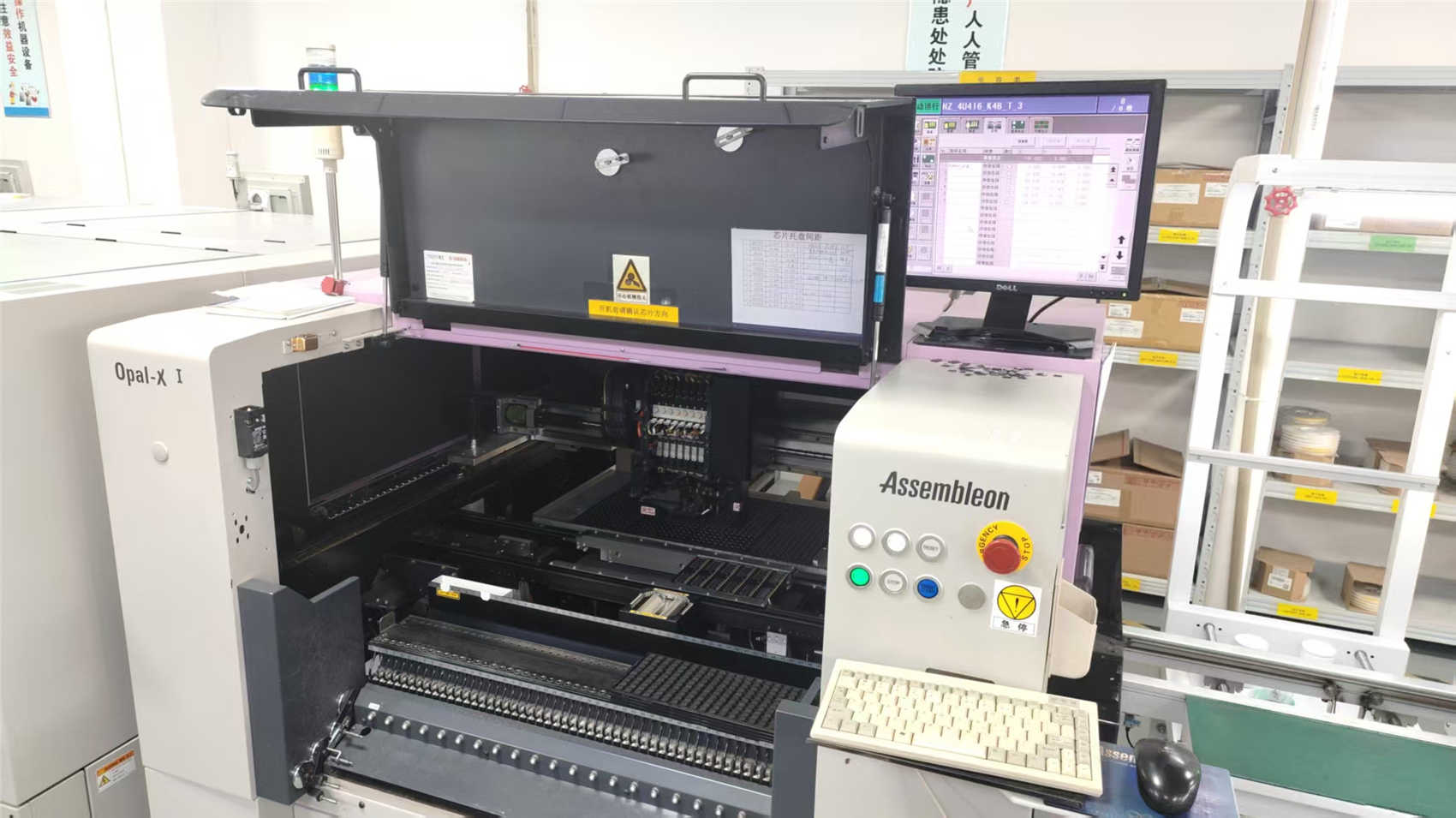
Scans SMT solder joints and component placement accuracy to eliminate manual assembly defects.
Exposes memory modules to elevated thermal environments (up to 85°C) to eliminate early-stage component failures.
Subjects hardware configurations to intensive mathematical processing workloads, testing system stability under maximum load.
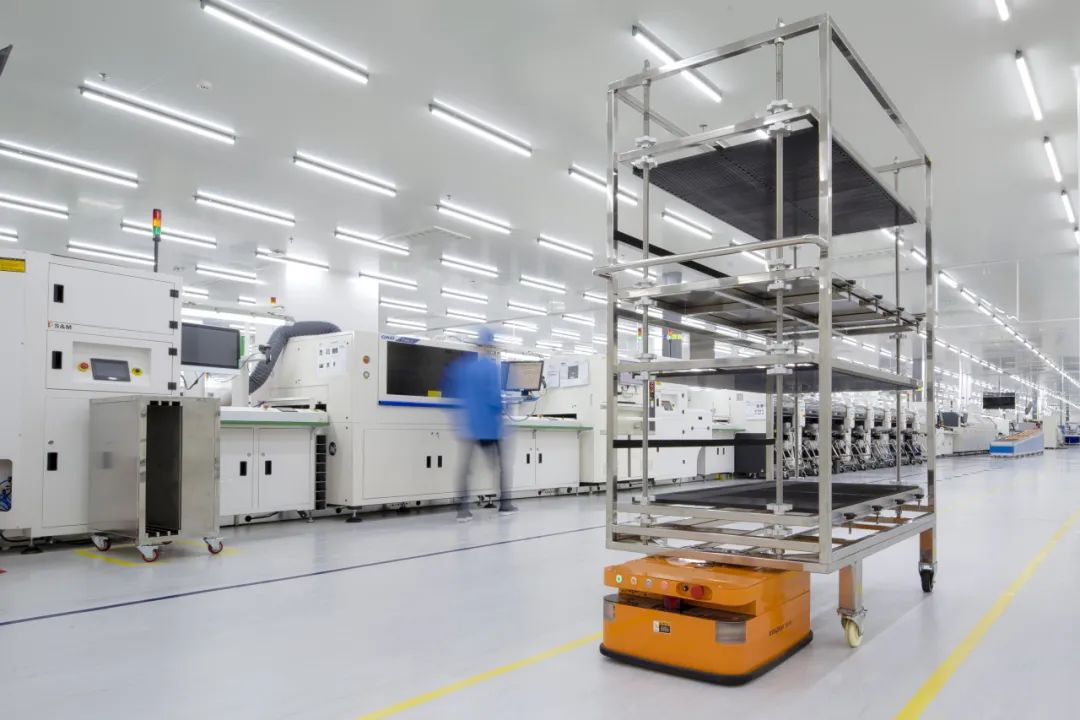
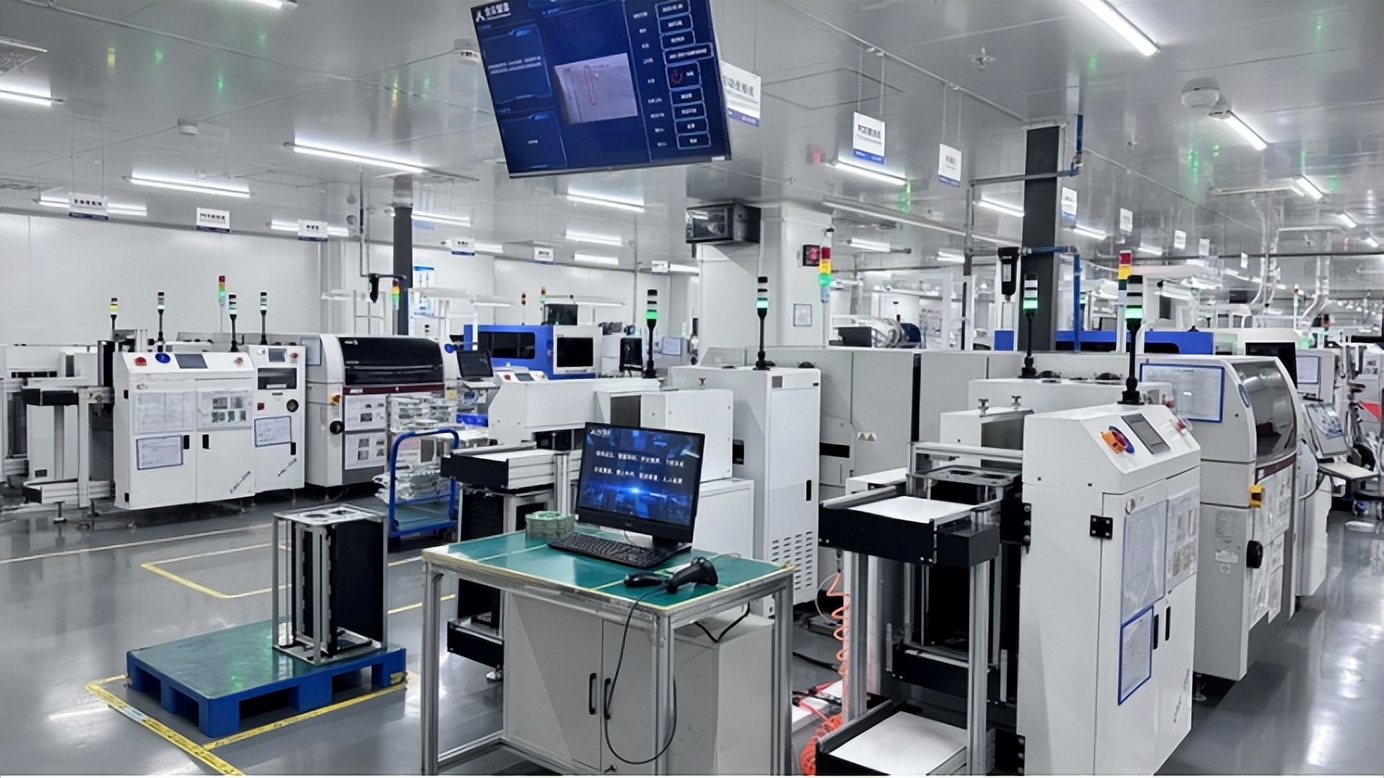
Based in China's high-tech manufacturing corridors, Bexora AI Systems (China) Co., Ltd. operates a modern 18,600㎡ facility. We combine advanced automated assembly lines with comprehensive quality control standards to deliver dependable HPC infrastructure worldwide.
Our integration with 860+ specialized supply chain partners allows us to source tier-1 DRAM ICs, design advanced cooling systems, and manufacture durable server chassis. This integrated ecosystem shortens production cycles and ensures stable pricing, shielding clients from market volatility. Whether your operations require standard DDR4 memory replacements or custom barebone GPU servers configured for deep learning tasks, our production lines scale dynamically to meet your timeline requirements.
Optimal hardware performance depends on matching system configurations to specific workload demands.
Data centers hosting multiple virtual machines require high-capacity, multi-rank RDIMMs. This setup allows hypervisors to allocate memory dynamically without causing processing bottlenecks or system latency.
Financial services depend on low-latency RAM configurations to run predictive algorithms in real time. We provide selected, low-latency memory modules that optimize data pathways for time-sensitive transactions.
Deployments in manufacturing and remote environments require hardware that resists dust, vibration, and extreme temperatures. Our industrial-grade memory modules feature protective coatings to ensure long-term durability.
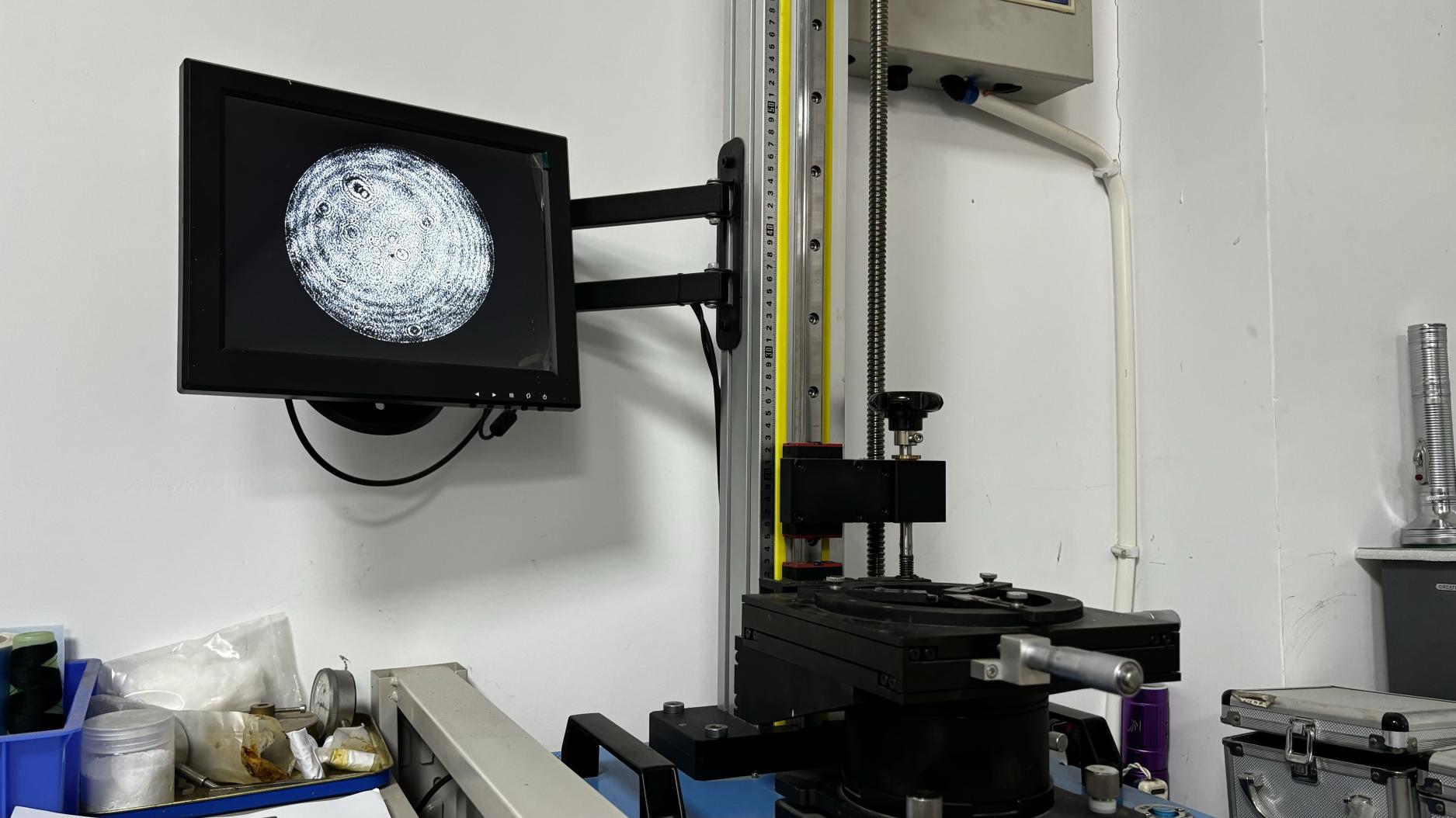
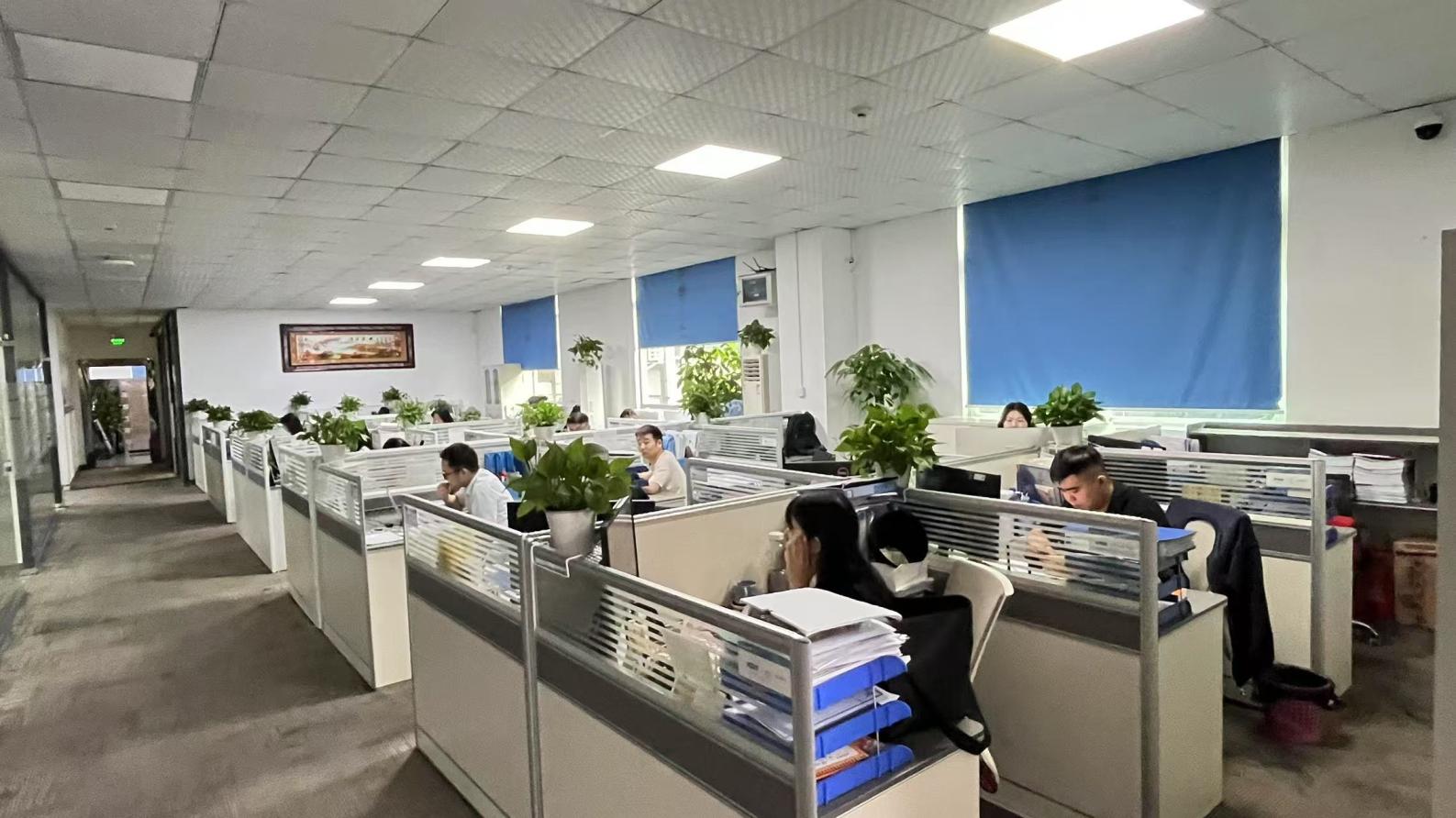
Visual insights into our SMT production lines, quality inspection facilities, and system validation labs.
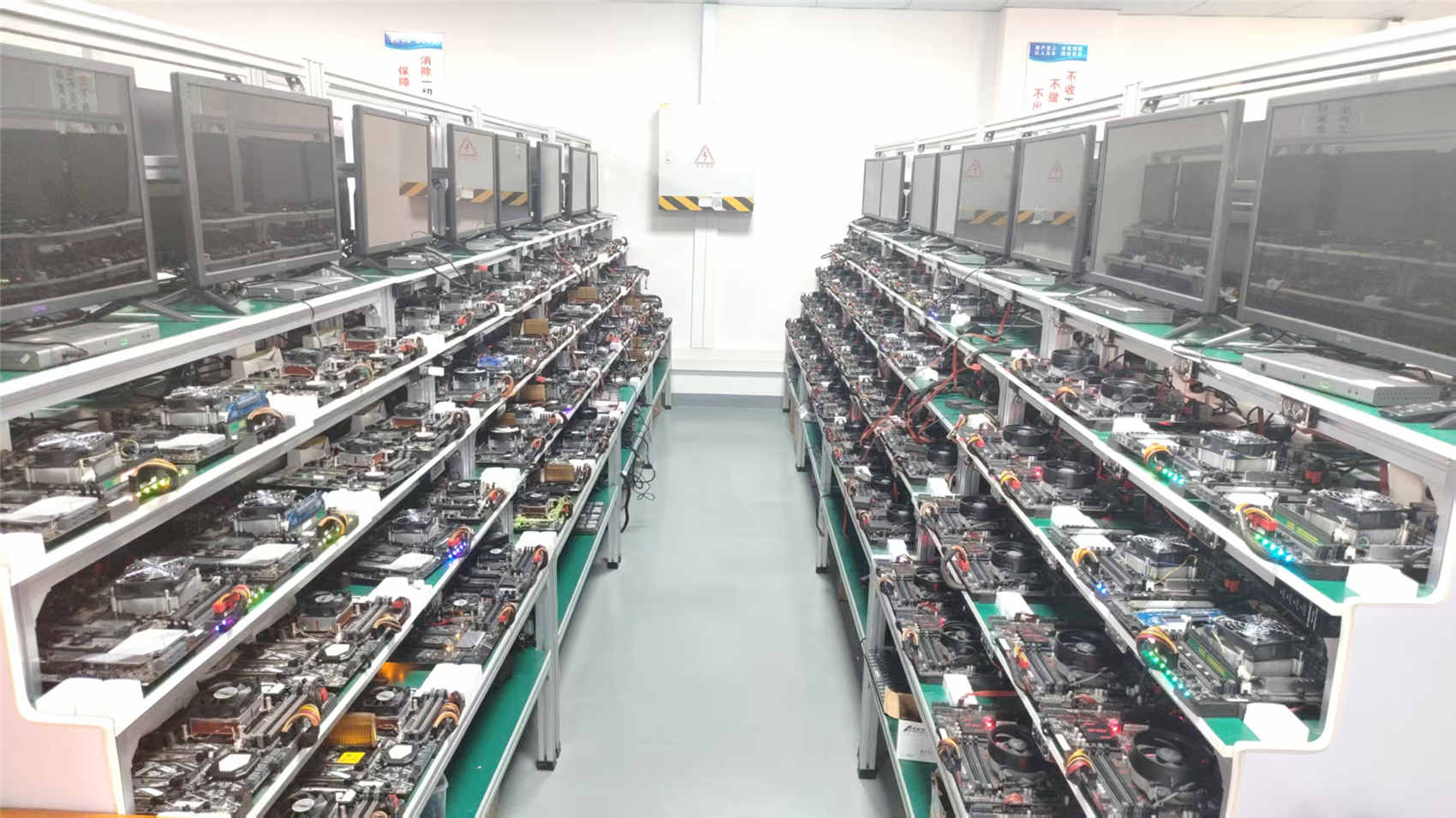


Detailed answers to common questions about memory technology, logistics, and quality assurance.
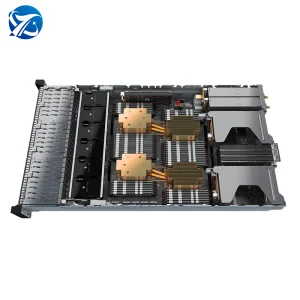
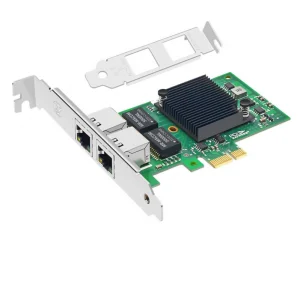
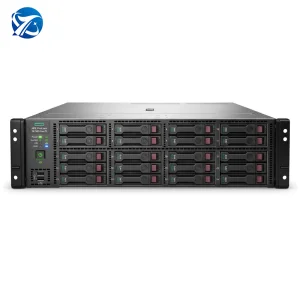
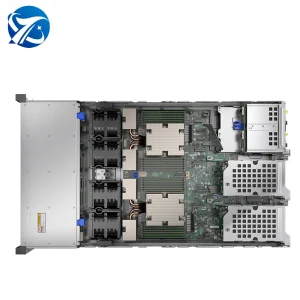
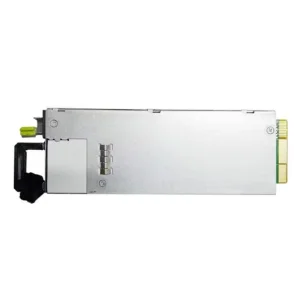
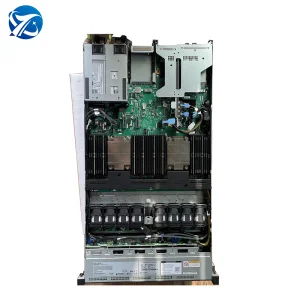
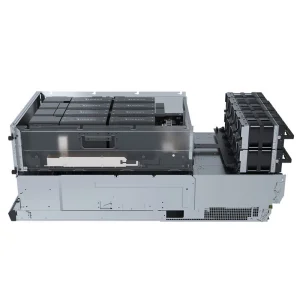
Explore our high-performance rack servers, specialized storage modules, and redundant power configurations.