Bexora
Bexora
Bexora
Explore our production-ready HPE ProLiant and enterprise computing nodes, fully certified and optimized for next-generation virtualized workloads.
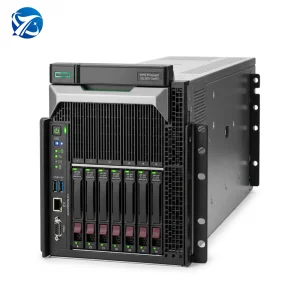
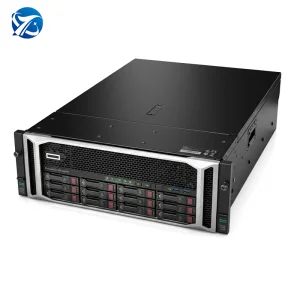
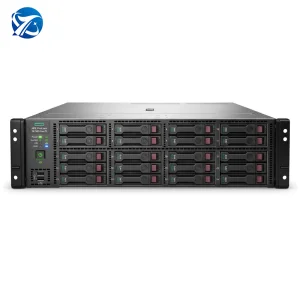
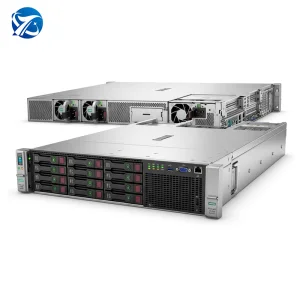
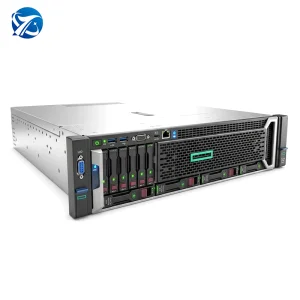
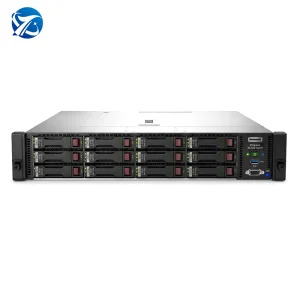
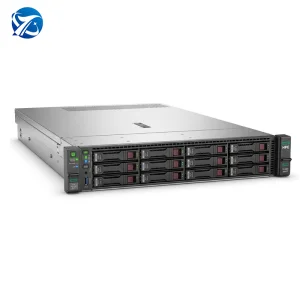
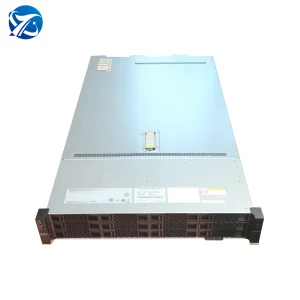
As organizations scale up computational resources to support advanced deep learning, large-scale virtualization, and mission-critical cloud applications, access to reliable server manufacturing infrastructure becomes paramount. Bexora AI Systems (China) Co., Ltd. stands at the intersection of quality hardware assembly, deep supply chain integration, and expert export logistics.
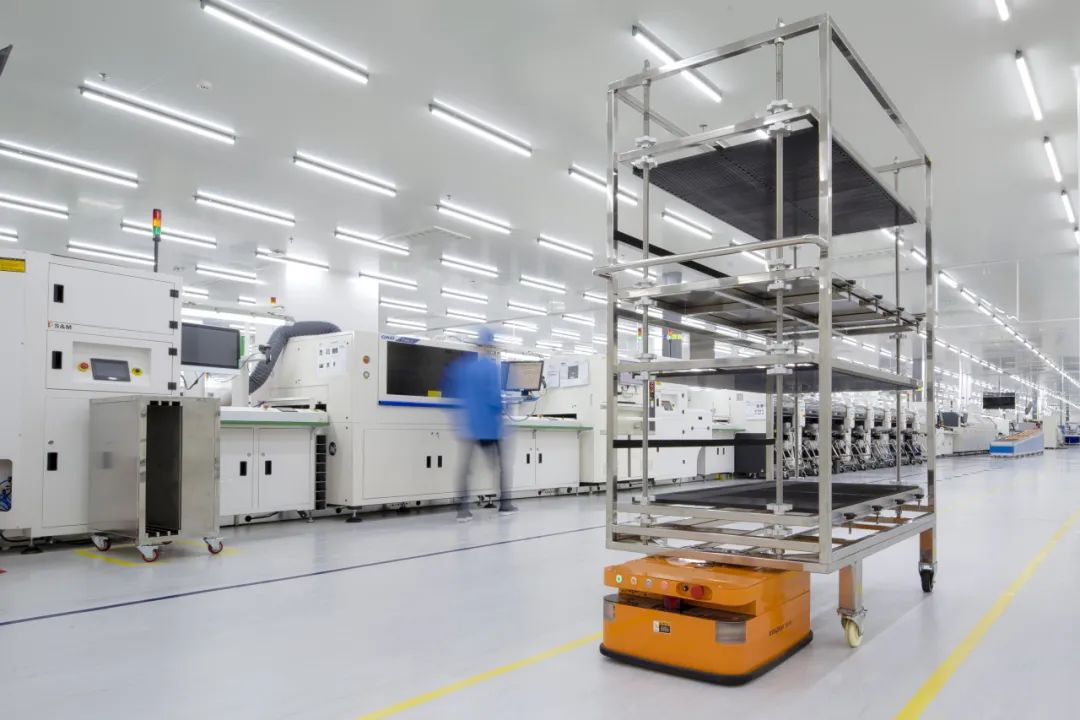
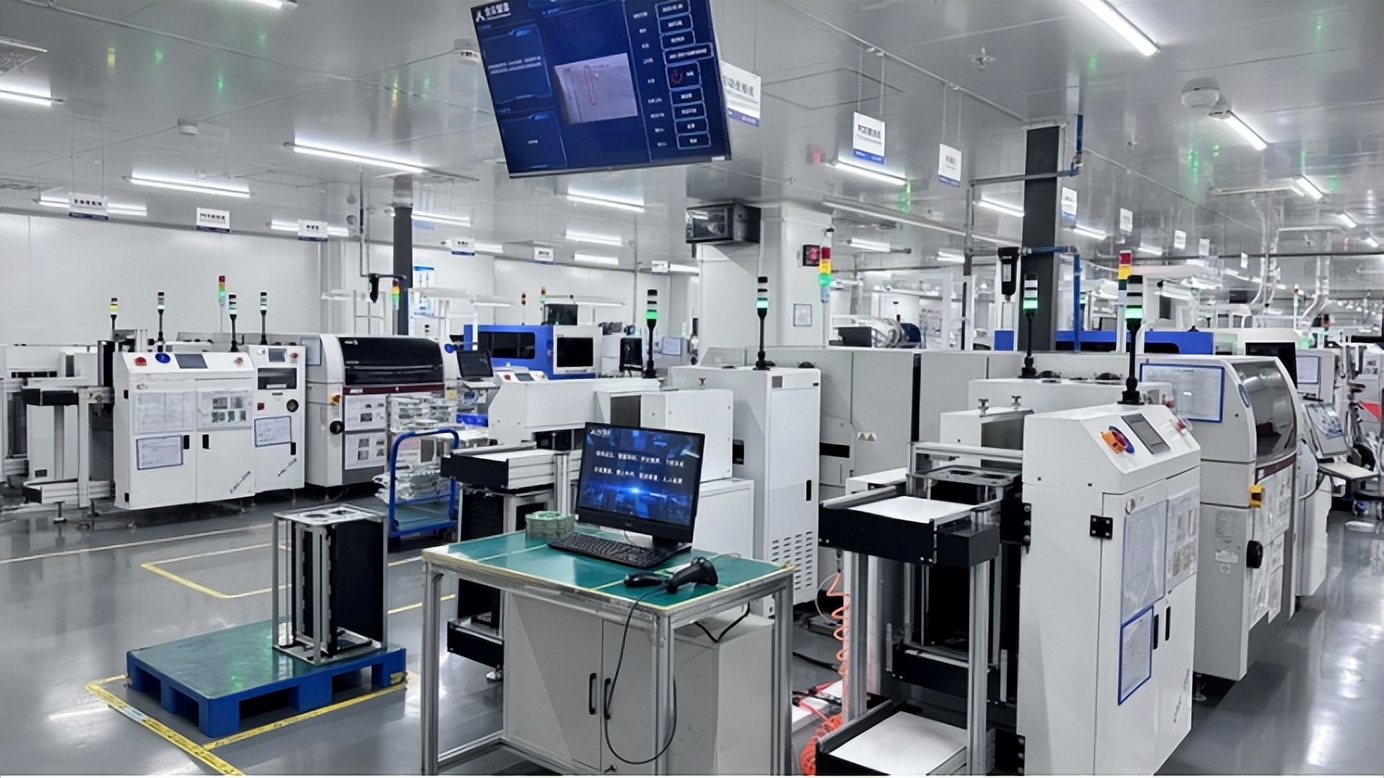
Operating from our modern 18,600㎡ production complex in China, we customize, inspect, and export enterprise-grade computing solutions globally. We leverage a robust matrix of over 860 supply chain partners to deliver both standardized architectures, such as HPE ProLiant Gen11 and Gen12 compute platforms, and customized, high-density GPU computing clusters.
Why hyperscalers, data centers, and specialized IT integrators source their critical infrastructure from Bexora's Chinese production facilities.
Our geographic positioning enables close integration with component suppliers. We manage continuous access to multi-mode RAID controllers, high-speed DDR4/DDR5 memory modules, bare metal chassis, and specialized heat sinks, bypassing procurement delays.
From firmware level customizations (including asset tags, BIOS presets, boot options, and custom hypervisor pre-installation) to hardware options including liquid cooling, custom PCIe expansions, and specialized GPU carrier boards.
Our large production volume minimizes manufacturing overhead. Combined with export-optimized logistics structures, we minimize the Total Cost of Ownership (TCO) for global enterprise buyers who require scalable deployments.
Navigating international regulatory frameworks is essential when deploying enterprise-class compute systems. Bexora designs security and compliance directly into the procurement cycle. We ensure hardware complies with the regulatory standards of destination markets: CE, FCC, RoHS, and CCC.
Beyond electrical and environmental compliance, data security is central to our hardware delivery. We configure servers to match customer security requirements, offering options for TPM 2.0 (Trusted Platform Modules) and ensuring compatibility with firmware-level protections like Silicon Root of Trust for HPE systems, preventing unauthorized low-level configuration changes.
To minimize deployment delays, Bexora provides dedicated pre-sales design consultations and post-sale hardware validation. Our R&D engineering team works alongside cloud providers and technical architects to optimize server firmware settings, configure RAID arrays, and verify compatibility with target OS environments (e.g., Red Hat Enterprise Linux, VMware ESXi, Proxmox, and Windows Server) before dispatch.
This pre-export optimization minimizes configuration troubleshooting during installation, saving critical hours during data center buildouts.
How newer server designs meet complex enterprise workloads, compute density targets, and low latency needs.
Understanding structural enhancements between server generations is key to making informed procurement decisions. HPE’s server lineup continues to adapt to meet the demands of modern cloud architectures and high-density virtualization.
The Gen11 architecture, powered by 4th and 5th Generation Intel Xeon Scalable processors, introduced native PCIe Gen5 capability. This architecture doubled the bandwidth of PCIe Gen4, facilitating faster data transfers between the CPU and NVMe storage drives or high-speed network interfaces. Supporting high-density DDR5 memory at speeds up to 4800MT/s, Gen11 servers like the DL380 and DL360 Gen11 remain reliable, cost-effective options for general virtualization, core enterprise applications, and structured database systems.
The Gen12 generation addresses compute-intensive workloads, specifically deep learning model training, AI inference, and large language model (LLM) execution. Featuring compatibility with Intel Xeon 6 processors and support for up to 8TB of high-speed DDR5 memory, the Gen12 platform provides the raw compute capacity needed to minimize memory-bound computing bottlenecks. The architecture supports high-density GPU acceleration configurations and includes optimized cooling structures to manage high thermal output.
As processor and GPU thermal design power (TDP) continues to rise, traditional air cooling is often insufficient for high-density rack environments. Platforms like the HPE ProLiant DL360 Gen12 support 20EDSFF configurations alongside direct liquid cooling (DLC) options. By routing coolant directly to the primary heat sources, these servers allow data centers to maintain higher compute densities per rack while reducing overall power usage effectiveness (PUE) metrics.
Aligning hardware architectures with specific enterprise IT requirements, private cloud structures, and AI inference operations.
Executing transformer-based AI models and machine learning calculations requires high GPU density and low latency. Utilizing 1U platforms like the HPE DL360 Gen12, configured with 8TB of DDR5 memory and multiple high-performance GPU accelerators, lets enterprises process inference workloads efficiently without exceeding power or rack space limits.
Modern hypervisors (VMware ESXi, KVM, Proxmox) require balanced configurations of CPU cores, high-capacity RAM, and reliable storage. The HPE ProLiant DL380 Gen12 2U form factor provides the physical space for redundant PCIe adapters, tri-mode RAID cards, and SAS/SATA/NVMe configurations, supporting dense virtual machine hosting.
Deployments in remote sites or branch offices require minimal local administrative overhead. Edge servers like the HPE DL360 Gen11 feature remote management tools (such as HPE iLO 6), allowing IT teams to monitor, update, and secure servers remotely without needing on-site technicians.
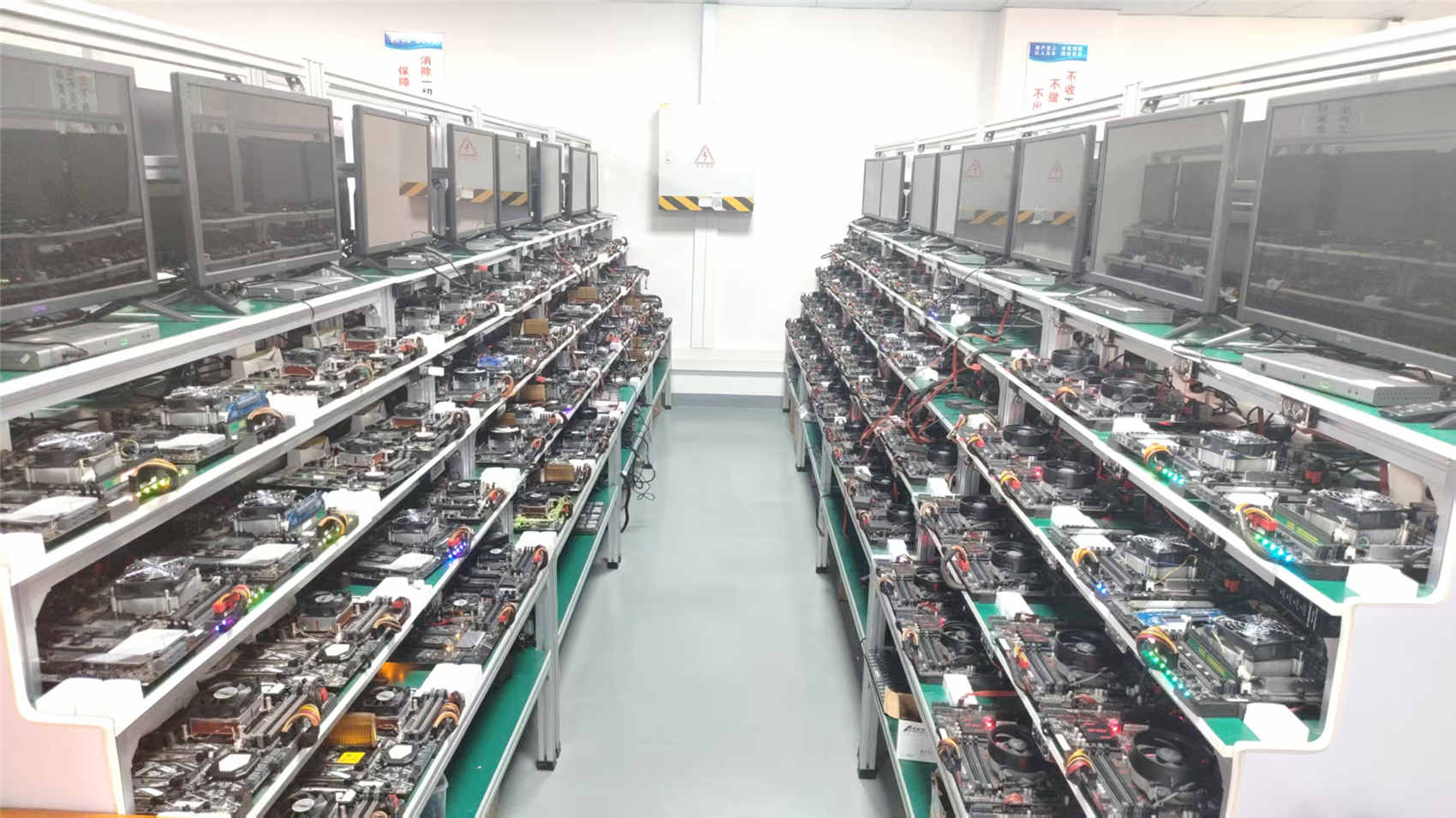
System downtime is costly for enterprise data centers. At Bexora, our quality control team of 45 professionals runs every system through a multi-stage validation process before export packaging begins.
We combine 100% full inspection with random sampling reliability tests to check system stability and performance. Components are verified from arrival to final assembly.
For customized enterprise projects, our 160 R&D engineers design, validate, and test systems to meet specific requirements. This includes configuring and testing custom liquid cooling loops, custom rail mounts, cable management arms, and enterprise SSD configurations.
By completing hardware testing at the factory level, we deliver systems that are ready to slide into rack cabinets, connect to network switches, and join production clusters immediately upon arrival.
How evolving hardware standards shape upcoming IT strategies and data center requirements.
Compute Express Link (CXL) technology is changing how server processors communicate with memory pools and accelerator hardware. PCIe 6.0 and newer protocols provide double the bandwidth of previous standards, enabling lower-latency storage access and pooled memory architectures that reduce system resource waste.
As server power draw rises, data centers are shifting toward hybrid liquid-to-air cooling options. This transition lets operators utilize high-TDP processors without requiring a complete redesign of the facility's plumbing, simplifying the transition to high-density racks.
Hardware-based threat mitigation remains a priority. Systems are transitioning to Zero-Trust hardware architectures, verifying the integrity of the firmware and BIOS before permitting the OS to boot, protecting critical data from firmware-level exploits.
Technical answers to help buyers evaluate custom server builds, import logistics, and hardware compatibility.
We procure server chassis, processors, and option cards directly from authorized distribution networks and certified OEM partners. Every server undergoes firmware-level checkouts (via HPE iLO and System BIOS utilities), validating component serial numbers against manufacturer databases. Authenticated hardware guarantees access to official support channels and updates.
Yes, our R&D engineering team can apply custom configurations, including setting specific hardware virtualization settings (Intel VT-x, SR-IOV), setting custom fan profile limits, configuring target RAID arrays (RAID 0, 1, 5, 6, 10, or 50), and installing specific operating systems or hypervisors, ensuring the servers are ready for deployment upon delivery.
For HPE products, standard manufacturer warranty terms apply based on the regional registration of the hardware. For custom server builds and components supplied by Bexora, we offer warranty coverage (up to 3 years) that includes expedited component replacement shipping, minimizing service interruptions during hardware faults.
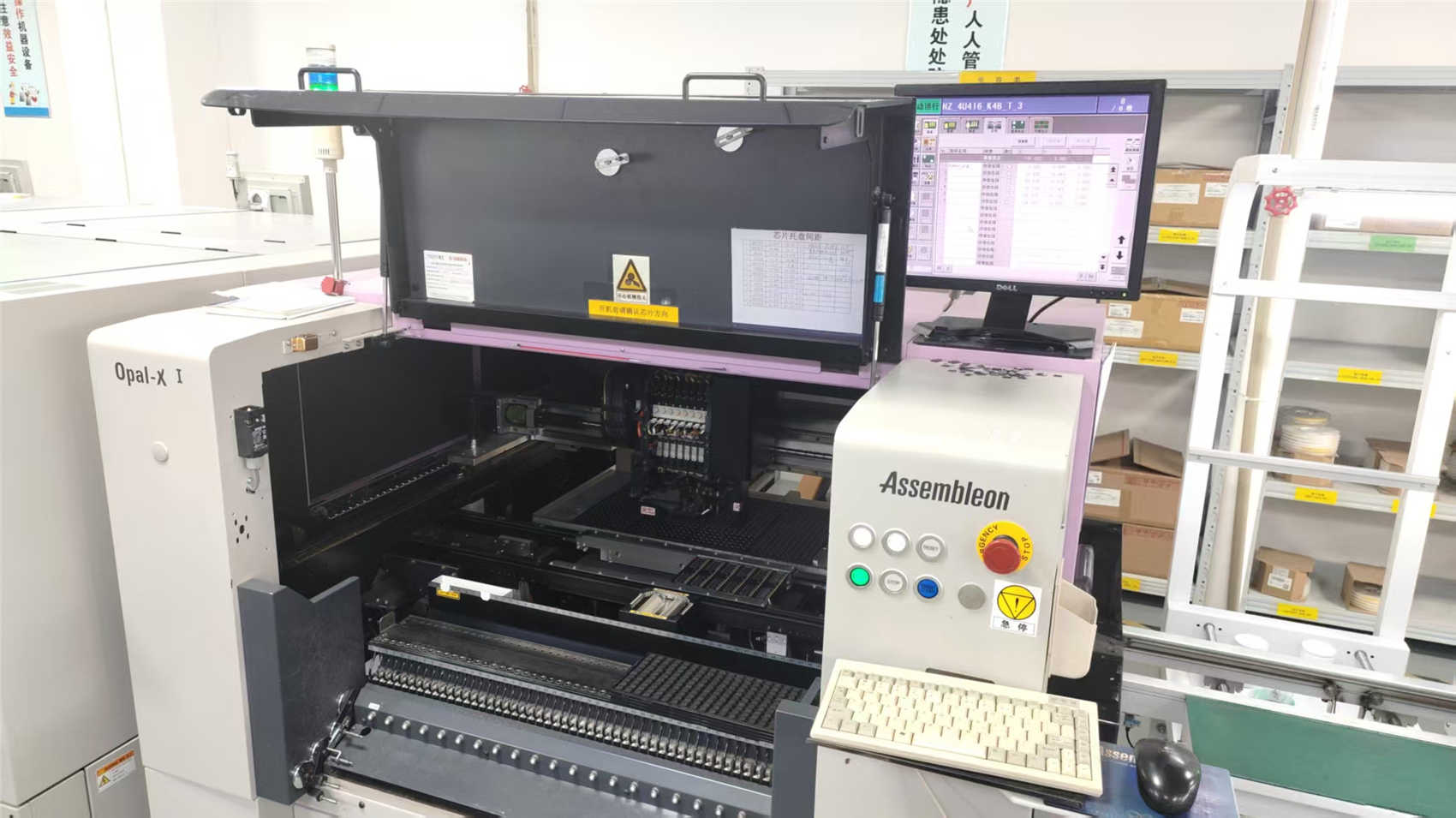
Every GPU server undergoes a rigorous 4-step validation pipeline: component checking via AOI, system diagnostic testing under full load, 24-hour high-temperature burn-in, and GPU-specific performance tests (using workloads like PyTorch and TensorFlow) to verify system stability under intense processing loads.
We use custom, multi-layer foam packaging and heavy-duty shipping containers designed to protect server chassis and motherboards from vibration and physical shocks. Large or high-density rack configurations are shipped on custom-built pallets with shock-absorbing mounts, and every shipment is backed by comprehensive transit insurance.
Tri-mode RAID controllers (like the Broadcom/LSI 9560 series) allow SAS, SATA, and NVMe PCIe storage devices to run simultaneously on a single controller interface. This flexibility lets data center administrators mix high-capacity archive disks (SATA/SAS) with high-speed caching drives (NVMe) to optimize storage performance and costs.
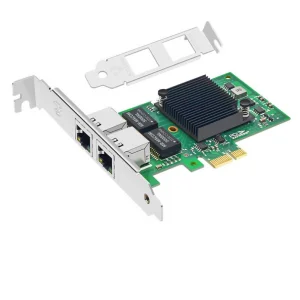
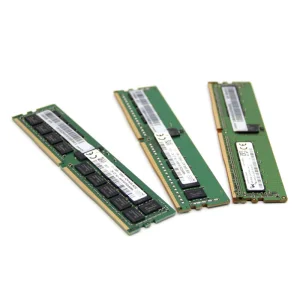
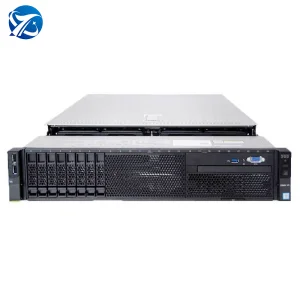
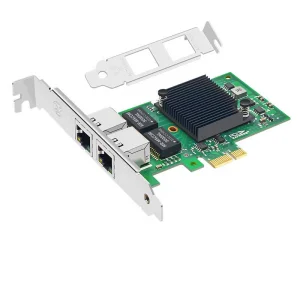
Select from our certified stock of high-speed memory modules, multi-mode RAID controllers, and alternate high-performance server architectures.
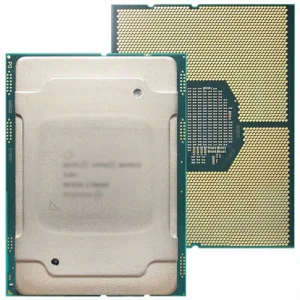
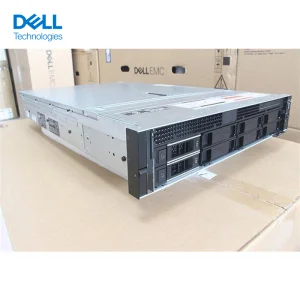
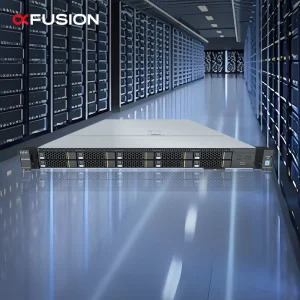
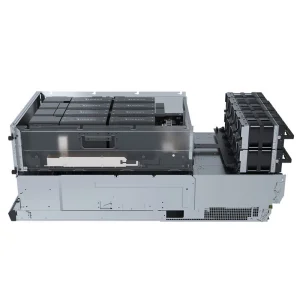
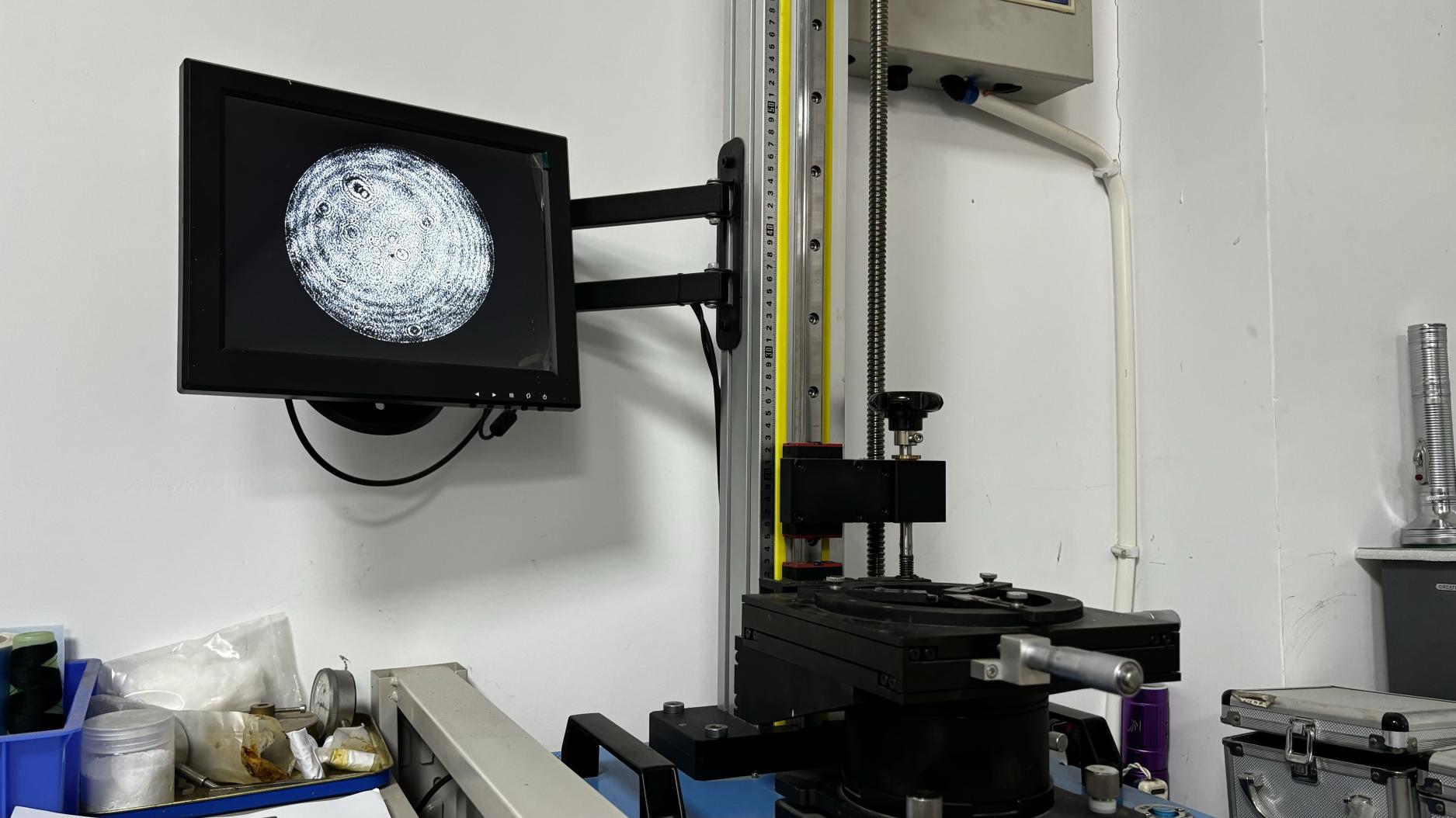
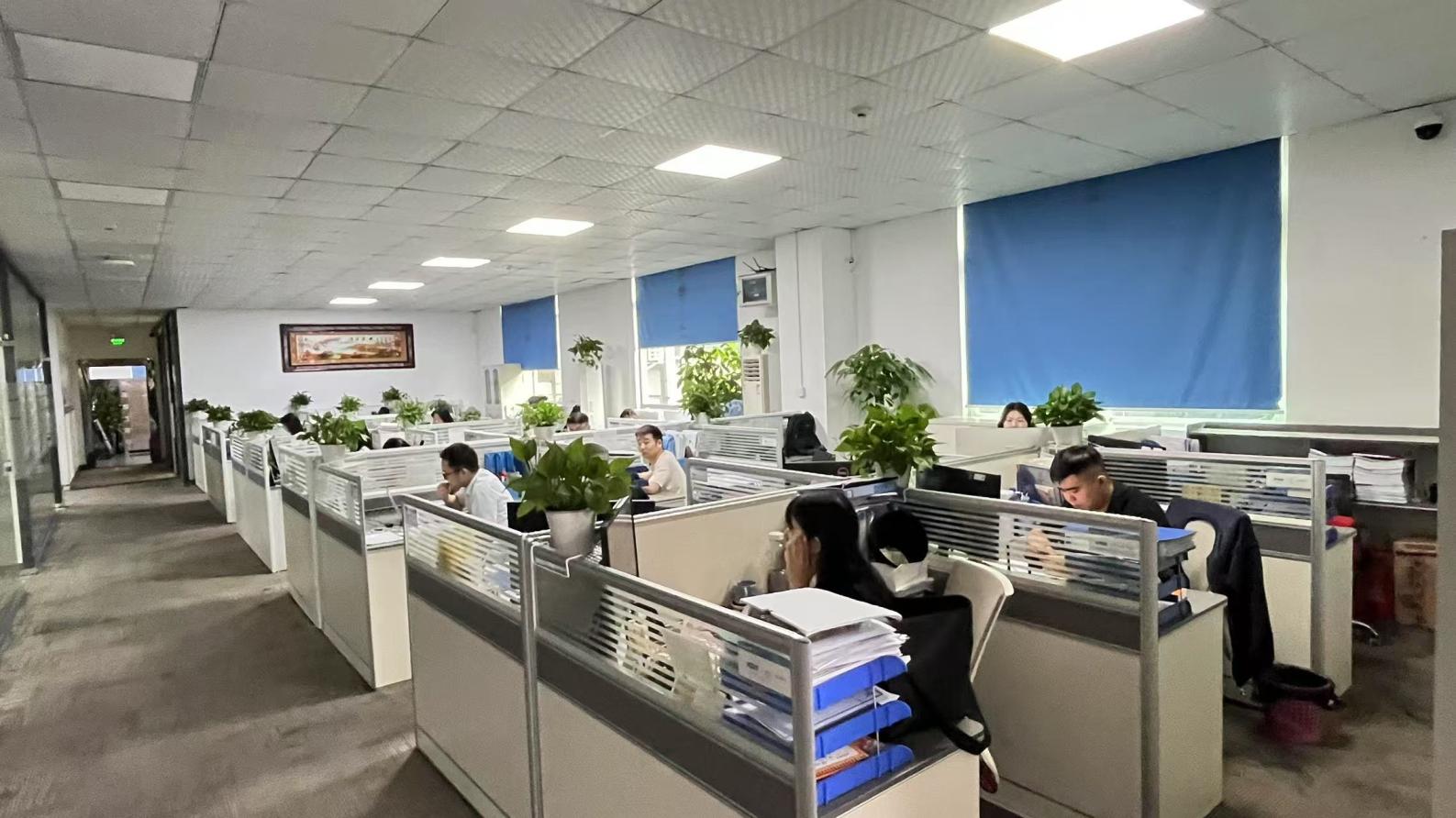
Transparent insights into Bexora's 18,600㎡ assembly plants, cleanrooms, and testing facilities.