Bexora
Bexora
Bexora
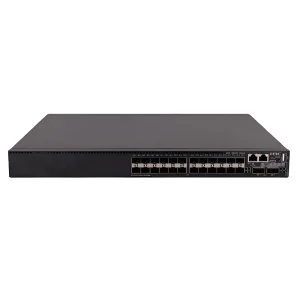
As a leading computer architecture developer and global network switch exporter, Bexora AI Systems (China) Co., Ltd. provides robust, enterprise-grade hardware integrations for cloud service providers, machine learning labs, and industrial network switches topologies.
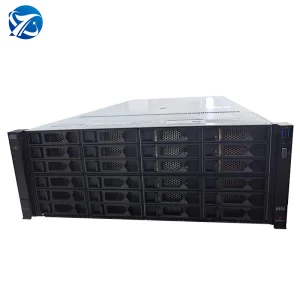
We operate as a global B2B export-oriented manufacturer, supplying high-performance switches, high-speed storage configurations, and advanced GPU computation clusters. With 7 years of pure export excellence and 12 years of industry tenure, our team bridges the gap between hardware engineering and dynamic international trade compliances.
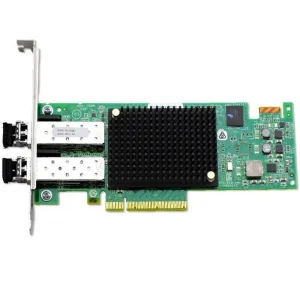
Our core solutions support complex scale-out enterprise fabrics. Whether routing millions of packets via multi-layer L3 switches or providing the high-speed backend interconnects for AI clustering, we offer dynamic hardware customization (chassis modifications, customized optical transceivers, alternative power systems) tailored for enterprise operational continuity.
Modern network switches are no longer just basic packet-routing hardware; they form the central nervous system of hybrid-cloud data centers and distributed processing applications.
For high-throughput AI GPU servers, network switches act as the primary pipeline. Standard Ethernet switches often cause high latency due to TCP overhead. We supply RoCE v2 (RDMA over Converged Ethernet) optimized switches that enable direct memory access between GPU clusters without involving processor OS overhead, maintaining ultra-low sub-microsecond latency.
Deployments in extreme industrial spaces demand rugged construction. Industrial switches with wide temperature tolerance ranges operate at the edge, converting optical and copper feeds from smart-grid monitors, manufacturing cameras, and IoT sensors. These nodes communicate back to hybrid local servers with minimal packet loss.
In high-frequency trading (HFT) networks, every millisecond impacts transactions. Enterprise switches utilize cut-through switching architecture instead of store-and-forward methods. This directs incoming packet frames immediately to their destination port based on the destination MAC address, minimizing transit delays.
As standard workloads transition to intensive AI models, the demand for higher bandwidth is driving rapid technological evolution in the networking industry.
Widespread transition from 10G/40G backplanes to 100G and 400G optical uplinks. Deploying QSFP-DD (Quad Small Form-factor Pluggable Double Density) interfaces to double switch density without increasing rack space demands.
Integrating silicon photonics directly onto switch mainboards. This reduces signal degradation, improves power efficiency, and allows optical transceivers to operate at lower temperatures under full load.
Merging the switch ASIC and optical engines into a single packaged assembly. This setup eliminates traditional electrical trace paths, reducing power consumption by up to 30% and supporting scale-out computing fabrics.
Traditional networking setups struggle with modern computing architectures. When GPU clusters process massive datasets, the network interconnects can become a bottleneck. As a specialized exporter, Bexora targets these latency pain points by offering switches with larger packet buffers and features like Dynamic Load Balancing (DLB) to manage traffic congestion.
Additionally, modern green standards require energy-efficient operations. Next-generation systems incorporate variable speed smart fans, modular energy-efficient power supplies, and firmware configurations designed to reduce power usage during low-traffic periods.
Bexora leverages China's advanced industrial ecosystem to maintain production efficiency, consistent component sourcing, and reliable delivery timelines.
Our proximity to optical component, PCB, and metal chassis suppliers allows us to source raw materials quickly, helping mitigate supply chain disruptions.
Our engineering team can customize products to meet specific requirements, whether you need custom bracket configurations, specific port placements, or custom firmware.
Our production facilities utilize automated assembly lines, automated optical inspection (AOI), and precise environment testing to ensure consistent build quality.
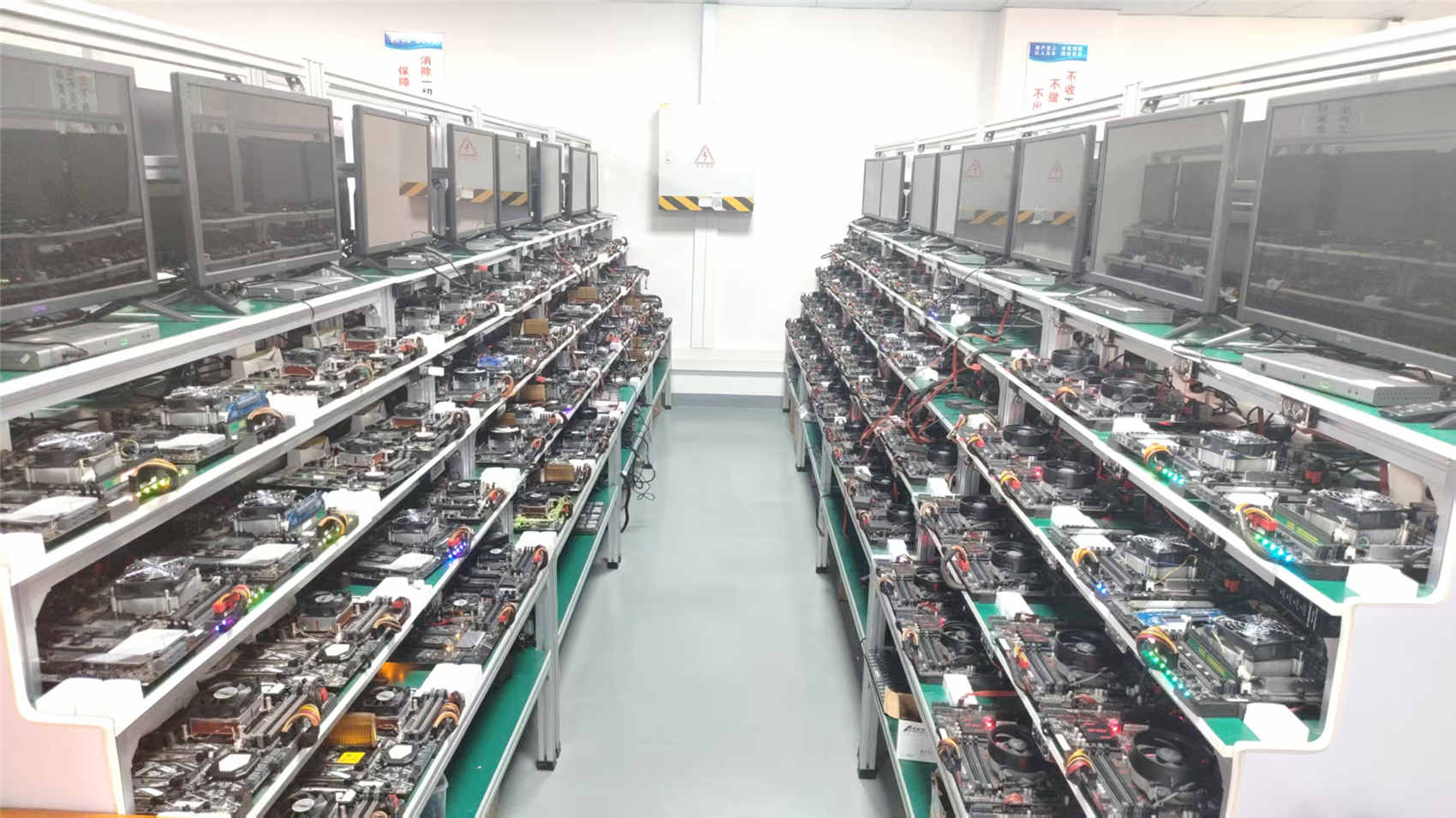

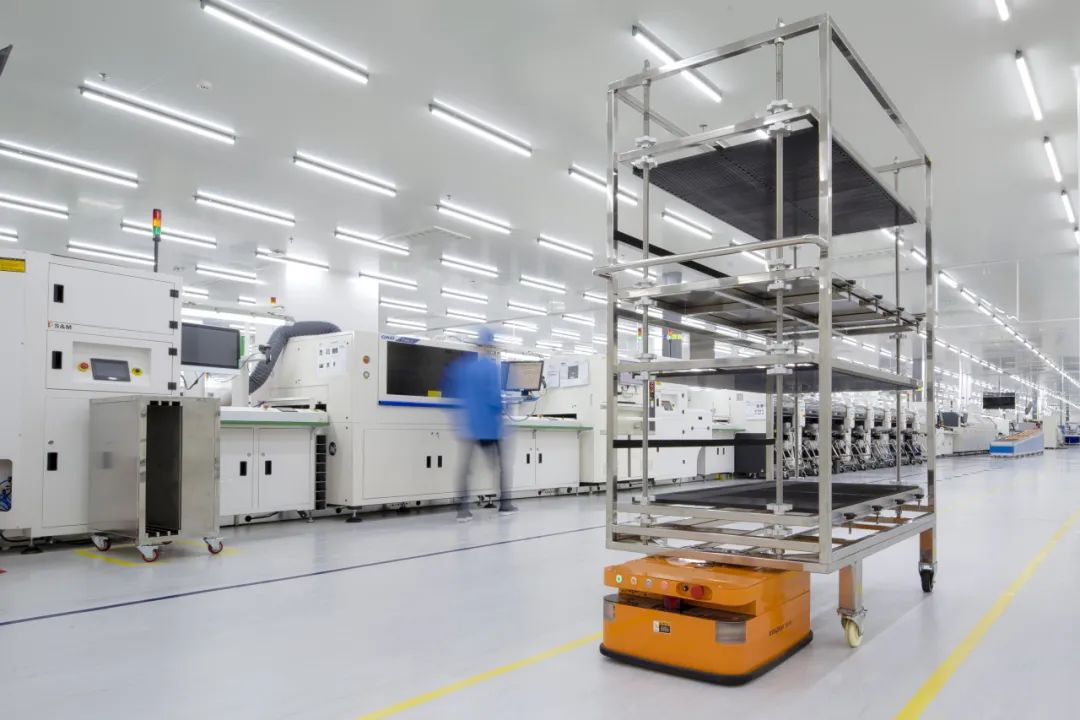

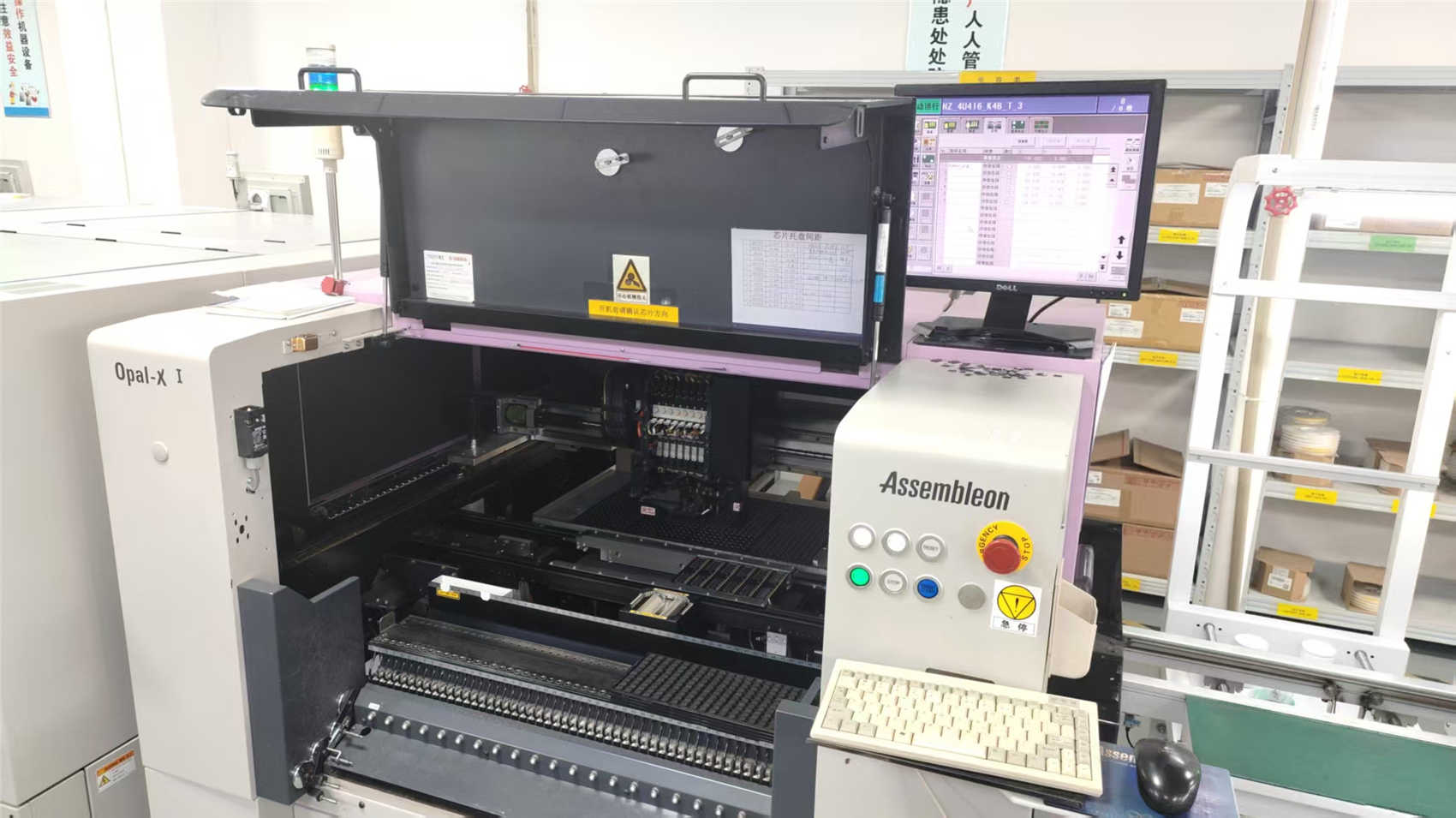
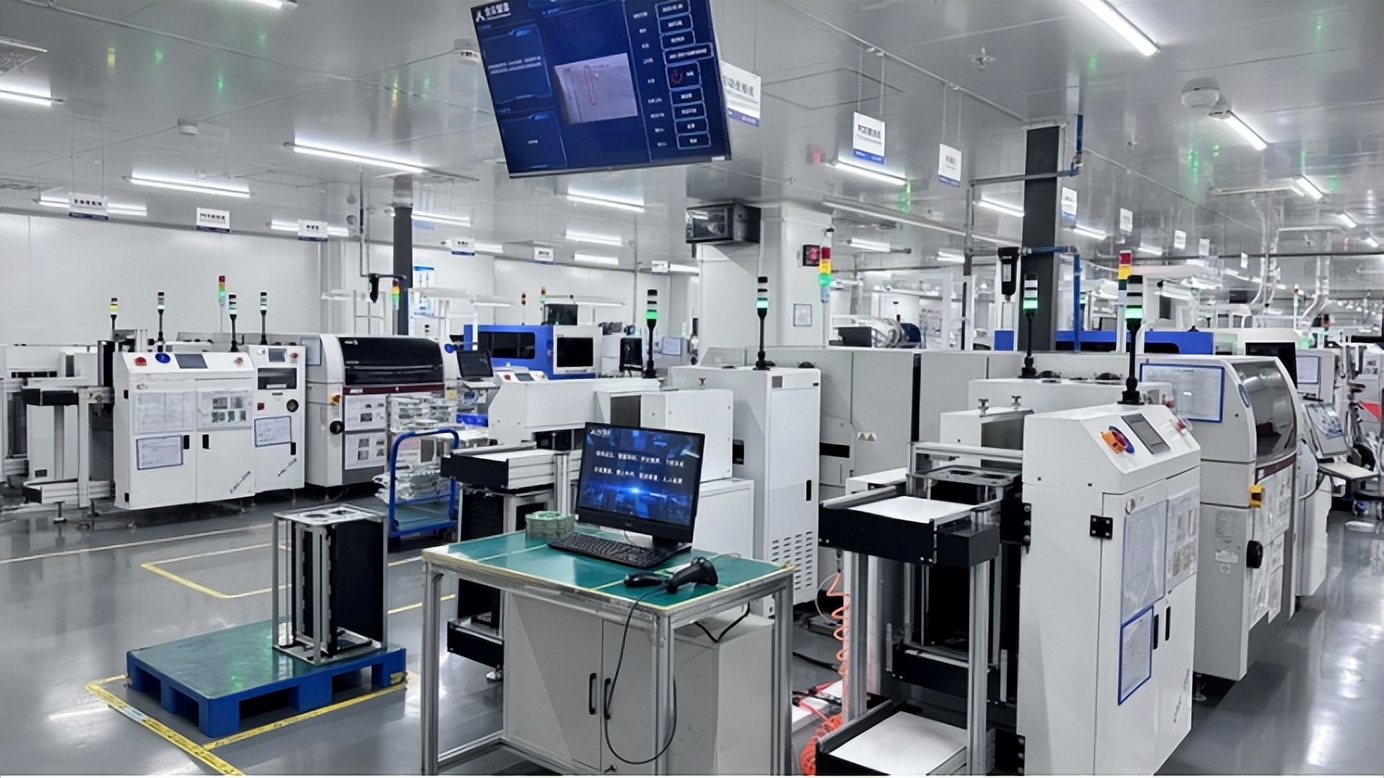
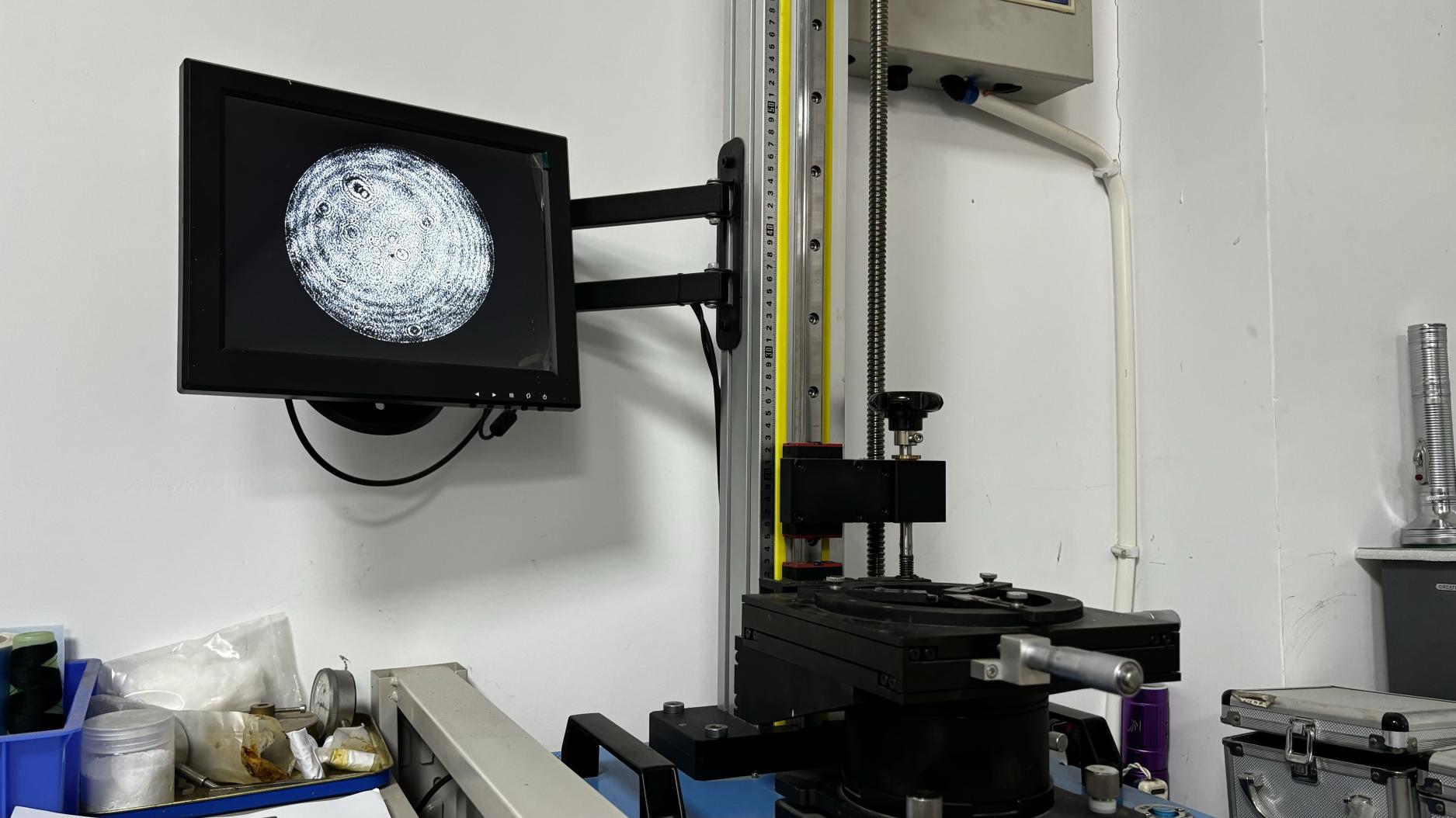

Quality and stability are critical for large-scale data deployments. Bexora utilizes structured testing procedures to ensure all shipped hardware meets operational standards.
Automated Optical Inspection scans printed circuit boards for microscopic solder defects, component misalignment, or routing errors before final assembly.
Switch chassis undergo testing in thermal chambers, cycling through operating temperatures to confirm stable thermal performance under heavy loads.
Assembled systems undergo burn-in testing under high traffic loads for 24 to 72 hours, ensuring early-stage hardware issues are identified and resolved before shipping.
We run high-density traffic and diagnostic protocols to verify real-world performance, including packet routing accuracy, throughput speed, and software stability.
We work with international logistics partners to ensure secure transit, customs clearances, and compliant documentation for cross-border deliveries.
Our products comply with relevant international standards, including CE, FCC, RoHS, and local regulatory requirements. We verify that each shipment contains the appropriate certifications, declaration forms, and safety documentation required for custom clearance.
Our documentation process helps prevent unexpected customs delays. We handle trade documentation, tariff classification, and transport safety certifications (such as battery and magnetic shipping requirements) to streamline delivery.
Hardware configuration is only the first step. Bexora provides support for system initialization, firmware updates, and troubleshooting. Our technical support team assists network engineers and system integrators with installation, integration, and performance optimization.
Through diagnostic APIs and remote configuration tools, our engineers can help optimize switch routing protocols, set up VLANs, configure LACP groups, and troubleshoot physical connectivity issues across different time zones.