Bexora
The demand for AI technologies is skyrocketing, driving the need for reliable AI server production companies. Reports indicate the global AI server market will reach $30 billion by 2026. Companies are searching for trustworthy partners who can deliver high-performance solutions.
AI infrastructure is critical for businesses aiming to leverage artificial intelligence capabilities. However, navigating the vast landscape of AI server production companies can be challenging. Many organizations might lack the necessary expertise to assess their specific requirements. Not all providers offer the same level of reliability or scalability.
Buyers should consider factors like product performance and post-sales support. Research shows that 45% of enterprises rank reliability as a top criterion when choosing a production company. This highlights the importance of professional advice in making informed decisions. Focusing on companies with a proven track record is essential for future success.
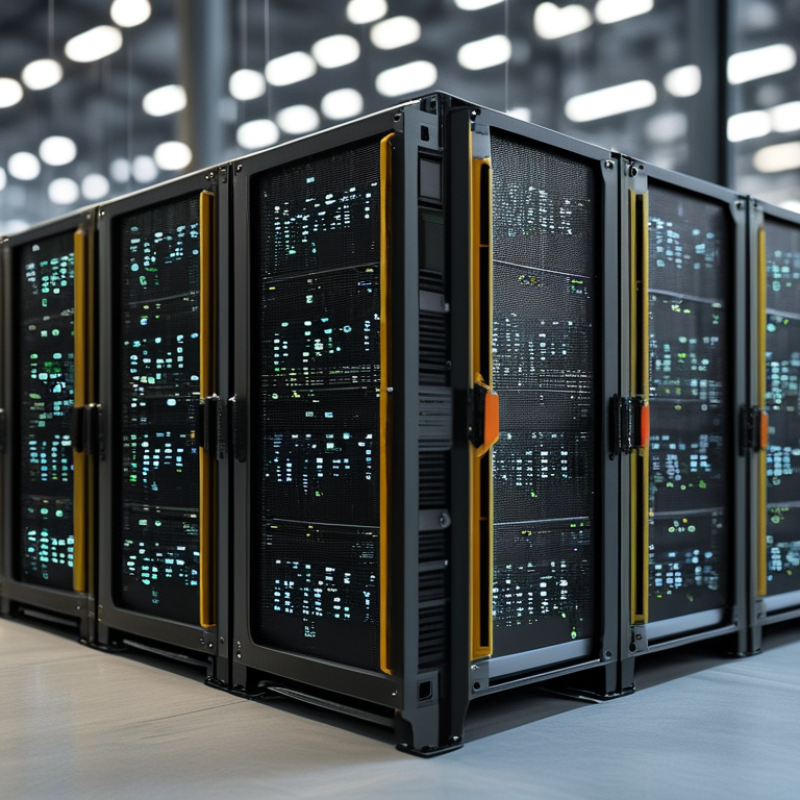
The AI server production market is evolving rapidly. By 2026, it is expected to reach a staggering value of $50 billion. This growth is driven by rising demand for artificial intelligence applications across various sectors. Companies are investing in high-performance computing to enhance capabilities.
In 2026, significant discrepancies may appear within the market. Not all producers will meet the high standards expected by global buyers. Reports indicate a potential shortfall in supply chains. This could affect delivery times and quality. Buyers must carefully assess reliability and performance metrics before purchasing.
Data suggests that around 70% of AI server deployments will prioritize energy efficiency. This reflects the growing importance of sustainability in tech production. However, some manufacturers may struggle to adapt. Balancing innovation and sustainability will challenge industry players. A detailed understanding of these dynamics will be crucial for prospective buyers.
The AI server production industry is booming. According to recent industry reports, this market is projected to reach $60 billion by 2026. The growth is driven by the increasing demand for AI applications. Companies are investing heavily in data centers and infrastructure to support AI workloads.
Key players in this industry are expanding capabilities rapidly. They focus on creating energy-efficient servers that can handle large datasets. A notable trend is the shift towards hyper-convergence, optimizing performance and storage. Data suggests that by 2025, around 70% of businesses will adopt hyper-converged solutions. This highlights a significant shift in how organizations approach server architecture.
However, challenges remain. The demand for high-performance computing outpaces supply. Supply chain issues linger from the global chip shortage. Some companies struggle to meet customer needs due to these constraints. Addressing these issues is vital for maintaining competitiveness in the market. Industry professionals frequently emphasize the need for innovation amidst these hurdles.
Evaluating AI server production companies is crucial for global buyers. The right choice can significantly impact performance and scalability. According to the International Data Corporation (IDC), the AI server market is projected to grow by over 30% annually through 2026. This rapid expansion emphasizes the need for a systematic evaluation of potential suppliers.
Key criteria should include hardware specifications, software compatibility, and customer support. Buyers must ensure the servers can handle high workloads efficiently. Latency, power consumption, and thermal management also matter. For instance, research from Gartner indicates that servers with optimized cooling systems can improve performance by up to 15%.
However, selecting a supplier isn’t flawless. Check if they offer the latest technologies and updates. Market reports reveal that many companies lag in delivering timely updates and support. This creates risks for buyers who depend on software stability and performance. It’s essential to obtain references and case studies before making a commitment. This approach provides insights into the reliability of the chosen vendor.
The evolution of AI server design has been transformative, driven by the demand for processing efficiency and scalability. Recent reports indicate that the global AI server market is projected to surpass $40 billion by 2026. This growth reflects an urgency for innovative technologies that can handle large datasets and complex algorithms. Advanced cooling technologies and energy-efficient architectures are becoming standard. They reduce operational costs while maximizing uptime.
Innovative design is not just about speed; it's also about flexibility. Modular systems allow for easy upgrades, reducing waste and improving longevity. Some industry experts argue that while these designs are promising, they often require a steep learning curve. Users may struggle to adapt quickly to new interfaces and functionalities. Compatibility with existing infrastructure can also be challenging.
Security remains a critical concern as AI servers become more interconnected. Data breaches can occur if robust protocols are not in place. Recent studies point out that nearly 30% of organizations report security vulnerabilities in their AI implementations. The path to a secure, efficient, and innovative AI server design requires ongoing reflection and adaptation. These challenges demand a proactive approach to technology adoption.
The landscape of AI server production is rapidly evolving. Global trends are significantly shaping this industry.
Technological advancements in machine learning and data analytics drive the demand for powerful servers. Businesses seek efficiency, scalability, and cost-effectiveness in their infrastructures. These needs compel manufacturers to innovate continuously and adapt.
Sustainability has emerged as a key priority. Companies are exploring eco-friendly materials and energy-efficient designs. However, achieving a balance between performance and environmental impact remains challenging.
The push for green technology introduces complexities in production processes. Additionally, the global supply chain faces constraints. Materials and components may experience shortages, leading to delays.
Market competition is intense, creating pressure for faster delivery. Companies must prioritize quality alongside speed. This dual focus can complicate product development. Insights from industry experts suggest that collaboration will be vital.
Sharing knowledge and resources can help address common challenges. Embracing new perspectives is crucial for future growth in AI server production.
I server design?
The global AI server market is projected to surpass $40 billion by 2026.
They reduce operational costs while maximizing uptime.
Users may experience a steep learning curve adapting to new interfaces.
Nearly 30% of organizations report security vulnerabilities.
Sustainability and eco-friendly materials are priorities in production.
Balancing performance with environmental impact poses challenges.
Shortages of materials can lead to delays in production.
It helps address common challenges while fostering innovation and growth.
Companies must balance quality with speed, complicating product development.
The AI server production market in 2026 is expected to showcase significant growth, driven by advancements in artificial intelligence and increasing demand from various sectors. Key players in the industry will stand out based on their ability to innovate in design and integrate cutting-edge technologies. Evaluating an AI server production company will involve criteria such as performance, scalability, energy efficiency, and customer support.
Global trends, including the rise of cloud computing, big data analytics, and the Internet of Things (IoT), are shaping the landscape of AI server production. Companies that can effectively leverage these trends and continuously innovate will be well-positioned to meet the demands of global buyers. As the market evolves, careful selection of an AI server production company will be crucial for organizations looking to harness the power of AI effectively.
