Bexora
Choosing the right OEM AI server manufacturer is crucial for businesses aiming to enhance operations and drive innovation. This decision impacts scalability, performance, and long-term success. With many options available, how do you determine which manufacturer aligns with your organization's specific needs?
It's essential to consider technical expertise, industry reputation, and support services when evaluating potential OEM AI server manufacturers. A manufacturer with a proven track record can provide reliable products that power your AI initiatives. However, many companies overlook the importance of post-purchase support. Without the right assistance, even the best hardware can underperform.
Additionally, understanding your own requirements is vital. Are you focused on processing power or energy efficiency? Every organization's needs differ. Therefore, what works for one may not work for another. Taking the time to reflect on your priorities will guide you to the best OEM AI server manufacturer for your unique situation.
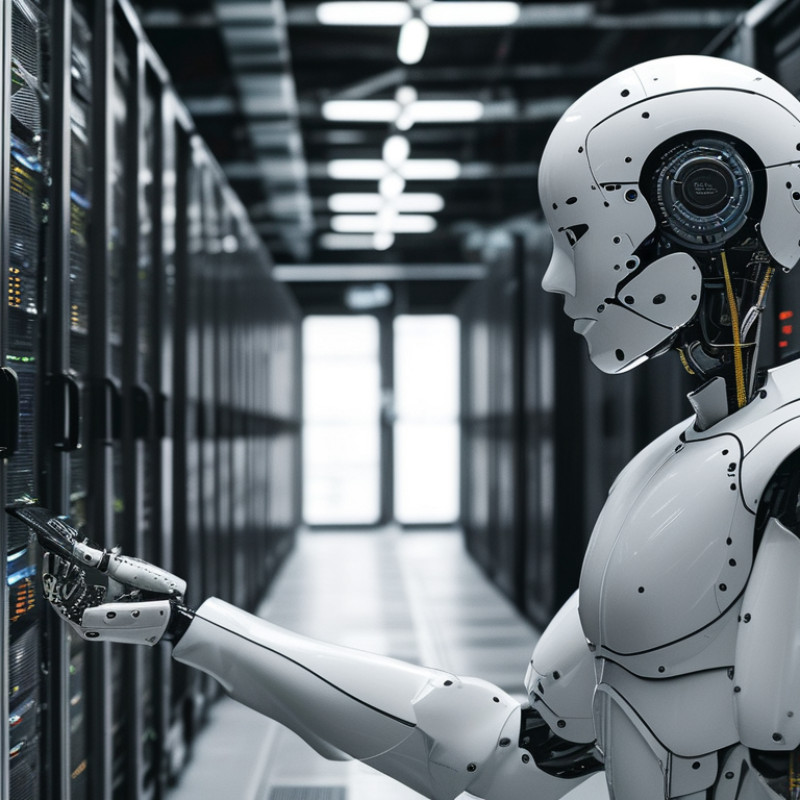
Understanding OEM AI servers is crucial for businesses leveraging artificial intelligence. OEM (Original Equipment Manufacturer) AI servers are designed to meet the specific demands of AI workloads. These servers are optimized for tasks like machine learning and data analytics. They offer the necessary hardware and scalability for companies eager to integrate AI into their operations.
The importance of OEM AI servers in industry cannot be understated. They provide tailored solutions that enhance performance and reliability. Choosing the right manufacturer is essential; not all servers are created equal. Companies must evaluate their requirements carefully. This involves assessing processing power, memory, and storage capabilities. It’s not just about the specs; consider the support and service quality from the manufacturer.
Some users have faced challenges with compatibility and software integration. Reflecting on past experiences can guide better choices. It’s vital to prioritize trustworthiness and experience when selecting a manufacturer. A knowledgeable partner will ensure the AI infrastructure aligns with your long-term goals. Active collaboration during the decision-making process can lead to a more seamless implementation.
When selecting an OEM AI server manufacturer, several key factors demand attention. First, assess the manufacturer's experience in the AI domain. Industry data shows that companies with over five years of experience demonstrate a 30% higher success rate in deploying AI solutions compared to newer players. This experience often translates into optimized processes and reliable support, which is critical when integrating hardware with AI applications.
Next, consider the technological capabilities of the manufacturer. Look for offered specifications that align with your needs, such as processing power and scalability. A study by IDC revealed that 70% of enterprises value scalability in AI servers, as it enables them to adapt to evolving demands. Analyze how well manufacturers can customize their solutions for specific AI workloads. This customization can enhance performance and ultimately drive a better return on investment.
Lastly, the manufacturer’s after-sales support is crucial. Many clients overlook this aspect, but surveys indicate that adequate support can reduce system downtime by up to 50%. Evaluate customer testimonials and case studies that reflect the service level provided. Sometimes, a great product comes with inadequate support, leading to frustration down the line. Remember, choosing the right manufacturer involves balancing these factors against your unique operational needs and budget constraints.
When selecting an OEM AI server manufacturer, understanding the technical specifications is key. These specifications dictate performance, scalability, and reliability. Look closely at the processing power. A robust CPU and GPU combination can significantly enhance AI model training and inference. Confirm the server's ability to handle large data sets efficiently, as this impacts overall performance.
Consider the memory and storage options available. More RAM helps in multitasking and performance for data-intensive applications. Ensure the storage is flexible and fast, which is essential for quick data retrieval. Assess the networking capabilities as well. A high-speed, reliable network connection can prevent bottlenecks during data transfers.
Pay attention to the manufacturer’s support and warranty options. A transparent support framework can save time and reduce frustration if issues arise. Compatibility with existing systems is crucial. If the server does not integrate smoothly, it can lead to inefficiencies. It’s wise to think critically about these details. Each specification should be aligned with your business needs. It's not just about power; it's about the right fit for your operations.
| Specification | Description | Importance |
|---|---|---|
| Processor Type | High-performance CPUs or specialized AI processors (e.g., TPUs, GPUs) | Critical for data processing speed and performance |
| Memory Capacity | RAM size (16GB, 32GB, 64GB or more) | Impacts the ability to handle large datasets and multitasking |
| Storage Options | SSD vs HDD, capacity ranges (1TB - 10TB) | Affects read/write speeds and data retrieval times |
| Network Bandwidth | Data transfer rates and support for high-speed connections | Essential for real-time processing and cloud connectivity |
| Power Efficiency | Energy consumption ratings and cooling requirements | Important for operational costs and sustainability |
| Warranty and Support | Length of warranty period and availability of tech support | Critical for long-term reliability and troubleshooting |
When selecting an OEM AI server manufacturer, evaluating reputation is crucial. A manufacturer’s history can reveal much about their reliability. Look for feedback from past clients. This can include online reviews and testimonials. A strong track record often indicates quality and trustworthiness. Avoid companies with consistent negative comments. They may signal deeper issues.
Customer support is equally important. How a manufacturer responds to inquiries can reflect their commitment. Reach out with questions and observe their response time. Efficient support can make a significant difference during critical moments. Manufacturers should offer multiple channels for assistance, such as chat, email, and phone.
It's helpful to consider industry presence as well. Well-established manufacturers often have a robust support network. However, newer companies might bring innovation. Weighing both options is essential. Balance your needs for reliability and modern solutions. Making an informed choice is vital for long-term satisfaction.
When selecting an OEM AI server manufacturer, understanding pricing and value is crucial. The cost of these servers can vary greatly. Some companies offer budget-friendly options, while others might charge a premium. Price isn't the only factor. It’s important to consider the features included in each package.
Performance metrics often correlate with higher prices. Higher cost typically signals better components and support. However, not every expensive server is the best choice. It’s wise to analyze what you truly need. Are you prioritizing speed, storage, or AI capabilities? Creating a checklist can help you stay focused.
Reliability is another critical aspect. Some manufacturers may have affordable options, but their long-term support might be lacking. This could lead to costly downtimes later. Investigating customer reviews can provide insights. Real-world experiences highlight both strengths and weaknesses. Keep these reflections in mind as you navigate your choices. Finding a balance between cost and quality requires careful thought.
I servers designed for?
Not all servers are equal. Choosing wisely ensures better performance and support.
Companies must assess processing power, memory, and storage capabilities.
Users often encounter compatibility and software integration issues.
Experienced manufacturers have a higher success rate, often translating to reliable support.
Scalability allows companies to adapt their servers to changing demands.
Good support can reduce system downtime drastically, enhancing productivity.
If servers don’t integrate well, it can lead to inefficiencies and hinder performance.
Adequate memory and flexible storage are crucial for multitasking and data retrieval.
No, companies must also consider support, compatibility, and alignment with needs.
When selecting the right OEM AI server manufacturer, it’s crucial to understand the significance of these servers in today’s industrial landscape. OEM AI servers are tailored for organizations needing reliable and scalable solutions to support complex AI workloads. Key factors to consider include the manufacturer’s technical specifications, which should align with your operational requirements, and their reputation in the market, which is indicative of the quality of customer support services they offer.
Additionally, conducting a comparative analysis of pricing against the value provided by different manufacturers can ensure that you make a fiscally responsible choice. By carefully evaluating these factors, you can choose an OEM AI server manufacturer that meets not only your technical needs but also your expectations for support and overall value.
