Bexora
As we look ahead to 2026, the landscape of AI server hardware manufacturers is rapidly evolving. According to a recent report by Grand View Research, the global AI server market is expected to surpass $100 billion by 2025. This growth highlights the critical role of reliable and high-performance hardware in the AI sector. Industry expert Dr. Emily Tran, a lead analyst at FutureTech Insights, states, “The right hardware can make or break an AI initiative.” Her insight emphasizes the importance of choosing the right AI server hardware manufacturer.
Factors to consider include processing power, energy efficiency, and scalability. Leading manufacturers are investing in custom chips and powerful GPUs to meet increased demand. Innovations like edge computing and integrated AI solutions are trending in the market. However, concerns about supply chain stability and sustainability practices are emerging. Delve into the criteria that define top manufacturers, keeping an eye on industry standards and client needs. The pursuit of excellence in hardware manufacturing is far from straightforward. Companies must continuously adapt to the shifting demands of AI applications.
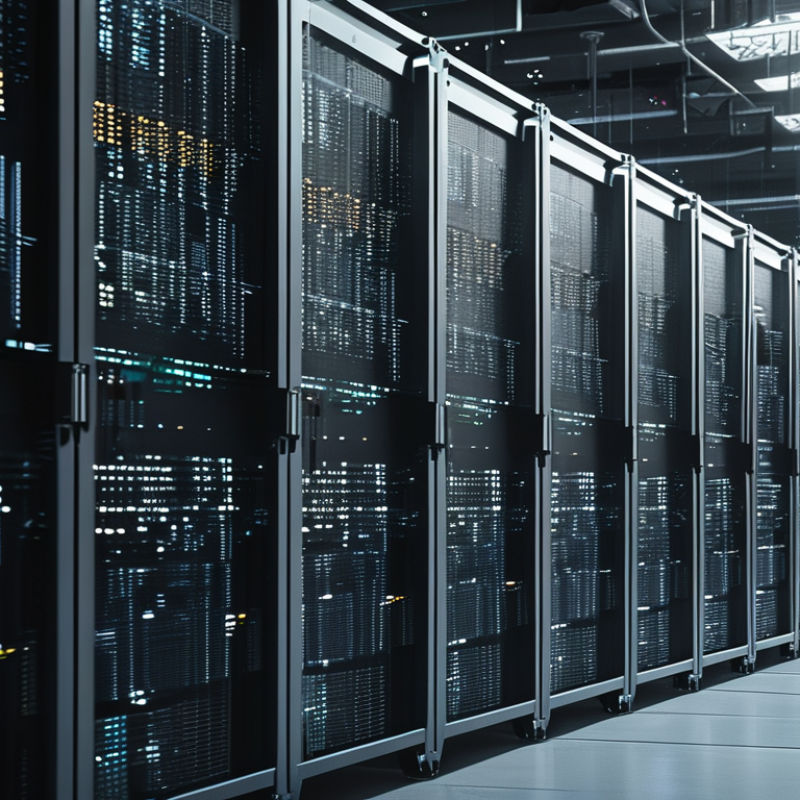
When selecting AI server hardware, several key factors come into play. Performance is paramount. The processing power must handle complex tasks efficiently. Look for systems with high core counts and advanced architectures. This ensures smoother operations, especially during peak loads. Remember, performance isn't solely about speed; efficiency matters too.
Another crucial aspect is scalability. Your needs may evolve rapidly. Choose hardware that can grow with your requirements. This means considering future upgrades and modular designs. Reflect on your long-term goals. Will current trends in AI be suitable for your choices in the coming years?
Additionally, energy consumption impacts both costs and the environment. Opt for energy-efficient components. They can significantly lower operational costs over time. Also, assess support and warranty details. Reliable service can prevent costly downtimes and ensure peace of mind.
Tips: Evaluate multiple vendors. Stay informed about emerging technologies. Consider community reviews and expert opinions.
In 2026, the landscape of AI server hardware manufacturers will become increasingly competitive. Key players will focus on advancing processing power and energy efficiency. Companies may also enhance integration with cloud services. This evolution will cater to diverse applications, from machine learning to data analytics.
Working with leading manufacturers requires careful considerations. Evaluate their track records in reliability and performance. Look into customer feedback, ensuring that their products deliver on promises. Assess the support and warranty options available; these can significantly impact long-term satisfaction.
Tips for choosing the right manufacturer: Always review their innovation capabilities. After all, technology evolves rapidly. Understand the scalability of their solutions; flexibility can save costs later. Finally, don’t hesitate to ask questions about performance benchmarks. Knowledgeable representatives can provide insights into how their hardware can meet your specific needs.
When evaluating AI server hardware in 2026, performance metrics are pivotal. Recent reports suggest that processing power, memory bandwidth, and energy efficiency top the list of considerations. For instance, some high-performance systems can achieve over 40 teraflops, making them ideal for complex AI tasks. Yet, these figures often vary significantly among manufacturers.
Another vital performance aspect is scalability. A study found that servers capable of scaling up to 10x their original capacity can adapt better to evolving workloads. This flexibility is crucial for organizations that need to manage fluctuating demands effectively. However, not all hardware can achieve this; some manufacturers' offerings may underperform under heavy loads.
Tip: Always compare benchmark results from multiple sources before making a decision. Also, consider the operation costs related to energy efficiency, as it can greatly impact the overall expenditure.
Moreover, a growing concern is the integration of AI optimization features in server architectures. Some systems are designed with specialized chips that improve processing times. While promising, not every organization needs such advanced capabilities. Reflecting on specific needs can prevent overspending on unnecessary features. Balancing performance with budget is essential for successful AI infrastructure.
As we look towards 2026, the landscape of AI server hardware is evolving rapidly. Emerging trends showcase innovations such as advanced chip architectures and enhanced cooling techniques. According to recent market reports, AI hardware revenue is expected to reach $124 billion by 2026, reflecting a compound annual growth rate (CAGR) of over 20%. This growth highlights the demand for efficient processing in AI applications.
One notable trend is the shift towards energy-efficient designs. Energy consumption in AI systems often leads to bottlenecks. Adopting hardware that minimizes power usage will be crucial for both performance and sustainability. Reports indicate that AI workloads can consume up to 100 times more energy than traditional applications. Thus, manufacturers must focus on optimizing power usage while enhancing performance.
Tip: Look for solutions that offer scalable performance without compromising energy efficiency. Scalability allows businesses to adapt to changing demands without overinvesting.
Moreover, the integration of heterogeneous computing is on the rise. This approach combines different types of processors to boost performance. It supports diverse workloads and enhances overall system efficiency. However, balancing performance with cost remains a challenge for many organizations.
Tip: Evaluate the total cost of ownership when considering new AI hardware. This includes not just the initial investment, but also long-term operational costs.
When considering AI server procurement for enterprises, cost is a crucial aspect. Organizations must evaluate hardware expenses thoroughly. It's vital to distinguish between upfront costs and long-term investments. Initial spending may seem manageable, yet operational costs can accumulate rapidly. Utilities, maintenance, and updates often demand significant budget allocations.
Beyond mere purchase price, hidden expenses deserve attention. For instance, server efficiency impacts power consumption significantly. Being energy-efficient not only lowers bills but also contributes to sustainability goals. Additionally, the total cost of ownership should include software licensing fees and potential future upgrades. Regularly updating software or hardware can lead to increased costs over time.
The market shifts constantly, and understanding the lifecycle of server technology is essential. Enterprises should also consider potential scalability needs. Inadequate planning can lead to unexpected costs down the line. Balancing performance with budget constraints remains a core challenge. Reflection on past procurement decisions can uncover areas for improvement and strategy adjustments.
I server hardware?
Choose hardware that can grow with your needs. Consider future upgrades and modular designs to stay flexible.
Energy-efficient components lower operational costs. They also contribute to environmental sustainability, which is increasingly important.
Focus on processing power, memory bandwidth, and energy efficiency. These metrics help assess suitability for complex tasks.
Always compare benchmarks from various sources. This offers insight into potential performance variations across different manufacturers.
Not every organization needs advanced capabilities. Overspending on unnecessary features can impact your budget and efficiency.
Energy-efficient designs are crucial, as they minimize power usage and enhance overall performance in AI applications.
It combines different processors, boosting performance and supporting diverse workloads. However, balancing costs is still a challenge.
Consider both initial investment and long-term operational costs for a clearer financial picture when selecting AI hardware.
As the demand for AI applications continues to grow, selecting the right AI server hardware manufacturer becomes increasingly critical for enterprises in 2026. Key factors influencing this selection include performance metrics, scalability, energy efficiency, and compatibility with existing systems. Understanding these considerations can help organizations optimize their AI workloads and ensure they are well-equipped to meet future computational needs.
In 2026, leading AI server hardware manufacturers will likely be distinguished by their ability to innovate and adapt to emerging trends in AI technologies. With advancements in processing power, cooling solutions, and specialized hardware for machine learning tasks, enterprises must conduct comparative analyses of performance metrics and cost implications when procuring AI server hardware. This strategic approach will ultimately enable businesses to make informed decisions that enhance their operational efficiency and competitive edge in the market.
