Bexora
Bexora
Bexora
High-availability rackmount servers, compute clusters, and hardware interfaces optimized for zero-data-loss target architectures.
Underpinned by modern manufacturing excellence and certified hardware configurations to secure global workflows.
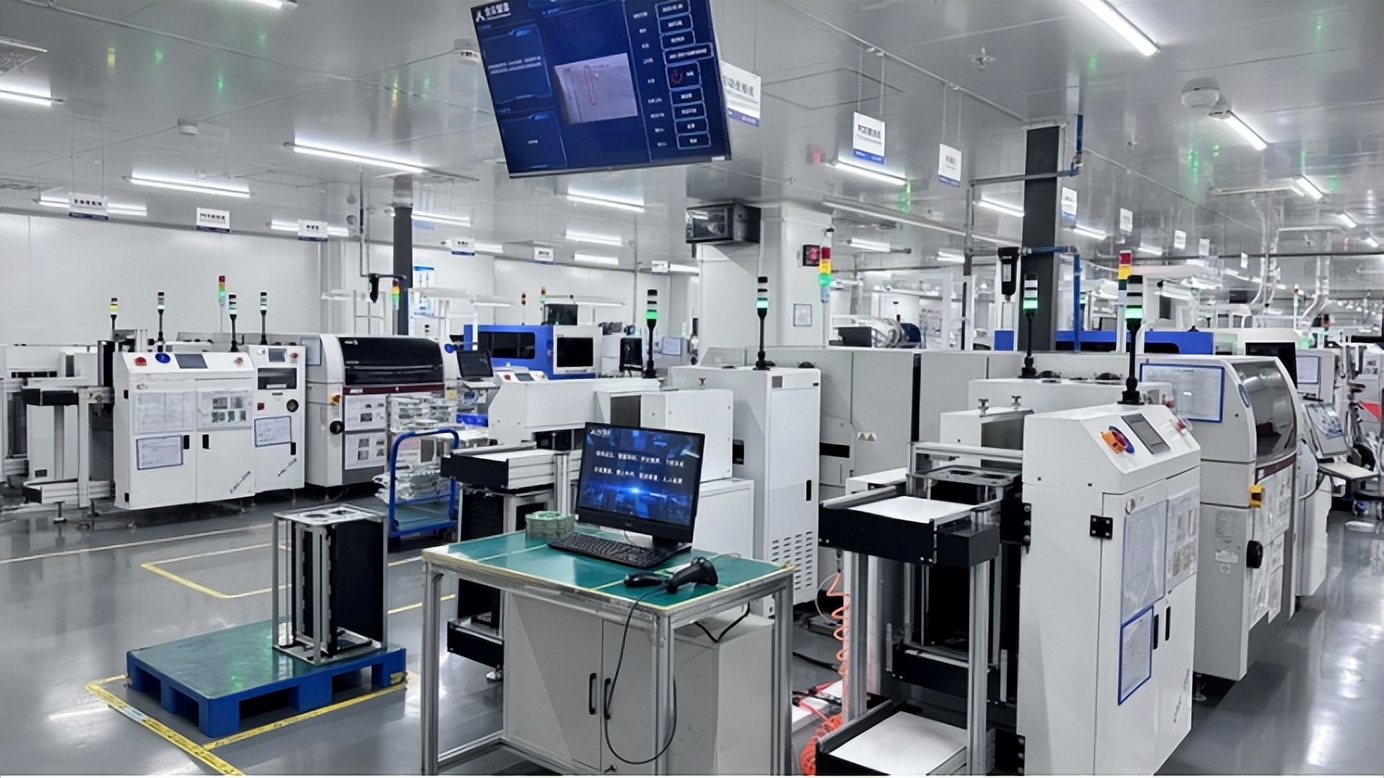
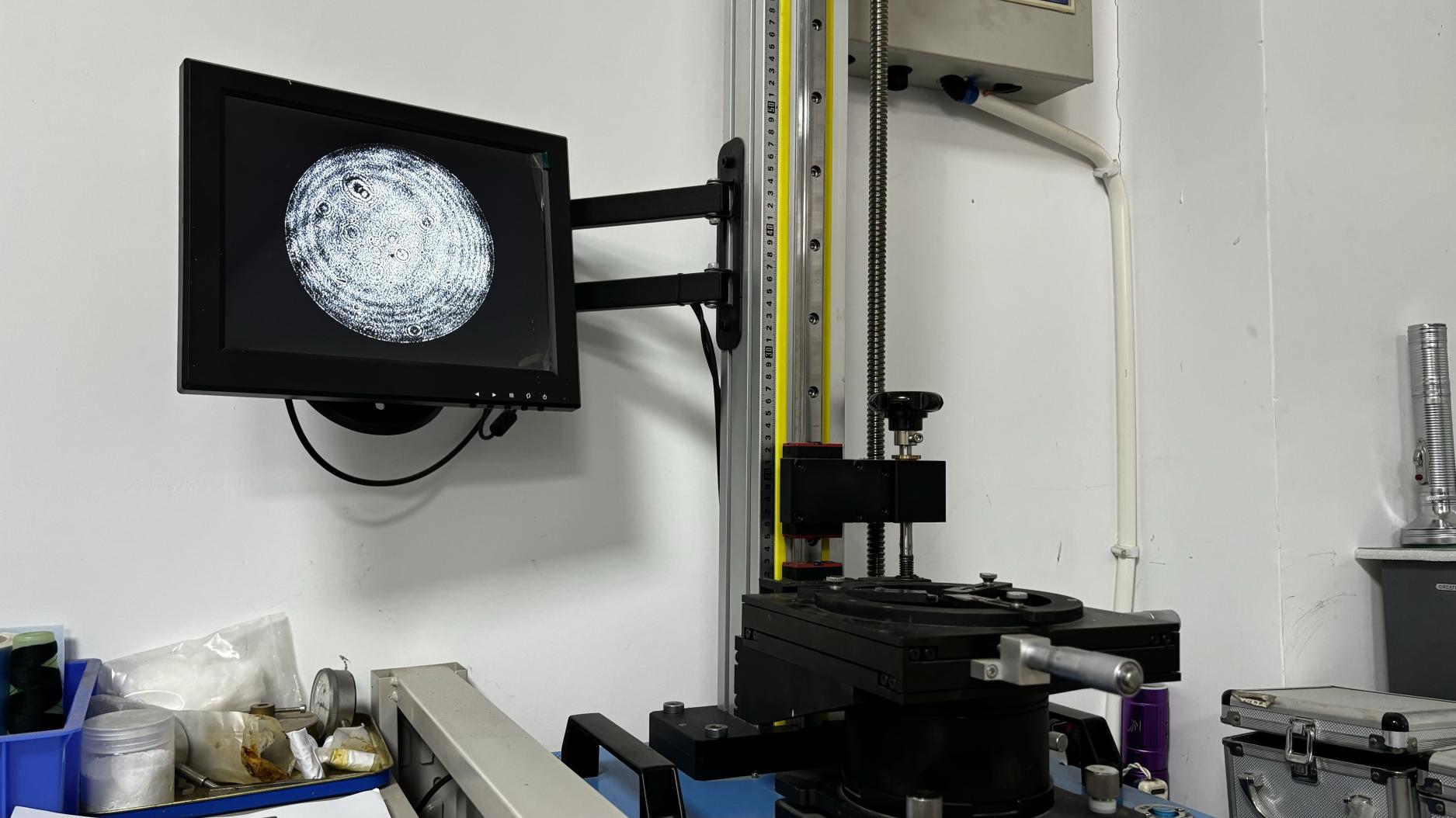
We deploy rigorous full-reliability testing, including automated optical inspections (AOI), thermal stress cycles, and burn-in simulations on all active storage nodes to maintain continuous enterprise availability.
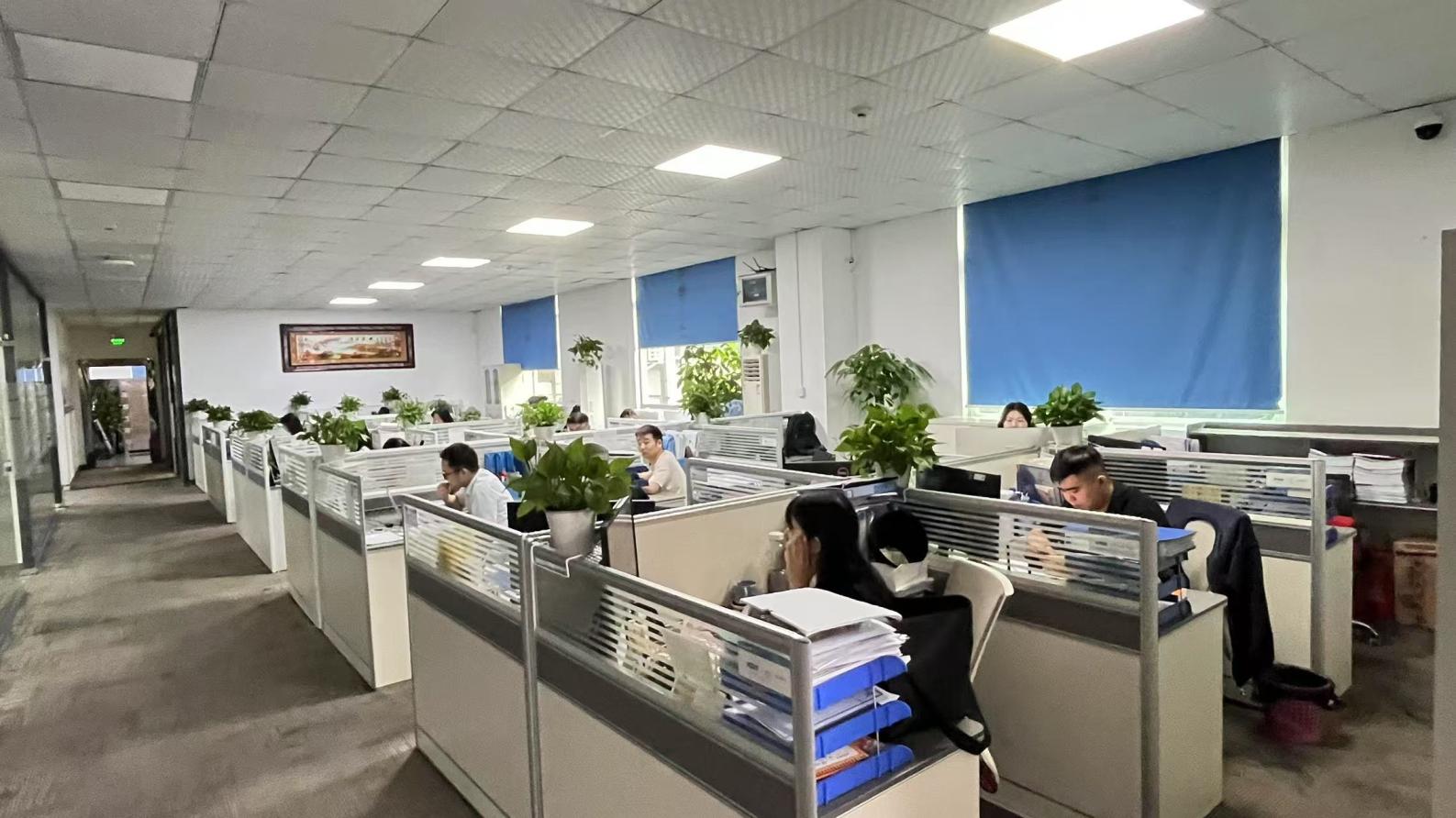
Backed by an elite engineering force of 160 system architects. We develop customized chassis topologies, advanced thermal solutions, and firmware optimizations to improve IOPS performance and backup densities.
Tailored configuration services mapping to unique client storage topologies. We offer custom chassis branding, dedicated liquid cooling modules, and custom BIOS firmware adaptations for large-scale enterprise deployments.
In the era of hyper-scale artificial intelligence models and high-performance computing (HPC) nodes, data backup is no longer just a regulatory requirement; it is a foundational component of business continuity. As organizations transition to data-dense architectures (incorporating high-capacity NVMe boot drives, PCIe Gen 5 topologies, and large-scale GPU workloads), the hardware infrastructure hosting these configurations must withstand intensive thermal stress, electrical fluctuations, and sustained high write-cycles.
As a premier global manufacturer, Bexora AI Systems (China) Co., Ltd. develops CE certified hardware systems that resolve critical limitations in read/write bottlenecks, backup latency, and redundant storage configurations. By deploying CE-approved components across all structural chassis, power supplies, and storage expansion cards, we guarantee international compliance alongside operational reliability.
Across various industries, data protection strategies differ based on transaction frequency, compliance footprints, and physical system architecture.
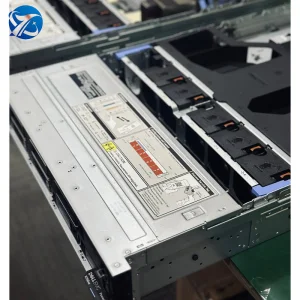
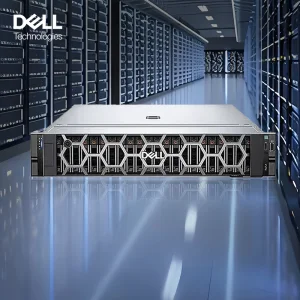
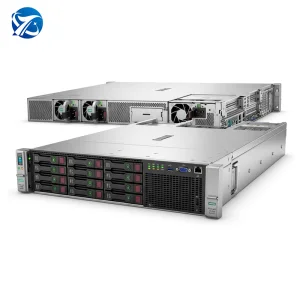
Within banking and transactional platforms, data losses translate to massive capital and regulatory penalties. The primary requirement here is near-zero Recovery Point Objective (RPO) and Recovery Time Objective (RTO). Systems such as the Dell PowerEdge R760 2U Storage Server or the HPE ProLiant DL380 Gen11 are commonly configured with mirrored NVMe arrays using standard cards like the XP270-M2 (SAS3808 BootCard) to create low-latency write paths. This configuration ensures transaction logs are mirrored instantaneously to secondary and tertiary physical planes.
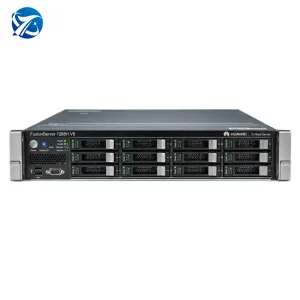
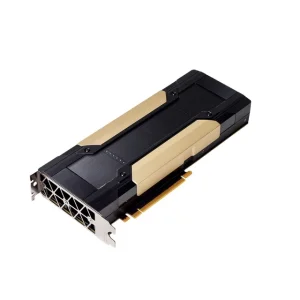
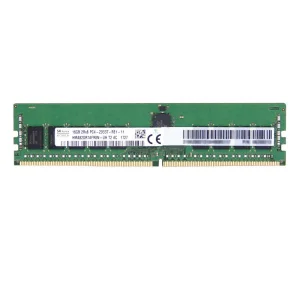
Modern Large Language Models (LLMs) and deep neural networks require robust checkpoints during training cycles. A crash in the training run without a recent storage checkpoint can destroy weeks of compute runtime. Deploying storage nodes equipped with high-throughput GPUs, like the USED V100 PCIe 32GB GPU, alongside massive DDR4/DDR5 system memory profiles (such as XFusion Fusionserver DDR4 RAM), allows enterprises to run concurrent, in-memory compression pipelines. This setup accelerates the backup process, shifting files from the active GPU memory out to localized NAS storage like the FusionServer Pro 1288H V7 without bottlenecking the main compute train.
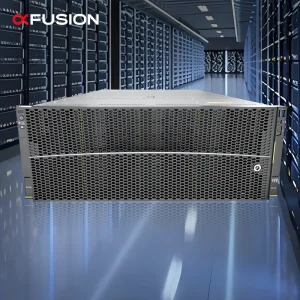
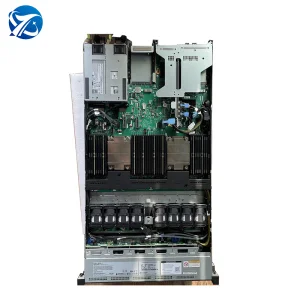
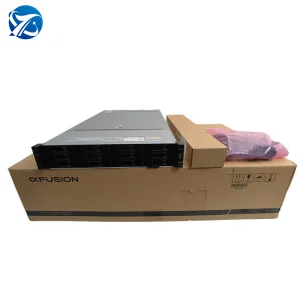
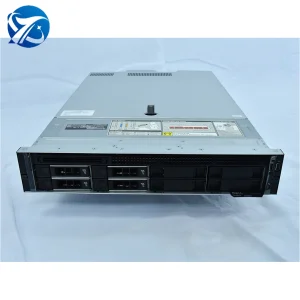
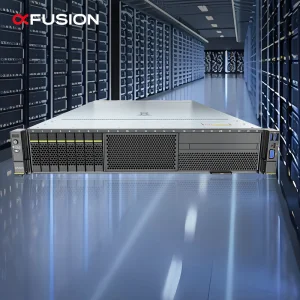
Public sector backup architectures demand localized compliance, air-gapped physical storage arrays, and robust RAID controller infrastructure. The integration of FusionServer 5288 V6 Storage Servers, which support high-density 3.5-inch drive bays, allows organizations to construct highly secure, on-premise cold-archive systems. These setups comply with stringent regional data sovereignty requirements while maintaining structural reliability under continuous operation.
A professional, enterprise-grade backup solution requires a balanced system architecture. This ensures that CPU cycles, storage controller bandwidth, and network interfaces operate in complete alignment. Below is a breakdown of our standard technical configurations:
| Infrastructure Class | Primary Hardware Component | Throughput / Interconnect Profile | Ideal Storage Application |
|---|---|---|---|
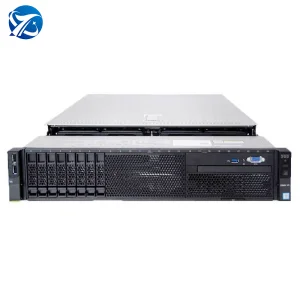
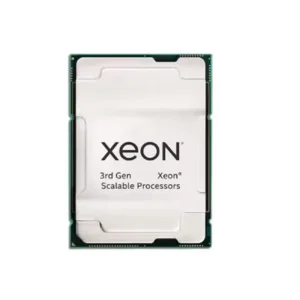
| High-Density Compute / Warm Storage | Dell PowerEdge R760 / R760XS Series | Dual Intel Xeon Scalable (Gen 4/5), PCIe 5.0 | Active replication, real-time database replication, virtualization host backup. |
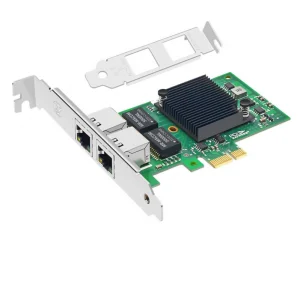
| Dedicated Hardware RAID & Boot Control | XP270-M2 (SAS3808) Controller Card | M.2 SATA/PCIe NVMe support, RAID 0/1/JBOD | Zero-cache boot configurations, OS segregation, system recovery fail-safe. |
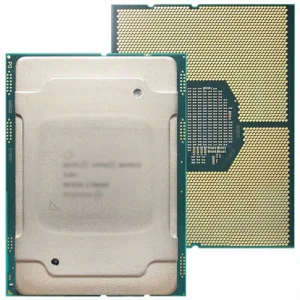
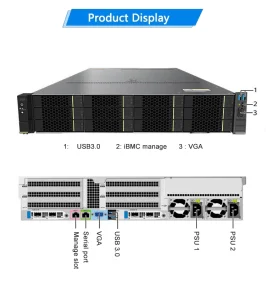
| Enterprise Storage Node (Cold & Archival) | FusionServer 5288 V6 / xFusion 2288H V6 | Intel Xeon Gold Processors, SAS3.0 / SATA3.0 | Massive scale multi-terabyte archiving, high-density LUN allocations, block storage. |
| AI / GPU Storage Acceleration Array | xFusion 2258 V7 / Xeon Cooper Lake Nodes | Multiple GPU slots, high-speed DDR5 interconnects | In-memory data validation, real-time compression, machine learning model checkpoints. |
The hardware boot path is the single most critical failure point in traditional backup nodes. By utilizing custom controllers like the XP270-M2 M.2 RAID Card, enterprises isolate the operating system/hypervisor layer from the primary data pools. Because it runs RAID 1 at the hardware level with no cache requirements, the host system boots reliably even during thermal stress or immediate recovery operations. This design bypasses software corruption risks, ensuring that system recovery interfaces remain online when primary arrays fail.
Looking toward the future of data backup, several technological shifts will redefine storage architectures over the next decade:
Select high-performance hardware configurations for building scalable and redundant enterprise backup systems.
Inside Bexora AI Systems' advanced hardware fabrication, validation, and quality-testing pipelines.
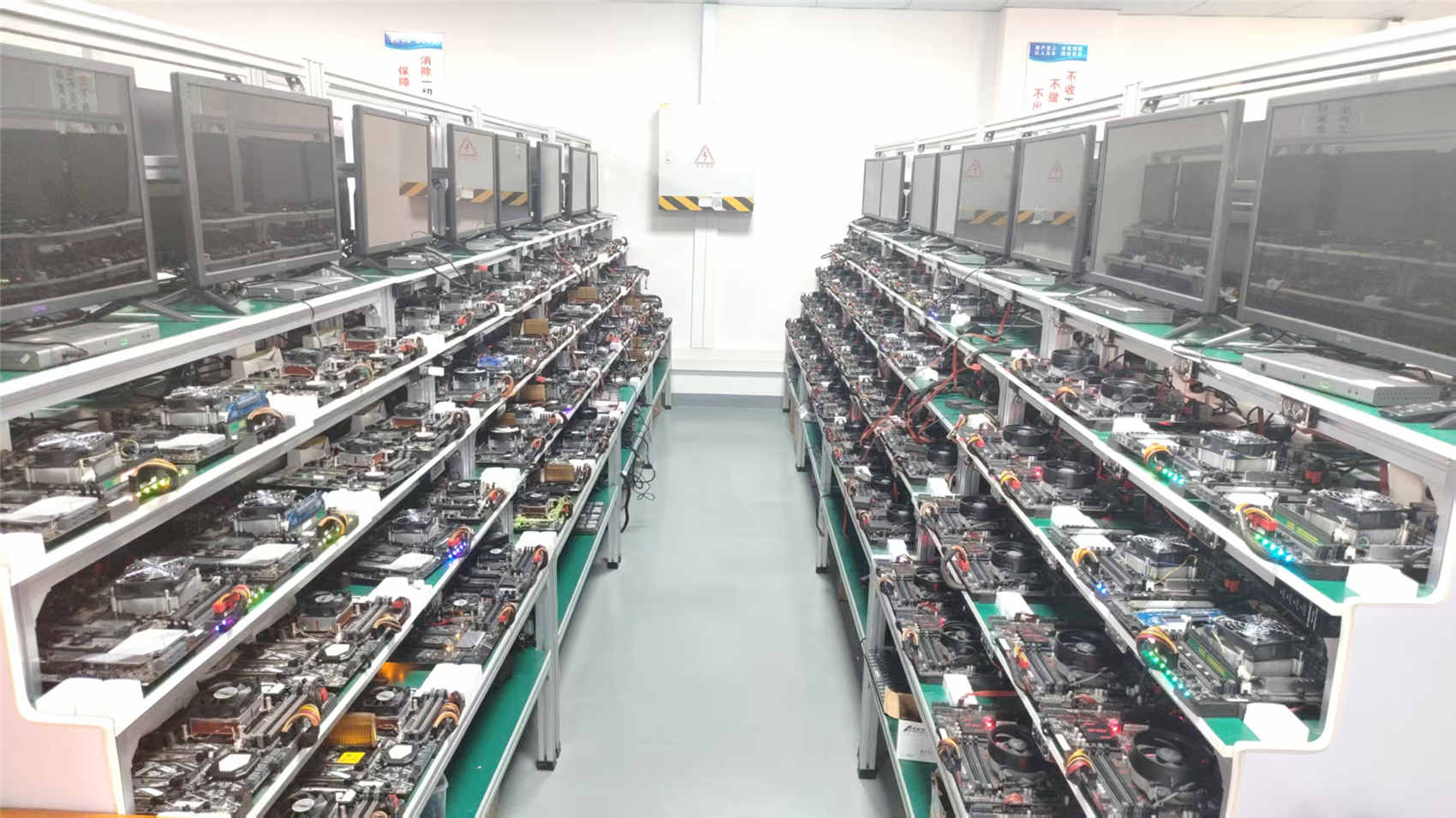
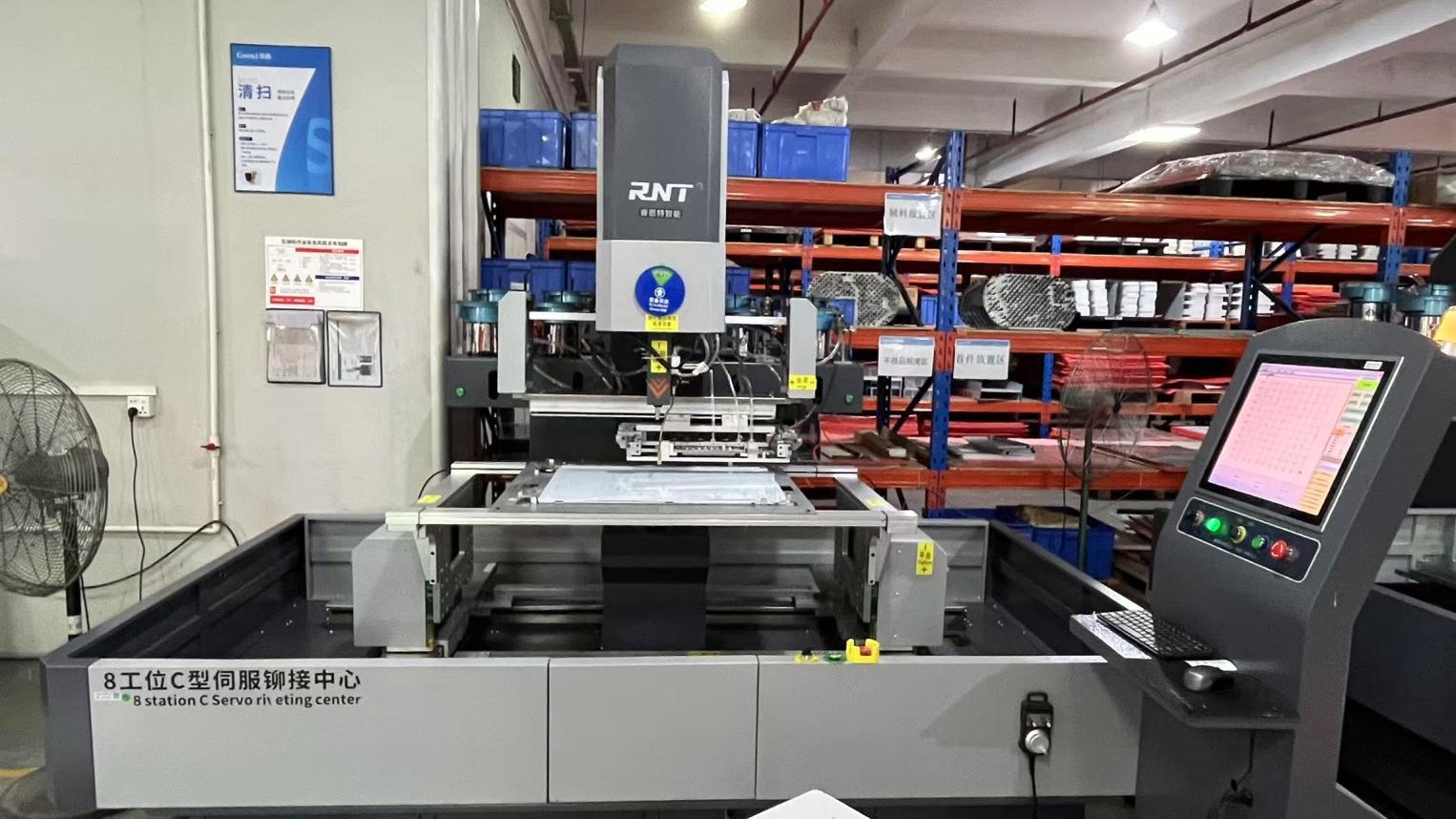
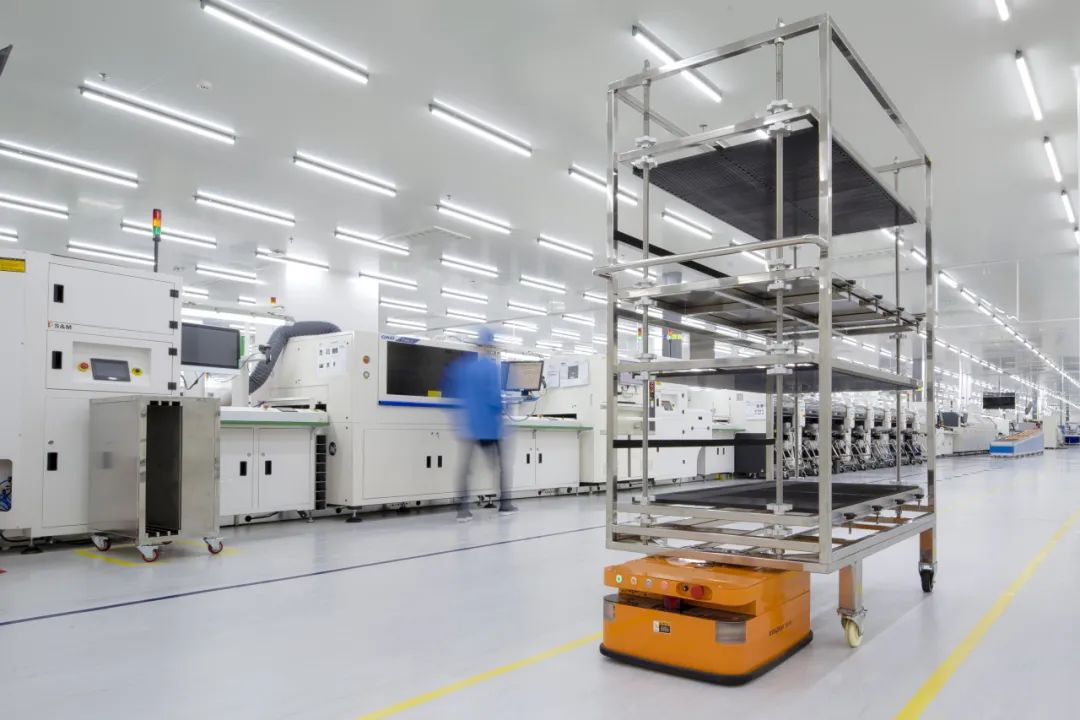

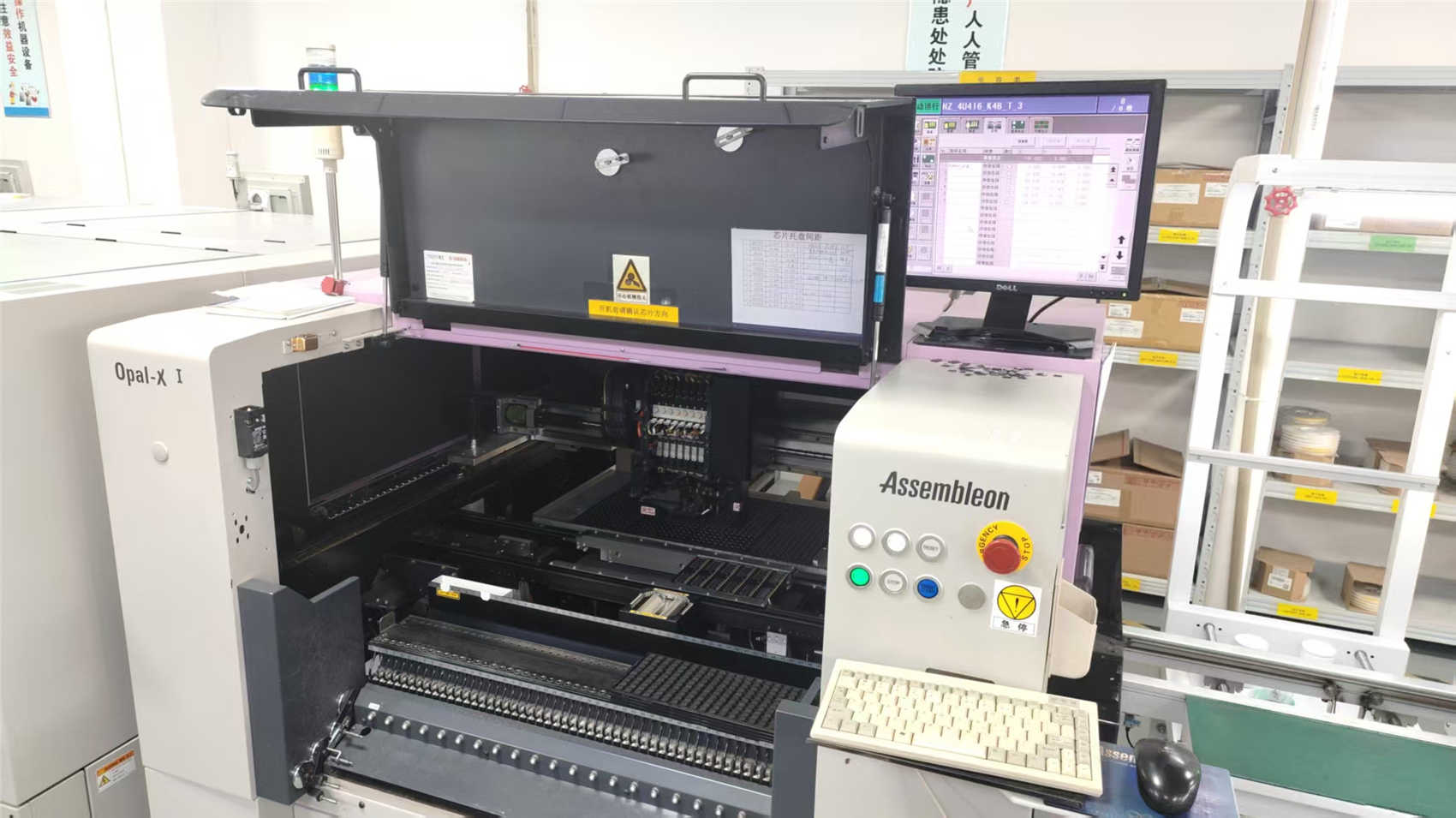
Deploying servers into the European Economic Area (EEA) and global markets requires complete compliance with CE certification standards. This process requires thorough engineering testing to protect adjacent critical systems. Our hardware complies with several key European standards:
By adhering strictly to these directives, Bexora provides enterprise customers with reliable hardware platforms. This compliance minimizes field failure rates, simplifies local data center site validation, and streamlines safety approval processes globally.
Bexora operates a highly optimized B2B export framework, sending equipment directly to North America, Europe, Southeast Asia, and the Middle East. Backed by key partnerships with over 860 upstream and downstream component suppliers, we maintain steady material access. This network protects our production timelines from global supply chain disruptions.
Our support structure includes customized logistics handling, secure sea and air freight packaging, and direct coordination with local engineering teams. This ensure that all delivered servers integrate seamlessly into existing server configurations upon arrival.
Answers to crucial engineering, ordering, and deployment questions regarding our enterprise backup solutions.