Bexora
Bexora
Bexora
High-reliability compute architectures designed to process heavy workflows closer to the data source.
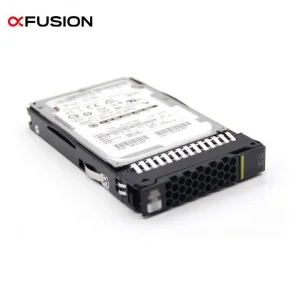
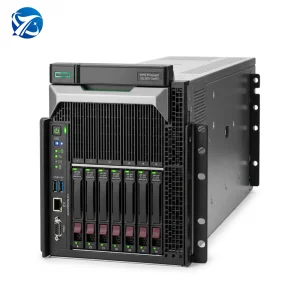
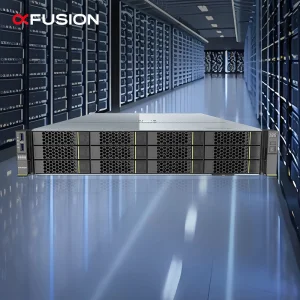
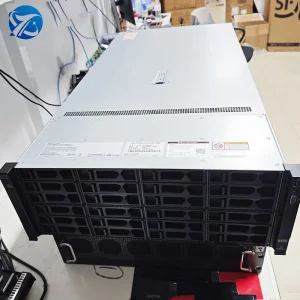
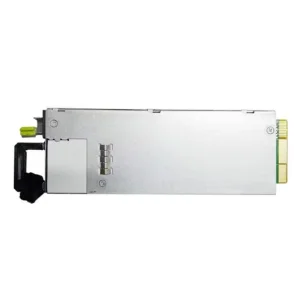
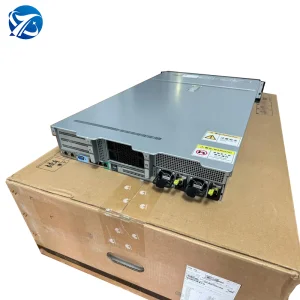
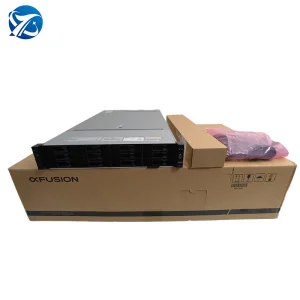
The paradigm of computing has fundamentally shifted. Centralized cloud data centers, despite their massive horizontal scalability, face non-negotiable physical constraints when deployed for real-time applications: namely, transmission latency and high bandwidth dependencies. Edge computing devices resolve these challenges by processing data at the local network perimeter, closer to the data generation points (such as sensors, camera feeds, and industrial machinery).
By migrating compute, storage, and AI inference capacity to localized nodes, industrial networks can execute split-second decision-making processes independent of WAN links. In scenarios like automated optical inspection (AOI) on manufacturing floors, a delay of even 100 milliseconds can result in extensive waste or mechanical damage. Deploying dedicated edge platforms ensures deterministic execution, reliable communication, and strict data residency compliance.
For systems operating within the European Economic Area (EEA) and globally standardized facilities, CE certification is not merely a legal checkbox—it is a baseline validation of system reliability and electrical safety.
CE compliance guarantees that an edge computing node adheres to strict regulatory directives covering Electromagnetic Compatibility (EMC), Low Voltage safety thresholds (LVD), and restriction of hazardous materials (RoHS). This certification ensures protection against electromagnetic interference that could otherwise disrupt critical plant equipment or shut down automated production lines.
Global B2B export-oriented OEM/ODM manufacturer delivering hyper-converged AI infrastructures and heavy-duty compute hardware.
Across North America, Europe, and the Middle East, the adoption of edge infrastructure spans multiple high-impact industrial domains:
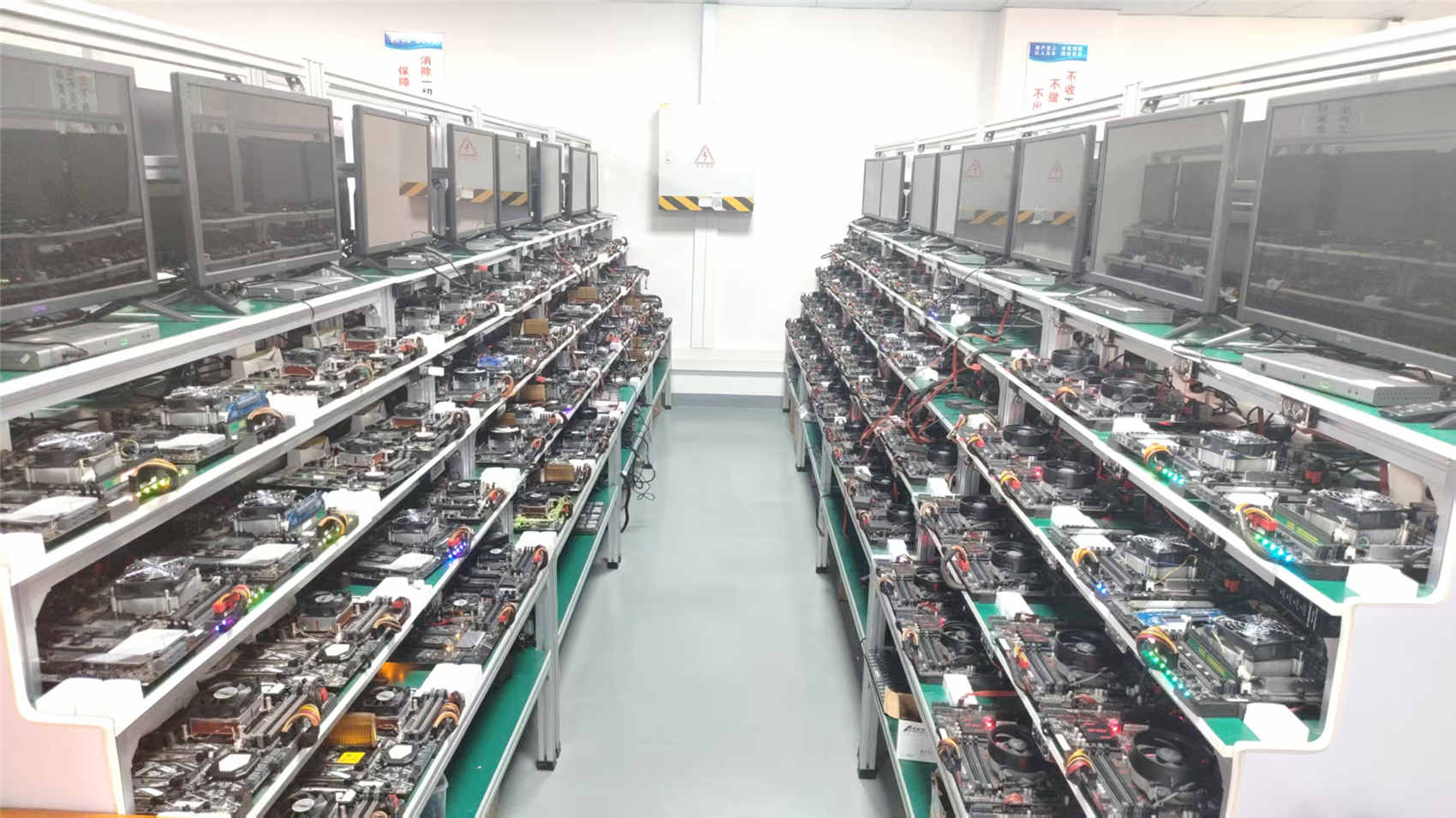
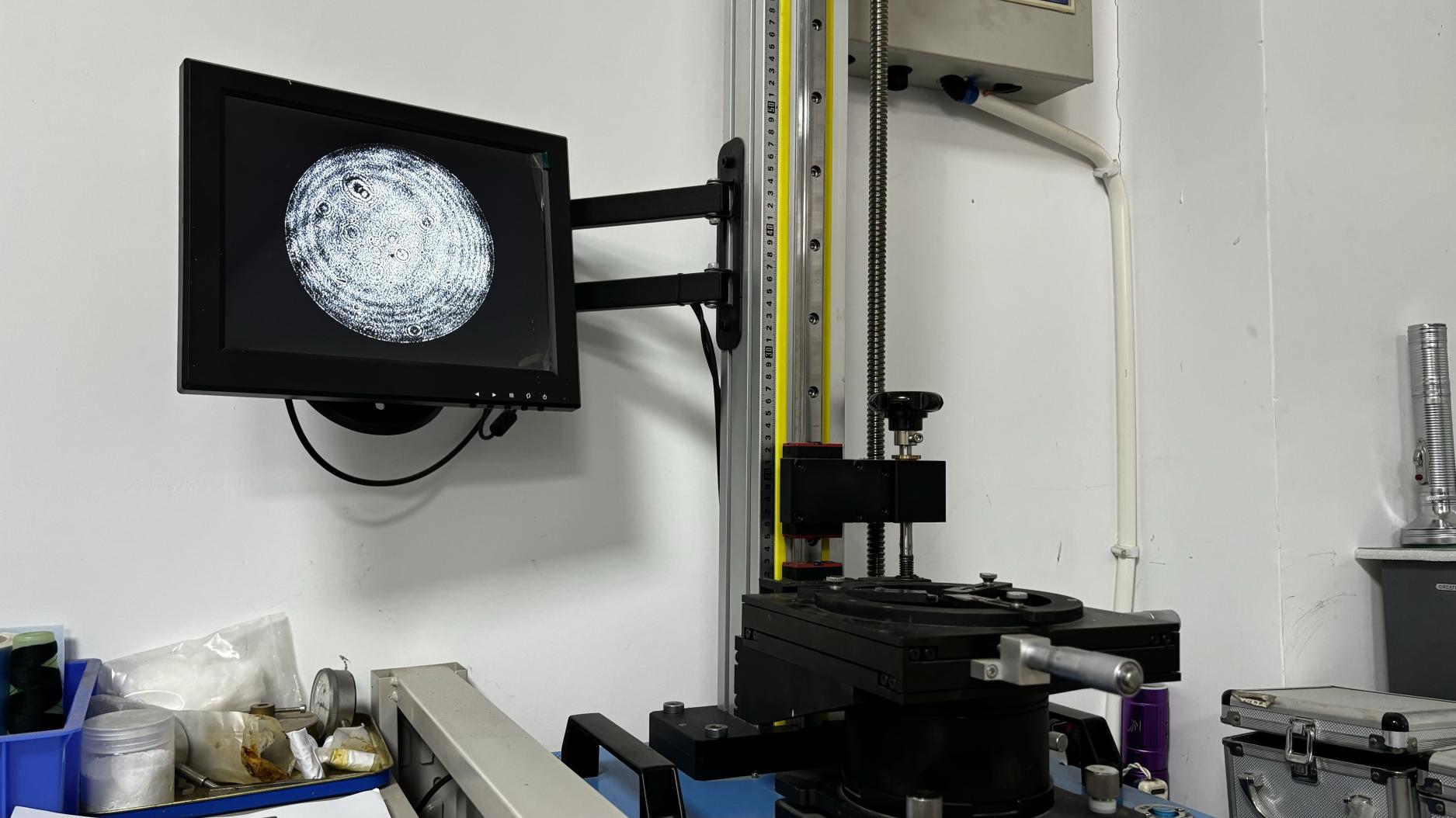
At Bexora AI Systems, quality control is central to our production process. Standardized testing guarantees system endurance under rigorous edge workloads:
| Performance Indicator | CE-Certified Industrial Edge Devices | Traditional Centralized Cloud Servers |
|---|---|---|
| Latency Range | Sub-millisecond to 10ms (Deterministic) | 50ms to 200ms+ (Variable WAN-dependent) |
| Bandwidth Utilization | High local efficiency; uploads only metadata/anomalies | High load; continuous raw data streaming required |
| Offline Survivability | Complete local execution during network drops | Immediate service disruption when connection is lost |
| Environmental Rating | Wide temp ranges, dust ingress protection, vibration resistance | Controlled climate-regulated data center environments |
| Data Privacy (GDPR/HIPAA) | Processes locally; does not store sensitive PII in transit | Requires robust transport-layer encryption and cloud storage audits |
The future of edge systems centers on real-time localized inference, containerization, and advanced hardware security.
Deploying heavy transformer models (such as localized large language models or complex visual segmentation) at the edge requires scalable accelerators. The integration of high-density GPUs and NPUs enables simultaneous multi-stream video analysis and natural language processing at the local node. GPU virtualization techniques allow developers to partition hardware resources, running separate, isolated tasks on a single compute unit without performance degradation.
Because edge computing nodes are often installed in physically accessible locations, hardware security is paramount. Modern edge architectures incorporate hardware-based root of trust, secure boot protocols, and Trusted Platform Modules (TPM 2.0). These safeguard encryption keys, validate firmware integrity prior to boot, and prevent unauthorized software modification, protecting critical operations from physical or network-based tampering.
Essential insights regarding compliance, configurations, and deployment strategies for our edge computing systems.
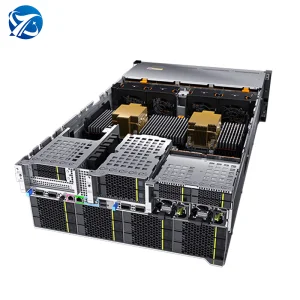
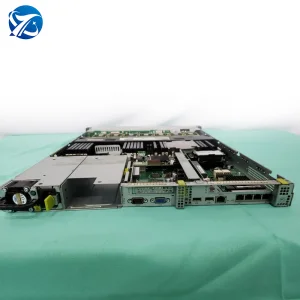
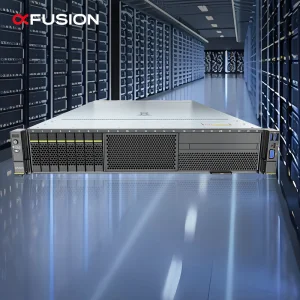
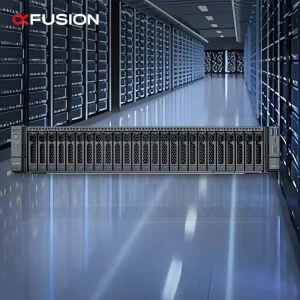
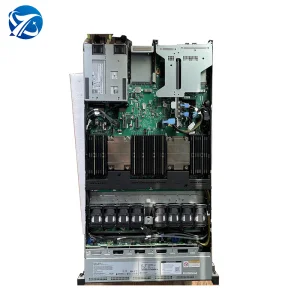
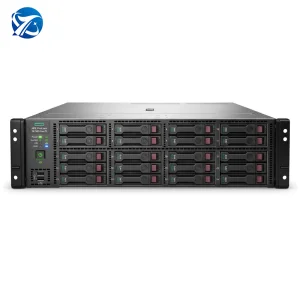
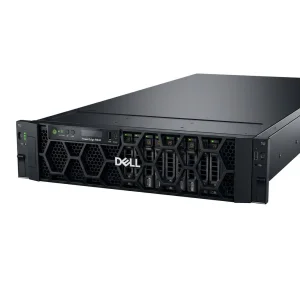
Discover our comprehensive range of high-efficiency enterprise rack servers and high-capacity network hardware.
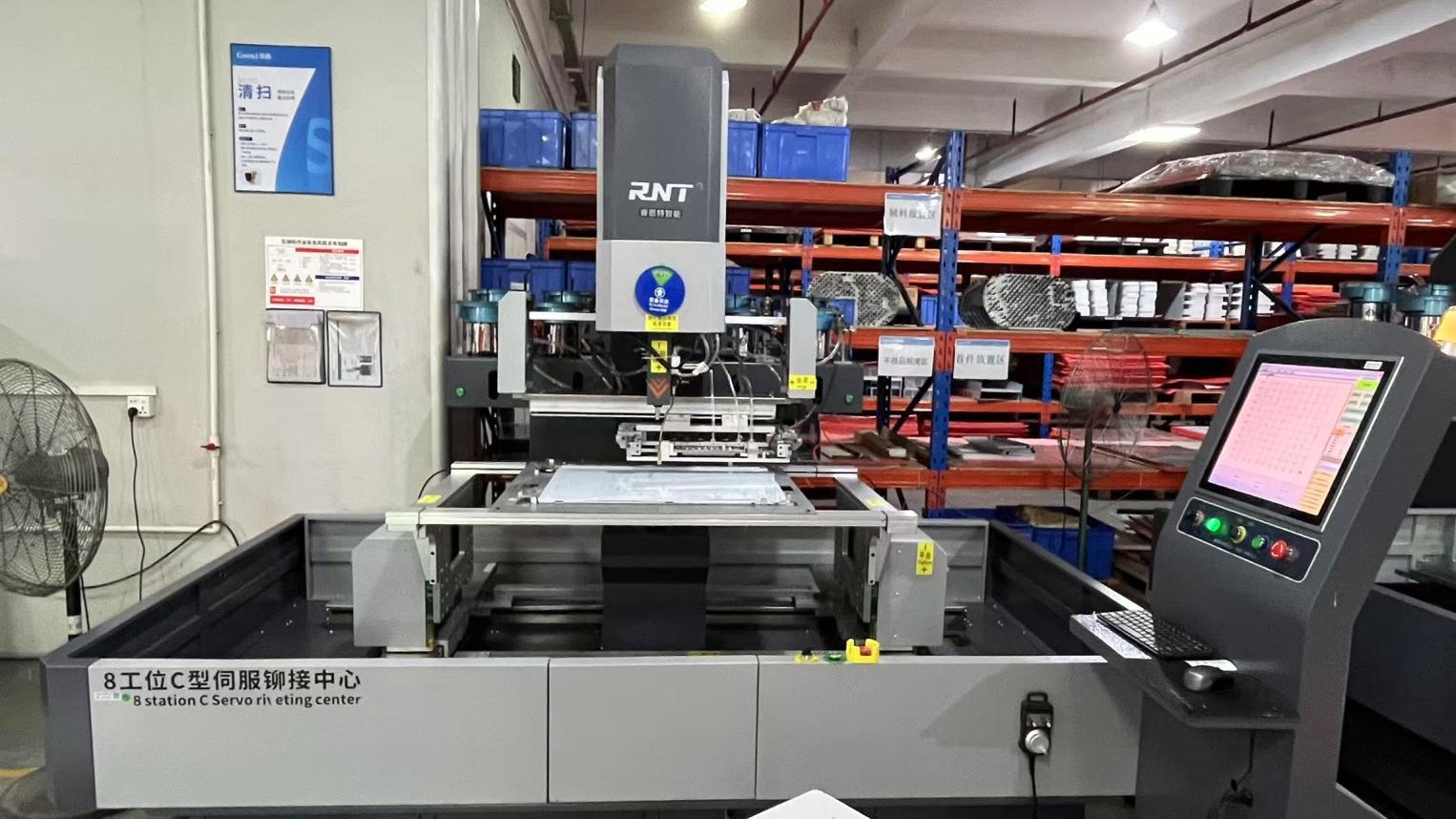
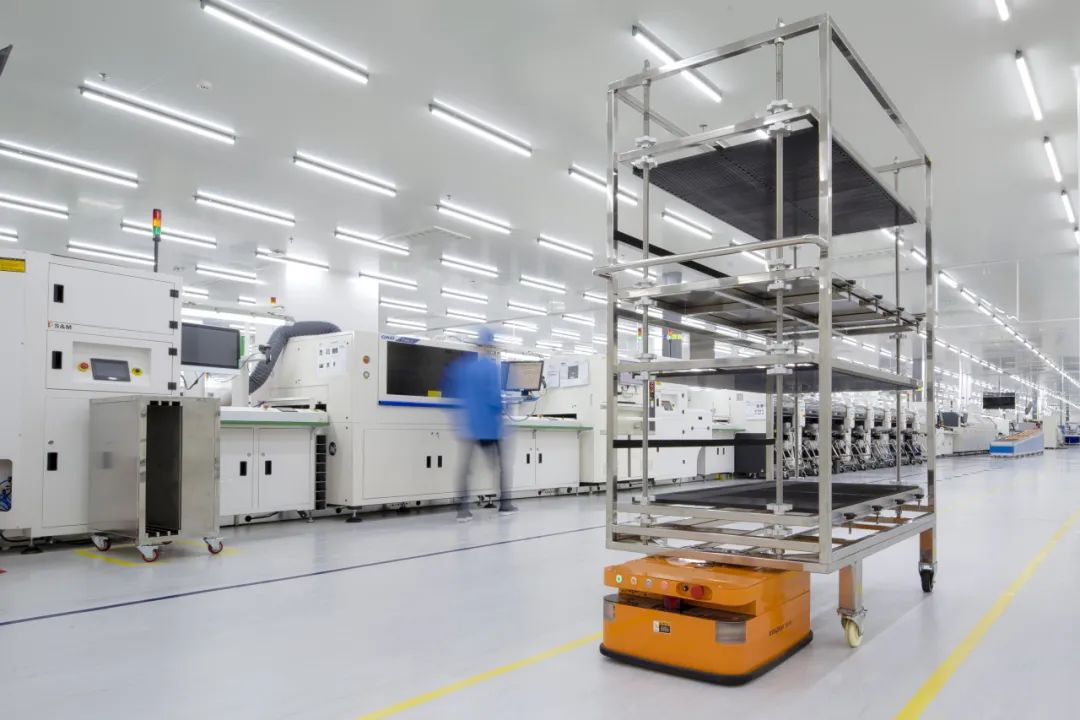
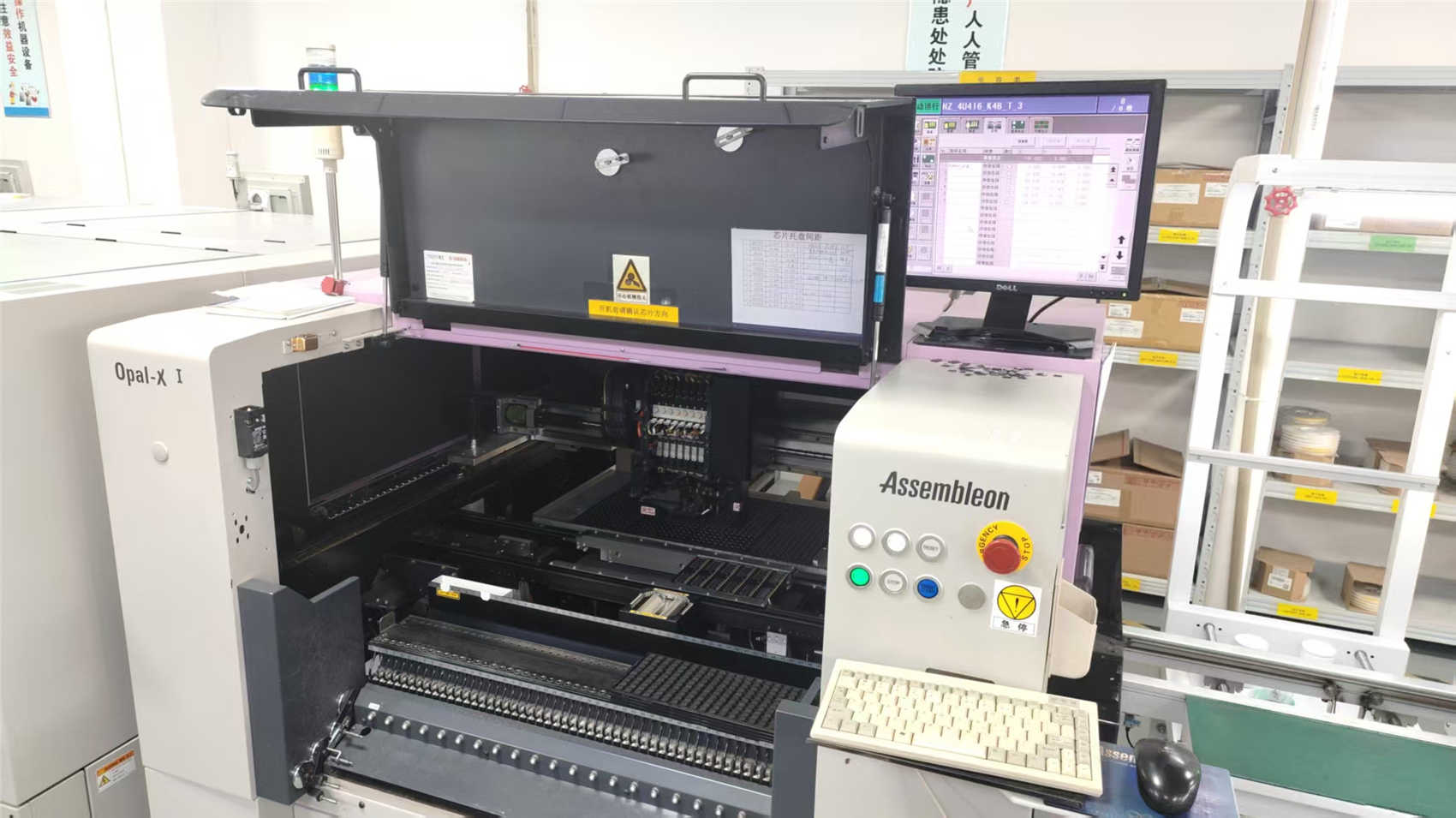
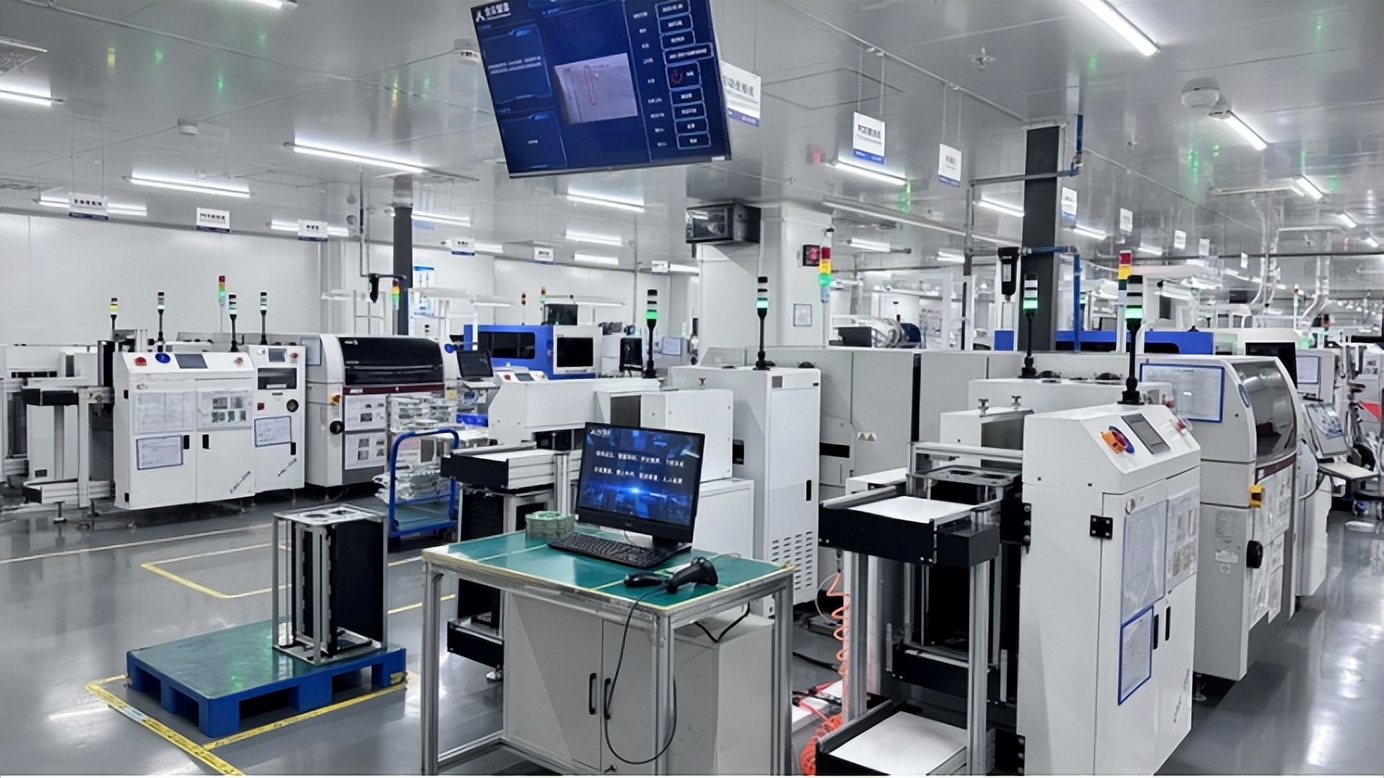
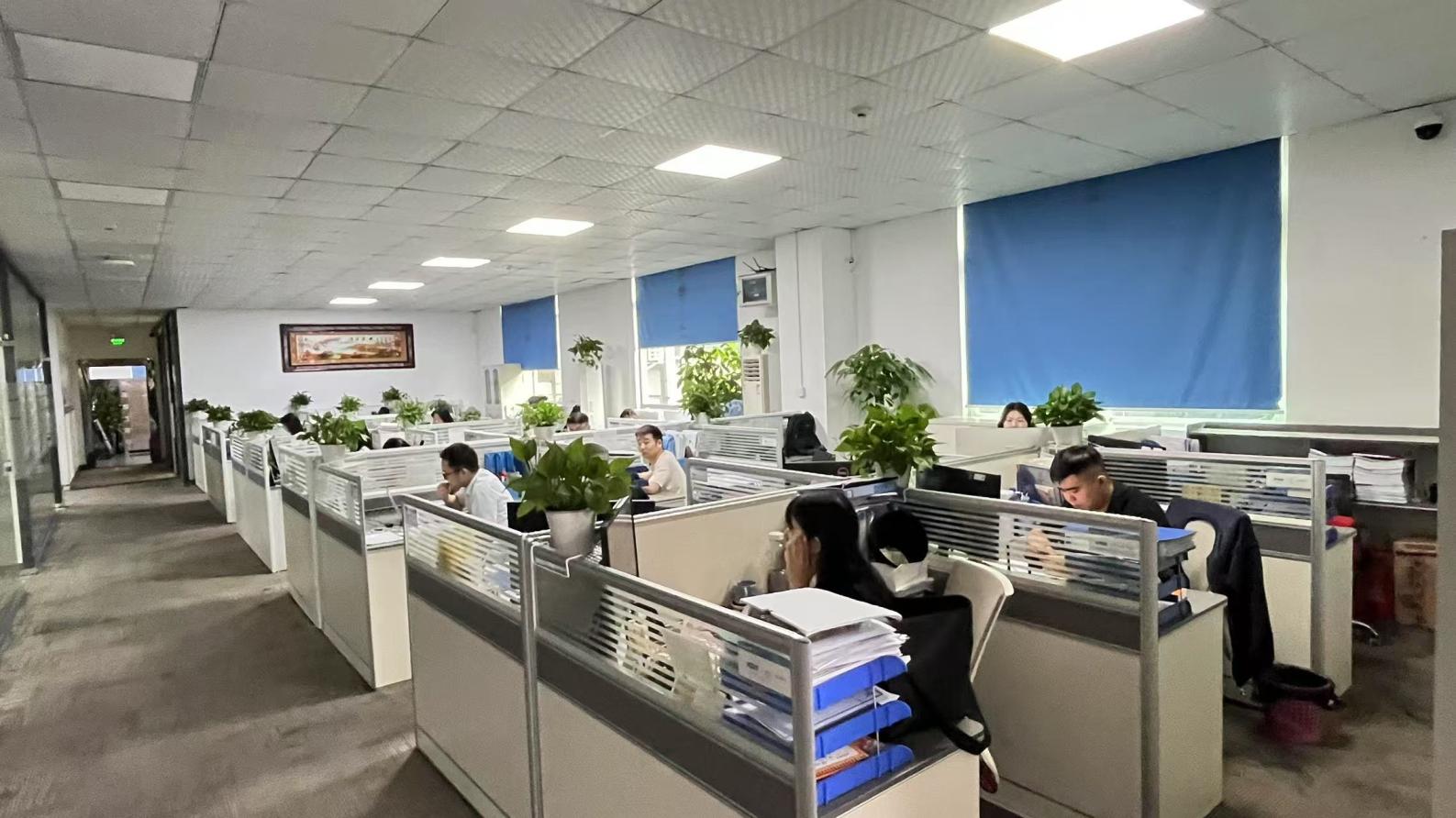
A visual walkthrough of our advanced manufacturing lines, automated testing bays, and warehouse processing facilities.