Bexora
Bexora
Bexora
Engineered for high throughput, optimized connectivity, and zero-bottleneck data transfers

Deep-Dive Architectural Guidance by Bexora AI Systems (China) Co., Ltd.
In the era of large language models, distributed hyperconverged database architecture, and real-time analytical workloads, the lines defining "networking" and "computing" have effectively blurred. Modern network optimization is no longer just about adjusting quality of service (QoS) configurations on core routers. Instead, it is an integrated paradigm involving high-speed data transmission mediums, smart network interface cards (SmartNICs), low-latency switching fabric, array caching controller cards, and highly optimized storage fabrics (NVMe-over-Fabrics or SAS 12Gb/s).
As a global B2B export-oriented manufacturer, Bexora AI Systems (China) Co., Ltd. specializes in constructing and supplying the foundational hardware layers that make network optimization possible. Operating from our advanced facility established in 2016, we integrate GPU accelerator systems with enterprise-level networking matrices to solve critical bottlenecks in bandwidth, network congestion, data replication latency, and deep-learning training synchronization.
Understanding user intent and semantics in modern high-performance computing (HPC) tells us that modern buyers look for holistic, hardware-integrated strategies to prevent data packet loss and buffer congestion. Whether optimizing a 10G optical network switch interface or accelerating disk array write speeds through PCIe 4.0 SAS controllers, our hardware components serve as the critical infrastructure anchors that modern network management software tools rely on.
Architecting the hardware solutions that drive data center evolution
To dynamic caching servers, real-time analytics networks demand massive disk performance. Implementing 12Gb/s SAS drives and enterprise controllers reduces transmission delay at the hardware layer, ensuring data is ready when the network demands it.
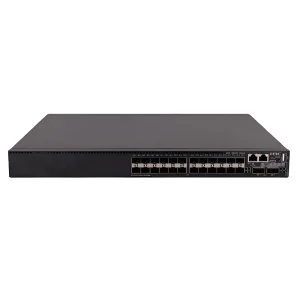
Optical core networks are shifting to 10G/40G switches with layered routing functionality. Hardware-based routing table lookups and massive backplane bandwidth support microsecond latency control required by AI applications.
Deep-learning nodes require massive compute structures linked by high-bandwidth fabrics (RoCE, InfiniBand). Network switches must support advanced flow control (PFC, ECN) to avoid packet drops during massive model parallel operations.
Integrating servers, controllers, and switching fabric for unified performance
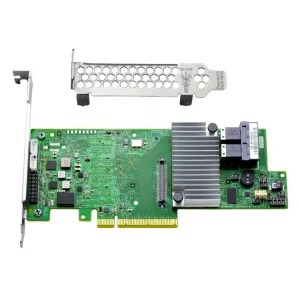
Enterprise data grids frequently suffer from latency injection due to storage queues. Using PCIe 4.0-enabled RAID controller cards paired with enterprise SAS HDDs operating at 7200 RPM, Bexora designs high-reliability local caching systems. By offloading I/O processes from the CPU, RAID cards with dedicated cache cache write instructions immediately, resolving storage-to-network delays.

Modern campus and enterprise networks need active traffic shaping. H3C and Bexora core solutions integrate 10G/40G optical switches that manage multi-protocol data streams. Network architects can segment, filter, and prioritize routing tables at physical interface layers. This eliminates routing bottlenecks, ensuring critical API endpoints and virtualized servers receive optimized pipeline allocation.
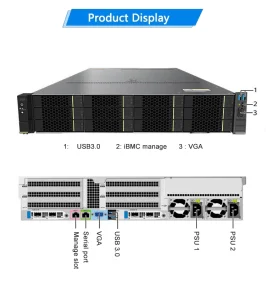
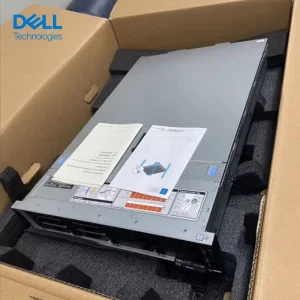
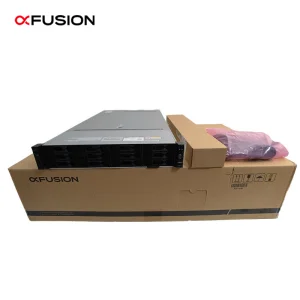
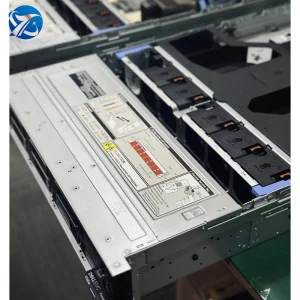
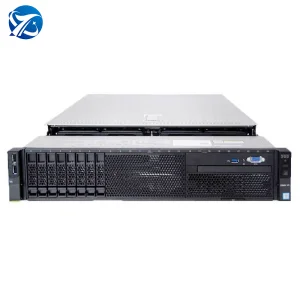
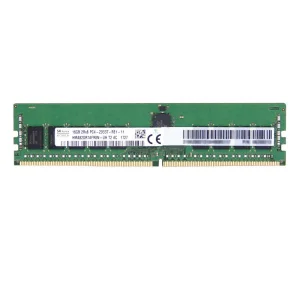
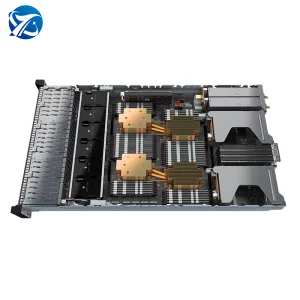
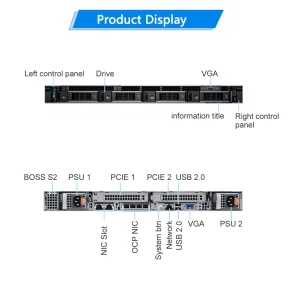
Large-scale deep learning models, such as DeepSeek, require immense GPU clusters running side-by-side. The network connecting these processors must act as a unified fabric. Our hyperconverged servers (e.g., xFusion 2288H V7 and Dell PowerEdge ranges) act as computational hosts. By integrating high-density RAM, Xeon processors, and high-performance PCIe network interface cards, these servers provide parallel processing power while minimizing interconnect latency.
Comprehensive comparison of foundational hardware components utilized in network optimization
| Hardware Category | Critical Function in Optimization | Key Standards & Compatibility | Target Application Scenario |
|---|---|---|---|
| 10G/40G Core Switches | Packet prioritization, Layer-3 routing, sub-millisecond traffic routing. | IEEE 802.3ae, 802.3ba, CE Compliant, Optical Core. | Enterprise backbone aggregation, campus core network routing. |
| PCIe 4.0 RAID Controllers | Caches write operations, offloads storage processing, optimizes network packet-to-disk write efficiency. | SAS 12Gb/s, SATA III, 8GB high-speed cache. | Distributed databases, virtual desktop pools, SAN caching. |
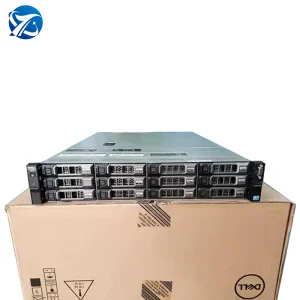
| Hyperconverged Servers | Hosts virtualized networking functions (NFV) and runs intensive AI/analytical compute workloads. | Intel Xeon, up to 12*3.5" or 25*2.5" drive slots, redundant PSU. | Private cloud host node, deep learning inference clusters. |
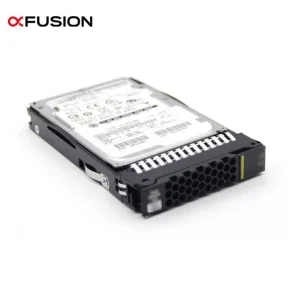
| SAS Universal HDD | Maintains high-capacity cold/warm storage loops with consistent write profiles. | SAS 12Gb/s, 7200 RPM speed profile, integrated hot-swap tray. | Network attached storage (NAS) backup systems, archival grids. |
Ensuring operational reliability in missions-critical data center infrastructures
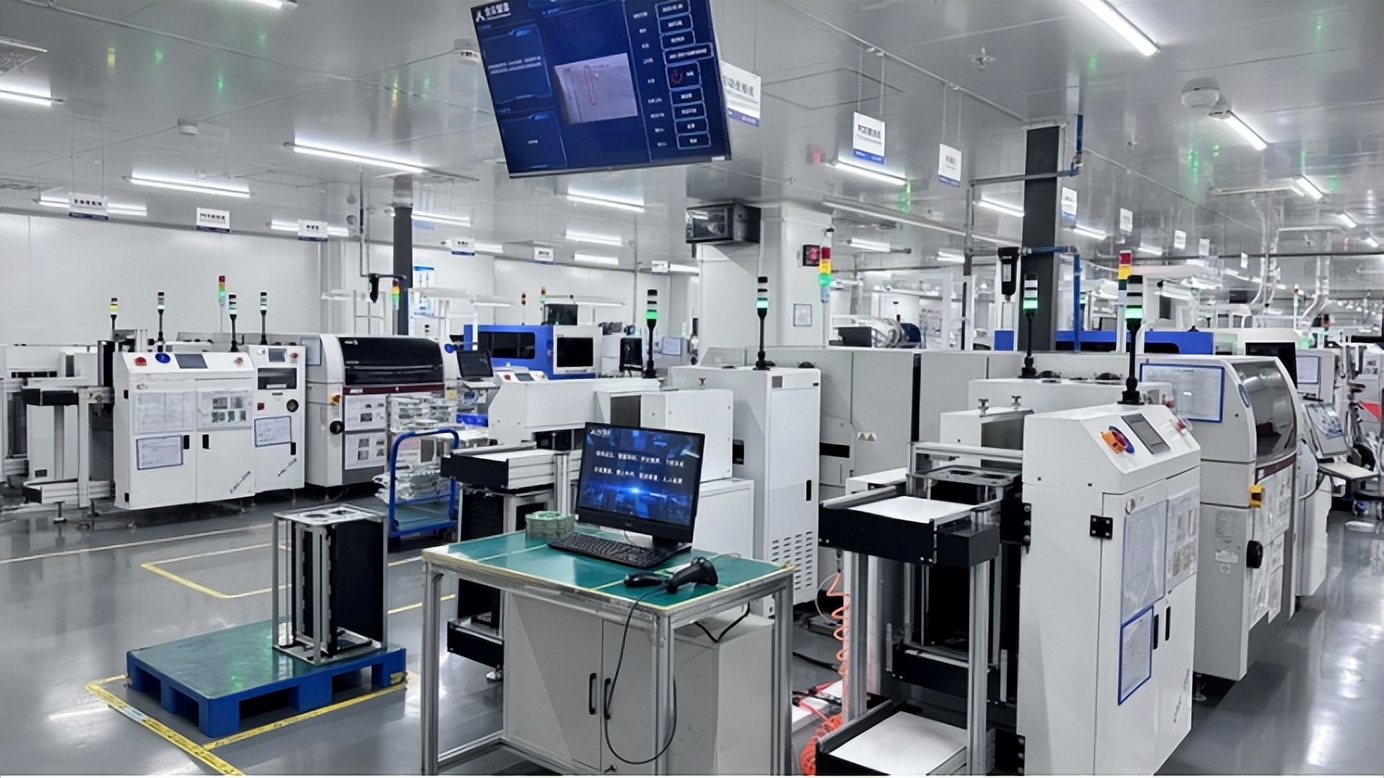
We combine 100% full production inspection with random sampling reliability testing. Every single server chassis, RAM block, and network interface card is subjected to continuous verification before leaving our facility.
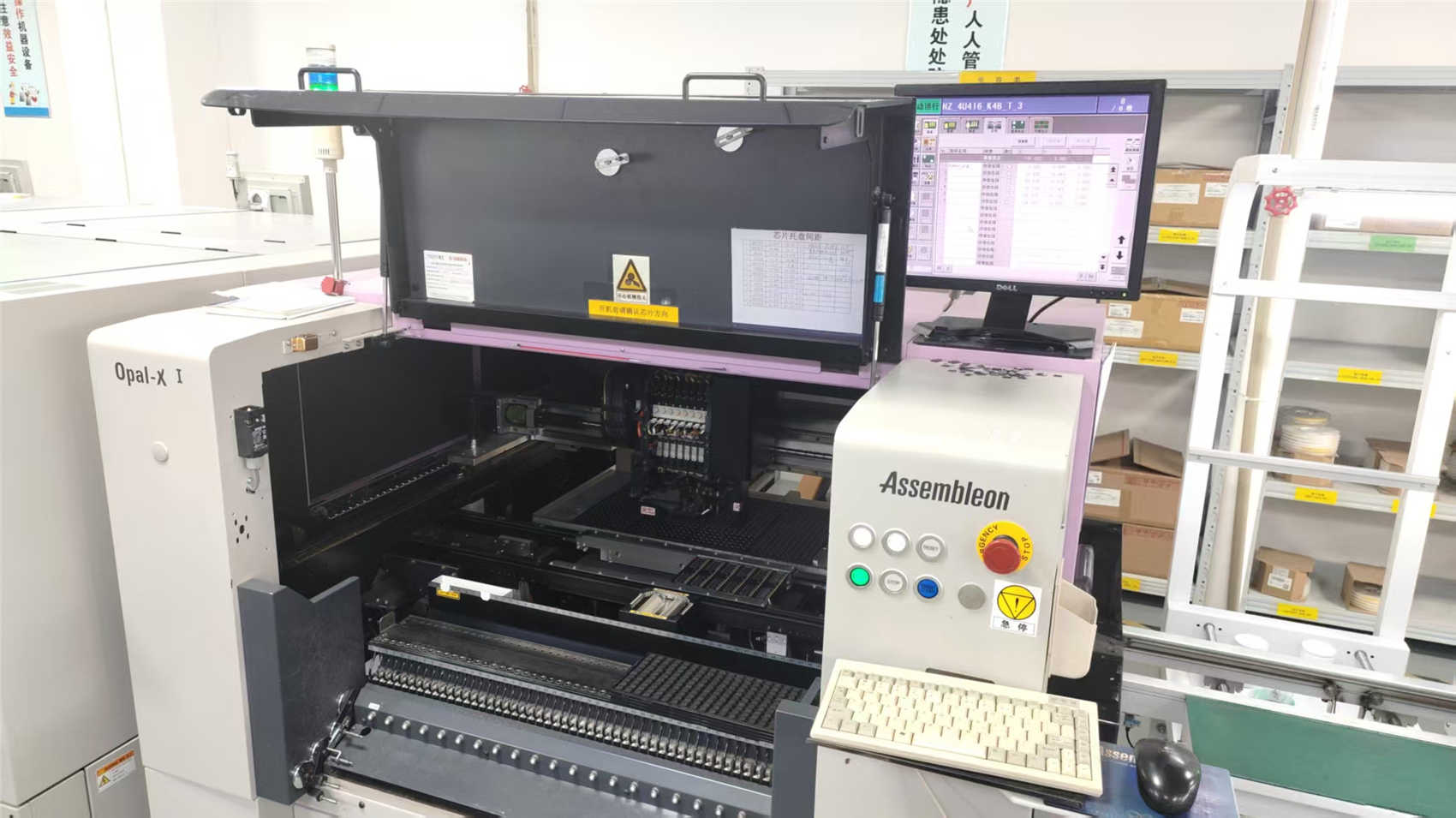
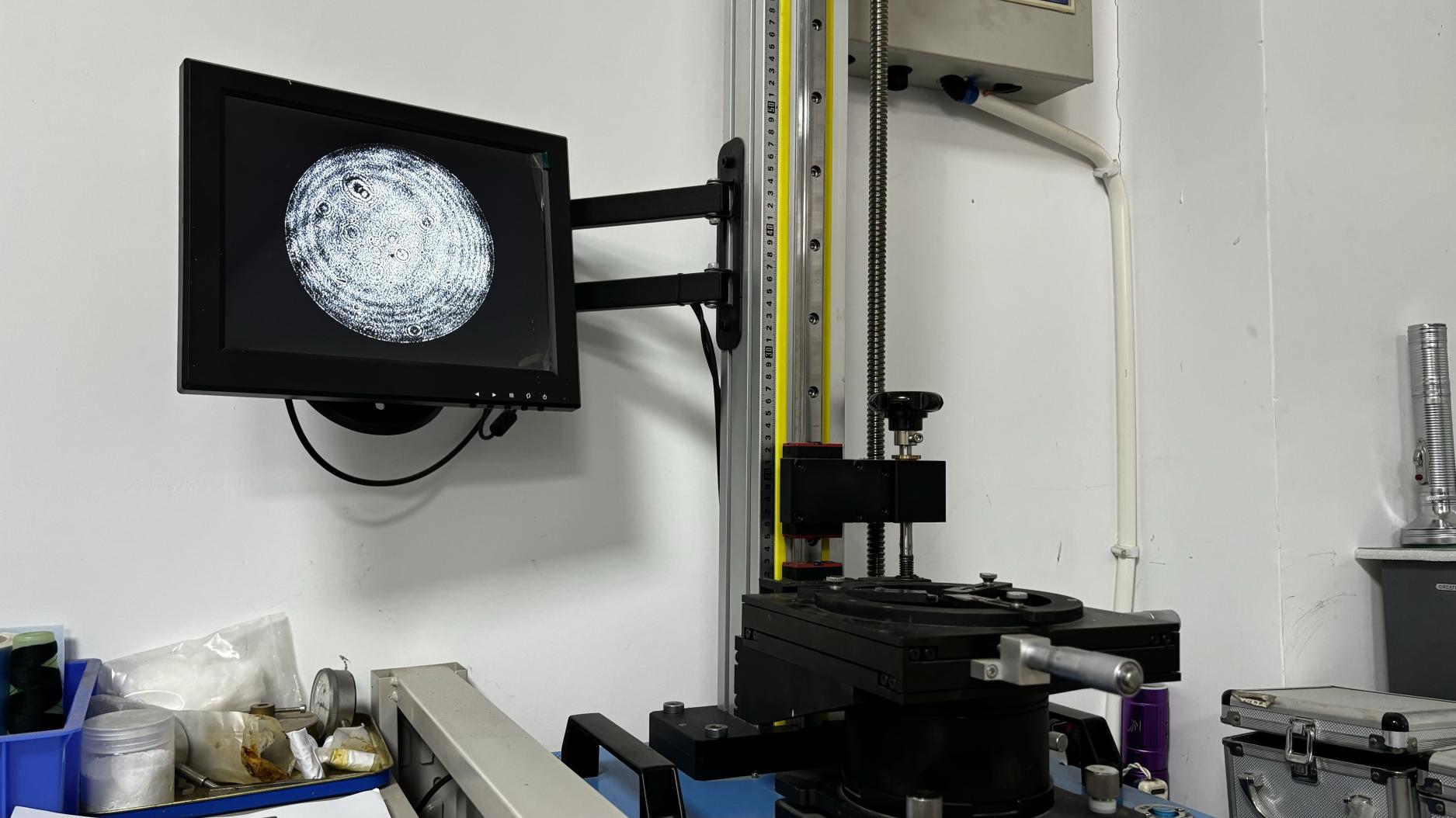
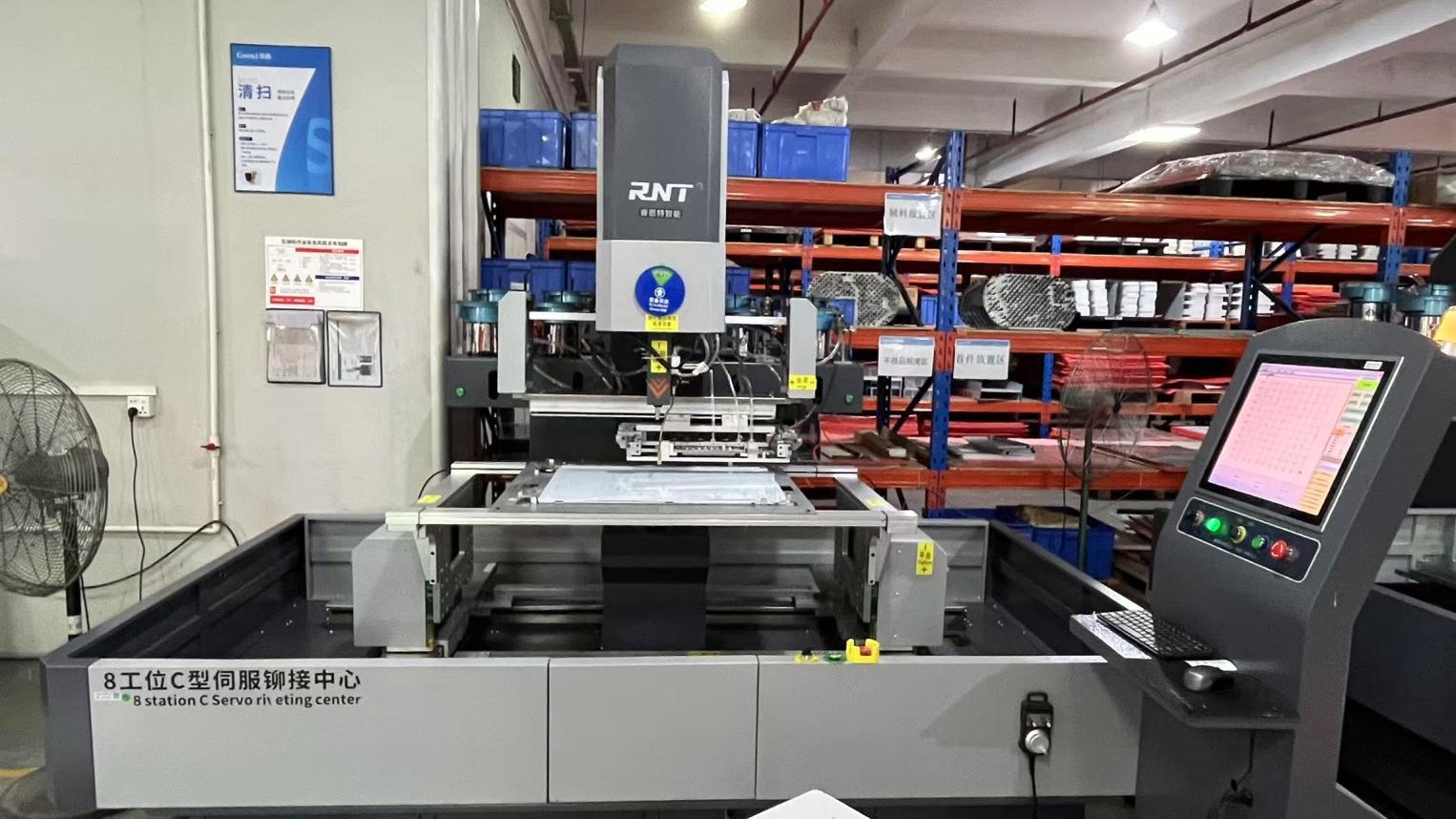
Testing includes system burn-in testing, thermal stress chamber runs, Automated Optical Inspection (AOI), firmware integrity validation, and full system simulated AI network workload runs to discover and address latent defects.
Our quality control operations are managed by a team of 45 certified QC professionals, collaborating directly with our 160 R&D hardware and systems engineers to ensure continuous platform iterations.
European CE certification ensures that network optimization tools and supporting computing hardware meet EU requirements for electromagnetic compatibility (EMC), health, and electrical safety. Uncertified equipment introduced into modern server racks can inject line noise, degrade overall signaling, and disrupt switch performance. Our hardware undergoes strict testing to meet all relevant directives, ensuring seamless installation into high-security international cloud networks.
Aligning data transmission and compute systems with tomorrow's AI requirements
As the industry transitions to PCIe 5.0 and 800G optical networking protocols, network optimization must focus on hardware-level processing efficiency. Bexora is actively planning its next stage of product iterations by integrating the following technological developments:
With AI clusters driving severe cabinet heat signatures, liquid loop system integration ensures servers can run at full capacity without thermal throttling. This maintains consistent network response times under heavy application load.
- Compute Express Link (CXL) IntegrationImplementing CXL protocols inside our server architectures enables shared memory pools across CPUs, GPUs, and network switches, significantly reducing transfer latency in large-scale cluster tasks.
- Dynamic Flow Control via AI TelemetryDeveloping switch systems that feed telemetry data directly to infrastructure orchestration software. This allows real-time network optimization, automatic load routing, and predictive bandwidth allocation.
Strong relationships across the entire supply chain ensure prompt delivery of custom hardware setups
At Bexora, we understand the logistical requirements faced by systems integrators, cloud service providers, and large research labs. The challenges extend beyond ordering the hardware; they involve securing import clearance, managing parts supply chains, and verifying system configurations before deployment.
Backed by over 860 supply chain partners, we source premium memory chips, advanced cooling components, and specialized server metalwork. This robust network ensures that even custom configurations (OEM/ODM chassis styling, dynamic GPU positioning, or specific switch configurations) can be assembled, certified, and shipped with minimal lead times.
| Customization Scope | OEM/ODM branding, custom metalwork, specialized RAM setups, custom firmware. |
| Export Experience | 7 Years of exporting compliance history serving Europe, North America, Middle East, and Asia. |
| Key Customer Segments | AI startups, commercial data centers, cloud infrastructure hosts, research labs. |
Our specialized engineering team is ready to design hardware profiles that match your specific software performance goals. Contact us for detailed architecture evaluations.
Answering major infrastructure questions for network engineers and procurement teams
When write files enter a server array over the network, storage bottlenecks can stall the transfer and cause packet queues to back up. PCIe 4.0 RAID controllers with onboard cache memory process incoming write instructions immediately, preventing network-facing I/O queues from stalling and reducing latency spikes.
CE certification is a regulatory requirement for European deployments. It verifies that hardware meets stringent electromagnetic compatibility (EMC) and low-voltage standards. This prevents your networking hardware from emitting disruptive interference that can corrupt data signals in surrounding rack infrastructure.
Bexora utilizes a combination of system burn-in testing, thermal stress simulation, automated optical inspection (AOI), firmware integrity validation, and full system computational modeling. This testing process simulates real-world stress conditions to catch potential failures before the equipment is deployed.
Yes, platforms like the xFusion and Dell PowerEdge server families are designed specifically for hyperconverged environments. They combine computing power, data storage, and networking interfaces in a single chassis, simplifying scaling and optimization across virtualized server setups.
Deploy dependable computing power, enterprise-grade storage pools, and high-frequency memory systems