Bexora
Bexora
Bexora

As dynamic cloud environments, distributed microservices architectures, and heavy AI workloads (such as deep learning, LLMs, and real-time model inferences) continue to dominate modern IT strategies, traditional rigid network architectures have reached their scaling limits. Hardware-bound switching routing protocols and static configuration cycles are no longer sufficient. Software-Defined Networking (SDN) decouples the network control plane from the physical forwarding plane, shifting execution into programmable logical interfaces. By centralizing management, SDN enables programmatic routing, dynamic load allocation, automated traffic engineering, and granular security enforcement across massive computing grids.
However, the execution of sophisticated SDN controller layers demands matching, high-performance physical server and switching infrastructures. Compute nodes must handle multi-tenant network overlays, high-frequency IOPS, and complex packet processing overhead without choking processing pipelines. High-performance host setups featuring advanced L3 optical core switches, enterprise-grade storage servers, and state-of-the-art PCIe RAID controllers are critical components in creating a resilient, scalable, and CE-compliant software-defined ecosystem.
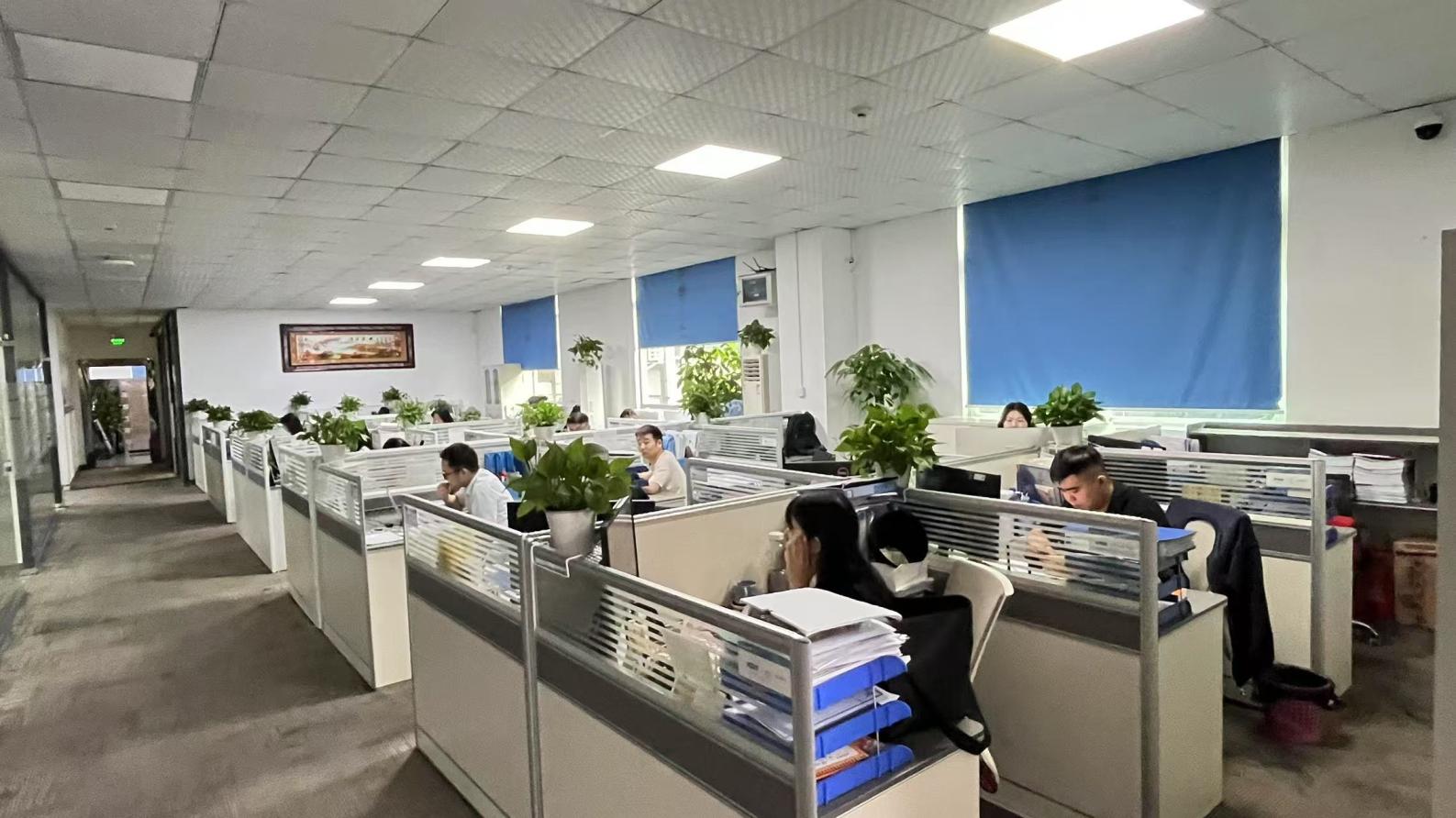
Operating from the heart of China's technological development zone, Bexora AI Systems (China) Co., Ltd. leverages a highly robust industrial ecosystem. With a solid foundation established in 2016, we have grown into a high-capacity exporter serving key markets across North America, Europe, Southeast Asia, and the Middle East. Our manufacturing process delivers significant, measurable advantages to global B2B procurement professionals:
Our deep supply chain integration includes approximately 860 upstream and downstream partners. This ecosystem ensures immediate access to primary silicon wafers, GPU modules, networking components, server chassis metals, and advanced thermal systems, minimizing lead times and bypassing component bottleneck dependencies.
With 160 R&D engineers driving structural design, liquid cooling integrations, and custom motherboard tuning, we launch over 120 new products and iterations annually. From customized chassis designs to customized PCIe configurations and deep UEFI level performance tuning, we tailor hardware to client software deployments.
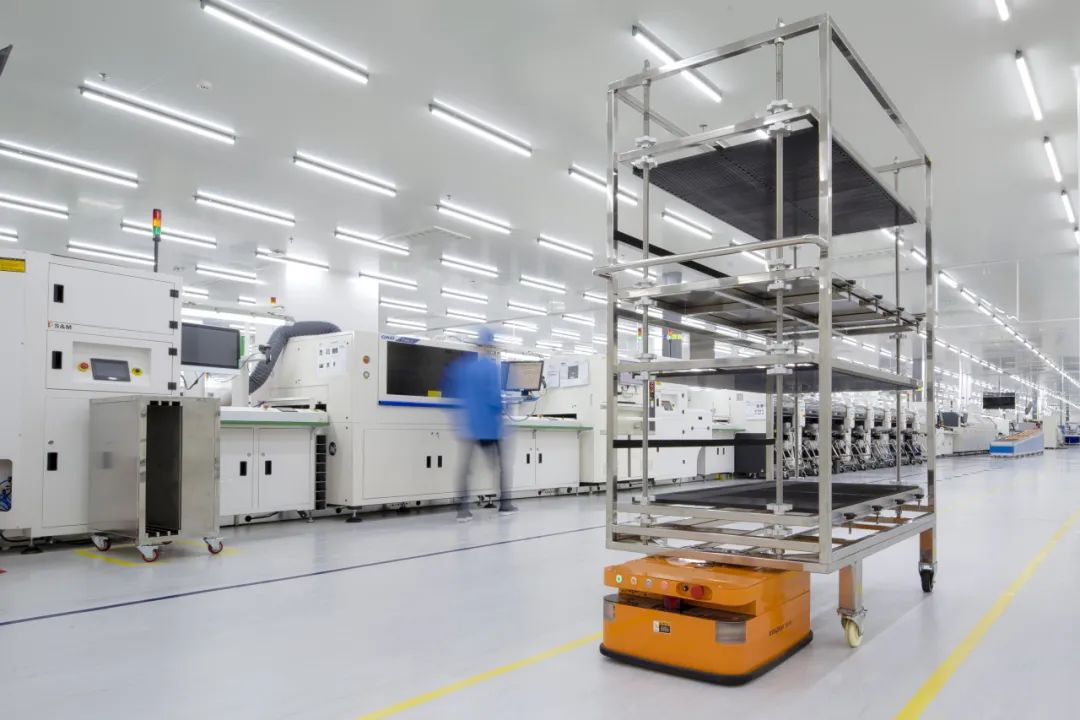
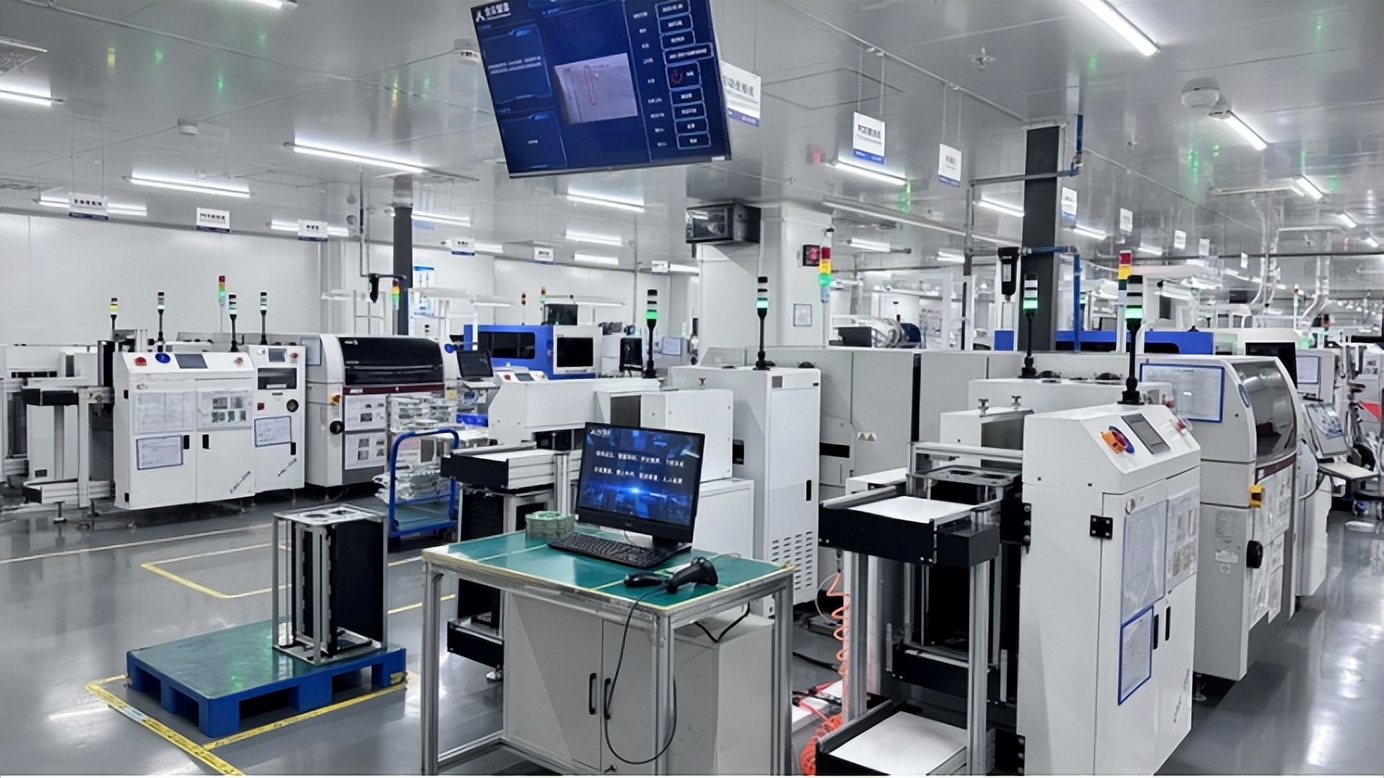
Spanning 18,600㎡ of specialized production floor, we manage massive high-density assembly lines. We support global enterprise deployments by blending high-volume manufacturing pipelines with custom-order flexibility, yielding an annual export revenue of over USD 18 million.
Every SDN controller node, optical network core switch, and computing server leaving our facility carries full CE Certification. This guarantees strict compliance with European safety, electromagnetic compatibility (EMC), and low-voltage mandates, simplifying importation and deployment processes.
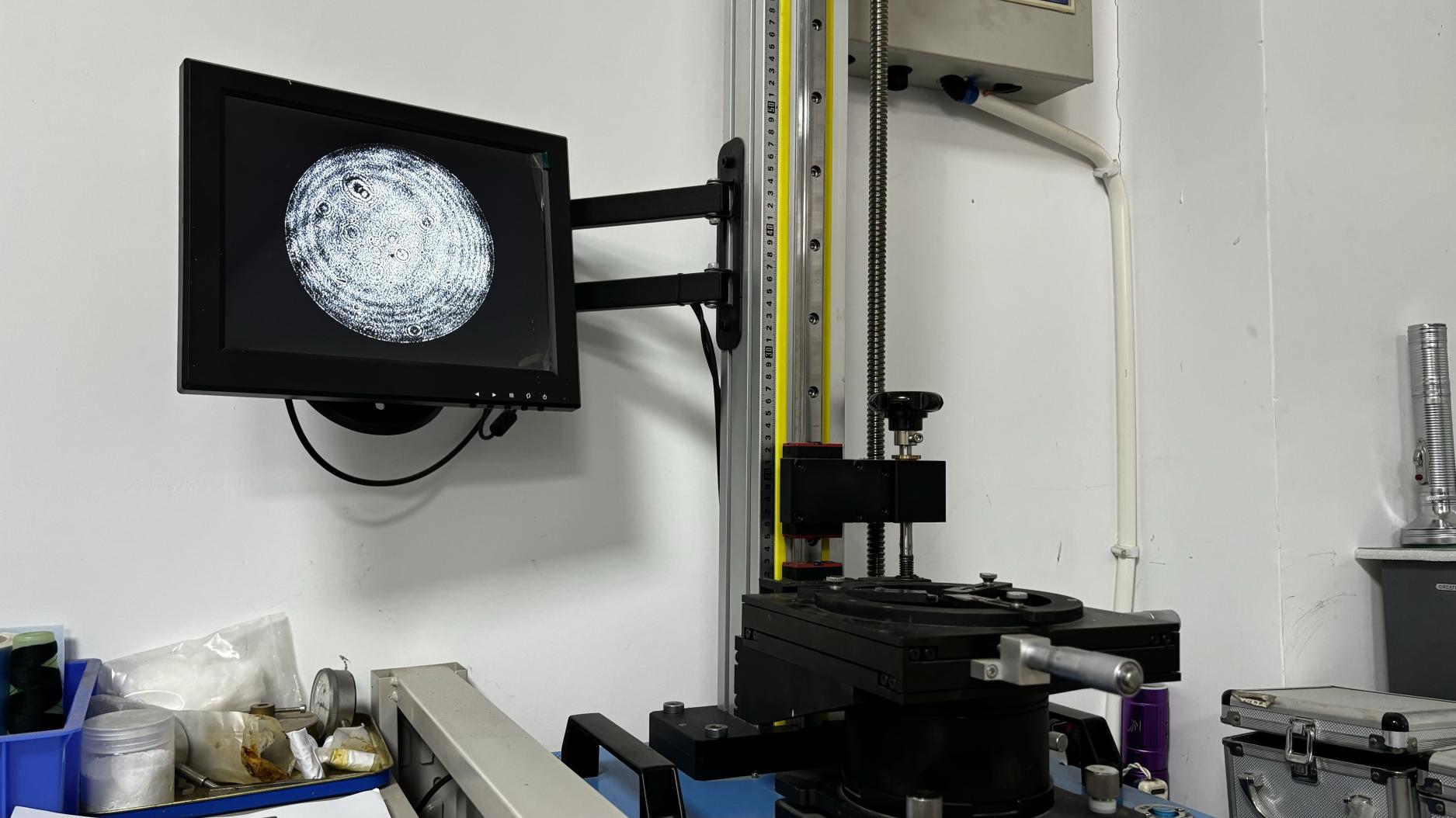
Enterprise-grade networking demands absolute zero-downtime reliability. At Bexora AI Systems, our quality assurance division consists of 45 certified inspection professionals. We enforce a two-tier methodology combining 100% full production line testing with random high-stress reliability sampling. Our processes ensure hardware integrity and optimal performance under sustained high-load enterprise workloads:
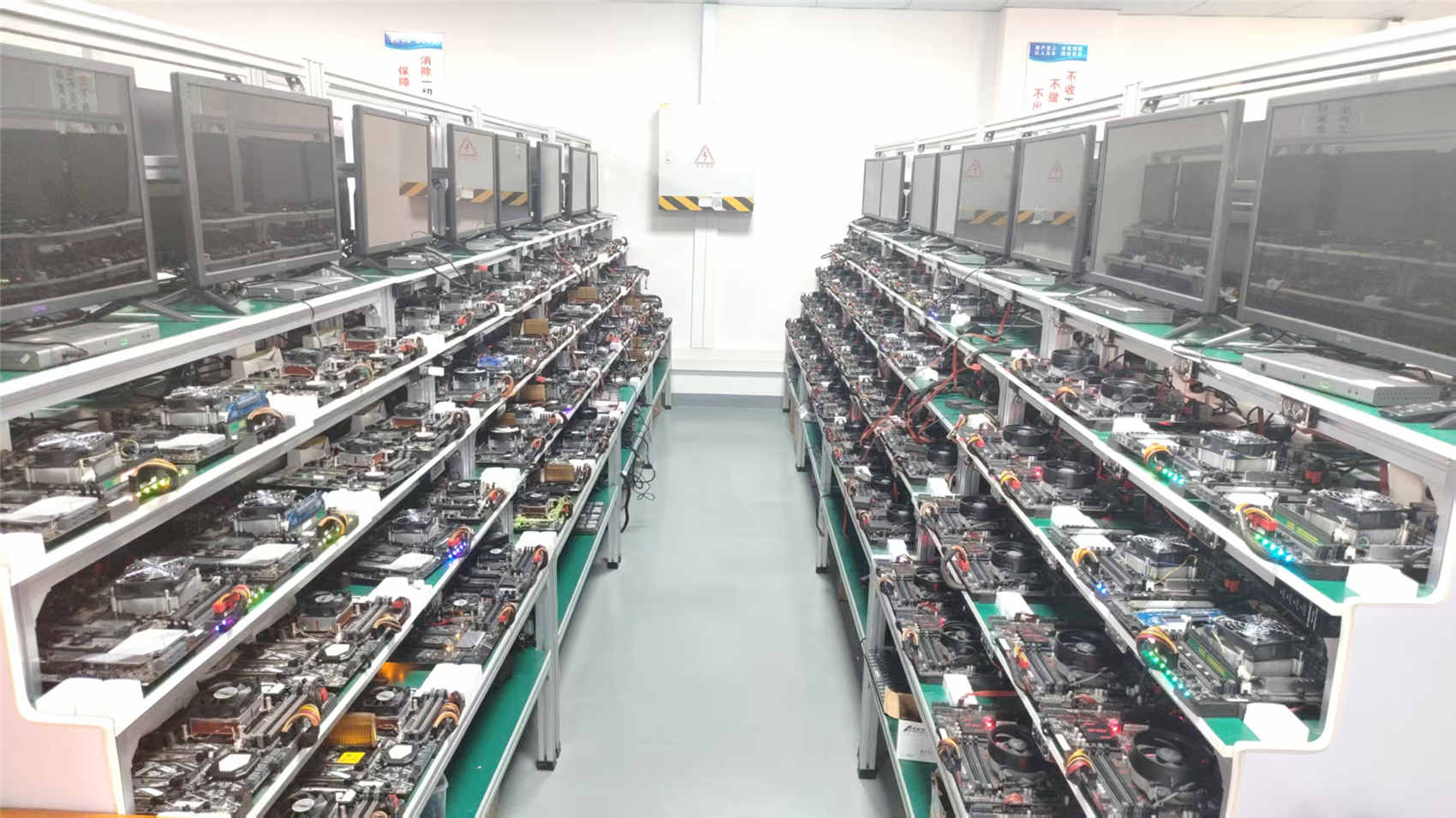
All system configurations undergo environmental chamber testing, running active compute cycles under thermal stress ranging from -10°C to +60°C. This helps isolate early silicon degradation issues and verify physical component integrity before packaging.
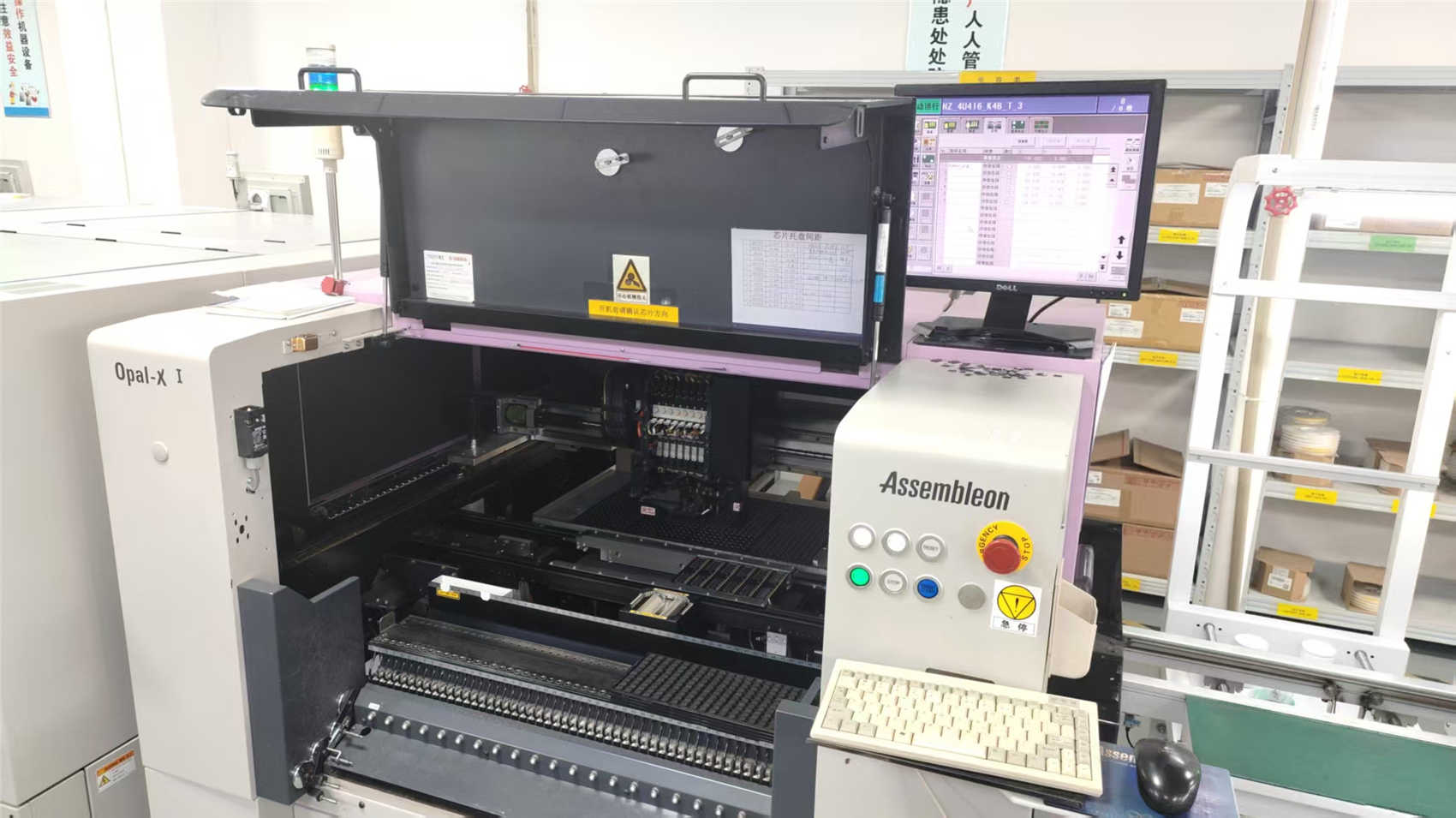
Using high-resolution AOI hardware cameras, we scan every printed circuit board assembly (PCBA) for micro-soldering defects, misplaced SMD modules, and trace irregularities, ensuring zero manufacturing-level faults.
We subject compute arrays to simulated AI workloads, driving memory and processing units to maximum capacity. This process verifies that power distribution nodes, storage controllers, and optical link components operate within specified limits.


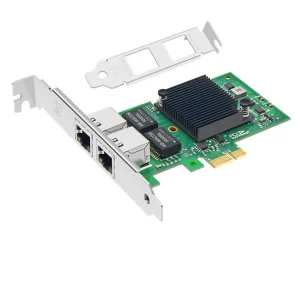
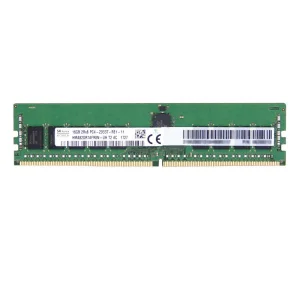
Software-Defined Networking operates on programmable protocols, but its physical execution depends on the capacity of the underlay infrastructure. Modern SDN controllers (such as ONOS, OpenDaylight, or VMware NSX-T) require high-density compute nodes with high-speed networking adapters, low-latency storage access, and robust system stability.
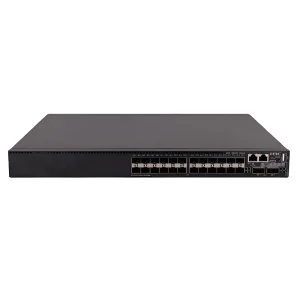
Integrating advanced three-layer switches, like the H3C S6520X-30QC-EI, allows operators to deploy all-optical core connections. Featuring 10G and 40GE optical links, these units provide the high bandwidth and low latency required for real-time SDN control paths, preventing control-plane latency spikes during high traffic periods.
Virtualization platforms running SDN virtualization overlays require fast, reliable I/O pipelines. Using PCIe Gen 4.0 Tri-mode SAS/SATA/NVMe RAID controllers (such as the 9540-8i or 9560-8i) offloads storage calculation tasks from the CPU. This preserves CPU overhead for SDN control layers and package inspections, ensuring optimal performance.
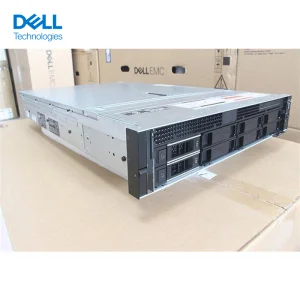
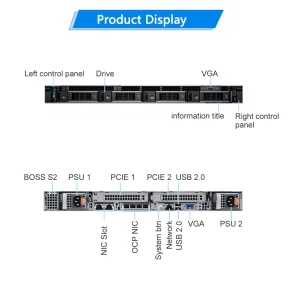
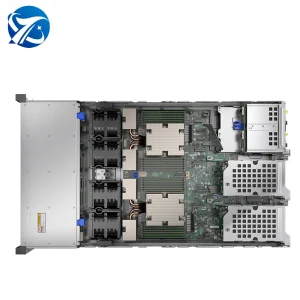
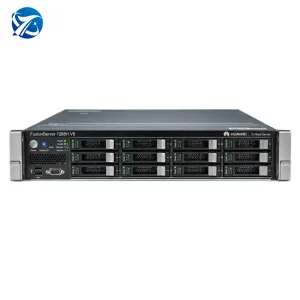
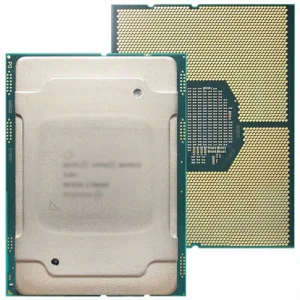
High-density computing servers, including the 1288H V7 and PowerEdge R660, powered by multi-core Intel Xeon Gold or Silver processors, form the backbone of modern SDDC (Software-Defined Data Center) hypervisors. These servers provide the computing capacity required to run multiple SDN virtual appliances, firewalls, and load balancers on a single physical unit.
We design and configure hardware architectures to support diverse enterprise application scenarios. Through close collaboration with Cloud Service Providers, AI startups, and international research institutions, our systems are pre-optimized to deliver stable performance across critical environments:
Integrating multi-port 10G/40G switches with high-density server configurations enables flexible resource virtualization. Operators can implement VXLAN overlays and segment network zones programmatically, supporting secure multi-tenant hosting environments.
Deploying low-latency 1U servers as edge gateways allows enterprises to manage branch office connections through a central controller, optimizing routing dynamically while reducing hardware costs.
For high-performance AI training nodes (such as deep learning and DeepSeek models), SDN interfaces coordinate high-speed data transfers between GPU servers. This prevents data bottlenecks and ensures steady data flow during large training jobs.
Enterprise procurement professionals prioritize hardware quality, safety compliance, and supply chain stability. As organizations transition to open networking architectures, three main industry trends are shaping technical specifications:
✓ CE Certification: Essential for hassle-free European importation.
✓ Customization: OEM/ODM design services to align with target platform specifications.
✓ Testing Documentation: Full burn-in and optical inspection verification logs.
✓ Supply Stability: Deep upstream partnerships to guarantee delivery schedules.
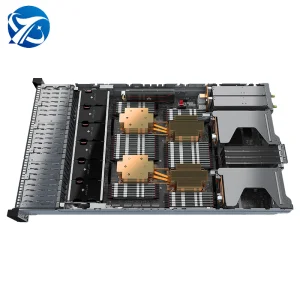
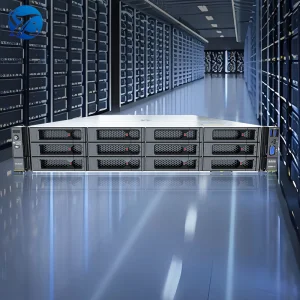
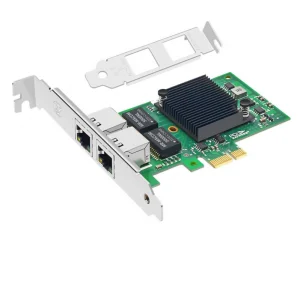
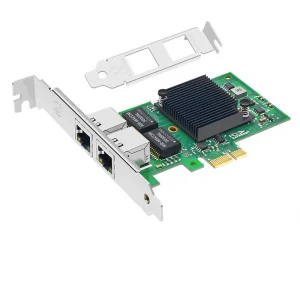
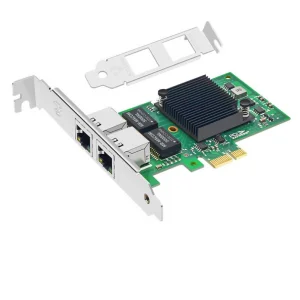
An SDN-ready server requires high-throughput network interfaces, virtualization-friendly processing cores, and flexible I/O configurations. Bexora systems, including the 1288H V7 and PowerEdge series, feature multi-core Intel Xeon Gold processing power and support advanced PCIe Gen 4.0/5.0 riser cards. This allows the installation of high-speed SmartNICs and DPUs (Data Processing Units) that offload virtual switch packet processing from the host CPU, enabling efficient software-defined execution.
CE Certification ensures that products conform to strict European health, safety, and environmental protection standards. For high-frequency enterprise devices like the H3C S6520X-30QC-EI switch and LSI PCIe RAID cards, CE compliance guarantees that electromagnetic emissions (EMC) remain within safe limits, and low-voltage electrical safety measures (LVD) are implemented. This compliance is essential for trouble-free customs clearance and deployment in global enterprise networks.
In virtualized software-defined environments, the central hypervisor host runs virtual machines, containers, and virtual network switches. Standard software-based RAID arrays can consume significant CPU cycles. Tri-mode hardware RAID controllers, like the 9560-8i, offload storage calculations and manage NVMe/SAS/SATA connections independently. This frees up host processing power, allowing it to focus on managing traffic routing and packet inspections.
Yes. We offer comprehensive OEM/ODM services, including structural chassis customization, specific PCIe slot configurations, and tailored thermal designs (such as liquid cooling loops). Our 160 R&D engineers can also perform firmware-level and BIOS/UEFI performance tuning to optimize compatibility with specific SDN distributions, hypervisors, and security platforms.
Our 45-person quality control team performs comprehensive validation testing, including Automated Optical Inspection (AOI) for circuit board integrity, dynamic burn-in testing to check thermal stability, and full system simulation tests under sustained network loads. This testing confirms hardware reliability and stable performance before shipping.