Bexora
Bexora
Bexora
Explore our premium computing and network appliances designed for high throughput, seamless storage scalability, and deep performance tuning.


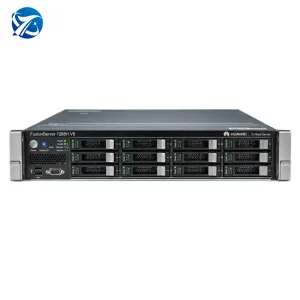

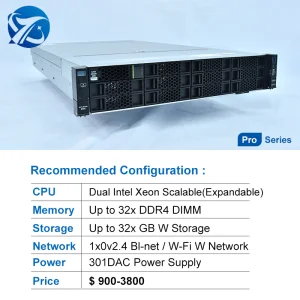
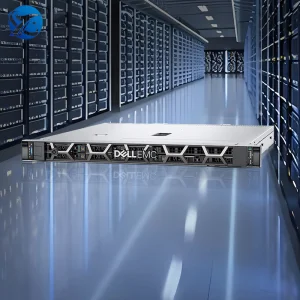
In today's highly distributed computing ecosystems, Wide Area Network (WAN) Optimization is the foundational pillar for efficient global business operations. Enterprise applications have evolved from simple file transfers to complex, real-time AI inference pipelines, massive data warehouse synchronizations, and high-density GPU model checkpoints. Unoptimized WAN links are plagued by latency, packet loss, and protocol limitations, which create critical bottlenecks.
Our solutions directly address these architectural challenges. By applying deep traffic inspection, high-performance protocol acceleration (such as modified TCP mechanisms), and advanced data deduplication, our systems compress transit times, improve throughput, and minimize the bandwidth needed for remote branch connection and heavy cloud workloads.
Modern WAN Optimization bridges the distance gap, transforming fragile, high-latency physical pathways into resilient, high-speed virtual conduits optimized for the demands of the AI era.
Integrating hardware accelerators with network optimization guarantees that AI GPU server clusters maintain peak execution rates without waiting for data synchronization over cross-border networks.
Designed and manufactured in compliance with European safety standards, our systems carry full CE certification to guarantee hassle-free import, regulatory safety alignment, and risk-free integration into European enterprise infrastructures.
Based in China, Bexora is a leading AI GPU server and high-performance computing infrastructure manufacturer specializing in scalable systems for AI training, inference, and data center deployment.
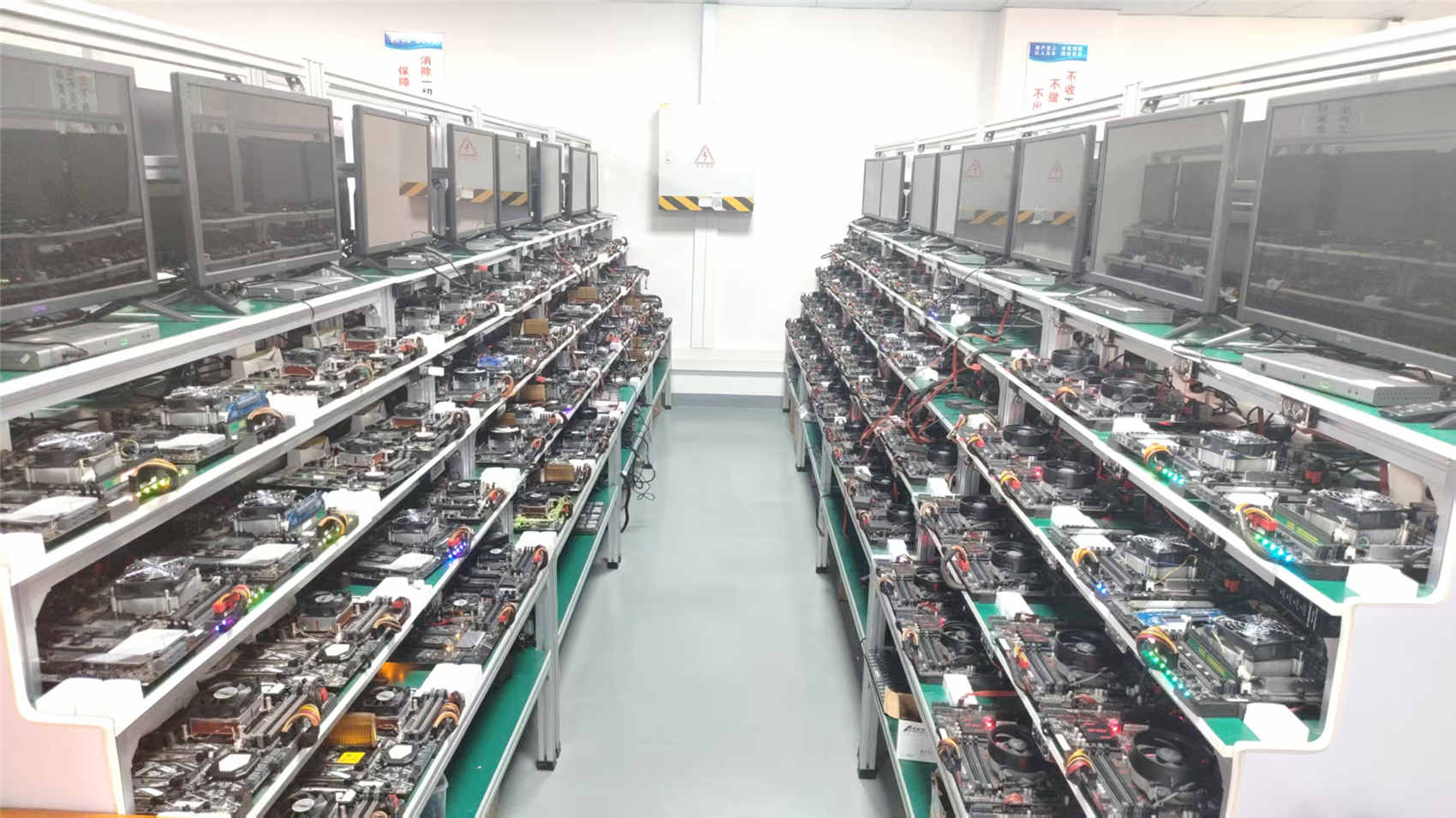
A dedicated quality control team conducts 100% full inspection combined with random sampling reliability testing to ensure long-term, high-load AI stability.
Collaborating with top-tier upstream and downstream partners supporting GPU sourcing, server chassis manufacturing, and thermal system integration.
Dynamic R&D launch cycle delivering cutting-edge iterations to keep global clients aligned with rapid technological advancements.
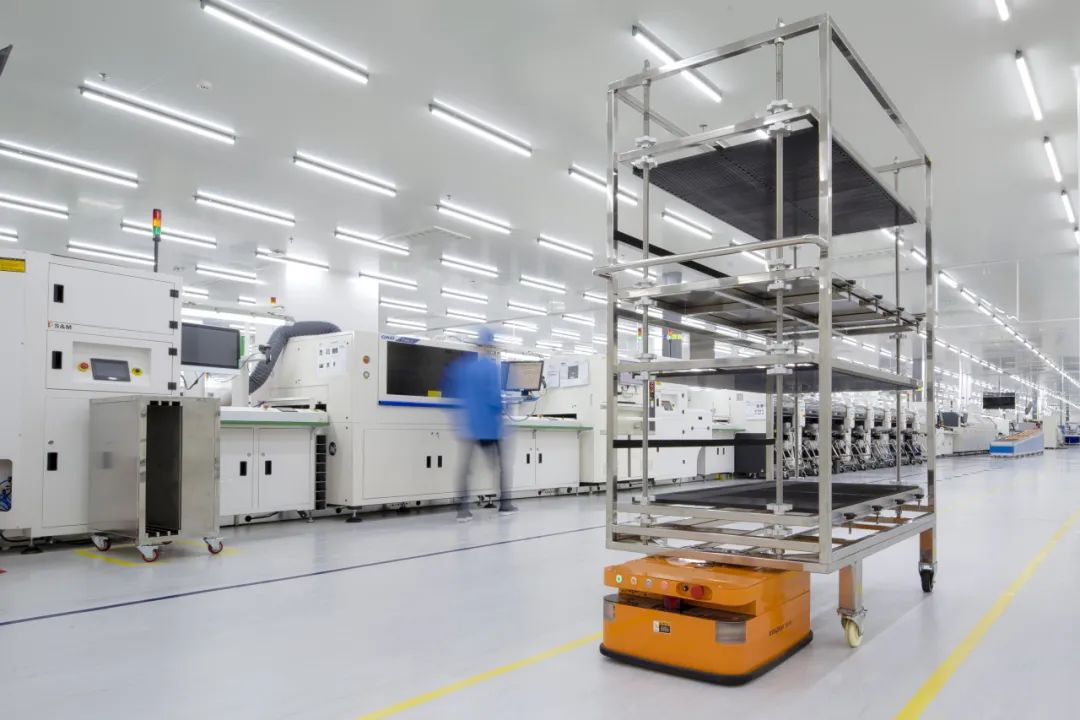
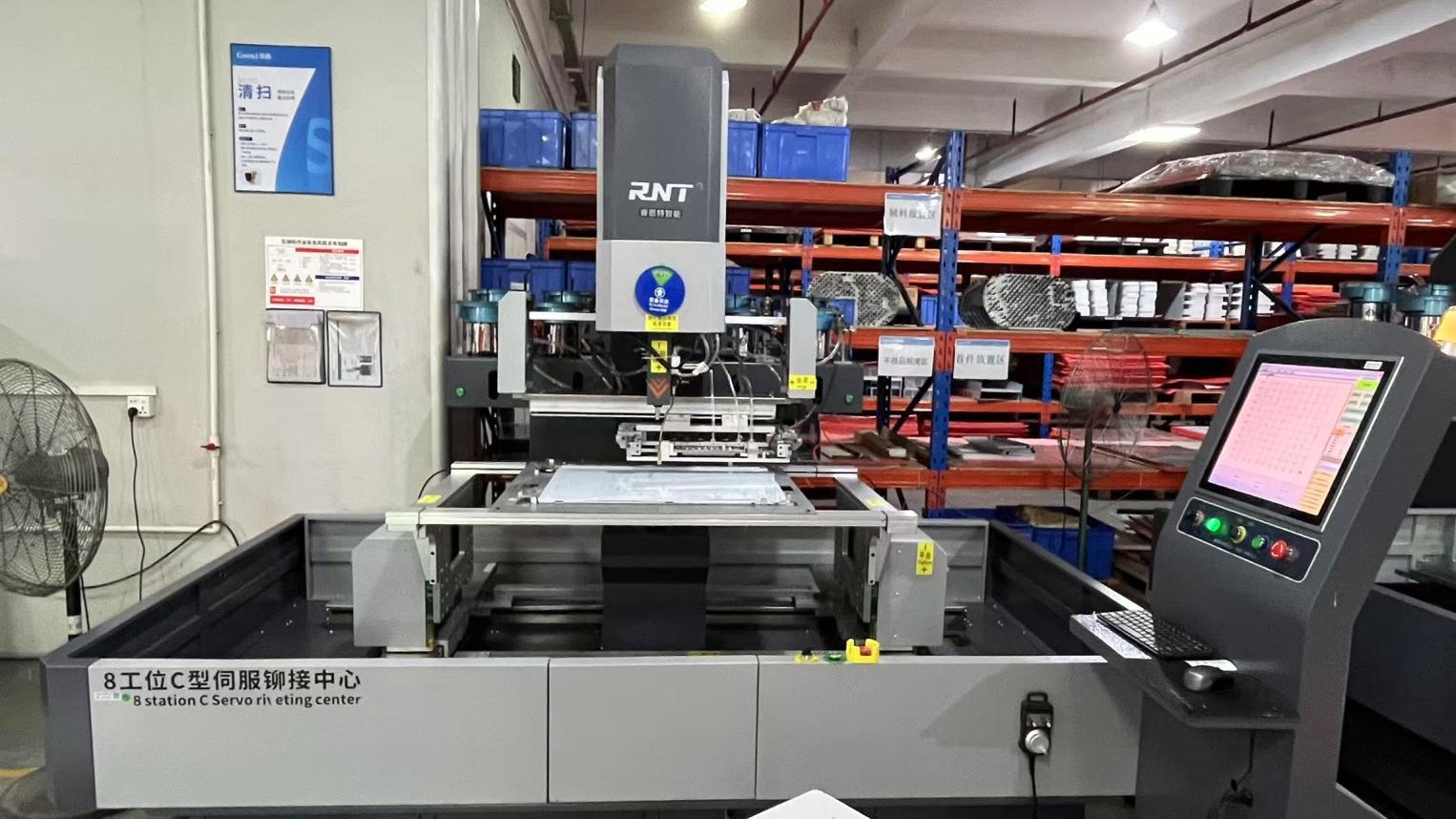
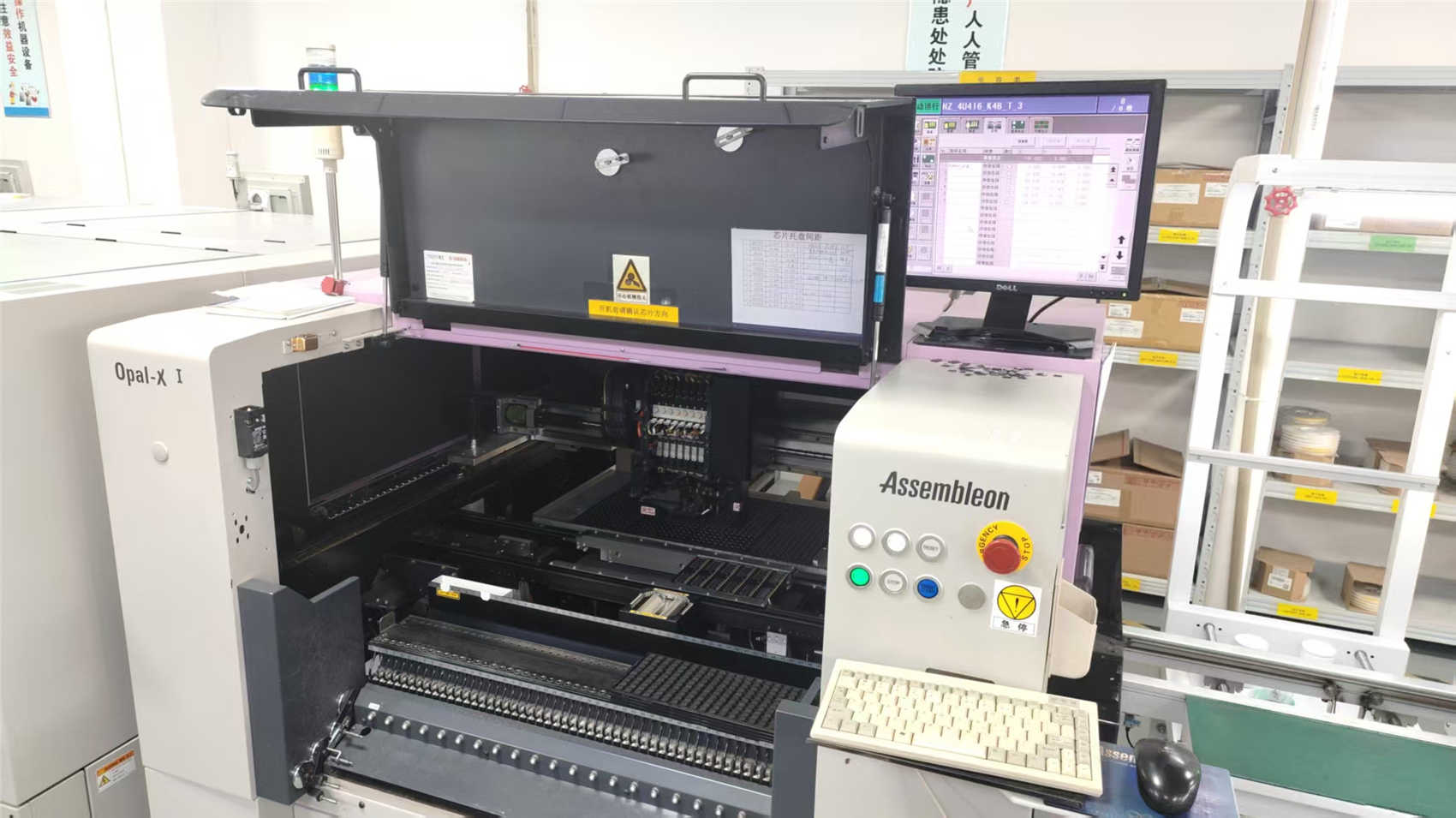
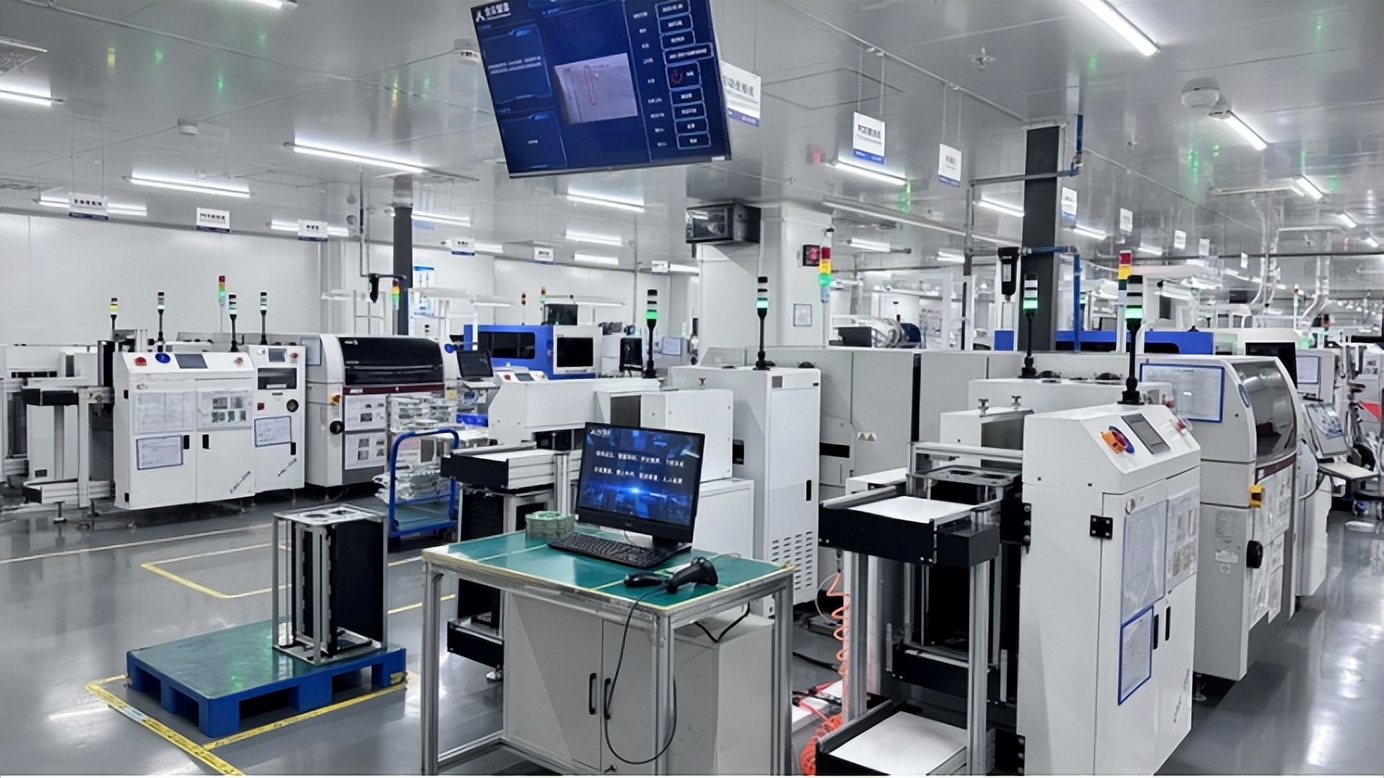
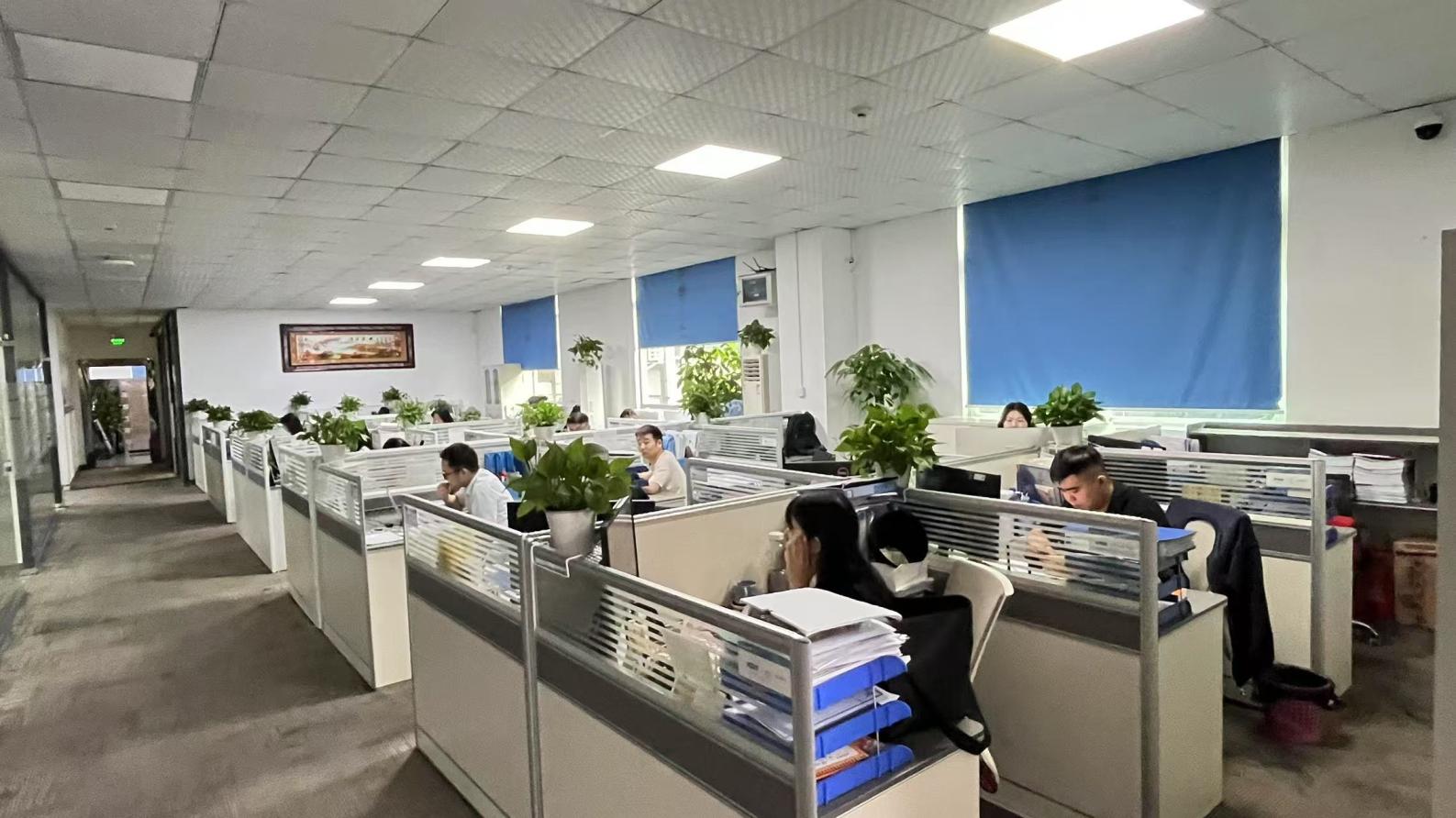
Our facility in China combines advanced automation, deep vertical supply integration, and an experienced engineering team to offer clear advantages in reliability and cost-efficiency. Our manufacturing ecosystem in Shenzhen and key tech clusters provides rapid component sourcing, allowing us to pivot from design prototypes to mass production much faster than competitors.
Enterprise hardware must conform to rigid safety, electromagnetic, and operational benchmarks to operate safely in high-availability environments.
| Feature / Parameter | Standards Applied | Hardware Implementation | Target Output / Benefit |
|---|---|---|---|
| Electromagnetic Compatibility (EMC) | EN 55032, EN 55035 | Chassis-level EMI shielding, filtering components on power input modules | Suppresses radio frequency noise to prevent interference with adjacent devices. |
| Low Voltage Directive (LVD) | EN 62368-1 | Isolated power zones, heavy ground tracing, certified PSU configurations | Ensures absolute electrical safety for data center operators and technicians. |
| Environmental Safety | RoHS (EU 2015/863) | Lead-free soldering processes, hazardous substance elimination | Guarantees eco-friendly hardware recycling and environmental compliance. |
| High Load Stress Testing | Internal QA / Bexora Standard | 72-hour thermal stress loop, full AI simulation tests | Detects early component failures before deployment, ensuring stable operation. |
How our optimized hardware platforms and network systems operate within real-world IT architectures.
Maximizes throughput between geographically separated data centers, reducing replication latency for active-active storage sync and multi-site backup schedules.
Reduces synchronization bottlenecks for GPU clusters (like those running large LLM fine-tuning pipelines) when moving checkpoint files across remote sites.
Ensures that workers accessing centralized ERP, CAD, and data analytics software via SaaS or remote WAN endpoints experience LAN-like response speeds.
Stability under load is critical for enterprise networks. Bexora employs a comprehensive quality assurance framework. By combining advanced testing hardware with strict SOP guidelines, we ensure that every WAN optimizer and high-performance server leaves our factory ready for continuous 24/7 operation.
Our quality control team of 45 professionals oversees testing processes at every assembly phase:

Keep your network prepared for upcoming technology shifts.
Machine learning engines integrated directly into network appliances will soon predict path congestion and reroute traffic proactively, ensuring zero latency spikes.
Hardware-accelerated CXL and NVMe-over-Fabrics (NVMe-oF) technologies are merging WAN optimization with global storage access, making remote drives behave as local storage.
Modern servers require eco-conscious components. By prioritizing energy-efficient power supplies (such as our HVDC modules), enterprises can reduce overhead and carbon footprints.
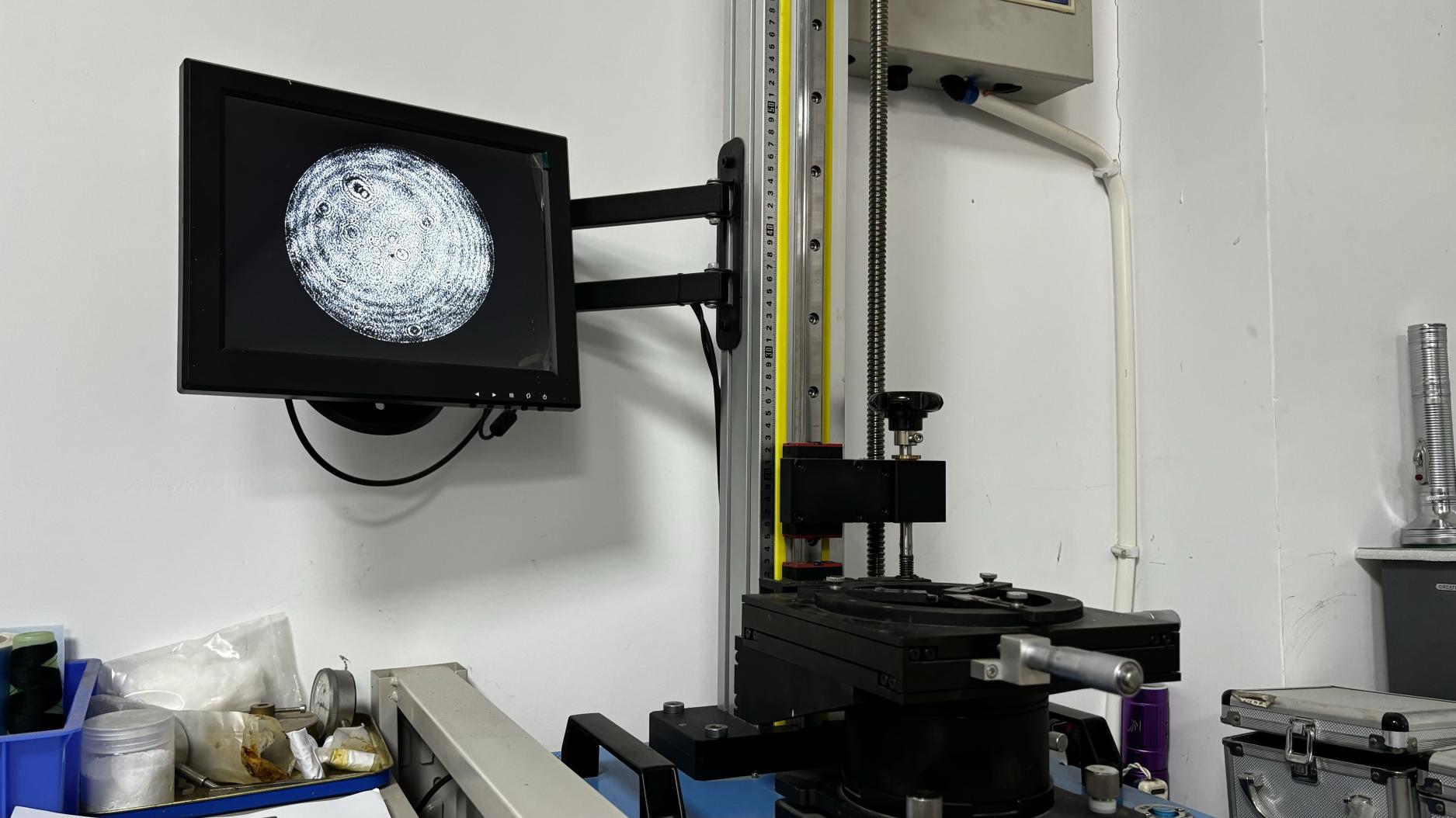
Selecting hardware for large-scale operations requires analyzing more than raw performance numbers. Sourcing managers must evaluate compliance certifications, supply chain longevity, and manufacturer support levels to prevent deployment delays and integration issues.
Key procurement check-points to consider:
Get answers to common technical and commercial questions regarding WAN optimization and high-performance server deployments.
By implementing TCP window scaling, payload deduplication, and byte-level compression, our solutions minimize the transactional chatter typical of database protocols. This dramatically speeds up replication processes over high-latency cross-border connections.
CE Certification is a mandatory regulatory requirement for importing into the European Economic Area. It confirms that our hardware meets strict health, safety, and environmental protection standards (including LVD and EMC directives), protecting imports from customs delays.
Yes. Backed by our 160-engineer R&D team, we offer comprehensive OEM/ODM customization services. We can modify physical chassis layouts, tailor thermal cooling solutions, configure specific GPU layouts, and optimize firmware to suit your performance requirements.
We conduct 100% full inspection checks alongside random sampling. This includes automated optical inspection (AOI), thermal stress testing from low to high temperatures, high-load burn-in testing, and simulated AI workloads to verify stable long-term performance.
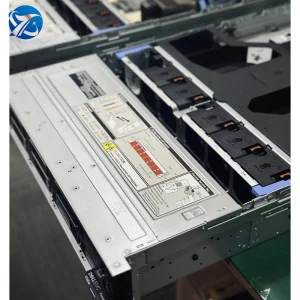
Our hardware platforms (using xFusion, FusionServer, or Dell chassis foundations) are fully certified, highly expandable, and optimized for cost-efficiency. They offer comparable reliability and processing power to brand-name configurations at a much lower total cost of ownership.
Standard configurations are available directly from stock, while customized OEM/ODM builds generally take 4 to 8 weeks. This timeline includes layout design, component sourcing, build assembly, and our rigorous multi-stage quality assurance testing processes.
Explore our second selection of servers and core components designed for network expansion and demanding enterprise workloads.
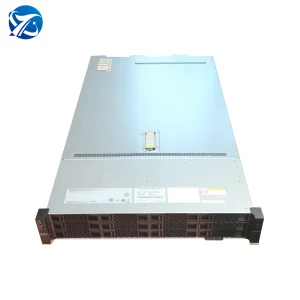
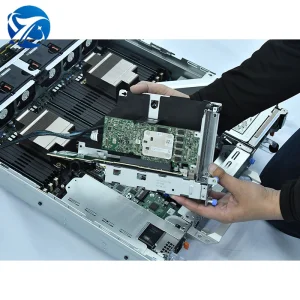

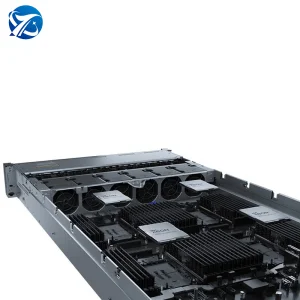

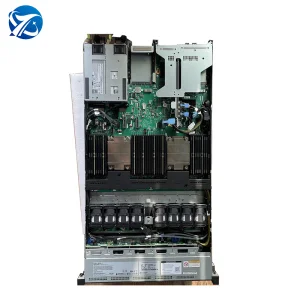
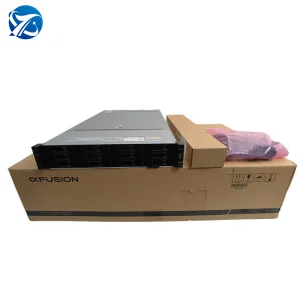
Inside our high-capacity production lines and system stress chambers, designed for top-tier reliability.