Bexora
Bexora
Bexora
Deploy cutting-edge controller cards, memory DIMMs, and custom barebones optimized for massive throughput and deep cloud workloads.
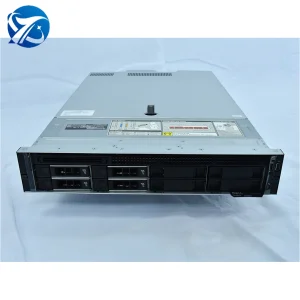
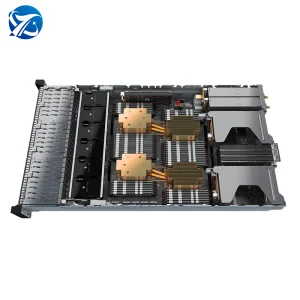
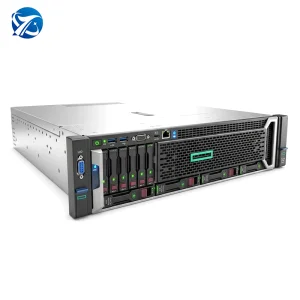
In modern hyperscale data centers, high-performance computing (HPC) centers, and AI enterprise grids, the 6U rack server represents the pinnacle of localized compute, thermal, and storage density. Unlike standard 1U or 2U compute modules designed for web hosting or microservices, 6U rackmount architectures are engineered to house multiple high-TDP processor sockets, array blocks of double-width hardware accelerators (GPUs or TPUs), and massive redundant power supply systems. This structural volume provides the necessary spatial envelope to route deep data pipelines, implement extreme cooling loops, and host redundant storage backplanes without triggering thermal throttle thresholds.
From a global economic perspective, the demand for 6U form factors has surged alongside the proliferation of Large Language Models (LLMs) and Deep Learning neural networks. The transition to cloud-based artificial intelligence has moved processing requirements from decentralized clusters to localized, ultra-high-density chassis. Industrial systems deploying massive neural matrix multiplication loops rely on 6U platforms to run up to 8x or 16x PCIe/OAM GPU structures in a single, cohesive mechanical domain, optimizing inter-module bandwidth via direct-attach backplanes and high-speed NVMe fabrics.
| Parameters | Standard 2U Servers | Enterprise 4U Servers | High-Density 6U Servers |
|---|---|---|---|
| Primary Target Workload | General database, virtualization, standard storage | Mid-range AI inference, rendering, virtualization host | Large-scale LLM training, DeepSeek clusters, dense GPU compute |
| GPU Support Capacity | Max 2x single-width or limited dual-width | Up to 4x dual-width PCIe accelerators | 8x to 10x high-performance enterprise GPUs/OAM modules |
| Thermal Airflow Profile | Strict space limits, high fan RPM, audible noise | Moderate airflow pathing, balanced heat sink profile | Unrestricted high-diameter fans, low static pressure drag |
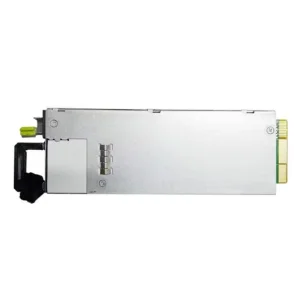
| Power Envelope Support | 800W - 1600W (redundant configuration) | 1200W - 3000W redundant PSUs | 3000W - 6000W+ (multi-module, liquid-cooling ready) |
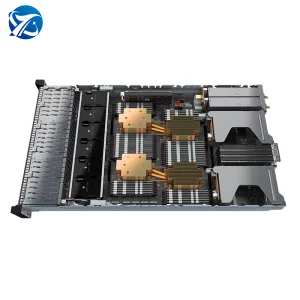
As CPU TDP options exceed 350W and high-power GPUs push past 700W, traditional air cooling is approaching its physical limits. The current paradigm shift points toward direct-to-chip liquid cooling loops built directly into 6U server bays. The extra height clearance in a 6U profile permits complex plumbing configurations, zero-leak quick-connect couplings, and integrated manifolds, allowing direct heat extraction via liquid cold plates. This allows data centers to achieve Power Usage Effectiveness (PUE) ratings below 1.15, satisfying strict environmental criteria while maximizing hardware longevity.
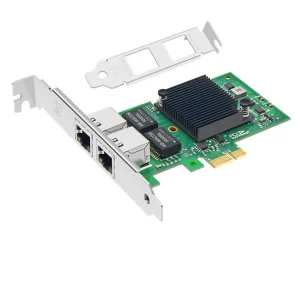
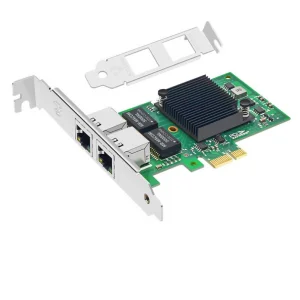
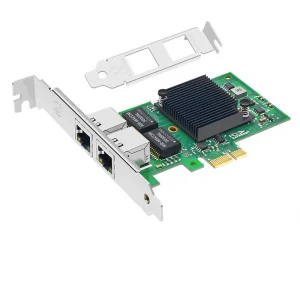
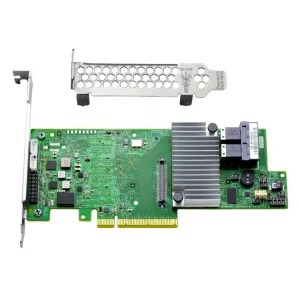
Data throughput demands within AI clusters require high interface speeds. 6U servers are moving rapidly toward PCIe Gen 5.0 and Gen 6.0 architectures. These architectures allow massive bandwidth configurations utilizing next-generation host interface cards and controllers (such as the 9560-16i and 9560-8i Tri-Mode RAID controllers). Tri-mode connectivity enables the simultaneous support of NVMe, SAS, and SATA drives on a unified backplane, giving network administrators the flexibility to balance cost, capacity, and performance using low-latency RAID arrays.
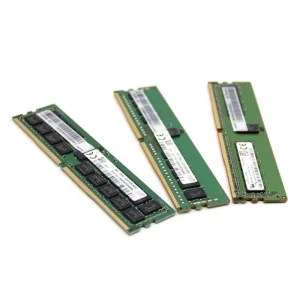
The rise of open-source architectures like DeepSeek has created a distinct market for server hardware optimized for inference scaling. 6U server configurations act as dedicated inference nodes. Because they can hold deep GPU clusters alongside high-capacity ECC DDR5 RAM (such as xFusion RDIMMs running at 6400MT/s), they provide the immense memory bandwidth required for real-time natural language query parsing. This specialized setup reduces intra-cabinet hop latency, ensuring fluid compute performance even during high concurrent access events.
What will the high-density computing ecosystem look like by 2030? Let's analyze the technical milestones ahead.
Computing Express Link (CXL) technology will allow 6U servers to share dynamic DRAM pools across multiple nodes. This decouples storage memory from static slots, allowing physical components to scale dynamically depending on real-time task allocations.
Integrated server BMCs will leverage local machine learning models to dynamically balance fan RPM curves against complex compute loads. This system optimizes airflow based on predictive thermal modeling, preventing temperature spikes before they occur.
Integration of native 800Gbps InfiniBand and Ethernet networks directly onto the motherboard backplane. This reduces system copper usage and power requirements, ensuring rapid node-to-node communication across large clusters.
Tailored architectural solutions designed for global telecom operators, hyperscale cloud vendors, and high-frequency trading applications.
Optimized for dynamic deep-learning pipelines, this configuration utilizes 6U nodes equipped with 8x OAM accelerators, 6400MT/s DDR5 RAM pools, and PCIe Gen 5.0 RAID setups. It delivers high GPU-to-GPU data transfer rates via direct-attach NVMe fabrics, streamlining large language model training and real-time inference tasks.
Designed for enterprise databases and video archive networks, this layout combines 6U server space with high-port Tri-Mode SAS/SATA/NVMe storage controllers. By utilizing active-active RAID 6 configurations, it provides secure, high-capacity storage for critical unstructured data pools.
Designed for financial systems, this low-latency setup utilizes 6U configurations to host dual-socket enterprise CPUs alongside FPGA cards. It processes massive real-time market data feeds while maintaining structural redundancy across local power networks.
A trusted manufacturer of AI GPU servers and high-performance computing infrastructure based in China.
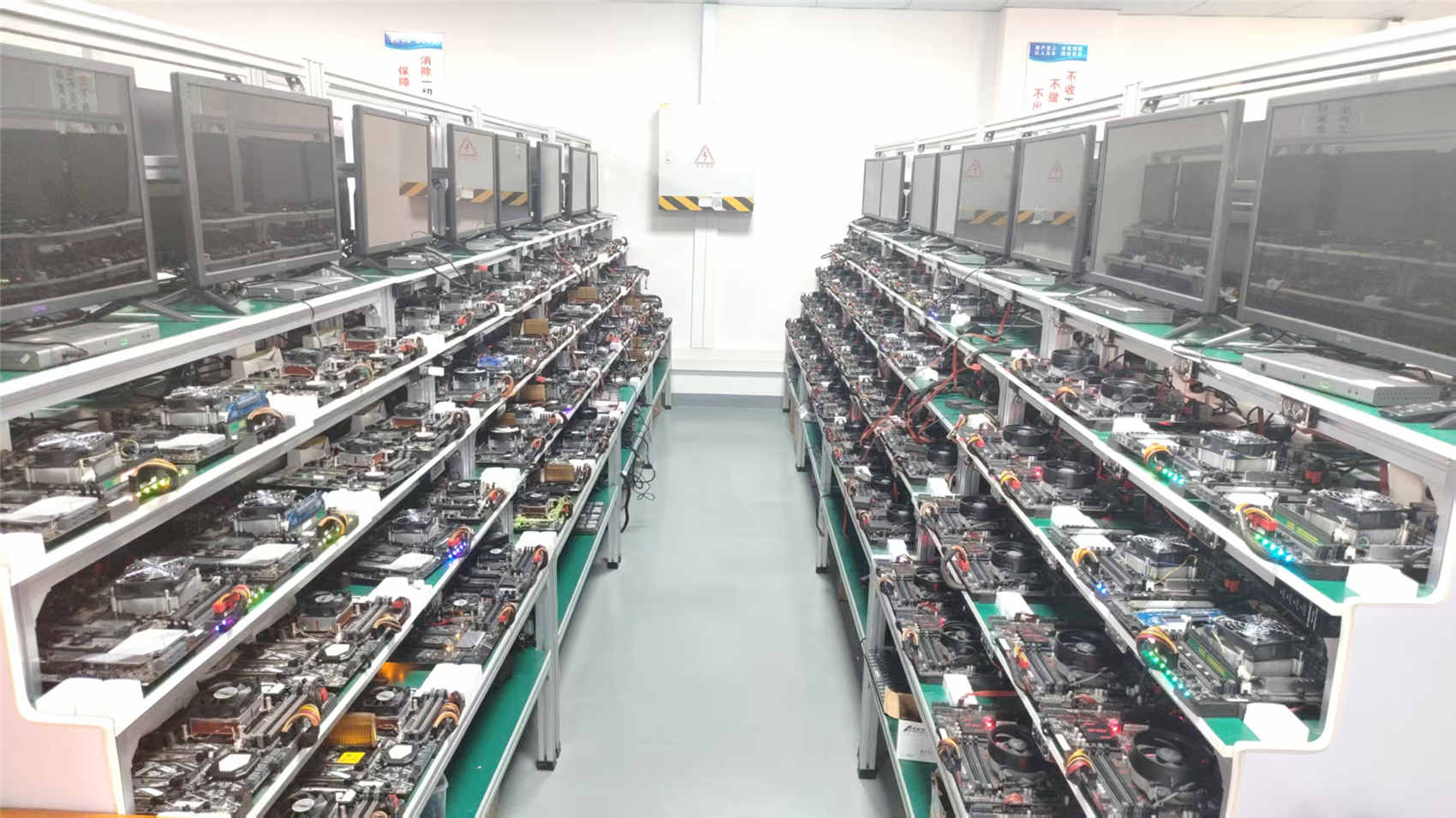
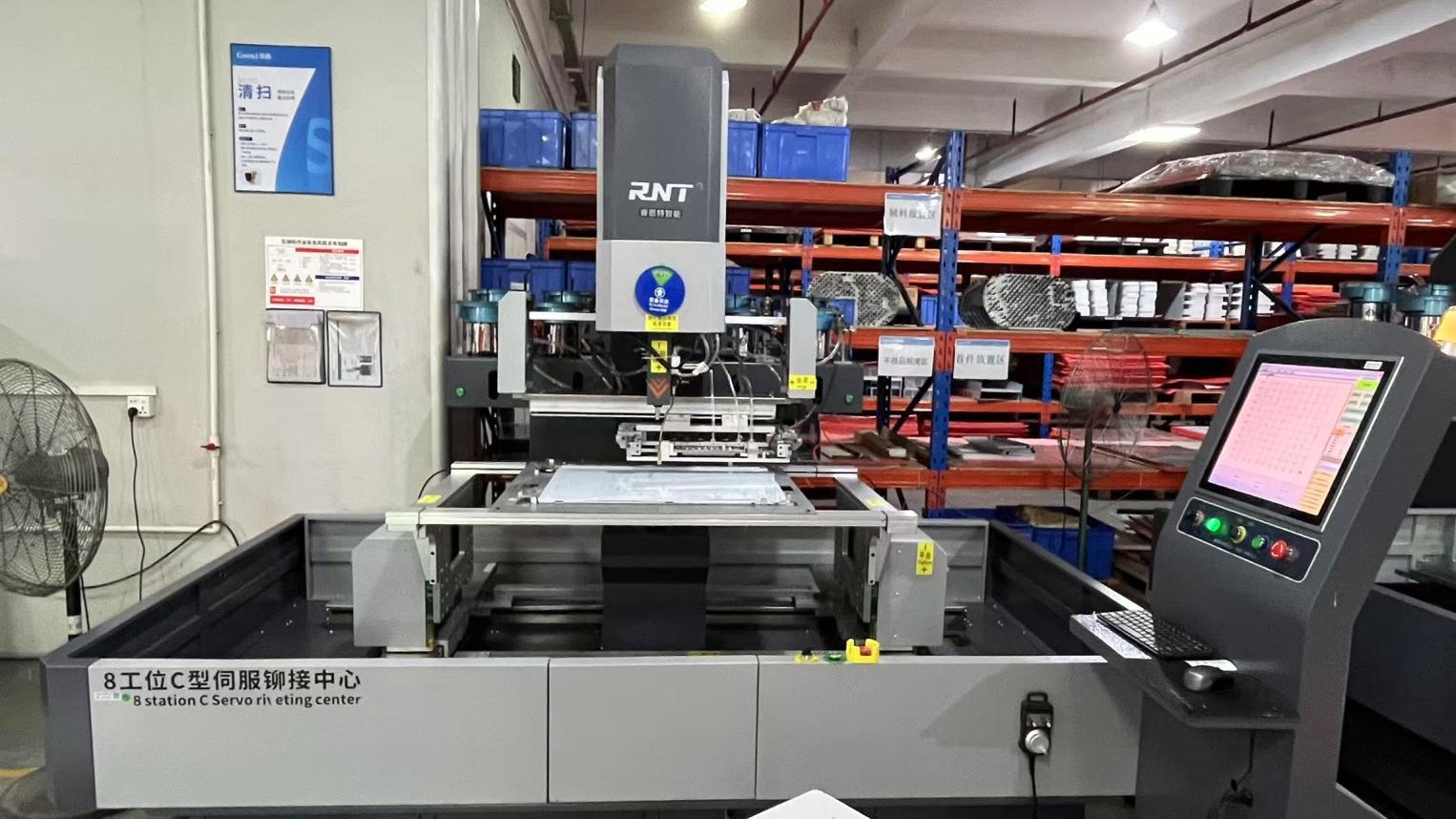
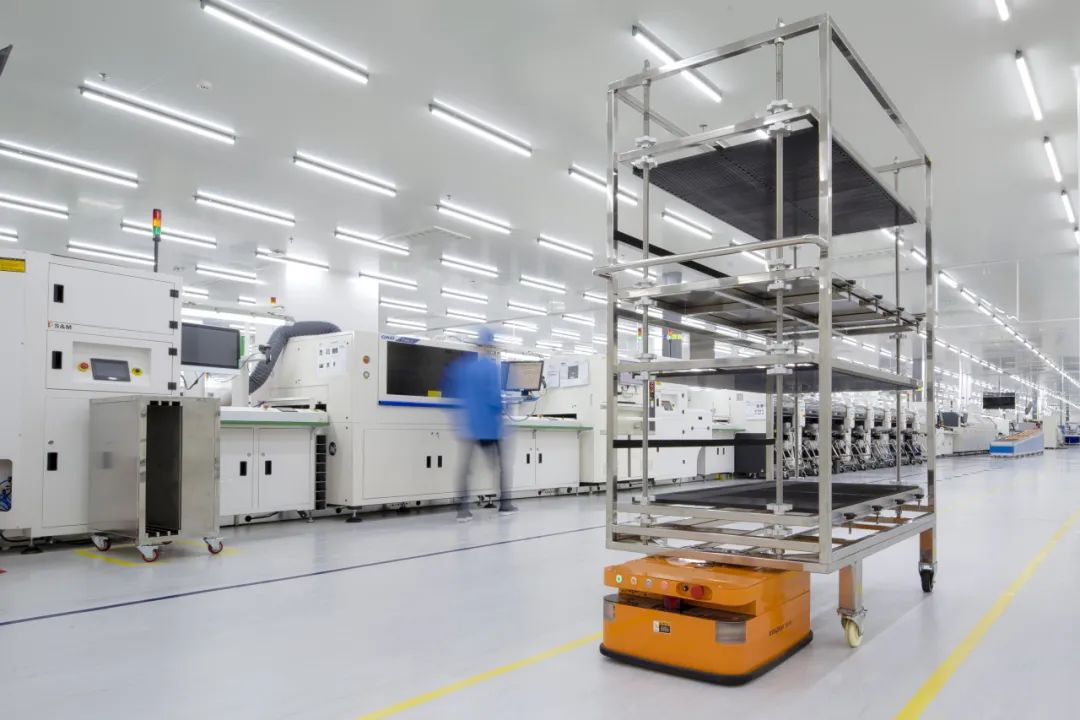
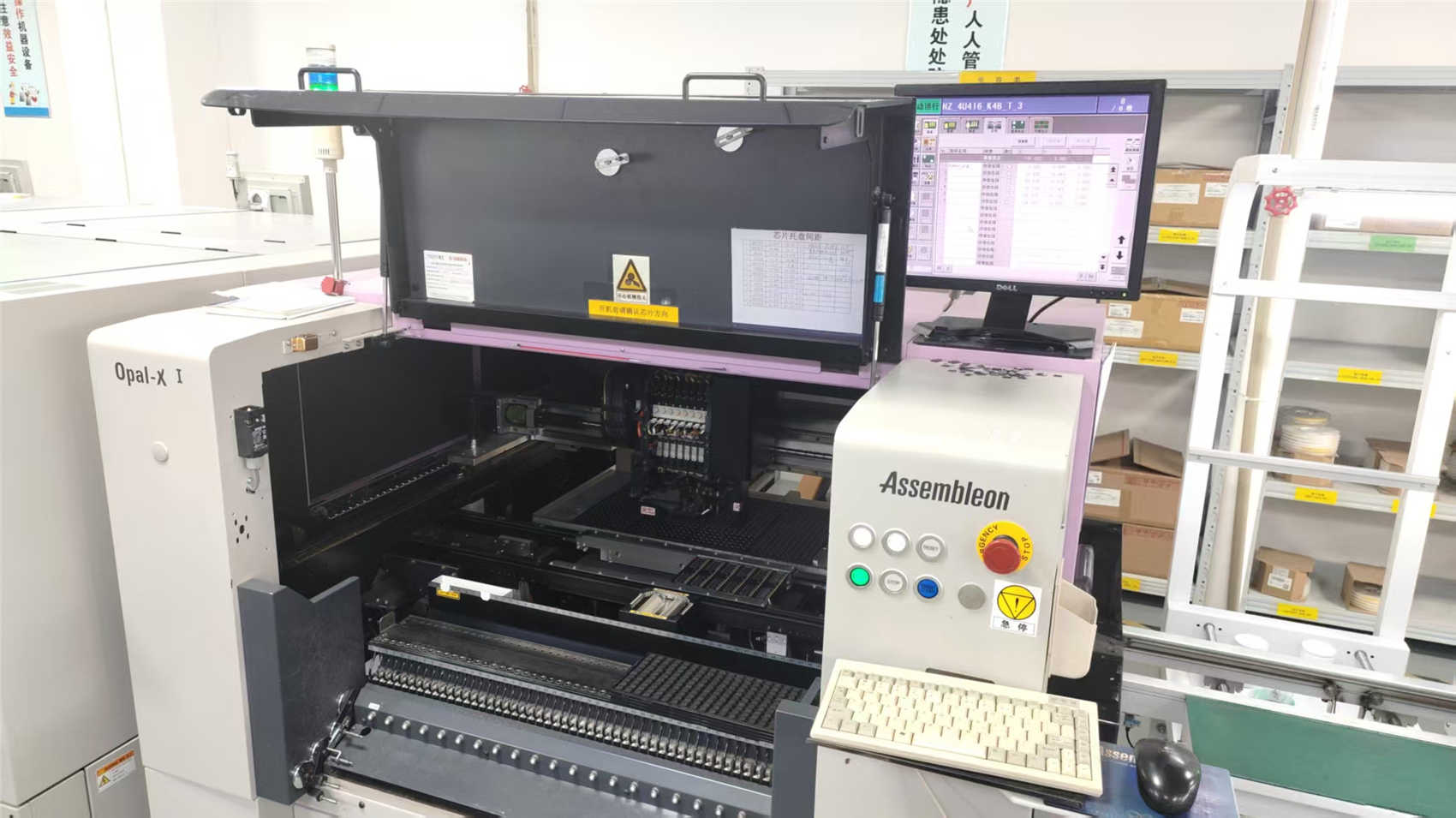
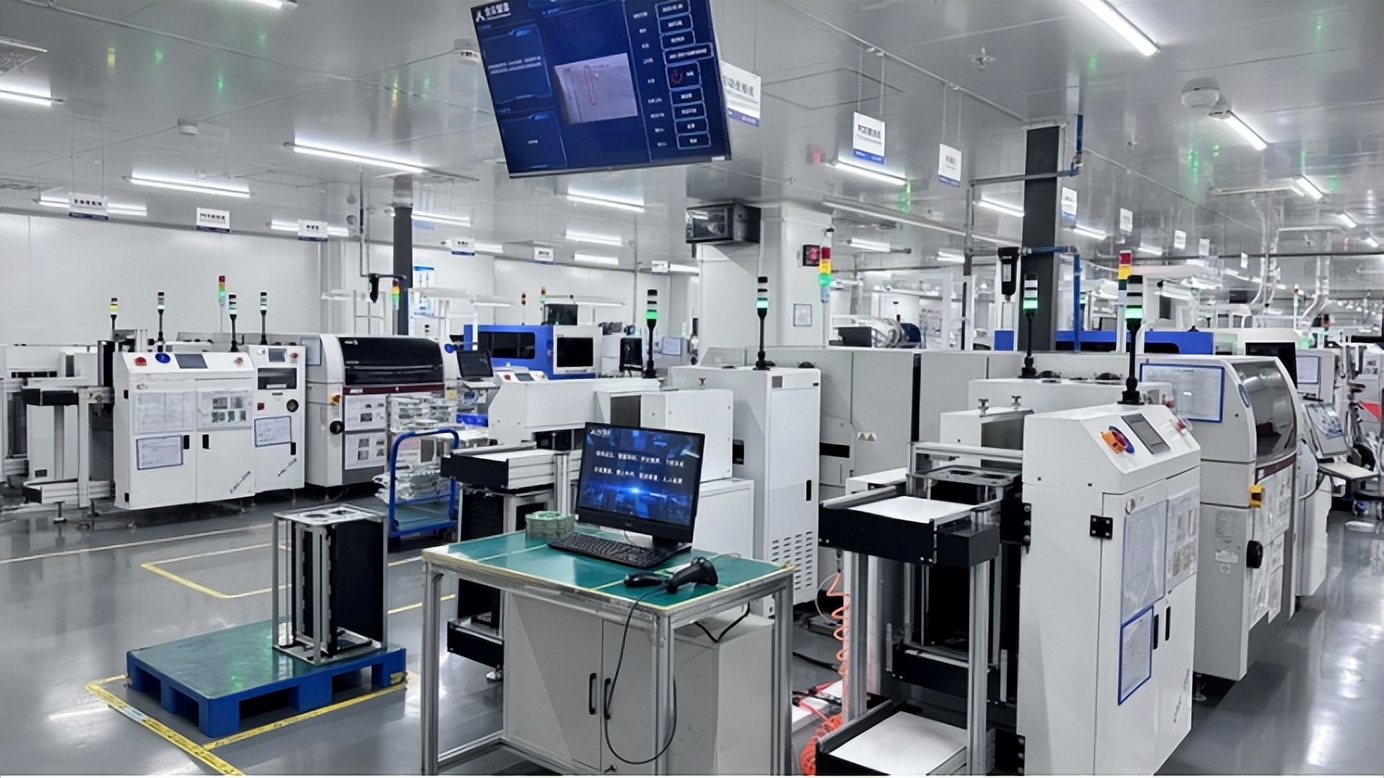
Established in 2016, Bexora has grown into a leading manufacturer of high-performance computing systems. Operating out of an 18,600㎡ manufacturing facility, the company designs and builds scalable server hardware optimized for AI workloads, large-scale deep learning model training, and hybrid data center deployments.
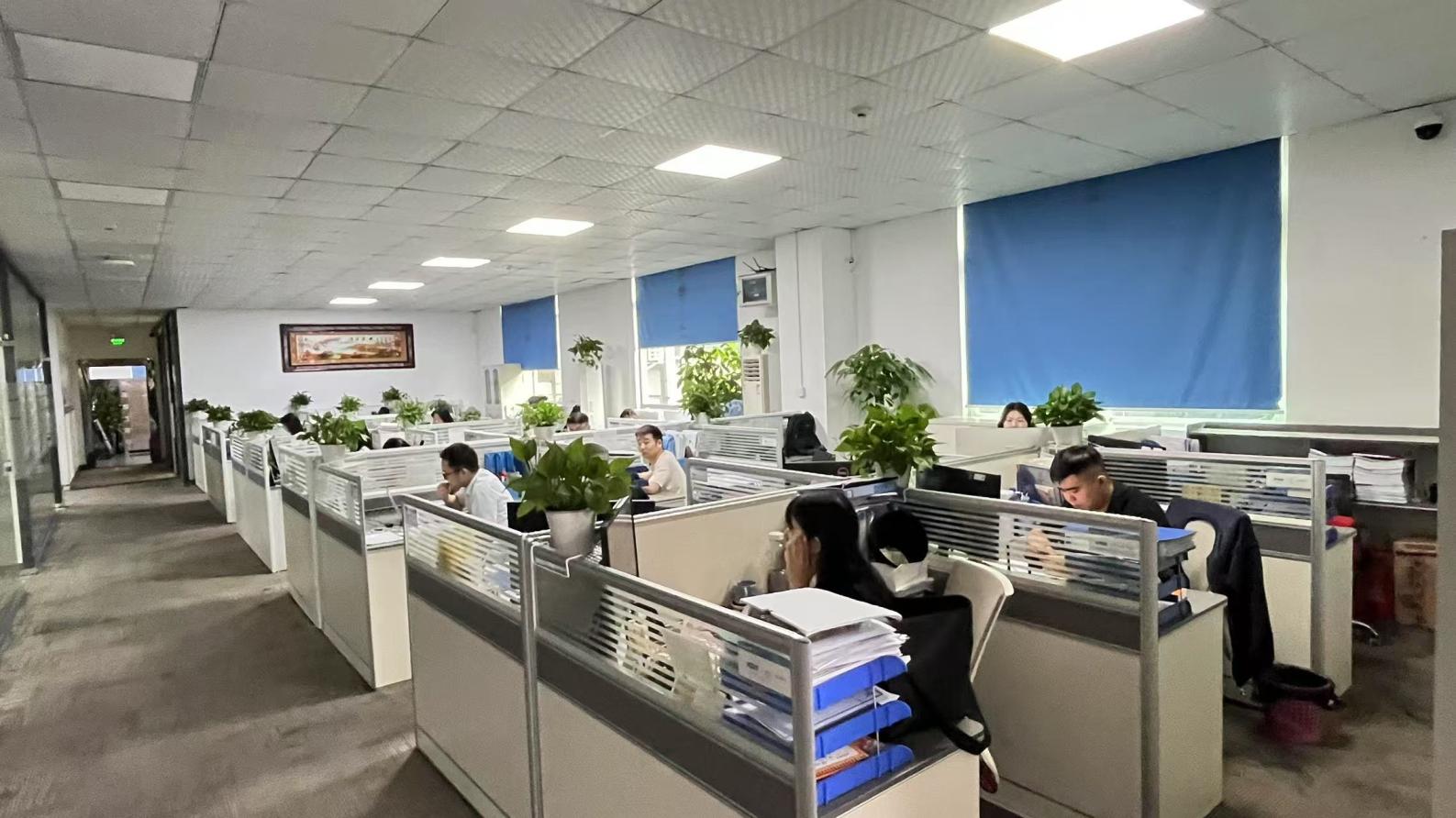
With 12 years of industry experience and 7 years of global B2B export history, Bexora supports customers across North America, Europe, Southeast Asia, and the Middle East. The company partners with 860 hardware and component suppliers, ensuring stable access to enterprise GPUs, high-speed networking adapters, and custom chassis assemblies.
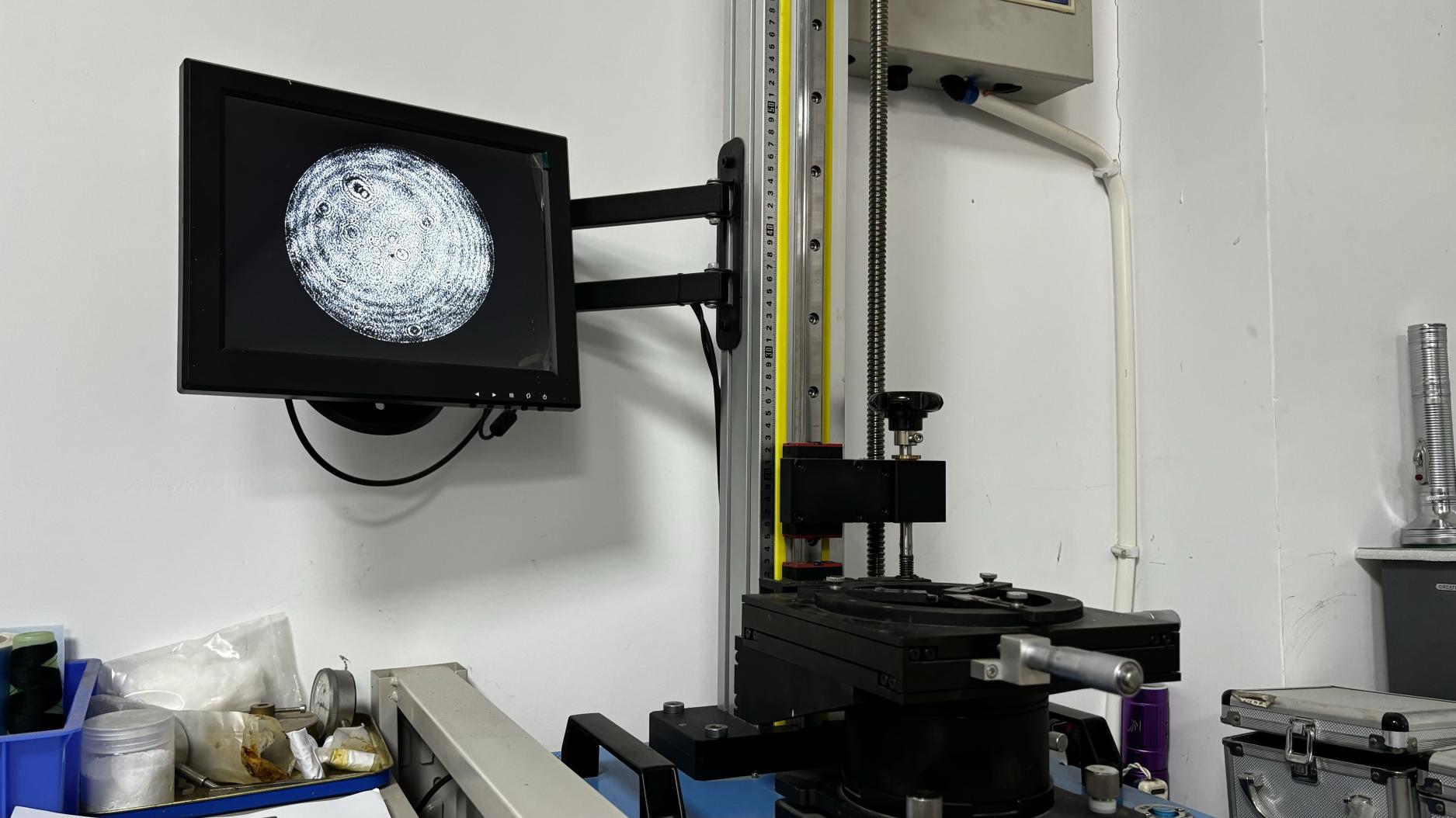
Bexora uses a 100% full-inspection quality control workflow combined with random sampling reliability testing. Every server configuration undergoes strict performance evaluations before leaving the factory to ensure hardware stability under sustained AI workloads.
Find answers to common questions about high-density server configurations, cooling options, and storage controller integrations.
Equip your data centers with high-efficiency power supplies, high-capacity memory kits, and custom compute platforms.
Take a virtual tour of our 18,600㎡ server manufacturing, quality testing, and validation zones in China.