Bexora
Bexora
Bexora
Engineered to support ultra-low latency transaction processing, memory-centric databases, and large-scale AI vector indexing.
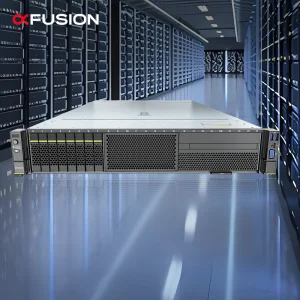
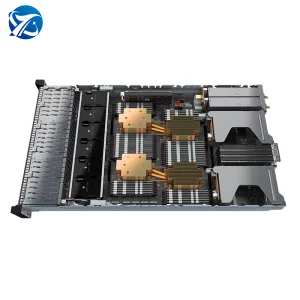
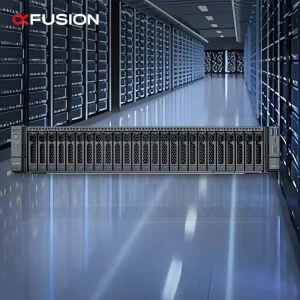
In the era of hyper-scale computing, distributed workloads, and artificial intelligence, the boundaries between software database management systems (DBMS) and the underlying physical compute architecture have dissolved. To achieve optimal performance, database engines like SAP HANA, Oracle, PostgreSQL, and next-generation vector databases require highly specialized hardware optimization.
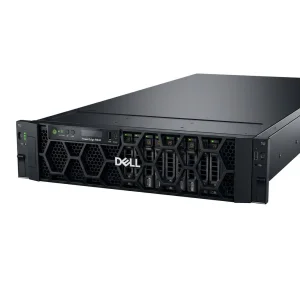
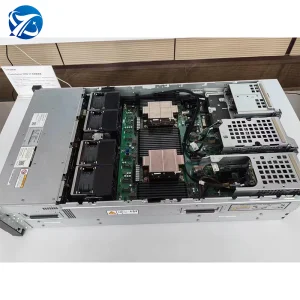
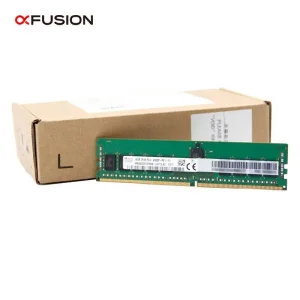
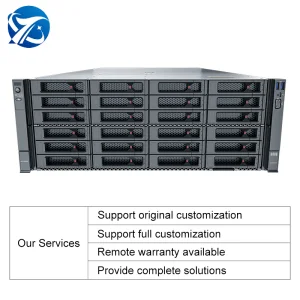
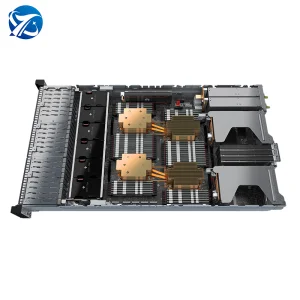
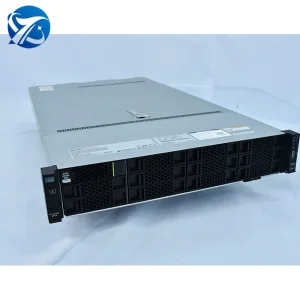
As a leading hardware platform manufacturer for database systems, Bexora AI Systems (China) Co., Ltd. excels at building computing infrastructures that eliminate typical memory and I/O bottlenecks. Modern DBMS engines depend heavily on hardware capabilities such as multi-channel DDR5 ECC memory, high-bandwidth PCIe Gen5 U.2/U.3 NVMe SSDs, and highly parallelized multi-socket CPU systems. Our servers and custom storage setups are specifically optimized at the bios and kernel levels to drive massive transactional throughput (OLTP) and rapid analytical execution (OLAP).
A software-only approach to database tuning has reached diminishing returns. Modern data pipelines demand:
The demand for raw computing performance in database environments is growing at an unprecedented annual rate of over 25%. Enterprises are transitioning from static, disk-based transactional storage to dynamic, in-memory, and AI-native data infrastructures.
Hybrid Transactional/Analytical Processing (HTAP) requires server nodes to simultaneously process transactional writes and analytical queries. This dual requirement places severe strain on memory bandwidth. Our high-density, multi-channel RAM platforms enable real-time processing without data replication delay.
Large Language Models (LLMs) and systems running DeepSeek or GPT models rely heavily on vector embeddings. Traditional relational databases struggle with high-dimensional vector math. Our GPU-accelerated NAS and computing systems are custom-built to accelerate vector similarity algorithms.
Modern enterprise setups utilize distributed SQL engines across public, private, and edge datacenters. This requires computing nodes with exceptional networking capacities. Our servers feature high-throughput 25GbE/100GbE NICs to minimize consensus latency across distributed clusters.
Headquartered in China, Bexora AI Systems designs and manufactures high-performance computing hardware that hosts mission-critical enterprise systems and AI workloads worldwide.
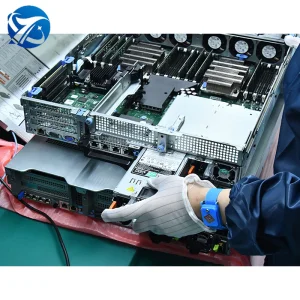
Database platforms cannot tolerate data corruption or system downtime. To guarantee 99.999% uptime, Bexora implements a strict inspection regime managed by 45 QA professionals:
We configure systems to meet exact database architecture requirements. Custom options include:
Different industries require unique hardware configurations. Our customizable platforms are deployed across key global sectors:
Banking and credit processing systems rely on high-frequency transactions. We leverage multi-socket Xeon servers with ECC RDIMM memory to protect memory states, reduce CPU latency, and ensure complete transactional integrity.
Large-scale medical imaging systems and electronic health records require hybrid storage solutions. Our systems utilize scalable NAS arrays and high-capacity NVMe drives to keep patient data accessible and searchable.
Smart factories generate millions of data points every second. Industrial data collectors use edge rack systems equipped with rugged hardware to log data reliably in harsh environment conditions.
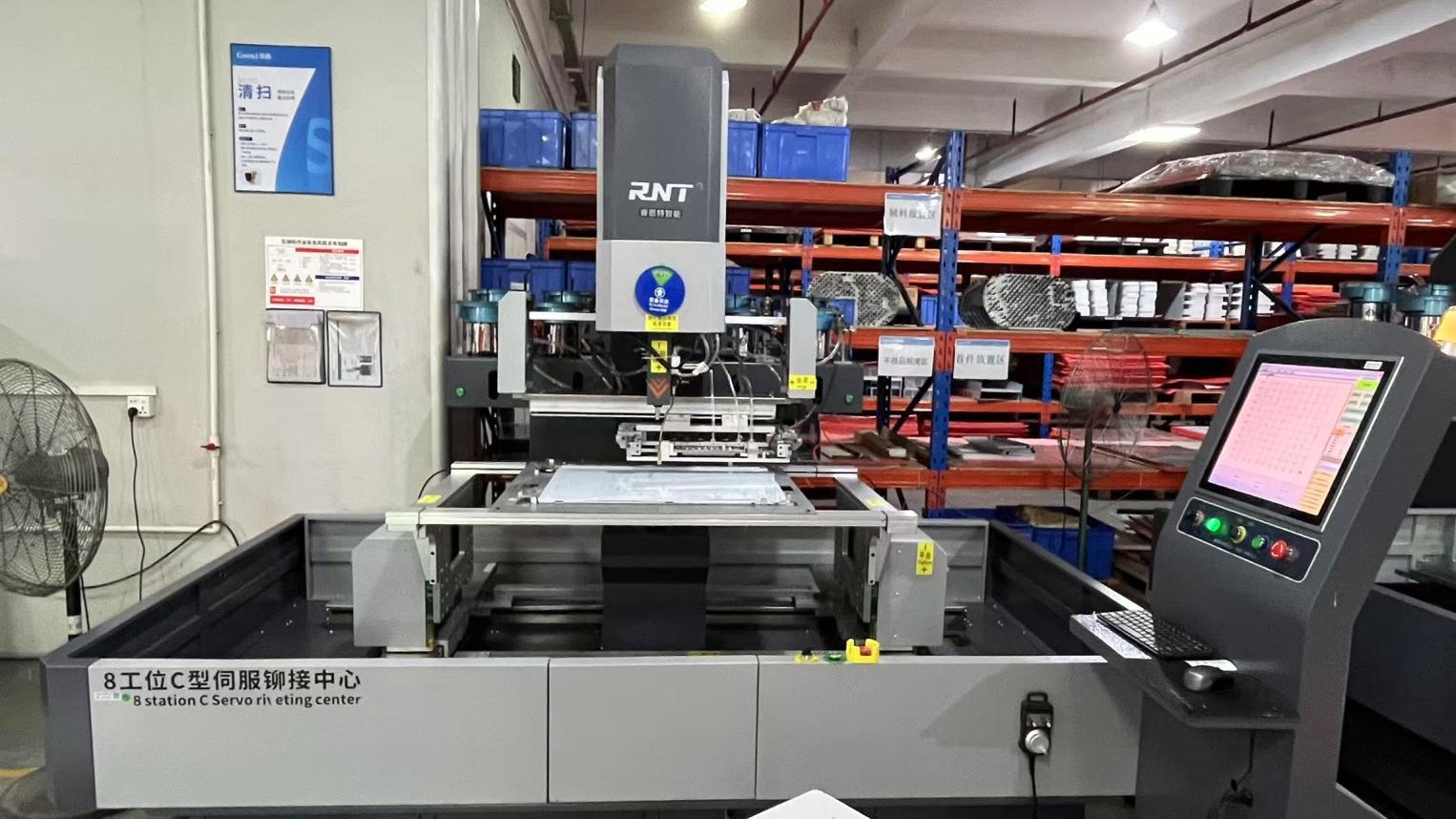
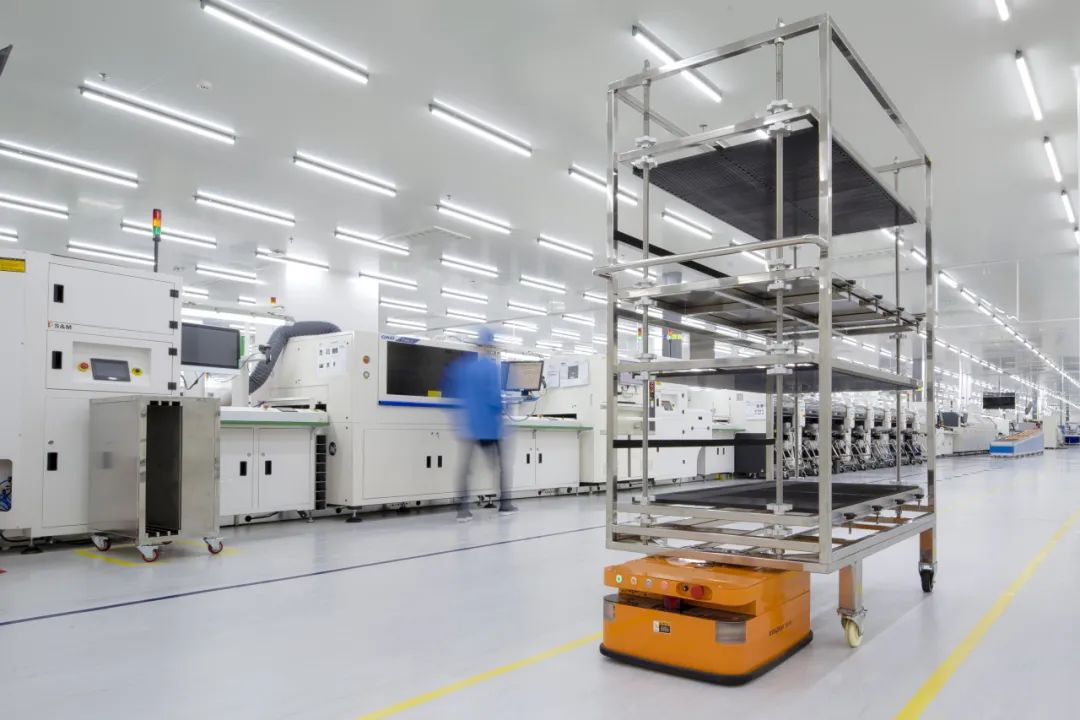
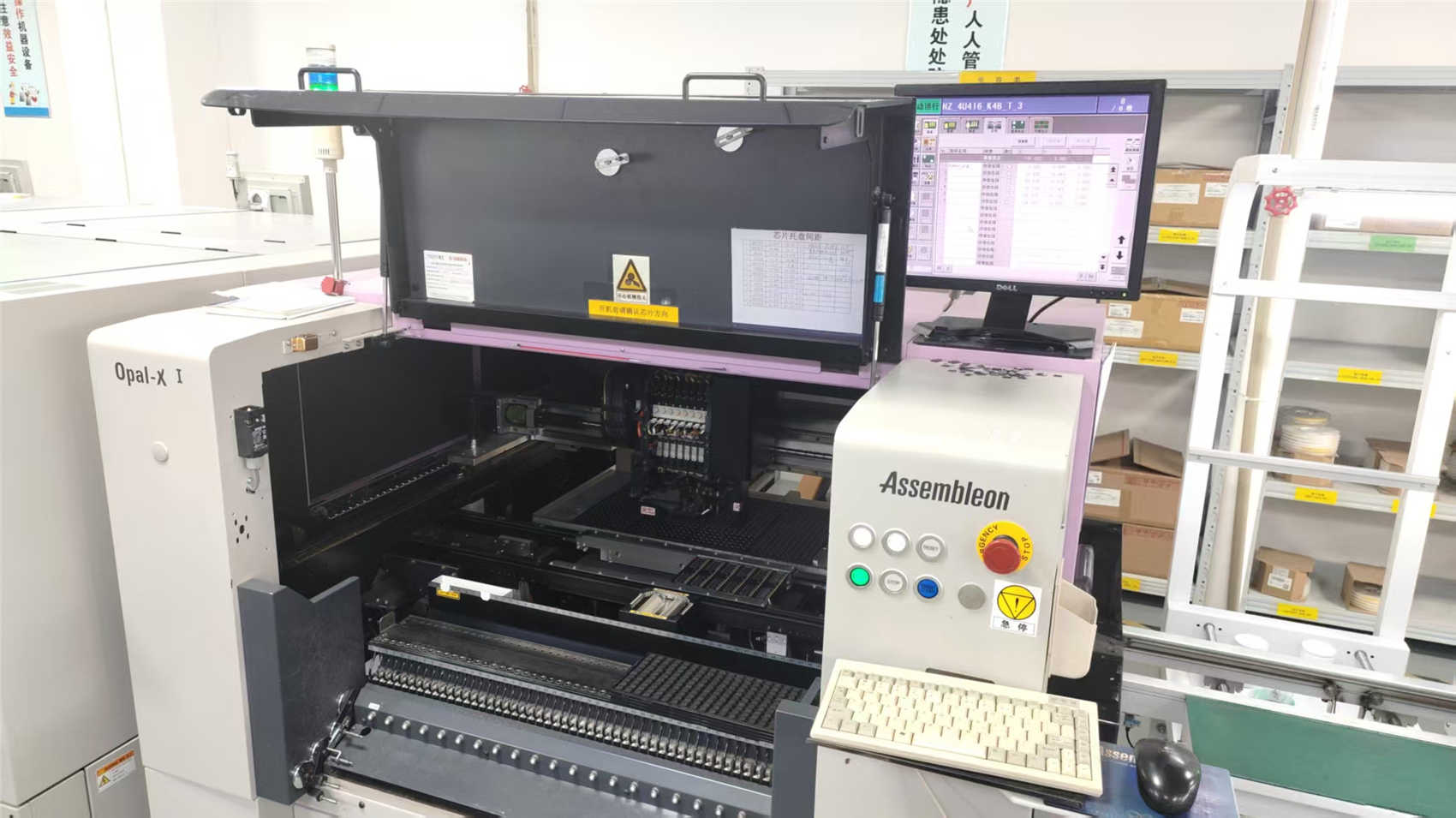
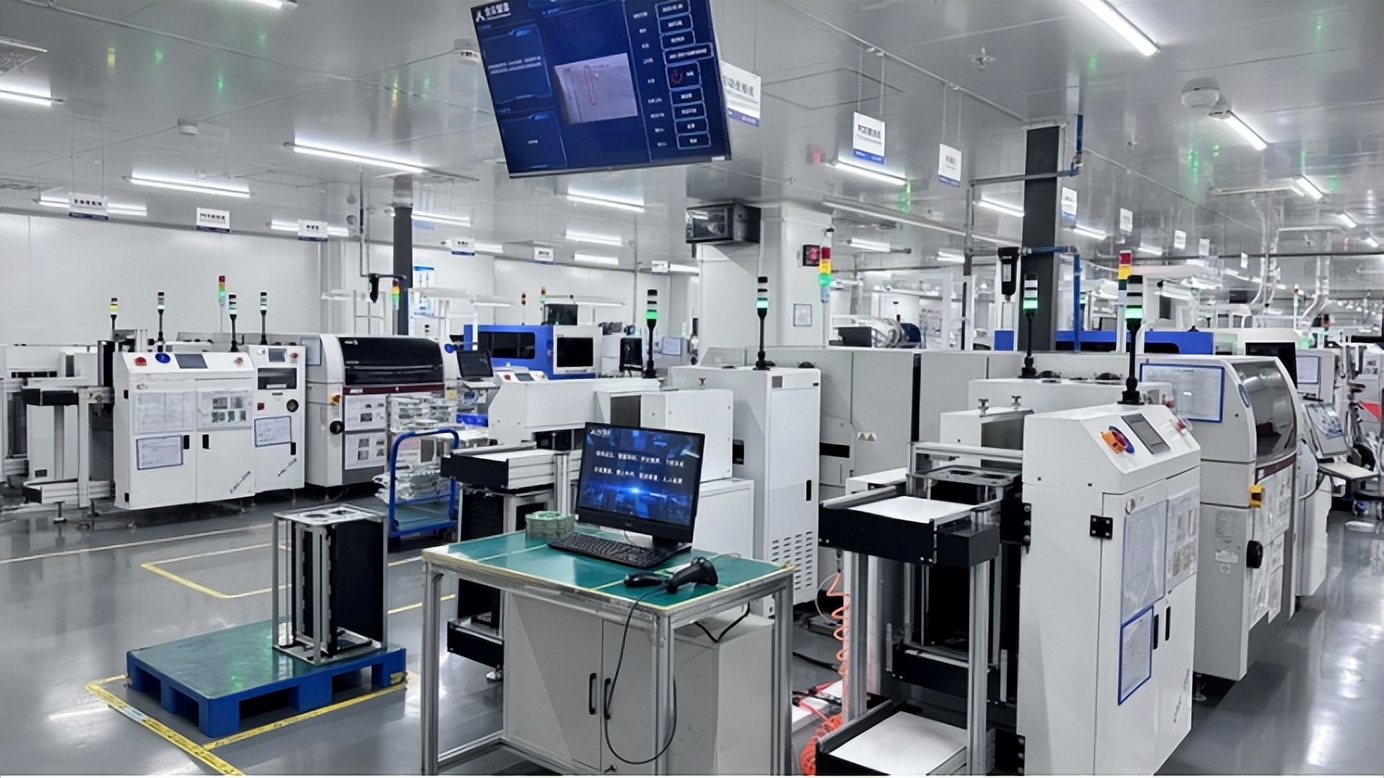
Explore our 18,600㎡ production facility. We maintain strict manufacturing and assembly standards to build reliable database servers.
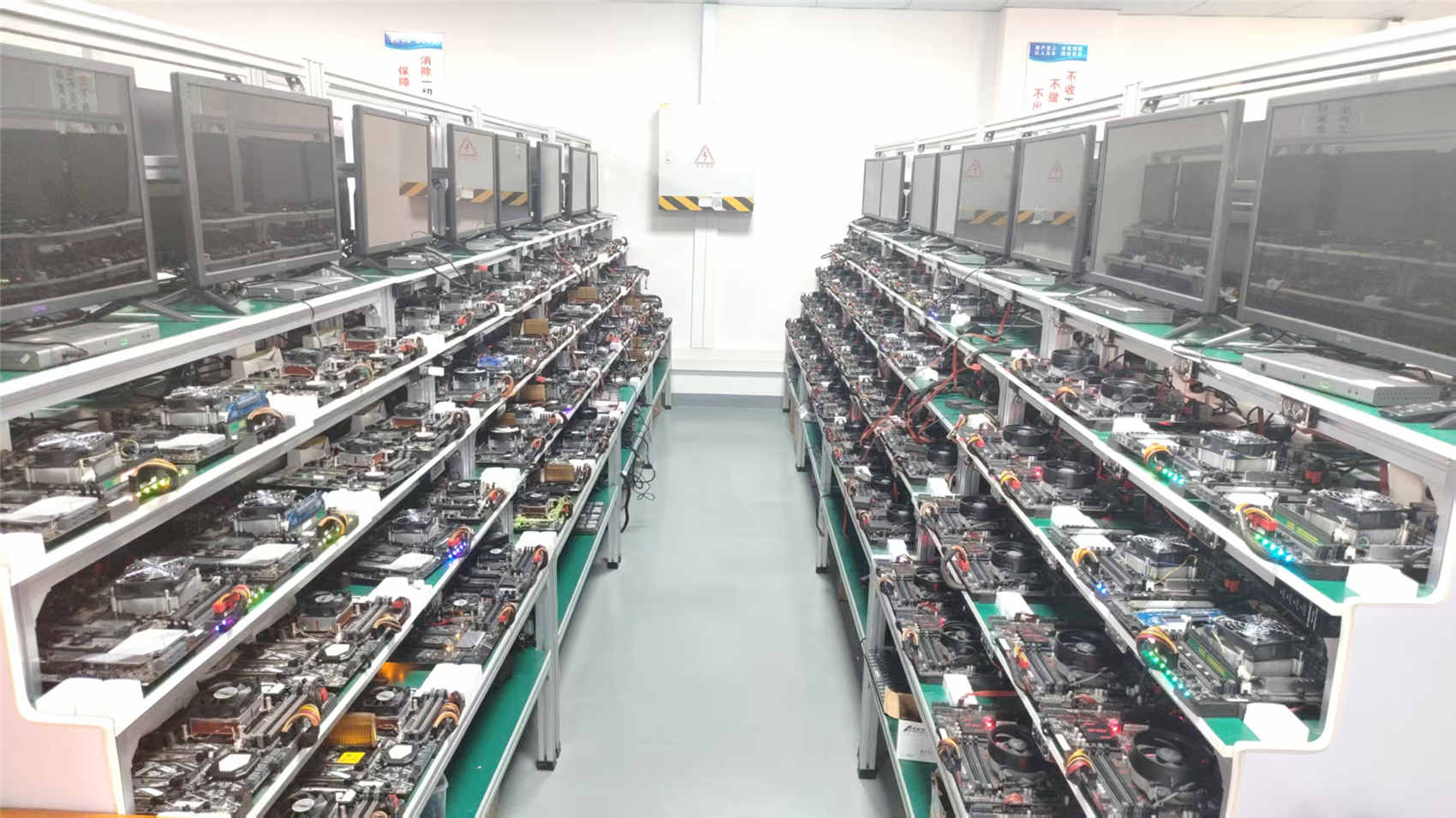

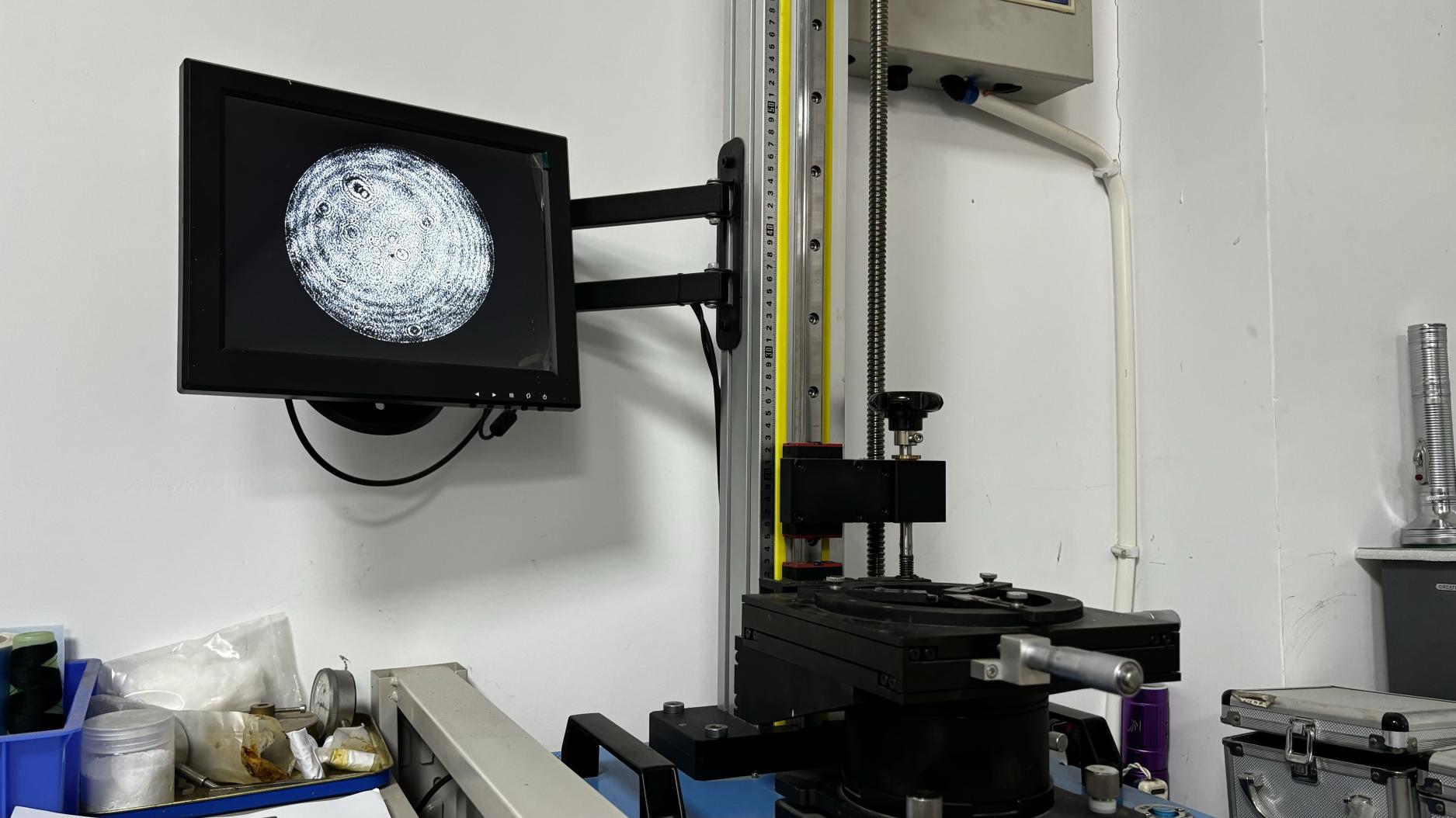

Bexora invests in core technology advancements to keep pace with changing data paradigms.
Our upcoming server platforms integrate CXL protocols. CXL enables shared memory pools between CPUs, GPUs, and custom accelerator chips, resolving memory bottlenecks and scaling in-memory database capabilities.
We are expanding liquid-to-air cooling options across our server lines. High-performance databases generate substantial heat; our direct-contact liquid cold plates lower system temperatures and reduce cooling energy costs by up to 40%.
Modern data security requires protection at rest and in transit. We support AMD SEV and Intel SGX hardware-based confidential computing, safeguarding database workloads inside secure CPU enclaves.
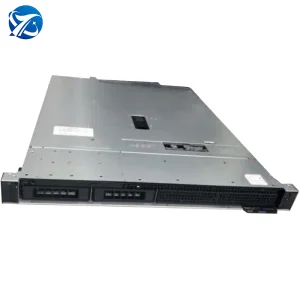
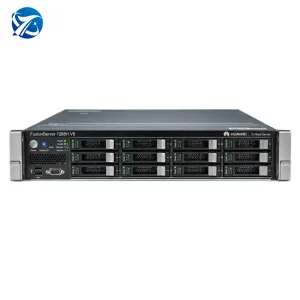
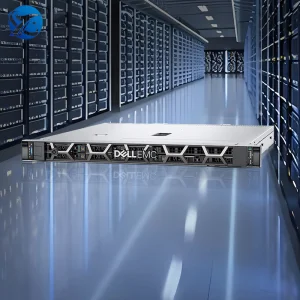
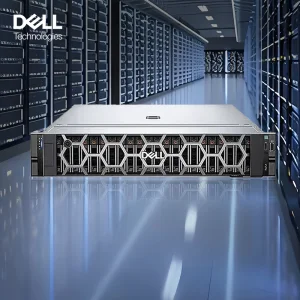
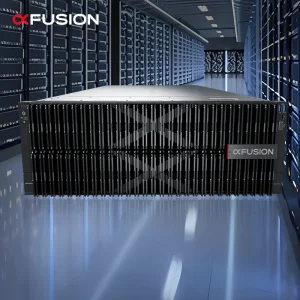
Explore our full line of rack-mount systems and component hardware designed for scalable data workloads.