Bexora
Bexora
Bexora
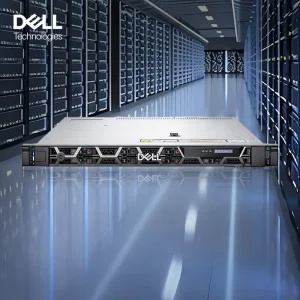
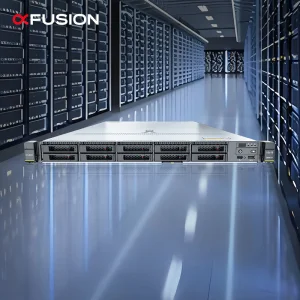
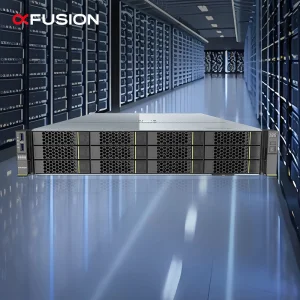
Enterprise rack-mount systems and GPU workstations engineered for ultra-low latency broadcasting, real-time media rendering, and AI-accelerated high-definition processing.
The global audio-visual (AV) and media broadcasting landscape is undergoing a massive paradigm shift. Legacy analog signaling and hardware-restricted distribution matrices have transitioned rapidly to Software-Defined AV-over-IP architectures. Today, the core of any high-end commercial audio-visual deployment, high-definition LED control room, virtual production stage (XR/AR), or modern enterprise communications suite is no longer just a switch; it is a high-density, GPU-accelerated computational node. High-Performance Computing (HPC) and artificial intelligence algorithms are now native layers within the professional AV ecosystem.
Key drivers behind this technological fusion include:
As AI workloads migrate closer to the edge, intelligent media distribution systems are becoming increasingly decentralized. This necessitates enterprise hardware that combines extreme network throughput, reliable array cards, and reliable GPU processing power to deliver seamless, zero-latency visual communications globally.
System integrators, corporate purchasing departments, and cloud infrastructure developers are facing complex procurement challenges. Sourcing requirements have evolved from basic connectivity interfaces to comprehensive computational capacity. Modern B2B procurement professionals must prioritize high system uptime, dynamic load balancing, and thermal resilience when designing large-scale control rooms or digital presentation halls.
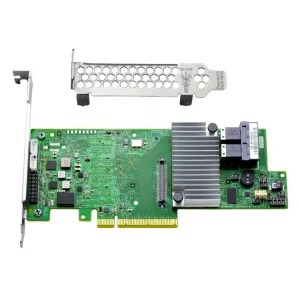
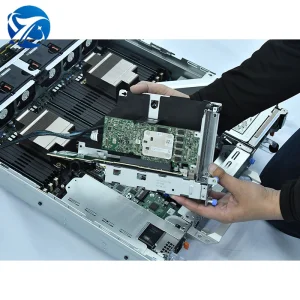
Modern AV installations process gigabits of raw uncompressed video streams per second. Procurement agents must source servers containing PCIe 4.0/5.0 controller cards and ultra-high-speed Network Interface Cards (NICs) to prevent packet loss and frame drops during live event broadcasts.
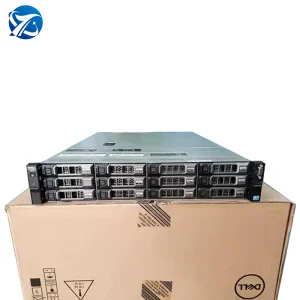
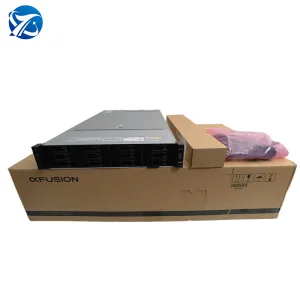
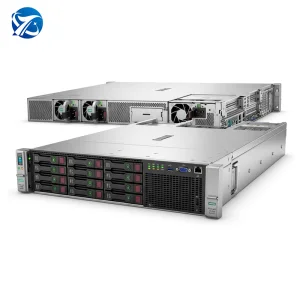
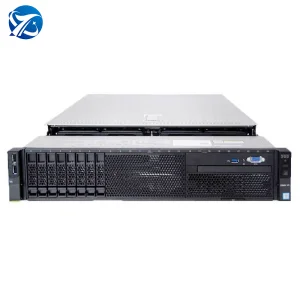
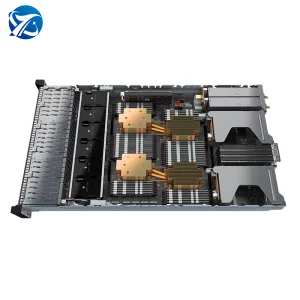
Dynamic venue operations demand flexible hardware configurations. Sourcing modular server structures, such as 2U dual-socket architectures, permits gradual system expansion. System integrators can seamlessly upgrade system memory and computing blocks to meet rising AV processing loads.
Operating 24/7 in control rooms requires superior heat dissipation. Enterprise-grade cooling systems and smart fan speed control prevent thermal throttling, protecting high-cost internal components from long-term operational degradation.
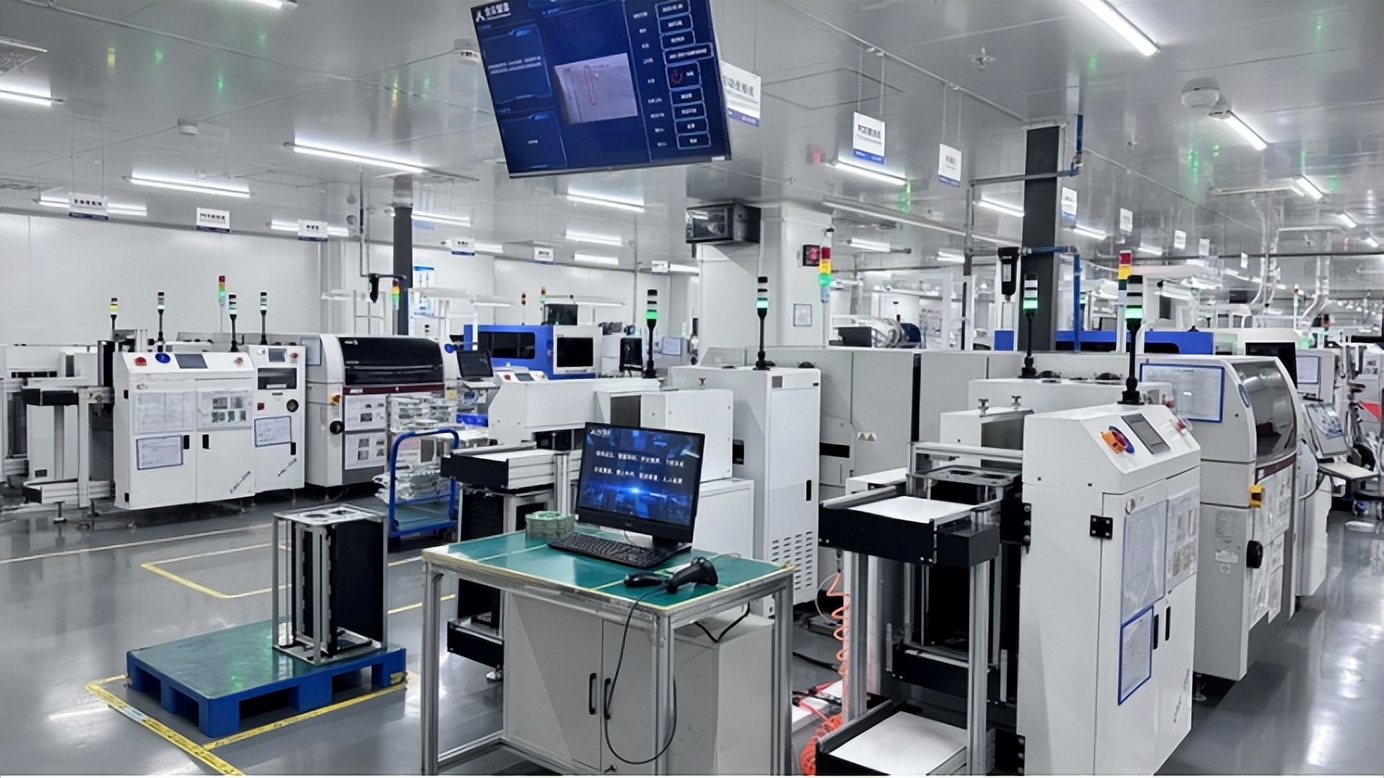
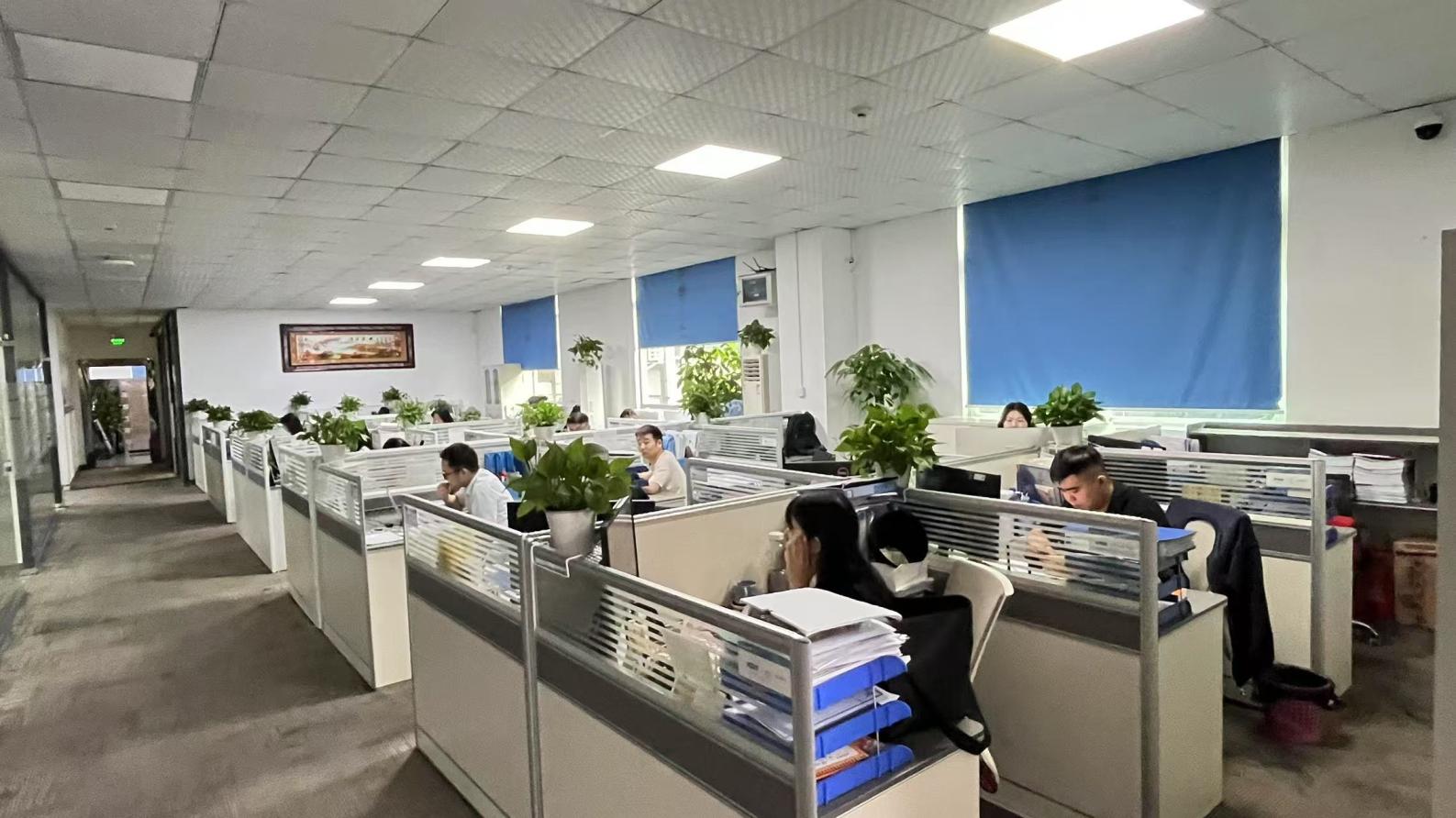
Operational data and manufacturing benchmarks from Bexora AI Systems (China) Co., Ltd., showcasing structural efficiency, reliable quality control, and global B2B delivery capabilities.
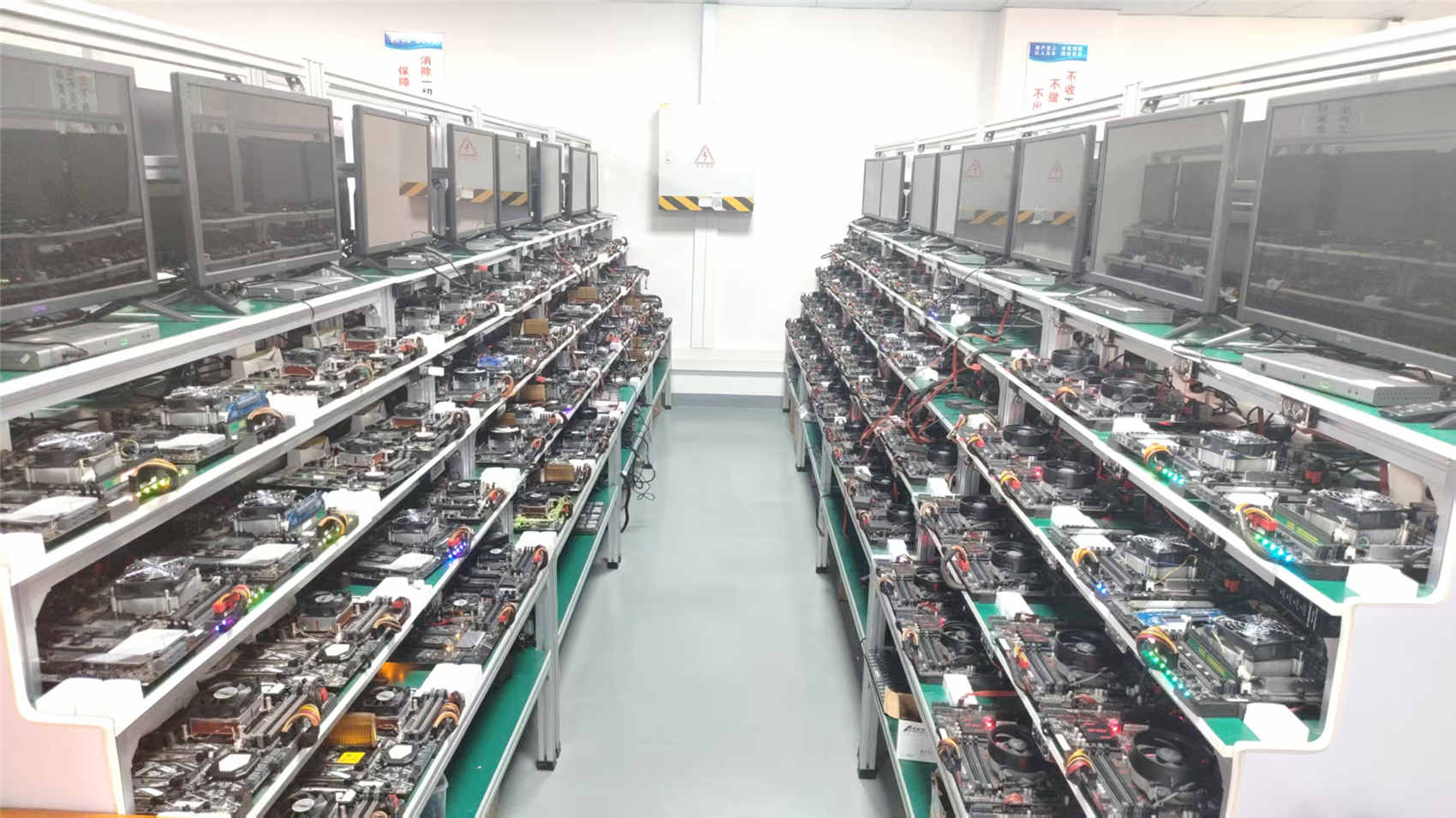
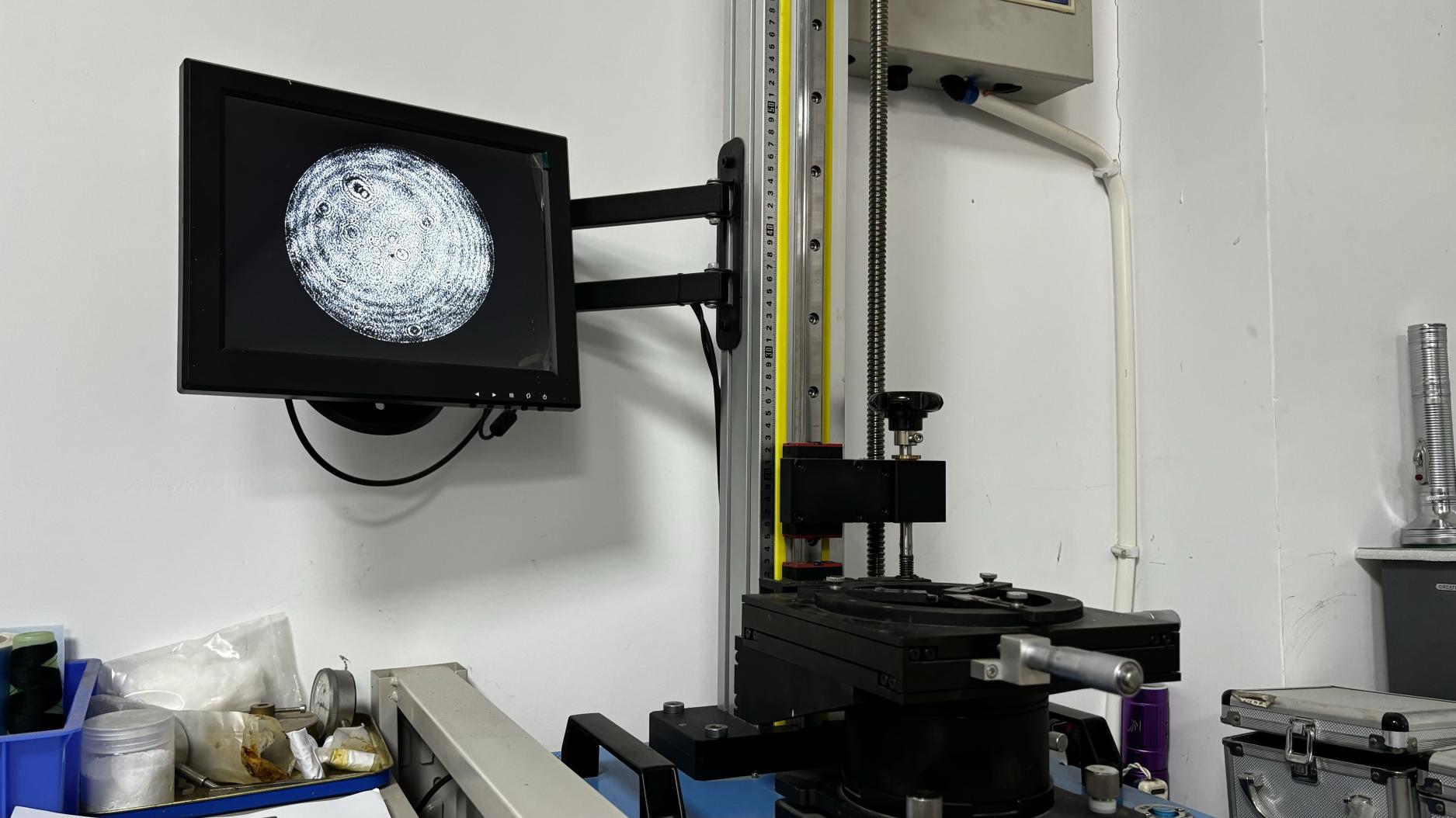
To ensure system stability under intense, continuous computing tasks, our 45-professional QC team executes strict, comprehensive inspection procedures. By combining 100% full inspection with random sampling reliability testing, we eliminate manufacturing defects prior to shipping.
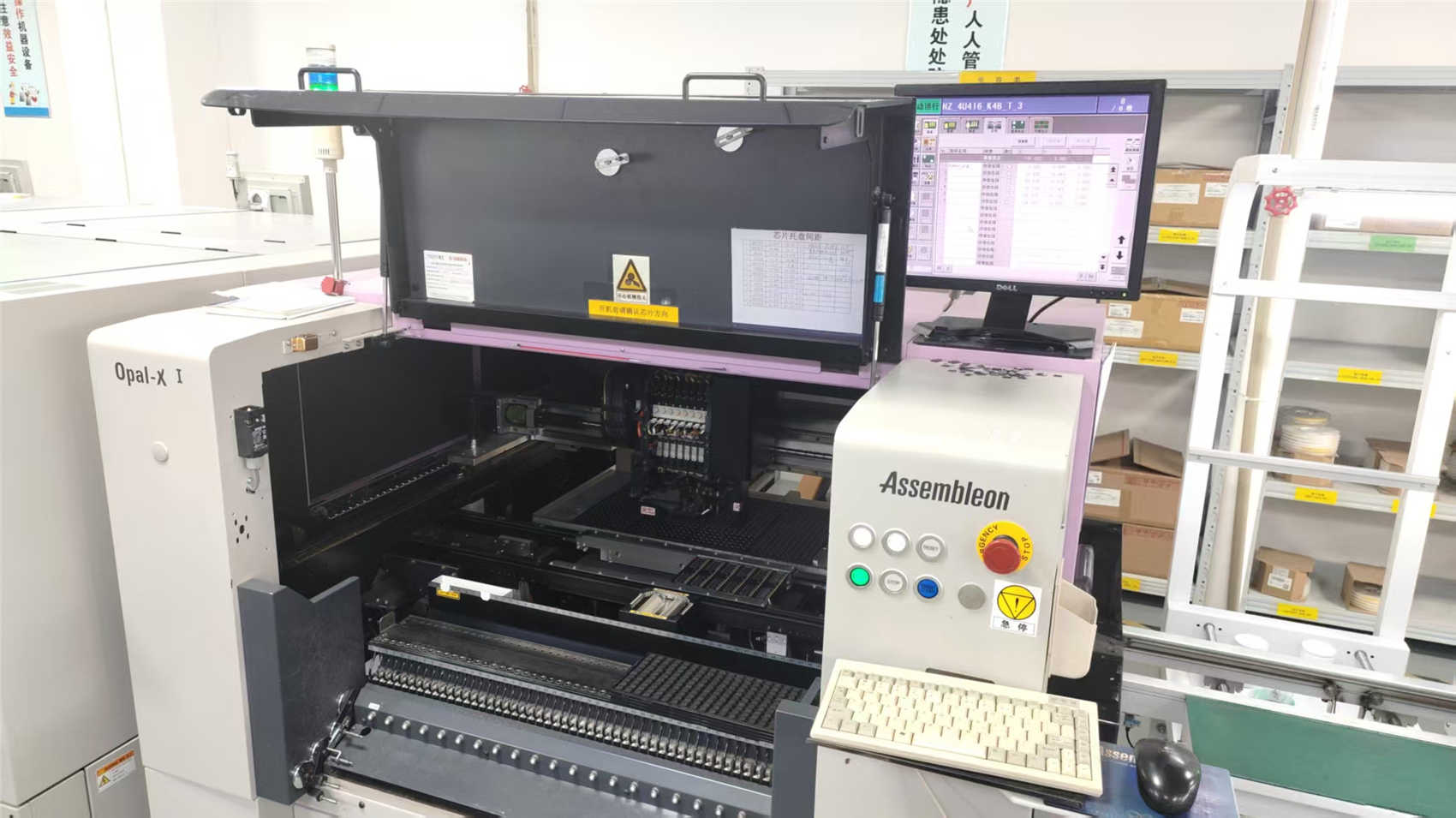
Our methodologies include Burn-in testing, thermal stress assessments, Automated Optical Inspection (AOI), firmware validation, and full-system AI workload simulations. This ensures that every server rack meets structural specifications for global enterprise deployment.
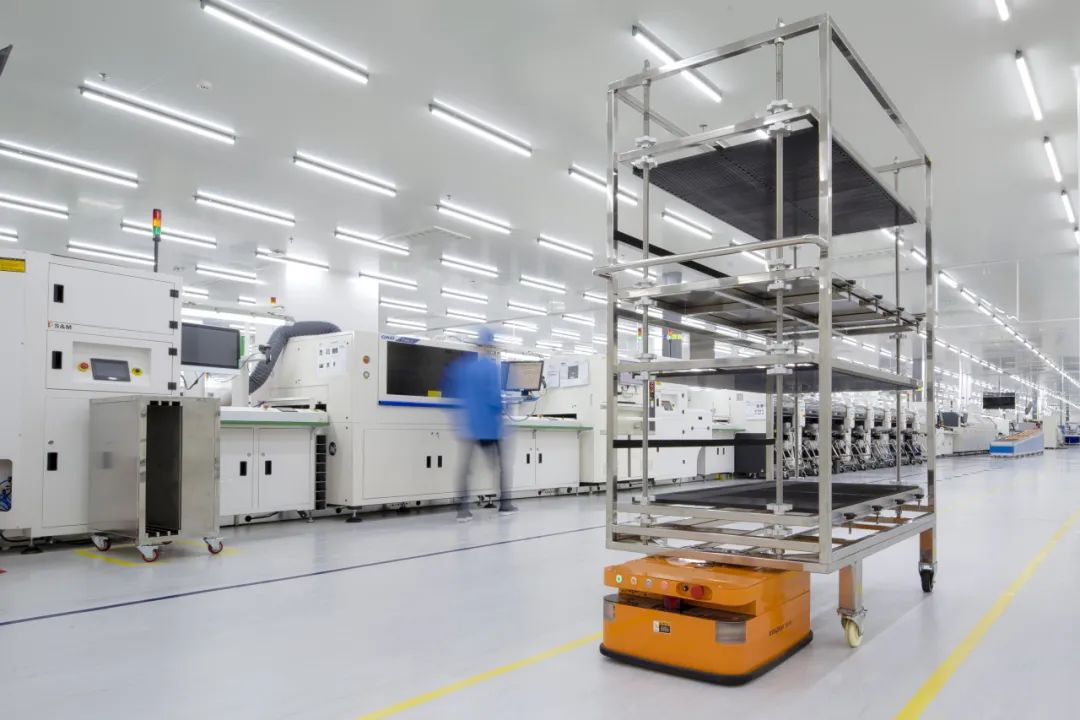
Supported by 860 supply partners and 7 years of B2B export operations, Bexora offers agile OEM/ODM customization. We support diverse configurations, including flexible chassis dimensions, tailored GPU/storage capacities, firmware modifications, and direct liquid-cooling integration.
With 120 new products launched annually, we guarantee that international customers in North America, Europe, Southeast Asia, and the Middle East receive cutting-edge hardware tailored to localized regulatory requirements and integration standards.
How high-density computing servers and storage arrays drive modern visual systems across industries.
By pairing high-frequency processors with GPU accelerators, virtual studios calculate real-time spatial positioning and project 3D digital environments onto massive LED stages. This setup provides zero-delay rendering and seamless green-screen replacement for modern broadcast media.
Smart city management centers require the simultaneous ingest of hundreds of raw security camera feeds. High-reliability rack servers decode, process, and distribute these feeds across large video display matrices, integrating deep learning algorithms to detect anomalies instantly.
For multinational corporations, centralizing communications is vital. Standard rack-mount server hardware decodes and distributes real-time, high-fidelity corporate broadcasts and virtual conferencing streams to remote offices worldwide, minimizing packet latency.
Expert answers addressing system integration, hardware compatibility, and import processes for global AV systems.
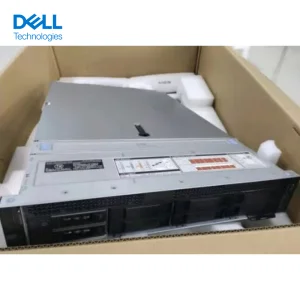
Enhance system capacity and system throughput with high-bandwidth RAID cards and high-reliability data center servers.
Take an inside look at our 18,600㎡ manufacturing floor, assembly lines, automated optical inspection bays, and system stress-testing environments.