Bexora
Bexora
Bexora
As hyperscale AI computing clusters expand globally, managing the physical infrastructure layer has transitioned from standard rack deployments to complex high-density, liquid-cooled, and telemetry-monitored ecosystems.
The contemporary global market for Data Center Management is undergoing a tectonic shift driven by large-scale AI training models and high-frequency inferencing workloads. Legacy power density limits of 5kW to 10kW per rack have become obsolete, replaced by computing nodes demanding up to 50kW to 100kW per cabinet. Managing these environments requires strict operational governance over thermal efficiency, out-of-band remote administration, power pathways, and physical storage optimization.
Chinese manufacturers and factories sit at the core of this supply chain. Leveraging specialized industrial clusters, advanced hardware validation methodologies, and strategic OEM/ODM pipelines, factories like Bexora AI Systems (China) Co., Ltd. produce compute platforms that power standard enterprise networks and hyper-scale cloud hubs. Managing data centers is no longer just a software initiative; it is an integration of chassis design, direct-to-chip liquid cooling circuits, high-speed interconnects (such as 10G/40G QSFP+ cables), and intelligent hardware-level firmware.
Addressing thermal performance requirements when hosting multi-GPU clusters within limited rack layouts, featuring customized structural builds.
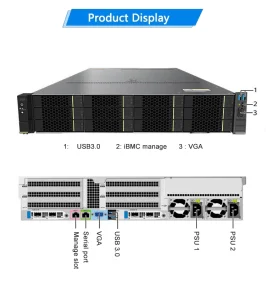
Employing out-of-band management protocols, including IPMI 2.0, Redfish API, and advanced diagnostic cards to supervise hardware integrity.
Designing structures to achieve a Power Usage Effectiveness (PUE) below 1.15 using liquid-cooling distribution manifolds and hybrid air cooling blocks.
Operating out of high-precision manufacturing centers, Bexora is a leading AI GPU server and high-performance computing infrastructure manufacturer, supplying customized system integrations globally.
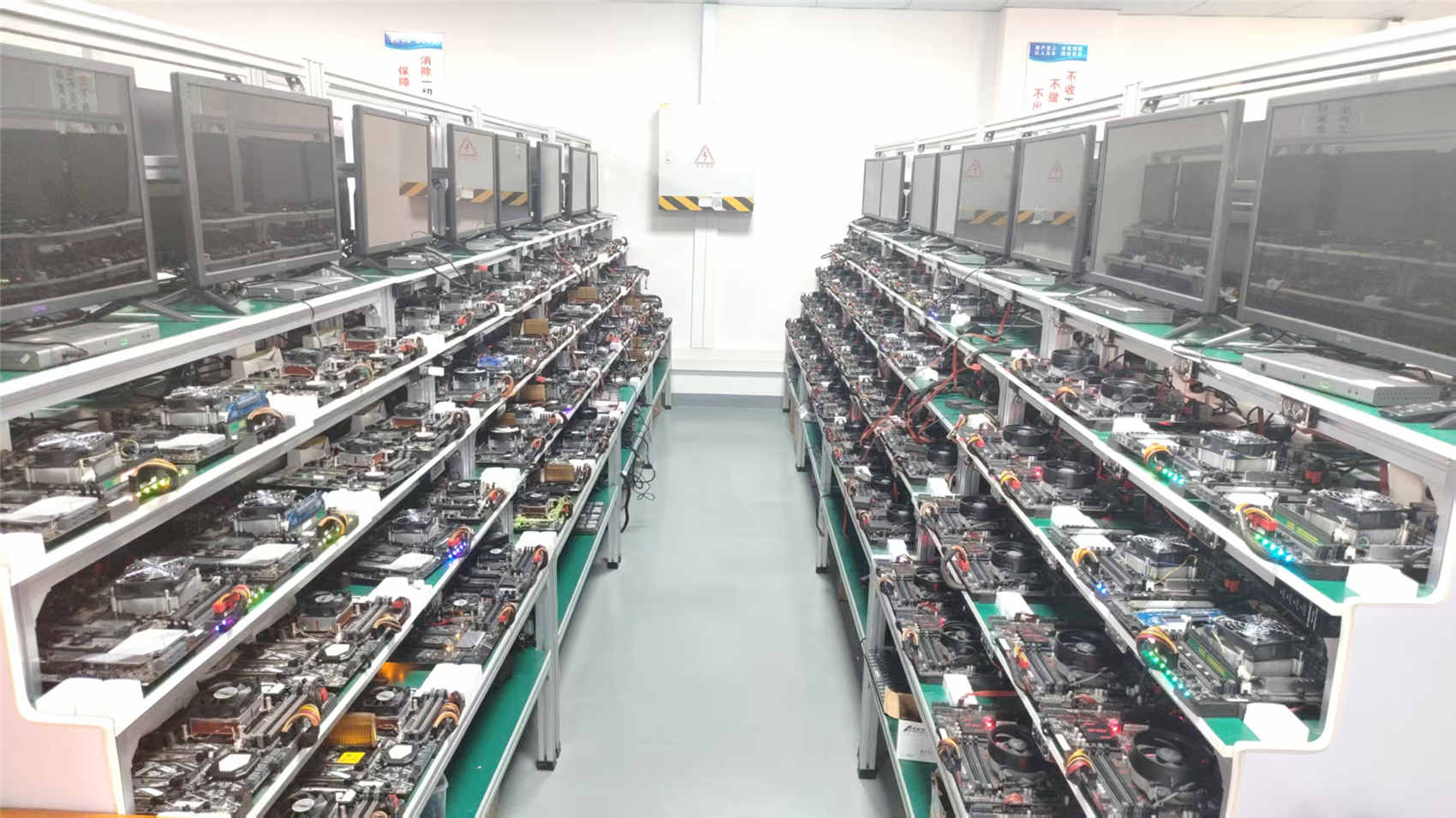
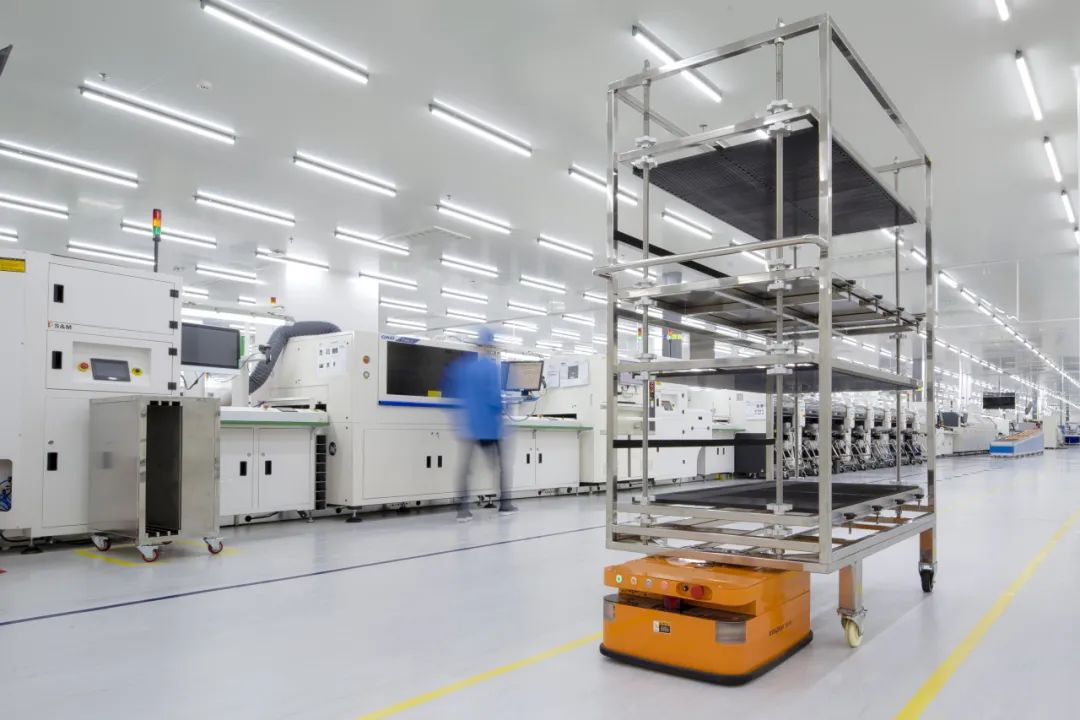
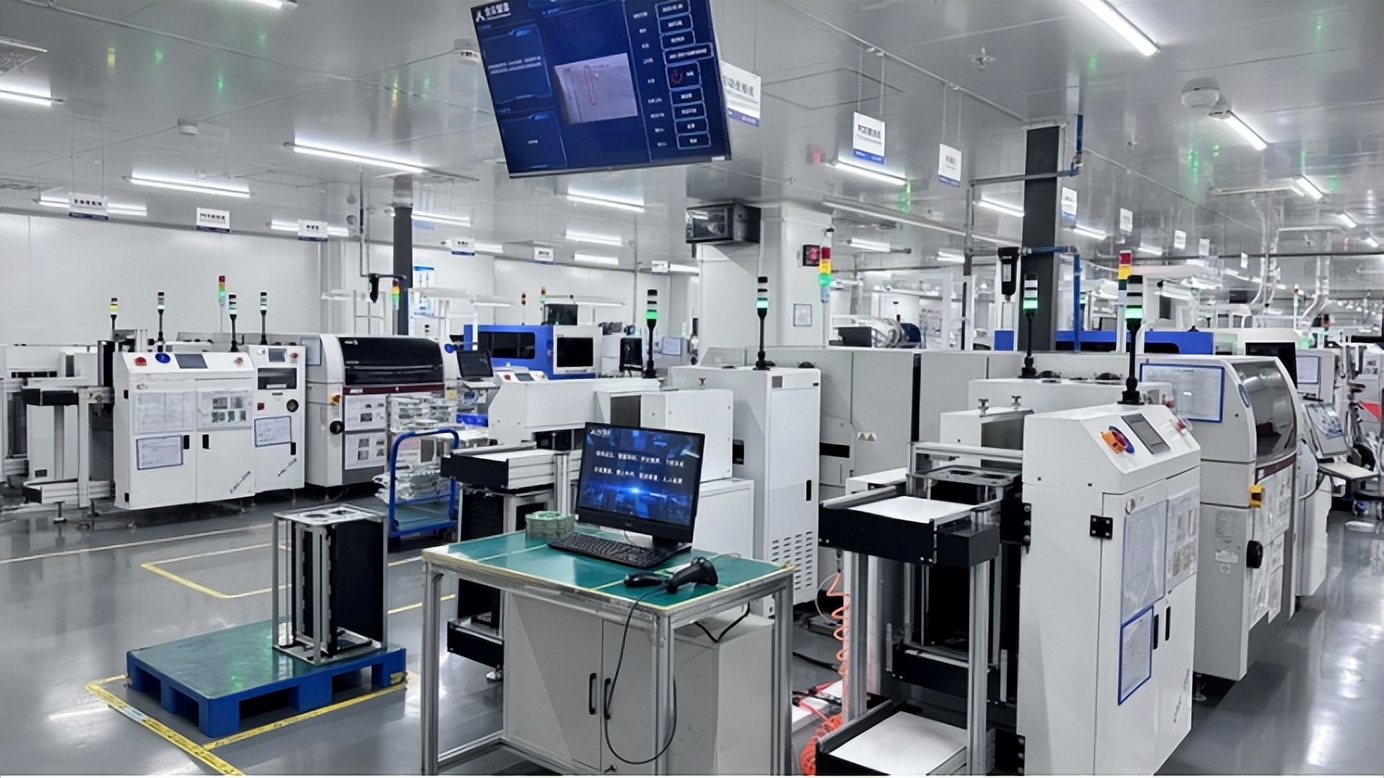
Established in 2016, Bexora occupies an 18,600㎡ state-of-the-art facility engineered to build, validate, and burn-in complex server models. Over the past 12 years in the industry, and with 7 years of global export experience, Bexora has integrated specialized engineering teams with global logistics structures, yielding an annual export revenue of USD 18 million.
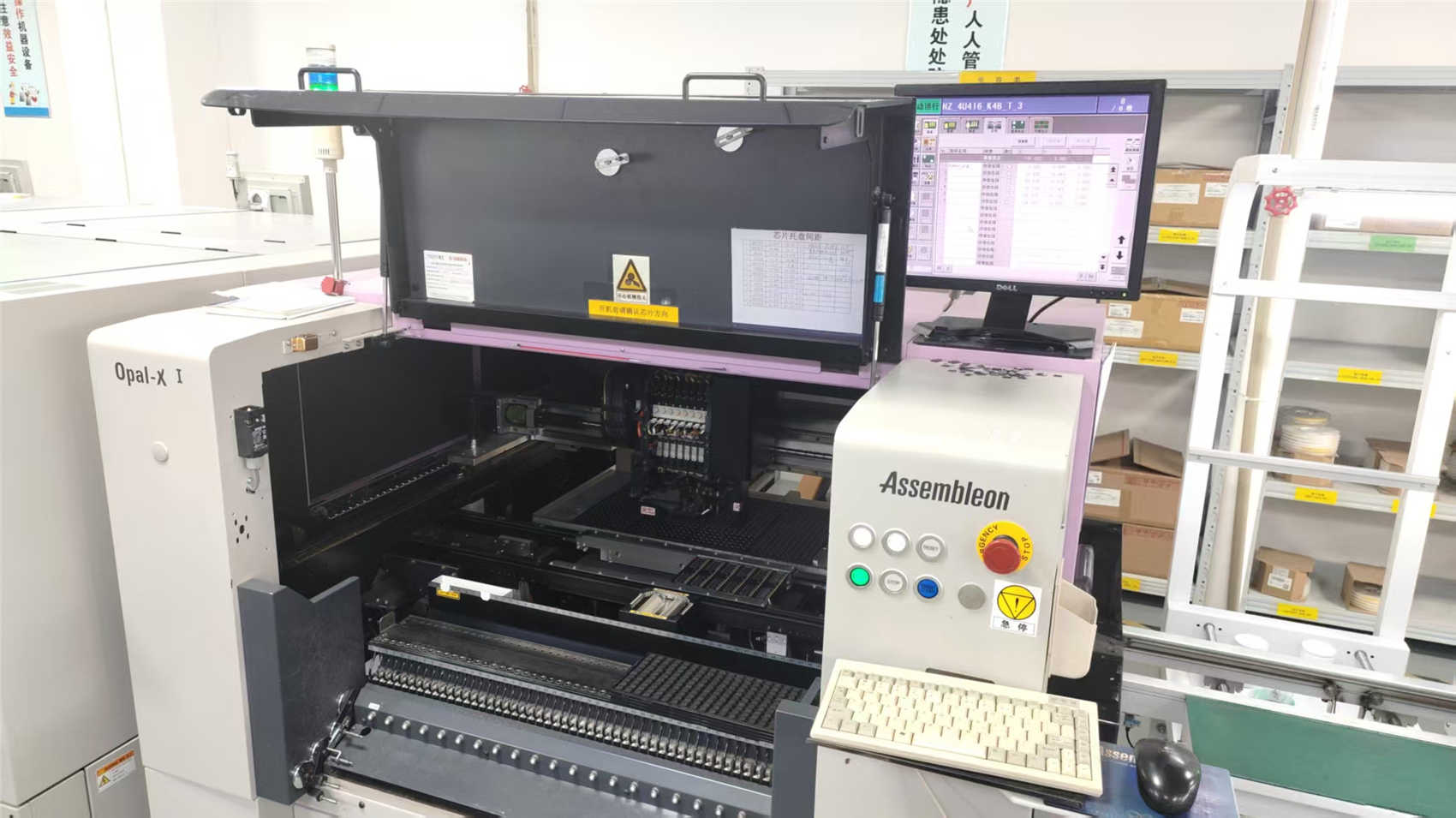
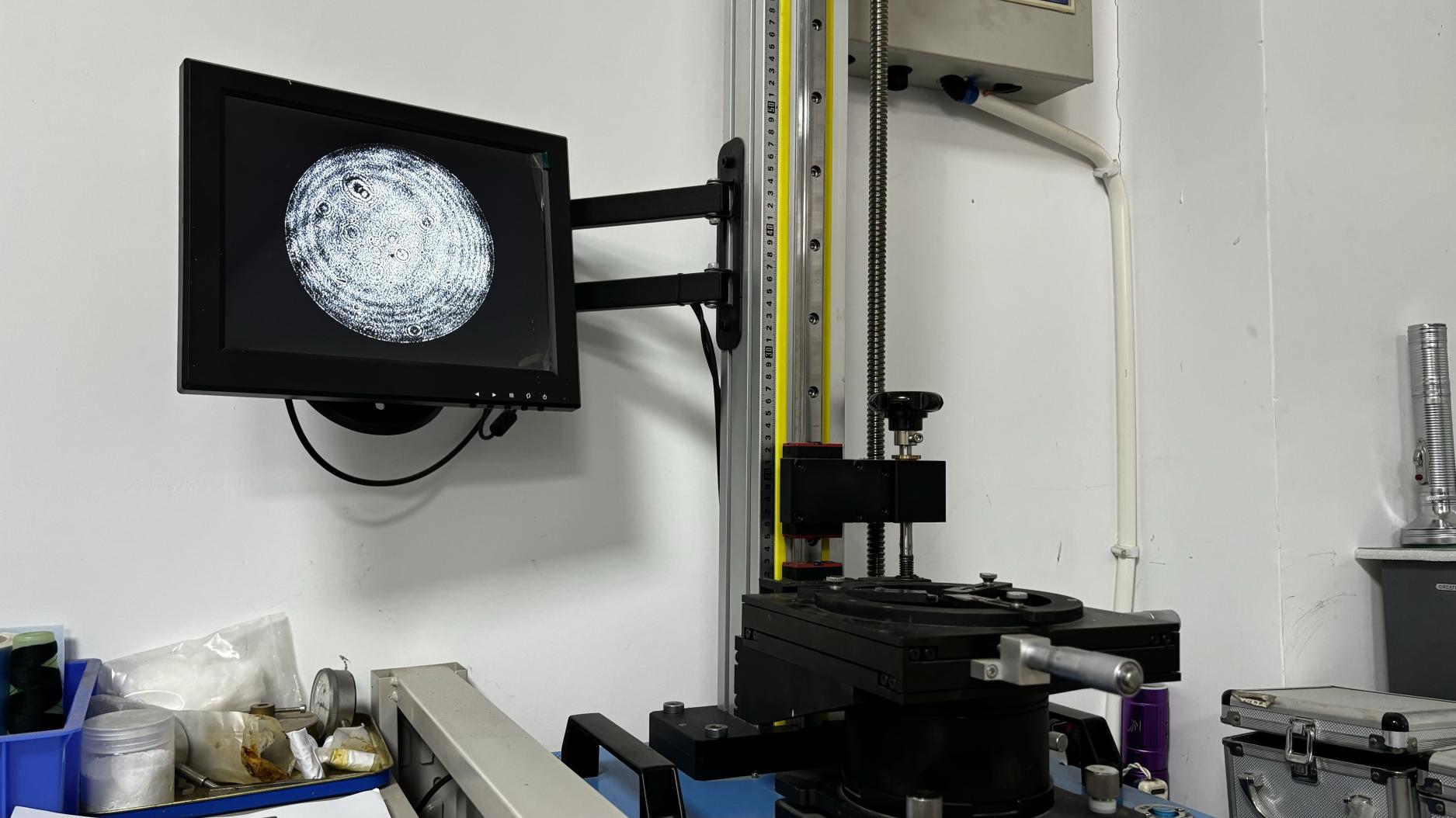
Maintaining stable system performance under intensive GPU loads (such as DeepSeek or other generative AI frameworks) requires precise quality verification. Bexora uses 100% full inspection combined with random sampling reliability tests under various environmental conditions. Product inspection methodologies include:


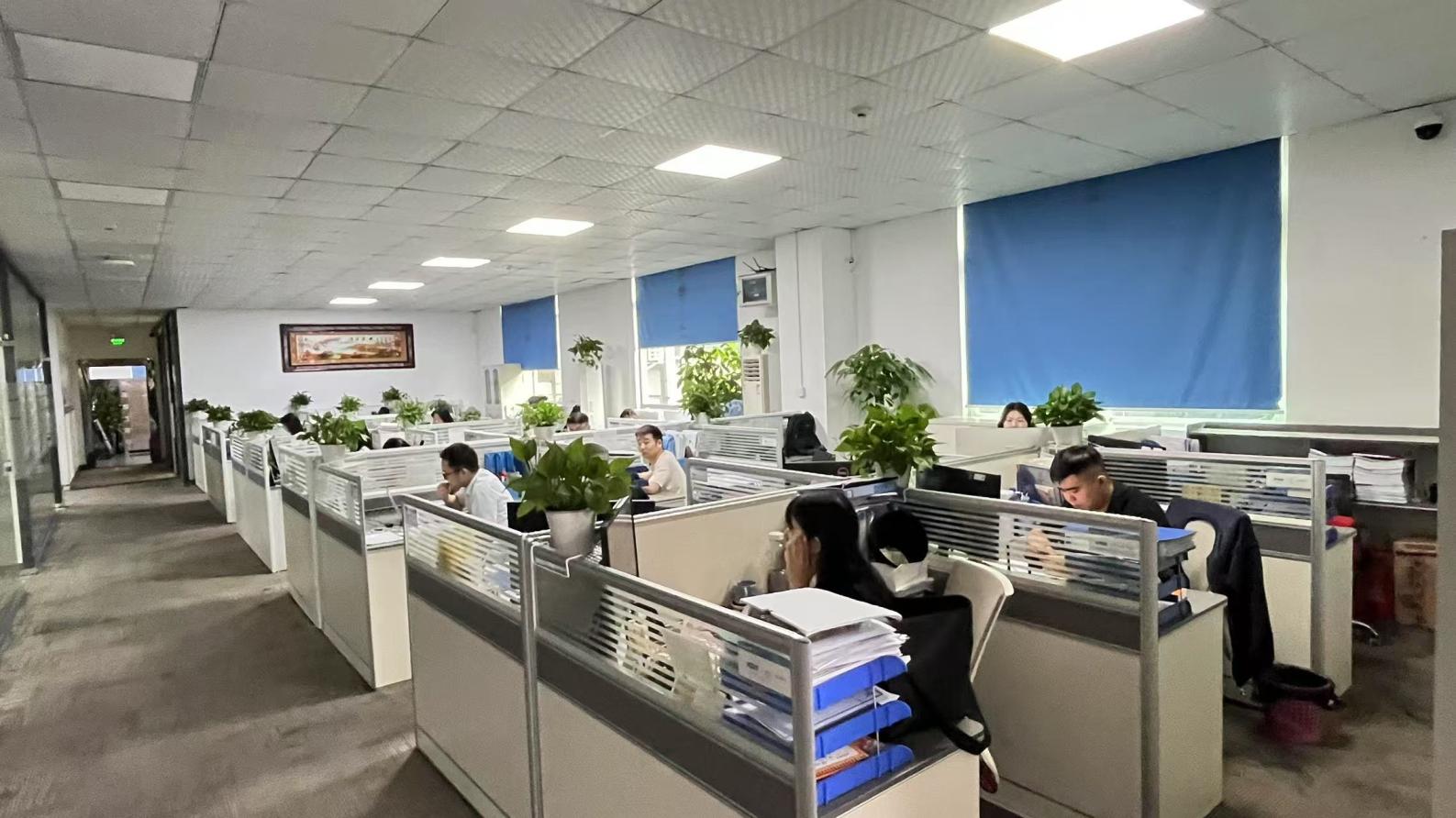
Production Space
Annual Export Value
Supply Chain Partners
R&D Engineers
Exploring next-generation technologies: dynamic liquid loops, Redfish-compliant bare metal automation, and dense PCIe Gen5 signal pathways.
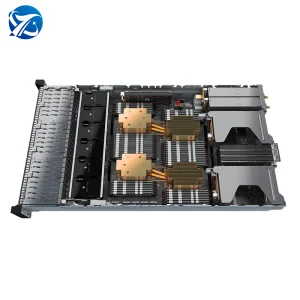
Legacy HVAC cooling is insufficient for modern high-performance systems. Leading manufacturers are shifting to liquid-to-liquid heat exchangers (CDUs) and direct-to-chip (D2C) liquid cooling paths. By routing cooling channels directly over CPUs and accelerator chips, modern facilities can operate at high power profiles while maintaining a lower carbon footprint.
TARGET PUE: < 1.15Modern infrastructure relies on secure Baseboard Management Controllers (BMC) compliant with the Redfish API schema. This allows IT teams to monitor system health, temperatures, voltage inputs, and fan speeds remotely. This setup enables quick recovery, zero-touch provisioning, and firmware integrity verification.
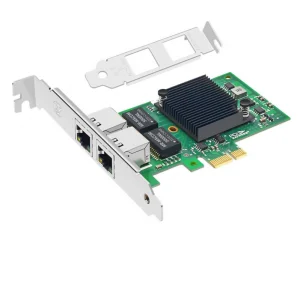
MANAGEMENT STANDARD: Redfish v1.18+To prevent data bottlenecks in high-speed networks, processing units require fast storage pipelines. Integrating SAS 12Gb/s drives, PCIe Gen5 flash systems, and low-latency network interconnects (using 3m QSFP+ direct-attach cabling) allows nodes to maintain stable throughput during demanding computing tasks.
BUS BANDWIDTH: PCIe Gen5 / 128GB/sStandard off-the-shelf servers often fail to meet the specific space, thermal, and electrical demands of modern cloud architectures. Through tailored OEM/ODM hardware adaptation, organizations can configure computing rigs to match their exact power and physical requirements. This includes custom server layouts, liquid-cooled chassis, and specialized BIOS configurations designed for stability under intensive, continuous workloads.
How custom hardware architectures, high-speed networking, and smart storage systems work together in modern computing clusters.
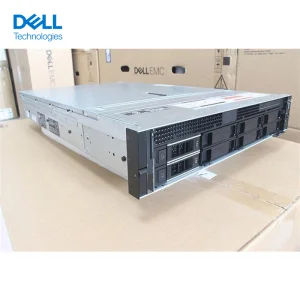
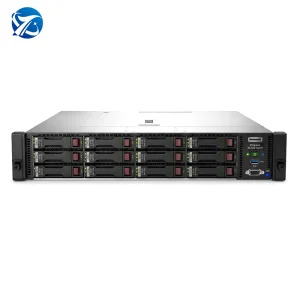
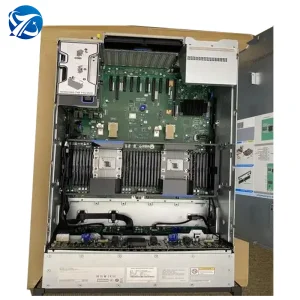
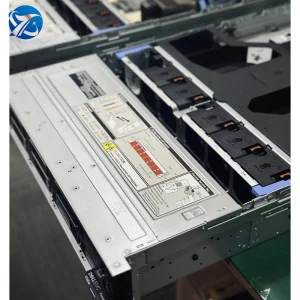
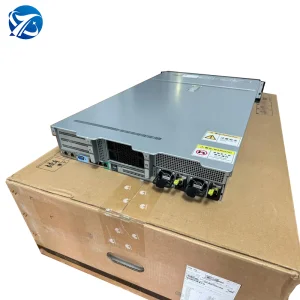
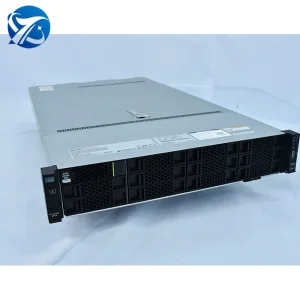
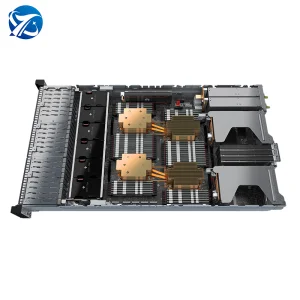
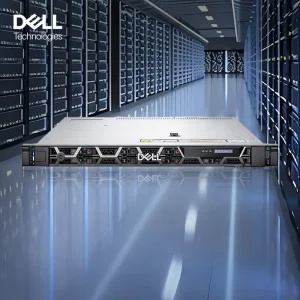
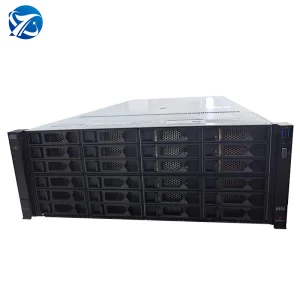
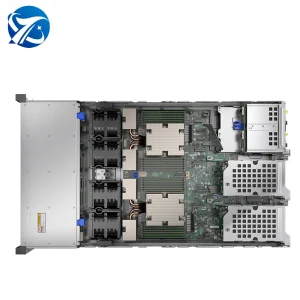
Modern compute nodes, such as the HPE ProLiant Compute DL360 Gen12 or xFusion 5885H V7, utilize dual-socket multi-core architectures to deliver dense processing power. Designing these layouts requires careful coordination between component spacing and airflow paths. Liquid cooling options allow these setups to run continuously at peak performance without thermal throttling.
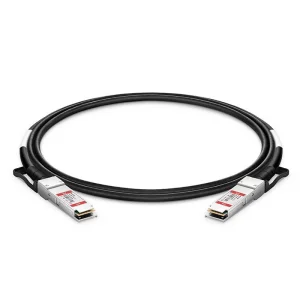
High-performance computing clusters depend on low-latency network pipelines. Low-latency QSFP+ direct-attach copper cables (DACs) connect server nodes to top-of-rack switches, ensuring fast data transmission. Proper cable management and selection are essential to prevent physical blockages and maintain optimal airflow within the rack.
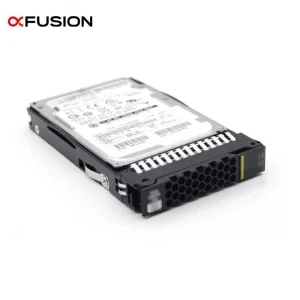
Enterprise storage configurations require reliable drive arrays and hardware RAID controllers, such as the XP270-M2 SAS3808 BootCard. Out-of-band management interfaces allow administrators to monitor SAS/SATA drive health, rebuild status, and logical partition conditions without impacting operating system performance.
Analyzing operational deployments across edge environments, enterprise systems, and hyper-scale cloud facilities.
Application Focus: Distributed AI training clusters deploying liquid-cooled server architectures.
In large-scale AI training setups, servers are packed tightly to maximize compute density. Maintaining stability requires direct-to-chip liquid cooling systems and redundant power distribution units. Advanced out-of-band management protocols monitor thermal profiles and power draw, enabling automated adjustments to prevent hot spots and keep systems running reliably.
Application Focus: Compact compute layouts designed for limited-space and harsh environmental conditions.
Edge computing deployments require rugged, shallow-depth systems that can operate reliably outside of traditional, climate-controlled server rooms. These setups often feature dust filtration, wider operating temperature ranges, and secure, hardware-level remote management, allowing administrators to monitor and service the units from central locations.
Application Focus: High-density rack configurations running virtualization platforms and database engines.
Enterprise deployments focus on data integrity, high availability, and security compliance. System configurations feature hardware RAID configurations, redundant SAS storage systems, and encrypted boot media. Out-of-band management systems integrate with enterprise security protocols, providing secure, audited access for hardware administrators.
Answers to common questions regarding hardware compliance, thermal control, quality inspection, and custom configuration options.
Leading manufacturers employ comprehensive quality assurance protocols, including 100% full inspection and thermal stress testing under simulated workloads. This involves running system components at elevated temperatures to detect early hardware failures. Additional verification steps, such as Automated Optical Inspection (AOI) and out-of-band firmware validation, ensure that all boards, connectors, and software interfaces meet strict performance standards before shipment.
The Redfish API is a standardized management specification that uses RESTful interfaces to deliver secure, scalable remote monitoring and control of server hardware. Unlike legacy protocols, Redfish provides structured data formatting (typically in JSON), allowing administrator tools to manage and configure hardware components across multi-vendor deployments efficiently.
Direct-attach copper cables (DACs) offer a cost-effective, low-power solution for short-range network connections within a server rack. In high-density configurations, using high-quality cabling helps maintain clean signal paths and reliable data transmission, reducing network-related latency issues. Their physical design also helps prevent airflow blockages, supporting overall thermal efficiency.
OEM/ODM options cover a range of system adjustments, including chassis layout design, customized mounting configurations, custom power routing, and specific GPU/accelerator configurations. Designers can also modify firmware settings, such as UEFI, BMC, or RAID configurations, to align with an organization's security policies and remote management systems.