 Bexora
Bexora
Bexora
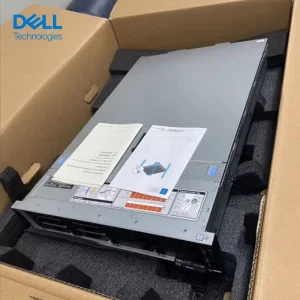
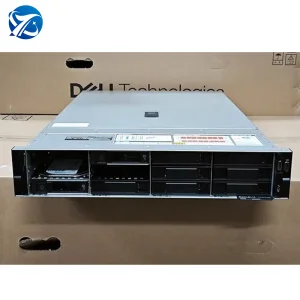 Original DEll PowerEdge R750XS Network Servers R750XS 2U 2-socket Computer Rack Server R750XS
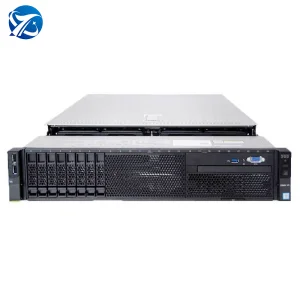 New xFusion Fusionserver 2288H V6 Computer Servers 12x3.5-inch Driver Server 2288H V6 2U 2-socket Rack Server
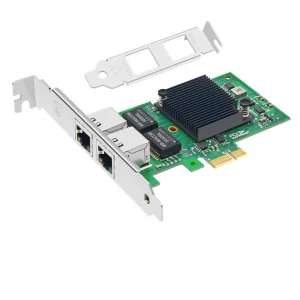 Array Card XC470C-M-8i 4G - (SAS3908) - SAS/SATA RAID Cable Card-RAID0,1,5,6,10,50,60-12Gb/s-4GB Cache Compatible with Servers
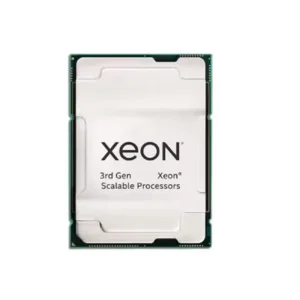 Processor CPU Xeon 4309Y/4310/4314/4316/5315Y/5317/5318Y/5320/6330 Suitable for Computer Server 2288H V6 5288 V6
 Hot Sale Intel Xeon 6th Generation Processor Equipped R670 Server Boosts Performance 6400MT/s Memory DIMM 3 Years Stock
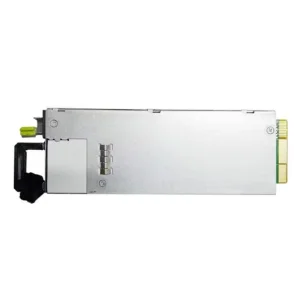 Computer Power Supply Server Platinum 900W/1500W/2000W 2.0 AC PSU Power Supply Compatible With Hyper XFusion Servers
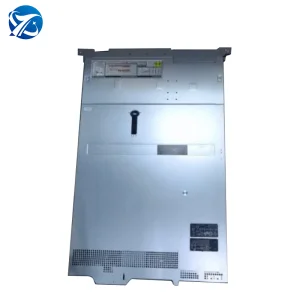 Wholesale In Stock Shenzhen PowerEdge R350 1U Rack Mount 1U Dell Workstation Servers Rack Nas Precision Xeon Server
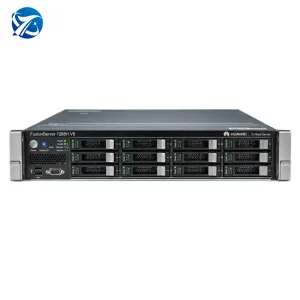 FusionServer 1288H V5 Servers Computer Nas Storage Pc Gpu And Buy Workstations Web Devices Ssd Networks Rack Xeon Server
Predictive Maintenance (PdM) has transitioned from an industry buzzword to an essential strategic operational framework for heavy industry, manufacturing plants, smart grids, and global supply chains. At its core, predictive maintenance utilizes data-driven, proactive approaches to analyze the condition of operational equipment. By predicting when an asset failure might occur, organizations can schedule maintenance dynamically, minimizing downtime and drastically reducing mean time to repair (MTTR).
However, running sophisticated predictive maintenance algorithms requires more than standard edge devices. Real-time processing of high-frequency vibration data, thermography scans, acoustic telemetry, and oil analysis datasets demands a robust AI and high-performance computing (HPC) server backbone. Modern systems rely on deep neural networks (DNNs), LSTM models, and advanced machine learning algorithms running on scalable compute systems to detect anomalies, estimate remaining useful life (RUL), and recommend preventive tasks.
Deploying smart industrial sensors (vibration, acoustics, thermal) that aggregate signals at edge points. Pre-processing is performed locally using robust rack-mount architectures to filter out electrical noise and environment fluctuations.
Streaming high-resolution raw data to dedicated rack servers (such as Dell PowerEdge and xFusion server suites) to carry out pattern recognition, autoencoder validation, and anomaly classification in real-time.
Integrating insights directly with Computerized Maintenance Management Systems (CMMS). The backend system automatically triggers inventory parts allocation and schedules engineers before structural failure happens.
Bexora AI Systems (China) Co., Ltd. stands at the forefront of custom AI server design and OEM/ODM high-performance computing infrastructure. Operating from a state-of-the-art facility in China, Bexora supplies the core engine that powers advanced enterprise IoT, industrial automation, and predictive maintenance algorithms globally.
With over 12 years of industry experience and 7 years of global B2B export experience, Bexora bridges the gap between hardware complexity and client application logic. Our servers are built to host complex deep-learning routines required for multi-variate industrial time-series analysis.
Bexora employs a strict QA team of 45 certified professionals, maintaining 100% full inspection methodologies coupled with random reliability sampling. Every piece of equipment, from standalone processing units to complete 2U and 4U systems, undergoes a strict validation matrix:
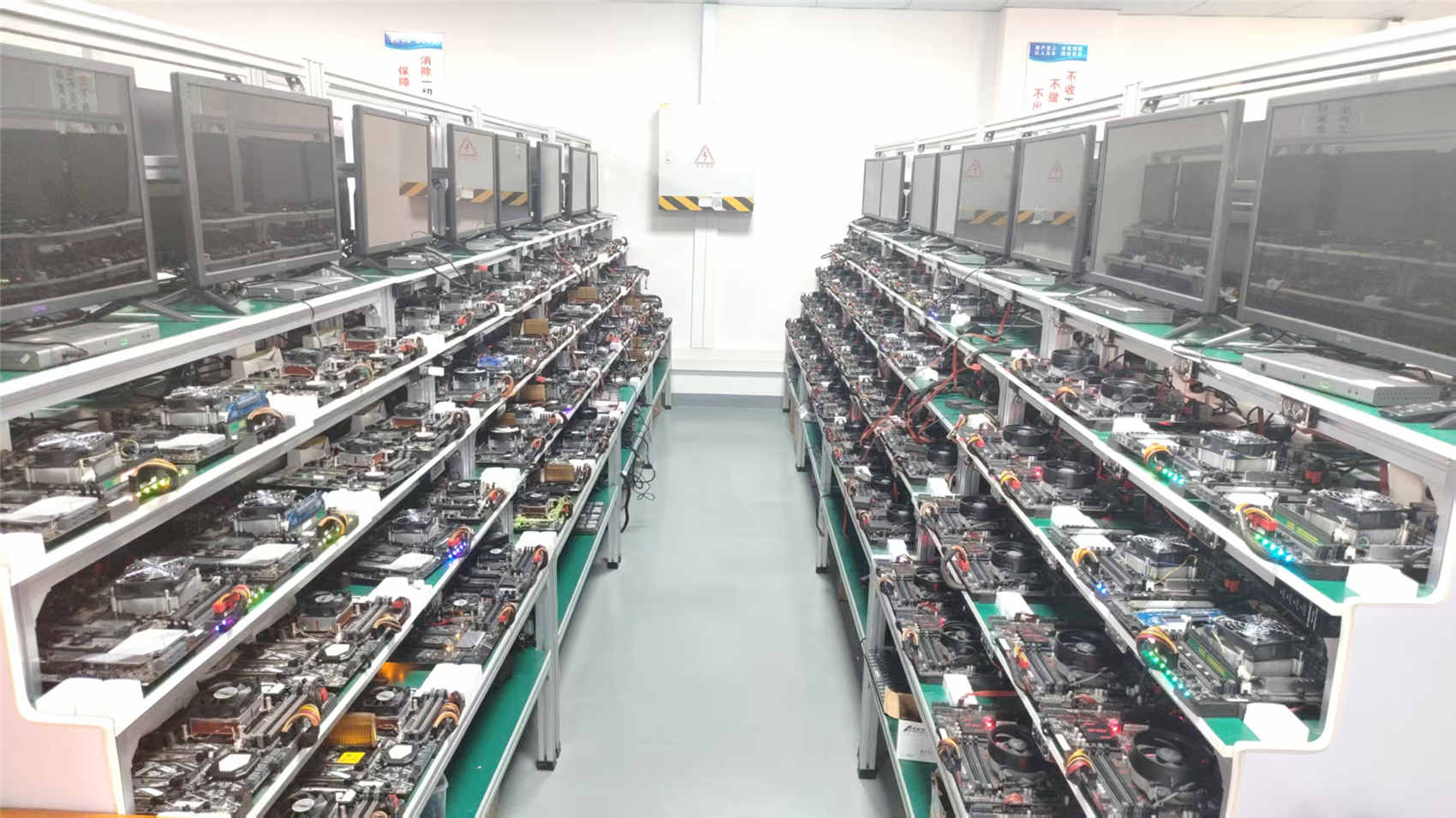
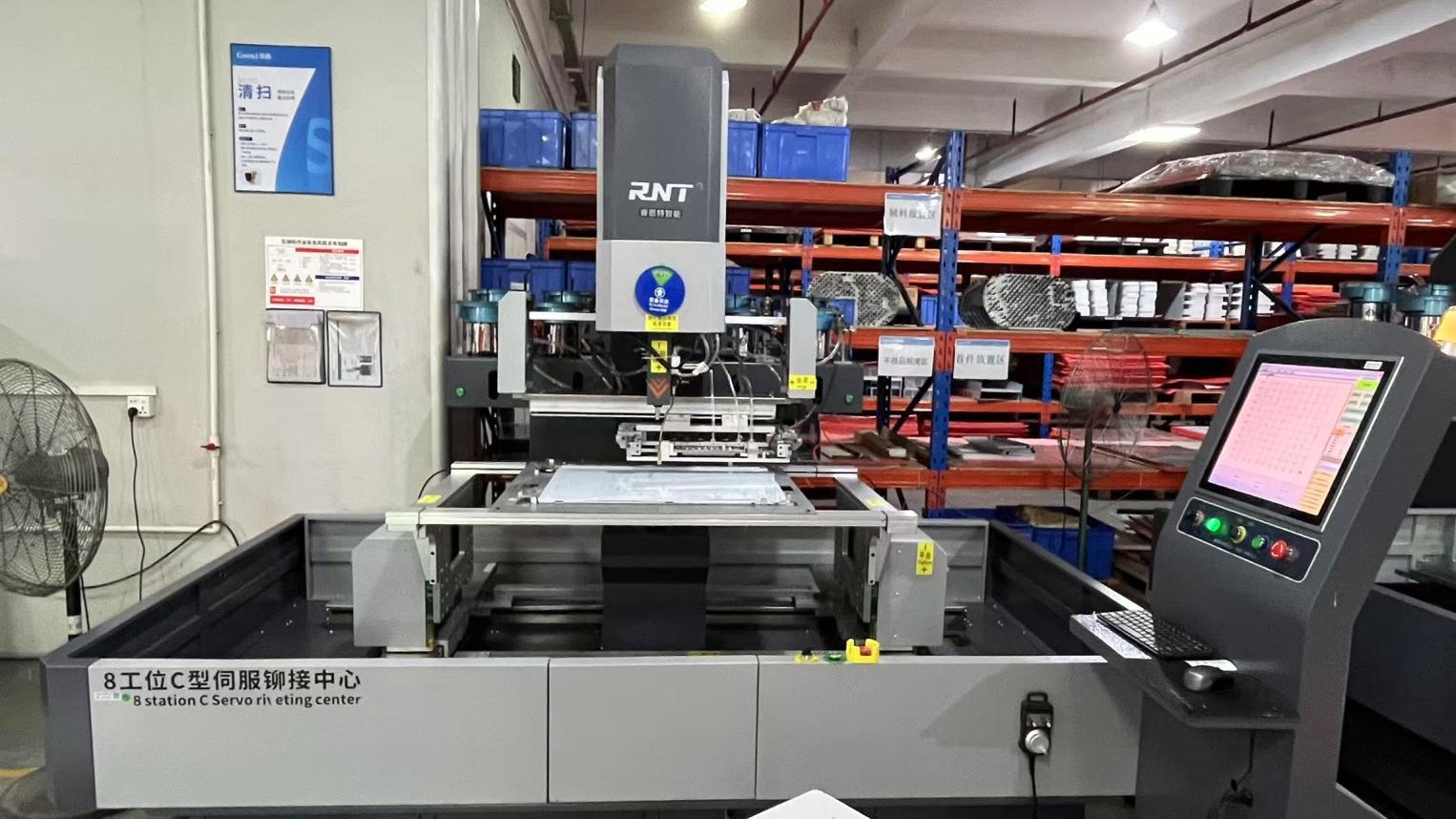
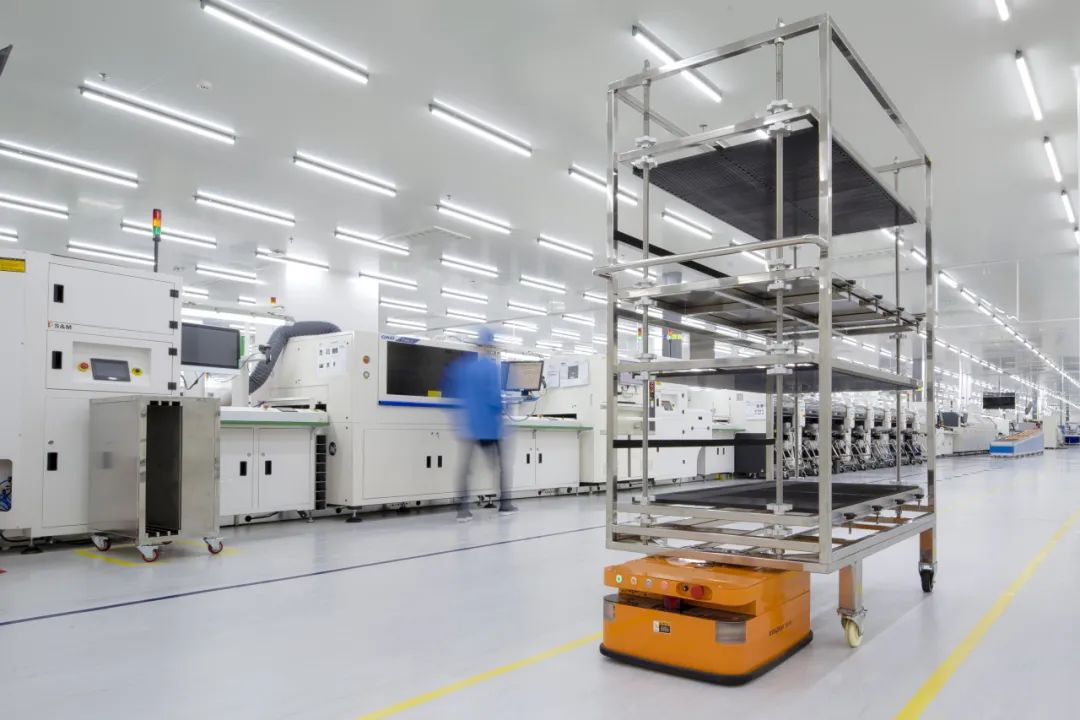

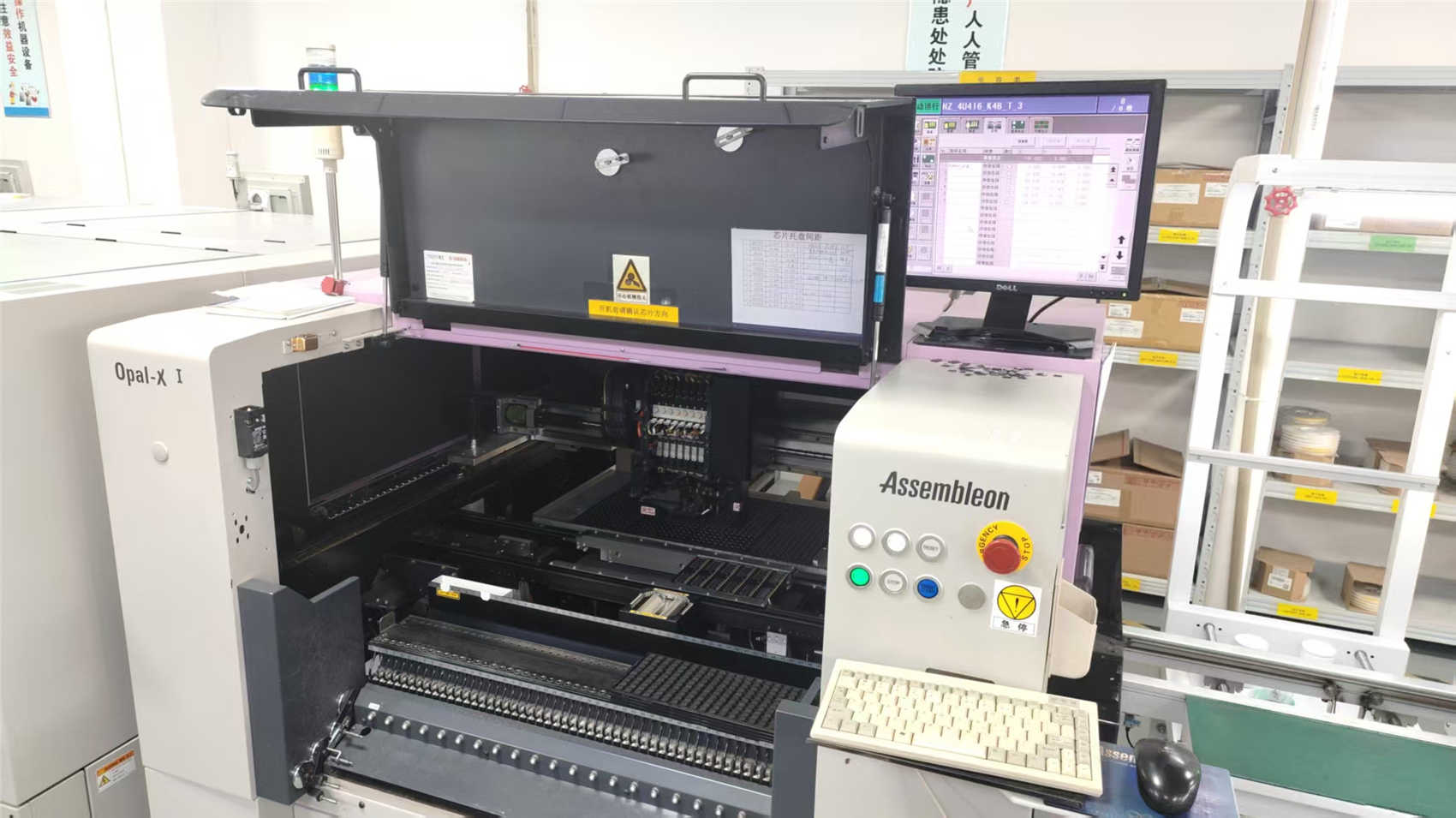
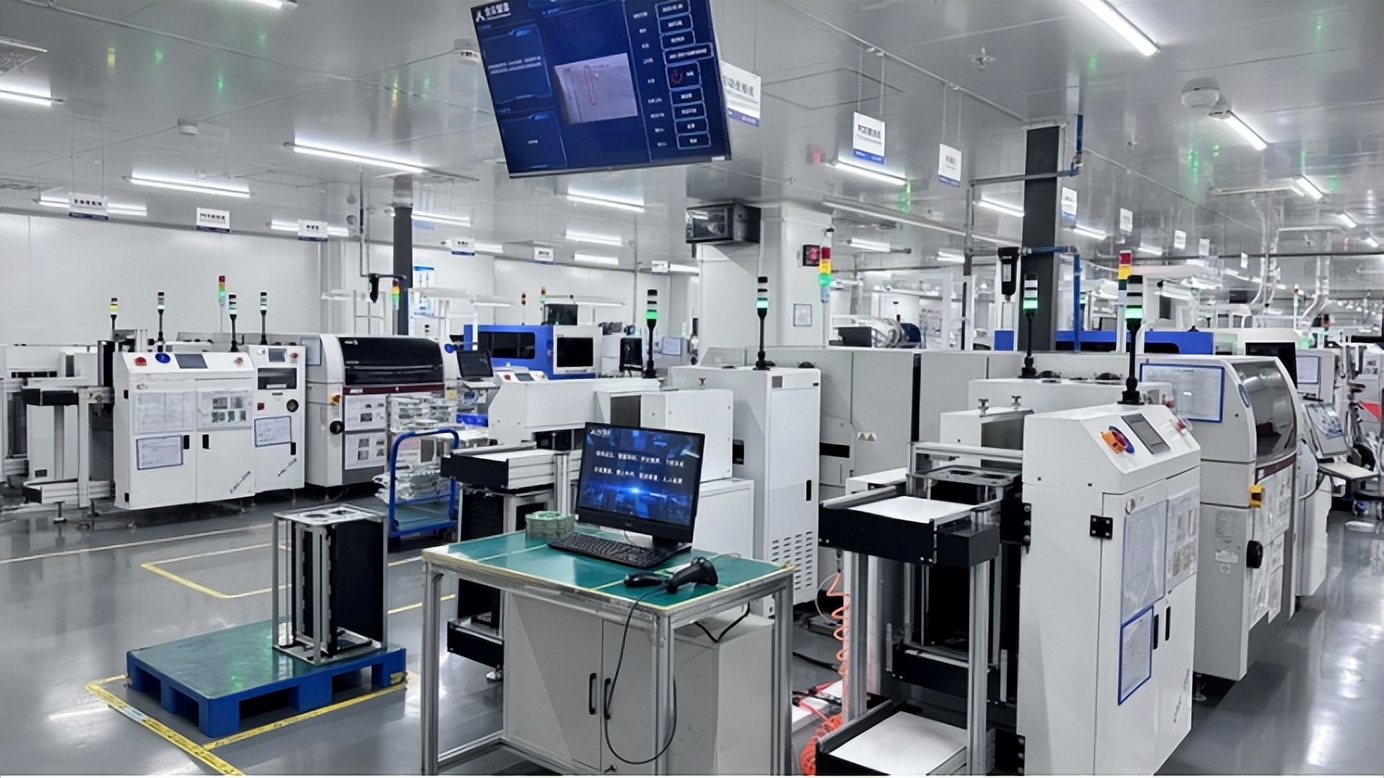
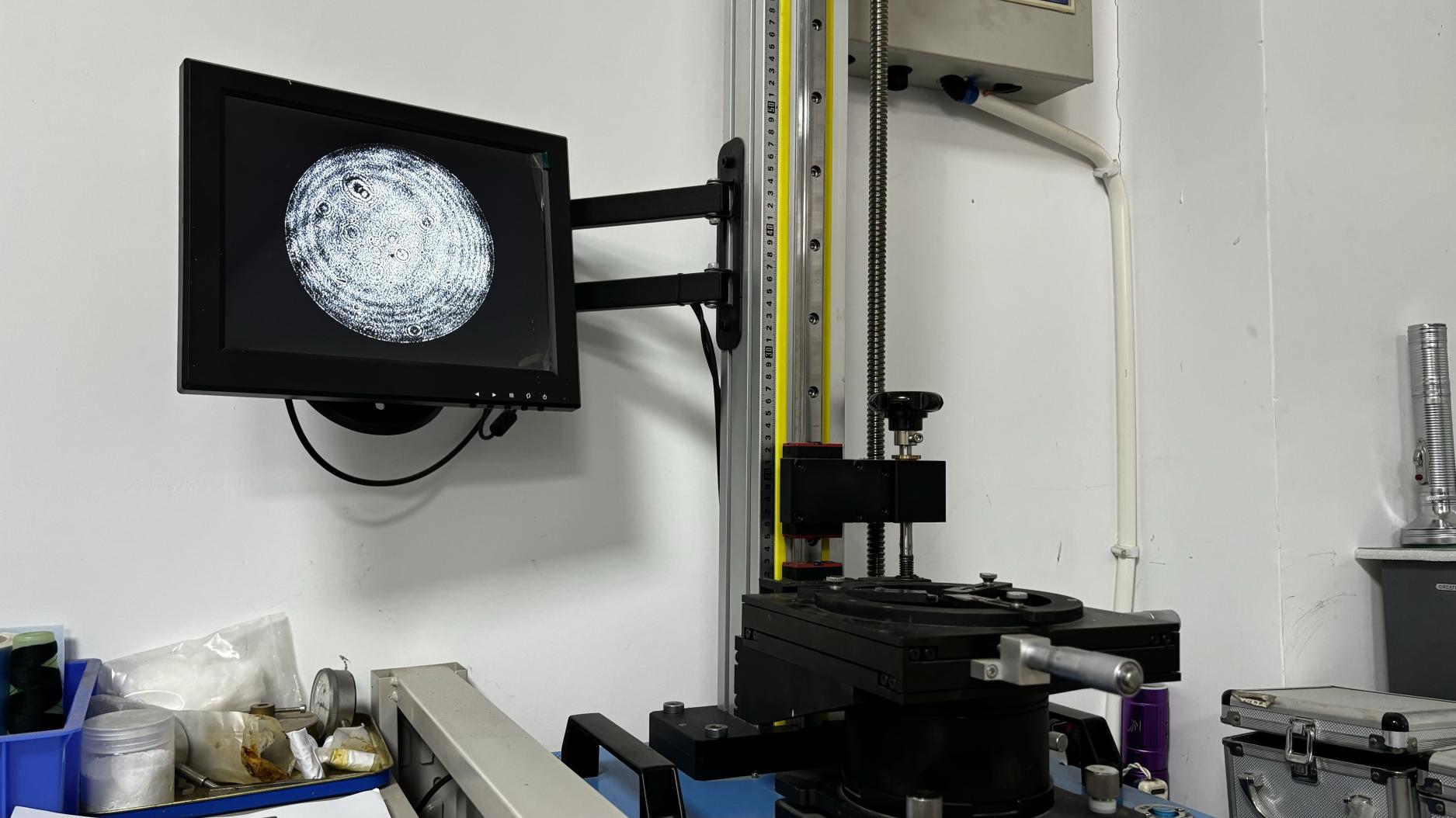
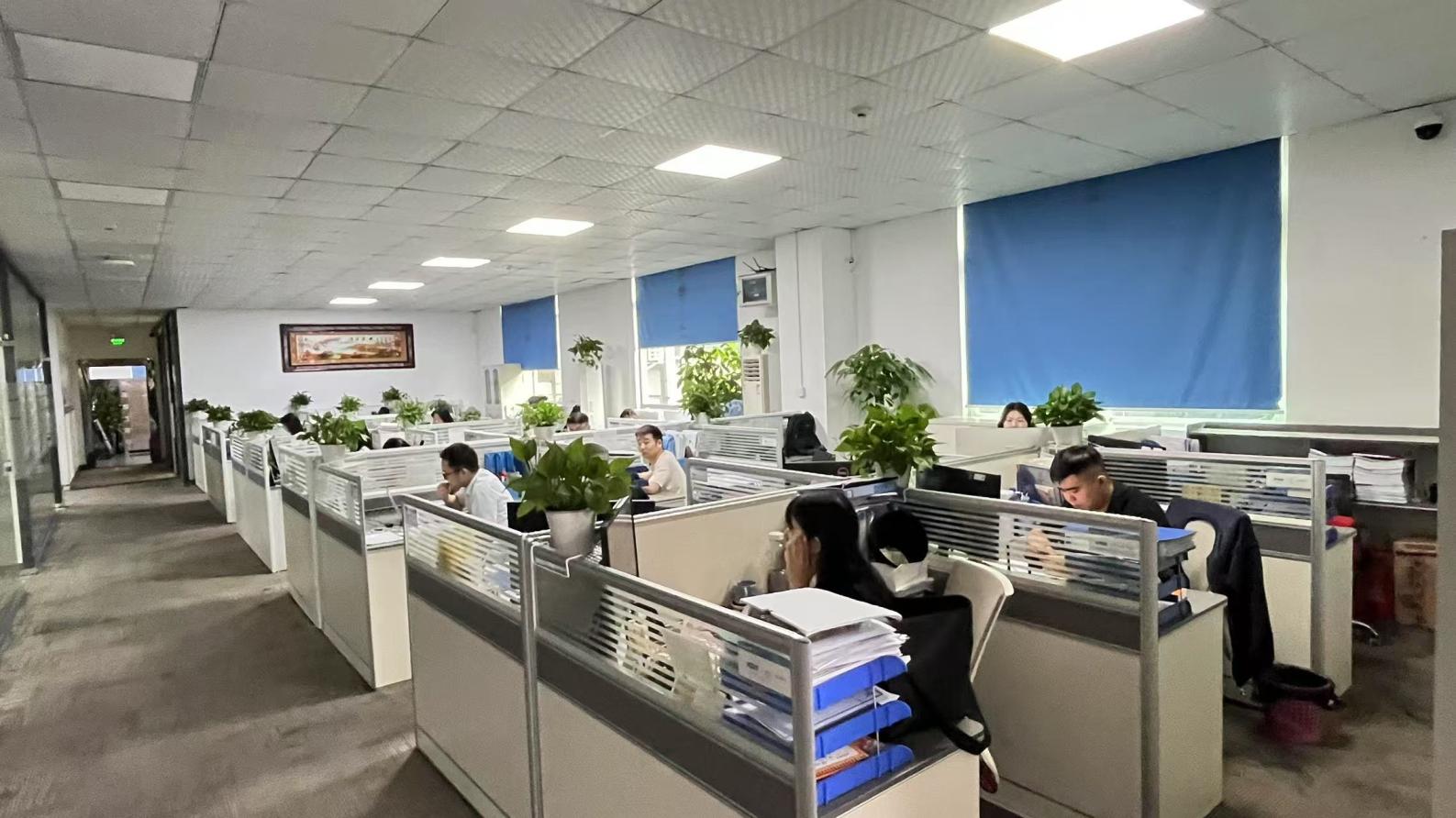
The concentration of precision component sourcing in China allows industrial system builders to accelerate development iterations. Bexora leverages this robust ecosystem, collaborating with 860 vetted upstream and downstream partners. This network spans from custom raw sheet-metal stamping mills for rackmount chassis to complex multi-layer PCB design firms, high-speed fan manufacturers, and direct access to chip components and accessories.
For international buyers and procurement departments, this integrated supply network delivers significant advantages:
Rapid physical chassis engineering and firmware modifications. Bexora's R&D department launched 120 new products and key iterations last year, highlighting our speed and capability to meet evolving market demands.
Access to localized component supply chains prevents critical bottlenecks. Standardized parts, including 900W/1500W/2000W redundant PSUs, custom storage array controllers, and enterprise-grade drive arrays, are readily accessible in volume.
Seven years of export experience ensures smooth customs clearing and compliance with international standards, including CE, FCC, RoHS, and WEEE requirements. We provide complete trade compliance documentation for complex B2B shipments.
Hardware optimization must align with the operational realities of the deployment site. Here are the core scenarios where our specialized servers and computational accessories are deployed for predictive maintenance:
| Industry Sector | Core Challenge | Computational Hardware Requirement | Target Deployment Architecture |
|---|---|---|---|
| Smart Grid & Wind Energy | Predicting gearbox fatigue and bearing degradation in isolated wind turbines. | High reliability, 1U-2U chassis sizes, wide operational temperature ranges, redundant PSUs. | Edge Nodes: Dell R350 / xFusion 1288H V7 containing Xeon Processors processing localized telemetry. |
| Petrochemical & Processing Plants | Monitoring thousands of pumps, valves, and pipelines for micro-leakages and pressure spikes. | Massive, fast data write speeds and zero-latency array write controllers. | Central Control: High-speed arrays containing XC470C-M-8i SAS controller cards and enterprise SAS hard drives. |
| Semiconductor Cleanrooms | Zero-tolerance policy for unexpected downtime on silicon wafer processing tools. | High-density GPU-accelerated computing nodes for real-time multivariate predictive modeling. | On-Premise Server Cluster: High-performance 2U 2-socket systems (xFusion 2288H V6 / Dell R750XS). |
| High-Speed Rail Networks | Analyzing dynamic contact force data between pantographs and overhead lines. | Fast data write capabilities, shock-resistant storage configurations, and multi-core Xeon CPU workloads. | Mobile Data Units: Compact rackmount servers equipped with high-durability enterprise SAS HDDs. |
Enterprise procurement teams in Europe, North America, Southeast Asia, and the Middle East require hardware partners capable of providing flexible, scalable solutions. When purchasing servers for industrial AI workloads, procurement departments must evaluate specific operational criteria:
Real-time predictive maintenance requires two primary categories of hardware: Edge Computing nodes (typically 1U systems like the Dell R350 or xFusion 1288H V7) to aggregate and filter sensor signals locally, and Centralized AI Inference Servers (such as the 2U, 2-socket Dell R750XS or xFusion 2288H V6) containing multi-core Xeon CPUs and high-performance GPU arrays to run predictive algorithms.
Bexora operates a dedicated team of 45 QA professionals. Our inspection processes include 100% full burn-in testing, thermal stress testing, and automated optical inspection (AOI). We also run simulated high-load AI workload tests to verify stable performance under demanding operating conditions.
Yes. Bexora offers comprehensive OEM/ODM services, including custom physical sheet-metal chassis alterations, custom branding, optimized component layout designs, and custom firmware/BIOS configuration to support specific enterprise workloads.
We recommend enterprise-grade SAS hard drives (such as 12Gbps 7200rpm drives) managed by hardware RAID controllers with cache memory (such as the XC470C-M-8i). This configuration ensures data integrity, fast write speeds, and drive failure redundancy.
Bexora leverages an established network of 860 supply chain partners and has over 7 years of B2B export experience. We handle complete shipping logistics, customs documentation, and compliance testing for shipments to North America, Europe, Southeast Asia, and the Middle East.
 1288H V7 High Reliability and Security for Hpc OA Storage Data Nas Pc Ai Deepseek Rack Gpu Computer Web Center Mount Server
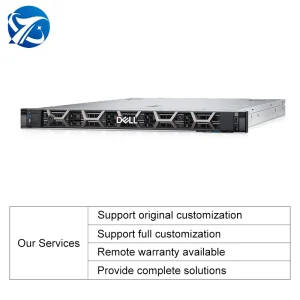 Hot Sale DEll R660 1U 2U Computer Server PowerEdge R660 Network Server Rack Server R660
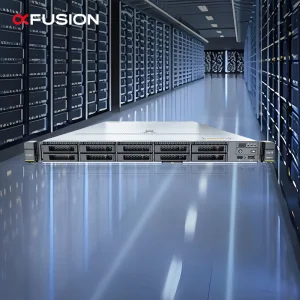 New xFusion FusionServer 1288H V7 Computer Server 4x3.5 Inch Drive Xeon 4410Y 1*32GB 900W PSU 1288H V7 1U 2-socket Rack Server
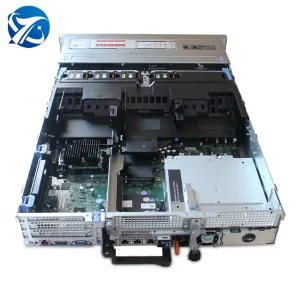 DEll PowerEdge R960 Computer Server Intel Xeon 64GB H755 800W PSU R960 4U Network Rack Server R960
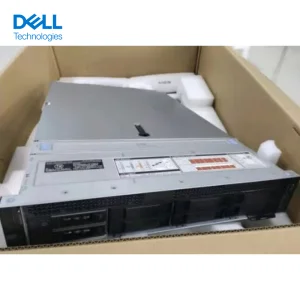 New Poweredge R360 1ru 1u Server Case Zte Silent Lion Line Gigabytes Aic Time Qnap Pc Intel Xeon D Ell Emc Rack Server
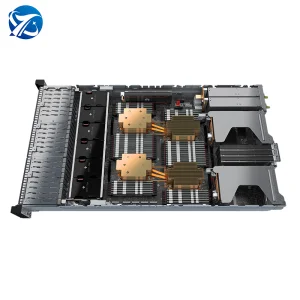 New xFusion Fusionserver 2488H V6 Server Computer 8x2.5 Inch Drive + Xeon 2x5318H 900W 2x32GB 2U 4-socket Rack Server
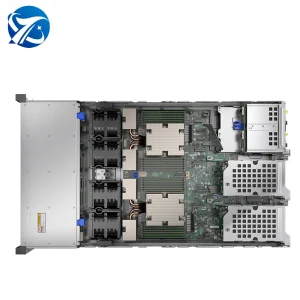 New xFusion FusionServer 2258 V7 2U 2-socket Computer Servers 8*2.5 Inch Drive 2258 V7 2U 2-socket Rack Server
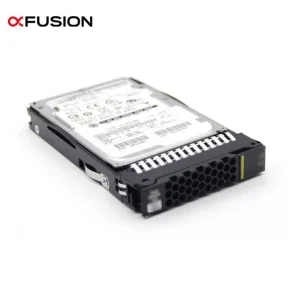 Servers NL SAS HDD Universal Hard Drive Disk 4000GB/ 6000GB/8000GB/10000GB/12000GB SAS 12Gb/s-7200rpm (Includes 3.5-inch Tray)