Bexora
Bexora
Bexora
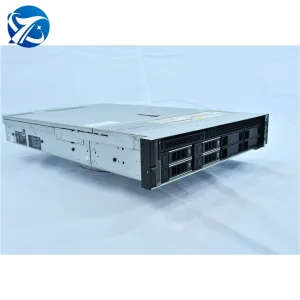
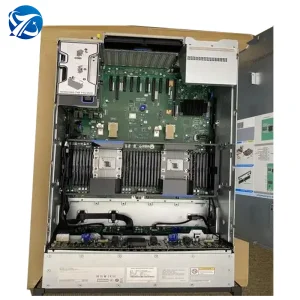
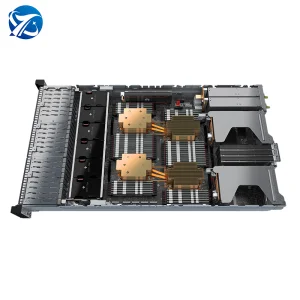
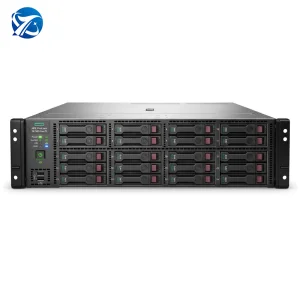
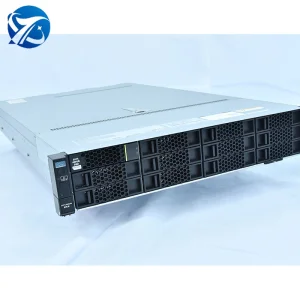
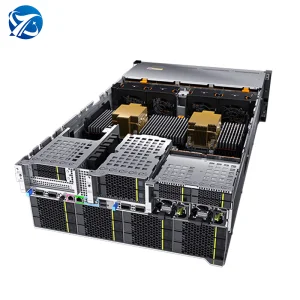
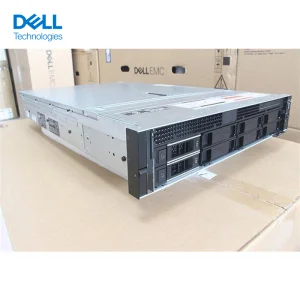
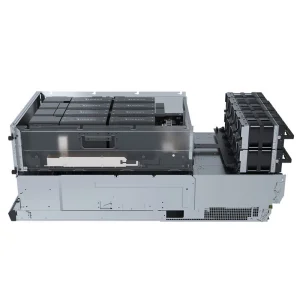
Explore our precision-engineered computational arrays and hyper-converged SAN nodes built to maximize data throughput, deliver ultra-low latency, and support massive block-level storage allocation.
Bexora is a premier Chinese manufacturer and global exporter of Artificial Intelligence (AI) GPU servers, high-performance computing (HPC) environments, and sophisticated storage infrastructure solutions. Registered in 2016, we leverage 12 years of industry experience and 7 years of global trade footprint to deploy resilient, enterprise-grade server frameworks to the world's most demanding technology hubs.
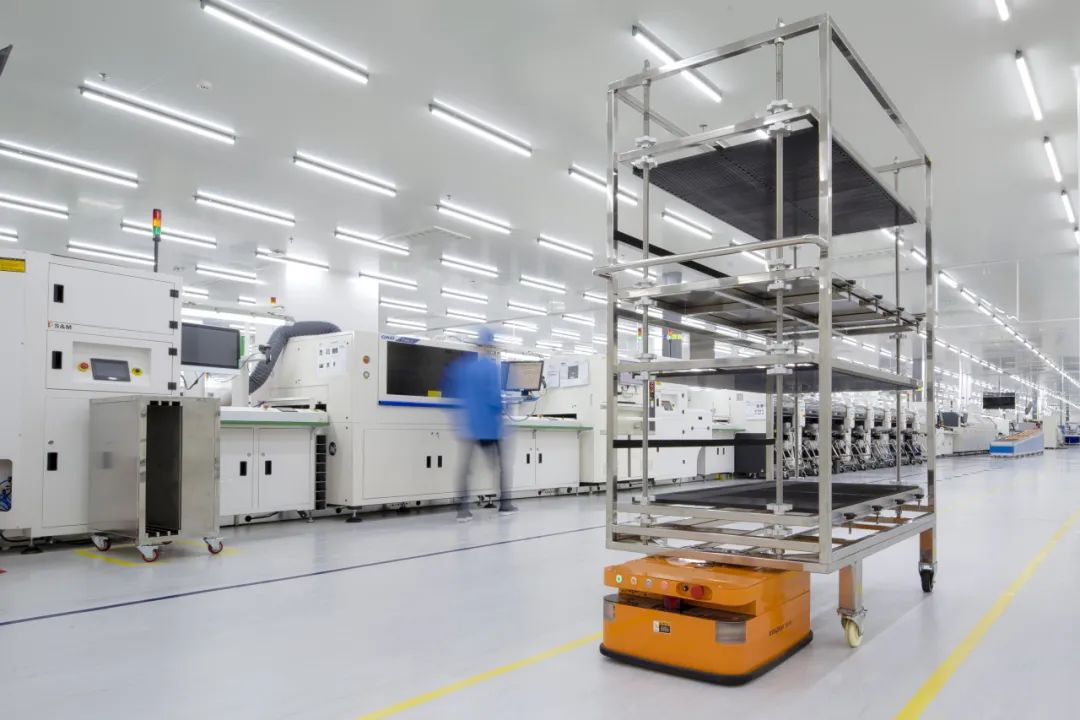
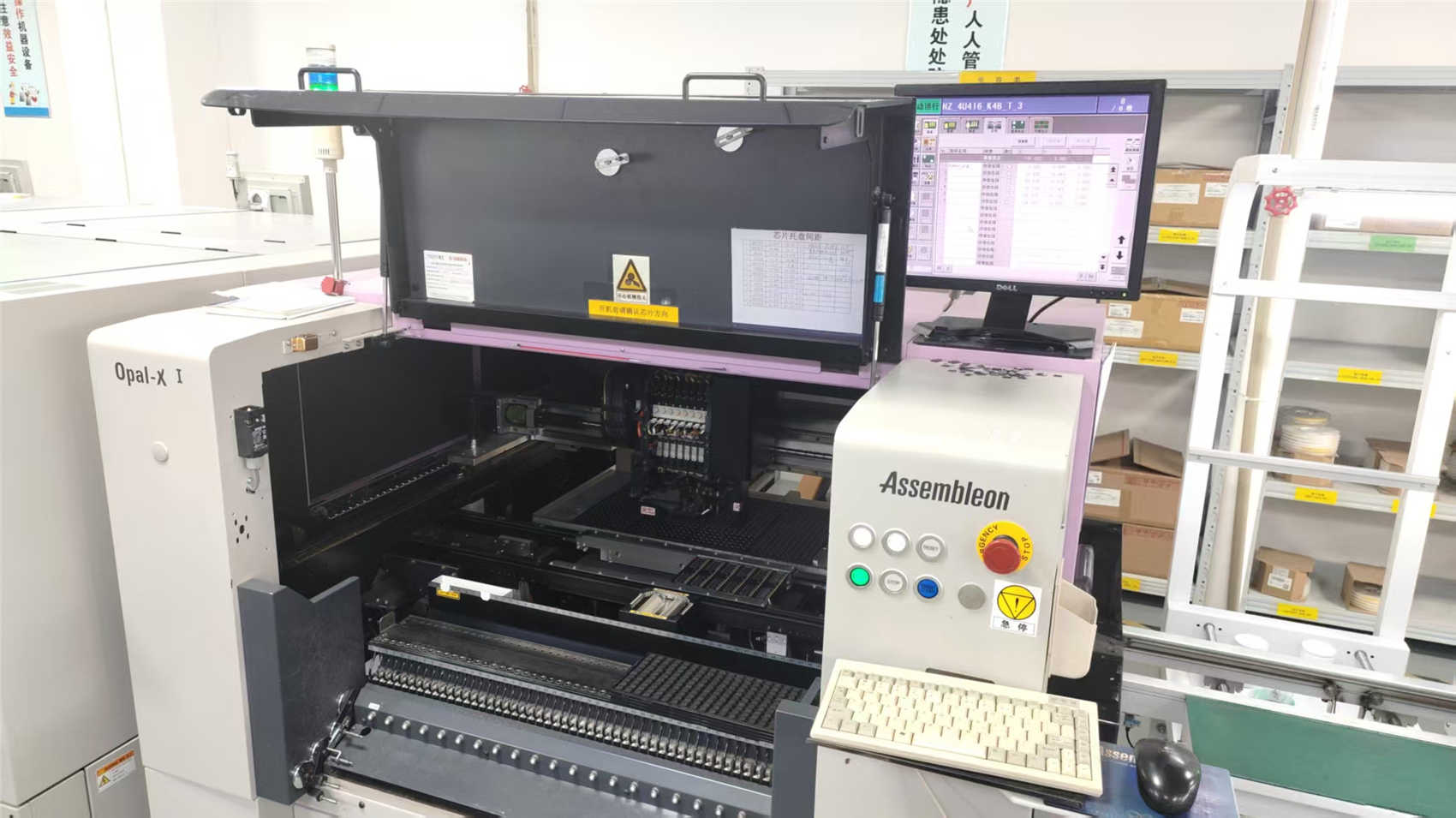
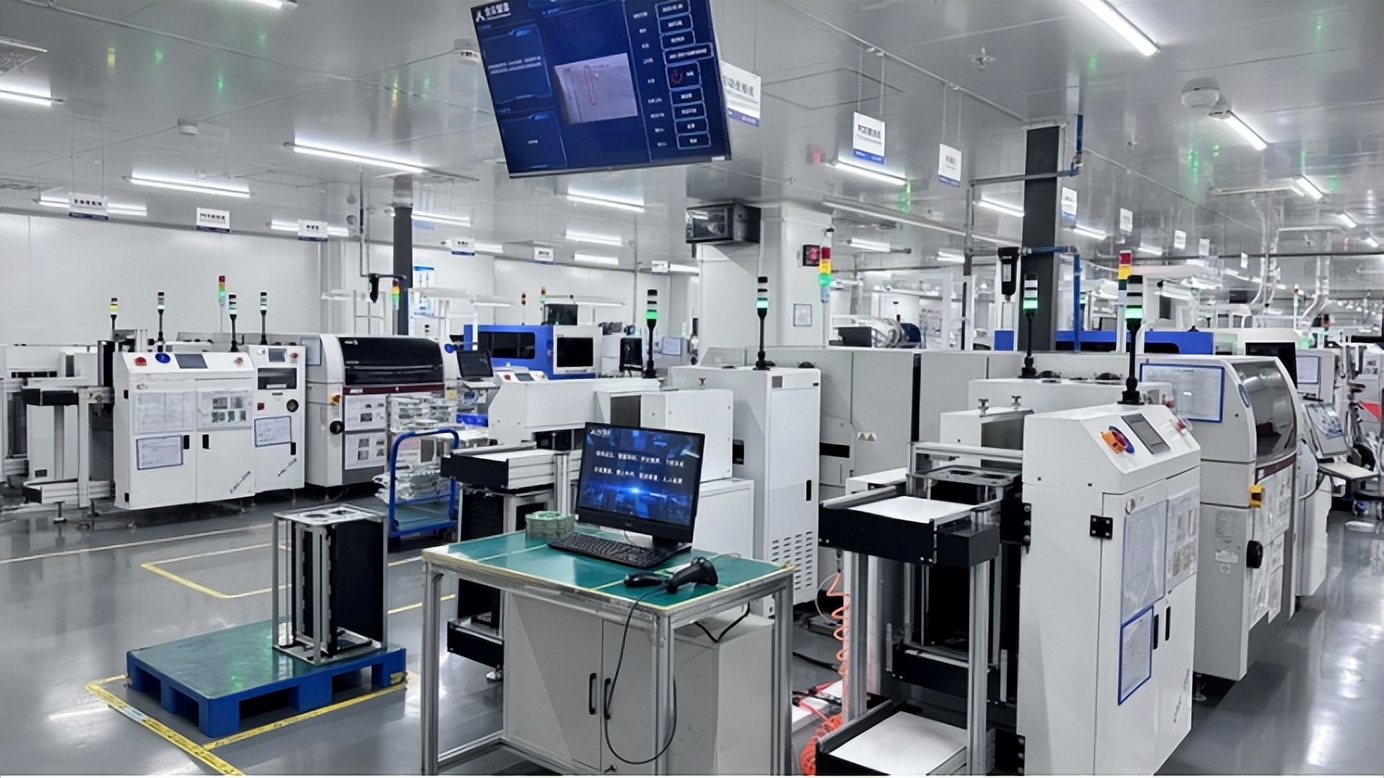
Operating out of an expansive, state-of-the-art 18,600m² manufacturing facility, our mission is to address critical performance bottlenecks in enterprise storage. By designing scalable storage systems optimized for AI training, machine learning inference, and dense data center arrays, Bexora establishes a baseline of reliability and performance that satisfies rigorous international standards.
A Storage Area Network (SAN) is a dedicated, high-speed network that interconnects and delivers shared pools of block-level storage devices to multiple servers. In the era of massive AI computational clusters, legacy storage paradigms fall short. High-speed SAN infrastructure is the cornerstone of modern data architecture, providing low latency, parallel I/O paths, and continuous service availability.
Modern SAN utilizes high-speed Fibre Channel (FC) switches and Host Bus Adapters (HBAs) to ensure lossless protocol delivery. In contrast, IP-based SANs leverage iSCSI and RDMA over Converged Ethernet (RoCE) to merge block-level storage traffic into standard high-speed 100GbE/200GbE enterprise network backbones, offering unmatched flexibility and investment protection.
By utilizing NVMe-oF, enterprise storage networks can bypass traditional SCSI command stacks. Bringing NVMe performance levels directly across storage networks delivers microsecond-level latency and millions of IOPS per compute node. This technology represents the peak of performance for real-time databases and deep learning pipelines.
SAN allows heterogeneous servers to access unified physical disk arrays as if they were locally attached drives. This centralization eliminates storage silos, simplifies volume pooling, permits zero-downtime scalability, and provides the background structure necessary for hardware redundancy, automated snapshots, and remote replication.
Enterprise IT procurement managers, systems integrators, and data center operators face unique pressure points when choosing storage systems. The key requirements are not limited to hardware specifications; they focus heavily on service continuity, multi-vendor interoperability, and long-term cost-efficiency.
Global enterprises require storage systems with active-active controller configurations, multipath I/O (MPIO) capability, and redundant hot-swappable components (power supplies, fans, and cache batteries) to ensure 99.9999% availability.
As data stores grow, scaling up capacity through expansion drive shelves or scaling out through additional storage nodes must occur online without degrading operational I/O throughput.
Enterprises seek open-source standard compatibility and competitive hardware acquisition costs. Bexora satisfies this intent by delivering enterprise-tier hardware platforms that offer maximum performance per dollar spent.
The competitive landscape of modern high-density compute and storage architectures is heavily dependent on supply chain speed and integrated component ecosystems. Based in China, Bexora capitalizes on regional advantages to provide global enterprises with unmatched value.
Our close alignment with hundreds of trusted upstream and downstream suppliers facilitates rapid component acquisition. From high-grade PCB fabrication and specialized memory chip screening to advanced server chassis tooling and high-efficiency thermal interfaces, our integrated ecosystem reduces standard production lead times by up to 35% compared to Western manufacturers.
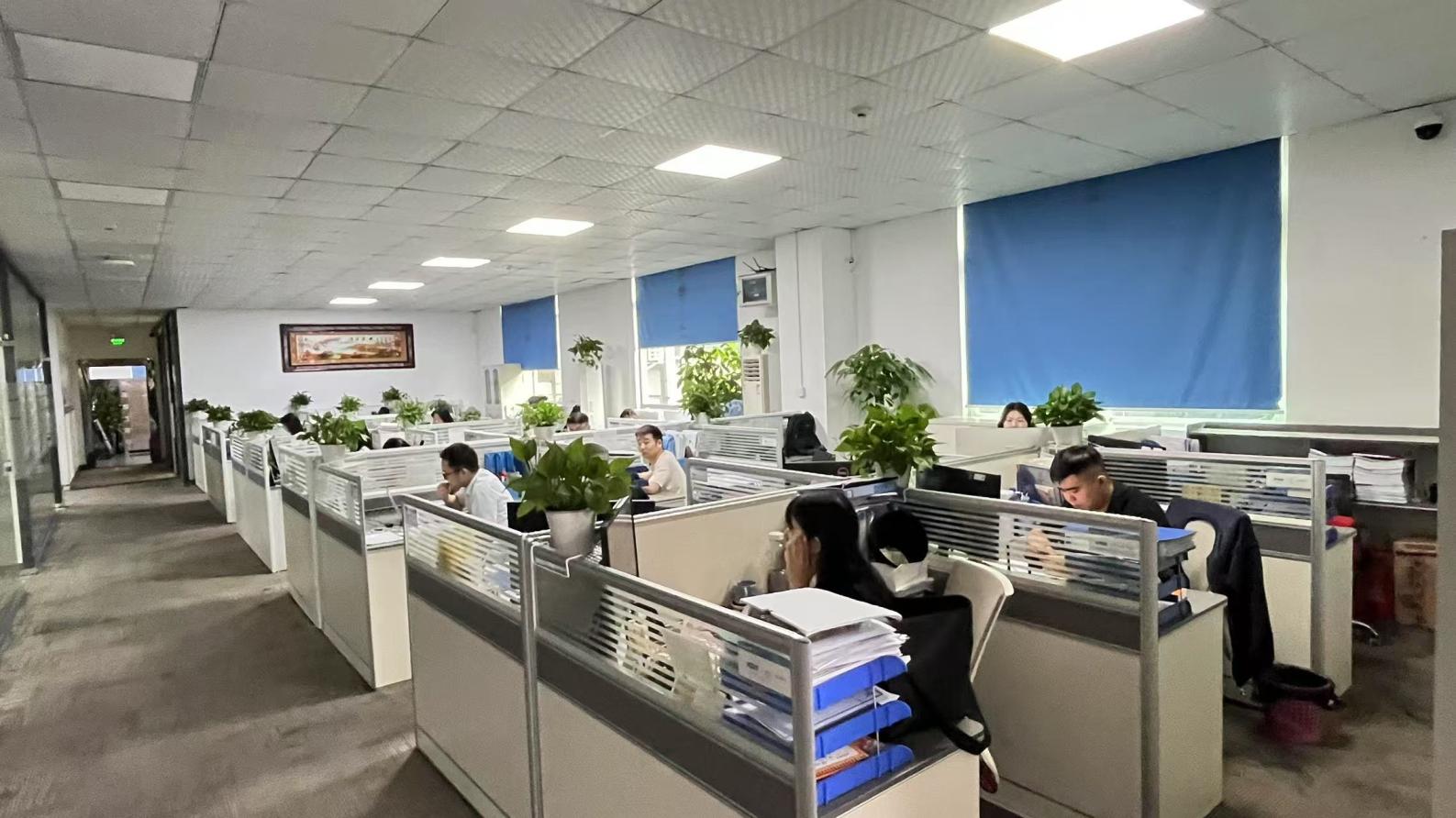
Bexora maintains a dedicated 160-engineer strong R&D team. We provide firmware-level performance tuning, liquid-cooling implementation, custom host-bus-adapter configurations, and chassis branding to meet your specifications. This allows large cloud vendors and system integrators to roll out specialized, signature hardware platforms globally.
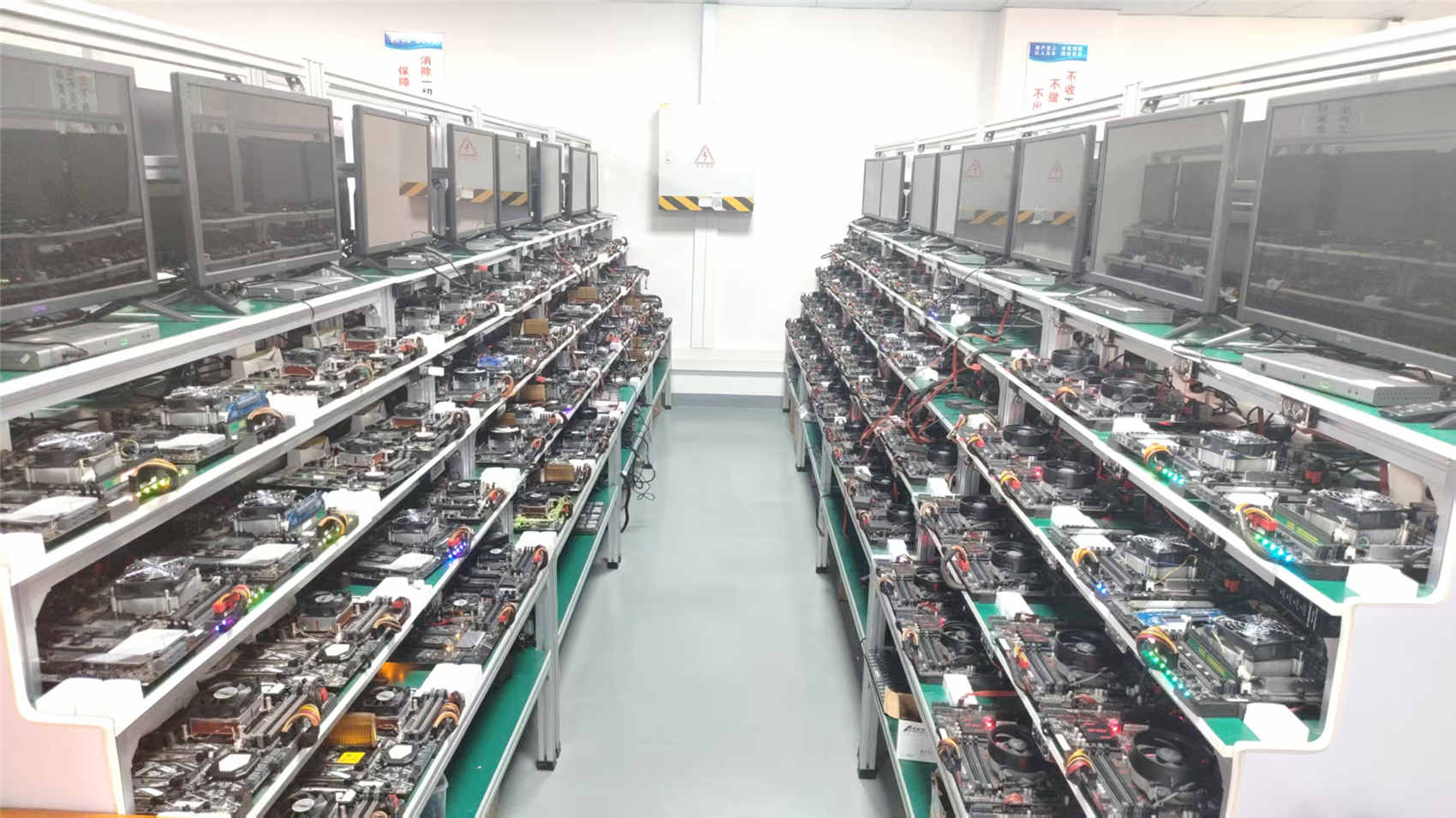
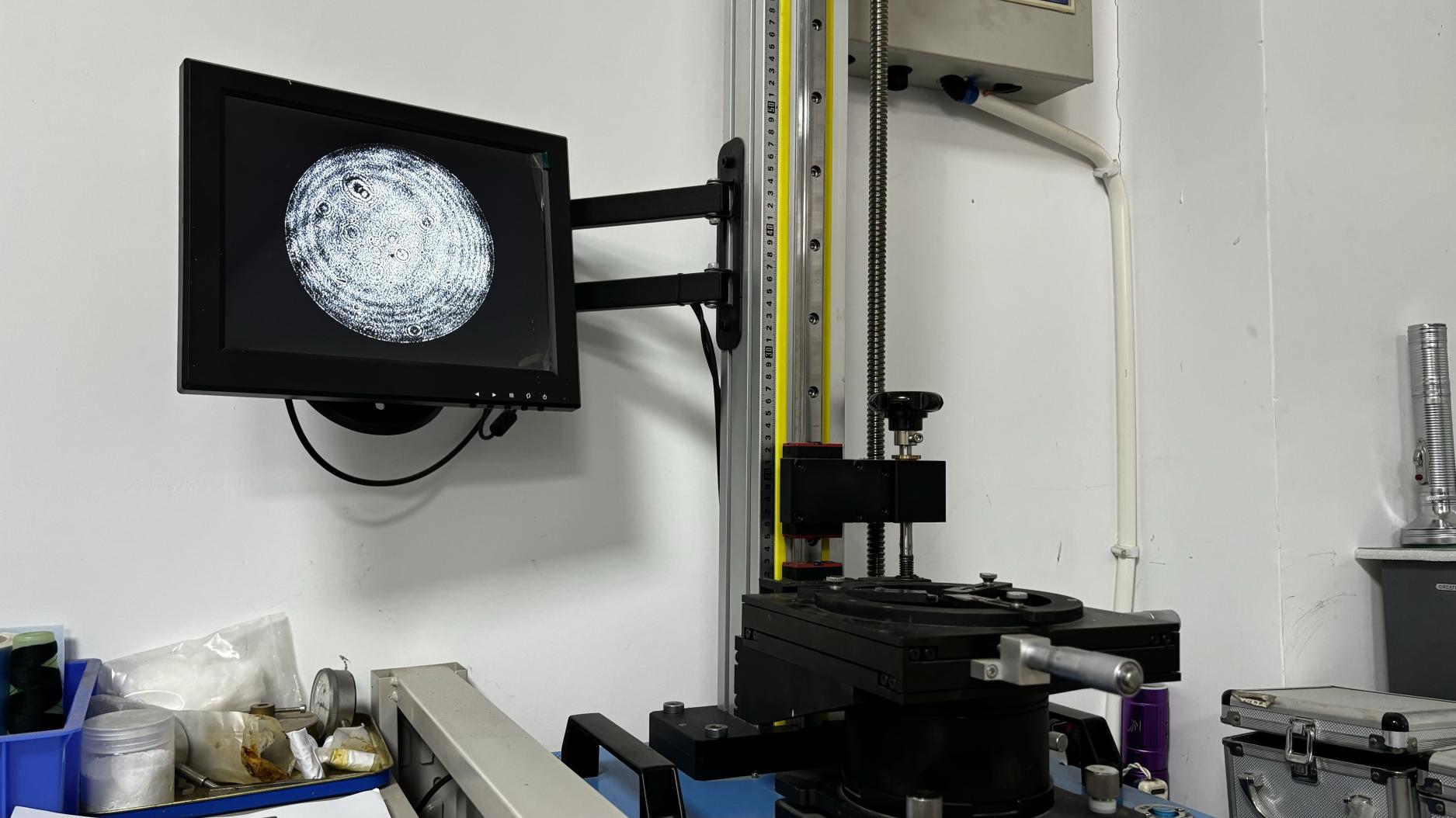
Our QC division employs 45 specialized QA/QC professionals who enforce a rigorous double-tier testing cycle. Systems undergo 100% full inspection, combined with random reliability sampling. Key processes include Automated Optical Inspection (AOI), thermal stress testing chamber cycling, long-term burn-in under heavy simulation loads, and storage subsystem parity verification.
Navigating transnational regulations, localized data standards, and quality certifications is essential for global operations. Bexora takes a proactive compliance-first approach, guaranteeing seamless deployment within your jurisdiction.
Our hardware conforms to global certifications including CE, FCC, RoHS, and ISO 9001 standards. This ensures safety, EMI/EMC compliance, and environmentally safe design for enterprise server closets and high-density colocation facilities.
We support advanced security specifications including TPM 2.0, secure boot verification, and AES-256 block-level encryption. These properties enable compliance with GDPR, HIPAA, and domestic data security directives, protecting critical information from localized exposure.
Our export operations are backed by remote technical engineering support and spare-part warehouses. This localized setup guarantees rapid replacements and round-the-clock remote diagnostics, minimizing recovery time during incidents.
Enterprise storage structures are not one-size-fits-all. Different operating environments present unique challenges that can only be solved through tailored SAN configurations.
Core banking databases demand constant read/write access with microsecond latencies to process electronic fund transfers (EFT) and transaction registers. Fiber Channel (FC) SAN configurations deployed with zero-fail multi-path controllers prevent processing deadlocks and secure ledger consistency.
AI deep learning models require rapid processing of large training datasets. Deployed over NVMe-oF and RoCE v2, our high-density server configurations bypass network processing overhead, delivering massive block-level throughput straight to GPU computational nodes.
Healthcare PACS (Picture Archiving and Communication Systems) demand massive storage space alongside rapid file retrieval for diagnostic imaging. A structured hybrid SAN platform delivers high-speed active storage tiers for current files, while integrating high-capacity SAS/HDD pools for long-term clinical archives.
Take a virtual tour of our 18,600 square meter factory floor, clean-room assembly lines, QA testing chambers, and global shipping warehouses.


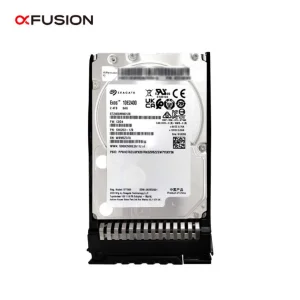
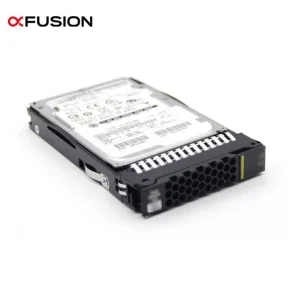
Select from our high-performance components, high-density server configurations, and solid-state expansion drives to complete your datacenter storage network.