Bexora
Bexora
Bexora
Explore our high-performance hardware modules designed for low-latency voice routing, virtualization, and SIP infrastructure scaling.
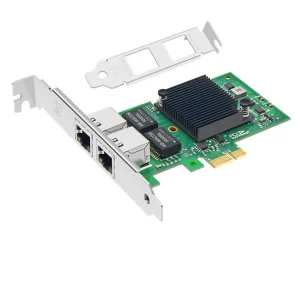
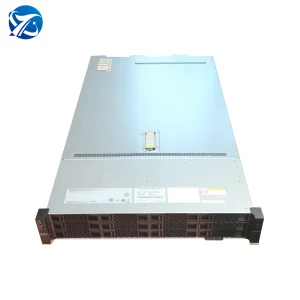


Navigating the paradigm shift toward highly integrated AI computing, cloud network virtualization, and carrier-grade hardware.
The global telecommunication sector has undergone an structural migration. Traditional legacy hardware circuits, Public Switched Telephone Networks (PSTN), and dedicated Private Branch Exchange (PBX) systems are now almost completely superseded by software-defined
As 5G networks establish global dominance and Internet-based business communications shift to Unified Communications as a Service (UCaaS), the requirements for underlying server systems have transformed. Modern VoIP platforms are no longer just basic SIP signaling hosts; they are massive virtualization hubs. They run Session Border Controllers (SBCs), media processing engines, interactive voice response (IVR) systems powered by artificial intelligence, and centralized billing platforms. These software engines demand maximum hardware reliability, fast packet processing speeds, and reliable storage subsystems to prevent voice packet drops and ensure high Quality of Service (QoS).
Furthermore, the integration of Large Language Models (LLMs) and real-time AI agents (such as DeepSeek cloud integrations) has introduced a new tier of computing requirements. Telecom servers must now process not only audio feeds but also real-time transcription, natural language understanding, and synthetic voice responses. This trend increases the demand for specialized, high-density CPU structures, highly reliable ECC memory modules, and high-throughput NVMe flash storage to minimize critical access latency.
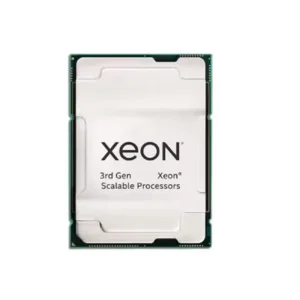
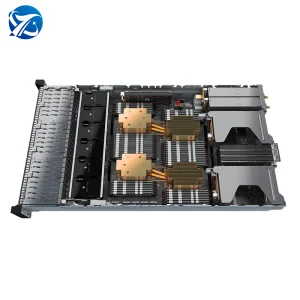
Reducing packet jitter and system interrupt times using high-frequency Intel Xeon and AMD EPYC architectures, vital for maintaining high-quality SIP audio.
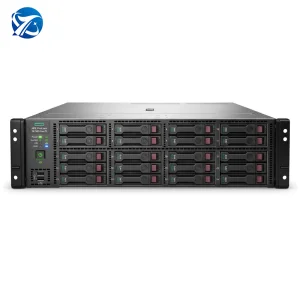
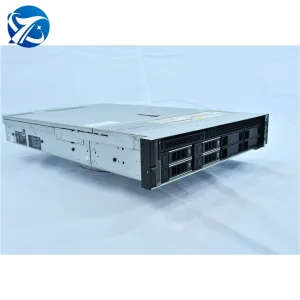
Maximizing VM deployment per rack unit (1U/2U) with multi-core processors, support for large RAM arrays, and redundant PCIe controllers.
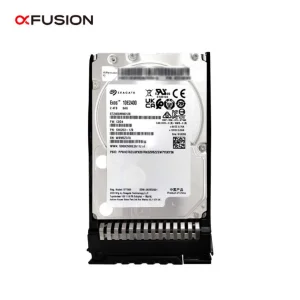
Integrating robust TPM modules, secure boot options, and SAS RAID configurations to safeguard customer call detail records (CDR) and prevent system compromises.
Unveiling the operational scale, precision quality control, and supply chain ecosystem of Bexora AI Systems.
As a leading supplier of AI and telecom hardware components,
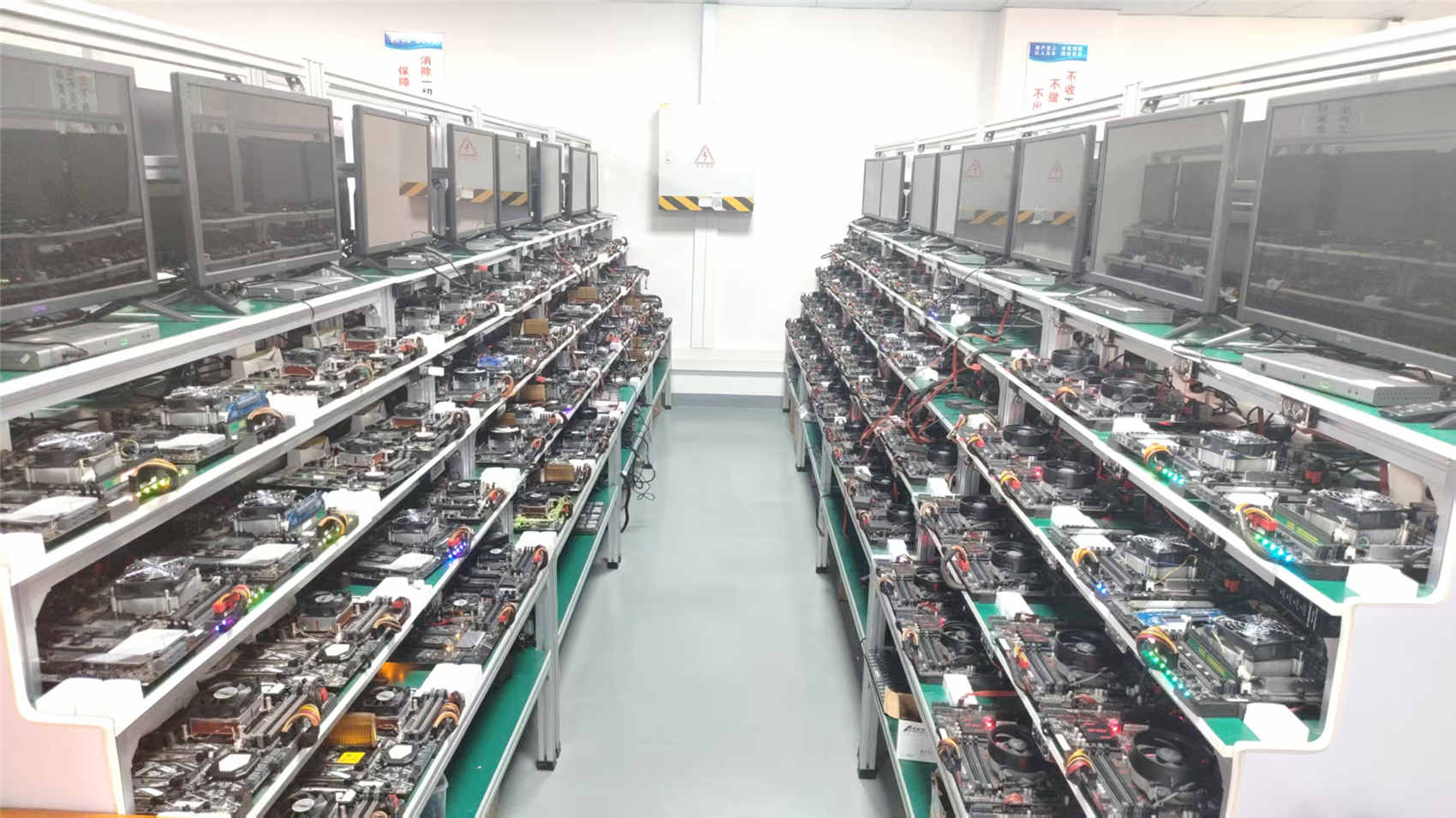
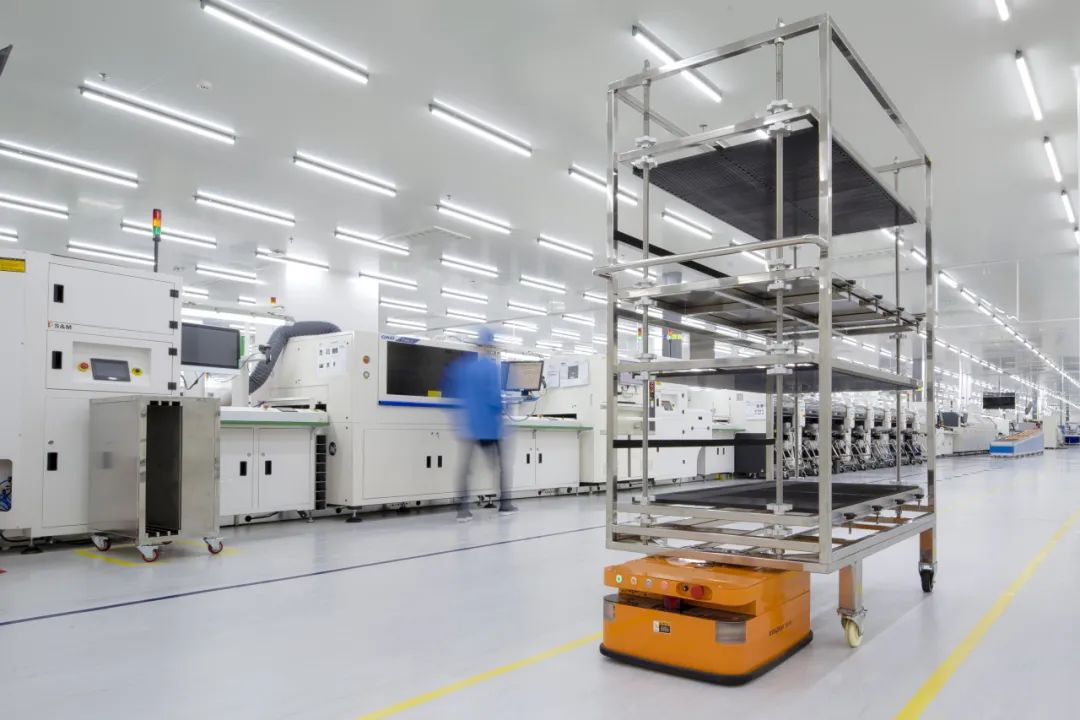
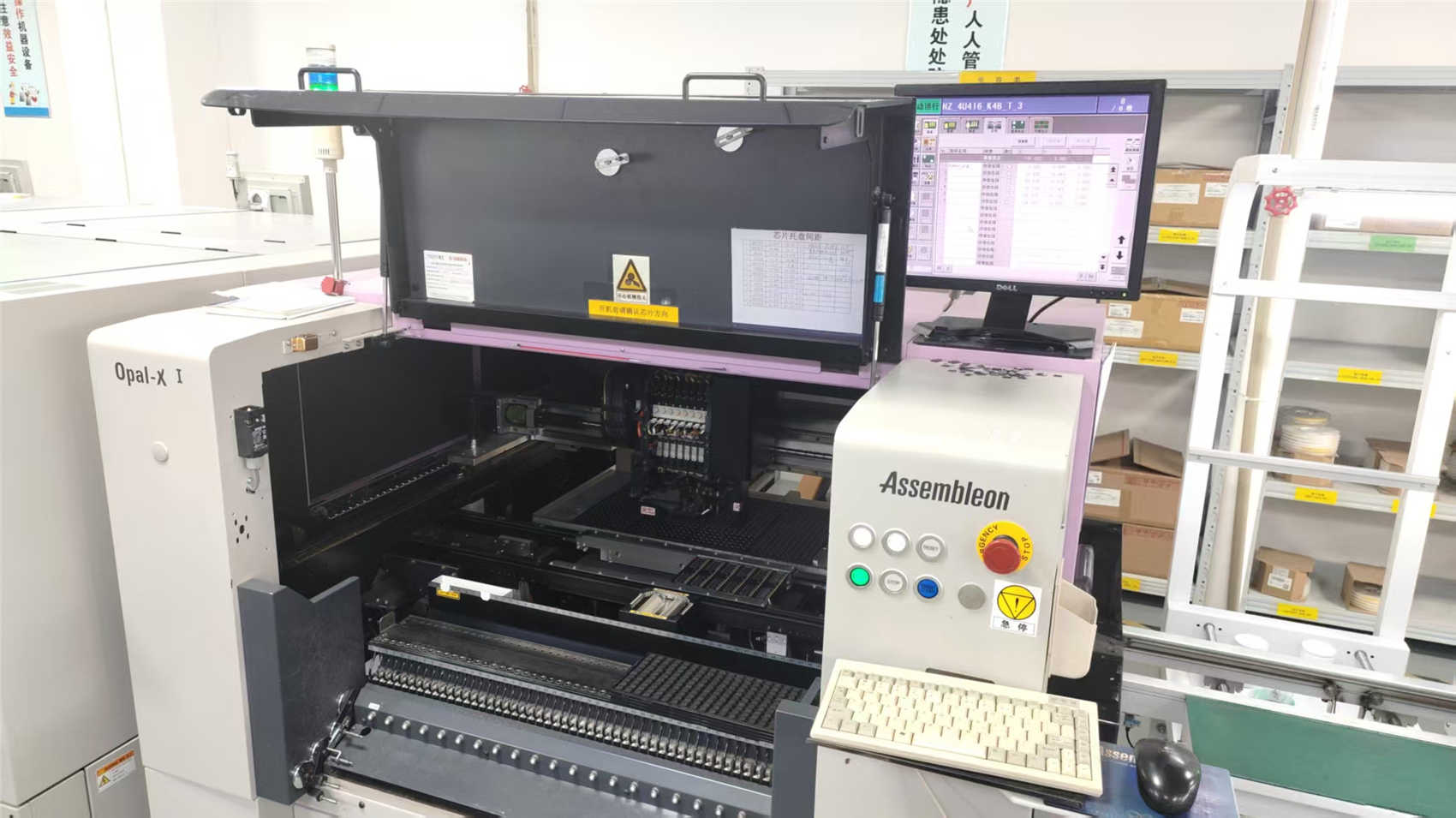
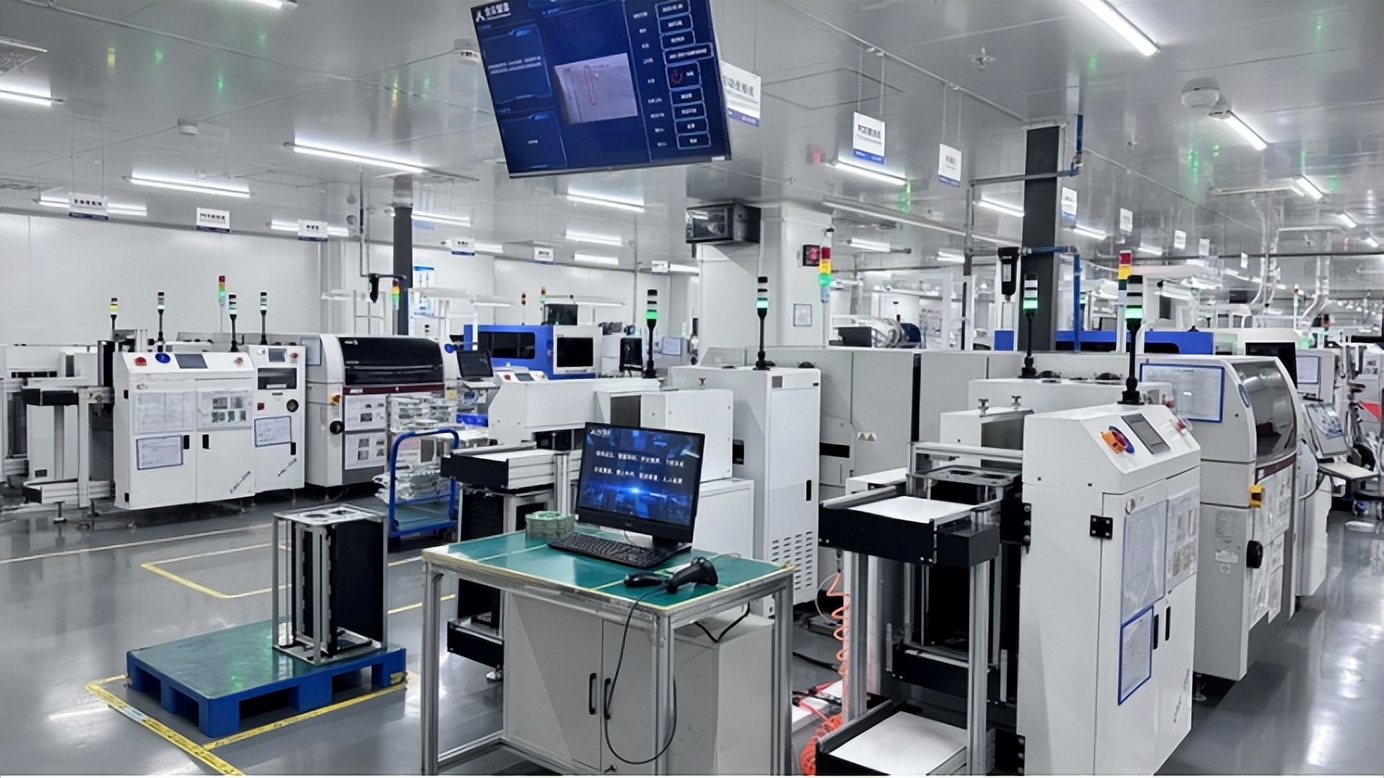
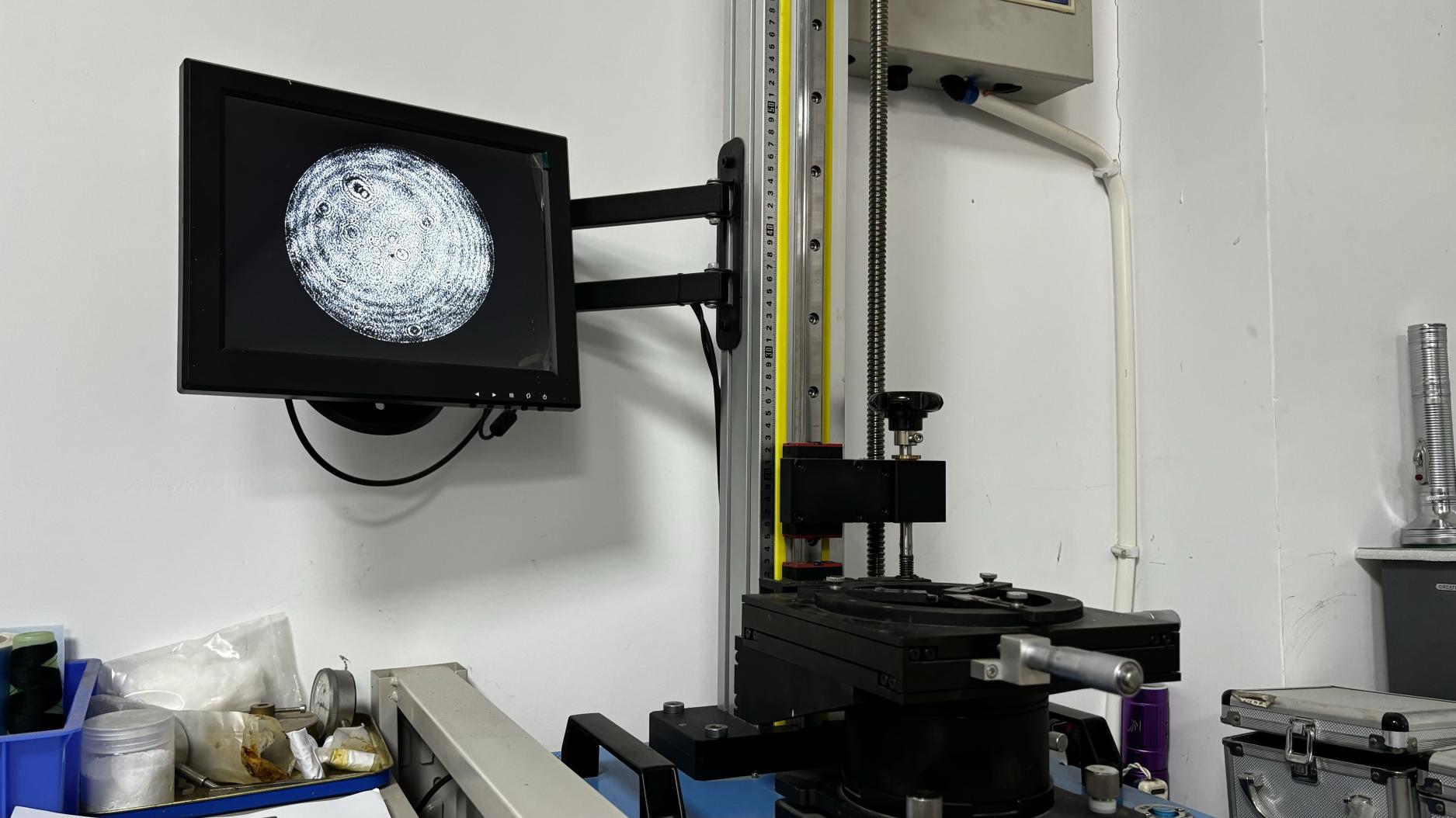
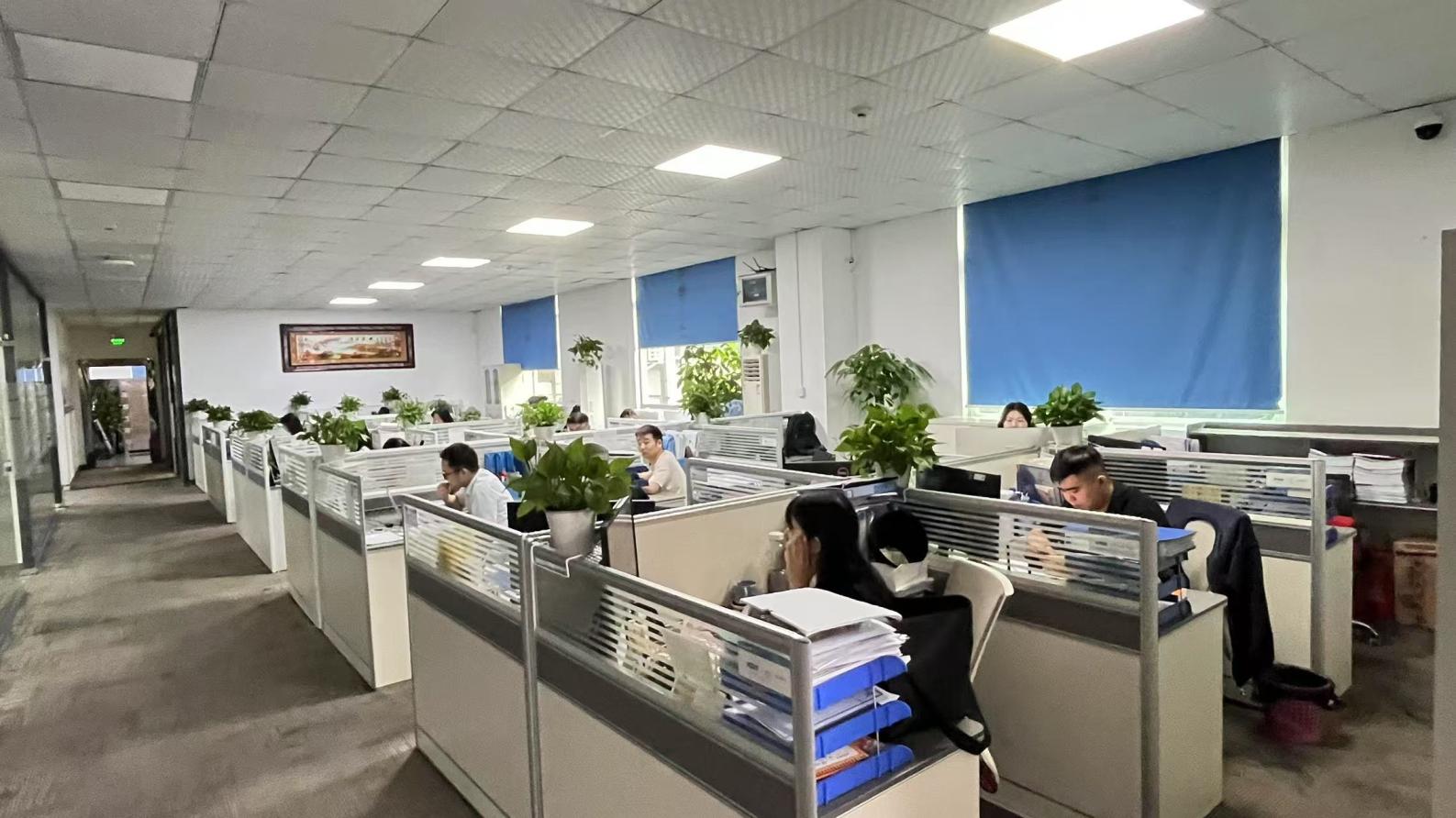
In the telecom and VoIP hardware market, reliability is essential. System down-time leads to lost connection, call failures, and customer churn. To address these demands, Bexora maintains a strict quality control strategy. With an experienced quality control team consisting of 45 certified professionals, the factory implements a dual-layer strategy: 100% full inspection across manufacturing lines combined with random sampling reliability testing. Every server system undergoes a rigorous qualification path, including thermal stress simulation, automated optical inspection (AOI), firmware validation, and full system workload testing prior to packaging and dispatch.
This operational framework enables Bexora to maintain strong OEM/ODM agility, offering global partners custom configurations for server chassis, specialized liquid cooling loops, thermal monitoring setups, and tailored BIOS optimization. Over 12 years of industry engineering experience and 7 years of active global export success underpin Bexora’s capacity to supply high-demand markets in North America, Europe, Southeast Asia, and the Middle East.


From high-density enterprise communication systems to core carrier networks.
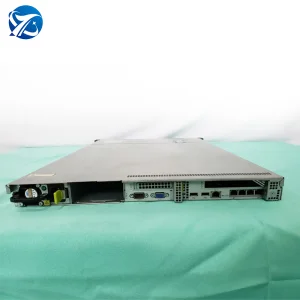
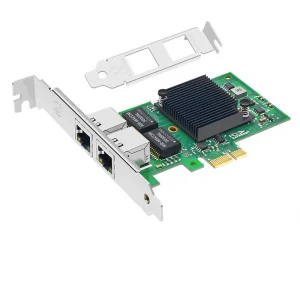
VoIP carrier networks handle millions of concurrent sessions that route voice and video signals across multiple providers. Modern carrier softswitches require hardware platform stability with quick system interrupt management. Utilizing 1U and 2U rack systems loaded with multi-channel PCIe RAID controllers (like the 9540-8i) ensures safe log storage and fast routing table access. This architecture minimizes latency and avoids dropped packets during peak calling hours.
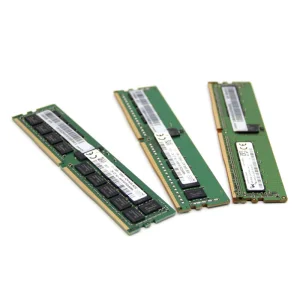
Modern customer support centers are evolving. Standard voice menus are giving way to conversational AI agents. Running voice recognition models locally on server systems requires balanced hardware paths. High-performance processors, combined with fast ECC RAM (such as Bexora's DDR4 and DDR5 memory modules), provide the bandwidth needed to handle concurrent audio stream analysis, real-time translation, and natural speech synthesis.
Large international organizations depend on localized PBX nodes to coordinate global teams. Placing rack-mount servers at local offices helps process calling traffic locally, which reduces external bandwidth usage and lowers wide-area network latency. The hardware needs to support virtualization platforms (like VMware, Hyper-V, and KVM) to run multiple instances of SBCs, voice recorders, and monitoring tools on a single machine.
Financial institutions and health networks must record, secure, and archive call audio files to comply with industry rules. These workloads require reliable server arrays with high write endurance. Integrating PCIe solid-state storage (such as NVMe EP600 or enterprise SATA PM897 SSDs) ensures fast, secure write capabilities and high write endurance for continuous, parallel audio recording streams.
Adapting your hardware acquisition strategy to align with future technology changes.
The telecom ecosystem is evolving rapidly. We are seeing a transition from older architectures toward containerized, microservices-oriented network functions. Instead of deploying large monolithic applications, modern teams use cloud-native tools to run lightweight SIP elements on Kubernetes containers. This shift makes systems more flexible and scalable, but it places a heavier burden on physical server hardware.
To support this architecture, modern servers must offer robust CPU resource allocation and strong hardware isolation. Upgrading to newer generation systems (such as Dell PowerEdge R660 and xFusion 2488H v7 models running modern multi-core processors) gives engineers the core density required to virtualize session border control, system monitoring, and signaling logic side by side.
Additionally, keeping data accessible and preventing bus bottleneck issues is key. As systems move to PCIe Gen 4 and Gen 5 pathways, memory speeds and storage bus bandwidth become critical design factors. Upgrading systems with high-density DDR4/DDR5 ECC RAM modules and NVMe storage cards prevents input/output bottlenecks, ensuring your network infrastructure can handle increasing numbers of concurrent calls.
Answers to common questions regarding carrier-grade hardware configuration, reliability, and server optimization.
Source high-reliability components, memory expansions, and processing upgrades directly from our factory.