Bexora
Bexora
Bexora
High-density computing servers and power solutions supporting modern high-throughput Unified Threat Management (UTM) networks.
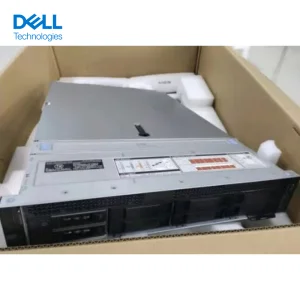
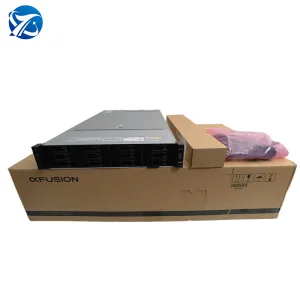
As enterprise networks morph into decentralized, multi-cloud topologies, traditional perimeter protection schemes are no longer sufficient. Unified Threat Management (UTM) has evolved from basic consolidated firewalls to complex security nodes capable of performing real-time deep packet inspection (DPI), high-speed virtual private networking (VPN), SSL/TLS decryption, anti-malware filtering, and threat intelligence mapping at scale. The global UTM landscape is experiencing unprecedented growth, projected to expand rapidly as companies attempt to consolidate security costs while maintaining performance.
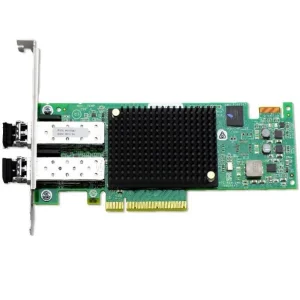
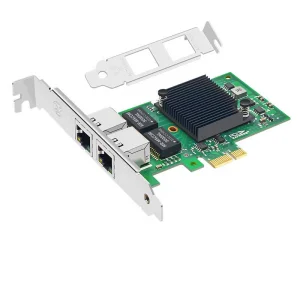
Globally, industrial operators, telecommunication networks, and large cloud data centers face a dual challenge: skyrocketing throughput requirements and sophisticated cyber attacks that target hardware vulnerabilities and API pipelines. Because processing multi-gigabit traffic with comprehensive security filters demands immense computational capability, contemporary UTM solutions rely on custom high-performance computing (HPC) server designs, high-end storage arrays, and accelerated network interface cards (NICs) to maintain continuous low-latency execution.
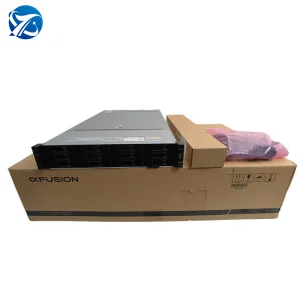
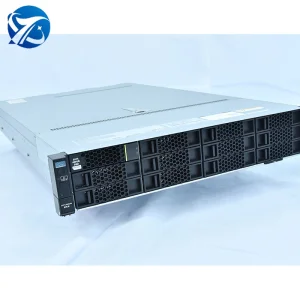
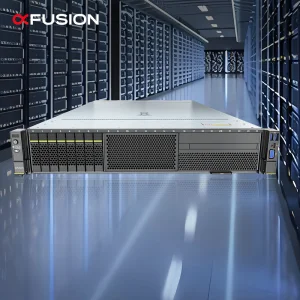
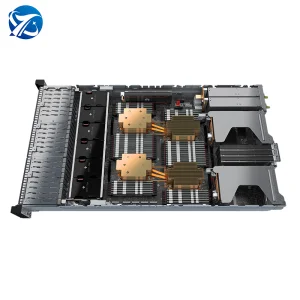
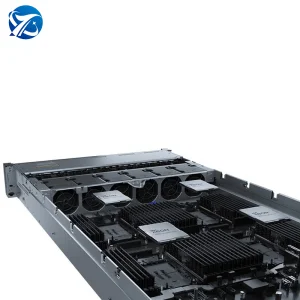
SEO Insight & Information Gain: True network resilience is achieved when Unified Threat Management architectures are tightly coupled with the bare-metal hardware. Modern high-density multi-socket servers, like the xFusion FusionServer or HPE ProLiant Gen12 systems, act as the underlying processing bedrock, permitting multiple virtualized security kernels to scan network traffic concurrently without introducing latency bottle-necks.
For systems architects and security decision-makers, several transformative developments define the trajectory of the hardware-oriented security space:
In highly regulated regions such as the European Union (under GDPR regulations), North America (HIPAA/PCI-DSS compliance), and the Middle East, UTM systems must be localized to comply with distinct security rules. By selecting enterprise-grade server frameworks, systems engineers can install customized local network software (e.g., OPNSense, pfSense, or proprietary corporate security suites) directly onto physical hardware, ensuring total control over data sovereignty and storage locales.
Your premier OEM/ODM manufacturing partner for AI GPU servers, network hardware, and custom enterprise computing infrastructure.
Equipped with 160 specialized system integration engineers. Last year alone, we delivered 120 product iterations and new system configurations.
Led by a staff of 45 quality assurance technicians. We implement a 100% full-inspection system paired with systematic reliability validation.
Direct collaboration with approximately 860 trusted upstream and downstream hardware component suppliers to ensure constant, disruption-free supply chain flow.
To ensure system continuity for data-intensive UTM deployments, Bexora AI Systems enforces a rigorous, multi-layered quality control framework. Before shipment, every server, controller board, and component undergoes tests designed to replicate severe real-world operational pressure:
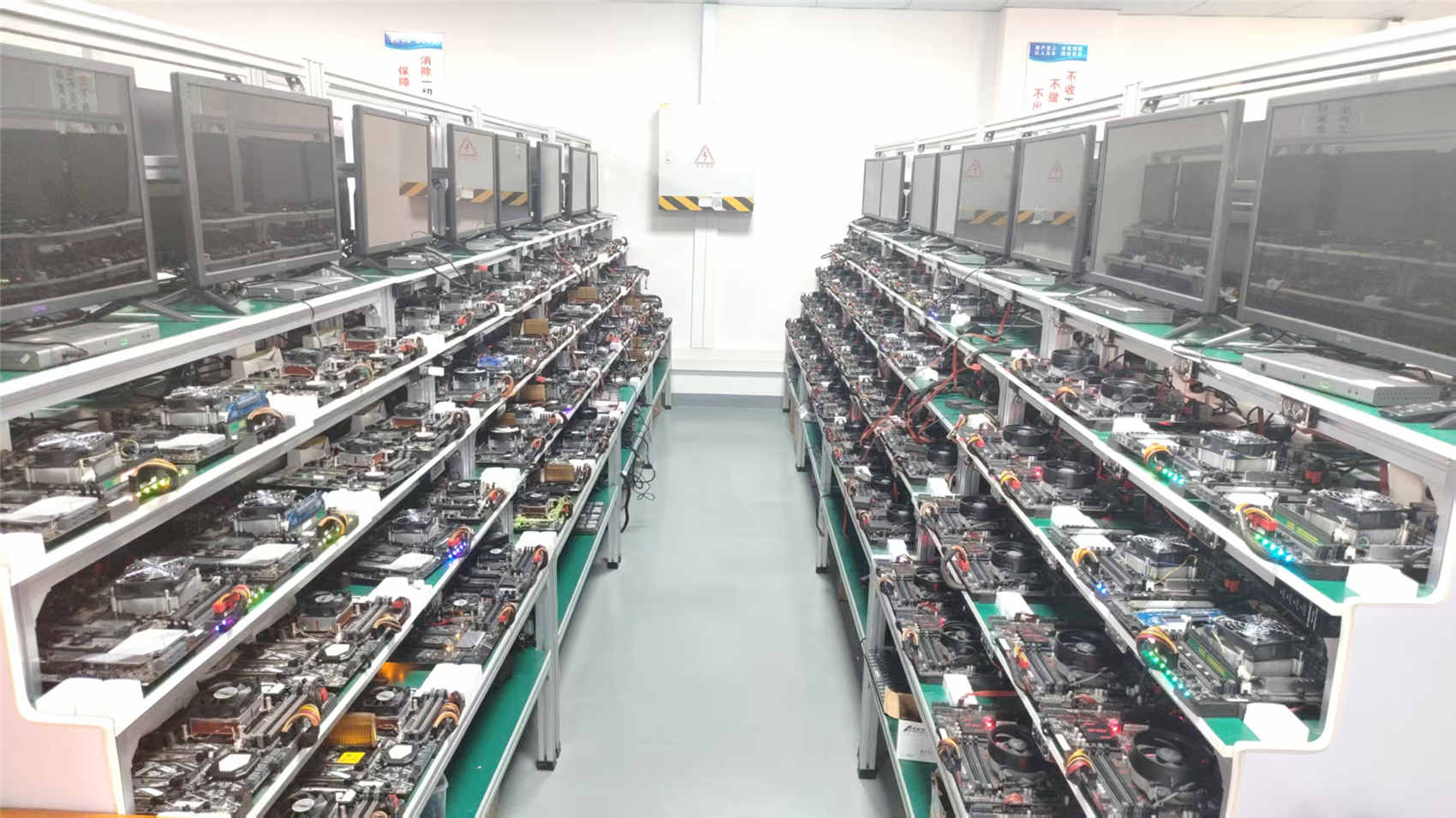
Devices run under heavy stress inside environmental test chambers, raising ambient temperatures to identify weak solder joints or component defects early.
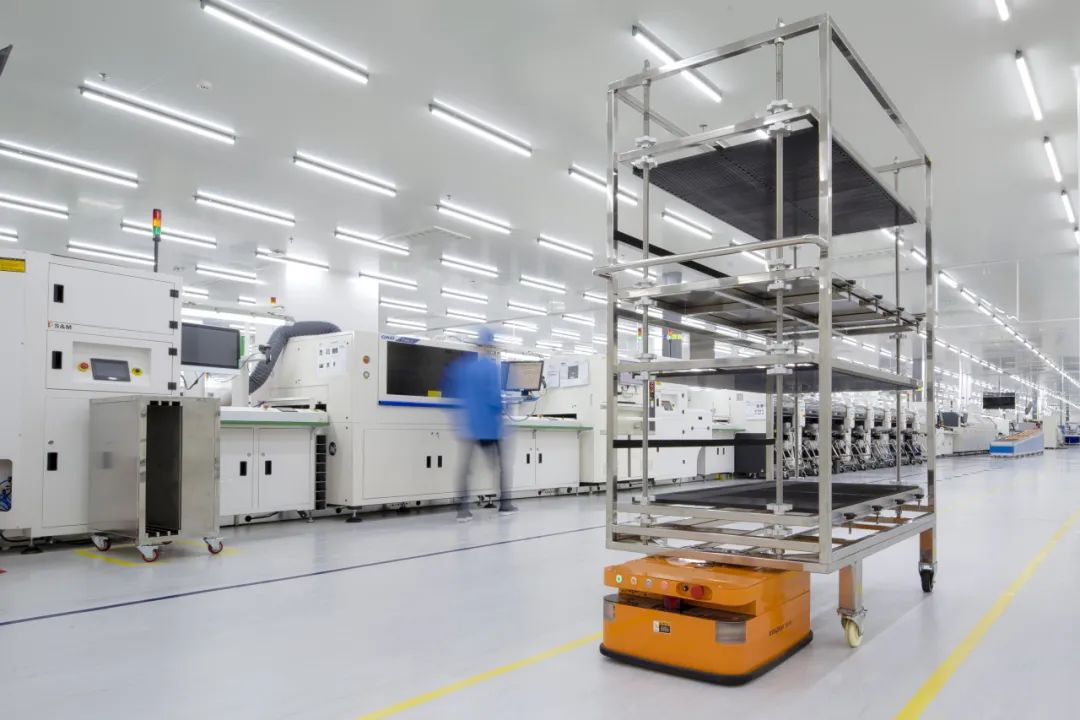
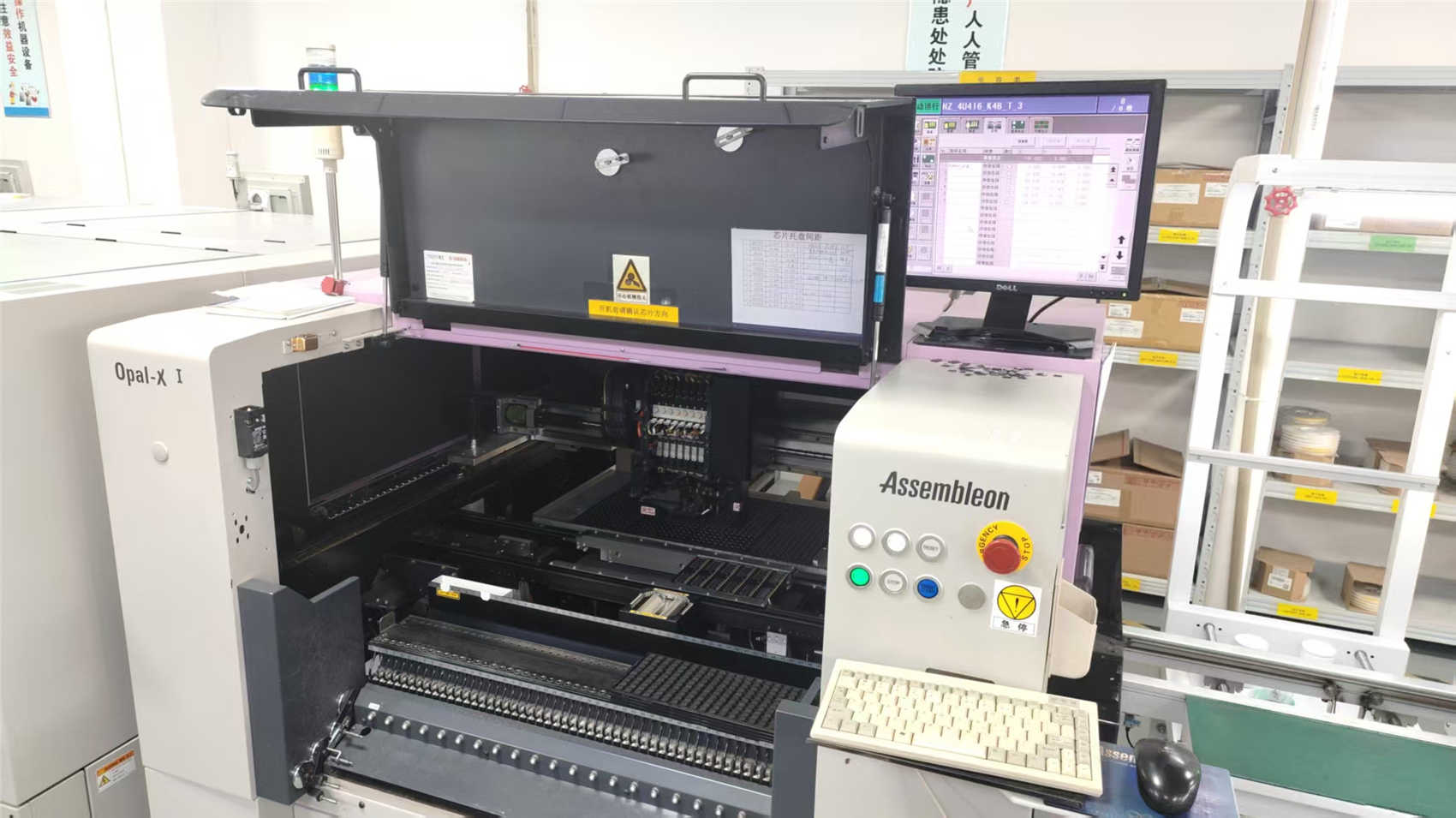
High-precision vision systems inspect PCB layouts down to the micrometer, ensuring that all electrical connections and trace pathways match nominal designs.
Our quality verification processes also include comprehensive firmware validation checks and full-scale AI workload emulation tests. By mimicking real network stress scenarios, we ensure that every hardware stack—from custom RAID controllers to GPU server frames—runs reliably even when handling persistent high-load data streams.
As networks expand, UTM performance demands rise. Bexora's hardware roadmap is engineered to support the next generation of cybersecurity demands:
Migrating primary connectivity systems to PCIe Gen 5 configurations, enabling maximum bandwidth throughput and zero-loss packet forwarding in deep-packet security scanning operations.
Standardizing computing layouts to host low-power edge tensor cores, facilitating real-time heuristic anomaly detection without routing traffic to central cloud processors.
Implementing physical hardware partitioning on security modules, guaranteeing that compromised user-space processes cannot access protected cryptographic storage keys.
Bexora's hardware configurations address critical challenges across three primary industries:
Providing high-density computation clusters configured with redundant power distribution units (PDUs) and high-speed network interfaces, allowing operators to run multi-tenant AI systems with integrated firewall security.
Rugged, compact 1U/2U server platforms equipped with reliable RAID arrays, designed to operate in factories and process real-time sensor streams while preventing unauthorized edge intrusion.
Advanced routing nodes designed for corporate offices, combining security, VPN, and routing functions into a single system, significantly reducing deployment footprint and infrastructure costs.
Expert answers regarding UTM hardware architectures, server customizations, and global trade logistics.
Bexora specializes in high-performance hardware configurations that provide the substantial computational power required for Unified Threat Management (UTM) processes. We configure systems with high-end CPUs, expansion cards, and networking interfaces, ensuring zero-latency data inspection, SSL decryption, and active firewall filtering.
We offer full-spectrum design and engineering support, including custom chassis styling, specific networking card selections, bios/firmware modifications, power distribution upgrades, and customized liquid-cooling system integration.
Our 45-person QC department executes a rigorous verification process. We run 100% full testing, which includes AOI verification, thermal chamber testing, and continuous system stress testing, to guarantee that every system behaves reliably in continuous high-performance environments.
Yes. Our platforms support modern virtualization solutions (such as VMware ESXi, Proxmox, and KVM), enabling administrators to host secure UTM gateways, sandboxes, and policy managers on a single physical machine.
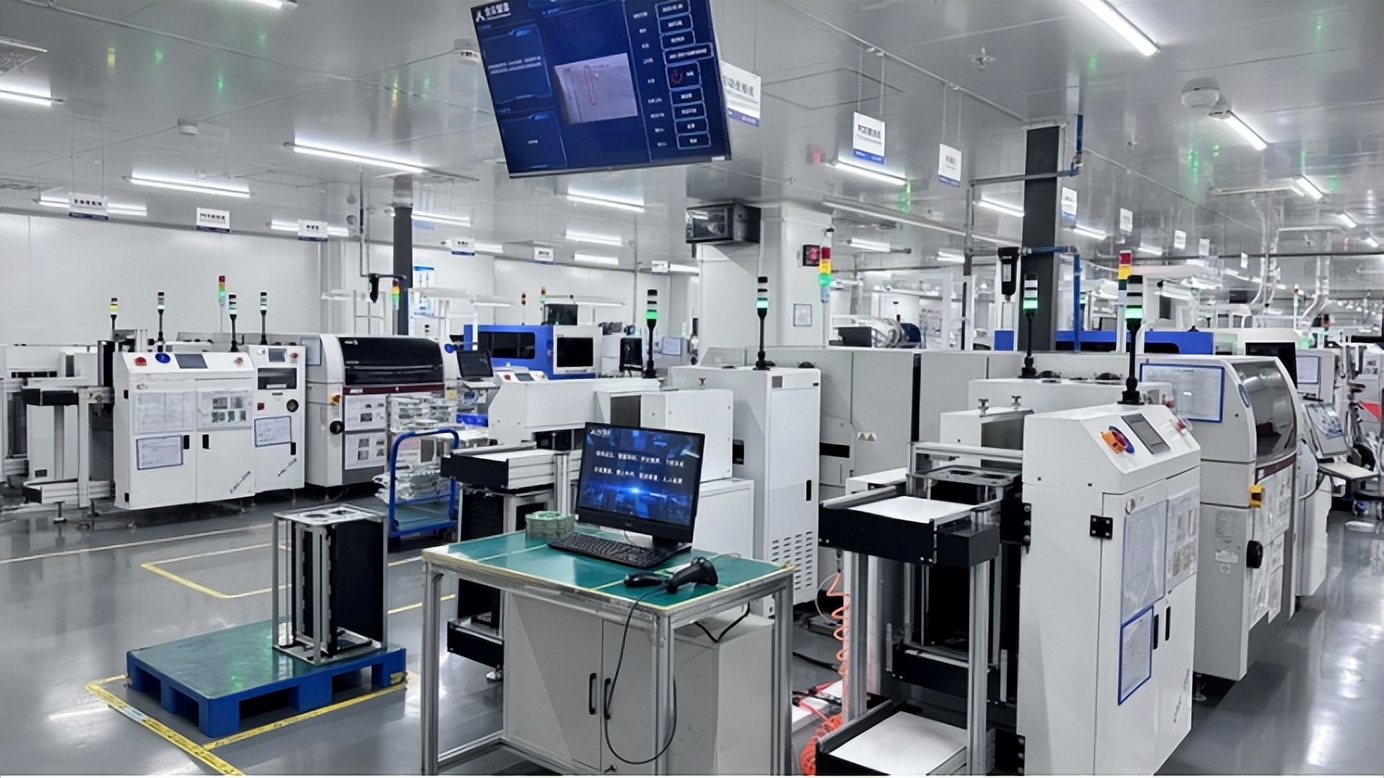
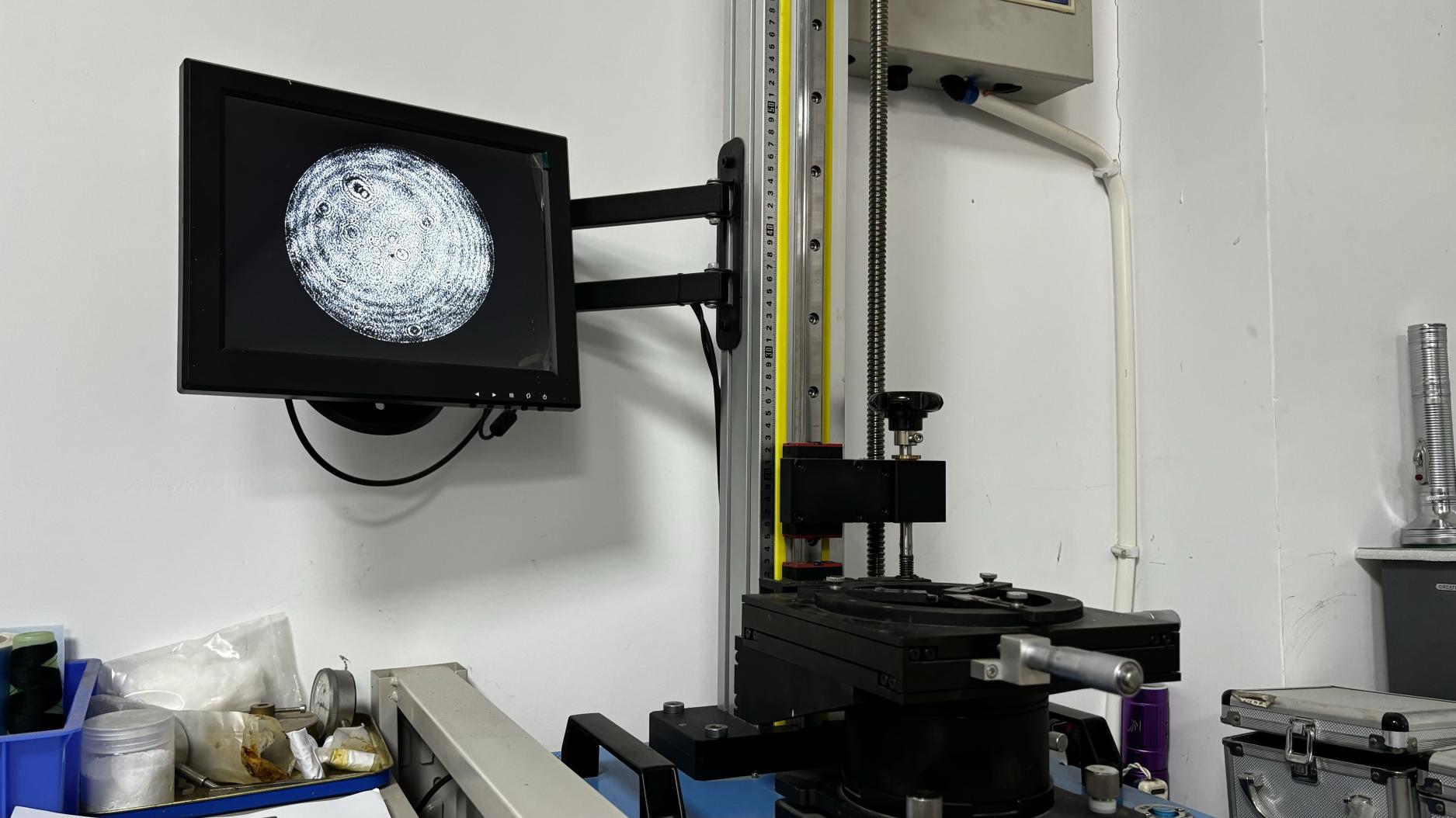
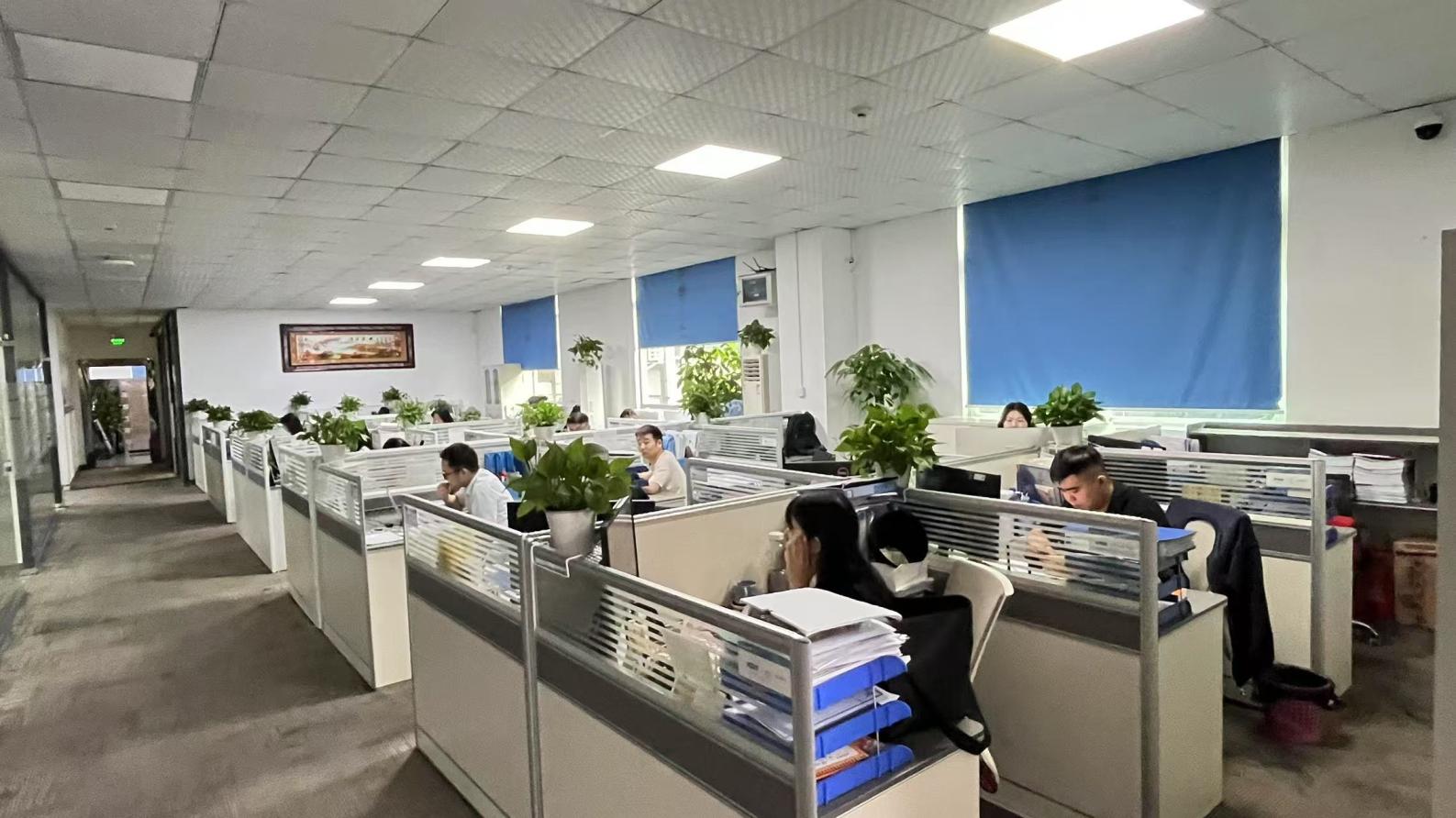
Take a look inside our 18,600㎡ manufacturing complex, showing our precision assembly areas and engineering labs.


High-performance network adaptors, array cards, and scalable servers to support and secure complex enterprise infrastructure.