Bexora
Bexora
Bexora
Select hardware platforms optimized for secure data processing, cryptographic workloads, and high-performance VPN clustering.
A technical exploration of cryptographic acceleration, low-latency secure connectivity, and high-performance server architectures for global deployment.
In the era of hyper-scale cloud deployments and highly distributed corporate environments, secure and performant communication is paramount. Virtual Private Networks (VPNs) serve as the bedrock of global enterprise networking, enabling private data channels across public networks. However, modern network topologies demand more than simple point-to-point tunnels. Today's architectures require scalable multi-tenant routing, zero-trust network access (ZTNA) frameworks, and cryptographic acceleration capable of handling multiple gigabits of concurrent encrypted traffic without introducing packet drop or processing lag.
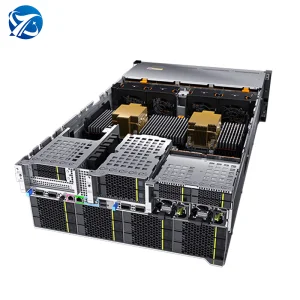
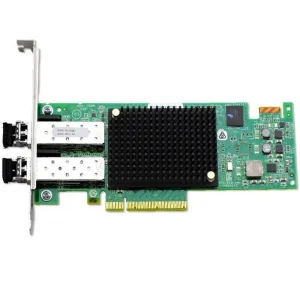
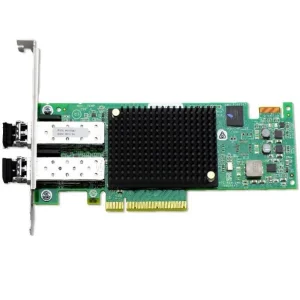
Hardware optimization is the key to maintaining this performance. By combining high-performance multi-core CPU architectures (such as Intel Xeon Scalable processors) with specialized network adapters and Host Bus Adapters (HBAs) like the Emulex LPe35000 series, organizations can offload intensive encryption processes (AES-GCM, ChaCha20-Poly1305, SM4) from the system kernels directly to the hardware. This structural partitioning ensures that routing processes do not starve application layers of compute resources, guaranteeing high throughput for databases, application layers, and AI pipelines.
Information Gain Concept: High-density processing of cryptographic keys is not merely a software challenge; it is fundamentally limited by PCIe bus bandwidth and thermal dissipation within the server rack. Choosing 1U or 2U compute configurations with optimized airflow and PCIe Gen4/Gen5 expansion routes directly affects VPN connection density limits.
Bexora AI Systems, working alongside elite technology vendors, architectures server nodes specifically optimized for high-density gateway deployments. The fusion of fast storage arrays (such as Enterprise SATA/NVMe HDDs and SSDs) with redundant computing clusters ensures near-zero downtime. Below is a structured blueprint of hardware components and their specific roles in high-throughput VPN and SD-WAN node installations:
| Hardware Component | Role in VPN / Security Infrastructure | Performance Impact / Feature set |
|---|---|---|
| Intel Xeon Scalable Servers | Main CPU platform processing routing logic and cryptographic routines. | Intel QAT (QuickAssist Technology) offloads crypto execution. |
| PCIe 4.0 / 5.0 HBA Cards | Low-latency SAN connectivity and peripheral interface control. | Ensures high-speed data flow between compute node and security modules. |
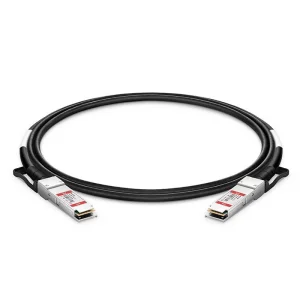
| QSFP+ 10G/40G DAC Cables | High-speed, physical direct attachment for switch-to-server paths. | Minimizes signal jitter and physical layer latency under high packet loads. |
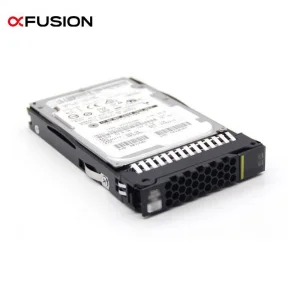
| Enterprise-class Storage (SATA/SAS) | Logging, traffic telemetry storage, and security state management. | Supports write-heavy system audit logs with high MTBF (Mean Time Between Failures). |
A key component in the data path is the network interface layer. By utilizing active optical components and low-latency DAC systems (such as the QSFP-10G High-Speed Direct-Attach Cables), system architects avoid the processing overhead of standard media converters. This allows raw network interface throughput to directly reach memory arrays via DMA (Direct Memory Access), bypasses kernel-space network stacks using technologies like DPDK (Data Plane Development Kit), and achieves true wire-speed encryption performance.
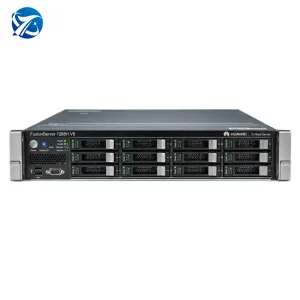
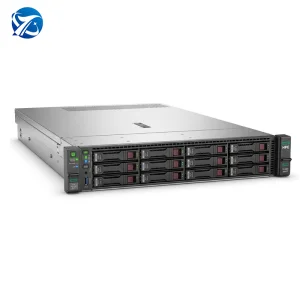
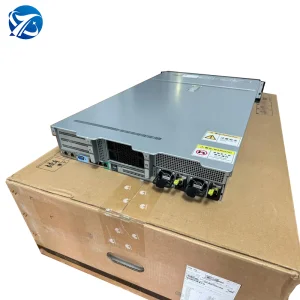
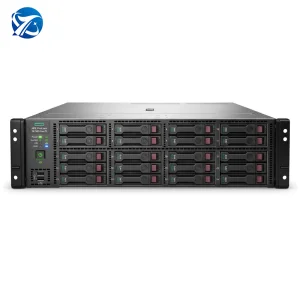
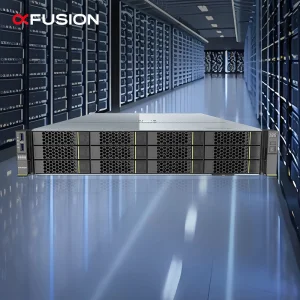
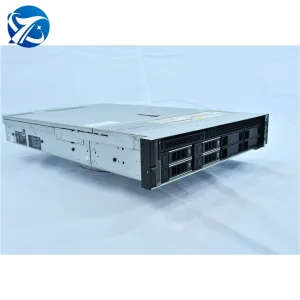
Enterprise networking demands vary heavily across industrial verticals. Manufacturers requiring real-time telemetric aggregation across discrete, worldwide manufacturing sites deploy local hardware VPN nodes at edge locations. These gateways compile sensory metrics, encrypt them locally, and feed them securely to a central hybrid cloud environment where compute platforms (such as the HPE DL360 Gen11 or xFusion FusionServer 2288H V7) aggregate the datasets for predictive AI analytics.
Furthermore, cross-border corporate communication must adhere strictly to compliance regimes such as GDPR in Europe, HIPAA in healthcare environments, and the China Cryptographic Development Regulations. Relying solely on software-level proxies introduces leakage risks and lacks high-level cryptographic assurance. Hardware security modules (HSMs) integrated into high-speed rack servers offer hardware-bound key storage, meaning encryption keys cannot be read or modified by malicious processes operating within the host operating system.
Bexora operates an expansive network of 860 supply chain partners, ensuring highly efficient sourcing of critical raw components, including high-capacity storage drives, network interface controllers, and high-frequency microprocessors. This integration enables customized OEM/ODM builds where standard computing layouts are optimized for secure hyper-converged network appliances.
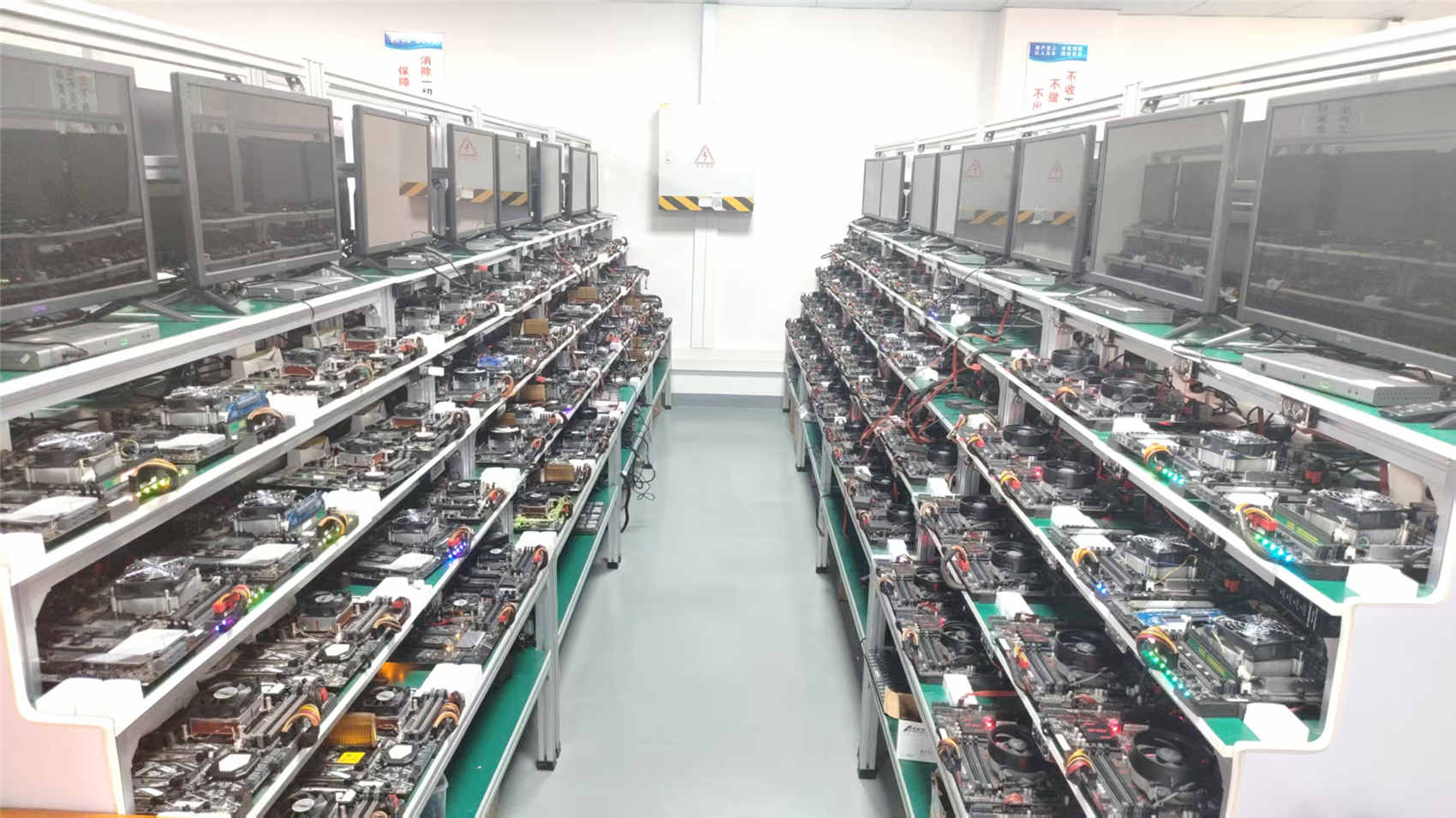
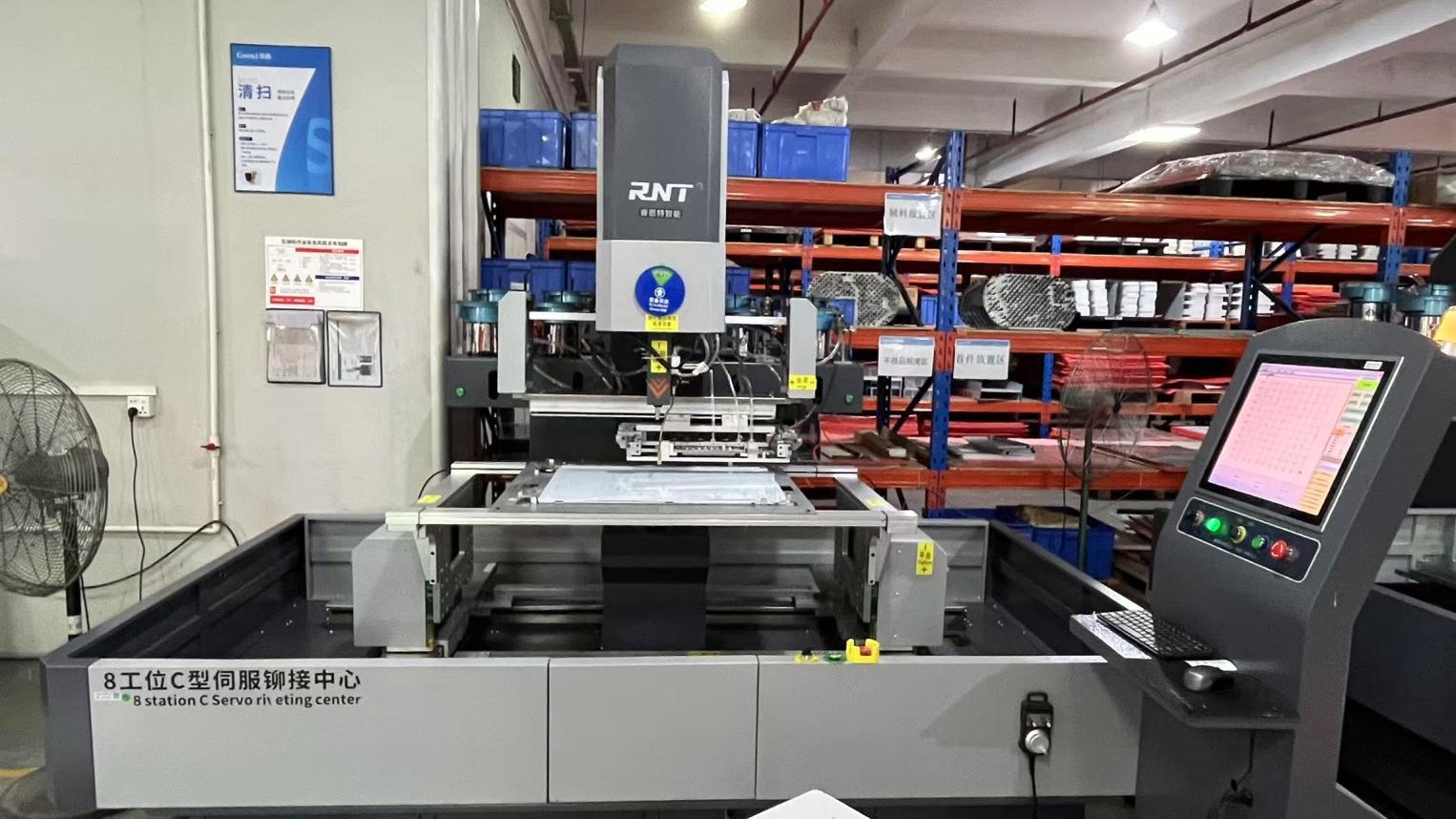
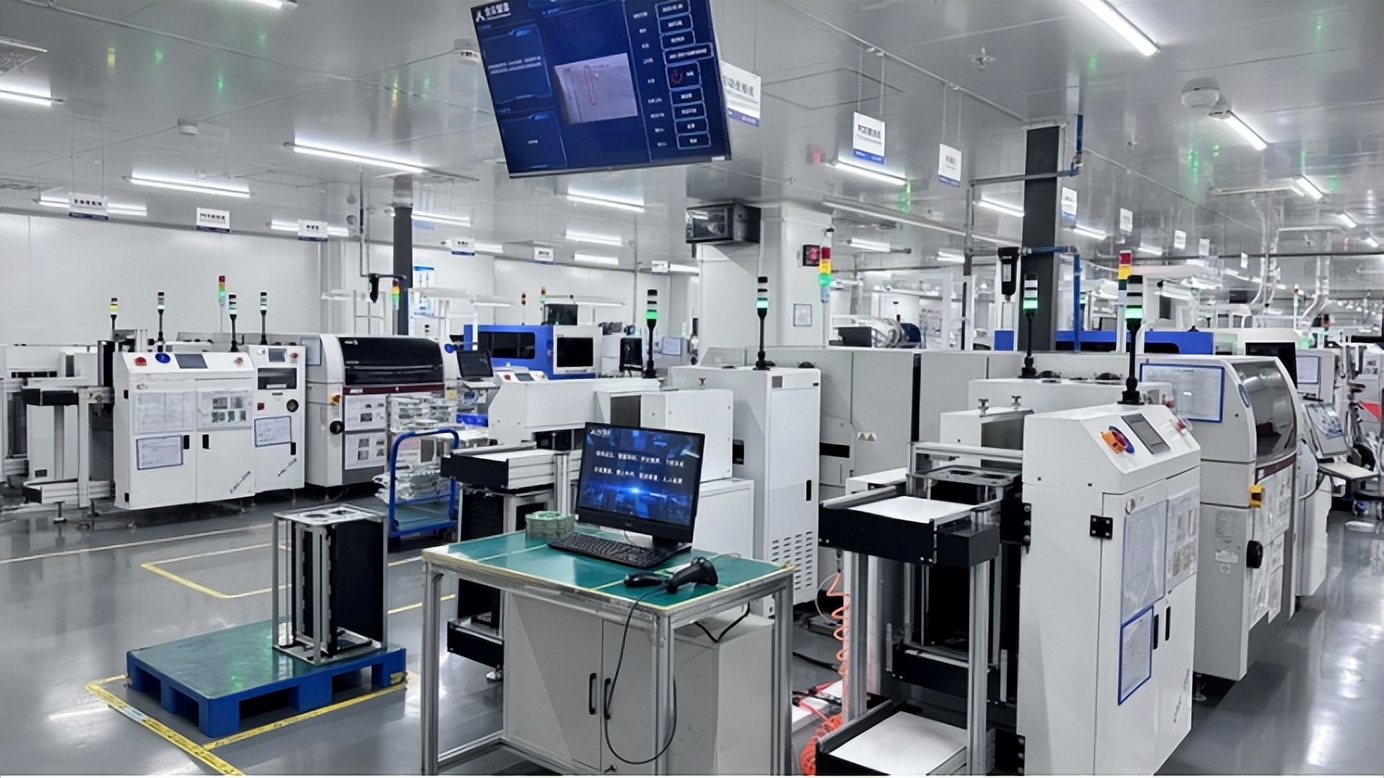
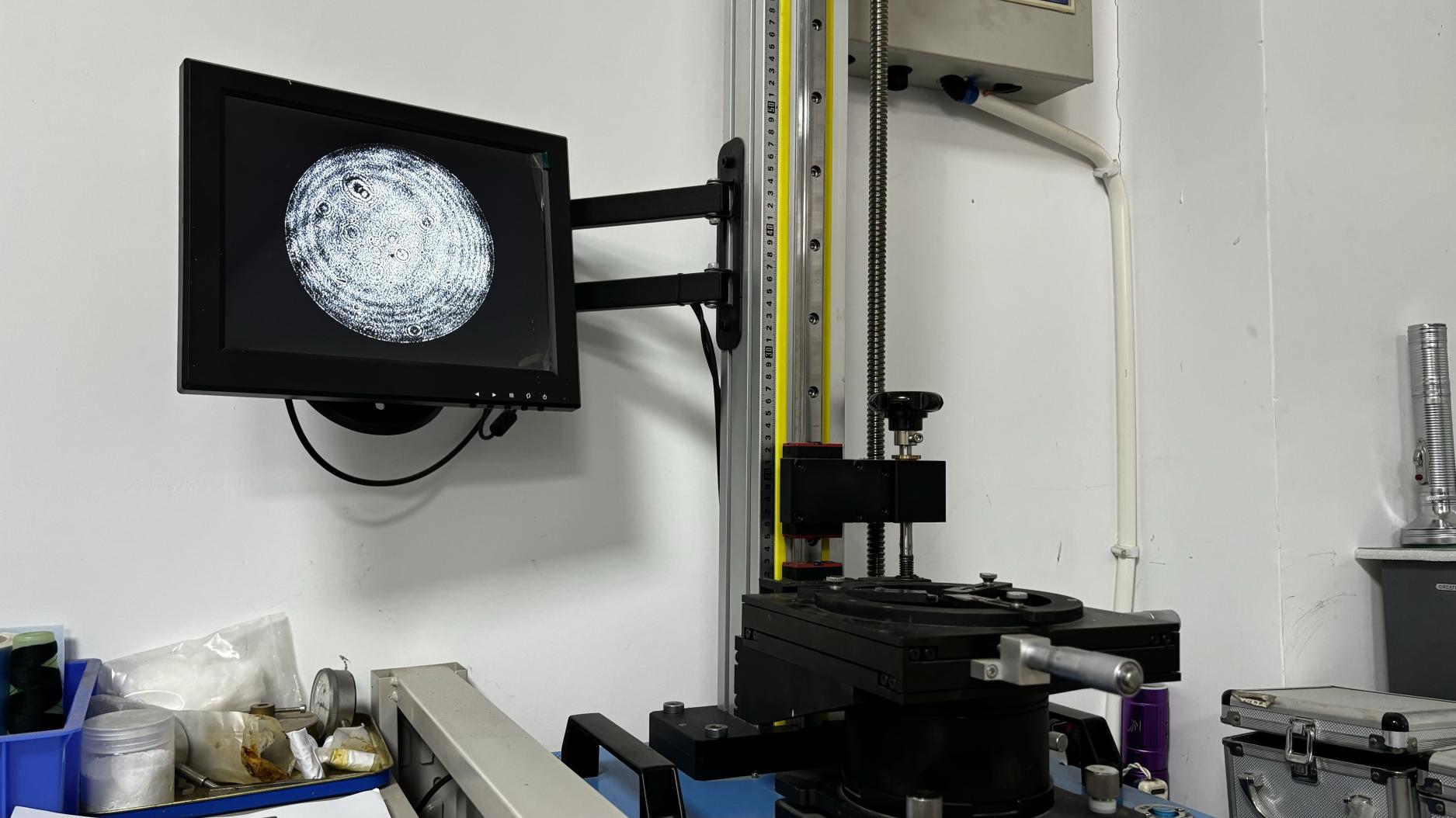
During manufacturing, security validation is standard. R&D design practices isolate the hardware root of trust (RoT) at the board level. The engineering team of 160 professionals executes low-level firmware builds that verify boot code signatures before running the host OS. The 45-member quality inspection team manages structural AOI (Automated Optical Inspection), thermal cycle burn-in testing, and continuous hardware load loops, ensuring all manufactured VPN appliances and computing nodes deliver reliable operation in mission-critical corporate networks.
Expert technical answers addressing architecture, crypto-acceleration, performance bottlenecks, and procurement.
Software-based VPNs rely on standard CPU instruction sets to process encryption algorithms like AES or ChaCha20, creating a processing bottleneck. Hardware-accelerated systems leverage custom co-processors (such as Intel QAT found in Xeon Scalable processors) and advanced network interface cards to offload cryptographic calculations. This direct silicon-level execution bypasses general CPU queues, reducing packet latency, preventing packet loss, and enabling multi-gigabit throughput rates per server node.
1U and 2U rack servers provide the optimal balance of processing power, dedicated PCIe expansion slots, and thermal efficiency. High-performance VPN gateways require dedicated network interface cards (NICs), Fiber Channel Host Bus Adapters (HBAs), and hardware cryptographic accelerators. Dedicated rack formats allow system builders to install multiple PCIe expansion boards directly into the motherboard riser cards, whereas blade systems are often constrained by proprietary backplanes and limited physical expansion capability.
PCIe Gen 5 doubles the bandwidth per lane compared to Gen 4 (up to 32 GT/s). In high-throughput network configurations, such as 40Gbps and 100Gbps links, the internal bus bandwidth of the server can become a bottleneck. Using PCIe Gen 5 allows network interface cards and cryptographic accelerators to transfer raw packet payloads to system memory (RAM) and the CPU cache without delay, ensuring full wire-speed packet processing and keeping latency minimal.
Host Bus Adapters (HBAs) like the Emulex LPe35000 series are designed to handle high-bandwidth Fibre Channel storage traffic with ultra-low latency. In hybrid-cloud VPN infrastructures, data must be transferred securely and logged in real-time. By offloading I/O processing from the main CPU, Emulex HBAs ensure that secure storage networks receive data packets without CPU resource contention, preserving critical compute cycles for application processes and VPN path computation.
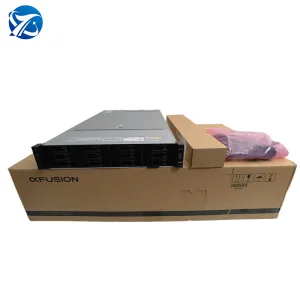
Yes. The FusionServer 2288H V6/V7 and 5288 V6 systems feature multi-socket architecture, dense RAM capacities, and versatile storage configurations, making them ideal hosts for Zero Trust Network Access (ZTNA) control planes. These controllers process continuous authentication, handle network routing tables, analyze user behaviour, and authorize dynamic session keys across thousands of concurrent VPN client devices.
All Bexora computing hardware undergo rigorous validation processes, including continuous thermal burn-in, system load simulation using synthetic network traffic generators, Automated Optical Inspection (AOI) for PCB integrity, and cryptographic load validation. This combination of hardware stress testing and firmware validation ensures stable long-term performance under peak network demands.
High-speed Direct-Attach Cables (such as 10G/40G QSFP+ DACs) use copper conductors configured for specific transmission frequencies. High-quality cabling reduces signal reflection and electromagnetic interference (EMI), minimizing Bit Error Rates (BER) at the physical layer. This reduction in errors prevents hardware-level packet retransmissions, maintaining high throughput for latency-sensitive VPN protocols.
We provide full-spectrum customization capabilities, including custom chassis configurations, specialized power supply units (PSUs) for telecommunication compliance, custom integration of network interface cards, and custom BIOS/UEFI firmware builds. These services allow global buyers to receive drop-in ready appliances configured to their exact software, routing, and corporate deployment requirements.
Optimize your core data center routing with specialized network cables, interface controllers, and dense computing options.


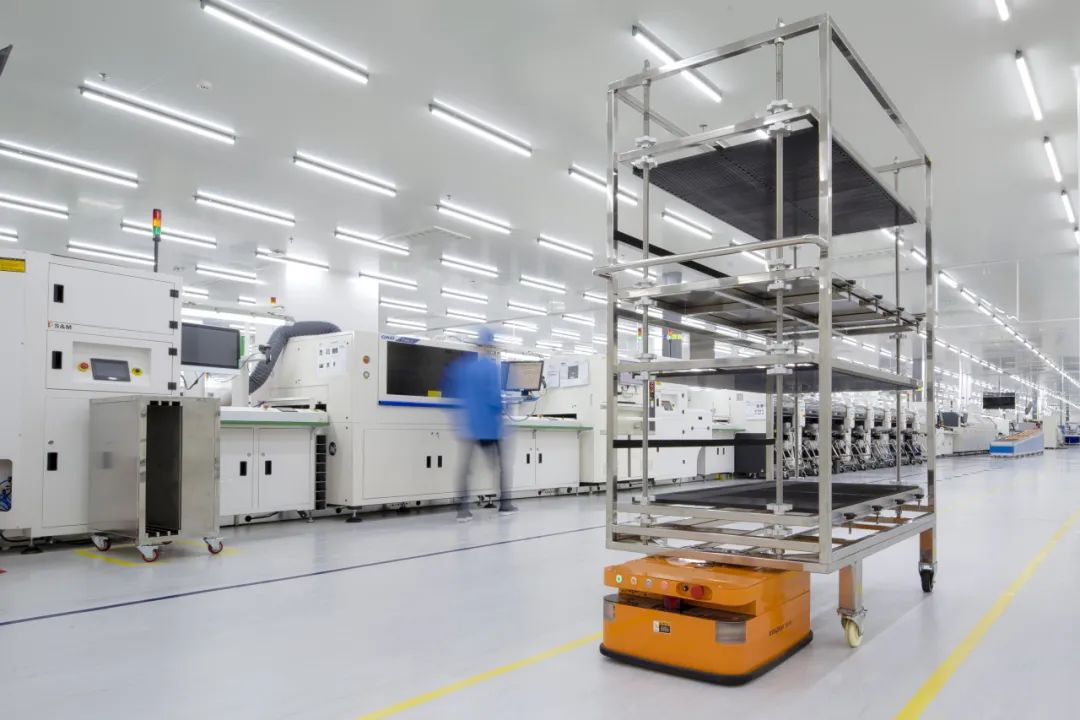
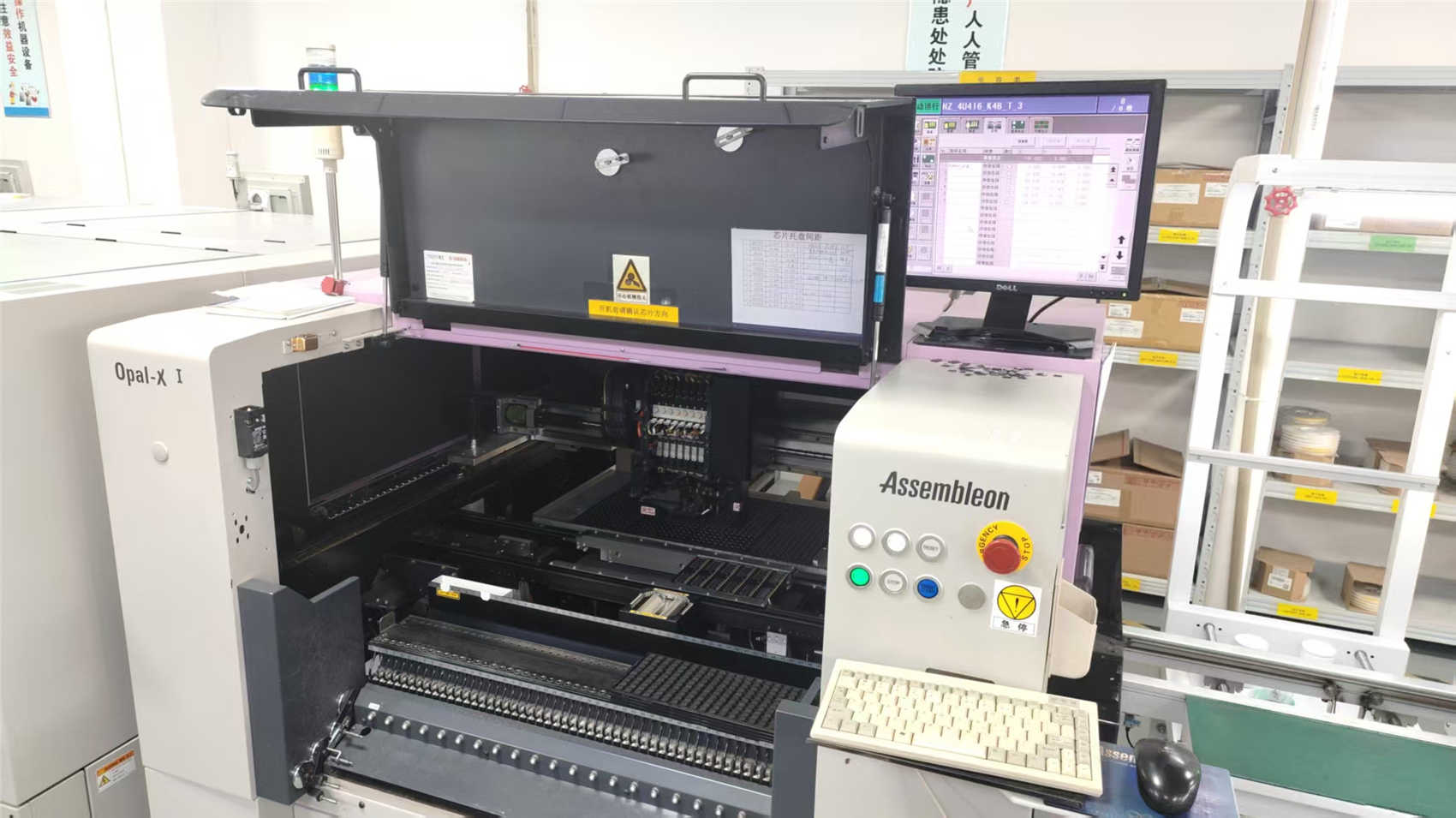
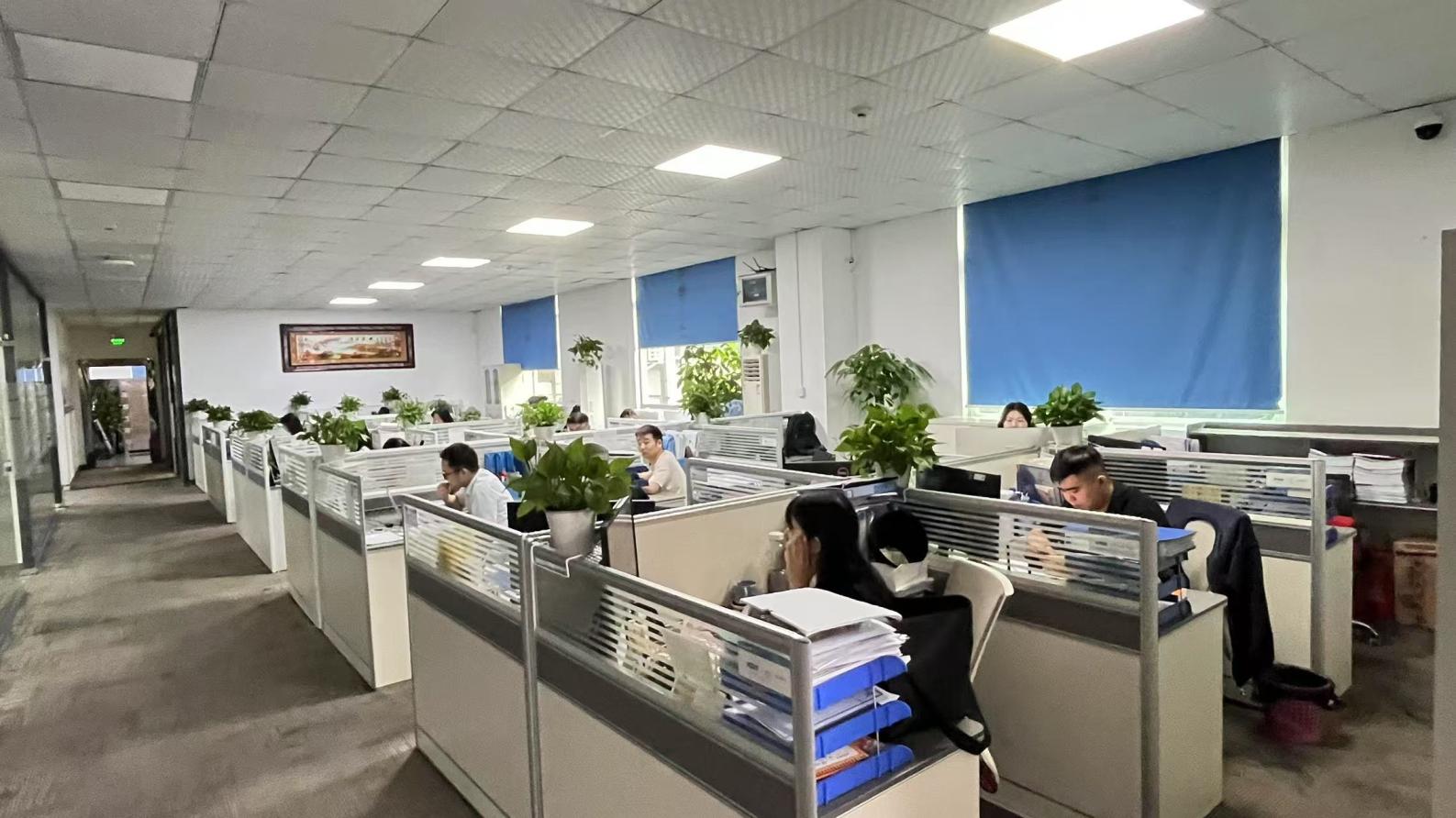
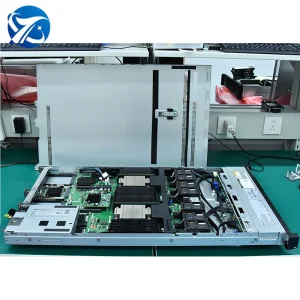
Inside Bexora AI Systems Co., Ltd. – Where structural assembly, motherboard testing, and final quality control operations take place.