Bexora
Bexora
Bexora
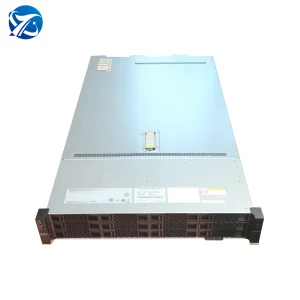
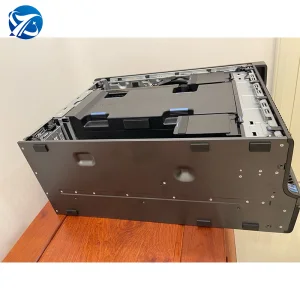
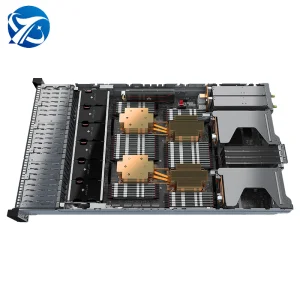
Explore high-density server configurations, network switching arrays, and original memory architectures optimized for modern enterprise and AI workloads.
As computing configurations move toward high-density GPU nodes and distributed topologies, control interfaces are evolving beyond simple command lines.
The transition from proprietary BMC (Baseboard Management Controller) configurations to OpenBMC is accelerating. Enterprises demand modular, open-source firmware architectures to mitigate vendor lock-in and enable rapid security patch deployment across heterogeneous server environments.
Traditional IPMI 2.0 protocols are giving way to modern, RESTful JSON-based Redfish APIs. Our native integration platforms provide programmatic controls for orchestration, component telemetry, and BIOS-level modification across thousands of concurrent nodes.
With rise of hardware-level threat vectors, secure boot verification is non-negotiable. Modern tooling demands direct, physical validation of all BMC codebases prior to system start, isolating the control plane from malicious main processor operating state vulnerabilities.
ESTABLISHED
MANUFACTURING AREA
ANNUAL EXPORT REVENUE
R&D ENGINEERS
QA SPECIALISTS
The density of China’s electronic manufacturing supply chains allows for unparalleled vertical integration. At Bexora AI Systems, we orchestrate over 860 supply chain partners, guaranteeing ready access to high-grade silicon, multilayer PCBs, localized custom chassis fabrication, and precision thermal components.
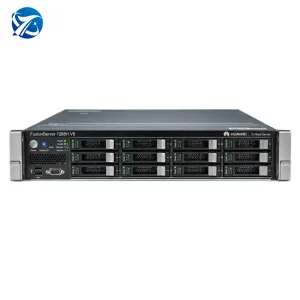
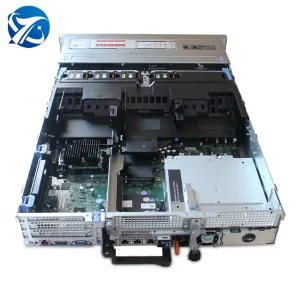
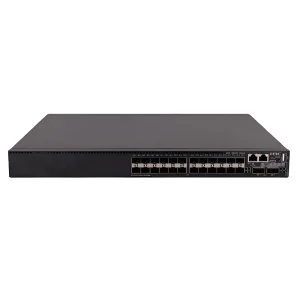
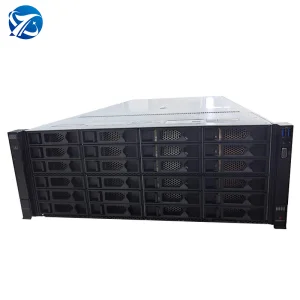
By shifting engineering from simple PCB assembly to customized BIOS, UEFI, and firmware-level development, Chinese facilities offer bespoke OEM/ODM design paths. This flexibility ensures that specialized out-of-band monitoring controllers work seamlessly with legacy server infrastructure, such as Dell PowerEdge, xFusion FusionServer, and H3C network switches.
Rapid validation and modifications mean that customer specifications can go from initial schematics to validated hardware within production phases of under 4 weeks.
Leveraging concentrated bulk purchasing power saves enterprises up to 30% compared to fragmented western design, development, and validation lifecycles.
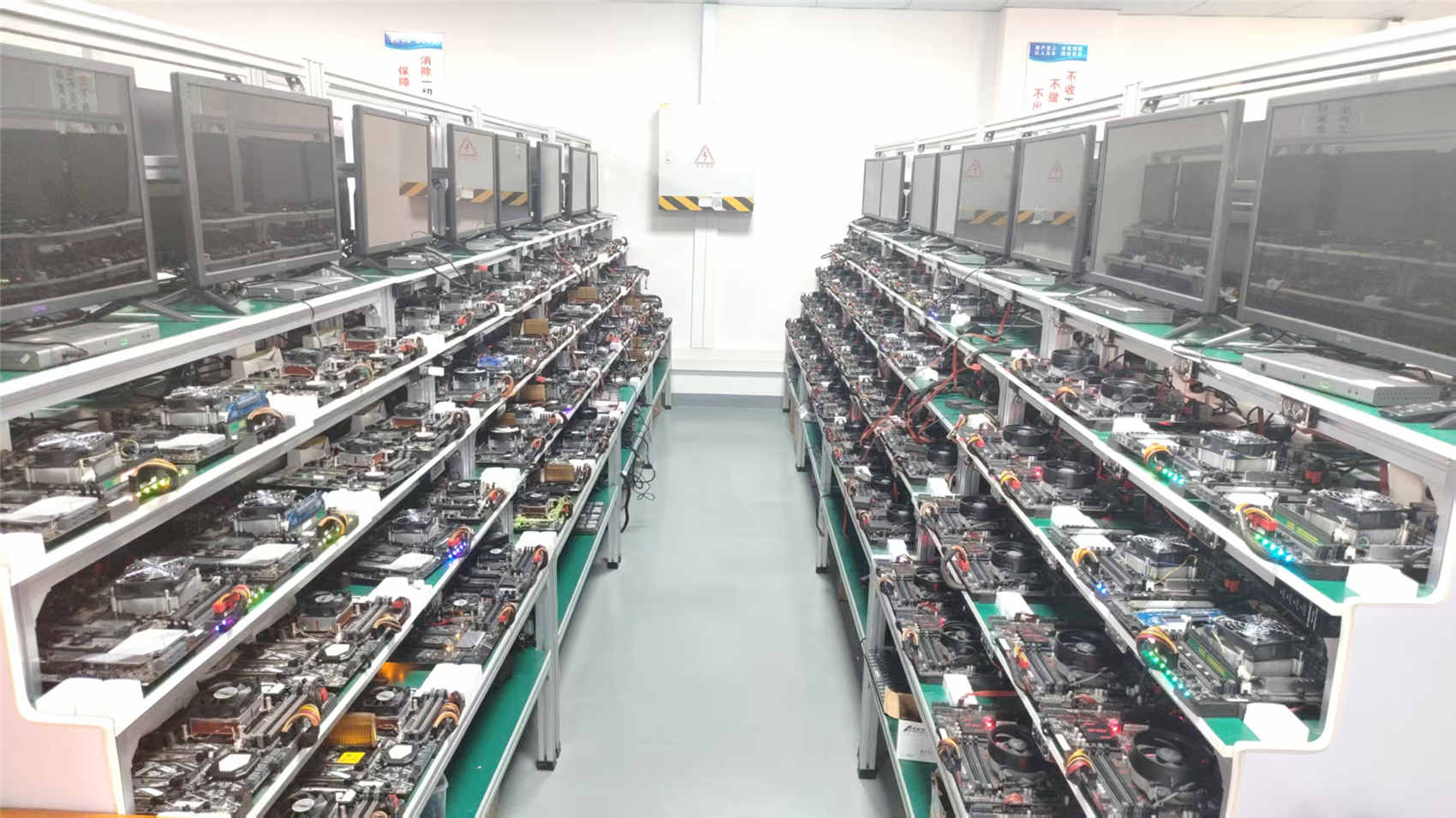
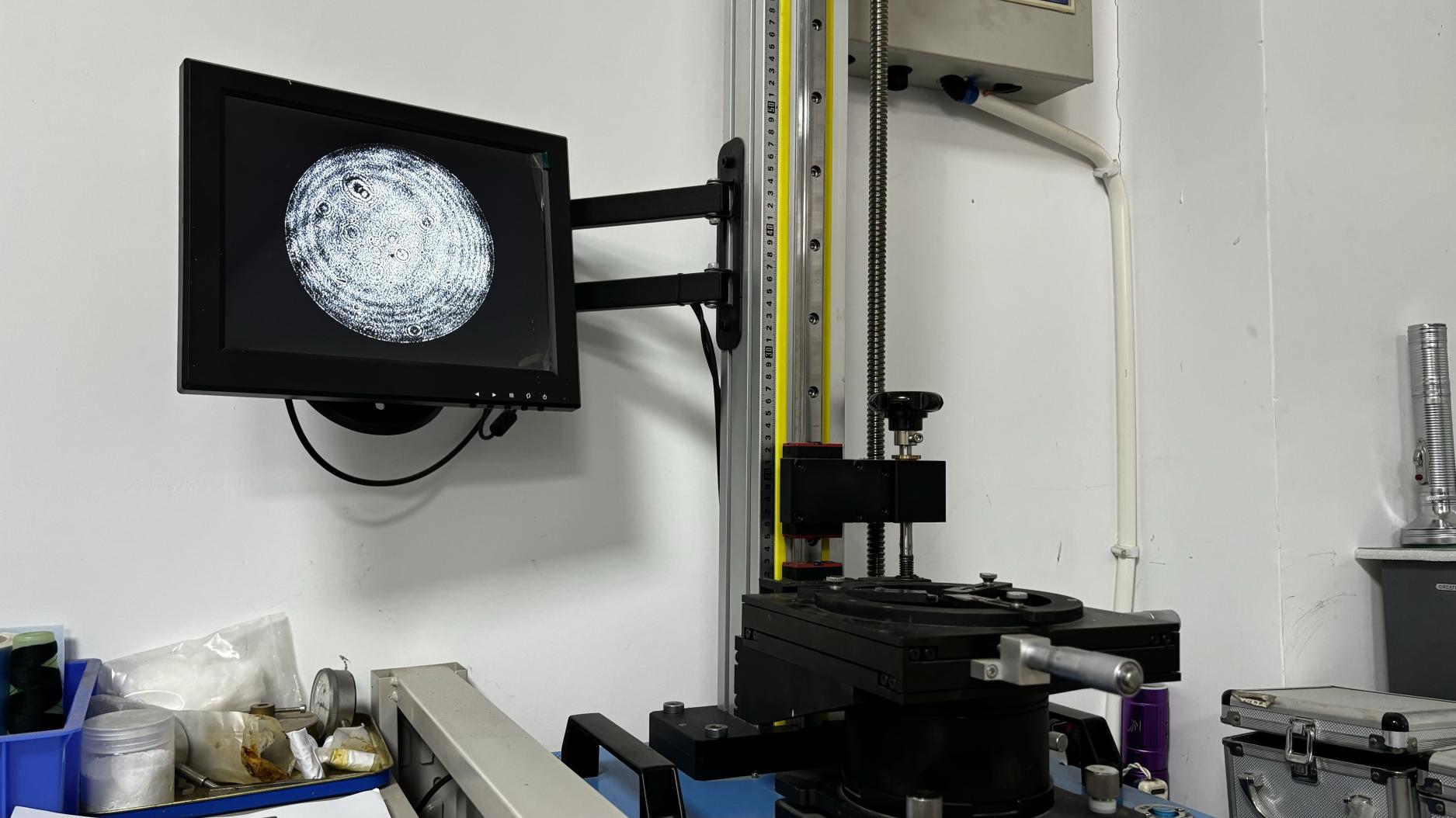
Hardware failure in the enterprise data center is extremely costly. Our quality assurance protocol verifies long-term reliability under severe operating conditions.
Each controller card undergoes continuous operation under thermal stress of 55°C for 72 consecutive hours to detect latent silicon weaknesses.
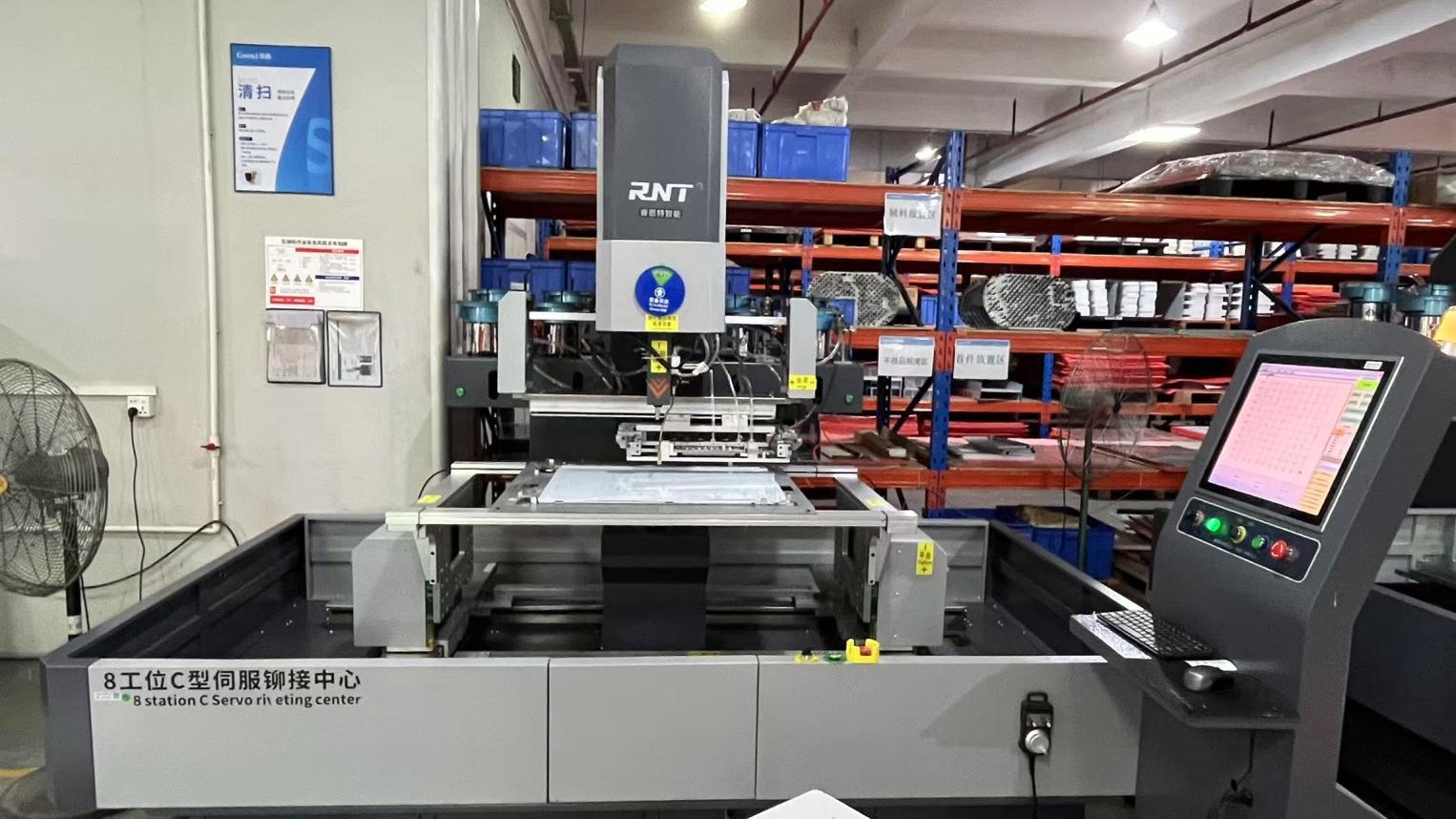
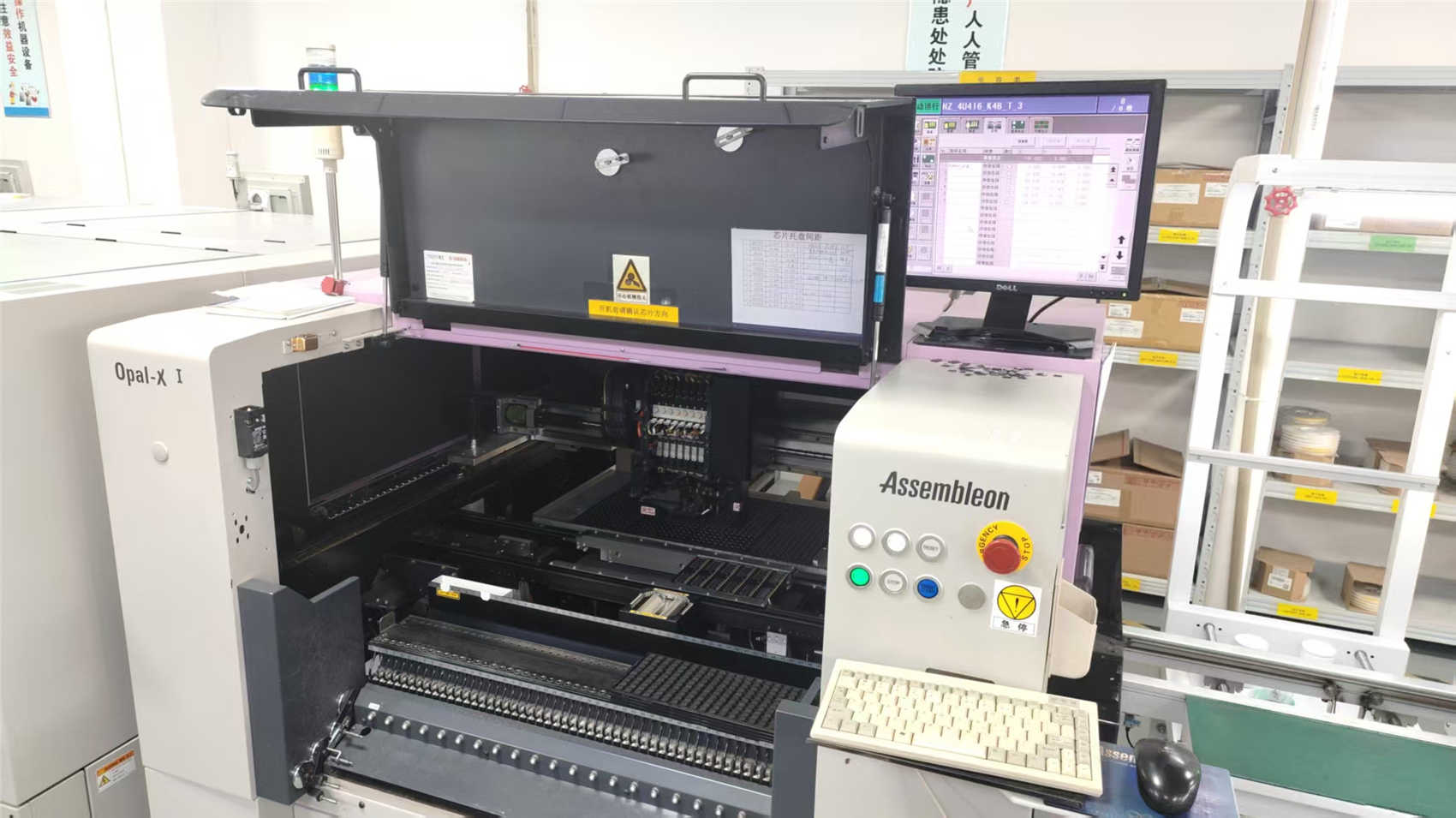
High-precision Automated Optical Inspection detects surface-mount irregularities down to micron-level tolerance on high-layer density PCBs.
Rapid temperature cycling (-40°C to +85°C) tests joint integrity, protecting nodes during transport and variable environmental cooling events.
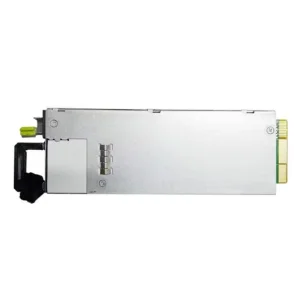
Real-time load emulation challenges power modules, verifying stable voltages to prevent micro-fluctuations and subsequent compute node reboots.
Strategic insights into technology shifts enabling dense deployment management without overhead bloat.
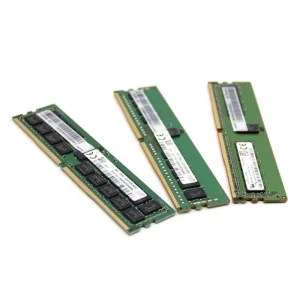
BMC interfaces are moving from passive alert triggers to real-time telemetry streaming engines. By running lightweight anomaly detection algorithms at the chip level, systems can isolate impending power supply degradation or RAM cell failures before they trigger system kernel panics.
As compute density approaches 100kW+ per rack, management boards must monitor coolant fluid properties (pressure, flow rate, chemistry, and leak detection) alongside traditional temperature variables, adjusting pump metrics dynamically.
With edge nodes deployed in unmanned locations, remote management systems need zero-touch provisioning. Automated WAN-ready control planes allow global engineering teams to remotely deploy secure firmware updates with ease.
How industry verticals utilize our management tooling platforms to maximize SLA compliance and resource efficiency.
Managing thousands of servers requires standardized API endpoints. Our management tools aggregate server diagnostics, permitting virtualization managers to shift compute workloads to cooler regions of the server farm. This dynamic workload balance helps optimize the facility's Power Usage Effectiveness (PUE).
High performance workloads generate extreme heat and energy spikes. Specialized firmware management controls monitor current consumption across power phases, adjusting clock limits on GPU accelerators to prevent thermal throttling while maintaining system integrity during large model training runs.
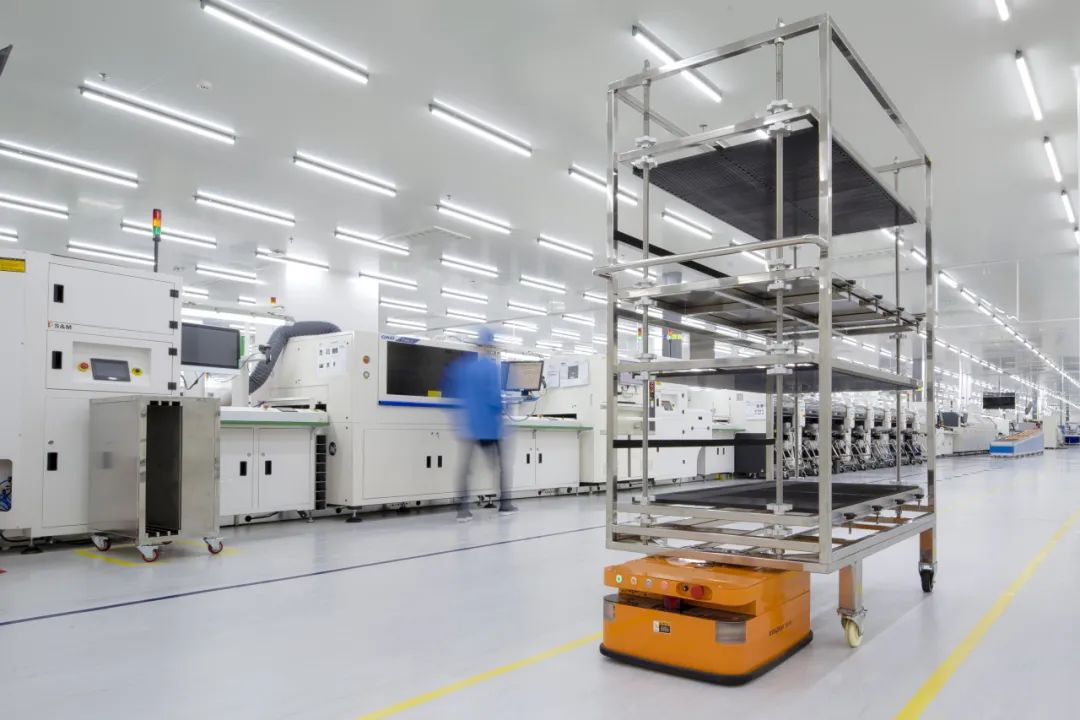
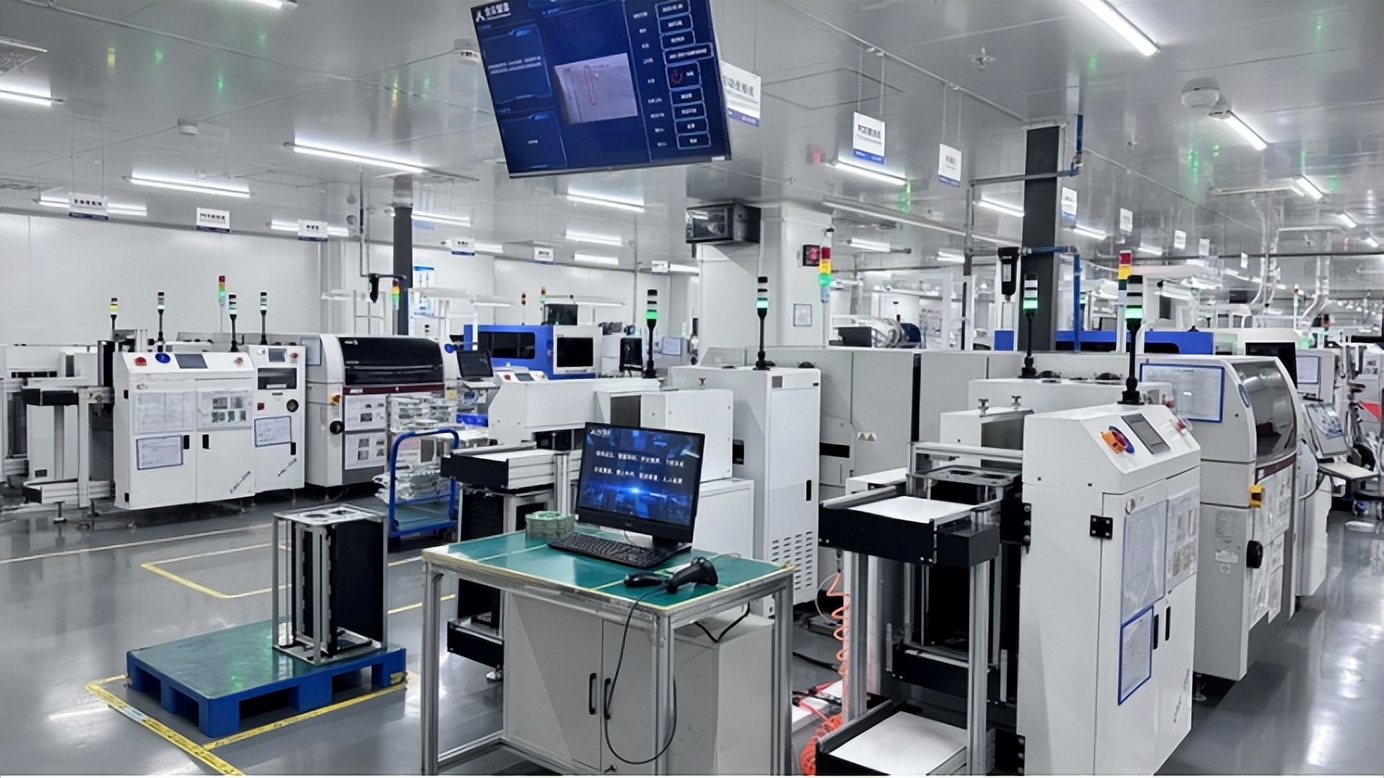
Founded in 2016, Bexora has established itself as an innovative force in the AI server and high-performance computing design space. Specializing in highly scalable compute platforms and systems integration, we manage our processes from an 18,600㎡ production center in China. We ensure all systems deliver the uptime needed by global cloud providers and research centers.

Practical answers regarding integration workflows, quality standards, and OEM customization routes.
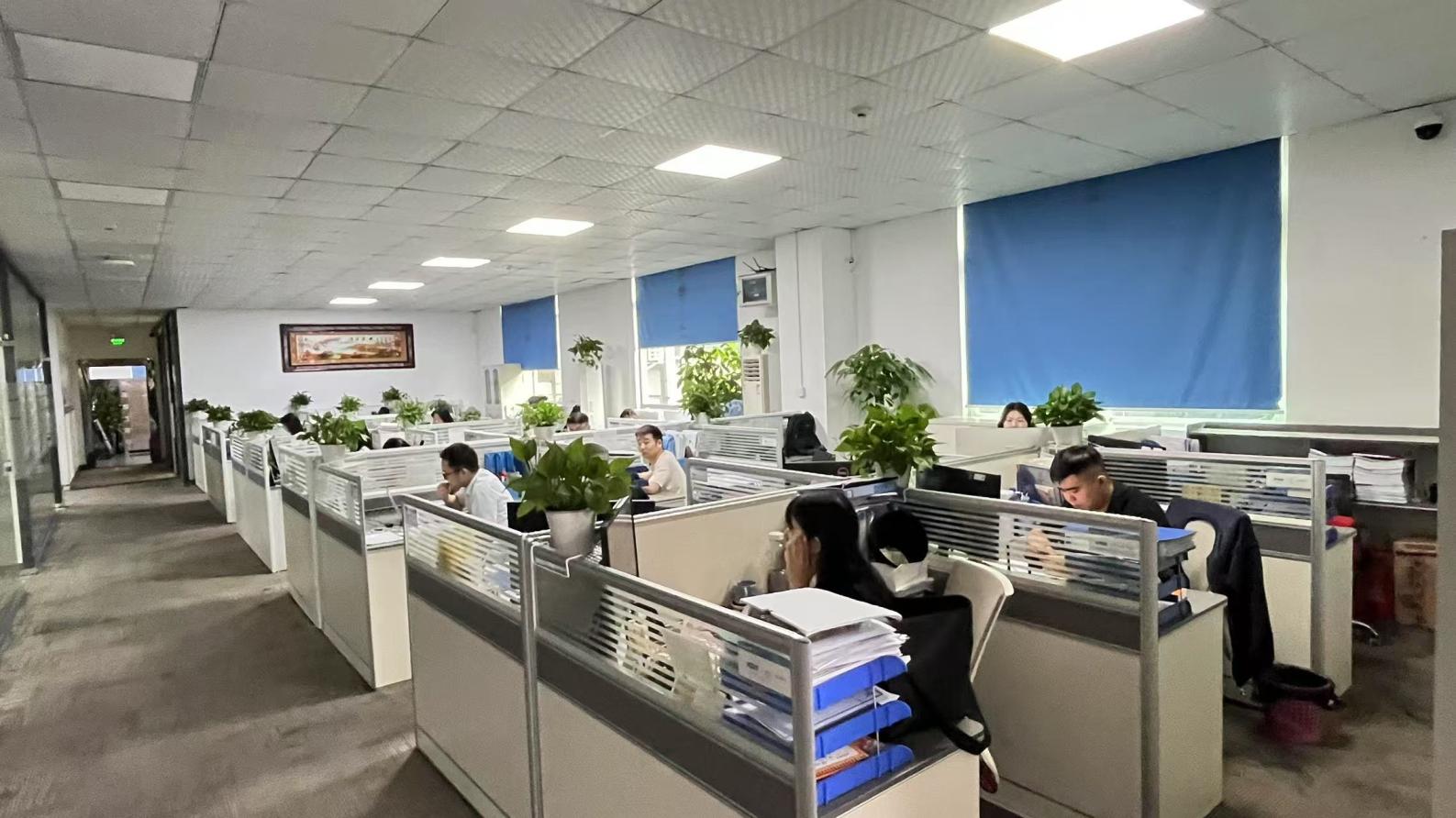
A visual look into Bexora's production lines, verification stations, and testing environments.
Integrate reliable hardware modules to upgrade your computing platforms and simplify network administration.