Bexora
Bexora
Bexora
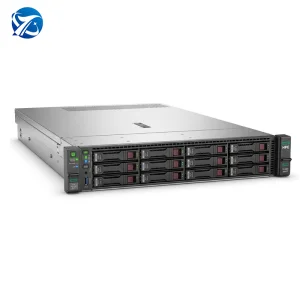
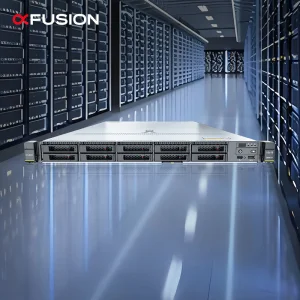
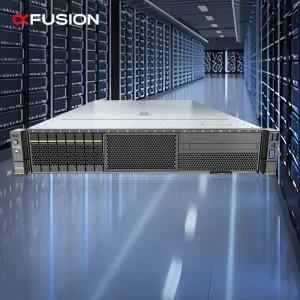
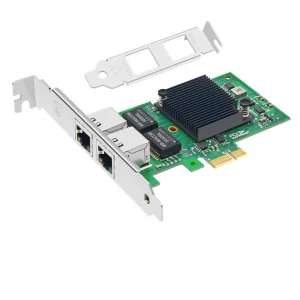
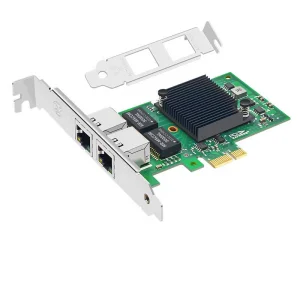
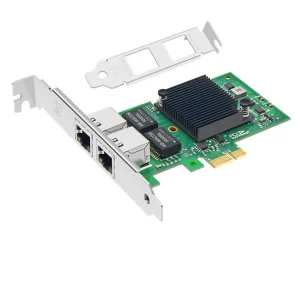
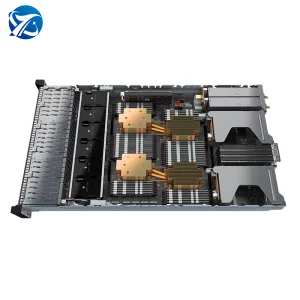
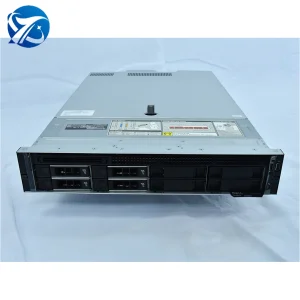
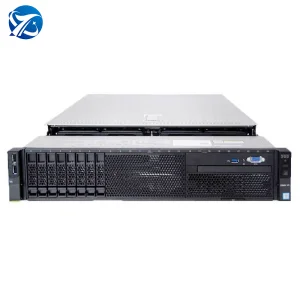
Industrial-grade network interfaces, high-capacity array expansion modules, and rack server configurations for modern cloud deployments.
A comprehensive examination of how hyperconverged architecture, software-defined storage (SDS), and deep learning networks shape modern IT infrastructure.
In the contemporary digital economy, data is no longer merely generated; it is harvested, processed, and recursively analyzed at sub-millisecond latencies. The explosion of Artificial Intelligence (AI) models, deep learning networks (such as DeepSeek and Llama architectures), and large-scale data warehouses has pushed traditional storage paradigms to their physical limits. High-performance, low-latency, and high-density storage solutions are critical in reducing operational overhead and maximizing rack utilization metrics (U-space efficiency).
Historically, corporate systems relied heavily on centralized SAN (Storage Area Network) arrays. However, modern deployment scenarios favor distributed, hyperconverged systems where computational power and flash storage media are tightly integrated. As PCIe Gen 4.0 and Gen 5.0 buses become standard, controller architectures must evolve to manage massive thermal loads and high-throughput lanes without creating I/O bottlenecks. Scalability must be built directly into the physical layout of the system, employing cutting-edge SAS/SATA RAID expansion modules to balance cost and redundancy.
AI training clusters rely heavily on "Checkpointing" - a process where model weights are written to physical disks at regular intervals. Slow storage means GPUs sit idle during write phases. Implementing advanced RAID arrays (like RAID 0, 1, 5, 6, 10, 50, 60 configs) backed by ultra-reliable SAS/SATA host bus adapters ensures maximum write speeds and continuous model iteration.
The following technical table provides an objective comparison of current rackmount solutions and SAS/SATA array controllers deployed within high-density high-performance computing (HPC) frameworks:
| Interface/Controller Type | Max Interface Speed | Supported RAID Configurations | Primary Application Focus | Compatible Hardware Families |
|---|---|---|---|---|
| LSI 9560-16I 8GB Cache | PCI-Express 4.0 x8 (12Gb/s SAS) | 0, 1, 5, 6, 10, 50, 60 | Enterprise NVMe/SAS SSD Arrays | HPE DL360 Gen11/12, Dell R760XS, FusionServer |
| XC470C-M-8i (SAS3908) | 12Gb/s SAS / 6Gb/s SATA | 0, 1, 5, 6, 10, 50, 60 | Hyperconverged Infrastructure (HCI) | xFusion 2288H V6, xFusion 2488H V6 |
| 9540-8i RAID Controller | PCI-Express 4.0 (12G SAS) | 0, 1, 5, 10 | Mid-range Storage Servers, NAS Nodes | PowerEdge R350, R660XS, Custom AI Servers |
| Integrated SAS/SATA Direct Attach | Up to 12Gb/s Direct Link | Software RAID / Pass-through HBA | Distributed Ceph Nodes, Object Storage | Universal 1U/2U Rackmount Chassis |
How physical localization, upstream vendor ecosystems, and vertical integration enable Bexora AI Systems to deliver cost-effective and reliable server architectures globally.
Headquartered in Shenzhen, China's premier high-tech hardware hub, Bexora AI Systems (China) Co., Ltd. has established a state-of-the-art facility optimized for low-latency processing architectures.
Sourcing server platform storage from China offers significant advantages due to geographical clusters of component manufacturers. In the Pearl River Delta, raw PCB fabrication, semiconductor packaging, sheet metal chassis manufacturing, high-density power supply assembly, and quality control services operate within a tight physical proximity.
Bexora leverages this ecosystem through 860 upstream and downstream partners. This close integration minimizes lead times for custom layouts, such as specialized liquid cooling loops for GPU clusters or custom PCIe configuration backplanes. Our supply chain ensures continuous access to high-quality server chassis components, platinum-grade power supplies, and state-of-the-art storage controllers, allowing us to build solutions tailored to international enterprise requirements.
Additionally, proximity to raw chip assembly plants allows for firmware testing cycles directly with manufacturing engineers. This approach reduces design-to-delivery cycles by up to 40% compared to Western manufacturers, offering a distinct competitive advantage for AI startups and regional cloud service providers (CSPs).
Operating under rigorous E-E-A-T guidelines, Bexora utilizes a 45-person professional QC team to enforce zero-defect protocols on high-workload computing hardware.
Automated Optical Inspection is performed on all custom PCBs and storage backplane soldering layers to prevent connectivity failures.
Hardware is subjected to temperature cycle testing (-10°C to +60°C) to prevent system failures from localized thermal hotspots.
Server systems undergo 72 hours of uninterrupted full-load burn-in validation under specialized diagnostic suites.
Verification of SAS/SATA controller firmware compatibility, secure boot, IPMI/BMC interfaces, and PCIe pathway allocation.
Simulating deep learning training and inference cycles (using TensorRT & PyTorch) to verify stability under fluctuating power and data patterns.
How diverse global enterprises configure physical storage layouts to align with local compliance, workload requirements, and scaling patterns.
Regional Cloud Service Providers (CSPs) in Europe and Southeast Asia require reliable storage density. By deploying high-density servers (such as the Dell R760xs or FusionServer 2288H V6) populated with PCIe 4.0 LSI 9560 RAID controllers, operators can partition storage volumes with hardware-level isolation, offering secure multi-tenant hosting with low latency.
High-compute AI laboratories rely on GPU servers (like the FusionServer G8600 V7) for parallel computing tasks. These configurations generate large volumes of unstructured data that must be streamed to the GPUs. Deploying customized 1288H V7 rack nodes as storage ingress targets with high-bandwidth SAS arrays helps minimize model training pauses during data loading cycles.
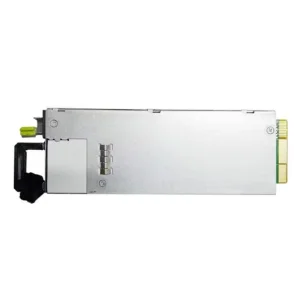
Financial services and healthcare institutions require local, high-security storage setups. Utilizing hyperconverged systems powered by redundant Platinum AC power supplies, multi-port array controllers, and ZFS-based network-attached storage (NAS) layouts ensures data integrity, regulatory compliance, and near-zero downtime.
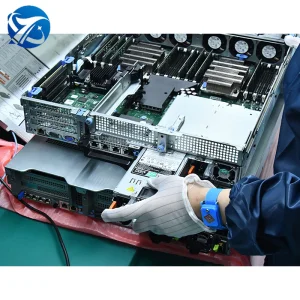
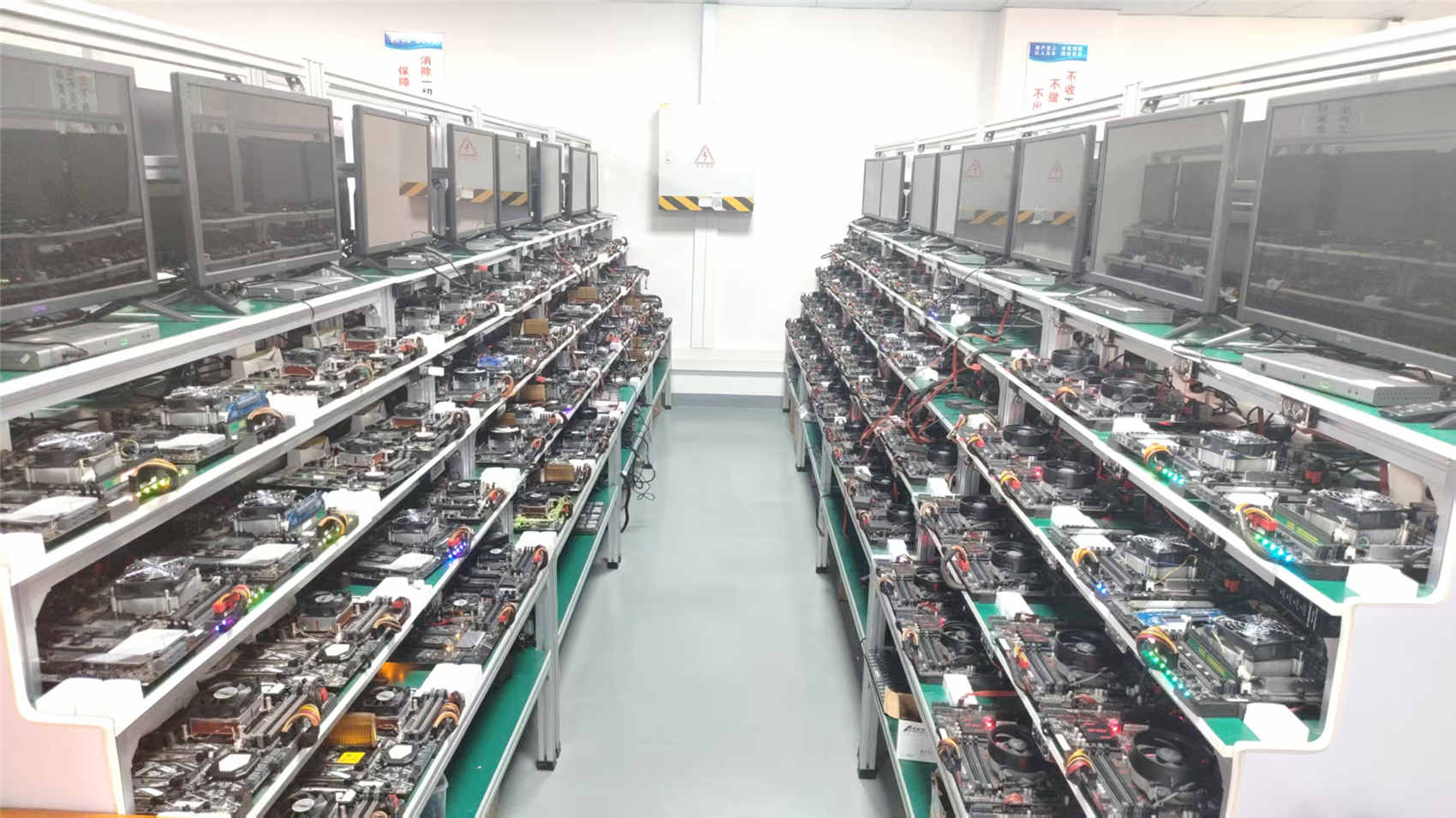
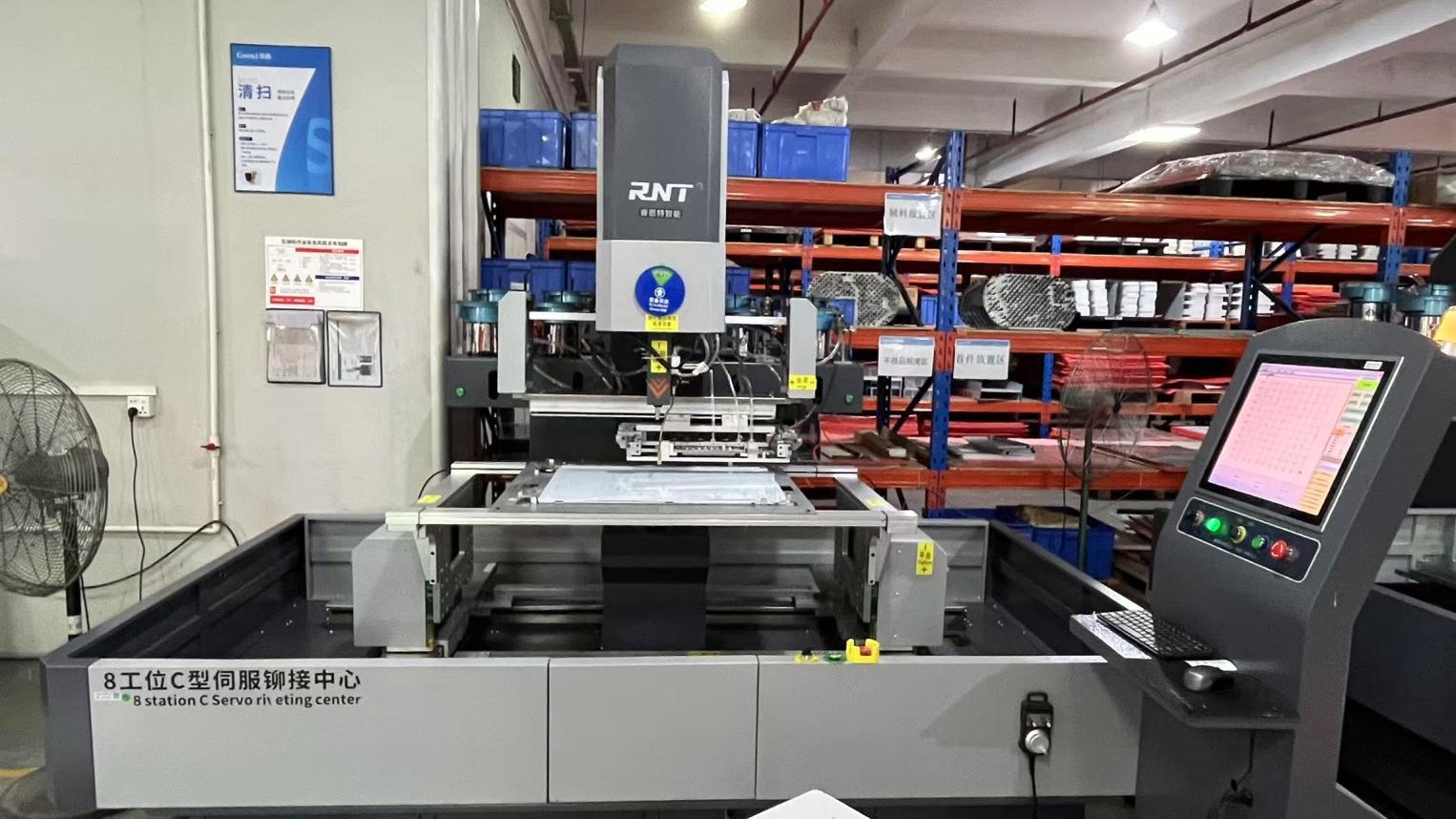
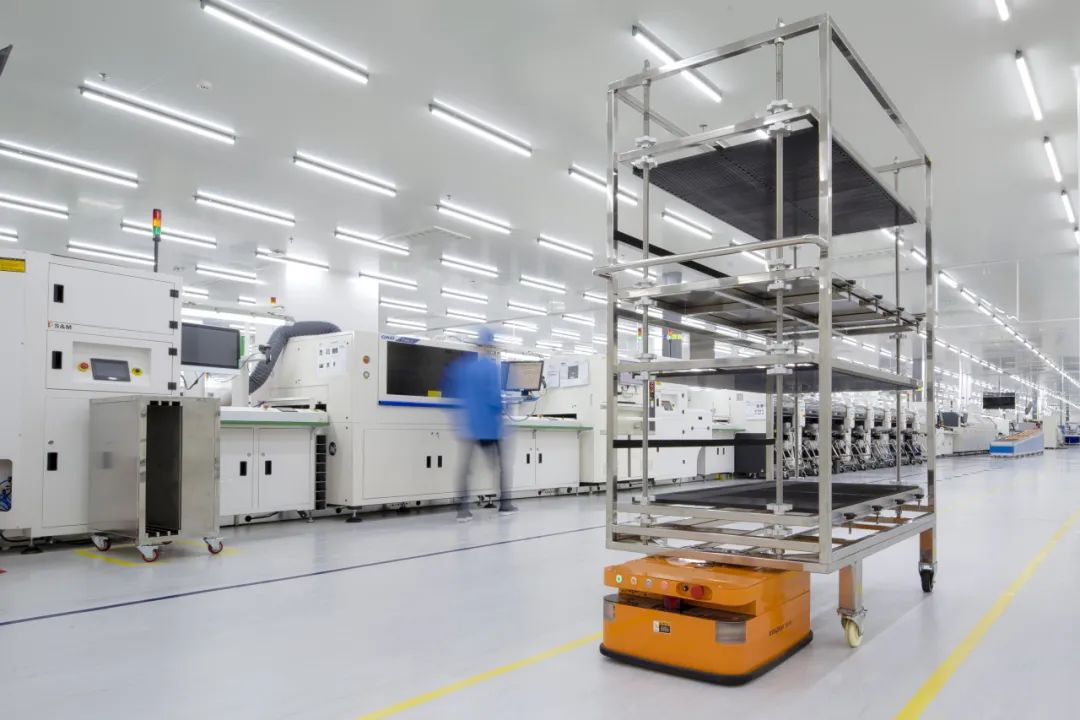
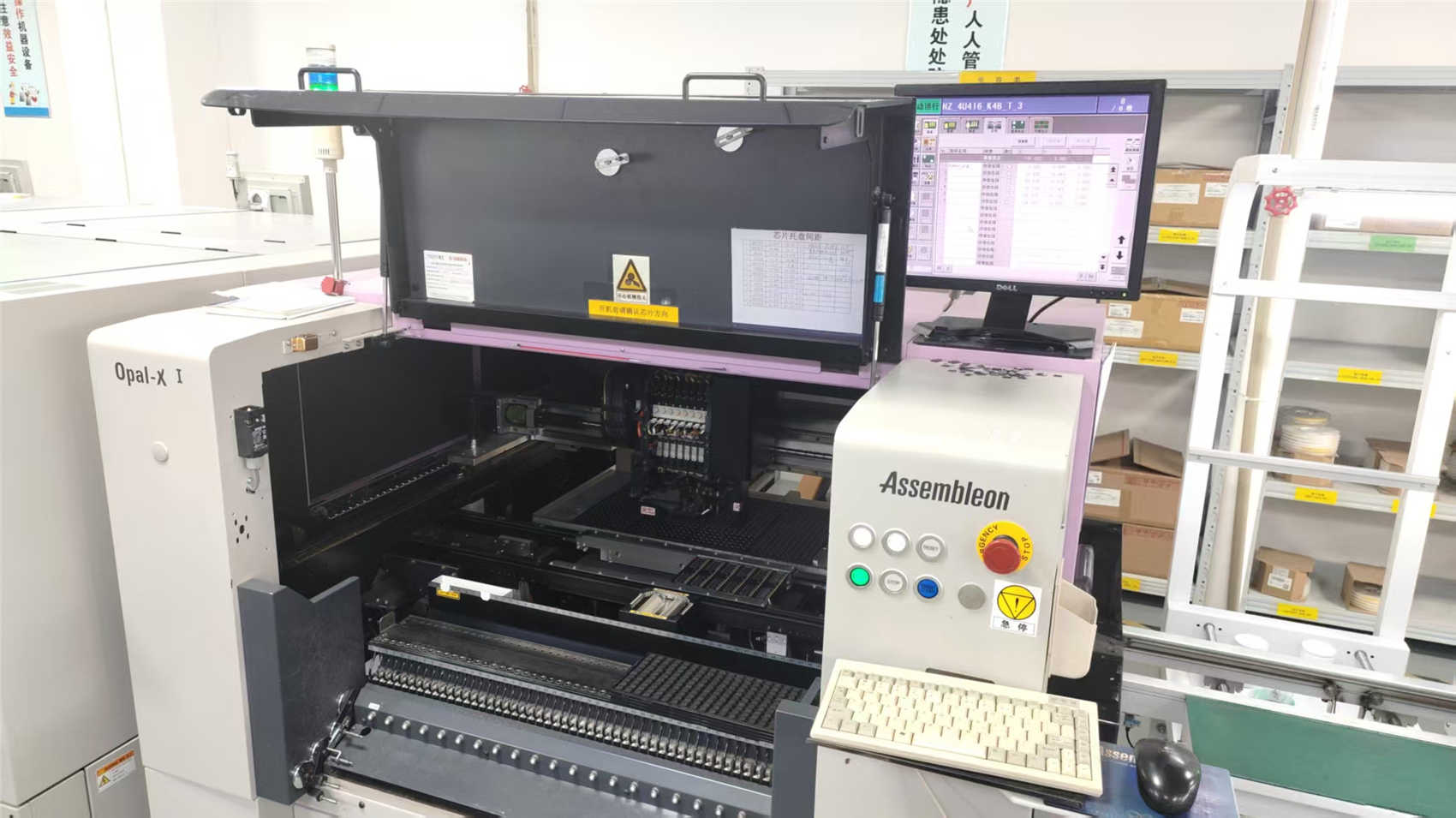
A direct look into Bexora's manufacturing environment, SMT assembly lines, thermal testing zones, and inventory management centers.

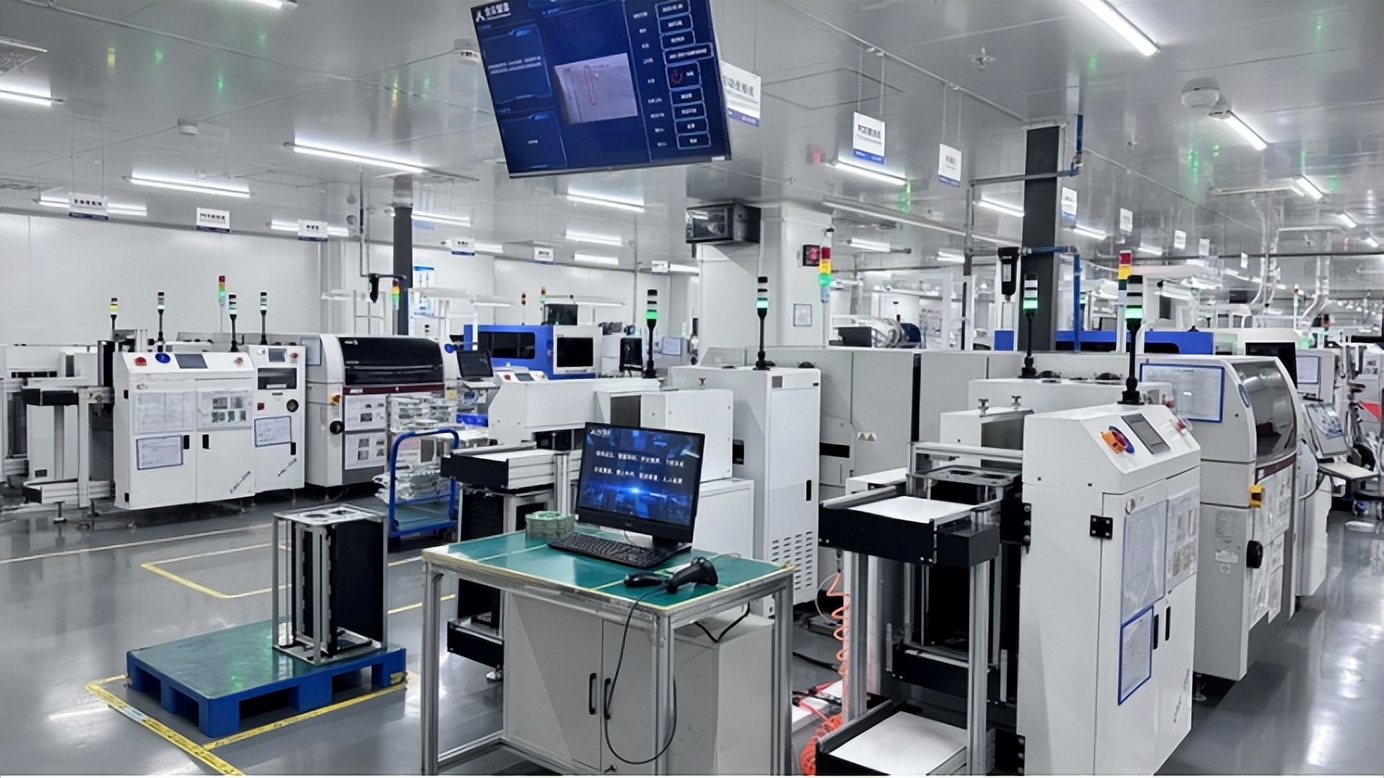
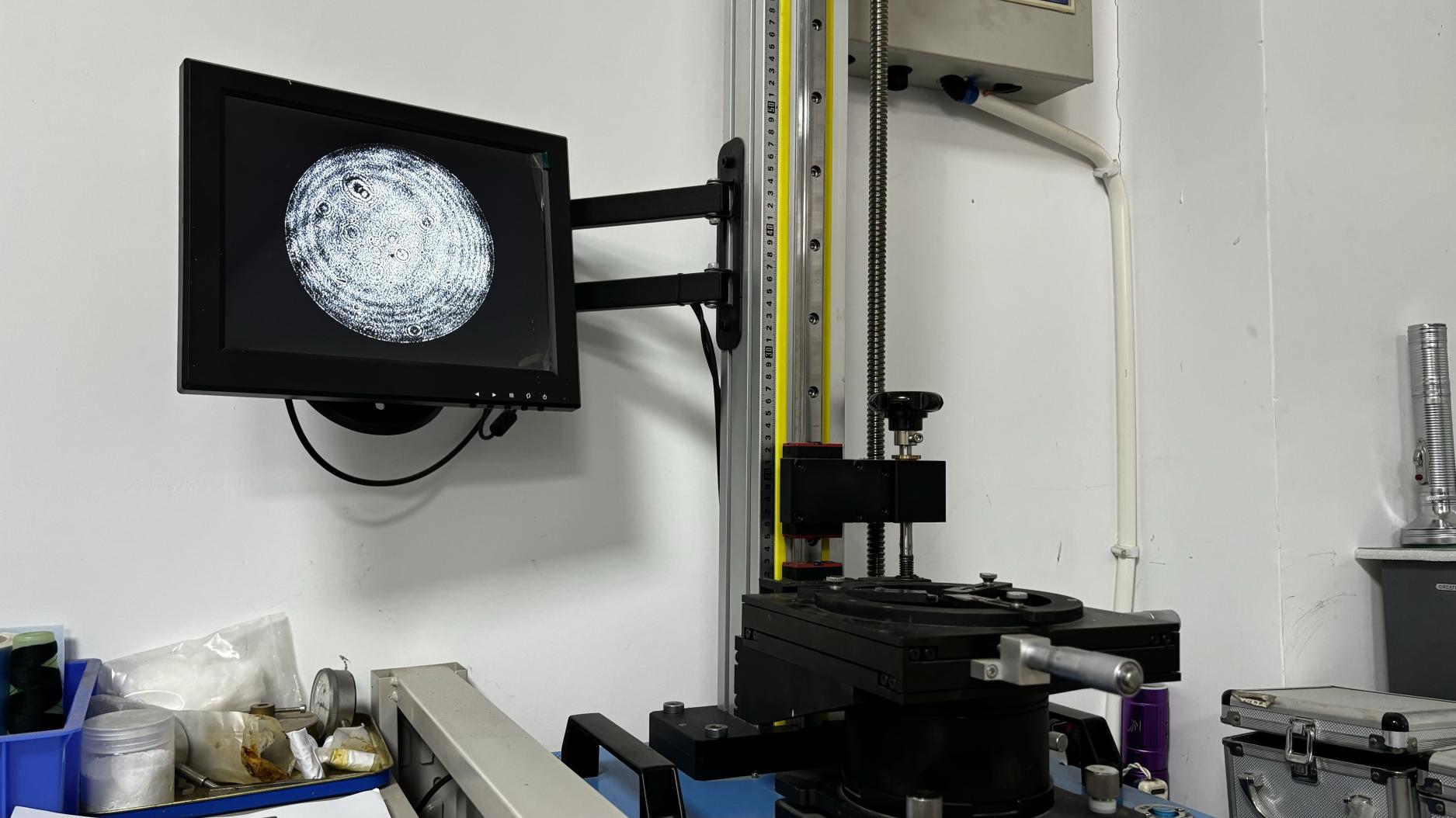
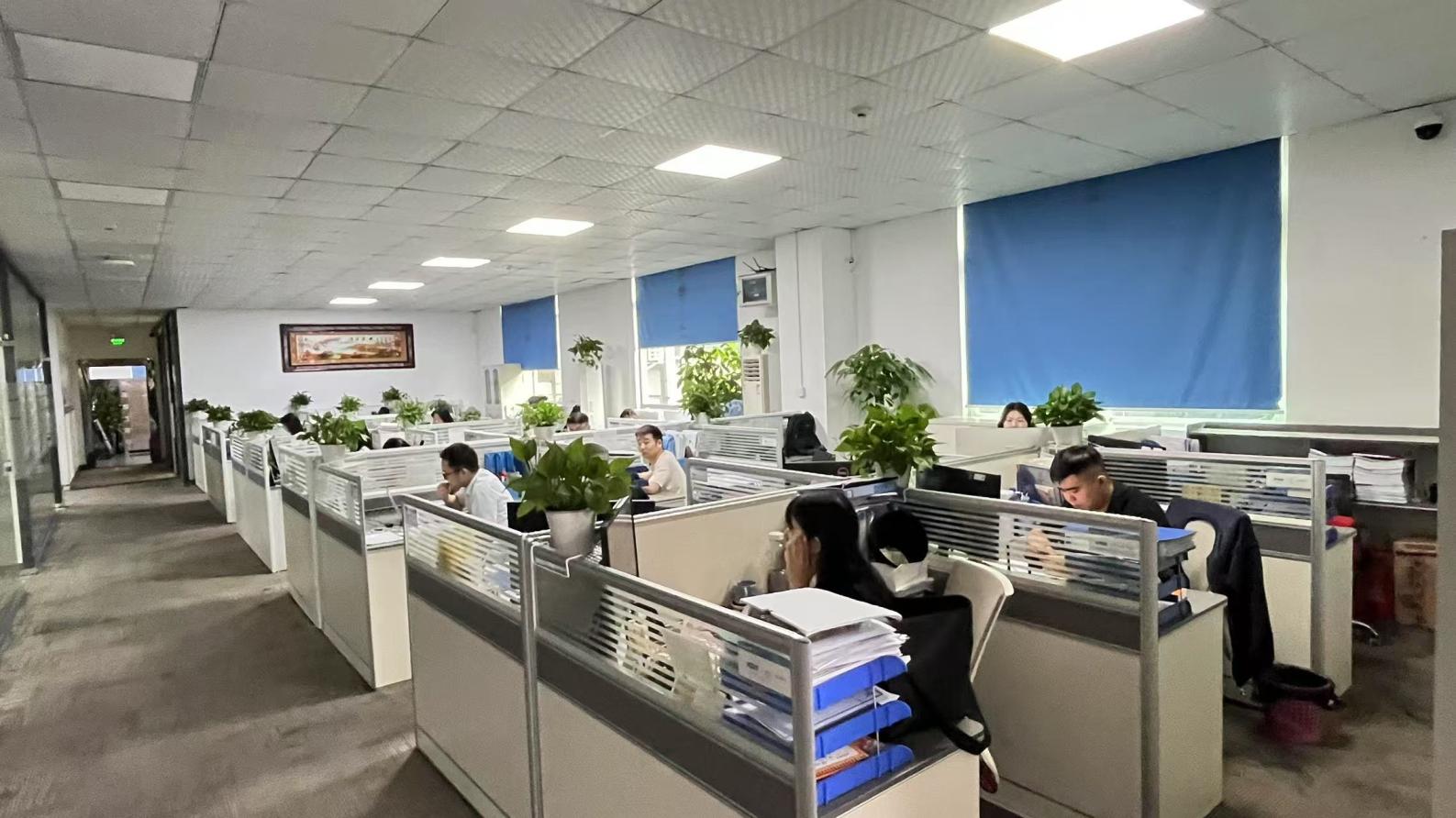
A look at the integration of PCIe Gen 5/6, CXL architectures, and environmental liquid cooling design requirements.
The enterprise storage sector is undergoing major changes driven by the need for higher energy efficiency and bandwidth. Key innovations like CXL 2.0 (Compute Express Link) are transforming system architectures. CXL allows hosts to share memory pools with high-density accelerators and storage nodes, reducing data copying and minimizing latency.
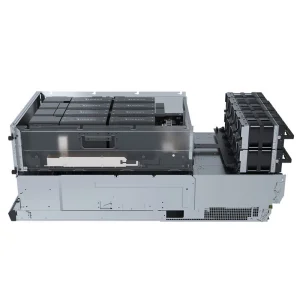
Additionally, environmental factors are pushing data centers toward liquid cooling solutions. Modern dense rack units, like the HPE DL360 Gen12 Liquid Cooling models, integrate direct-to-chip water pipes to manage the heat generated by fast GPUs and multi-gigabyte RAID storage units. This approach reduces overall data center Power Usage Effectiveness (PUE) ratios, helping companies meet strict corporate environmental goals while maintaining high computing performance.
Finally, Software-Defined Storage (SDS) continues to gain traction, replacing legacy storage systems. Standardizing on high-density x86 or ARM computing platforms populated with flexible array cards (like the LSI 9560 and SAS3908) allows operators to scale storage capacity independently from computing logic. This modular design helps lower total cost of ownership (TCO) and simplifies upgrade cycles.
Addressing the technical, operational, and logistical inquiries of enterprise buyers, network architects, and global procurement departments.
Advanced high-capacity servers, high-density processors, and scalable network appliances built for continuous operation.