Bexora
Bexora
Bexora
High-availability virtualization hosting platforms, bare-metal servers, and hardware acceleration components optimized for virtualization layers.

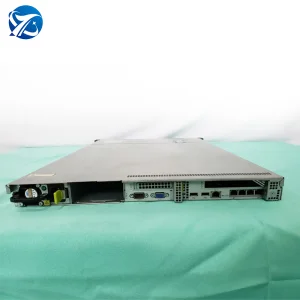
Analyzing the symbiotic relationship between hypervisor performance and computational hardware architectures in modern workloads.
For more than a decade, enterprise IT architectures separated virtualization software planning from bare-metal server procurement. Today, however, as artificial intelligence (AI), machine learning inference, and complex database analytics demand unprecedented performance, this separation is no longer tenable. As a premier China wholesale virtualization software and infrastructure exporter, Bexora stands at the intersection of high-density hardware execution and virtualization hypervisor layers.
Enterprise virtualization software requires physical platforms capable of sub-millisecond hypervisor overheads. When orchestration platforms like KVM, VMware ESXi, or Microsoft Hyper-V scale up, they consume significant memory channel bandwidth and physical I/O ports. Our customized hardware integrations solve this bottleneck by matching high-density virtualization setups with robust processing nodes, ensuring optimal computing distribution and zero-loss container orchestration.
By bypassing traditional virtualization layers, hardware-assisted SR-IOV and vGPU virtualization configurations allow virtual machines to tap directly into GPU matrices, achieving over 97% of native silicon efficiency for intensive workloads like AI LLM training and deep inference.
Utilizing high-frequency, multi-core Intel Xeon and AMD EPYC platforms with customized BIOS profiles. Our custom tuning limits latency jitter and prevents thread scheduling conflicts within highly consolidated virtualization clusters.
Hardware-level sandboxing, Secure Encrypted Virtualization (SEV), and Intel Software Guard Extensions (SGX) are integrated to protect multi-tenant cloud operations from side-channel attacks and unauthorized hypervisor breaches.
What drives modern virtualization deployments? Tracking architecture evolution from basic hypervisors to unified container-native clusters.
Hyperconverged infrastructure (HCI) consolidates compute, storage, virtualization, and networking resources onto single physical systems. Instead of managing separate SAN/NAS hardware arrays and dedicated fiber switches, software-defined storage (SDS) virtualization solutions replicate data natively across low-latency NVMe drives in server groups. This shift minimizes single points of failure while driving capital expenditure down by up to 40%.
Recent licensing changes in the enterprise virtualization landscape have prompted organizations to seek robust alternatives to traditional VMware ESXi platforms. Kernel-based Virtual Machine (KVM) architectures, managed via OpenStack or Proxmox VE, have emerged as the standard for enterprises seeking to avoid high licensing costs. This open-source framework offers equivalent hypervisor performance and seamless custom script integrations.
Modern IT architecture is rarely built exclusively on VMs or bare metal; instead, it relies on a hybrid mix. Virtualization software now prioritizes running traditional legacy applications in hypervisor-controlled VMs alongside containerized, lightweight microservices orchestrated via Kubernetes (K8s). Standardizing on platforms like KubeVirt allows systems engineers to manage VMs and containers inside the same interface, minimizing management overhead.
Intelligent hypervisors dynamically allocate cores, memory channels, and networking priority by monitoring runtime performance telemetry. When a database VM experiences a sudden transaction spike, the virtualization engine automatically reallocates idle resources from neighboring development hosts. This self-healing architecture prevents SLA breaches without manual system administrator intervention.
Deep-dive into Bexora's advanced manufacturing capabilities, supply chain ecosystem, and rigorous quality inspection protocols.
As a global B2B export-oriented manufacturer, Bexora AI Systems (China) Co., Ltd. operates at the heart of China’s high-tech industrial cluster. Established in 2016, our operations are optimized to assemble, test, and distribute high-performance enterprise virtualization systems worldwide. Supported by over 860 upstream and downstream partners, we secure critical hardware components—from server chassis to PCIe Gen 5 controllers and DDR5 memory modules—even during global supply bottlenecks.
Our manufacturing complex covers 18,600 square meters and is equipped with advanced automated optical inspection (AOI) lines, dedicated cleanrooms, and computerized testing bays. This facility allows our team of 160 experienced engineers to deliver up to 120 new models and hardware iterations annually. Every server leaving our docks is pre-configured and fully verified to support mainstream hypervisor systems without compatibility issues.
To ensure uninterrupted performance for critical enterprise applications, we implement a 100% full inspection methodology integrated with random reliability stress testing:
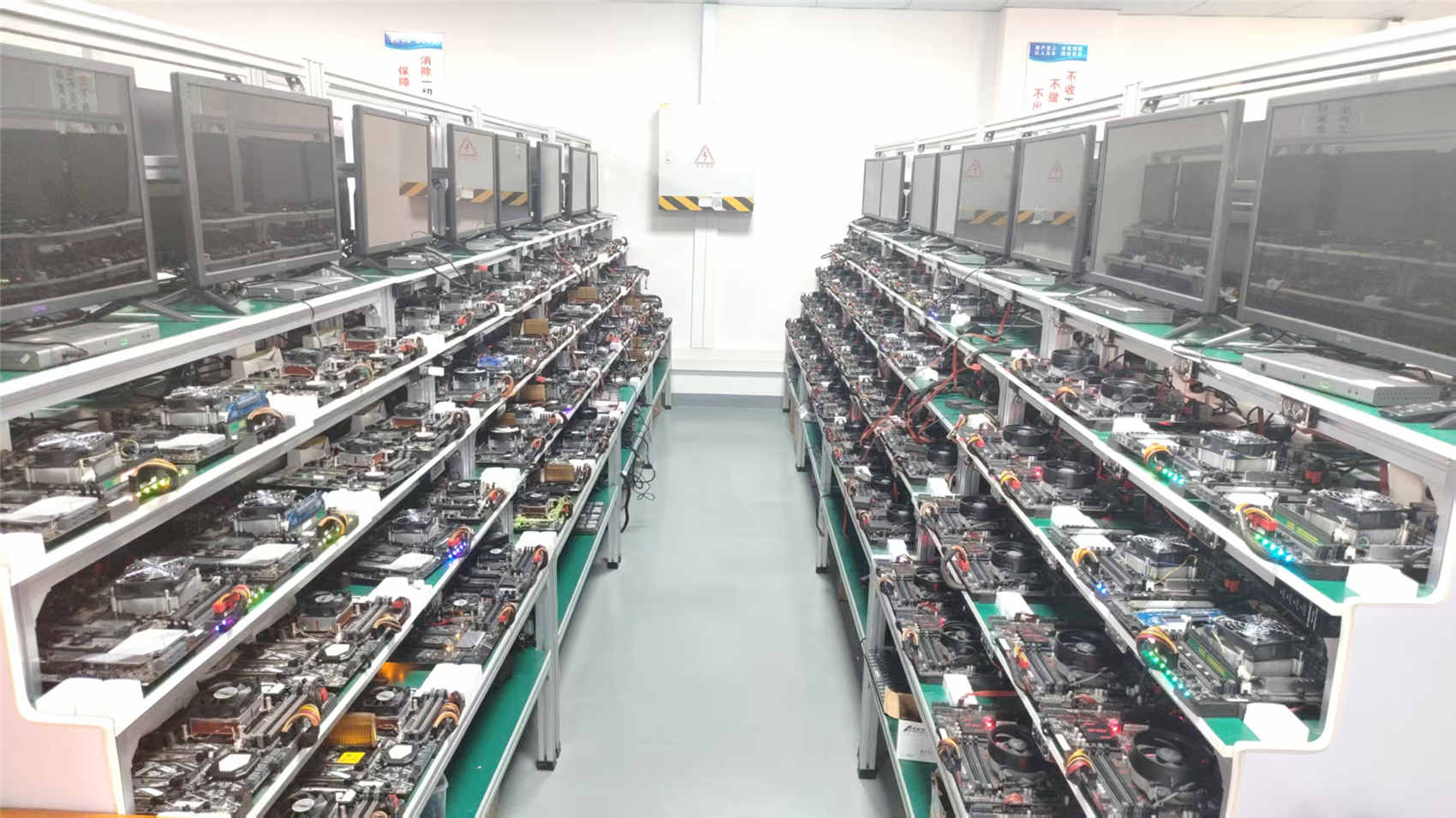

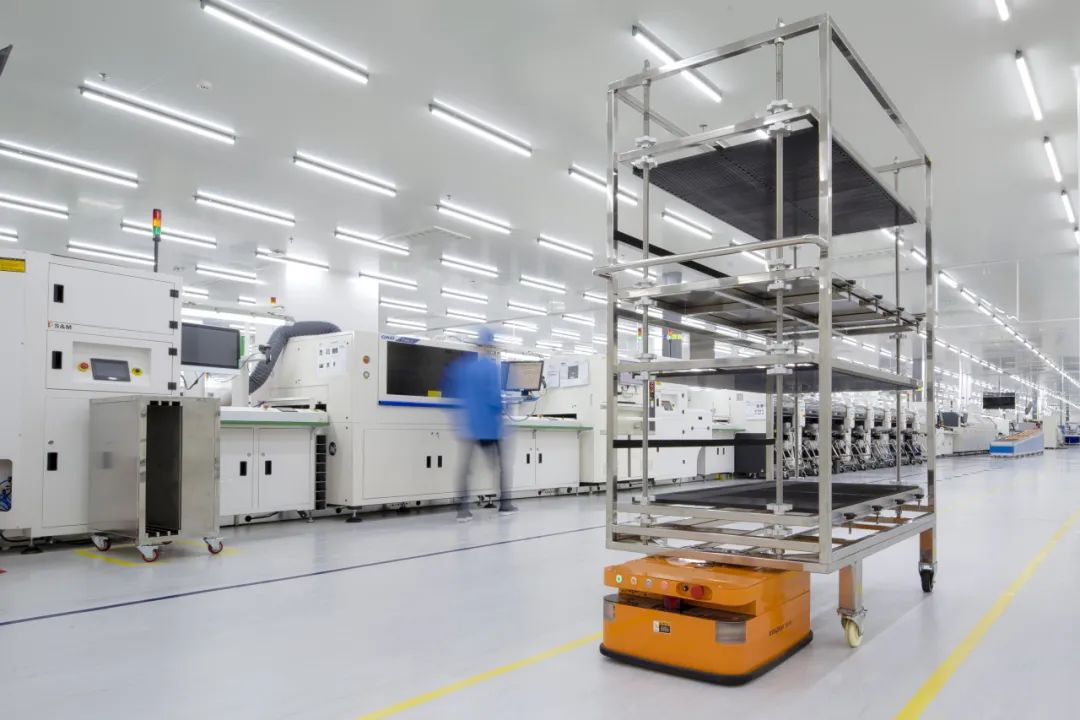

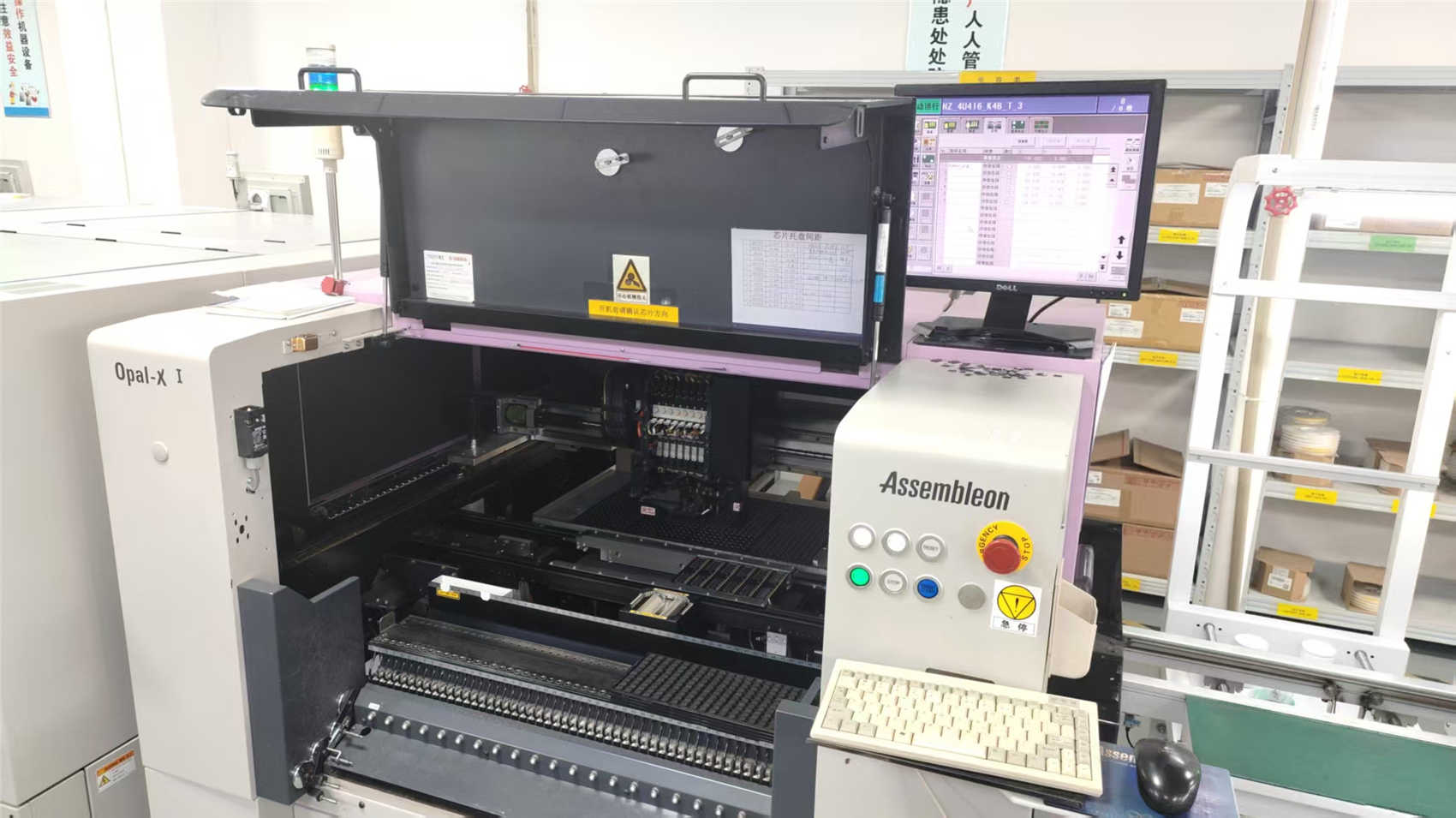
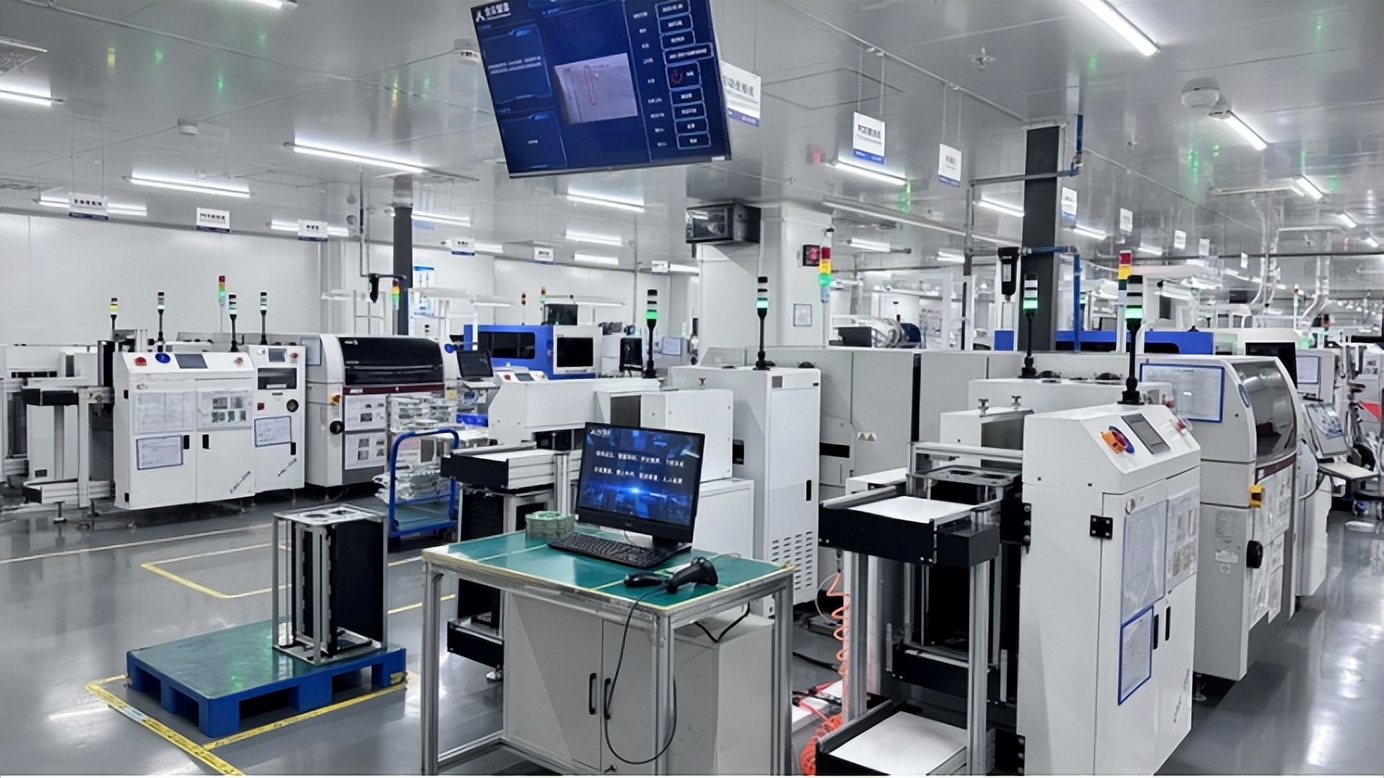
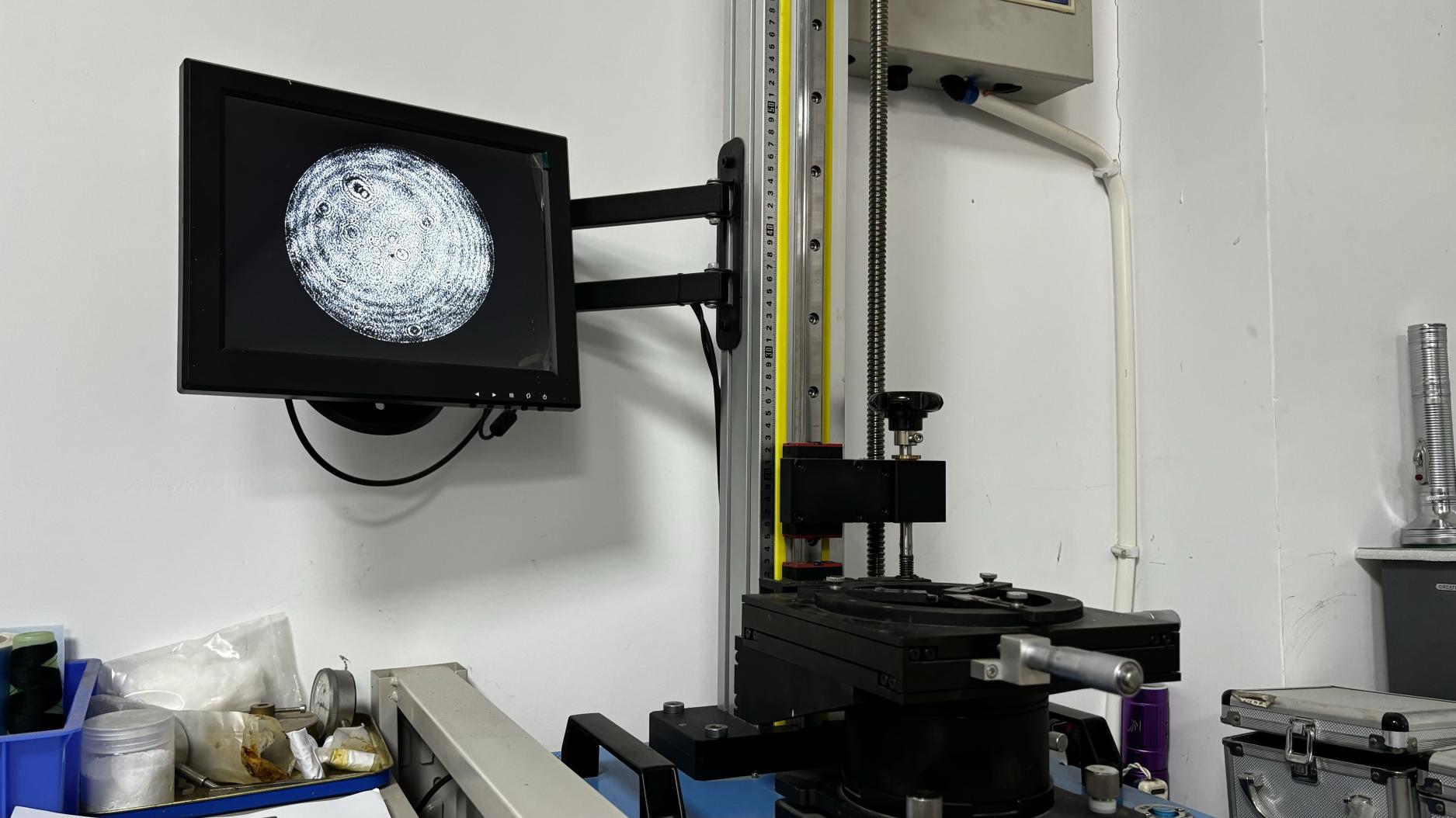
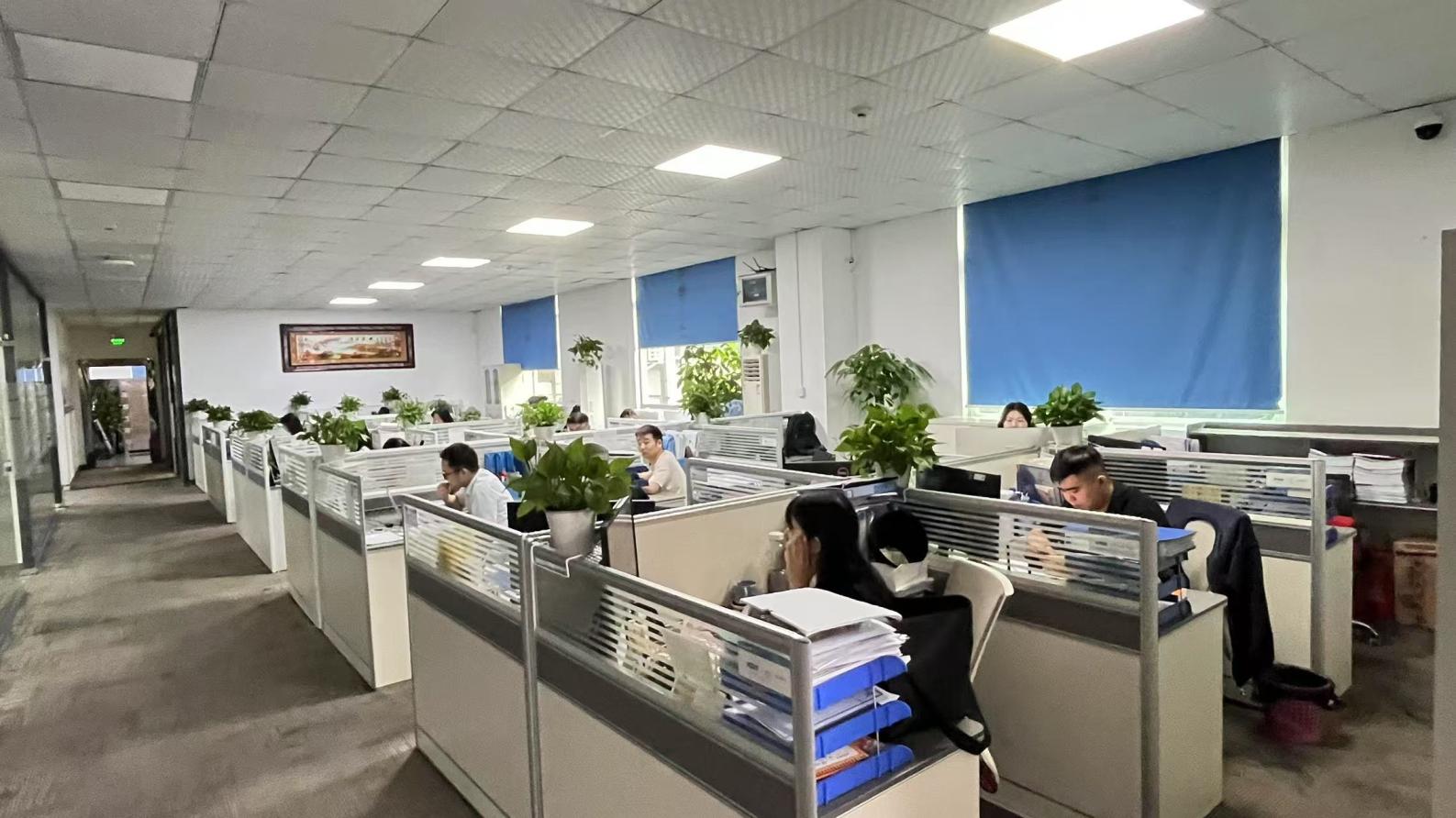
How global enterprises deploy our virtualization hardware solutions across diverse industries.
| Procurement Scenario | Hardware Specifications Required | Virtualization Software Integration | Value Provided |
|---|---|---|---|
| AI Startups & Deep Learning | Dual-socket Intel Xeon, high-density GPU nodes, liquid cooling systems | KVM + vGPU drivers, SR-IOV network passthrough | Maximizes GPU utilization for AI training clusters, reducing infrastructure idle time. |
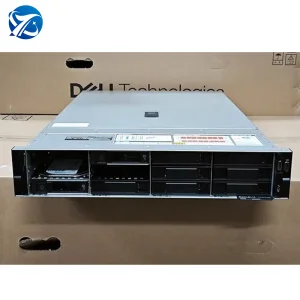
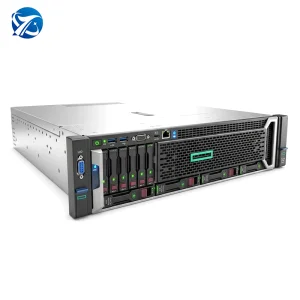
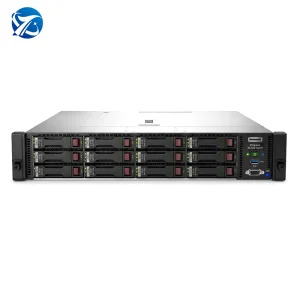
| Cloud Service Providers | HPE DL360 Gen12, 8TB DDR5 memory capacity, redundant 2000W PSUs | OpenStack, KVM Hypervisor, Proxmox VE | Enables high consolidation ratios, reducing hypervisor-level CPU overhead. |
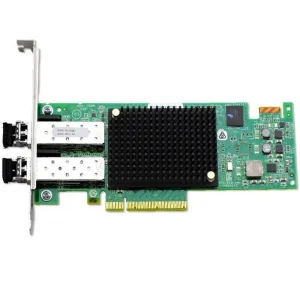
| Financial Institutions | Low-latency PCIe 4.0 FC Emulex HBA cards, redundant NVMe arrays | VMware vSphere/ESXi, secure hardware enclaves | Provides sub-millisecond transaction routing with isolated virtual sandboxes. |
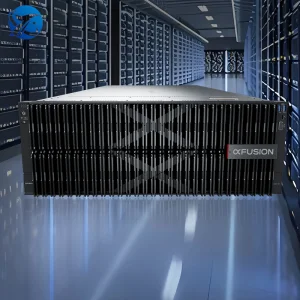
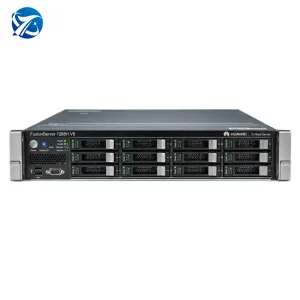
| Edge Smart Factories | xFusion 2288H V7 rack servers, thermal stress-resistant configurations | Micro-K8s, lightweight hypervisors (K3s) | Guarantees 24/7 uptime for Industry 4.0 control systems under extreme temperatures. |
In these regions, enterprises prioritize compliance with strict data protection frameworks like GDPR and CCPA. Our virtualization hardware supports hardware-enforced encryption (SEV-ES, SGX), enabling secure multi-tenant hosting environments.
Driven by rapid smart city developments and regional cloud expansions, these growing markets seek scalable, cost-efficient virtualization clusters. We provide complete hardware assemblies pre-integrated with customized open-source hypervisors, helping minimize vendor lock-in.
From custom BIOS splash screens to complex liquid-cooling designs, we offer tailor-made structural and performance adjustments. We work closely with cloud service providers to optimize thermal management and power distribution at scale.
Expert insights on hardware optimization, hypervisor compatibility, and global procurement procedures.
To maximize KVM hypervisor performance, enable Intel Virtualization Technology (VT-x) or AMD-V in the BIOS settings, alongside SR-IOV to allow virtual machines direct hardware access. Additionally, configure memory settings to enable NUMA (Non-Uniform Memory Access) node interleaving, and set CPU power management features to high-performance modes to minimize latency spikes during load transitions.
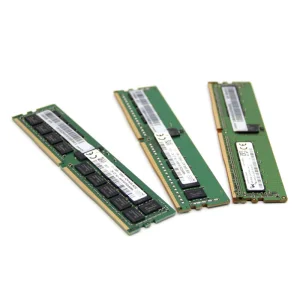
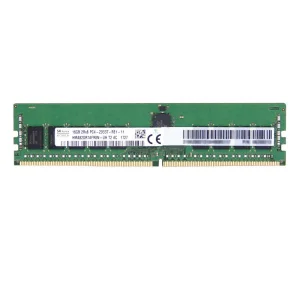
Hyperconverged systems combine computing and software-defined storage (SDS) on the same nodes. This setup places high demands on memory subsystems. Using high-capacity RDIMMs (such as DDR4 or DDR5 3200MHz/4800MHz) ensures sufficient memory channels remain open for VMs while leaving enough memory bandwidth for storage caching operations. This configuration helps avoid memory bottlenecks and maintain high system throughput.
We implement a strict quality control process, including 72-hour system-wide burn-in testing, thermal stress cycling, and real-world virtualization workload simulations. We use automated optical inspection (AOI) to identify mechanical and electrical issues early, and verify that our hardware configurations are compatible with major enterprise hypervisors before shipment.
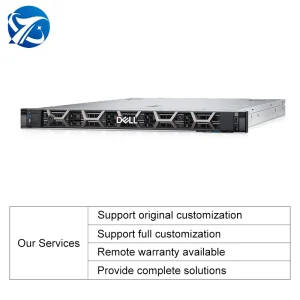
Yes. Bexora offers comprehensive OEM/ODM services, including custom physical designs for specific rack dimensions, modified airflow structures, liquid cooling setups, and tailored UEFI/BIOS splash screens. We also offer customization options for PCIe layouts, memory scaling, and PSU redundancies to suit your virtualization deployment requirements.
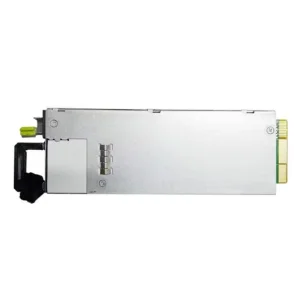
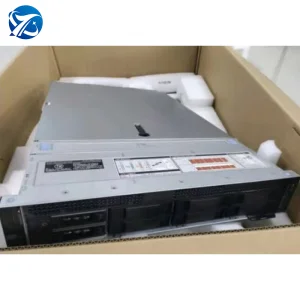
High-efficiency power units, memory modules, and specialized computing nodes designed to support reliable, non-stop virtualization deployments.