Bexora
Bexora
Bexora
Engineered to handle complex parallel algorithms, real-time inferencing, and secure high-performance networking workloads.
Under the Hood of High-Density Artificial Intelligence Computational Platforms
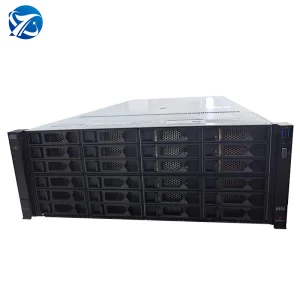
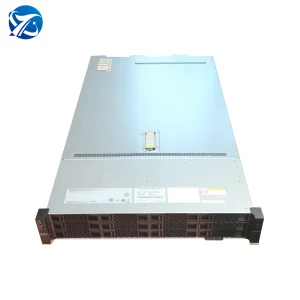
Modern artificial intelligence workloads, ranging from multi-billion parameter large language models (LLMs) like DeepSeek to deep molecular simulations, demand computational topologies that extend far beyond standard CPU-centric layouts. High-Performance OEM GPU Accelerators serve as the core engines of this technological transition. They do not merely house accelerators; they define how data flow occurs across multi-GPU environments.
System integrators and datacenters must balance compute density against power delivery and mechanical constraints. By leveraging architectural paradigms such as direct-to-chassis PCIe Gen 5 configurations, integrated SXM5 or OAM baseboards, and low-latency interconnects, our custom hardware solutions maximize Floating Point Operations Per Second (FLOPS) while minimizing Thermal Design Power (TDP) waste. A carefully planned topology minimizes CPU-to-GPU bottleneck loops, allowing deep neural networks to maintain high saturation levels across distributed processing clusters.
Support for PCIe 5.0 lanes, NVLink mesh networks, and high-frequency UPI links, minimizing latency and eliminating memory-sharing bottlenecks.
Smart N+N redundant power distributions configured to handle up to 3200W sustained loads per server unit, preventing transient voltage spikes.
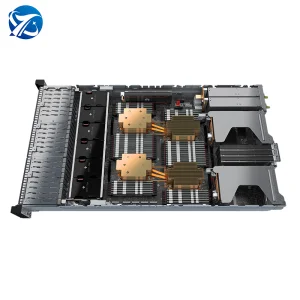
Advanced liquid loop designs and vapor chamber thermal block routing constructed to stabilize high-end GPU configurations under full workloads.
How Bexora AI Systems Leverages Industrial Clusters for Aggressive TCO Reductions and Rapid Deployment
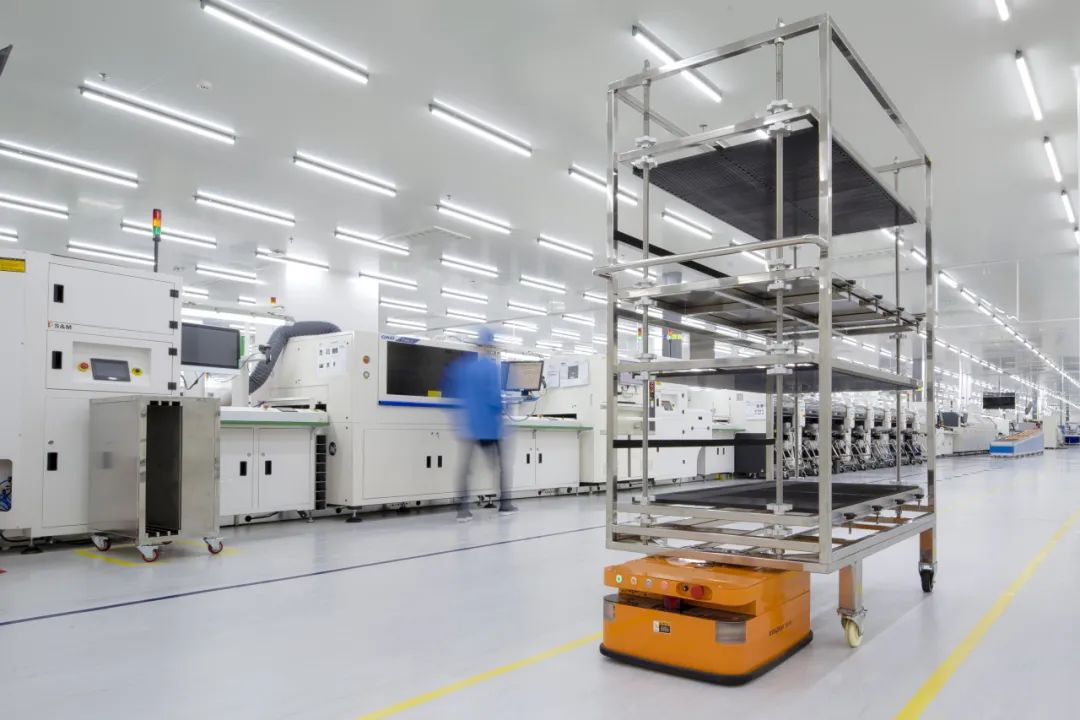
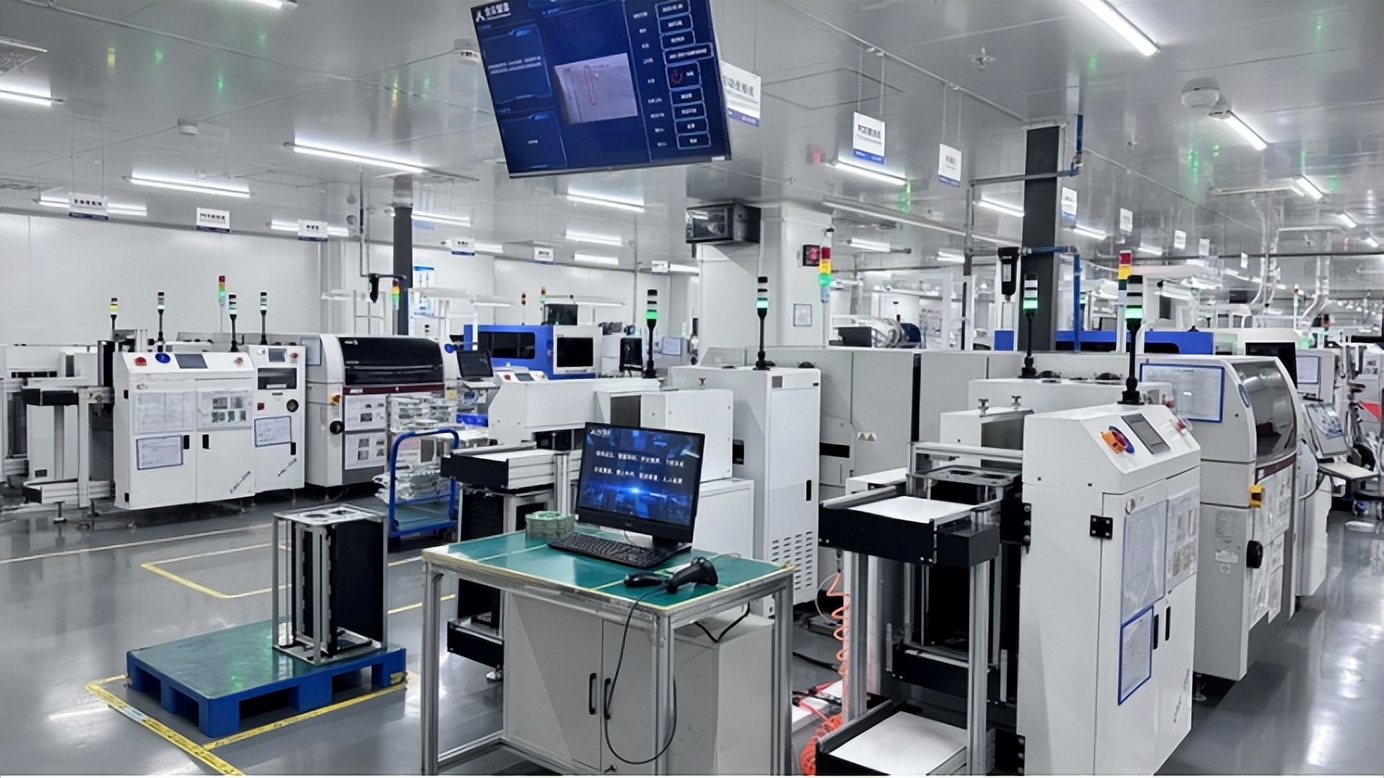
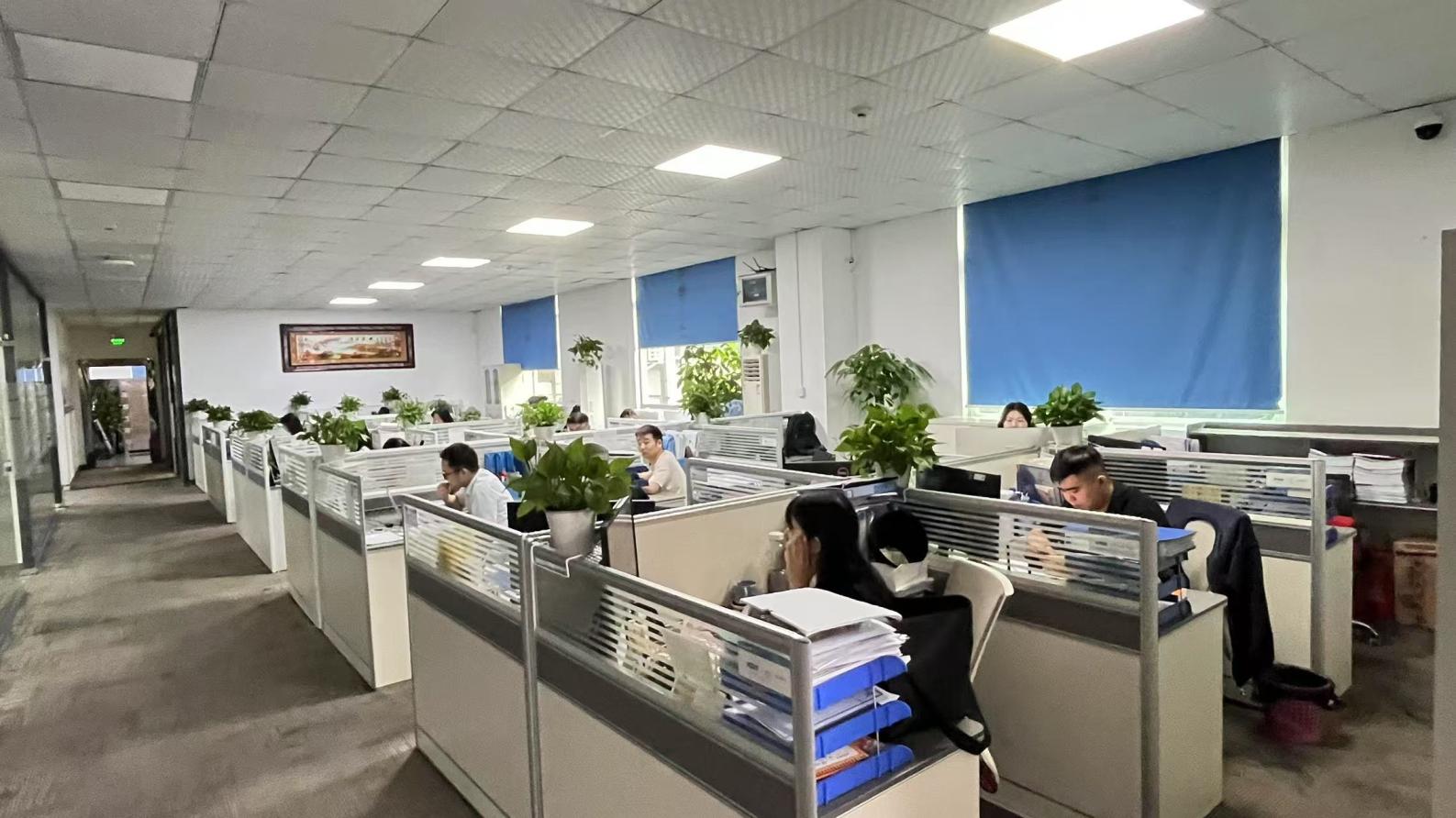
The global race for artificial intelligence dominance is won or lost on hardware provisioning timelines. Located in China’s premier hardware development corridor, our state-of-the-art 18,600㎡ manufacturing facility is integrated directly into the epicentre of the global electronics supply chain. This physical proximity to key upstream raw material producers and silicon system packaging partners reduces transit latencies for basic PCB designs, customized metal enclosures, and specialized liquid cooling components.
Our vertical supply integration network consists of roughly 860 strategic upstream and downstream partners. This collaborative ecosystem enables us to source complex components, modify layouts to meet mechanical space configurations, and finalize system integration on schedules that western competitors cannot match. By keeping design, fabrication, stress validation, and quality auditing under one umbrella, we eliminate overhead delays and pass those savings directly to cloud and enterprise purchasers in the form of optimized Total Cost of Ownership (TCO).
Adapting Hardware Solutions to Meet the Compute Needs of 2025 and Beyond
The release of foundational models such as DeepSeek-R1 and similar sparse mixture-of-experts (MoE) architectures has altered the hardware landscape. Rather than utilizing uniform GPU groupings, organizations increasingly leverage customized topologies that combine massive high-bandwidth memory (HBM3e) compute nodes with optimized local PCIe cache systems. These architectures require high-throughput backplanes capable of managing extreme data transfer bursts without throttling.
With compute units now consuming upwards of 700W to 1000W per chip, air cooling is approaching its thermodynamic limits in standard rack configurations. The industry is standardizing on hybrid and fully closed-loop liquid cooling installations. Implementing liquid cooling at the factory level ensures tight gaskets, zero-leaks, and optimized pump cycles, driving average Datacenter Power Usage Effectiveness (PUE) metrics below 1.15.
Standard off-the-shelf servers often force datacenters to pay for auxiliary components and licensing they do not require. Enterprise customers now demand bespoke chassis layouts, localized power supply entries, custom security firmware modifications (BIOS/BMC), and specialized PCIe slot orientations to maximize airflow. Our engineering team specializes in translating these system requirements into high-volume, reliable production runs.
"The alignment between localized neural-net model structures and hardware physical layout is the primary contributor to performance scaling. Standard off-the-shelf configurations often lose 20% to 30% efficiency due to bus latency mismatches."
Deploying OEM GPU Accelerators Across Real-World Edge and Datacenter Environments
Enabling localized cloud providers and national entities to build secure, sovereign AI clouds using custom GPU clustering configurations that maintain compliance with data privacy regulations.
Accelerating micro-array processing, real-time protein folding calculations, and AI-driven drug synthesis simulations through optimized multi-node PCIe fabric server architectures.
Providing low-latency model inference platforms optimized for processing algorithmic high-frequency trading simulations, real-time risk assessment, and market anomaly detection.
Ensuring High-Scale System Reliability for Enterprise AI Deployment
Sourcing AI server clusters requires balancing multiple variables beyond unit pricing. Procurement professionals must evaluate power efficiency (PUE), system expandability, component supply security, and testing compliance. High-density deployments require verification of thermal stability under maximum sustained workloads to prevent costly operational downtime.
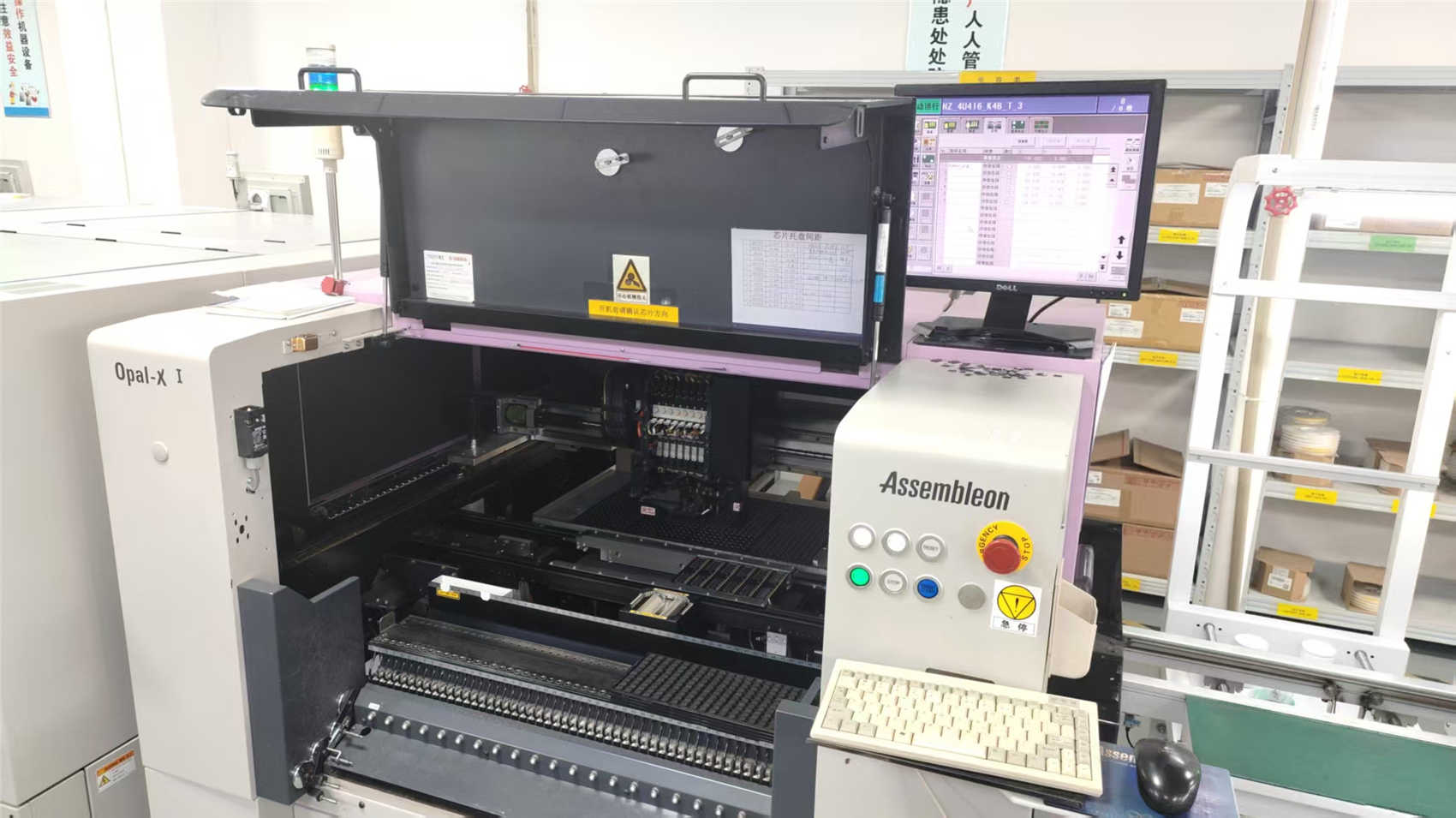
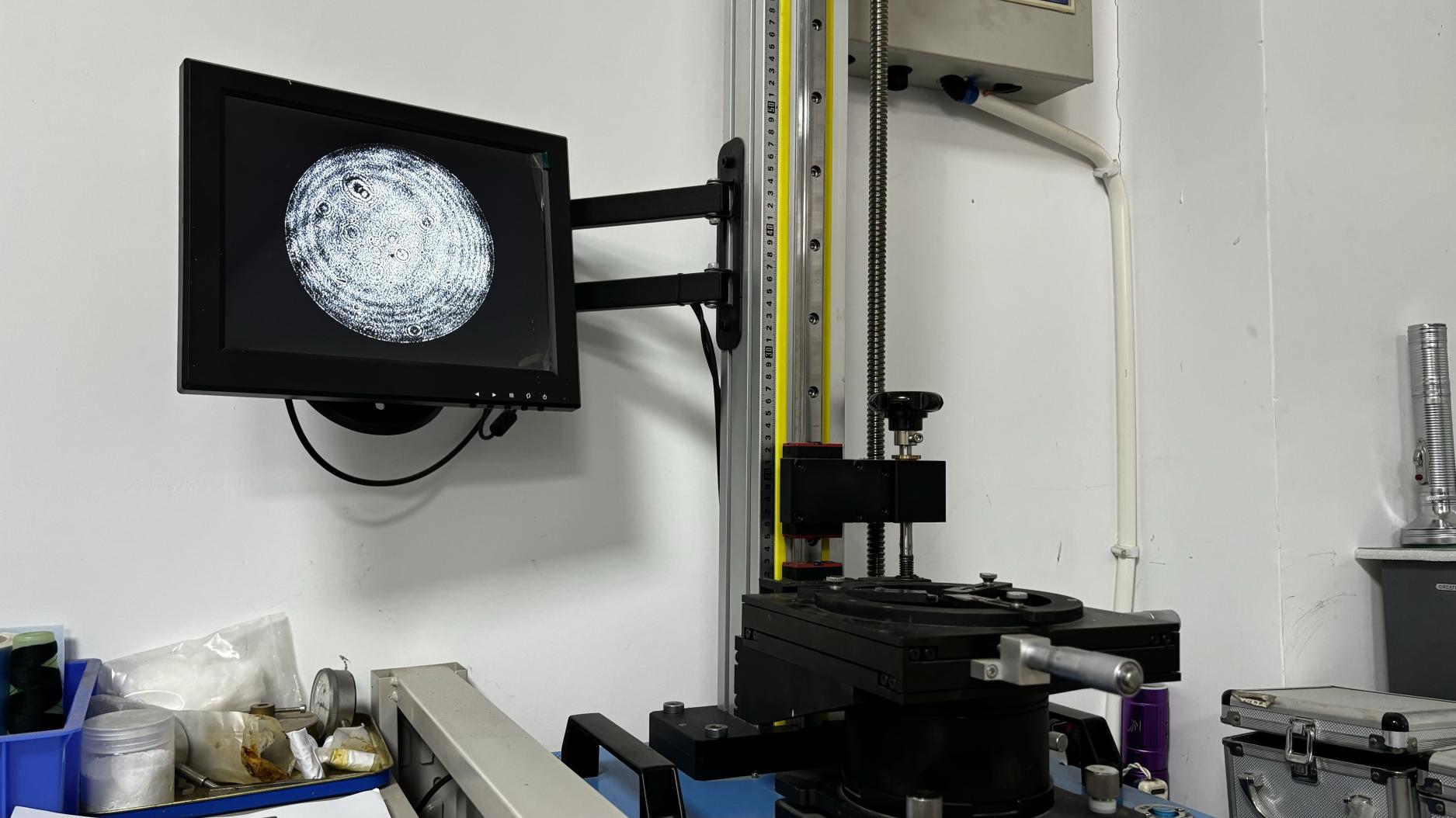
Our quality control program utilizes a 45-member team that executes a comprehensive testing protocol before any product leaves the factory. We employ a 100% full inspection strategy paired with random sampling reliability testing under extreme stress conditions. Our testing routine includes:
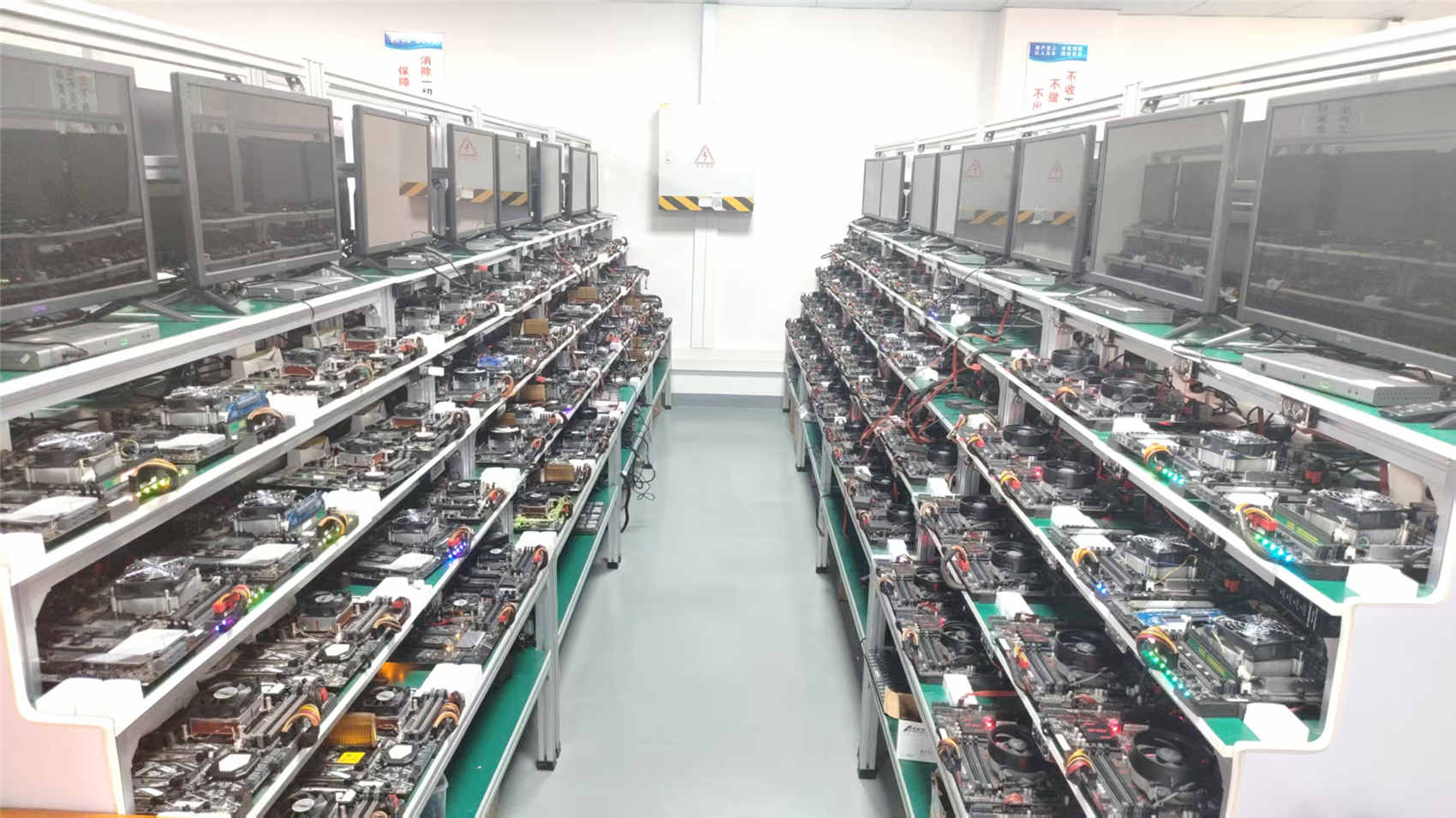


Detailed explanations regarding system design, compliance, customization, and factory operations.
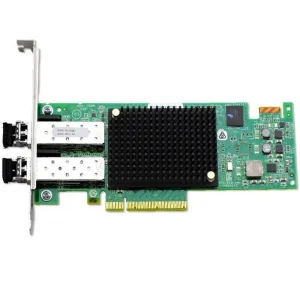
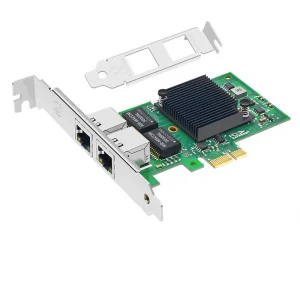
Explore the balance of high-throughput data pipes and system-level accessories designed for processing AI workloads.