Bexora
Bexora
Bexora
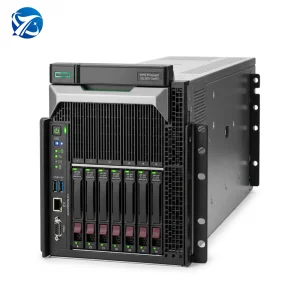
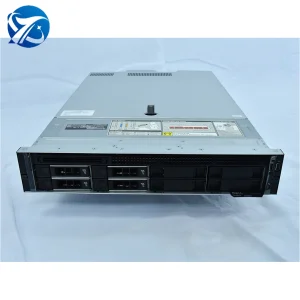
Modern enterprise computation requires a radical departure from pure public cloud environments. High-performance artificial intelligence (AI) training pipelines, low-latency deep learning inference, and rigid sovereign compliance frameworks (such as GDPR, HIPAA, and national security directives) have catalyzed a massive global migration toward custom hybrid cloud infrastructures.
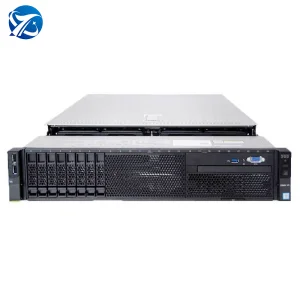
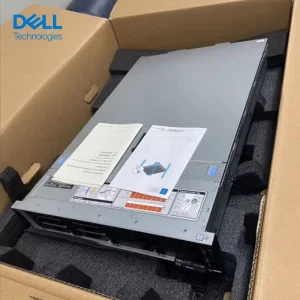
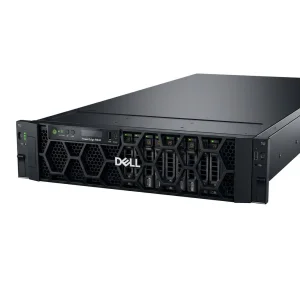
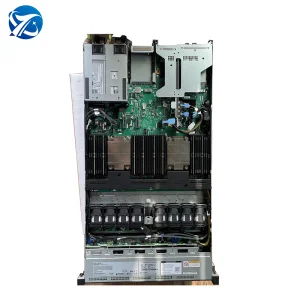
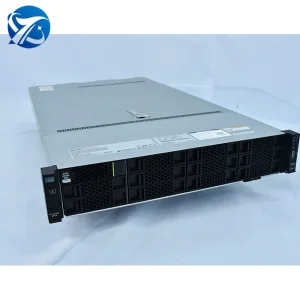
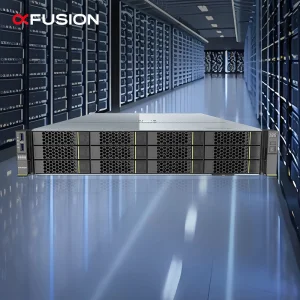
In the global arena, hybrid cloud computing systems act as the connective tissue between on-premise hardware density and public cloud elasticity. Scalable hardware topologies, such as the xFusion FusionServer 2288H V6 and Dell PowerEdge R760XS, are configured to maintain core computational databases internally, offloading seasonal or elastic workloads dynamically. From industrial IoT manufacturing plants in Germany to massive banking clusters in New York, the requirement for custom, enterprise-grade bare-metal servers paired with reliable PCIe NVMe SSDs has reached unprecedented levels.
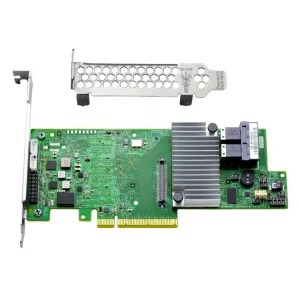
Furthermore, the exponential scaling of artificial intelligence workflows—especially around large-scale deep learning models like DeepSeek—has transformed data centers. Traditional generic computing nodes are insufficient. Enterprises demand hybrid cloud installations integrated with specialized accelerator units, such as PCIe GPUs and hardware RAID controllers equipped with dedicated cache buffers (e.g., the MegaRAID 9560-16i), ensuring low-latency data access cycles.
The industrial landscape of server architecture is characterized by rapid generational shifts. The integration of high-bandwidth memory protocols, modern motherboard fabrics, and dense solid-state storage solutions forms the core of modern cloud infrastructure engineering:
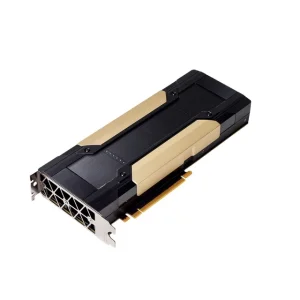
Accelerated integration of CPUs alongside dedicated PCIe accelerators (such as the V100 PCIe 32GB GPU) to compute high-density machine learning operations in real time.
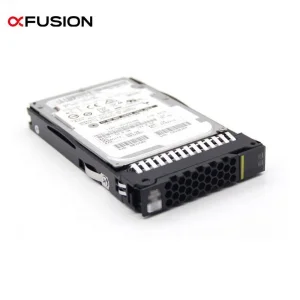
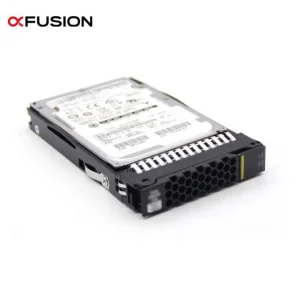
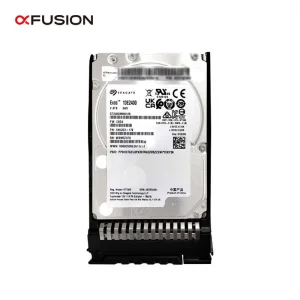
Shifting from traditional spinning media to NVMe PCIe interfaces. Series like the PM9A3 NVMe SSD offer orders of magnitude higher IOPS, crucial for virtualized storage hypervisors.
With modern processors reaching TDPs of 350W+, custom cooling setups (liquid loops and air channels) are mandatory to sustain heavy server throughput without thermal throttling.
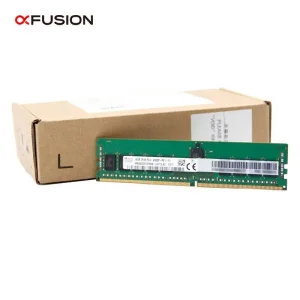
As OEM manufacturers, Bexora AI Systems works hand-in-hand with hardware innovators to deliver hyper-customized setups. Our engineering pipeline supports the integration of advanced DDR4 RDIMM ECC components (like 3200MHz, 1.2V units) alongside PCIe Gen 4 controller interfaces, giving systems the throughput buffer needed to prevent systemic CPU starvation.
High-performance hybrid cloud environments are not plug-and-play templates. They are meticulously designed hardware-software frameworks mapped to industry-specific operations:
Hospitals and medical imaging research institutes must keep patient biometric records on-premise due to strict local data laws. For diagnostics, they leverage high-density local nodes fitted with high-capacity SSDs (such as the PM9A3 7680GB series) and dedicated GPUs to run AI-assisted tumor detection. Standardized non-sensitive medical telemetry is then securely synchronized to public cloud clusters for aggregate research.
Global brokerage firms deploy physical 1U/2U server arrays close to local exchange facilities. These local servers handle microsecond order execution using high-speed DDR4 or DDR5 RAM and read-intensive storage modules. At the end of the trading session, secondary operational data, transaction logs, and customer metrics are batch-transferred to cloud-based cold storage for long-term analytical compliance.
Autonomous vehicle development requires ingestion of petabytes of road telemetry. Bexora's custom server platforms act as localized regional edge hubs, swallowing unstructured lidar and video feeds. High-speed RAID arrays driven by PCIe 4.0 9560-16i cards process the initial ingestion layers, performing automated tag generation and filtering before syncing refined neural network weights to central training clouds.
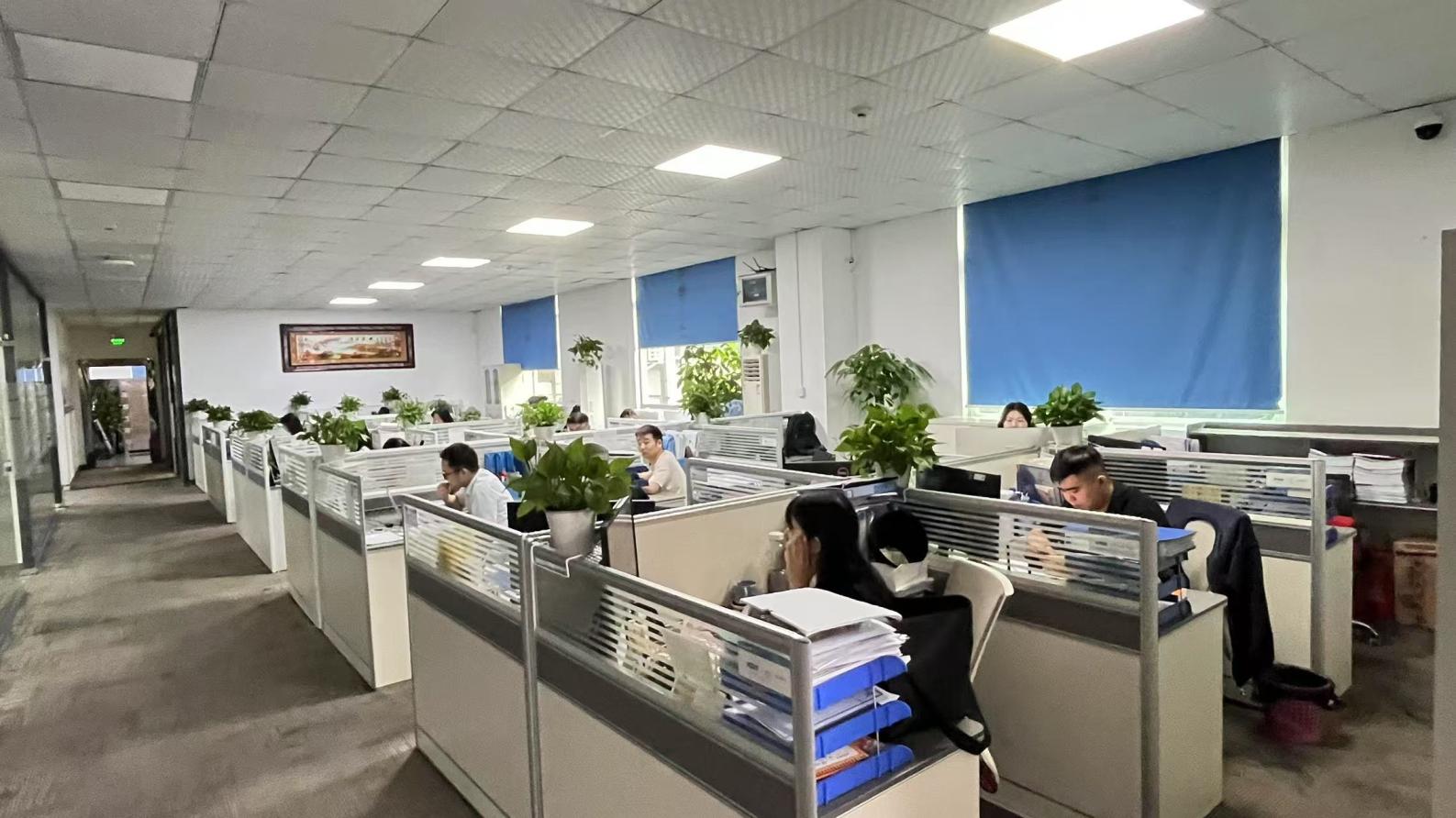
Founded in 2016, Bexora AI Systems (China) Co., Ltd. has established itself as an industry-leading OEM/ODM manufacturer of high-performance computing (HPC) nodes, AI GPU clusters, and custom server infrastructure. With an export footprint across North America, Europe, Southeast Asia, and the Middle East, our team bridges the gap between hardware conceptualization and physical server deployment.
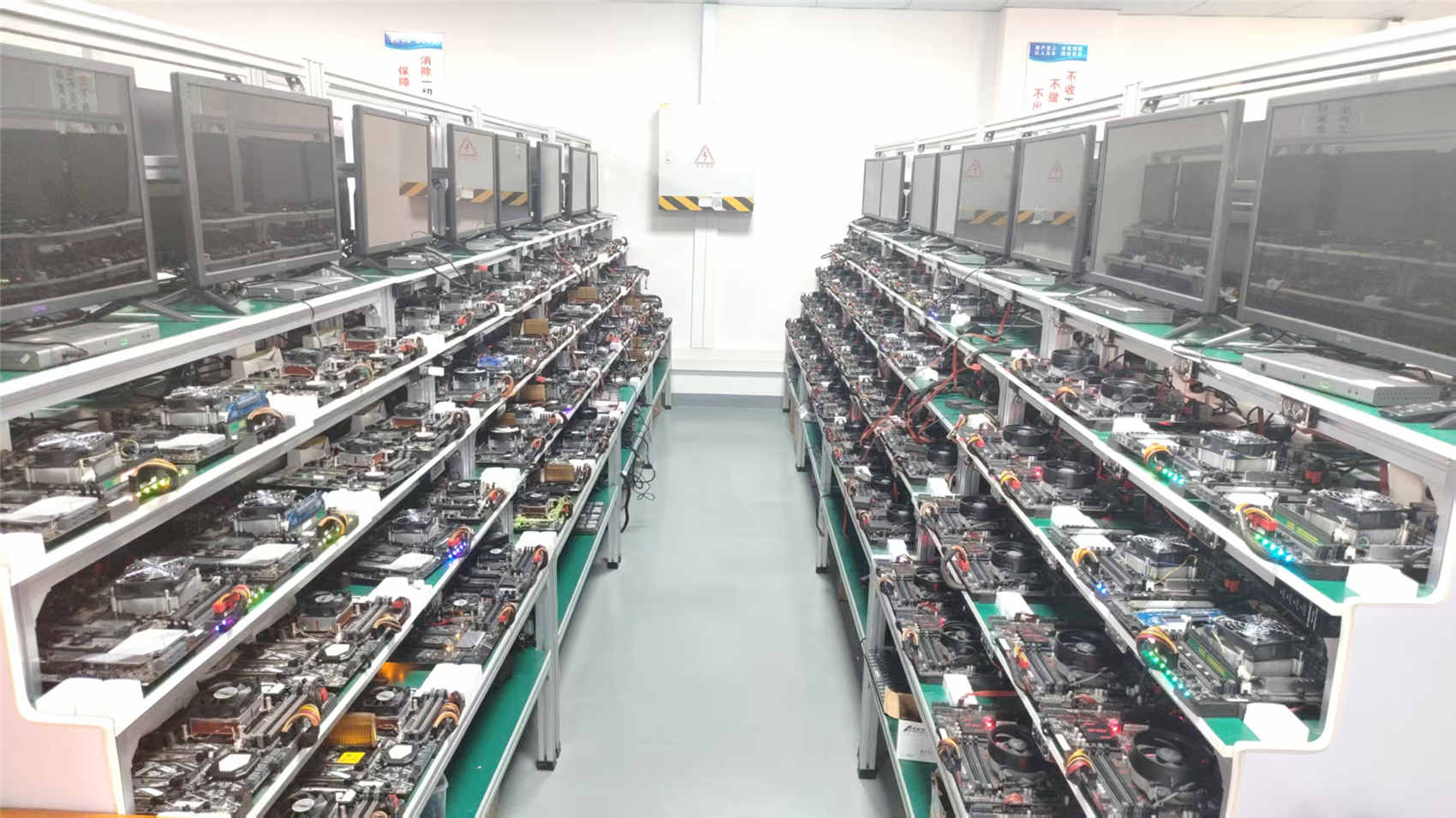
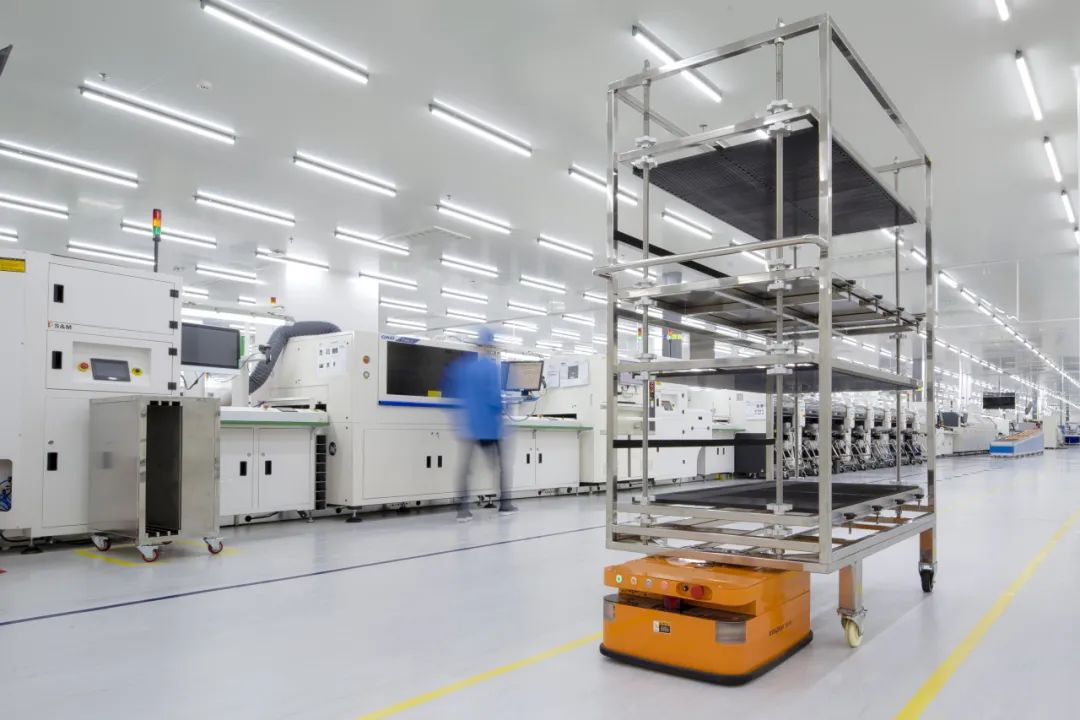
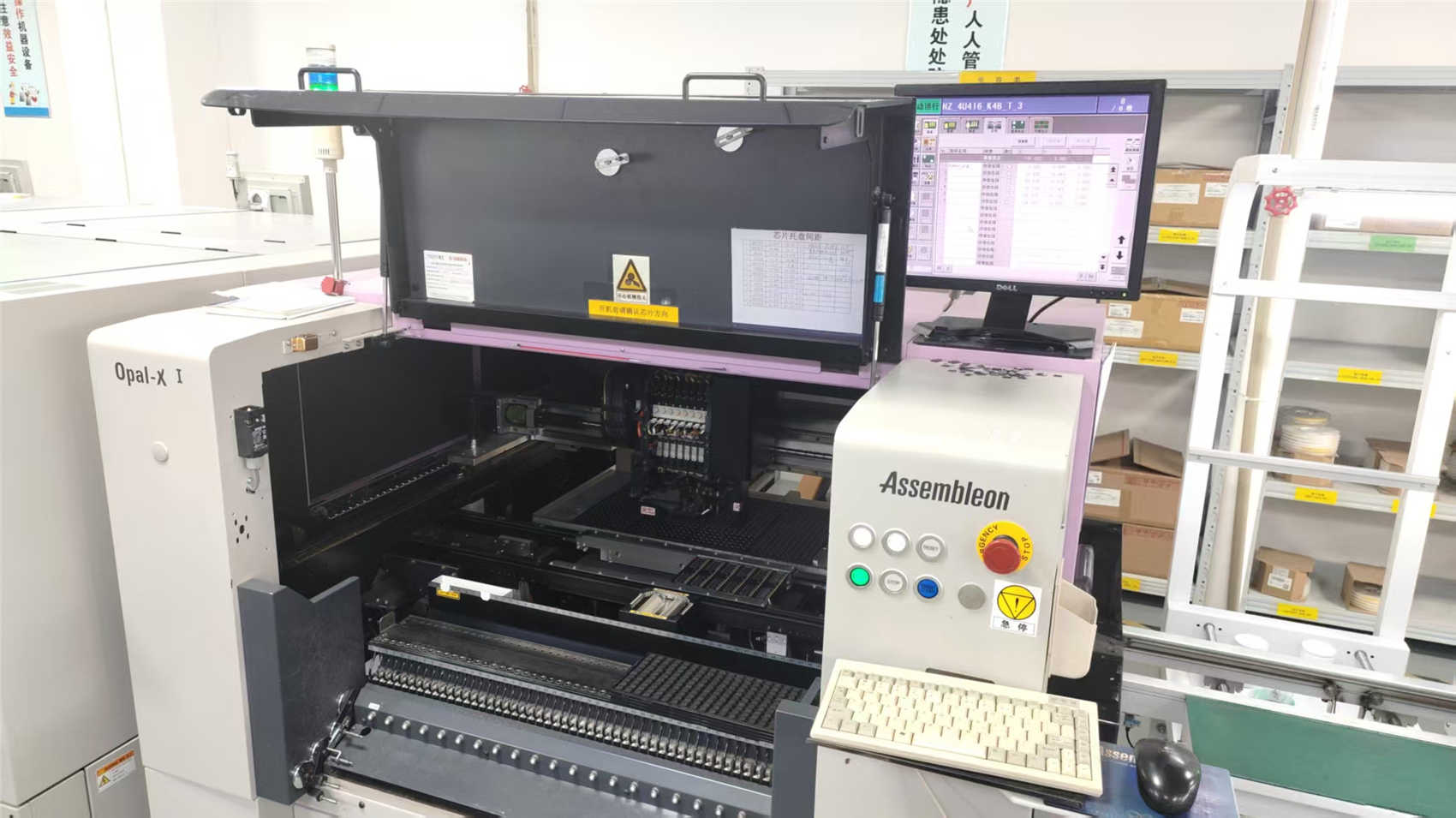
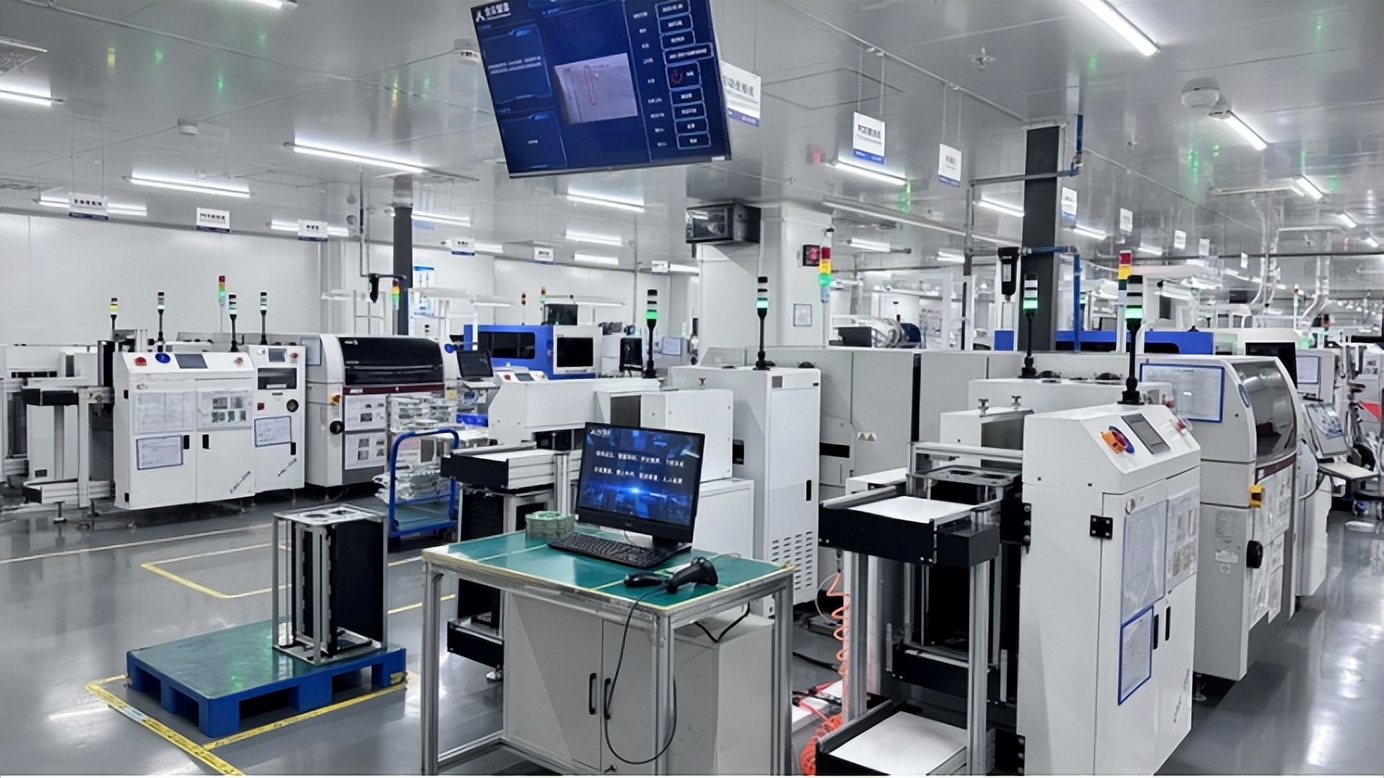
Our 18,600㎡ state-of-the-art facility houses specialized assembly lines capable of delivering high-density configurations tailored to client specifications. Supported by a robust supply chain network of approximately 860 upstream and downstream partners, we secure critical hardware components, including microprocessors, SSD flash chips, and high-frequency memory dies.
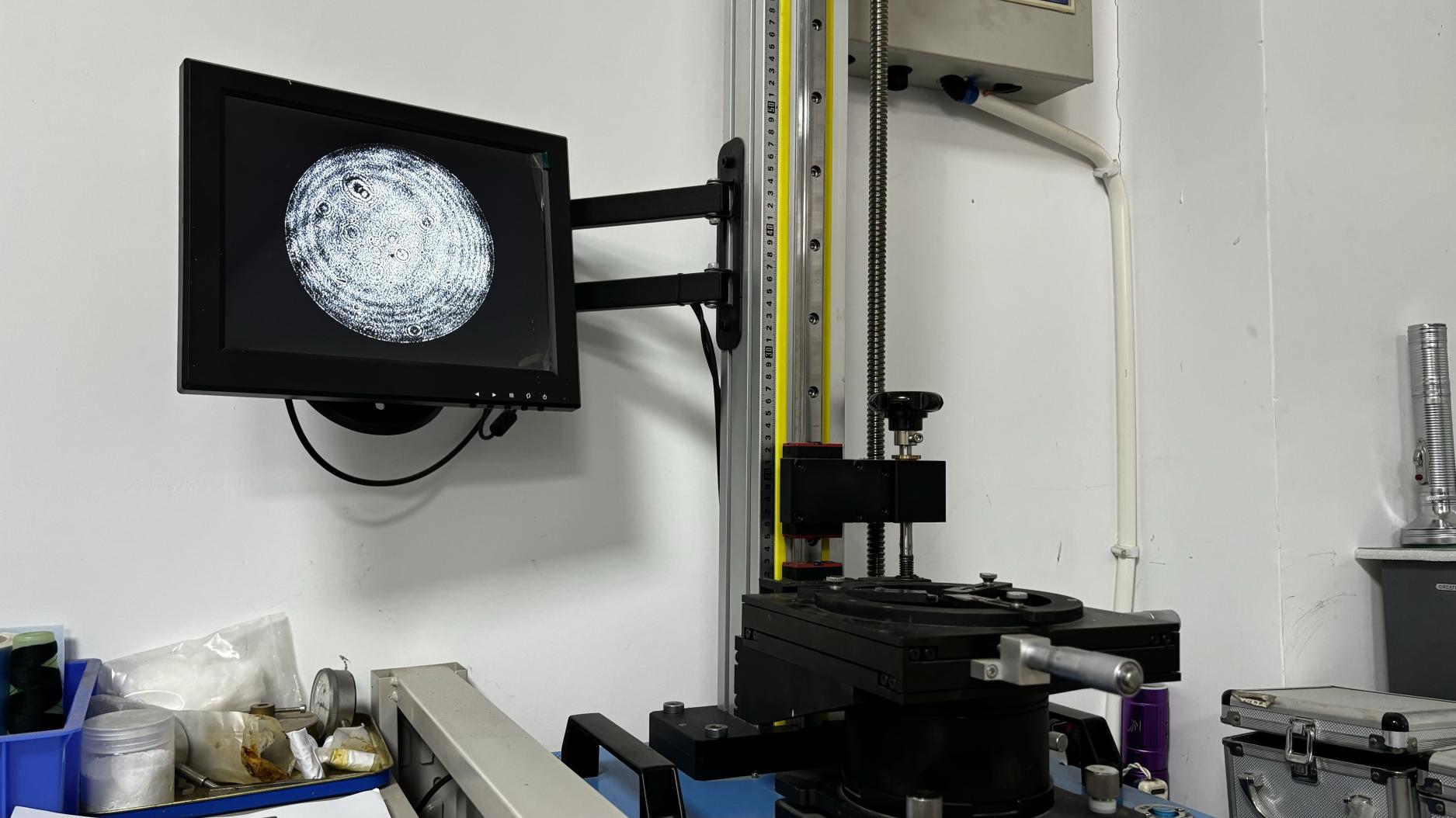
Quality is the cornerstone of our global trade. Our 45-professional QC department enforces a zero-compromise testing regime. Each system undergoes a thorough operational verification process:
As a forward-looking OEM manufacturer, Bexora closely monitors technological evolution to deliver future-proof custom compute architectures.
Transitioning storage infrastructures to PCIe Gen 5.0, enabling drive speeds exceeding 14 GB/s. Implementing high-speed 4800MT/s and 6400MT/s DDR5 registers to accommodate high core count CPU topologies.
Standardizing liquid-to-air cooling options inside 1U and 2U chassis configurations. This mitigates hot spots on multi-GPU nodes and high-performance server clusters, reducing overall power overhead (PUE).
Adapting physical motherboard layouts to house upcoming AI accelerator chips alongside network processing units (NPUs), optimizing localized real-time inference pathways for edge nodes.
Navigating custom server manufacturing and hardware specifications can be complex. Here are answers to the most common queries from procurement departments and infrastructure architects:
Read-Intensive SSDs (like the SE005 and S4520 Series) are optimized for workloads where data read operations account for 85% or more of the overall drive duty cycle. They are ideal for file serving, boot drives, database lookups, and static web hosting. Write-Intensive SSDs, on the other hand, feature higher drive writes per day (DWPD) ratings, making them suitable for transaction logging, cache tiers, and continuous real-time data replication.
The MegaRAID 9560-16i card utilizes a high-speed PCIe 4.0 interface and offers 8GB of internal cache memory. In virtualized systems hosting dozens of virtual machines (VMs), it offloads write validation and parity calculation from the CPU. This prevents write amplification issues, improves IOPS stability, and provides hardware cache protection to prevent data loss in the event of an abrupt system power loss.
While DDR5 offers higher overall bandwidth, DDR4 RDIMM ECC remains a highly cost-effective, mature, and stable option for enterprise servers like the xFusion 2288H V6. ECC (Error-Correcting Code) automatically detects and corrects single-bit memory errors, preventing system crashes and silent data corruption, which is vital for long-term database stability.
Yes. Our R&D team specializes in designing advanced thermal systems, including custom heat-pipe structures, high-CFM dynamic fan arrays, and direct-to-chip liquid cooling plates. This keeps high-power GPU units within their optimal temperature envelopes, preventing thermal throttling and extending system lifespans.
We provide comprehensive chassis customization services. This includes structural adjustments (converting 2U chassis to support various combinations of 2.5" and 3.5" drive slots), localized branding (custom front bezels, custom silkscreen prints, and unique paint jobs), custom backplane designs (supporting SAS, SATA, and NVMe concurrently), and tailored power distribution setups.
We conduct 100% full-inspection burn-in tests alongside random sampling testing for all manufacturing runs. Component batches are subjected to thermal stress testing, automated optical inspection, and full-system workload simulations, ensuring the servers perform reliably under real-world processing demands.
Yes. We stock verified legacy components and GPUs, such as the V100 PCIe 32GB GPU, to help clients configure budget-friendly artificial intelligence training and inference systems, or maintain matching nodes within older operational clusters.
With 7 years of B2B export experience, we manage all international shipping documentation, compliance certificates, custom packaging (including anti-static bags and shockproof drop-tested wood crates), and regional customs declarations. This ensures your server hardware arrives intact and complies with local import regulations.
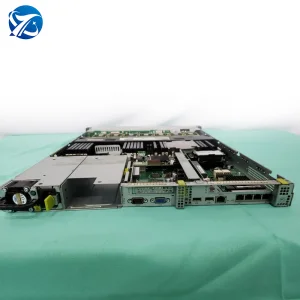
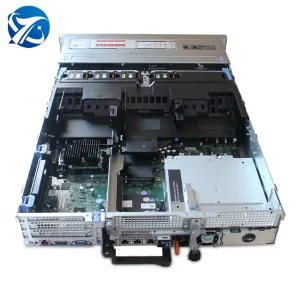
Take a virtual tour of our 18,600㎡ assembly plants, reliability test centers, and quality control lines in China.