Bexora
Bexora
Bexora
Explore our specialized OEM/ODM hardware portfolio, integrated to streamline high-performance artificial intelligence deployments, cloud hosting, and big data management.
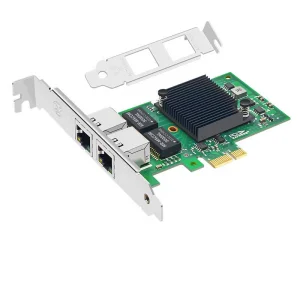
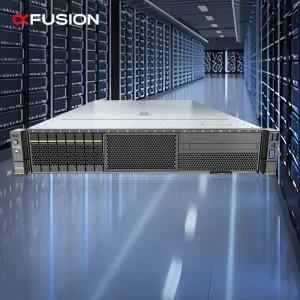
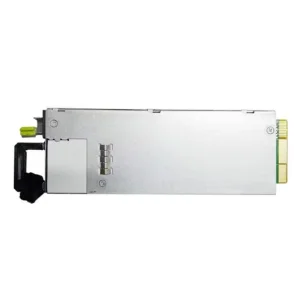
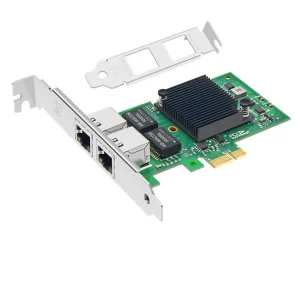
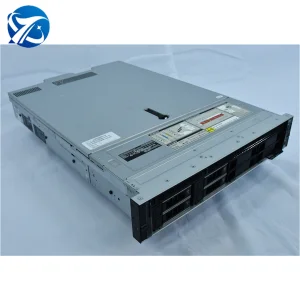
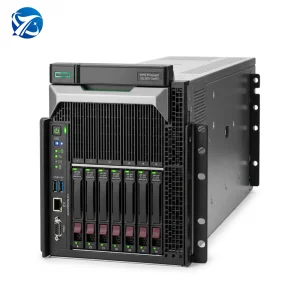
Modern workloads—such as high-parameter deep learning networks (e.g., DeepSeek models), automated financial algorithmic systems, and massive-scale hyperconverged infrastructure (HCI)—have shifted the baseline requirements for server components. Standard configurations no longer suffice. Standard commodity motherboards, stock thermal solutions, and generic power distribution boards fail under the sustained load profiles typical of enterprise AI execution.
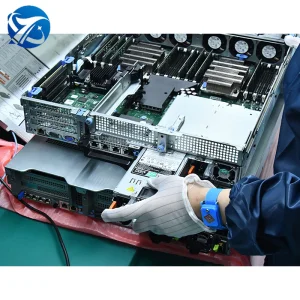
To overcome performance bottlenecks, global procurement and data center engineering teams rely heavily on Custom OEM Server Components Manufacturers and Factories. By tailoring configurations directly at the factory level—incorporating high-speed PCIe 4.0/5.0 RAID cards, modular high-density chassis layouts, platinum-rated power supplies, and customized cooling arrays—companies can scale their operations efficiently while maintaining system integrity and long-term reliability.
In high-density data centers, spatial footprint and power efficiency directly dictate operating costs. Factory-level OEM customization allows cloud providers and enterprise buyers to design custom physical architectures that align perfectly with their racking units. This minimizes structural waste, maximizes airflow pathways, and ensures that power supply units (PSUs) run at peak efficiency curves.
Additionally, OEM firmware-level customization allows hardware engineers to adjust PCIe channel allocations, optimize baseboard management controller (BMC) thermal trip points, and flash application-specific BIOS routines. These custom parameters prevent thermal throttling during long-run model operations, ensuring hardware longevity and predictable execution costs.
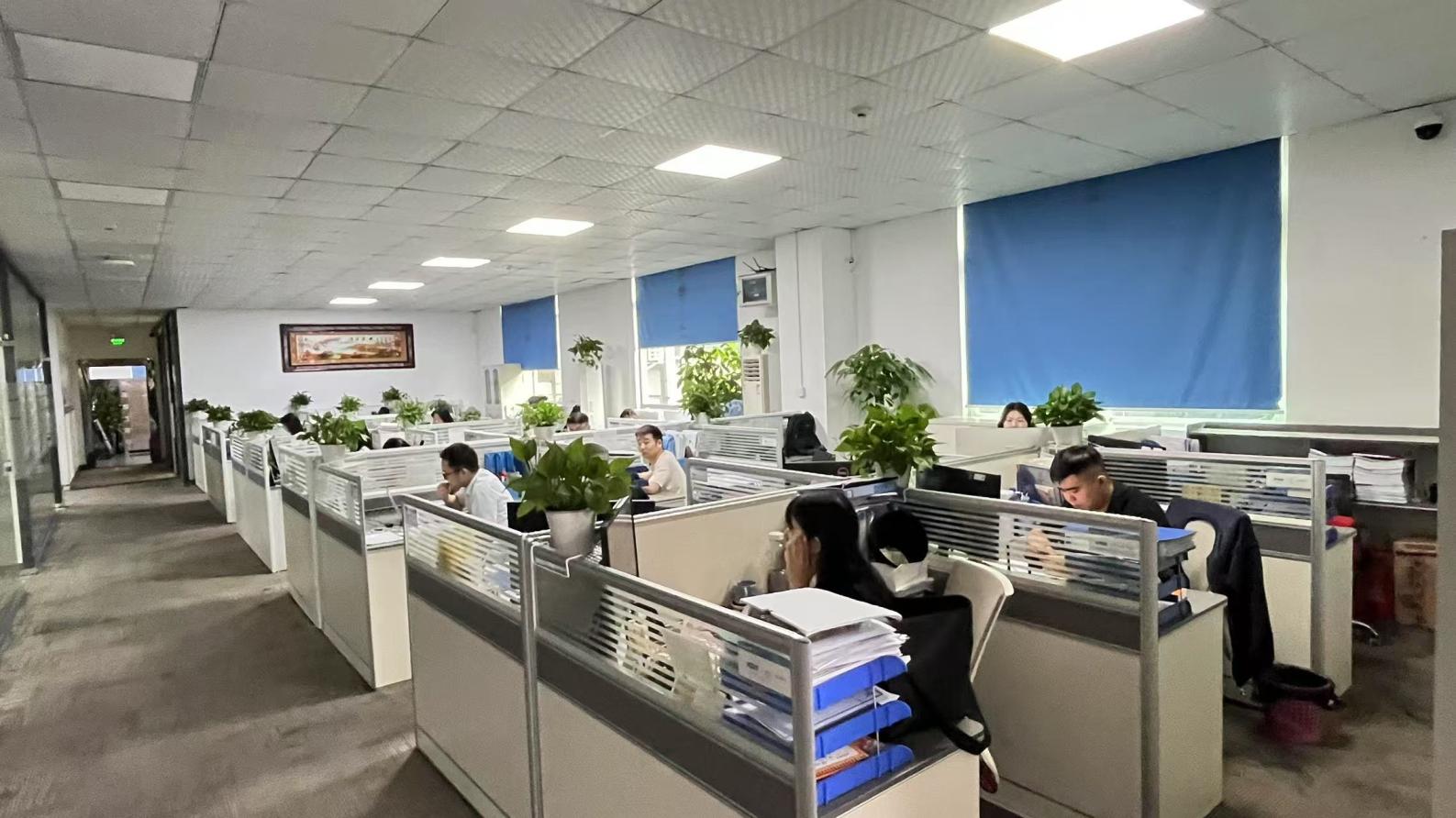
Established in 2016, Bexora is a professional AI GPU server and high-performance computing infrastructure manufacturer based in China. We specialize in developing highly scalable compute systems, components, and accessories for AI training, inferencing workloads, and global data center deployments.
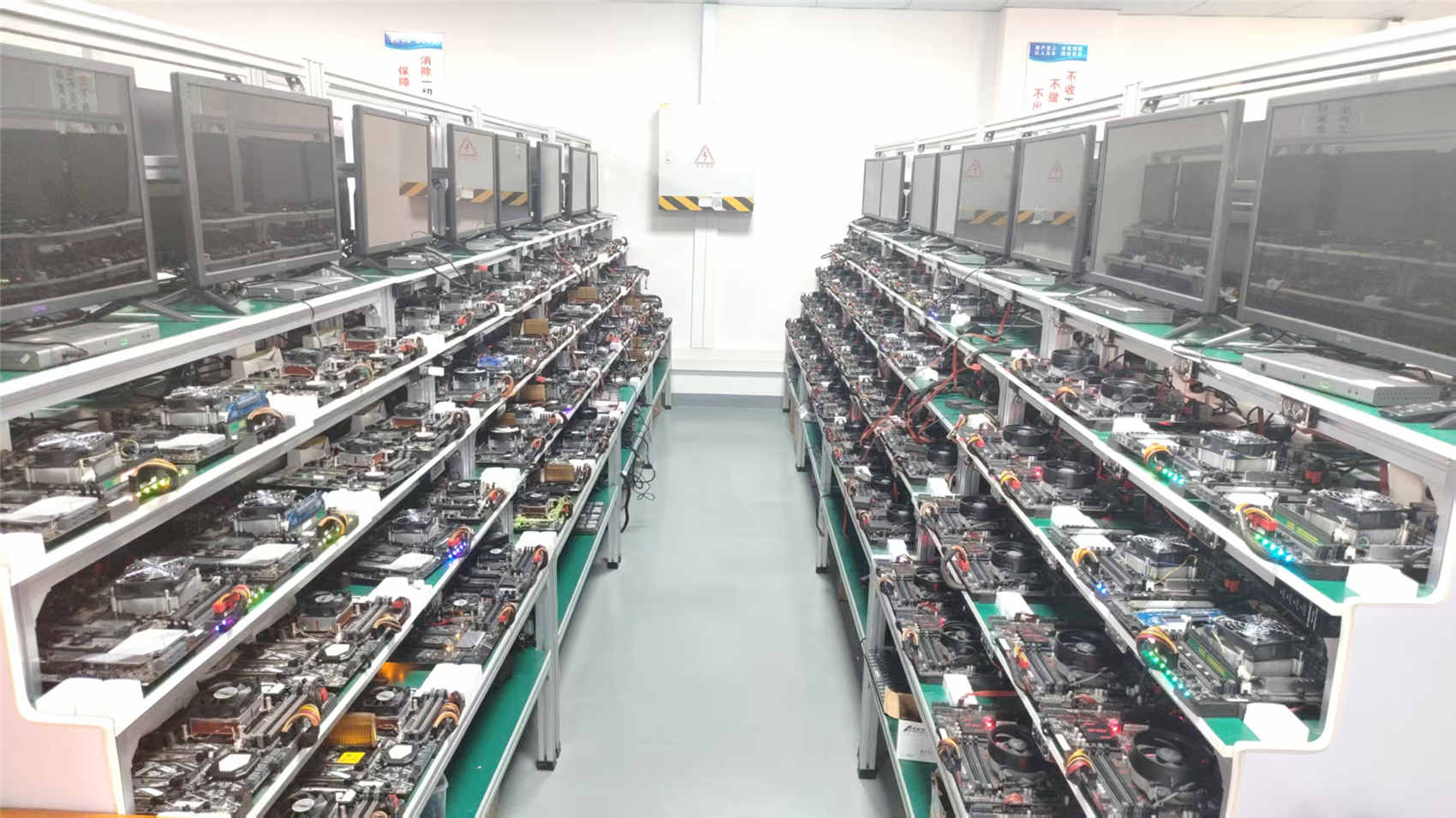

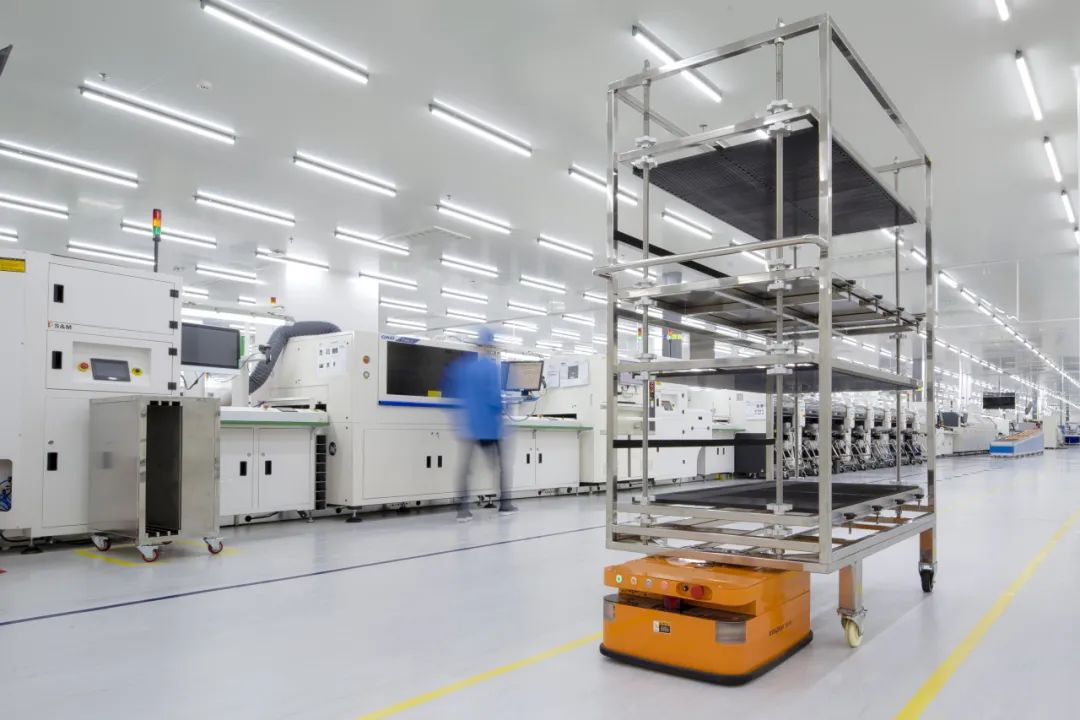

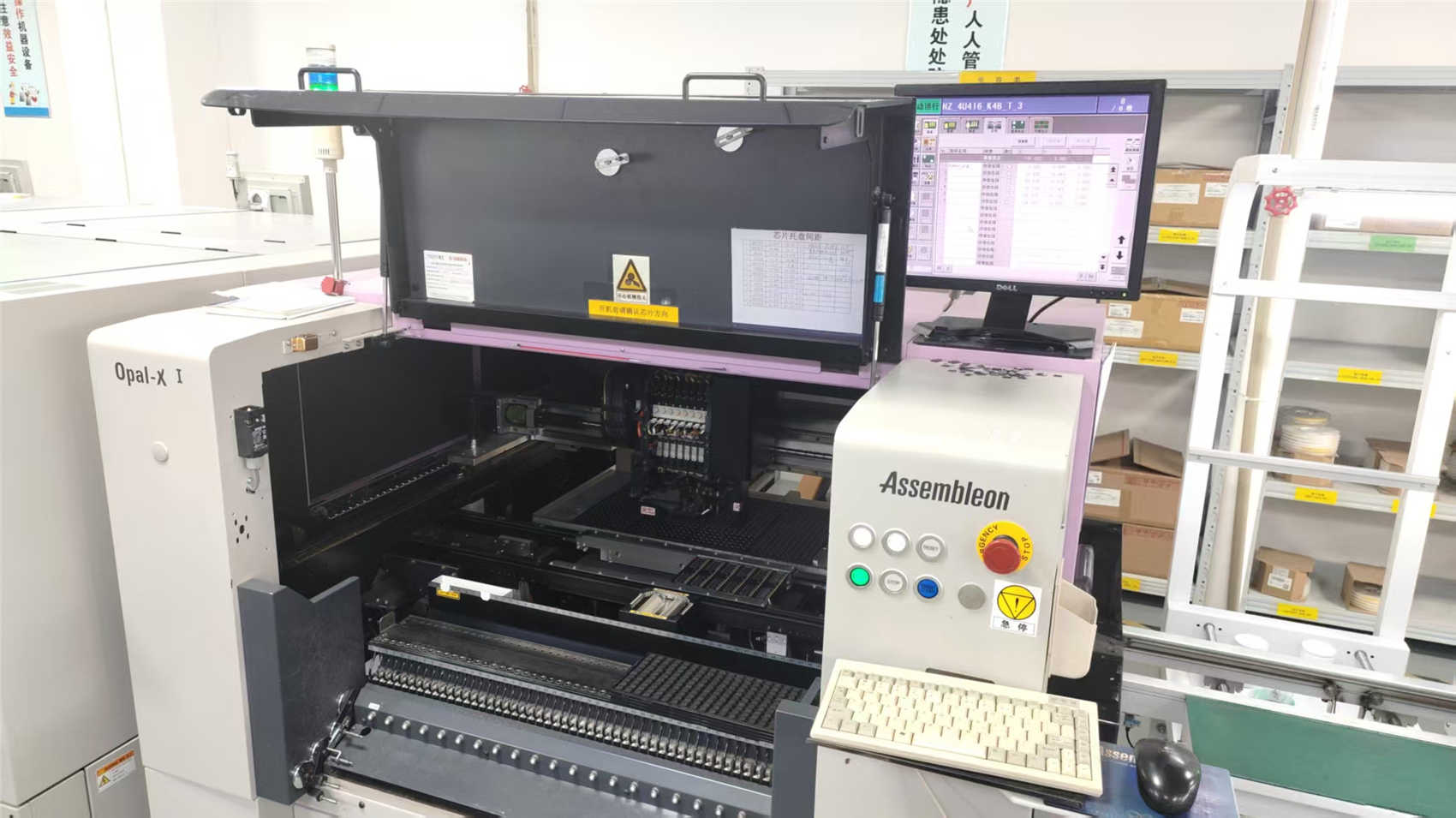
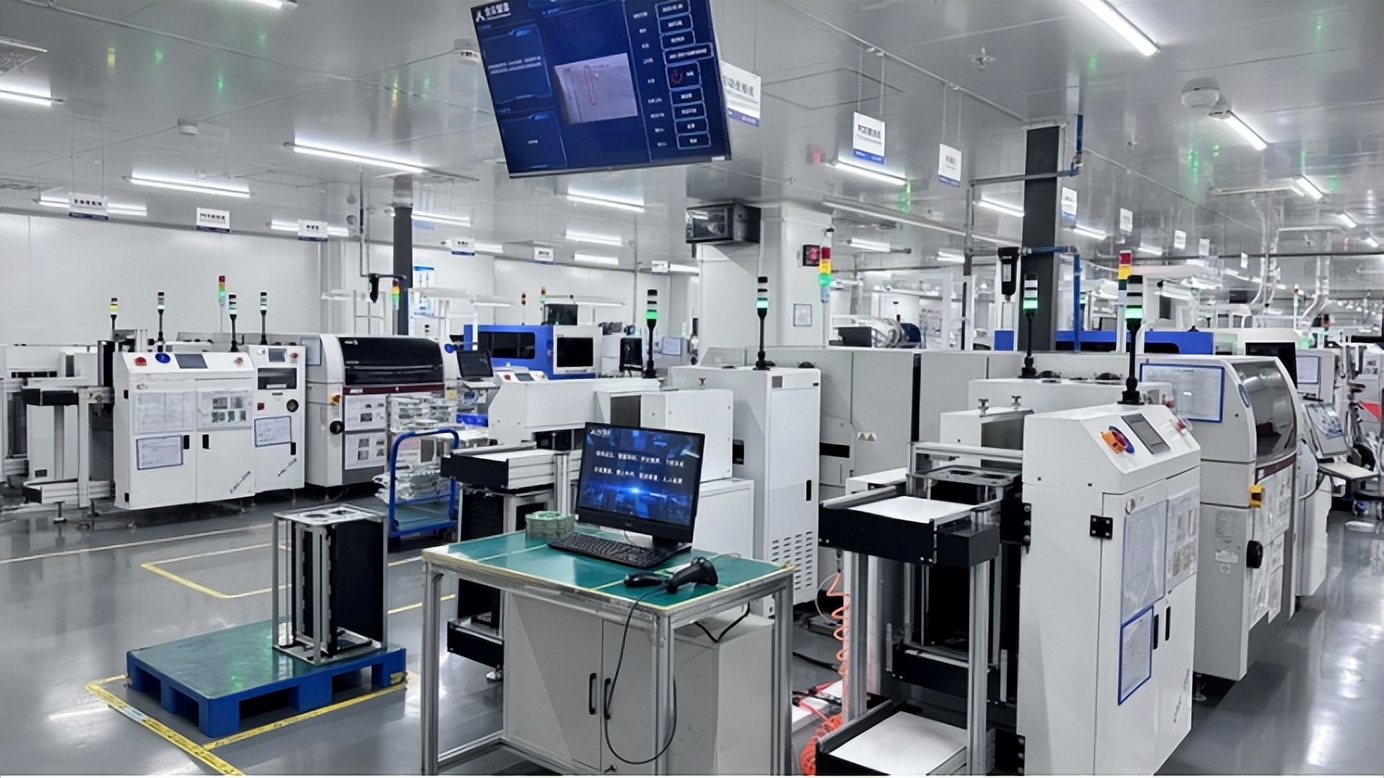
Hardware demands vary widely by physical location, regulatory jurisdiction, and specific commercial deployment strategies. Below is a detailed view of how custom OEM server components perform in key local environments.
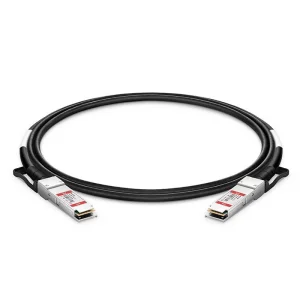
For cloud providers hosting heavy machine learning models, server nodes must support high-speed interconnect interfaces. Custom QSFP+ direct-attach copper cables (DAC) and optical transceivers are critical to prevent data bottlenecks between high-density nodes. Our components ensure zero-latency routing across dense server racks, enabling seamless GPU-to-GPU communications.
In virtualized enterprise environments, storage and compute must scale modularly. Utilizing custom PCIe 4.0 RAID controller cards, such as the LSI 9560-16I 8GB or the 9540-8i, guarantees low-latency access to multi-bay SSD/HDD arrays. This setup ensures that critical enterprise applications run without data corruption or storage processing lags.
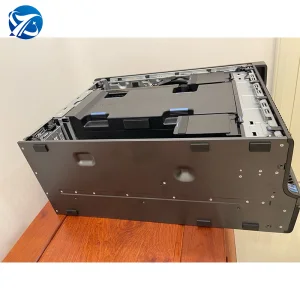
Industrial server deployments demand hardware that can withstand extreme environments. This requires ruggedized 4U rack chassis configurations, power supply units capable of filtering out electrical noise, and thermal management systems that protect internal processing elements from ambient dust and temperature variations.
The manufacturing hub in China is uniquely positioned due to its complete, integrated industrial ecosystem. Rather than sourcing individual components from fragmented suppliers across multiple continents, Bexora utilizes a network of approximately 860 domestic partners. This direct access spans precision sheet metal fabricators, silicon validation labs, and high-frequency connector manufacturers.
This concentrated logistics framework enables rapid prototyping cycles, reducing the typical development duration of new server configurations from months to just weeks. Furthermore, this localized ecosystem keeps raw material logistics costs low, allowing us to pass significant cost efficiencies directly to global buyers.
A key factor in maintaining modern server platforms is keeping pace with rapid chip architecture upgrades. Bexora’s dedicated team of 160 R&D engineers launched 120 new models and iterations over the past year. This technical agility ensures that our product offerings remain aligned with the latest chip innovations, processor updates, and bus interfaces.
By executing hardware modifications quickly at the design and layout stage, our team ensures that customer systems support newer, faster processing units and high-speed memory standards as soon as they hit the market.
Our dedicated team of 45 quality control professionals uses rigorous testing protocols to ensure system reliability under sustained workloads.
Every server configuration undergoes thermal stress cycling and burn-in testing to verify components survive extended operating periods under heavy workloads.
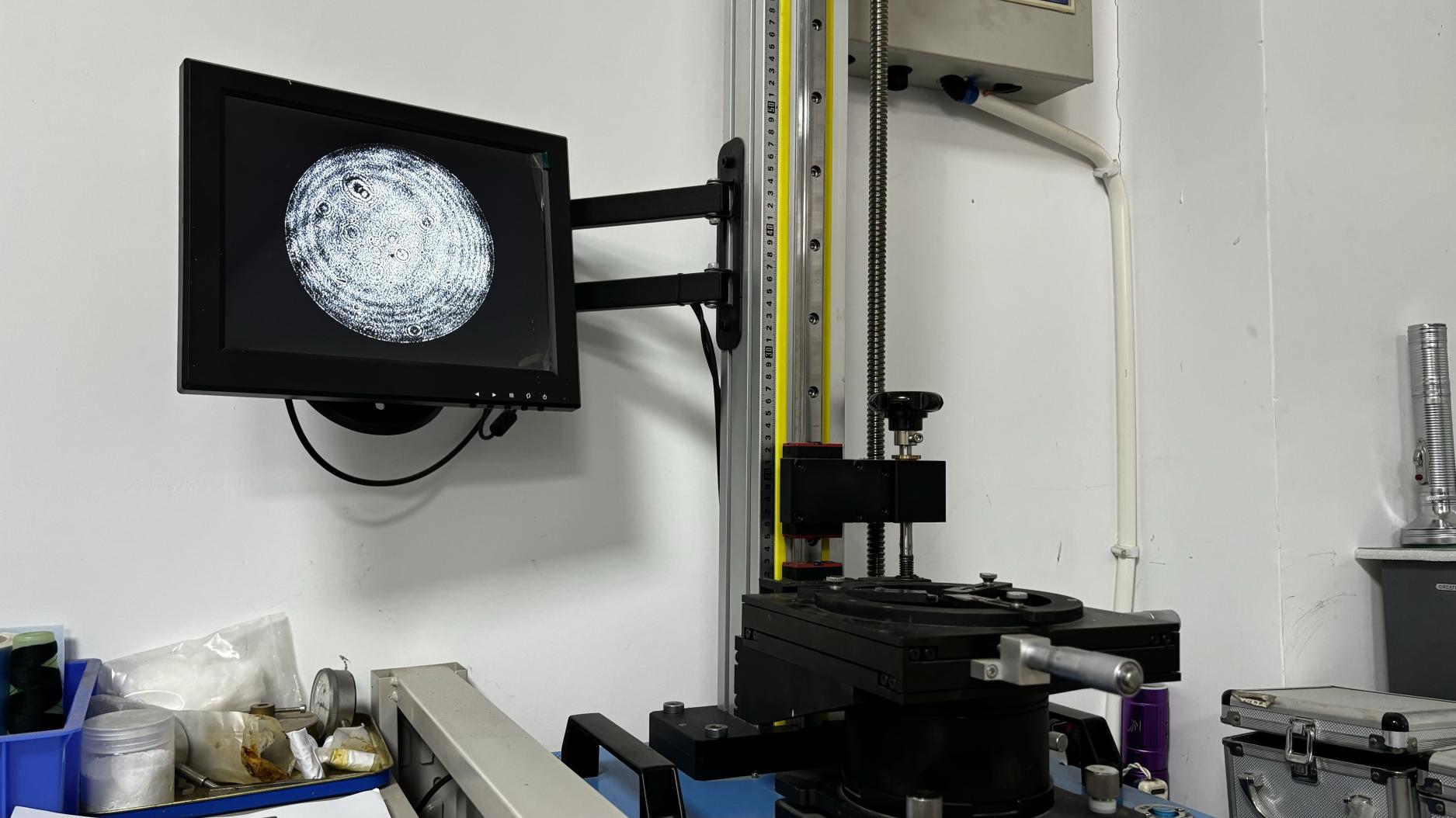
Automated Optical Inspection (AOI) detects component alignment faults, soldering anomalies, or microscopic trace cracks on motherboards and power backplanes.
We perform full system AI workload simulations and comprehensive firmware validations to verify compatibility with operating systems and hypervisors.
Server infrastructure is rapidly evolving to support higher transmission speeds and power demands. Below is a look at the technologies currently shaping our R&D roadmap:
As enterprise operations transition toward massive parameter AI models and decentralized edge processing hubs, standard server structures must adapt. At Bexora, our research team is focused on implementing modular computing topologies that allow hardware blocks to be updated independently.
This modular approach minimizes e-waste, lowers overall upgrade costs, and allows IT departments to scale compute, storage, or power components in step with their evolving software requirements.
Shipping enterprise IT hardware worldwide requires strict adherence to safety, environmental, and electrical standards. We ensure all components are fully certified for their target markets.
To support smooth deployments across North America, Europe, Southeast Asia, and the Middle East, Bexora ensures that all custom products comply with major global frameworks, including CE, FCC, RoHS, and local electrical safety approvals. This commitment helps avoid customs delays and protects client investments.
Our global engineering network also provides remote support and localized field services. This technical support helps customers troubleshoot configuration questions, implement firmware updates, and resolve system issues quickly.
Answers to key technical and operational questions regarding our custom OEM server manufacturing capabilities.
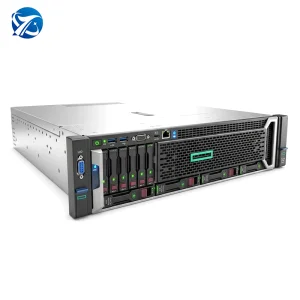
We design and manufacture structural server cabinets from 1U to 4U, optimized for liquid-cooled, air-cooled, or hybrid systems. This includes custom variations in drive-bay configurations, rear backplane options, and power distributions.
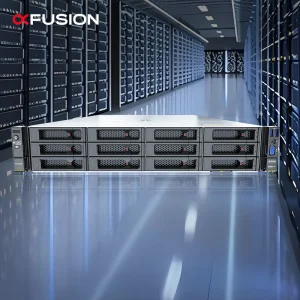
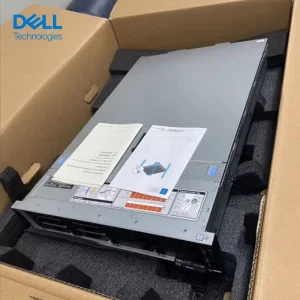
Yes, our Platinum-certified PSUs (ranging from 900W to 2000W) feature standard power distribution connectors, ensuring compatibility with platforms like xFusion, Dell PowerEdge, and HPE ProLiant servers.
We conduct 100% inspection testing, including burn-in runs, simulated thermal stress testing, and hardware workload assessments. This ensures system stability and reduces failure rates for servers running complex tasks.
Depending on configuration complexity and order volume, component design and prototyping usually take 2 to 4 weeks. Full production runs are generally completed within 4 to 8 weeks, supported by our domestic network of 860 supply partners.
Yes, our newer motherboard architectures and custom RAID cards (such as the LSI 9560 series) support PCIe 5.0 interfaces, enabling fast read/write speeds for NVMe storage pools.
With 7 years of B2B export experience, we handle international shipping requirements, custom clearances, and compliance certifications (CE, FCC, RoHS) to ensure smooth delivery to global destinations.
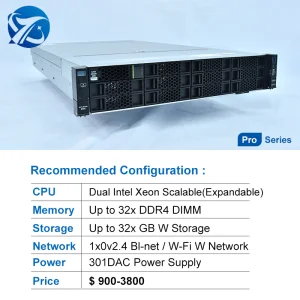
Select from our range of connection solutions, system nodes, and storage controllers, all manufactured to support demanding digital infrastructures.