Bexora
Bexora
Bexora
High-reliability compute nodes deployed with secure-by-design baseline frameworks and dynamic firmware checking mechanisms.
In the contemporary digital landscape, data centers form the core of global industry, processing hyperscale artificial intelligence models, private transactional data, and mission-critical enterprise telemetry. However, as compute loads transition toward high-density GPU nodes and distributed cloud frameworks, the hardware stack has become a highly targeted vector for sophisticated actors. Simple logical firewalls and OS-level virtualization protections are no longer adequate to defend physical structures from low-level manipulation. Securing modern data centers demands a robust, bottom-up hardware security model.
At Bexora AI Systems (China) Co., Ltd., we understand that enterprise security begins beneath the operating system. It originates within the silicon boot paths, power sequencing phases, and cryptographic structures embedded on the motherboard. As a premier custom OEM server security manufacturer and global exporter, our engineering and R&D pipelines focus specifically on mitigating vulnerabilities through Hardware Root of Trust (RoT), secure Platform Firmware Resiliency (PFR) configurations, and physical anti-intrusion mitigation schemes.
Our tailored hardware designs incorporate specialized microcontrollers that serve as an immutable trust anchor. By monitoring key firmware sequences during the initial boot stages, these controllers prevent unauthorized execution of system code. This silicon validation stage verifies that the UEFI/BIOS, Baseboard Management Controller (BMC), and option ROMs are cryptographically signed by authorized certificates before releasing the central processing unit (CPU) or graphics accelerator from reset. This technique directly neutralizes malware designed to manipulate firmware and persistent boot-level exploits before they can execute.
We provide full modification capabilities for low-level system firmware, allowing buyers to disable unused network interfaces, hardcode specific security parameters, and enforce strict, signed boot guidelines.
Each chassis design can be modified to house discrete Trusted Platform Modules (TPM 2.0) and secure HSM daughterboards, ensuring cryptographic keys remain isolated from host processors.
By segregating out-of-band management operations onto private, dedicated network planes and enforcing signed BMC updates, we minimize vulnerabilities to remote takeover vectors.
Global procurement teams face complex challenges when sourcing server infrastructure. They must balance raw performance requirements with evolving international regulatory guidelines, including NIS2 in Europe, HIPAA in healthcare, and strict financial compliance policies. Procurement is no longer just about assessing CPU clock speed or memory capacity per dollar; it is about verifying the security of the hardware supply chain itself.
Our global clients—including research groups, cloud service providers (CSPs), and AI startups—increasingly require detailed proof of supply chain transparency. Hardware vulnerability insertion, gray-market component sourcing, and unauthorized firmware alterations represent real threats to business operations. Our B2B export strategy addresses these issues by providing detailed trace logs, component origins, and cryptographic verification throughout the manufacturing lifecycle.
Modern data security laws demand robust physical separation of critical datasets. To support these zero-trust requirements, Bexora delivers customized mechanical server chassis equipped with chassis intrusion switches and locked physical interfaces. We design rackmount nodes that instantly trigger alarms, clear volatile cryptographic keys, or alert BMC administrators if the physical enclosure is opened during transit or within a multi-tenant colocation facility.
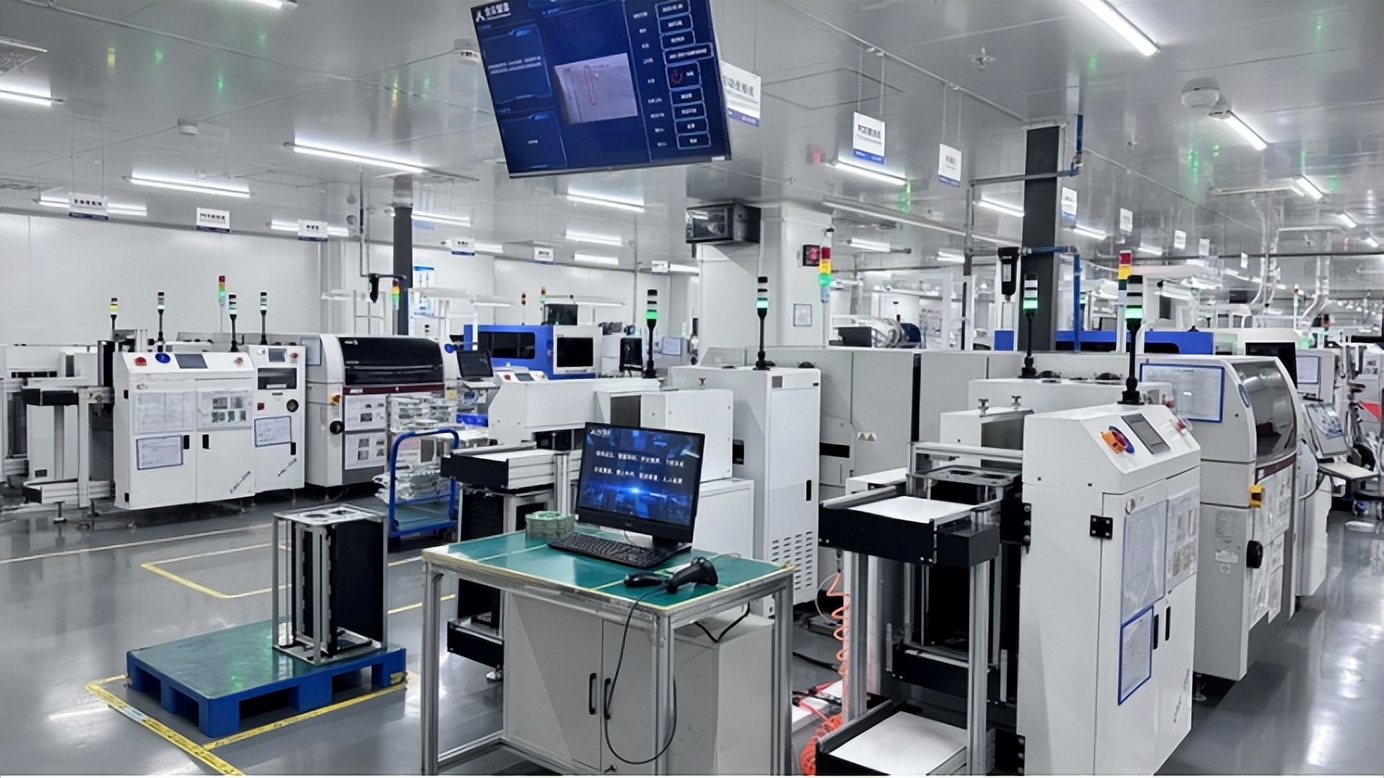
Bexora operates out of an advanced 18,600㎡ manufacturing complex in China, serving as the central hub of our production activities. By utilizing China’s industrial ecosystem and mature hardware supply chains, we maintain strategic partnerships with over 860 verified upstream and downstream suppliers. This direct access allows us to source specialized components, high-integrity capacitors, multi-layered PCB substrates, and critical raw materials with minimal lead times.
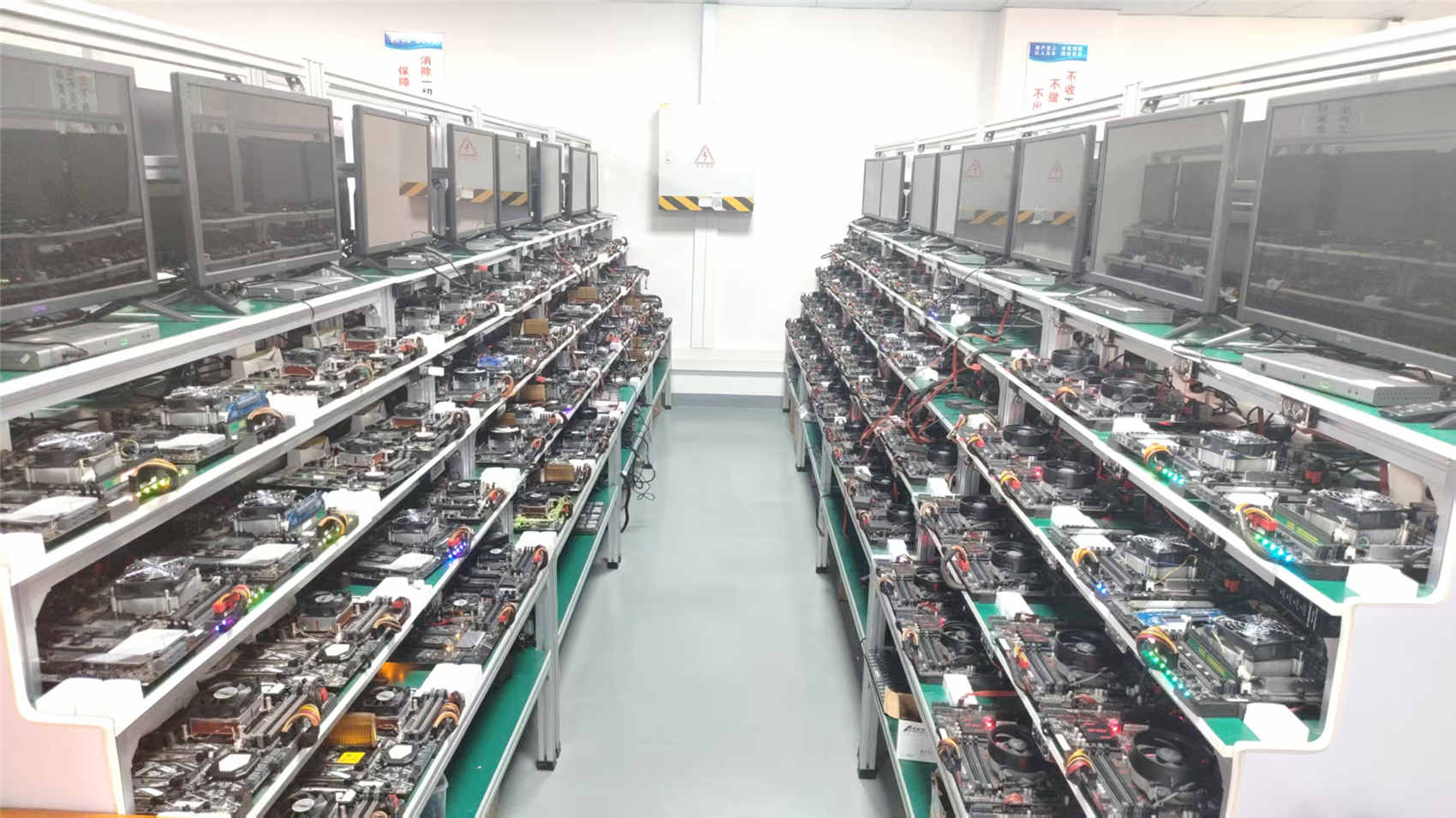
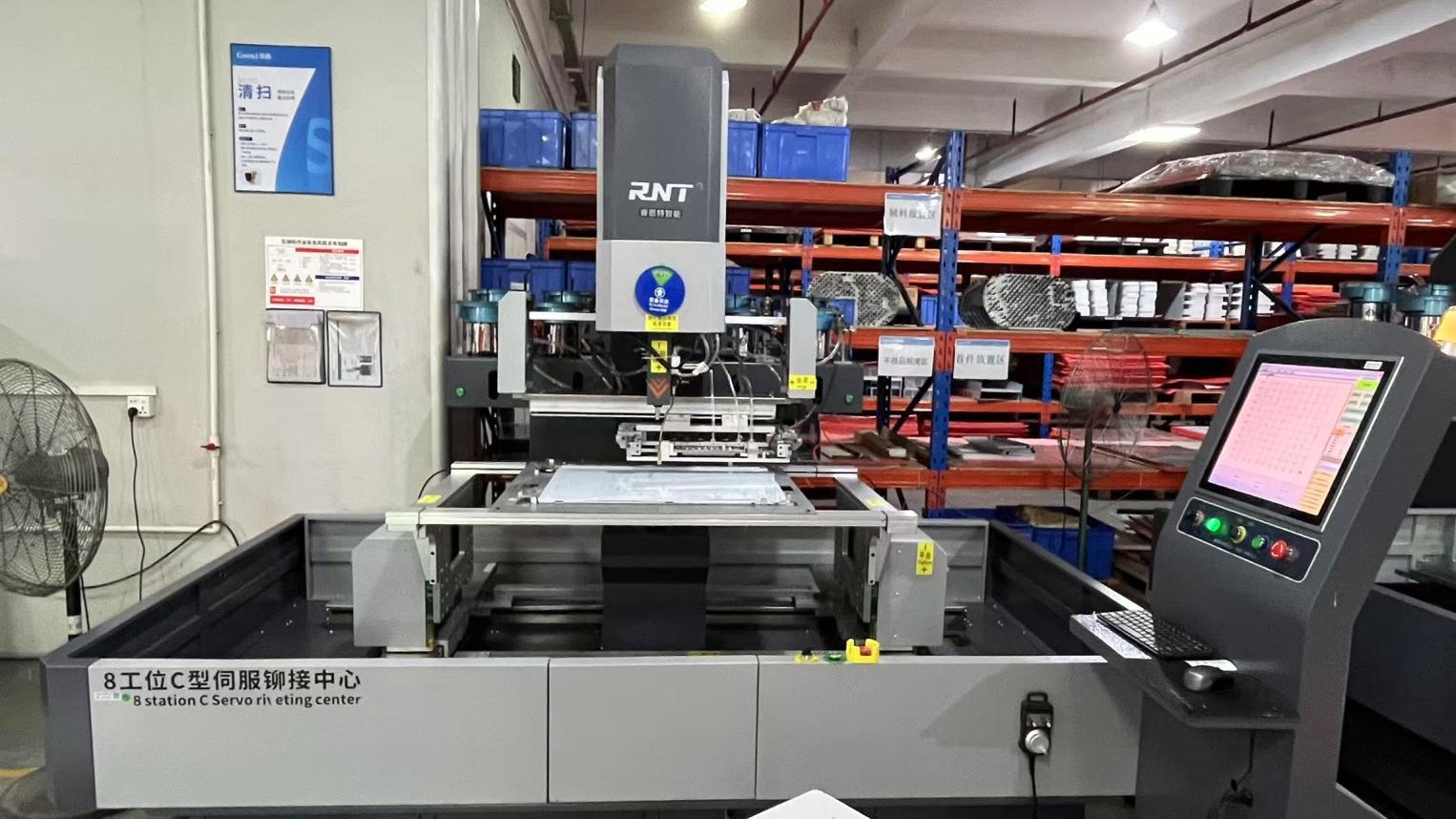
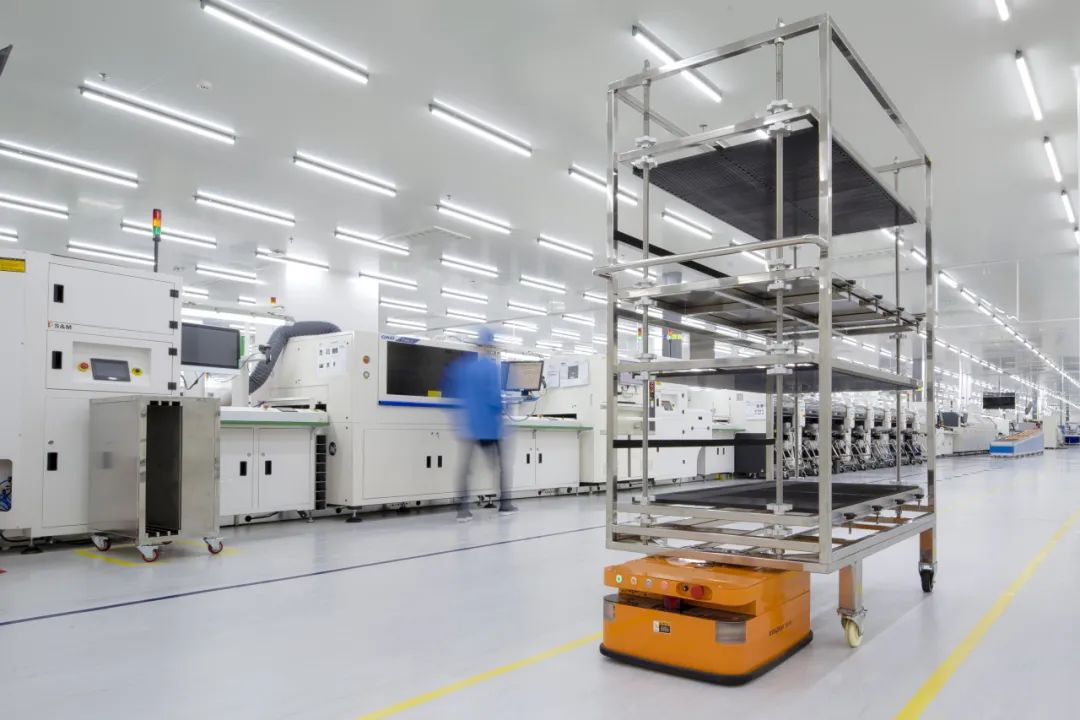
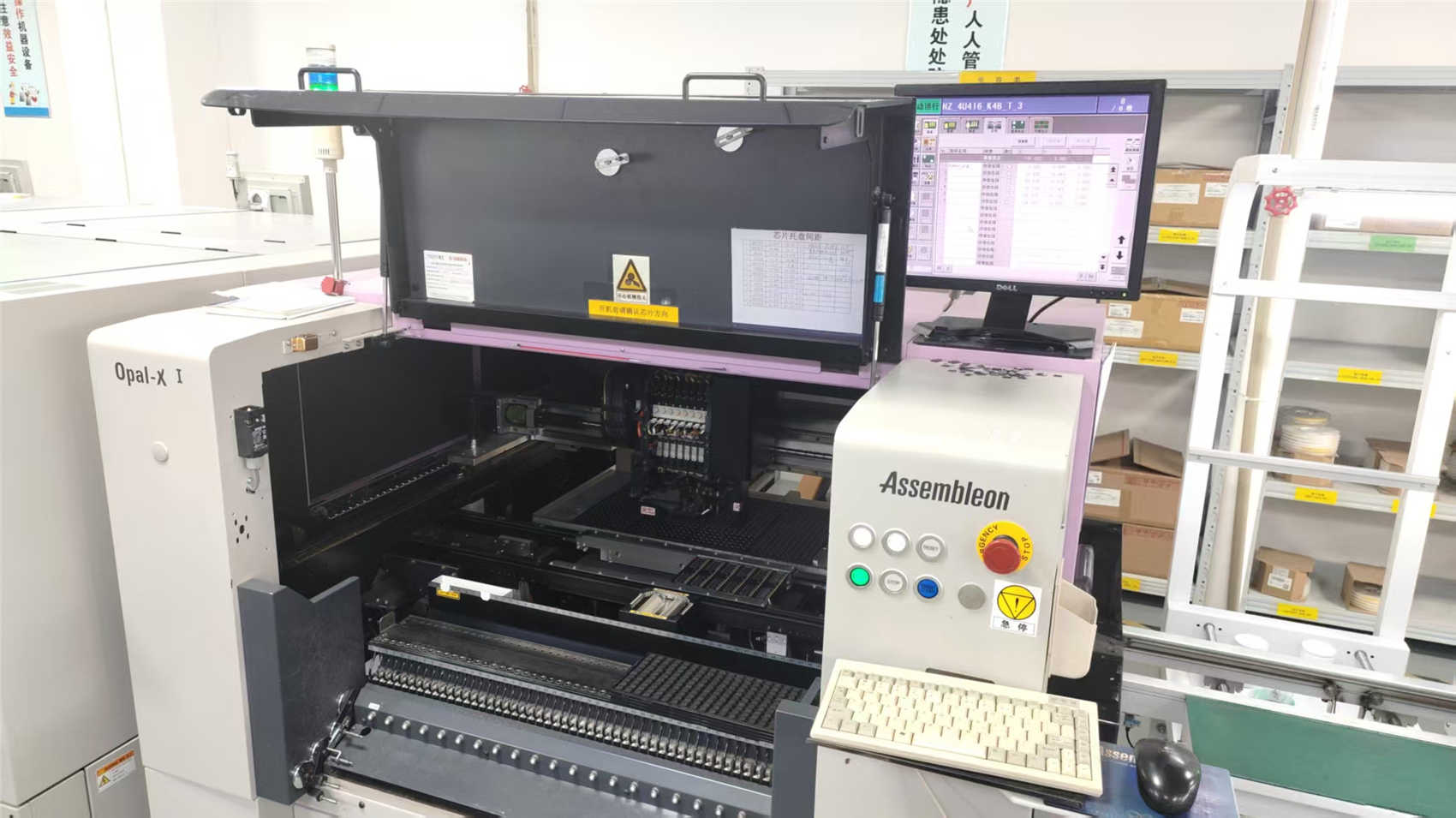
Our Factory 4.0 methodology combines automated production lines with digital quality assurance systems. Automated Optical Inspection (AOI), real-time environmental monitoring, and computerized assembly tracking minimize manufacturing defects. This systematic control ensures that every customized AI GPU server we produce meets strict international standards for reliability, thermal performance, and continuous operation under demanding workloads.
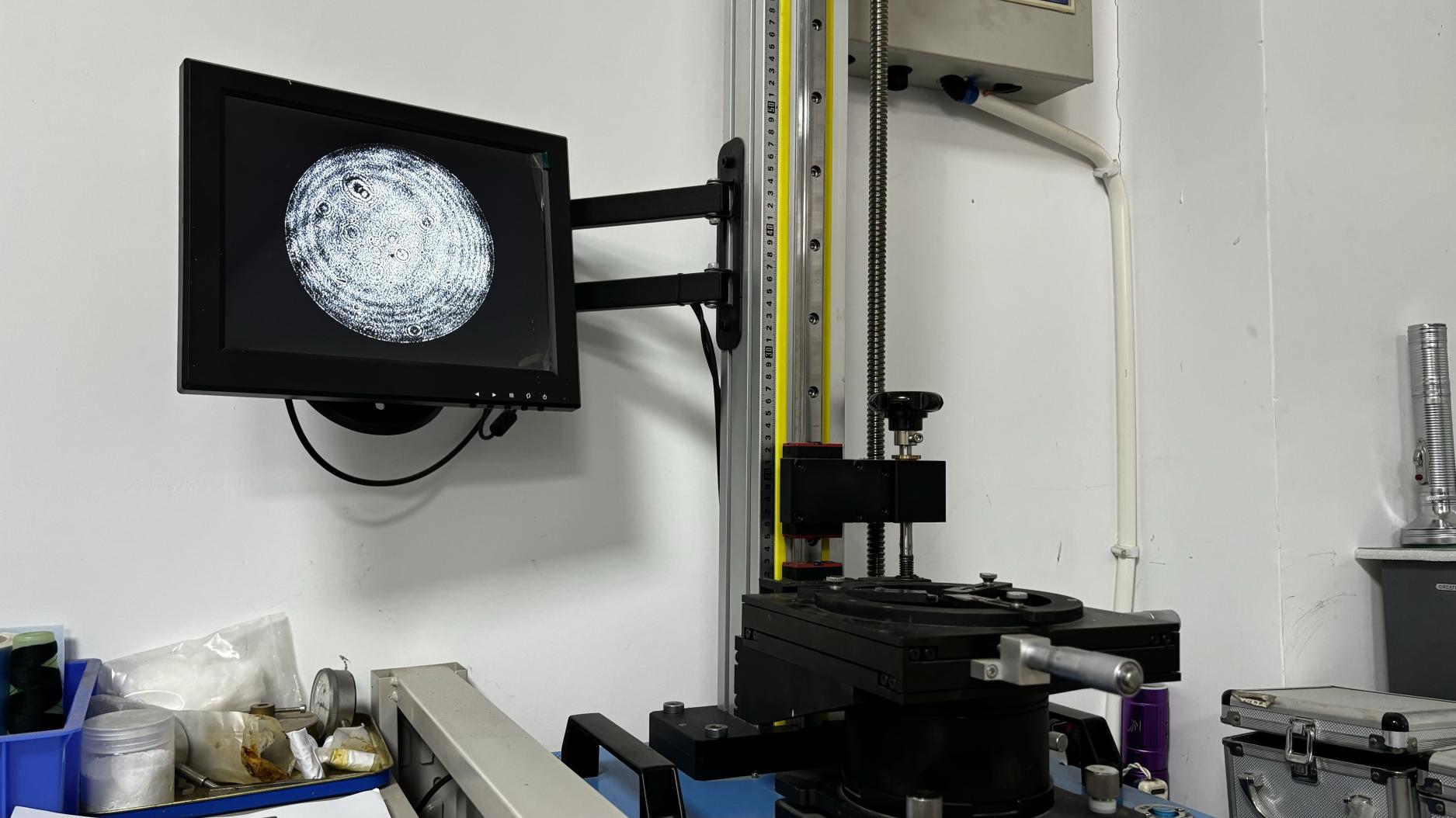
Our quality assurance workflow is managed by a team of 45 certified QC professionals. We reject the practice of simple spot-checking. Instead, we implement a comprehensive 100% full inspection protocol combined with random sampling reliability testing. Every system undergoes extensive hardware validation to guarantee reliability:
We run continuous heavy computing workloads for up to 72 hours, identifying early silicon defects and validating the stability of power delivery components.
Servers are tested inside specialized climate chambers to verify that cooling fans, heat sinks, and thermal management systems perform reliably under high heat loads.
High-resolution imaging systems verify solder joints, trace routing, and component placement on the motherboard to ensure physical design accuracy.
We simulate real-world AI model training and inference scripts, ensuring that PCIe buses, GPU interconnects, and storage systems maintain high data throughput without errors.

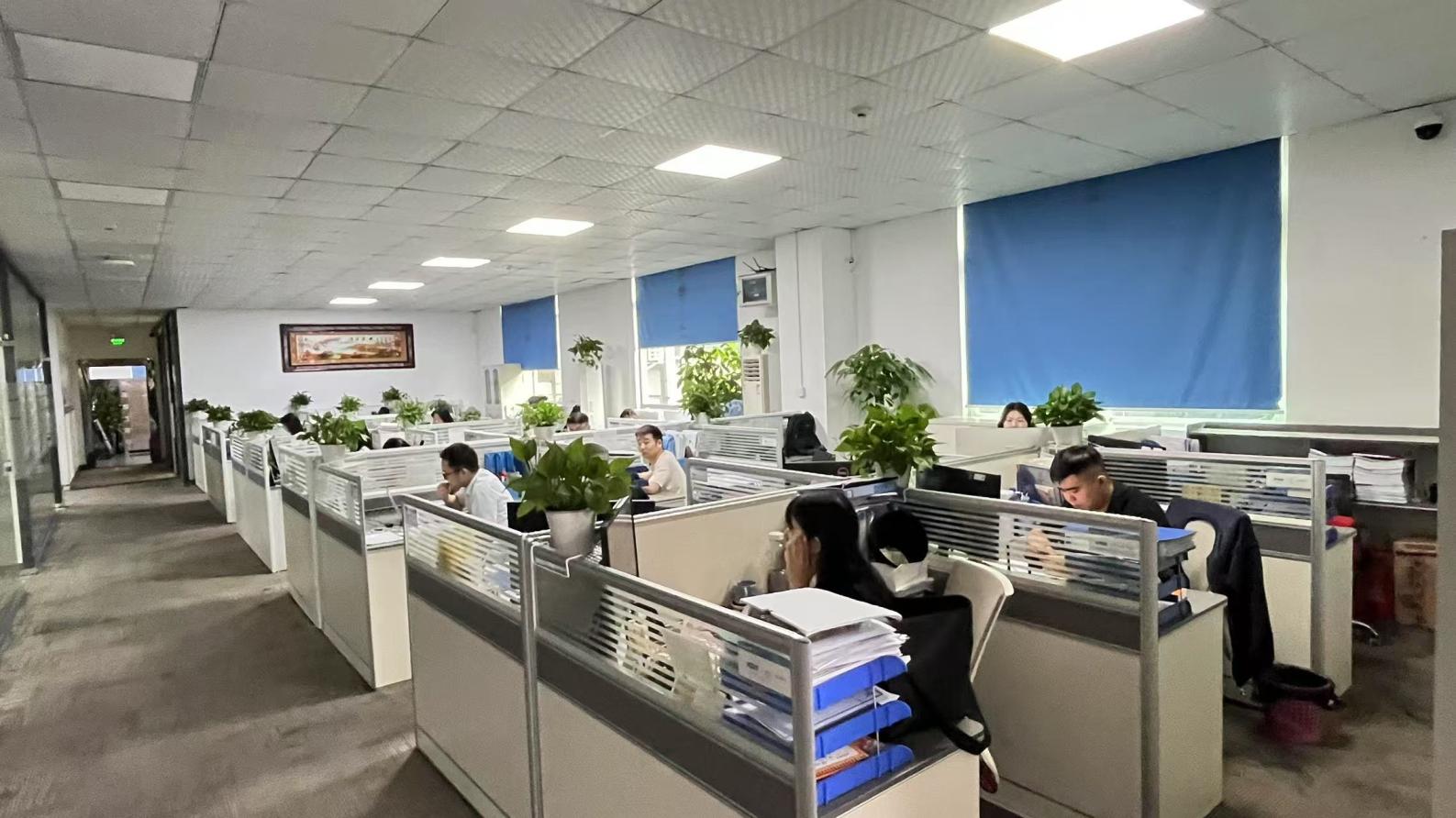
Enterprise requirements vary significantly by application, industry sector, and geographical region. Our R&D engineering team, consisting of 160 hardware and system software specialists, designs infrastructure configurations optimized for specific target applications:
For installations in manufacturing environments, remote cellular stations, or energy grids, we customize short-depth, ruggedized server chassis. These systems feature physical anti-tamper mechanisms, particulate filtration, and high-efficiency fan curves to ensure reliable operation in harsh conditions.
We work with national entities and utility providers to build infrastructure with customized BIOS options. By removing unnecessary features and disabling remote microcode updates, we help organizations maintain full operational control over their cloud environments.
For financial applications, we configure high-performance compute nodes optimized for minimal latency. These servers utilize dedicated network adapters, custom BIOS performance tuning, and hardware-accelerated memory encryption to protect transactional data in real time.
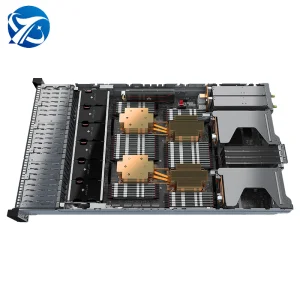
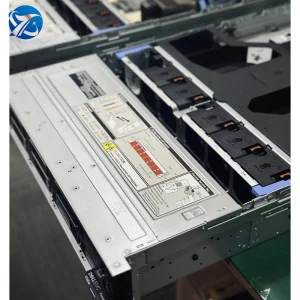
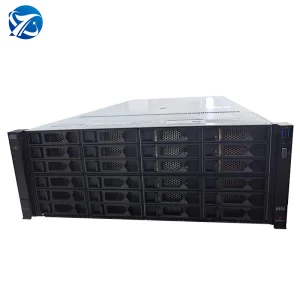
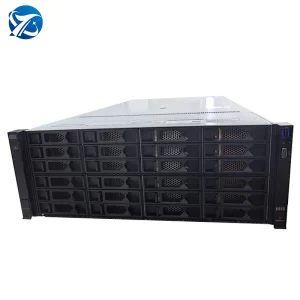
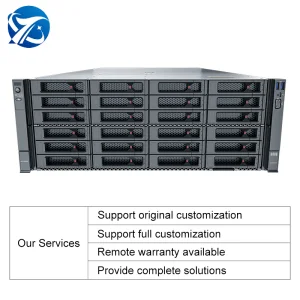
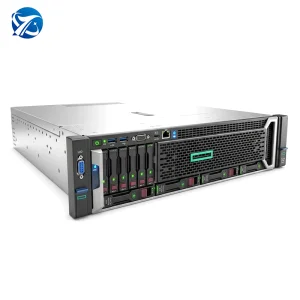
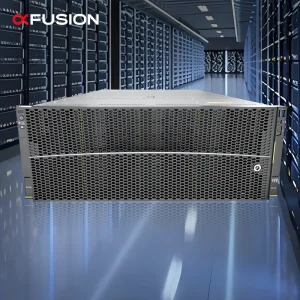
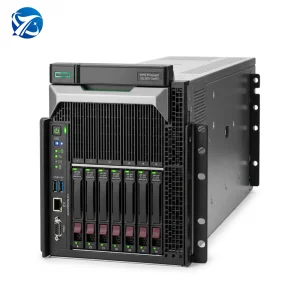
High-throughput GPU nodes and enterprise compute systems engineered for maximum stability and performance.

Common questions regarding hardware customizations, security validation protocols, and global export logistics.