Bexora
Bexora
Bexora
Industrial-grade server architectures and computing nodes designed to power large-scale enterprise video analytics, multi-stream NVR deployments, and AI inference tasks.
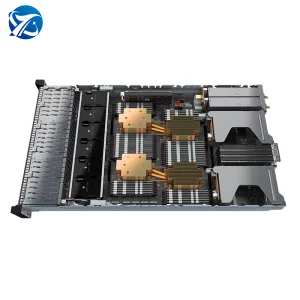
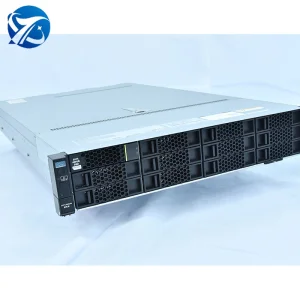
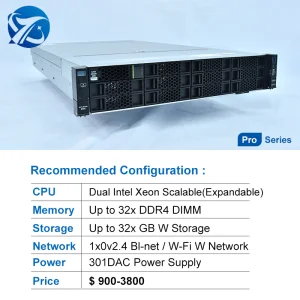
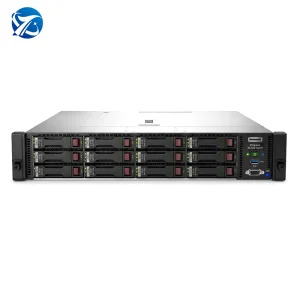
The global security landscape is undergoing a monumental architectural shift. Traditional closed-circuit television (CCTV) configurations, which relied on passive video capture and centralized manual review, are rapidly being replaced by intelligent, autonomous, and highly scalable AI-driven ecosystems. Modern multi-camera topologies do not just record data; they actively analyze, interpret, and predict structural anomalies in real time.
This paradigm shift is driven by deep learning computer vision frameworks, dense multi-stream processing pipelines, and decentralized edge-computing hardware. System integrators and global enterprises now demand back-end hardware capable of processing dozens of simultaneous 4K streams with ultra-low latency, running continuous spatial and behavioral analysis models directly at the edge, and managing massive pools of unstructured video data with 99.999% uptime.
As an industry-leading OEM/ODM partner, Bexora AI Systems addresses this complex technological demand. We design and manufacture ruggedized, GPU-accelerated computing nodes and high-density NAS storage infrastructures that form the backbone of next-generation enterprise video surveillance operations globally.
Procurement directors and security architects face significant challenges when scaling physical security systems. Standard off-the-shelf NVR and storage solutions often fail to handle the throughput required for multi-sensor panoramic cameras, thermal imaging, and continuous AI classification. Furthermore, strict regional compliance rules (such as GDPR in Europe and NDAA requirements in North America) demand hardware built on secure, traceable components with firmware-level validation.
Bexora AI Systems addresses these critical requirements through our comprehensive OEM/ODM engineering capabilities. Leveraging our 12 years of industry experience and 7 years of global export operations, we build tailored surveillance hardware that aligns perfectly with our clients' technical specifications and regulatory environments:
"Customization is not simply branding a generic chassis. It involves optimizing thermal performance for continuous operations, tailoring PCIe lane distribution to support dedicated GPU accelerators, and implementing hardware-level RAID arrays to prevent data loss."
Whether configuring multi-socket CPU systems for edge video management servers (VMS), optimizing DDR4/DDR5 ECC RAM pathways to eliminate frame drop, or custom-tailoring high-performance liquid-cooled compute clusters, our 160 R&D engineers deliver robust enterprise configurations built to perform.
From smart cities to high-security petrochemical complexes, our hardware is designed to handle demanding enterprise scenarios.
Centralized management of thousands of high-definition traffic cameras. Our high-density server configurations support real-time license plate recognition (LPR), vehicle classification, and pedestrian safety monitoring with minimal latency.
Reliable operational continuity in extreme manufacturing environments. Our custom OEM server cases and advanced liquid-cooling thermal designs protect critical storage and video stream processing units against high ambient heat and dust.
High-speed video processing designed for mission-critical applications. Seamlessly integrates with thermal tracking, radar detection arrays, and deep-learning threat assessment models, reducing false alarm rates by up to 94%.
Processing complex video data requires a balanced hardware ecosystem. An AI surveillance network is only as fast as its slowest component. Frame drops and latency issues often occur when there is an imbalance between processing power, RAM throughput, and storage write speeds.
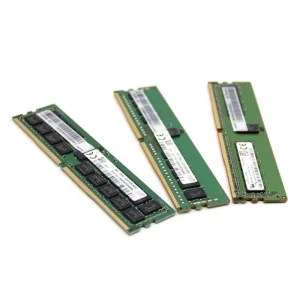
At Bexora, we design systems that eliminate bottlenecks. Our computing architectures maximize bandwidth across all channels. We use high-speed PCIe Gen 4.0/5.0 interfaces to ensure NVMe and GPU accelerators communicate directly with multi-core processors. Additionally, our dual and quad-socket servers support high-density ECC RAM modules, allowing the system to run complex multi-stream analytics in real-time without memory overload.
Storage reliability is also crucial for video compliance. With write-intensive workloads running 24/7, standard hard drives can wear out quickly. Our systems feature enterprise-grade RAID controllers and write-optimized SAS/SATA SSDs. These components deliver the sustained write performance needed to prevent data corruption, even during sudden power failures or system interruptions.
| Solution Category | Typical Compute Node Hardware | Maximum Video Stream Throughput | AI Analytic Acceleration Capabilities | Primary Storage Topologies |
|---|---|---|---|---|
| Distributed Edge Processing | 1U/2U Single-Socket Xeon/Scalable | Up to 64 Full HD (1080p) streams | Single low-power GPU/Inference accelerator | SATA/SAS Enterprise SSDs, RAID 0,1,5 |
| Centralized Regional VMS | 2U Dual-Socket Xeon, 64GB+ ECC RAM | Up to 128 streams (mixture of 4K and 2K) | Dual GPU configuration, optimized for DeepSeek AI | High-Density SAS HDD Arrays, RAID 6,10,50 |
| Enterprise Cloud Analytics | 2U/4U Multi-Socket, liquid-cooled nodes | 500+ streams via cloud-ingress gateways | Multi-GPU arrays, Tensor Core units | PCIe Gen 5 NVMe pooled storage fabrics |
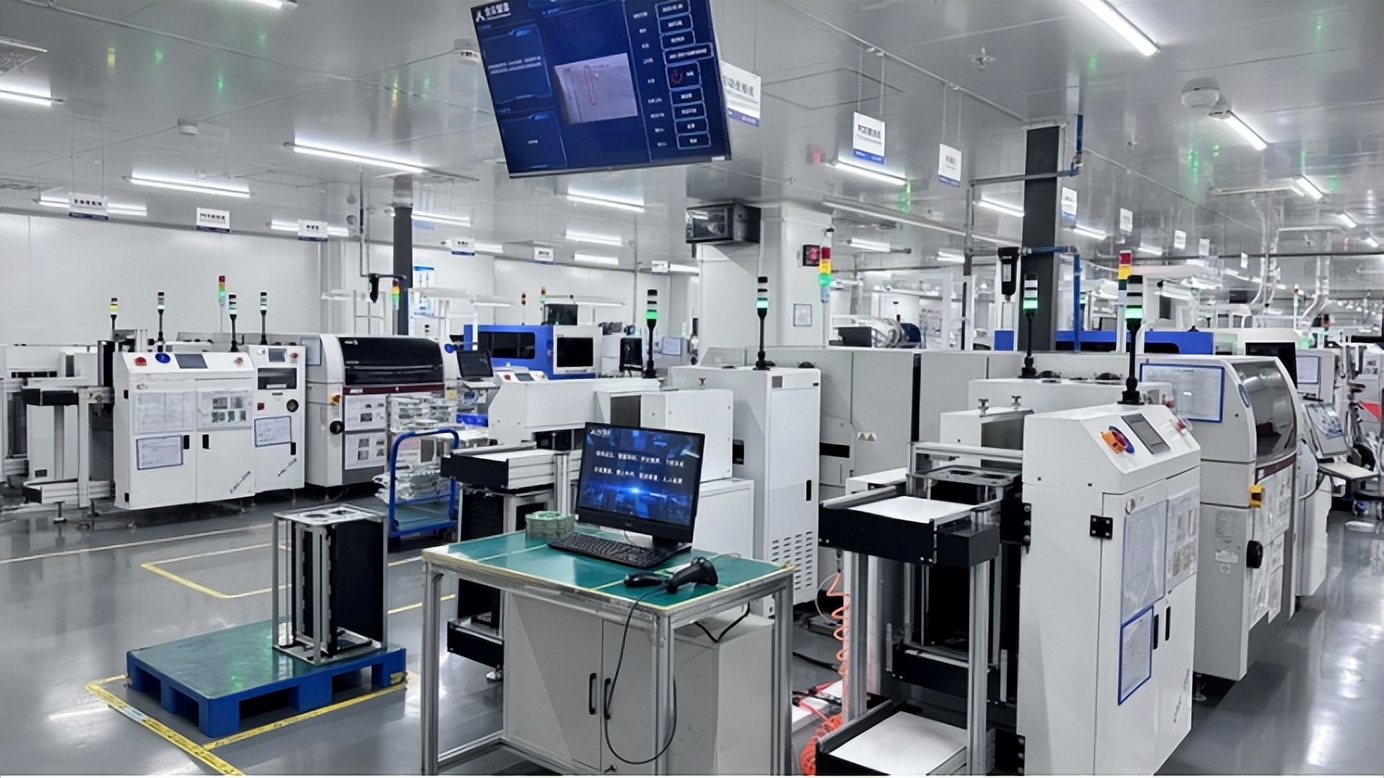
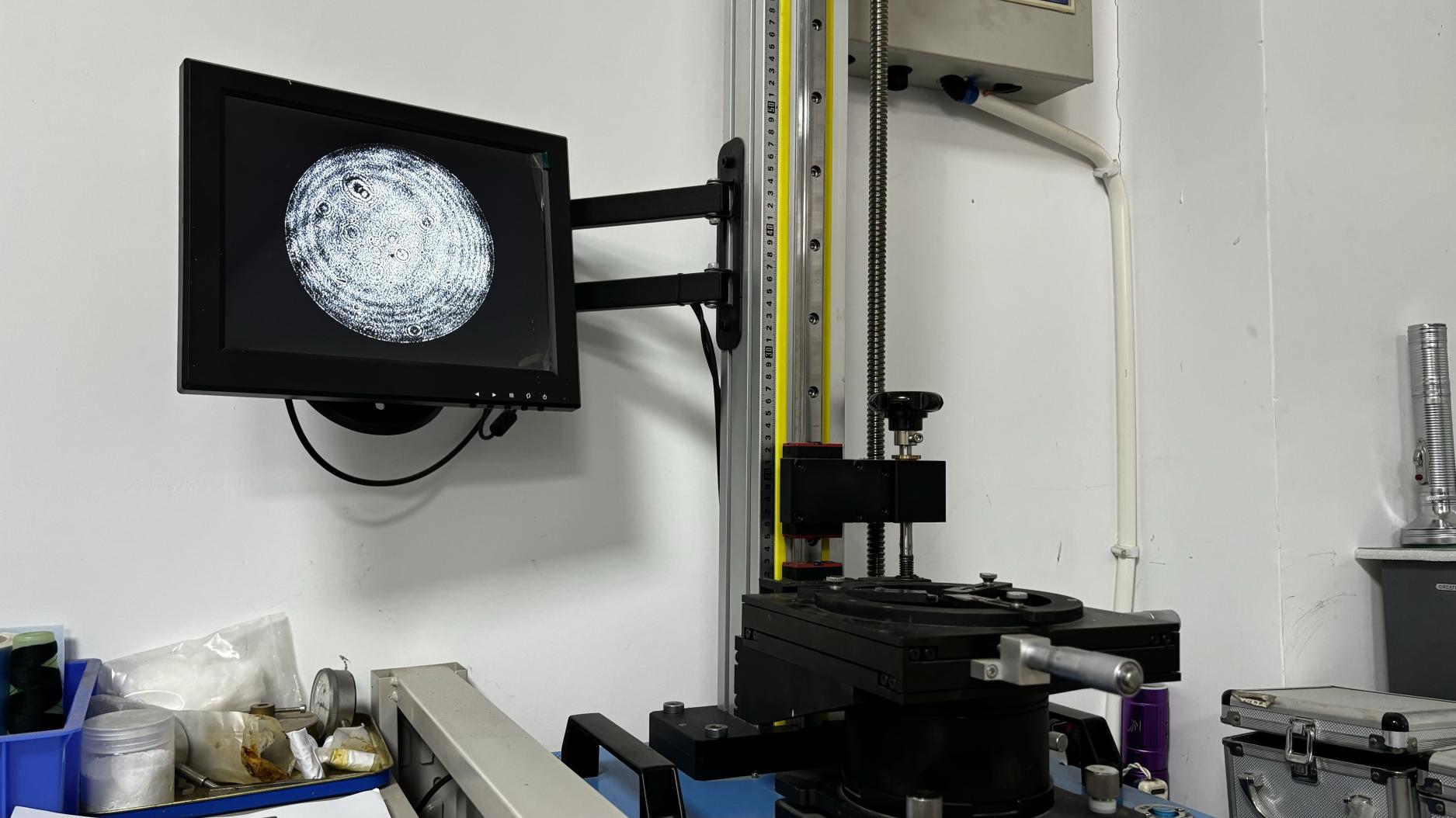
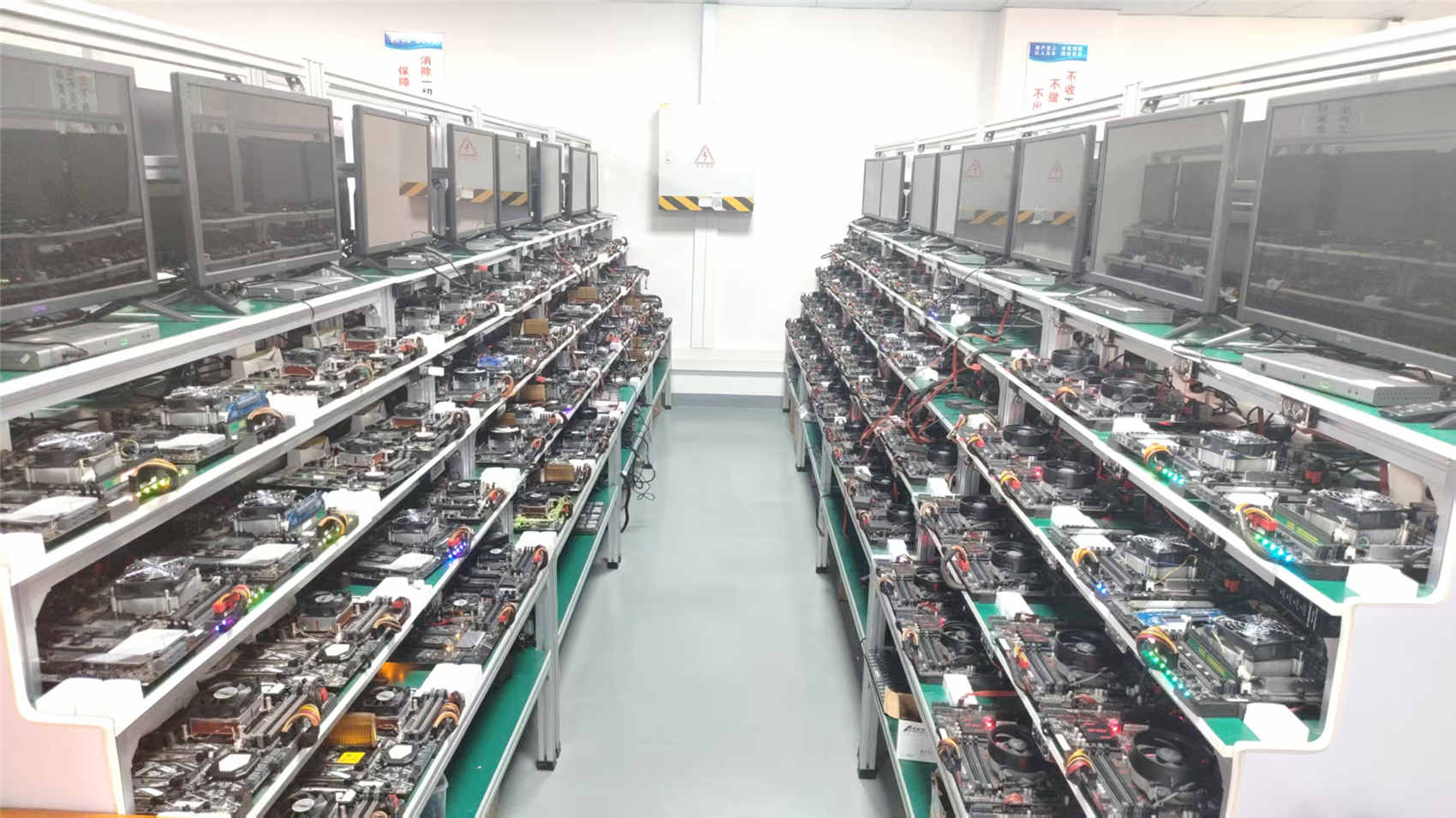
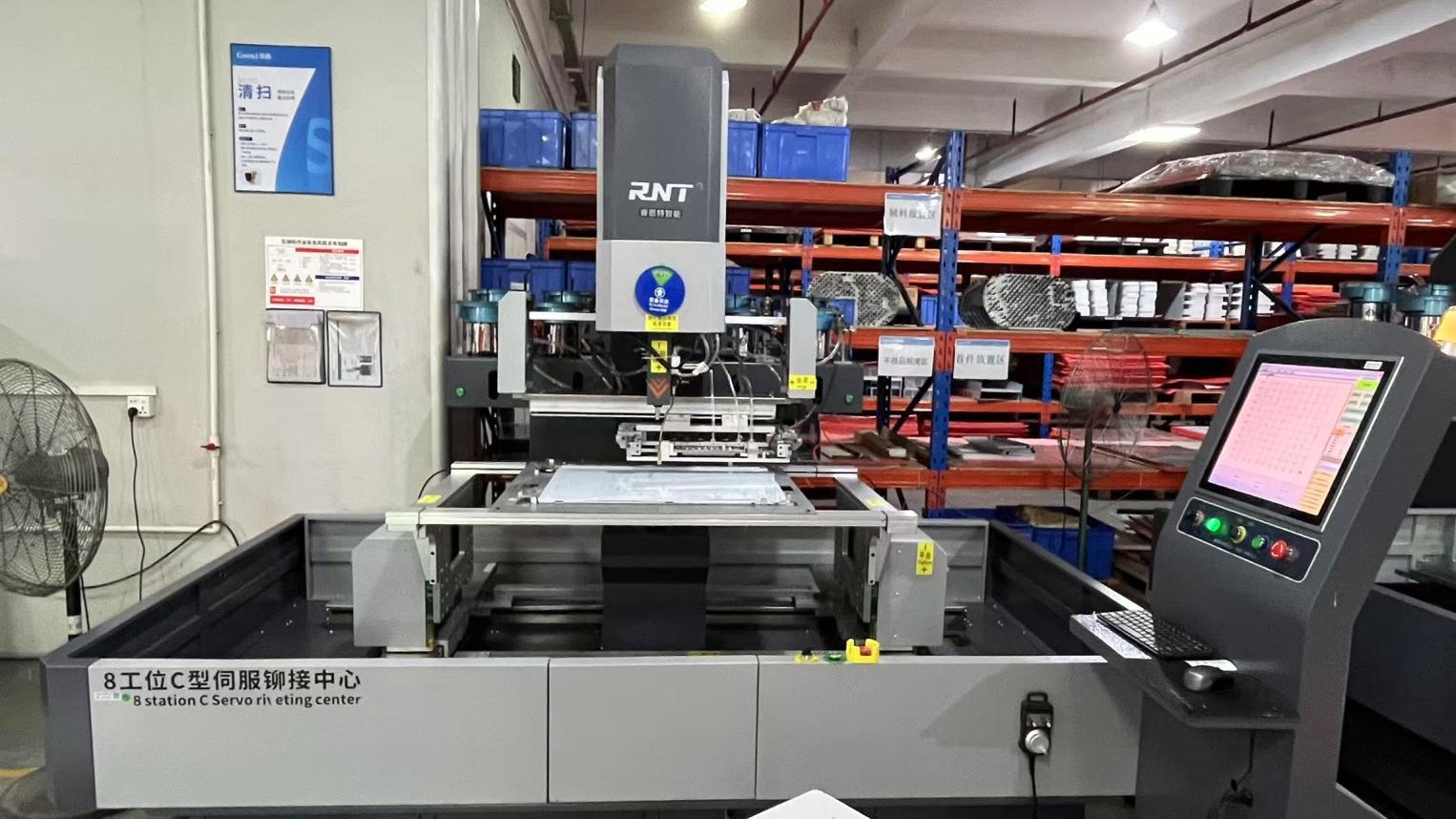
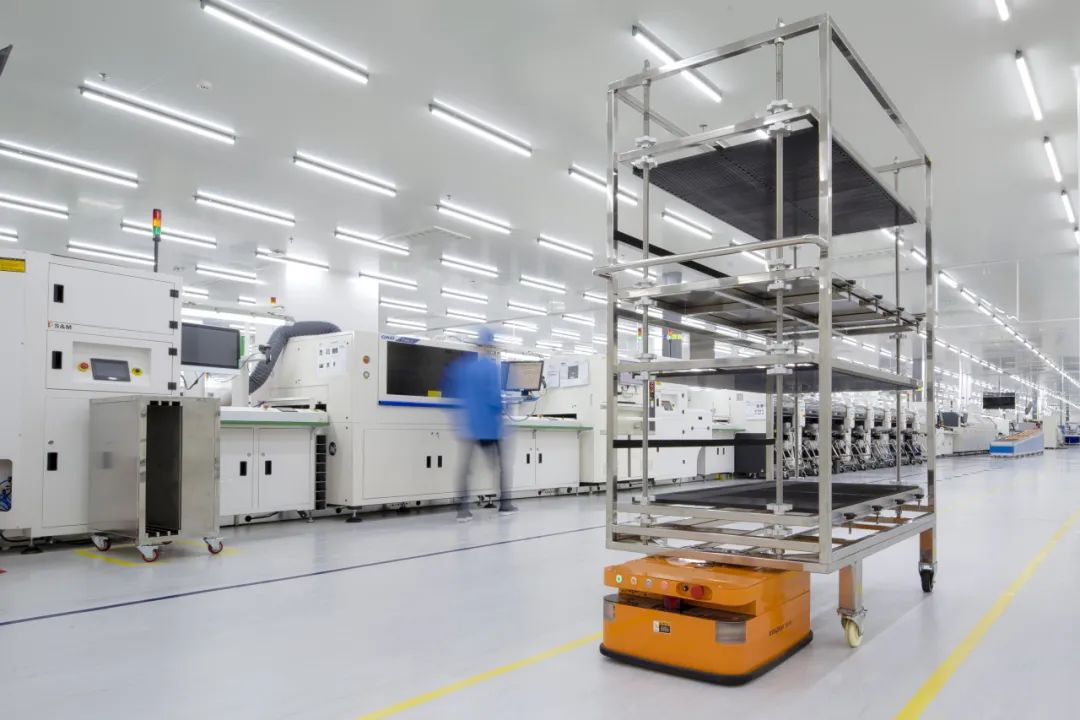
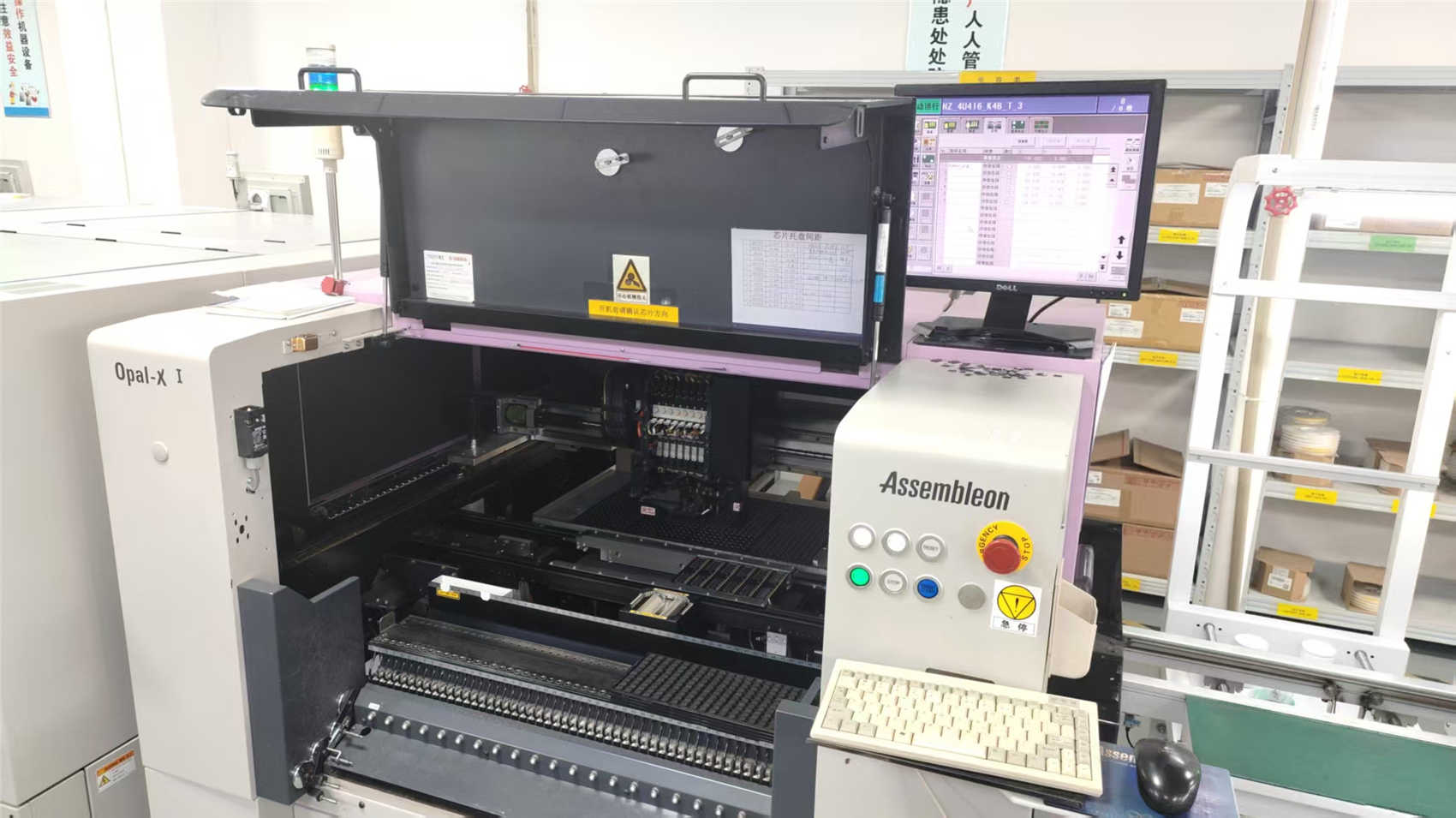
Industrial video surveillance is a critical application where downtime can lead to security breaches, operational delays, or regulatory non-compliance. Our production processes focus on delivering stable, long-term system performance under continuous load. To achieve this, Bexora operates a dedicated quality assurance program managed by 45 QC professionals.
Our quality control program combines automated processes with rigorous stress testing, including:
Supported by a network of over 860 upstream and downstream supply chain partners, we ensure stable access to components and raw materials. This strong supply chain allows us to maintain consistent lead times and deliver reliable, custom-configured systems to our global clients.

Modern surveillance technology continues to evolve rapidly. The industry is moving away from basic motion detection toward complex, contextual AI understanding. Next-generation systems will process multi-modal data streams, combining high-resolution video, thermal data, and spatial audio to build a more complete picture of operational security.
This evolution requires a different approach to hardware design. Standard processing architectures face thermal and efficiency limits when handling continuous AI inference workloads. At Bexora, our product development path focuses on addressing these challenges:
First, we are expanding the use of advanced liquid-cooling systems into compact edge devices. This allows high-performance computing hardware to run quietly and reliably in small, unventilated spaces without thermal throttling.
Second, we are optimizing our system designs to support advanced artificial intelligence platforms, including the integration of DeepSeek and other deep-learning models. By improving hardware-level processing paths, we help customers deploy smart, responsive security analytics at scale with lower energy costs.
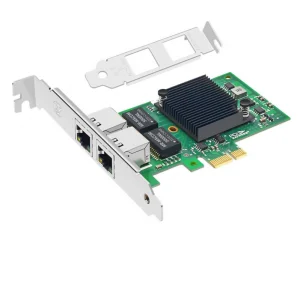
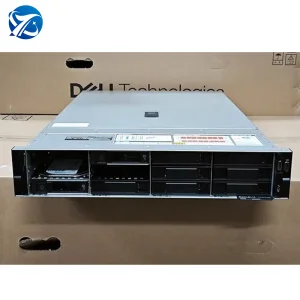
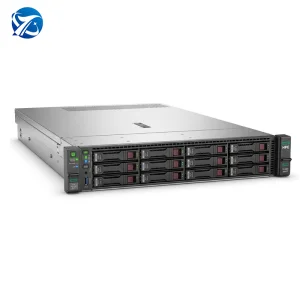
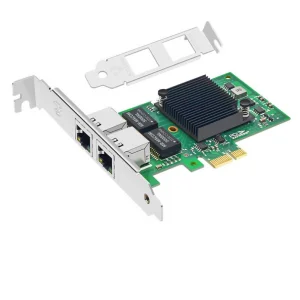
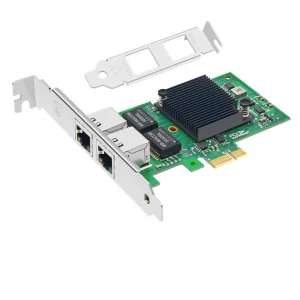
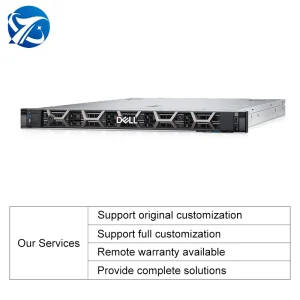
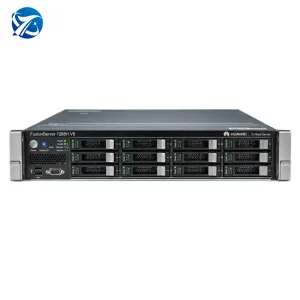
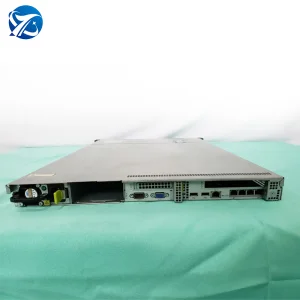
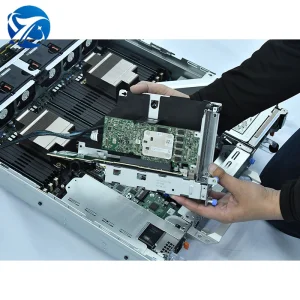
High-speed networking, system memory upgrades, storage controllers, and 1U/2U rackmount nodes to optimize and scale your enterprise surveillance systems.
Expert responses to technical and procurement inquiries regarding modern video surveillance architectures and backend systems.
Error-Correcting Code (ECC) memory identifies and corrects single-bit memory corruptions in real-time. In high-density NVR and VMS networks, memory errors can cause application crashes, video capture dropouts, or file corruption. Using ECC RAM helps ensure continuous system uptime and data integrity during high-throughput, constant-write operations.
We design our systems to maximize PCIe lane availability, allowing direct connection between high-performance GPU cards and host CPUs. We customize bios settings, system firmware, and board-level heat dissipation to ensure computing accelerators can operate at peak capacity without thermal throttling.
Each server undergoes a thorough testing process before shipment. This includes dynamic burn-in tests at high operating temperatures, automated optical inspections of the circuitry, and simulated heavy workload testing. These tests ensure the hardware remains stable during continuous, long-term operation under load.
Liquid cooling systems transfer heat away from key components like CPUs and GPUs more efficiently than air. This supports higher computing density within a smaller physical space, helps maintain stable operating temperatures, and reduces fan noise and energy consumption in regional surveillance centers.