Bexora
Bexora
Bexora
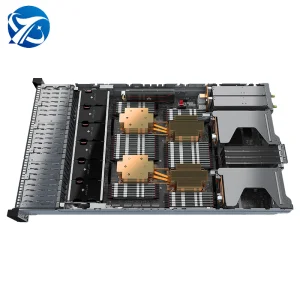
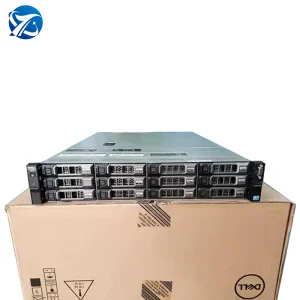
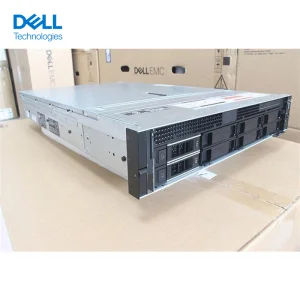
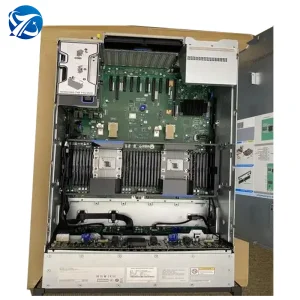
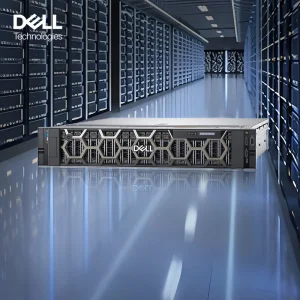
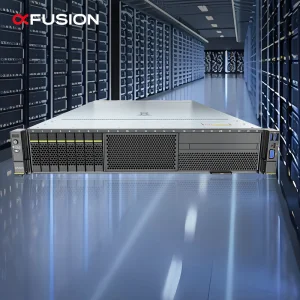
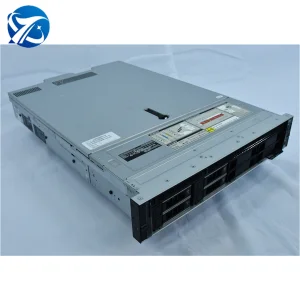
Explore our premium hardware nodes engineered for integration into containerized AI data centers and scalable clusters.
Founded in 2016, Bexora AI Systems (China) Co., Ltd. has established itself as an authoritative manufacturer and designer of scalable compute topologies, AI GPU servers, and modular container solutions. Over the past 12 years of industry specialization, we have cultivated a robust ecosystem of technology partners to bridge the gap between heavy AI computational demands and field-deployable infrastructure.
Our facility spans a state-of-the-art 18,600㎡ production area, optimized specifically for assembling high-density hardware racks, thermal test containment modules, and integrated liquid cooling systems. With a strong presence in North America, Europe, Southeast Asia, and the Middle East, our annual B2B export revenues exceed USD 18 million, validating our global reliability and capability to deliver tailored solutions across borders.
"To survive high-load AI workloads and continuous LLM training sessions, computing systems demand physical and structural integrity. Our container solutions integrate robust thermal barriers, localized compliance metrics, and high-efficiency rack setups, allowing rapid turnkey setups in any environment."
Our operations are backed by a strong network of 860 supply chain partners, ensuring prompt sourcing of key electronic components, industrial chassis structures, and thermal elements even in volatile market phases. This collaborative capability allows us to offer unmatched customizability, spanning custom chassis, custom GPU power configurations, direct-to-chip liquid cooling setups, and custom system-level BIOS and firmware tuning.
Providing high-gain information on modern containerized computing and modular datacenter enclosures.
With power demands surpassing 100kW per server rack, traditional stick-built facilities face long lead times. Modular mobile container solutions address this challenge, offering fast deployment directly adjacent to primary grid substations or sustainable energy sources.
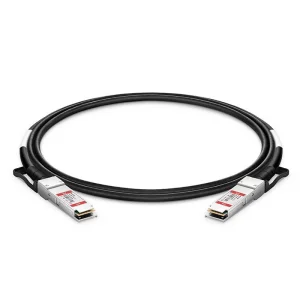
We provide OEM/ODM custom structural layout, offering customizable chassis compartments and power distribution units. This allows clients to build systems utilizing custom GPU ratios and customized high-speed direct-attach network lines.
To address cooling demands, our setups feature built-in liquid loop integration, coolant distribution manifolds (CDUs), and localized secondary piping loops. This optimizes PUE and maintains hardware within safe thermal limits during high loads.
Modern High-Performance Computing (HPC) and Artificial Intelligence models require compute infrastructures capable of handling dense thermal and electrical loads. Standard server layouts often fail due to structural limits, localized heat build-up, and inadequate air circulation. By packaging servers, high-speed networking cables, and power supplies into modular container enclosures, enterprise clients can bypass traditional data center space constraints.
Bexora AI Systems designs modular container platforms that combine structural rigidity, environmental sealing, and thermal management. Our custom engineering targets the Power Usage Effectiveness (PUE) metric, implementing localized closed-loop liquid-to-liquid heat exchangers and automated fan systems that adjust cooling based on actual component temperatures.
Operational stability under load is a key metric for AI computing systems. At Bexora AI Systems, quality control is integrated throughout our manufacturing lifecycle, managed by a dedicated team of 45 quality assurance specialists. We combine automated inspection methods with manual verification steps to ensure each modular compute rack and enclosure meets international operational standards.
Our quality control process relies on five key validation procedures:
Ensuring modular container deployments align with local grid regulations, environmental standards, and safety codes.
Deploying modular computing containers across regions like North America, Europe, Southeast Asia, and the Middle East requires adherence to varied engineering, environmental, and electrical codes. Bexora designs all container systems to align with specific regional requirements, facilitating smoother local zoning approvals and grid connections.
We build our power systems to support standard regional grid voltages and frequencies. North American systems are designed for 480V/3-phase 60Hz configurations, while European and Middle Eastern implementations match 400V/3-phase 50Hz requirements. Built-in switchgear and smart power distribution units (PDUs) protect against local current fluctuations.
Our container enclosures are certified to withstand external environmental challenges. In coastal Southeast Asian locations, they feature specialized coatings to resist salt spray corrosion. For installations in high-temperature Middle Eastern regions, they are equipped with dual-stage condenser cooling systems to maintain stable operations in desert climates.
Every modular unit includes integrated fire detection and suppression systems, gas release controls, and access monitoring. We also provide on-site technical support through regional partners to assist with integration and system startup.
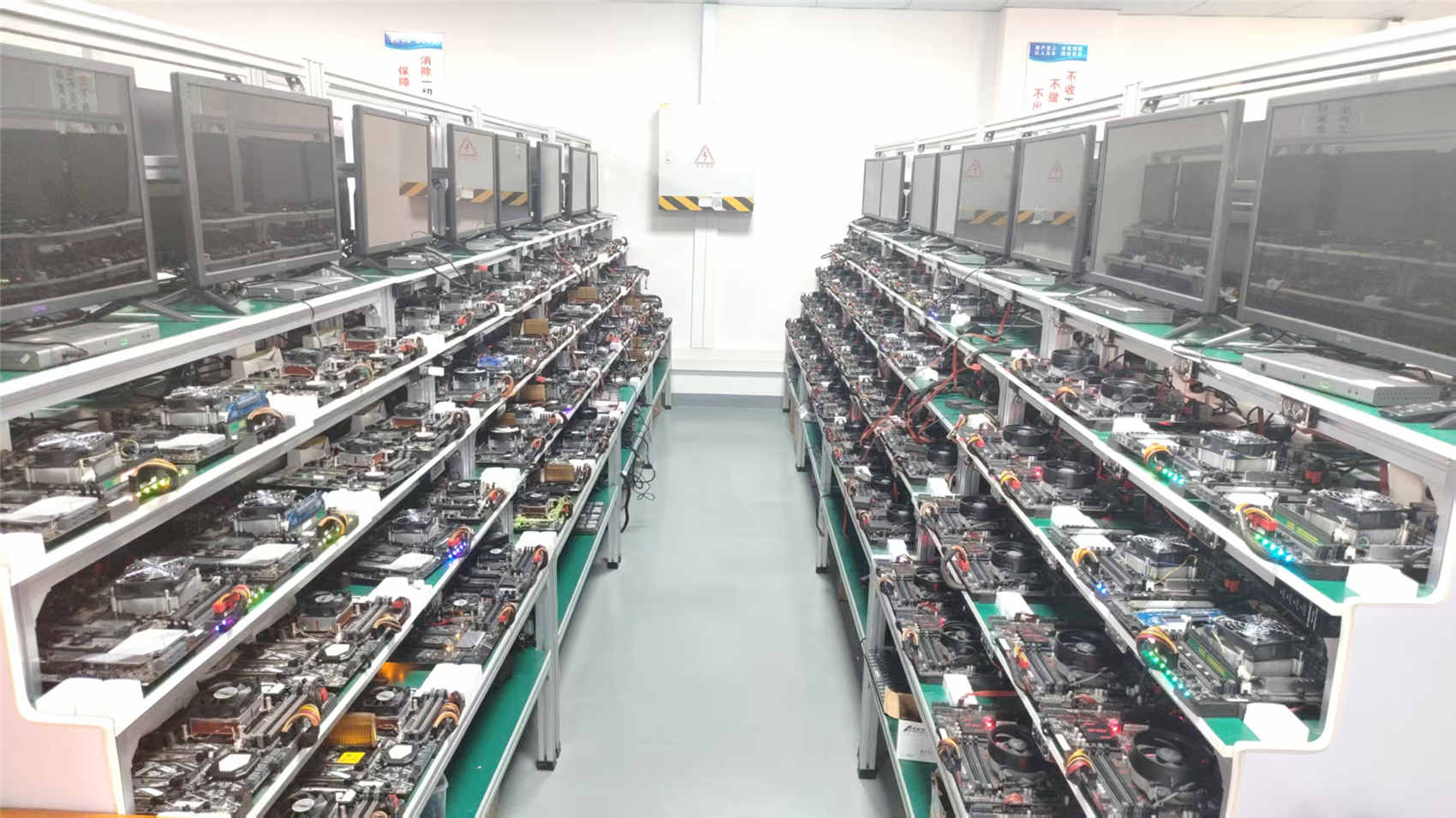
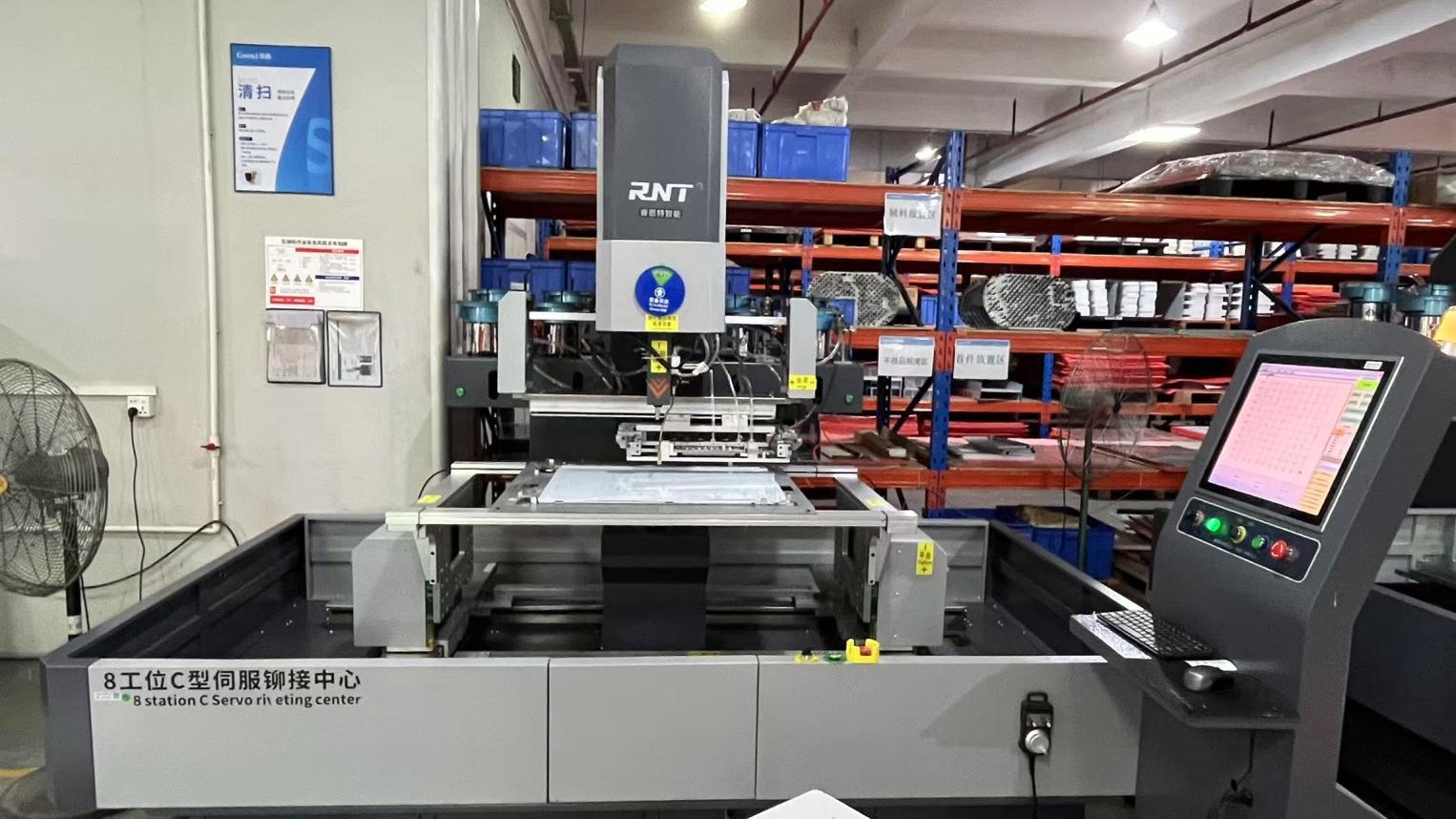
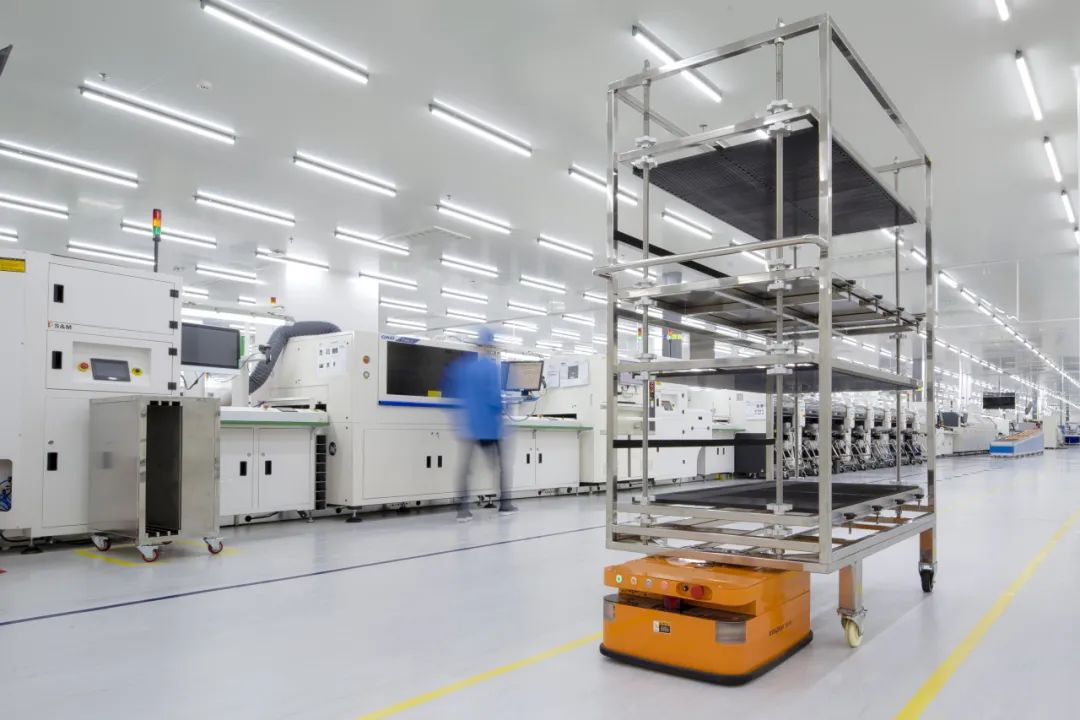
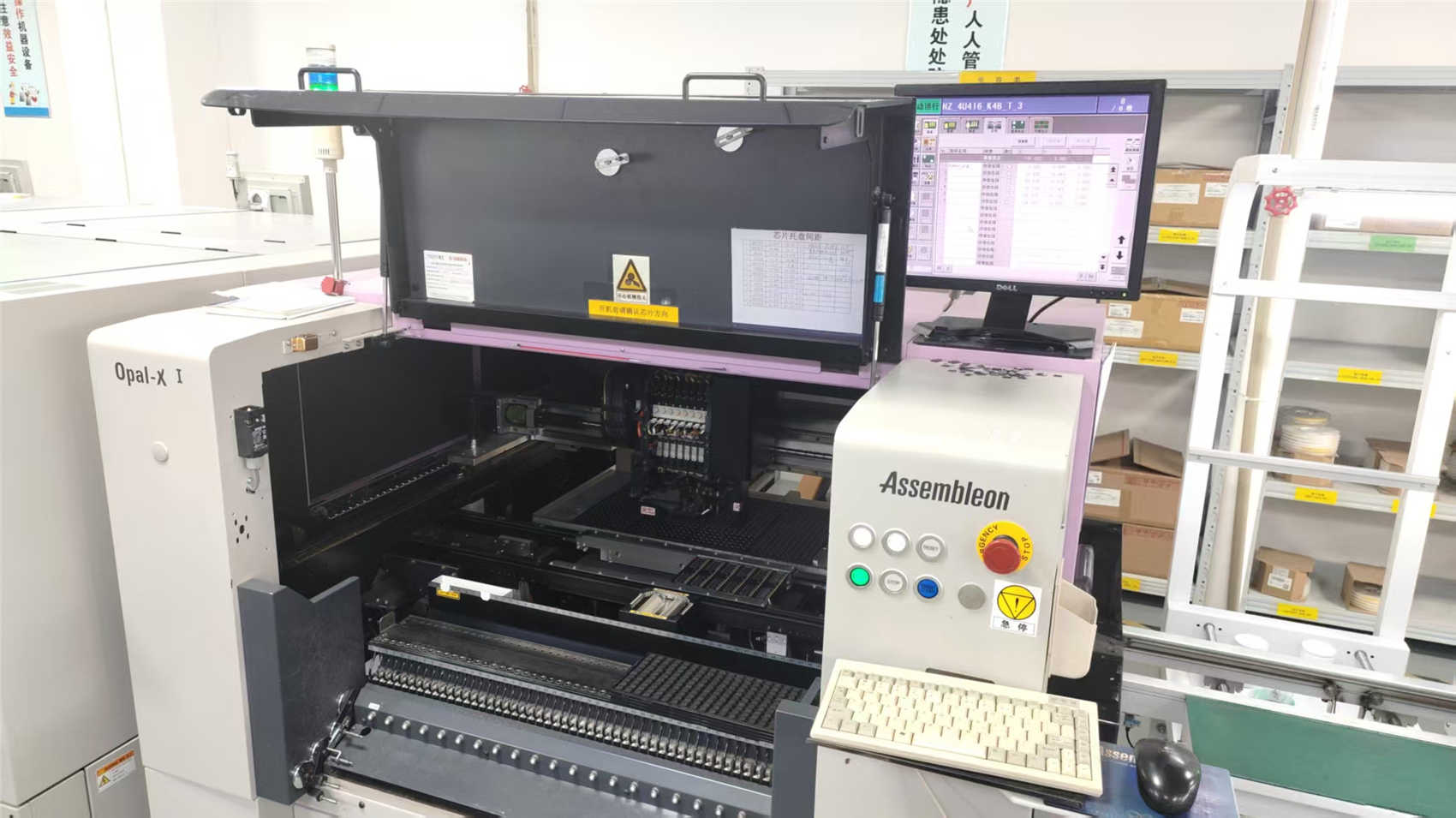
A visual look inside our production facilities, testing labs, and customization workshops.

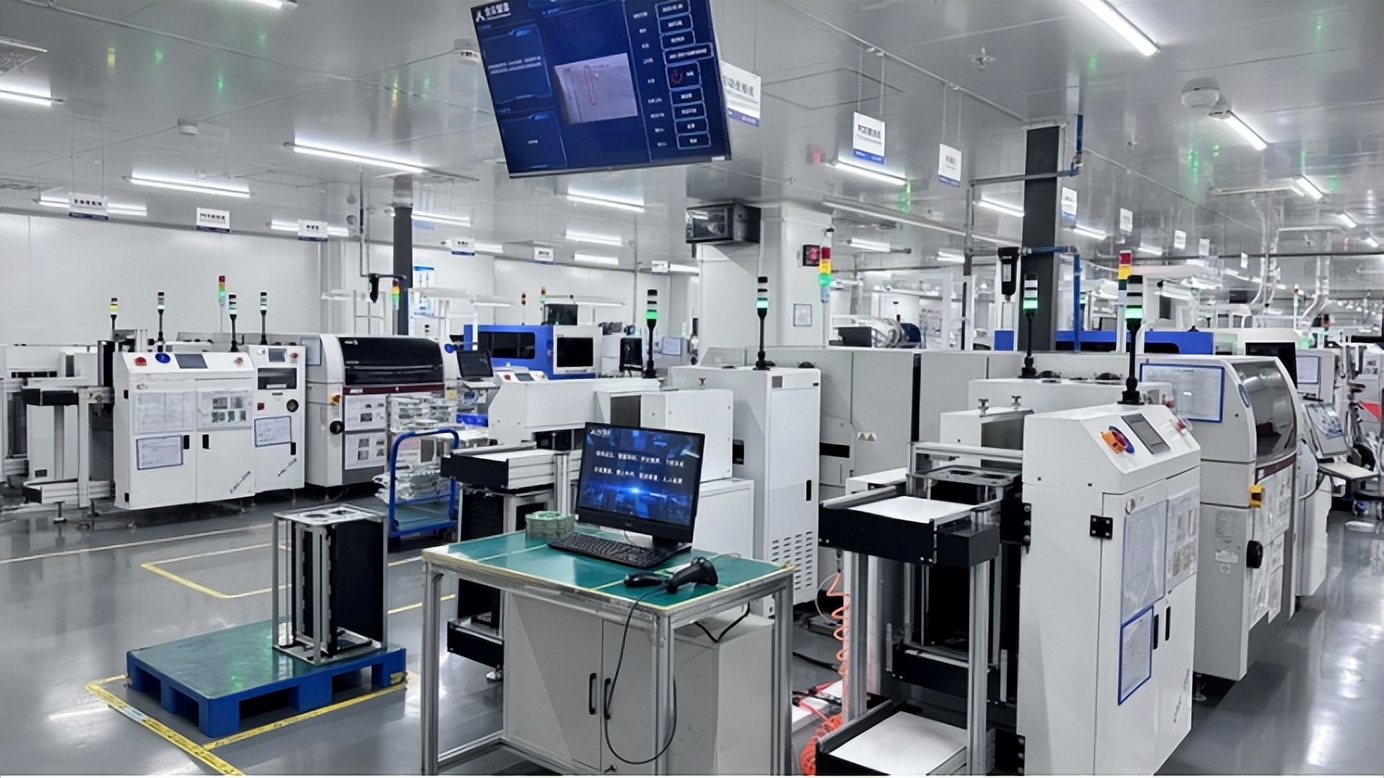
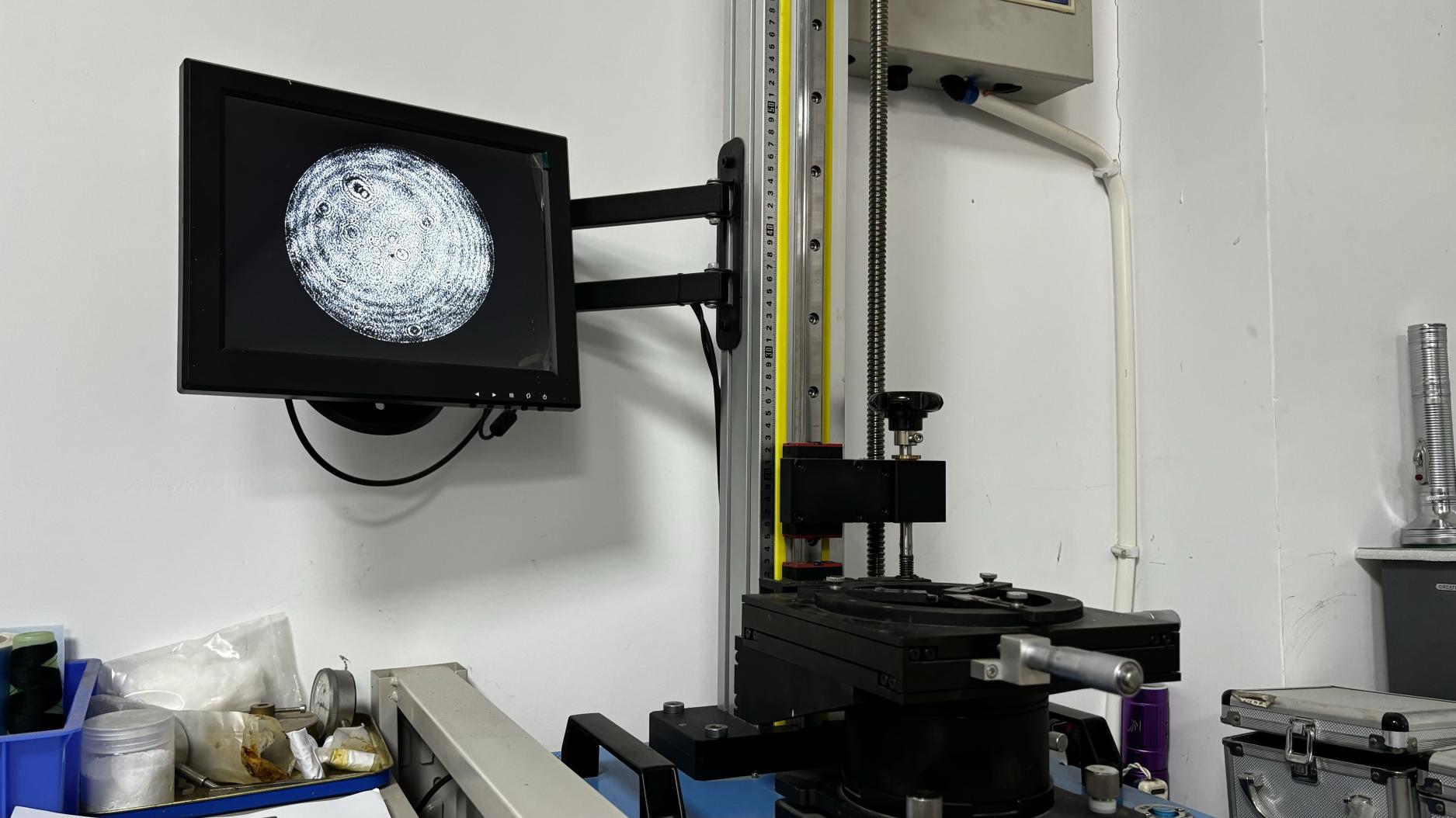
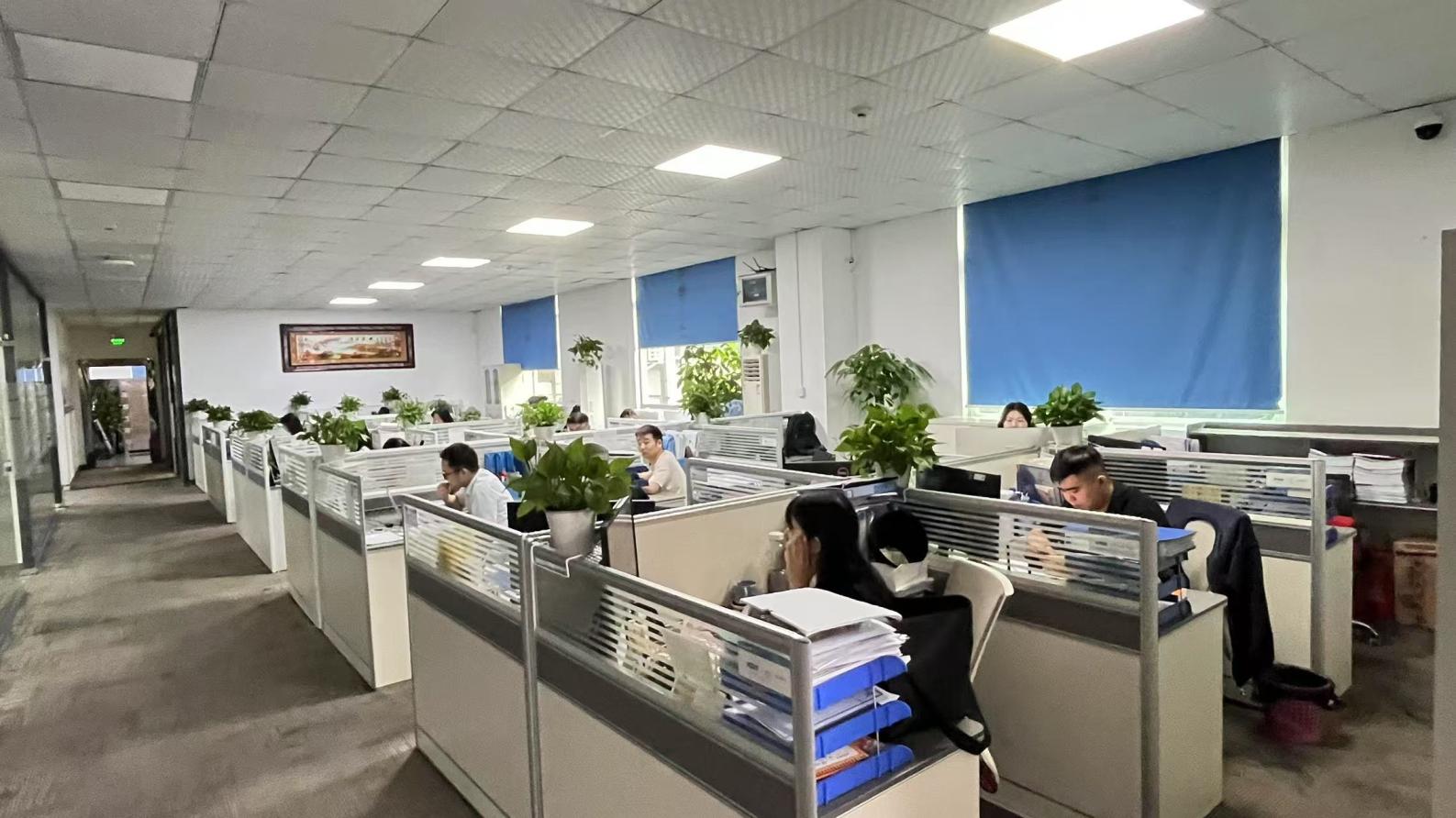
Aligning with next-generation processing technologies, optical fabrics, and clean energy strategies.
The pace of artificial intelligence development calls for proactive hardware and infrastructure engineering. At Bexora AI Systems, we update our architectures to support upcoming server and silicon platforms, helping to protect client investments over multi-year lifecycles. Our current development timeline focuses on three key areas:
To support high-wattage computing cards, we are refining our container platforms to transition from hybrid cooling models to 100% direct-to-chip liquid cooling setups. This design is engineered to support thermal requirements up to 120kW per rack, reducing cooling-related energy draw and helping sites achieve target PUE metrics in varied climates.
With latency becoming a limiting factor in large-scale AI training, we are upgrading our custom chassis layouts to support optical backplanes and optical-silicon interconnect structures. This shift reduces electromagnetic interference, optimizes internal airflow paths, and improves interconnect bandwidth within the container enclosure.
We are developing embedded management systems that integrate with server baseboard controllers. These systems monitor local pressure changes, trace humidity levels, and adjust cooling outputs dynamically to optimize power usage based on system load.
Providing detailed technical answers regarding our OEM/ODM modular compute and container systems.
Our customization program covers structural, electrical, and firmware layouts. This includes custom server backplane topologies, power supply ratings, rack power distribution, integrated liquid CDUs, and tailored chassis heights. At the system level, we customize BIOS configurations, fan profiles, and management firmware settings to align with target software environments.
Our containers use a closed-loop system combining direct-to-chip water blocks and external liquid-to-air cooling loops. When ambient temperatures rise, built-in controllers adjust water flow rates and fan speeds. Enclosure walls feature multi-layer thermal insulation to minimize heat transfer from the outside environment.
Lead times depend on the level of customization required and overall component availability. Standard configurations using existing chassis designs generally ship in 8 to 12 weeks. Fully customized enclosures requiring new layouts, custom power distribution, and specific cooling loops typically require 16 to 22 weeks from finalized design sign-off.
We use a multi-phase testing process managed by our 45-person quality team. Assembled units undergo automated optical inspection (AOI), thermal testing, and a minimum 72-hour burn-in period. We then run simulated high-load computing routines to verify system stability before final sign-off.
Yes. All modular enclosures are engineered to meet CE, FCC, RoHS, and UL safety standards. We adjust our component selection, cable routing, and breaker layouts to comply with regional codes, such as the NEC in North America and standard EU electrical directives.
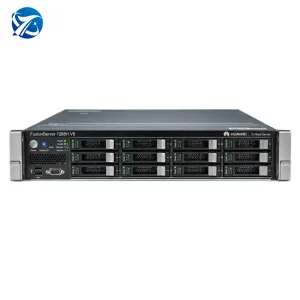
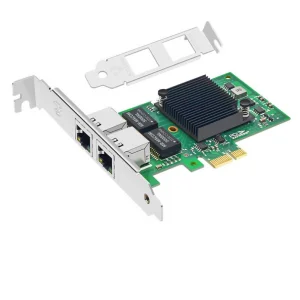
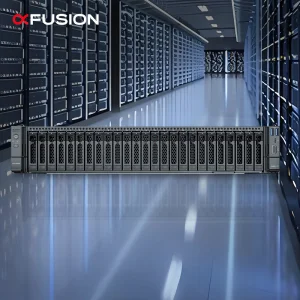
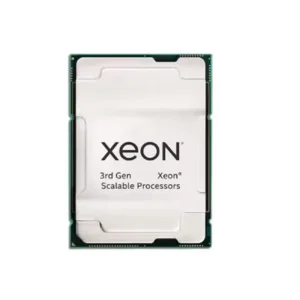
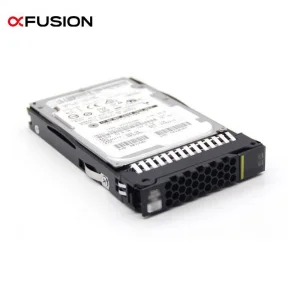
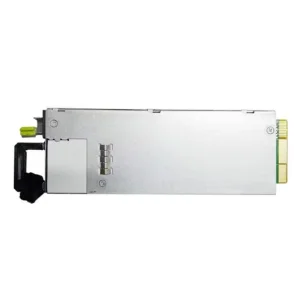
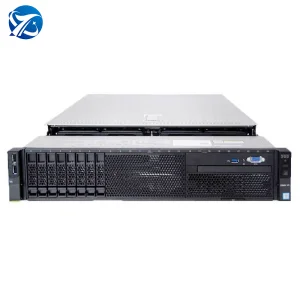
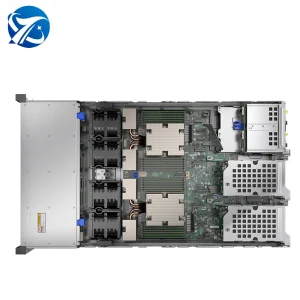
Essential enterprise hardware, expansion cards, processors, and drives to support your custom computing nodes.