Bexora
Bexora
Bexora
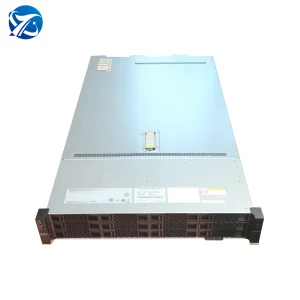
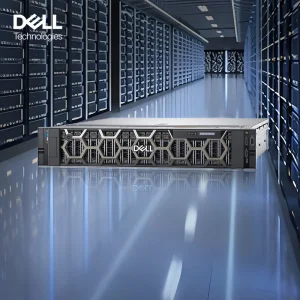
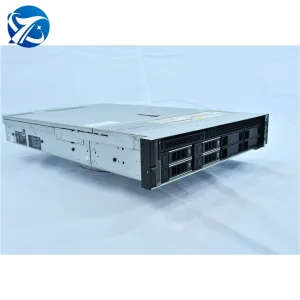
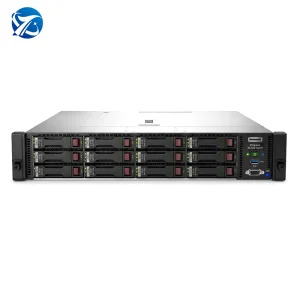
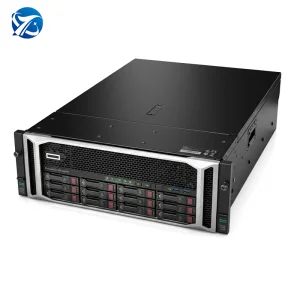
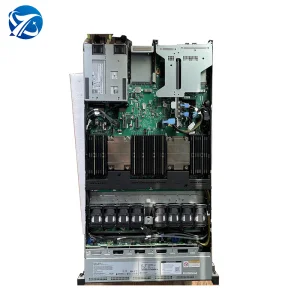
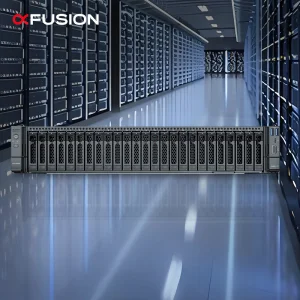
High-density servers represent the cutting edge of enterprise computational efficiency. By Packing massive CPU cores, hardware accelerators (GPUs/FPGAs), and high-speed storage into compact footprints, high-density topologies minimize data center real estate while scaling computing power.
In modern deployment pipelines, standard rack architectures often bottleneck due to space constraints, thermal output limitations, and energy consumption ceilings. High-density design shifts this dynamic. It leverages advanced multi-socket and multi-node chassis configurations that integrate shared power supplies, structural chassis optimizations, and specialized routing lines like PCIe Gen 5 to achieve raw performance per square foot that was previously impossible.
For custom OEM/ODM projects, optimizing high-density systems requires addressing critical physical and computational engineering variables: BIOS configurations tailored to dynamic workload distributions, strategic layout of server nodes to isolate signal noise, and micro-architectural integration of high-bandwidth memory (HBM) modules directly adjacent to logic processors.
Bexora AI Systems (China) Co., Ltd. is a premier B2B manufacturer based in China, delivering high-reliability hardware platforms globally.
As computational demands rise, thermal management becomes the primary ceiling for server density. Standard air cooling setups reach physical limits at high TDPs (Thermal Design Power) exceeding 350W per processor. High-density server engineering requires shifting to hybrid or direct liquid cooling models to maintain thermal stability.
Direct-to-Chip liquid cooling delivers coolant directly to the hottest components inside the chassis—mainly the CPU and GPU accelerators—using cold plates. This allows server nodes to run cool even under continuous maximum load, preventing thermal throttling and extending component life. It is highly effective for high-density architectures (like HPE ProLiant Gen12 systems) configured with 20EDSFF PCIe5 layouts, where airflow is constrained by packed storage drives.
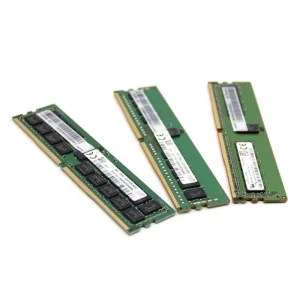
For operations where liquid-cooled plumbing is not feasible, OEM/ODM manufacturers design optimized airflow paths. This includes custom counter-rotating fan walls, tailored air ducts that focus high-speed air over low-profile heatsinks, and optimized PCB layouts that place lower-heat RAM modules ahead of hot processor zones. These features allow operators to deploy reliable systems using conventional data center setups.
Tailored for high TDP processors and dense GPU nodes, utilizing liquid loops and cold plates to maintain stable operational temperatures.
Optimized chassis physical layouts that route cold air directly over hotspots to minimize thermal pockets inside compact enclosures.
Flexible designs combining liquid loops for primary compute chips with focused airflow for storage drives and network modules.
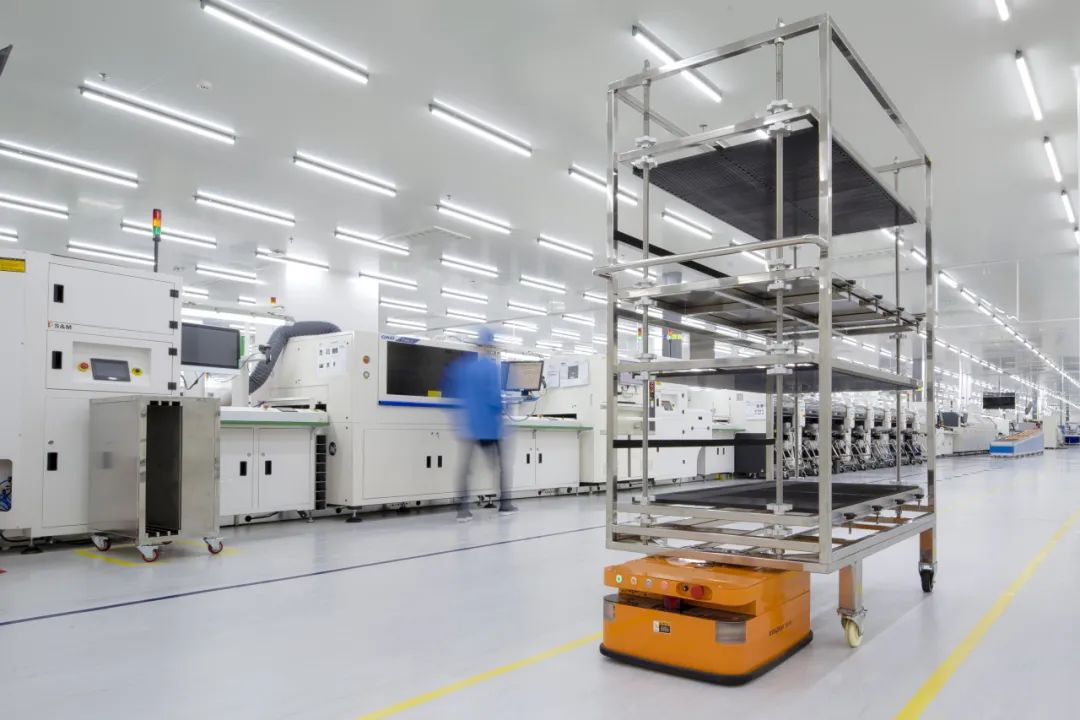
Bexora AI Systems operates within the advanced electronics manufacturing hub of China, providing significant logistical and cost advantages for global high-density server procurement. Proximity to component suppliers enables rapid prototyping, shorter lead times, and lower production costs.
With 12 years of industry experience and a network of 860 partners, Bexora has built a robust supply chain that covers everything from GPU sourcing and custom chassis fabrication to advanced networking components and thermal solutions.
This deep integration helps cushion clients against unexpected supply disruptions, while our structured scaling enables us to handle both small custom orders and large-scale data center rollouts with consistent pricing.
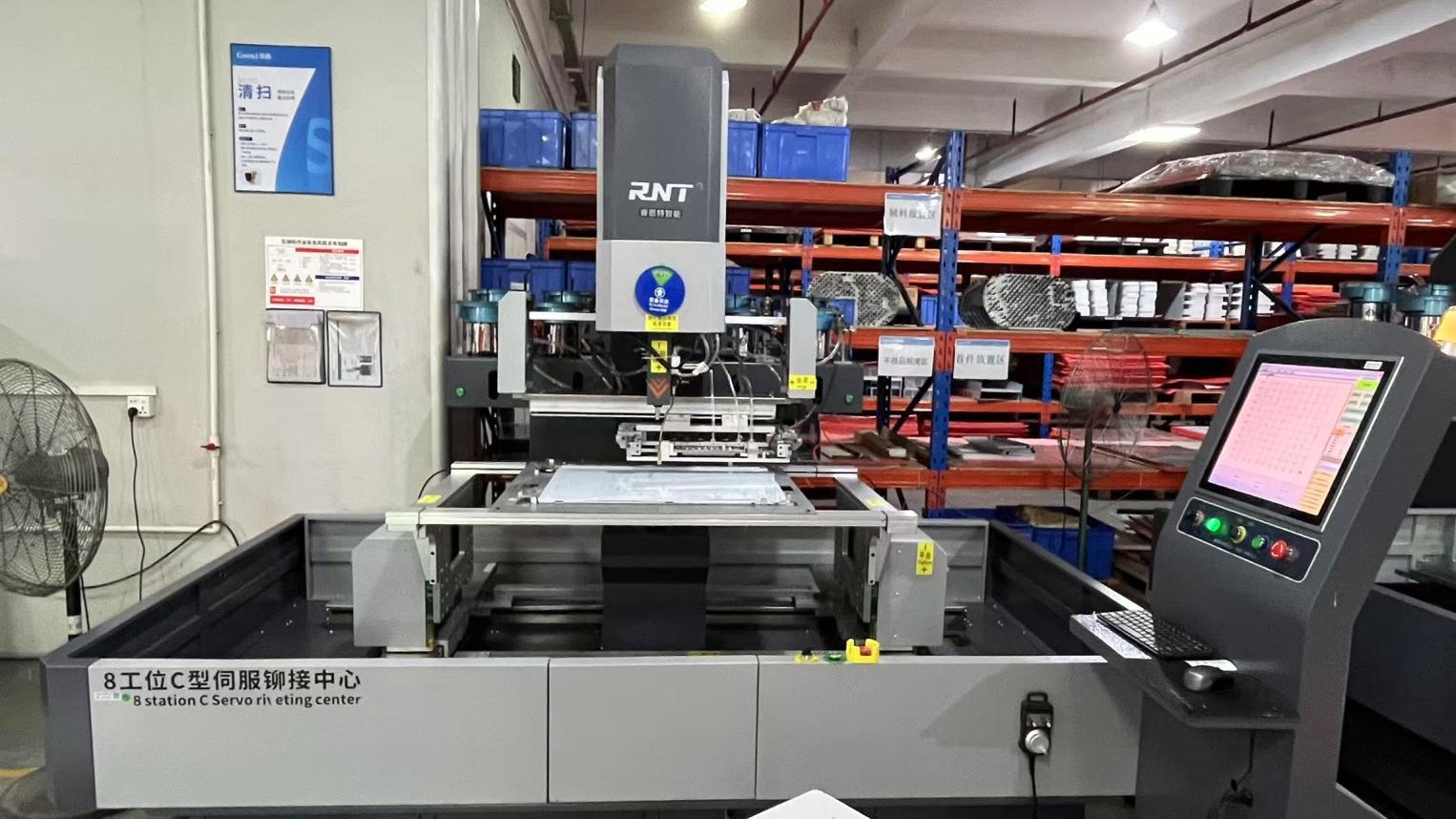
Our OEM/ODM services go beyond basic assembly. We offer hardware-level structural modifications, custom GPU slot arrangements, integration of liquid cooling manifolds, and firmware performance tuning. This allows clients to build systems optimized for their specific workload demands.
Bexora also launches over 120 new models and iterations annually. Supported by a 160-engineer R&D team, we continuously update our product lines with the latest server technologies, including PCIe Gen 5 routing, EDSFF storage, and high-density multi-socket configurations.
High-density servers operate in high-temperature, high-stress environments. To ensure long-term stability and system integrity, Bexora implements a comprehensive quality control program managed by a dedicated team of 45 quality control professionals.
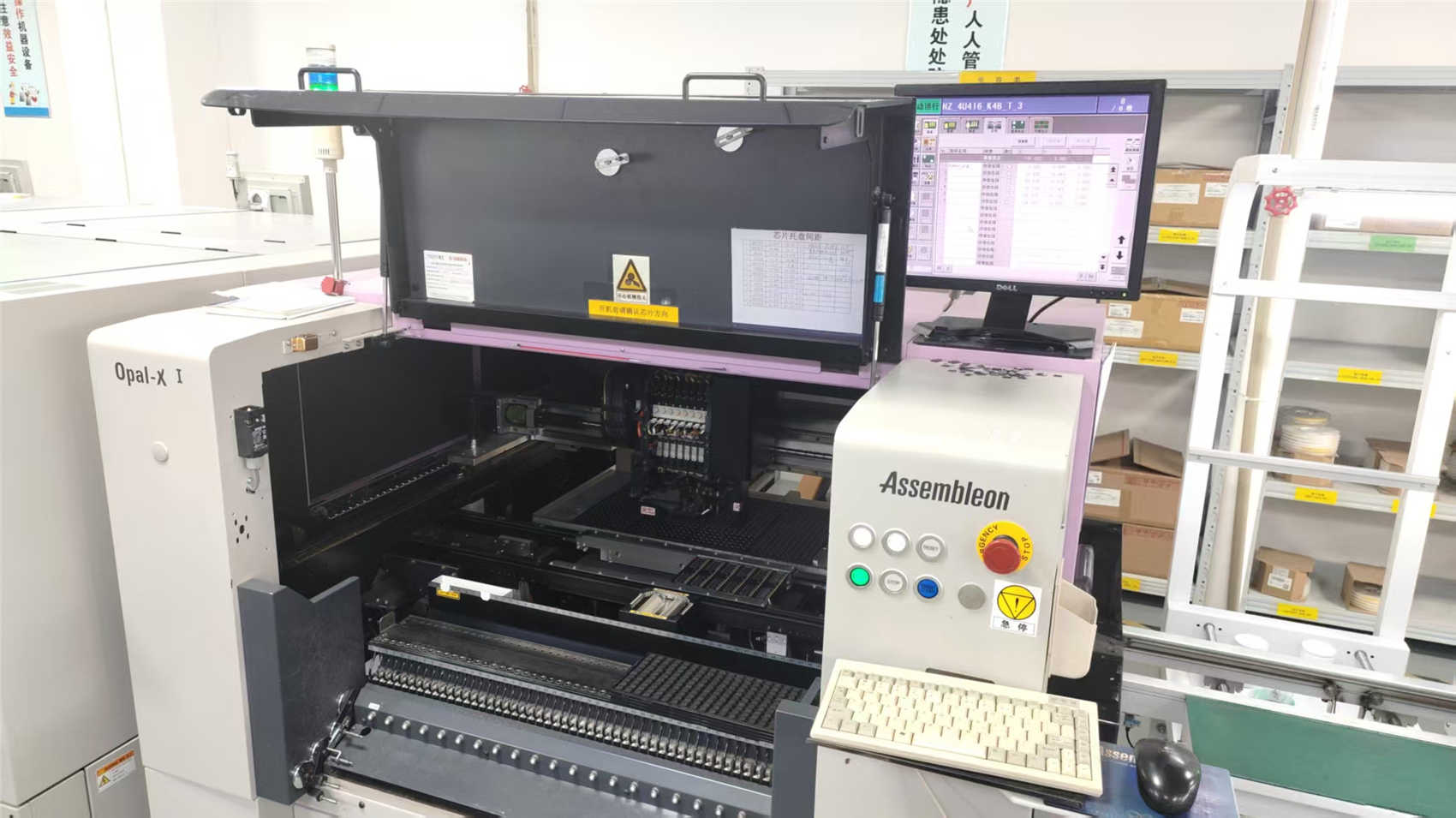
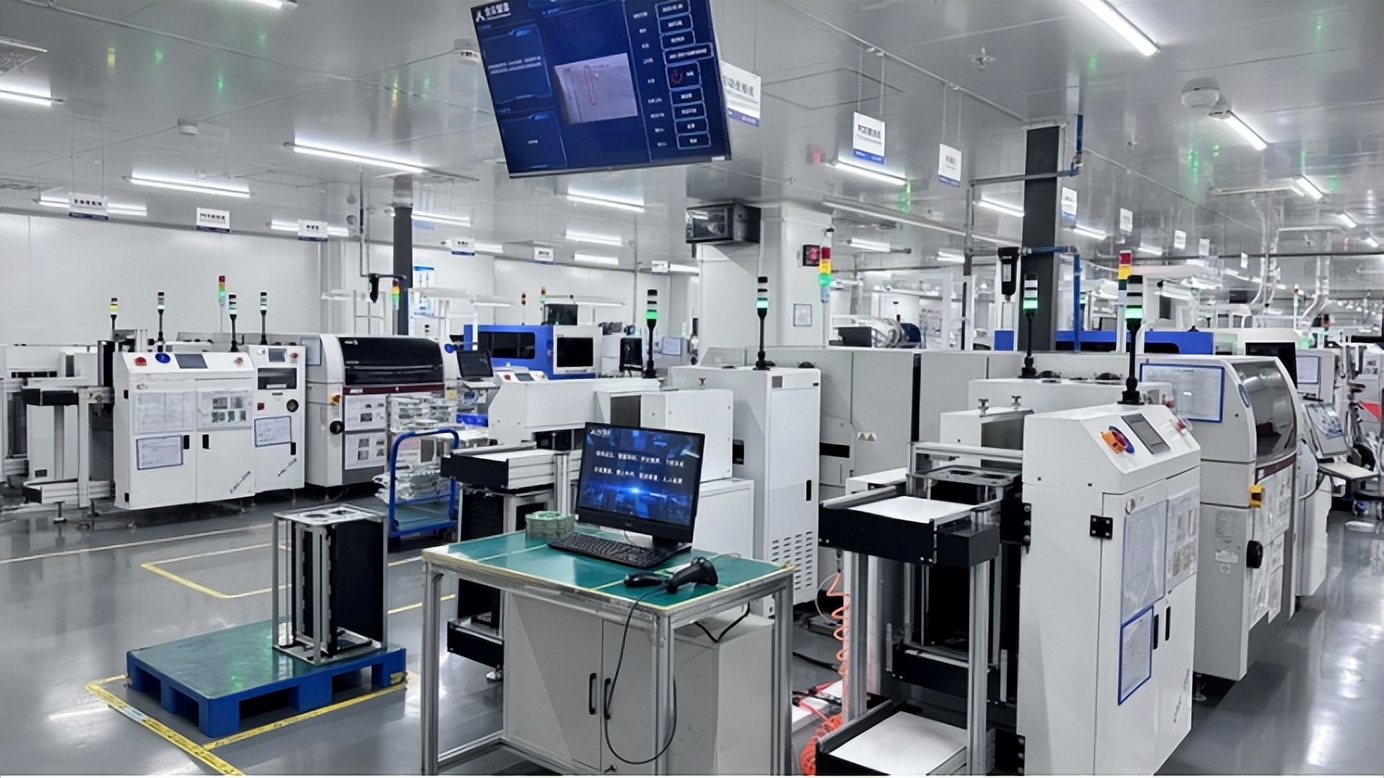
Automated Optical Inspection processes analyze PCB alignments and solder joints to prevent board-level manufacturing defects.
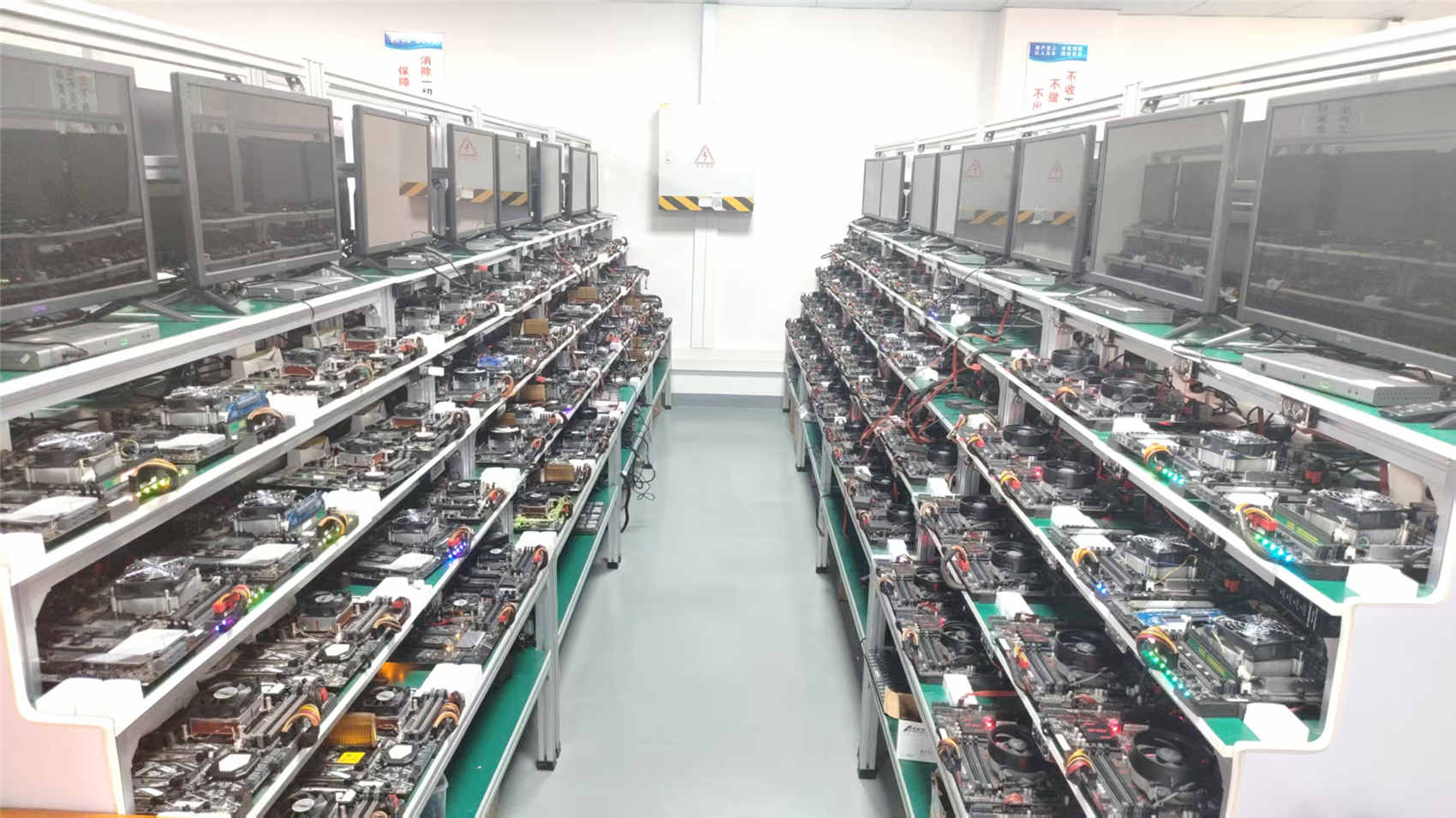
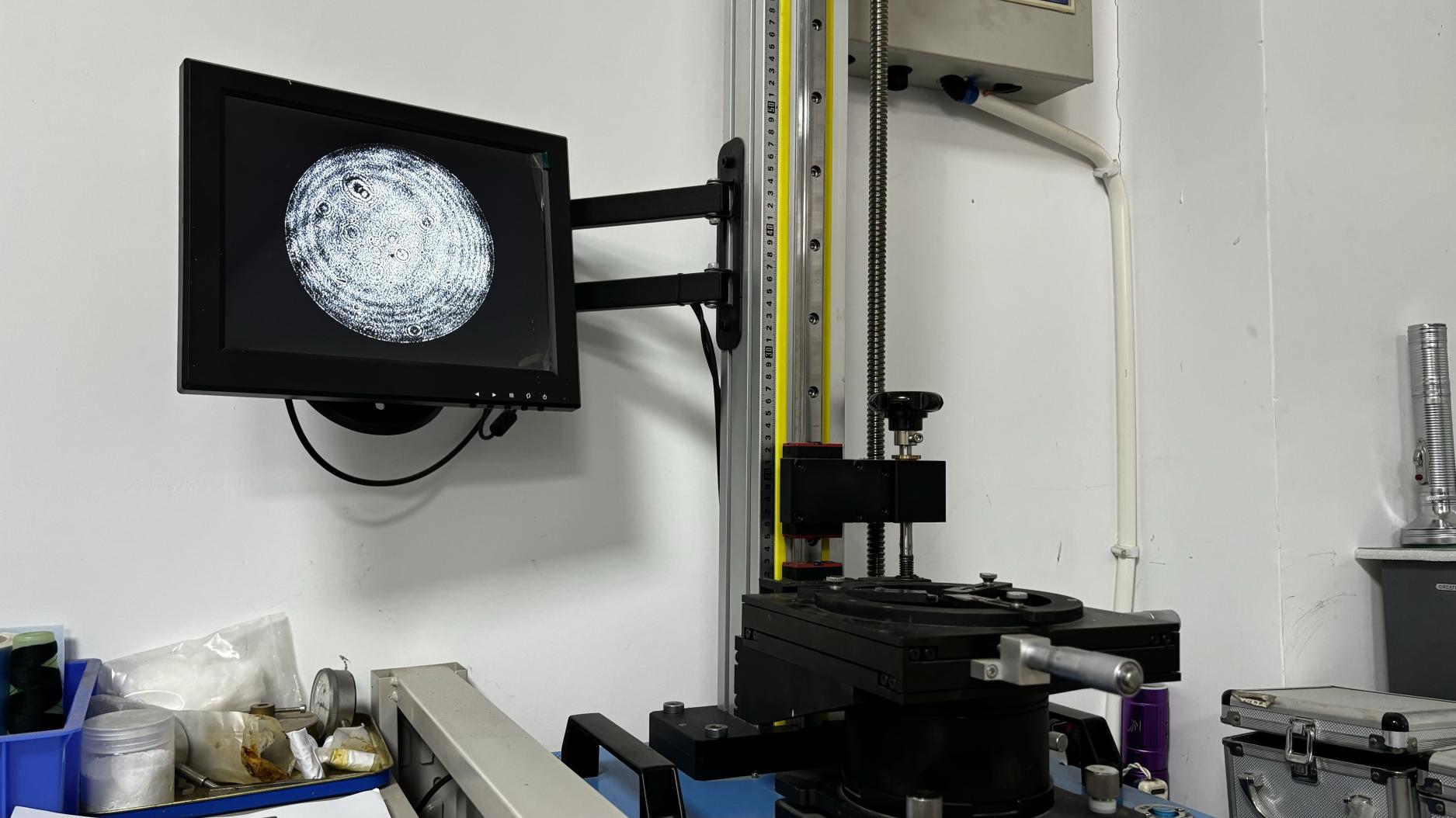
Assembled chassis undergo testing in environmental chambers to verify thermal dissipation performance under heat stress.
Continuous high-load testing is performed to catch early hardware failures and verify power supply stability.
System BIOS, IPMI interfaces, and storage controller firmware are validated to ensure secure and reliable remote management.
This verification process combines 100% full inspection of outgoing units with random reliability sampling. These standards ensure our custom GPU platforms and network systems deliver high uptime and consistent performance, even under demanding data center workloads.
Exporting high-performance servers globally requires strict adherence to international safety, electromagnetic, and environmental standards.
Bexora has 7 years of B2B export experience, serving markets in North America, Europe, Southeast Asia, and the Middle East. All systems are certified to meet major international standards (including CE, FCC, UL, and RoHS), ensuring smooth customs clearance and compliant deployment in data centers worldwide.
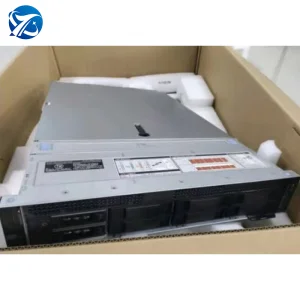
We work closely with local logistics and technical partners to simplify international shipping. Our distribution network manages custom duties and ensures secure transport of heavy server racks and delicate hardware components.
To support systems post-deployment, we offer localized support programs, including regional spare parts logistics and flexible warranty terms (such as our 3-year warranty on customized systems).
For custom ODM projects, we can also provide firmware custom layouts, tailored IPMI remote tools, and specific metal-work patterns. This helps clients easily integrate our hardware into their existing data center automation systems.
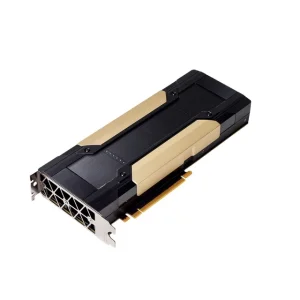
Our custom GPU racks are optimized for deep learning models, enabling fast data throughput for both massive LLM training and real-time inference tasks.
High-density configurations maximize computing power per rack unit, helping hyperscale providers optimize their floor space and cooling systems.
Compact 1U and 2U form factors are designed for edge deployments, bringing low-latency processing closer to end-users and IoT systems.