Bexora
Bexora
Bexora
The rapid transformation of enterprise computing, accelerated by Large Language Models (LLMs) and artificial intelligence deployments, has fundamentally shifted the power metrics within modern data centers. As rack power density escalates from historical 5kW averages to demanding 30kW–100+kW thresholds, the Power Distribution Unit (PDU) has transitioned from a standard mechanical component into a critical smart infrastructure element.
Modern hyper-converged nodes and high-density GPU accelerators require massive continuous current configurations. Legacy single-phase distribution pathways can no longer handle the load without catastrophic thermal risks. This has prompted a global migration to three-phase high-voltage power paths directly servicing rack-level installations.
Modern server operations demand granular load analysis. Intelligent PDUs enabled with per-outlet level energy metering allow network operations centers to pinpoint stranded capacity, optimize overall Power Usage Effectiveness (PUE), and dynamically partition resources across high-performance compute clusters.
With environmental operating envelopes expanding to reduce cooling energy usage (ASHRAE thermal guidelines), rack PDUs must maintain continuous operation under higher ambient temperatures (60°C / 140°F) while retaining structural chassis integrity and meeting global certifications (UL, CE, RoHS, FCC).
The PDU design path is dictated by the requirements of the high-performance computing (HPC) ecosystem. Modern engineering integrates hardware and software solutions to enable microsecond-level telemetry and reliable physical power transfer.
To minimize step-down losses, modern architectures bypass multiple conversion stages. Incorporating 415V three-phase or 240V/380V DC distribution schemes minimizes line loss and copper weight within physical raceways.
As server chassis transition to cold-plate or immersion cooling setups, adjacent rack PDUs are engineered with non-condensing, high-humidity resistant physical coatings to protect critical distribution modules.
Deploying low-profile hydraulic-magnetic circuit breakers prevents localized short-circuits from cascading. Outlet-level sequencing limits the inrush currents associated with simultaneous compute boot cycles.
Interfacing with building management systems via dual-network port SNMP v3, Modbus TCP/IP, or RESTful API setups provides secure, low-latency instrumentation metrics across thousands of nodes.
Based in China, Bexora AI Systems (China) Co., Ltd. is a premier manufacturing hub and technical authority for scalable, high-performance computing infrastructure. We support AI training, inference, and global hyperscale data center operations.
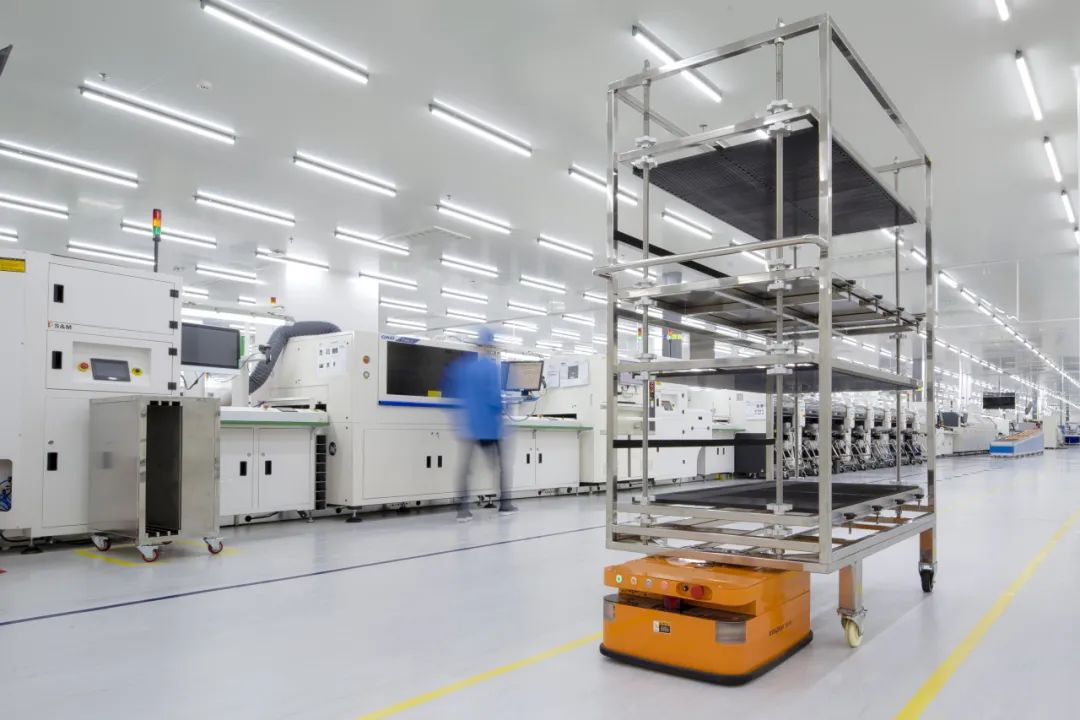
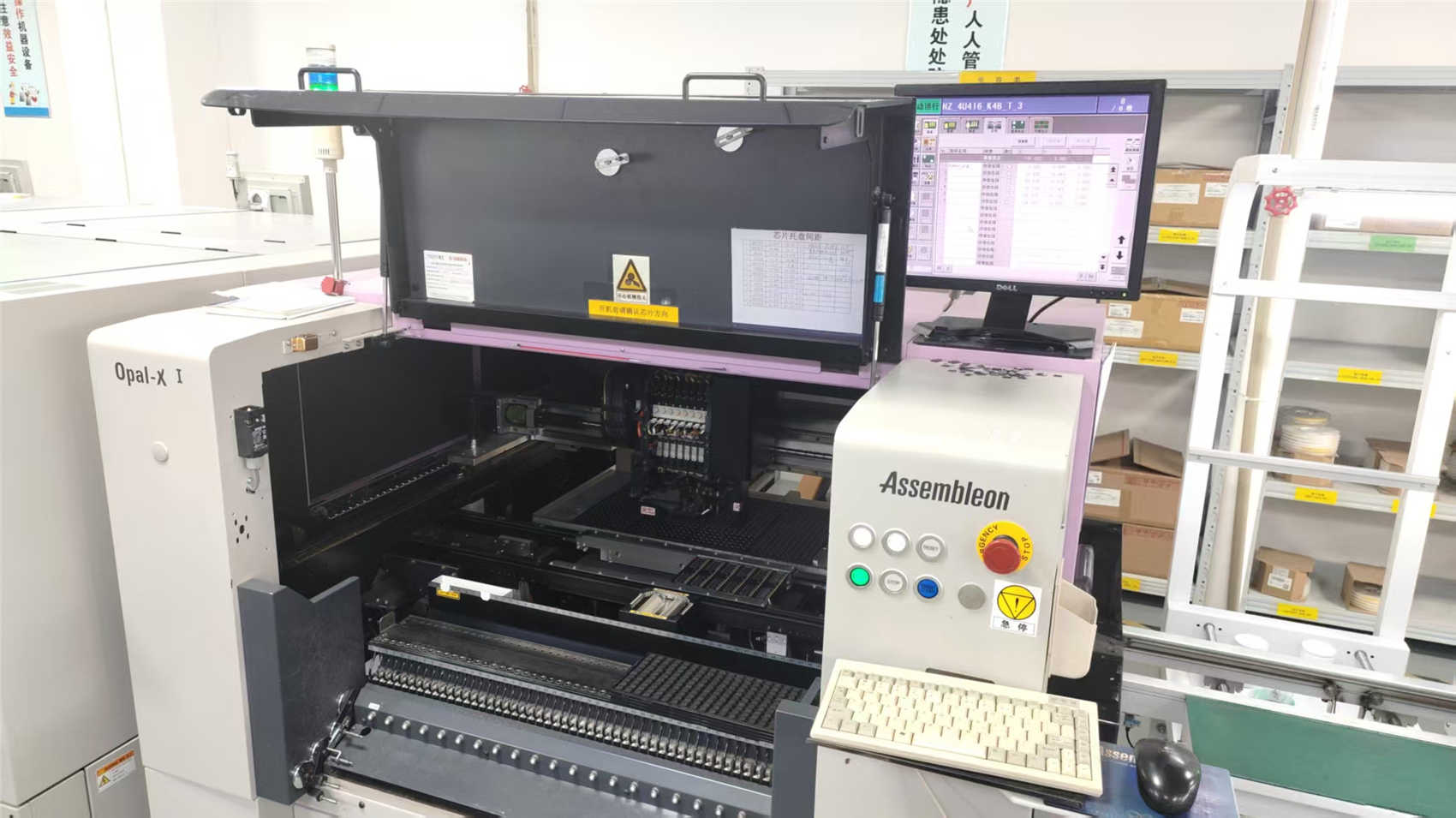
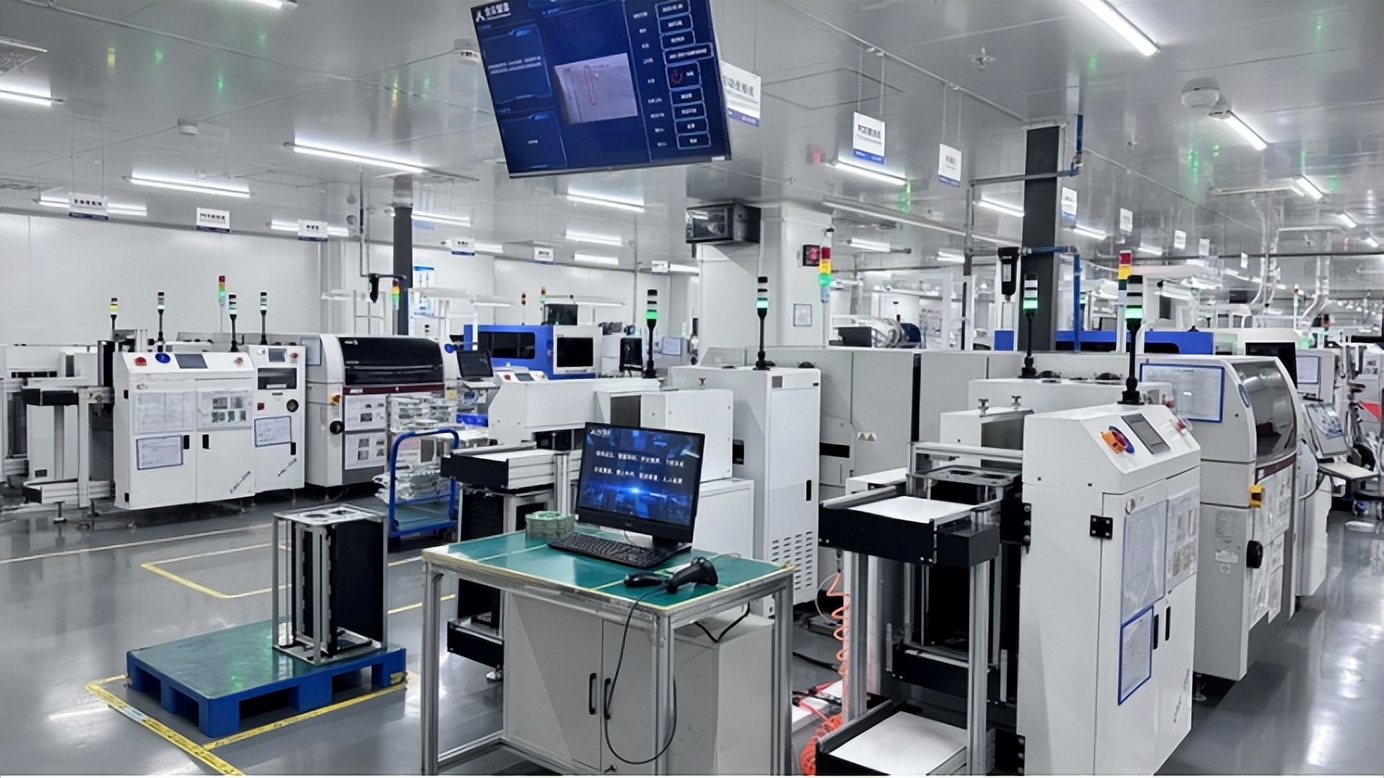
Operating an advanced 18,600㎡ facility, our processes maintain strict alignment with modern quality management frameworks. We operate with a supply chain network of approximately 860 upstream and downstream partners. This deep support network allows Bexora to secure raw materials, advanced chassis, high-capacity copper busbars, and robust semiconductor controllers, ensuring prompt production timelines even during global chip allocation periods.
Our 160-engineer strong R&D division specializes in custom electrical architectures, thermal design optimization, and integrated liquid cooling rack management. Whether configuring specialized outlet counts (C13, C19, NEMA, IEC), variable voltage ratings, or custom firmware for localized energy management systems, our team handles custom requirements directly. We launched over 120 new products and product iterations last year, demonstrating our continuous R&D output.
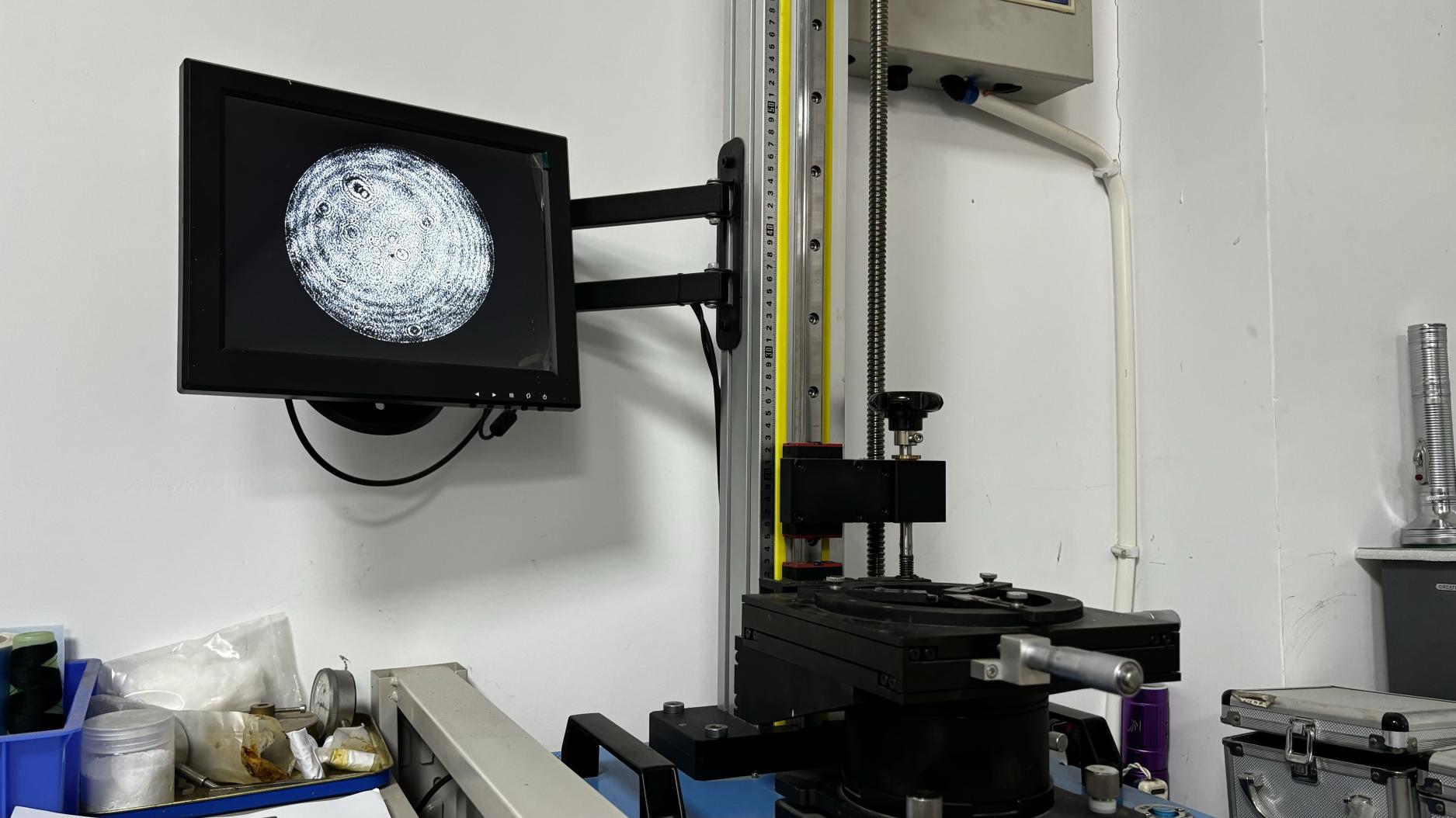
To ensure high performance for high-density computing loads, we deploy a dedicated team of 45 quality assurance specialists. Our verification workflow involves 100% full-inspection protocols coupled with random-sampling stress testing. This comprehensive pipeline includes full load burn-in verification, automated optical inspection (AOI), thermal stress testing, firmware verification, and simulated AI workload load transients.
Power distribution needs differ depending on the deployment environment. We engineer custom power solutions to meet these distinct enterprise requirements.
Designed for rapid deployment, our high-density PDUs utilize toolless rack installation configurations, color-coded dual power paths (A/B distribution), and hot-swappable control modules to ensure continuous uptime during critical operational maintenance updates.
Specifically built to manage the steep power demand curves typical of modern GPU clusters. Features include customizable dynamic branch circuit monitoring, physical transient voltage protection, and custom thermal management ratings that align with advanced liquid-cooled cabinet setups.
Tailored for smaller, remote locations. These solutions feature localized environmental sensing ports, direct IP-cascading support to reduce switch port count, and secure remote outlet switching to allow easy cycle restarts of distant unresponsive equipment.
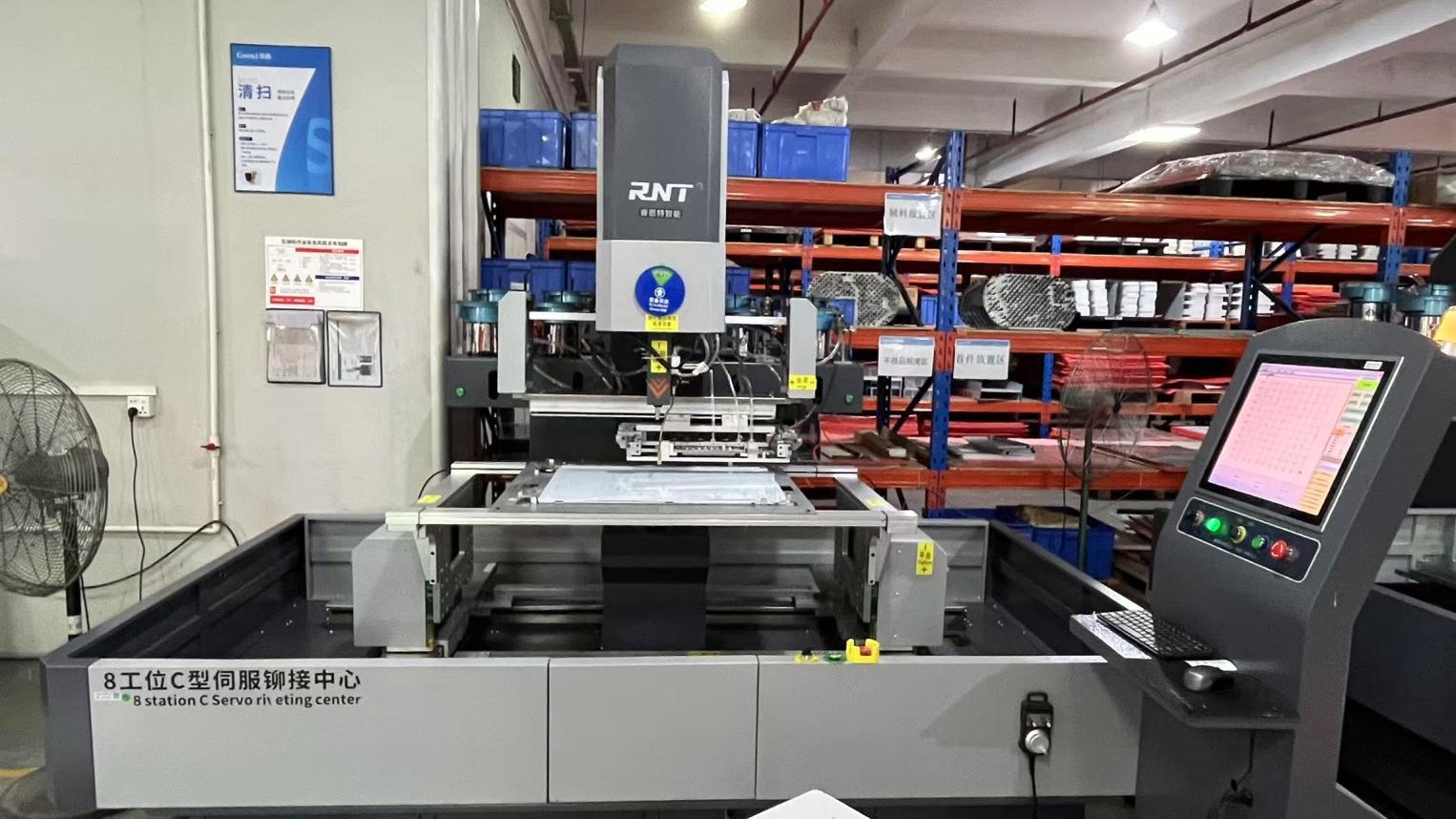
Our ISO-certified manufacturing footprint represents reliability, precision manufacturing, and cleanroom-grade hardware assembly processes.



Explore answers to primary technical considerations from datacenter facility engineers and power distribution designers.
Three-phase distribution systems (such as 400V/415V AC) provide more power capacity in a compact form factor. They balance the load over three phases, reducing the neutral wire current and overall copper cost. They also deliver steady, reliable power to high-performance servers, minimizing voltage drop issues common in dense rack setups.
Bexora offers extensive OEM/ODM support, backed by our 160-person R&D team. We customize everything from physical dimensions (0U, 1U, 2U, or custom length), outlet types and counts (IEC C13/C19, NEMA, Schuko), localized branch circuit breakers, to custom firmware integrations for SNMPv3, Modbus, or direct JSON/REST API endpoints.
Our 45-person QA department applies a rigorous multi-stage inspection process. Every unit undergoes automated optical inspection (AOI), full burn-in verification under high load, thermal stress testing, insulation and grounding safety checks, and simulated AI workload transient tests to verify circuit breaker stability under rapid load changes.
Metered PDUs provide real-time power data per outlet, helping operators identify underutilized servers and reclaim unused capacity. Switched PDUs allow operators to turn off unused outlets and remotely reboot locked servers, saving operational time and avoiding onsite service calls.
Yes, our industrial rack-mount units are built with high-grade aluminum housings and premium internal copper busbars rated for continuous operation at ambient temperatures up to 60°C (140°F). This matches the high-temperature requirements of modern data center containment designs.