Bexora
Bexora
Bexora
The modern data center paradigm has transitioned from localized, hands-on administration to highly complex, distributed, and headless computing. Remote Monitoring Solutions (RMS) serve as the central nervous system of enterprise architecture, allowing operations teams to manage, diagnose, and recover server fleets located across global geographic nodes. By employing Baseboard Management Controllers (BMCs) compliant with IPMI 2.0 and the RESTful Redfish API, administrators obtain low-level hardware control completely independent of the operating system.
As AI training workloads scale, thermal dissipation and energy consumption spike unpredictably. Traditional operating system agents fail during critical kernel panics or power outages. Out-of-band remote monitoring architectures utilize dedicated hardware planes to poll thermal telemetry, manage fan profiles, monitor power delivery metrics (PMBus), and perform remote firmware validation without consuming prime CPU compute cycles.
Our solutions target AST2500 and AST2600 BMC chipsets, enabling KVM-over-IP, virtual media mounting, and power cycling capabilities directly from centralized infrastructure dashboards.
Moving beyond legacy command-line interfaces, modern systems interact via JSON-formatted APIs, facilitating rapid automation in containerized and hybrid Kubernetes server systems.
Based in China, Bexora AI Systems (China) Co., Ltd. is a professional AI GPU server and high-performance computing infrastructure manufacturer. We specialize in scalable compute architectures optimized for AI training, high-speed remote monitoring configuration, and hyper-reliable enterprise deployments.
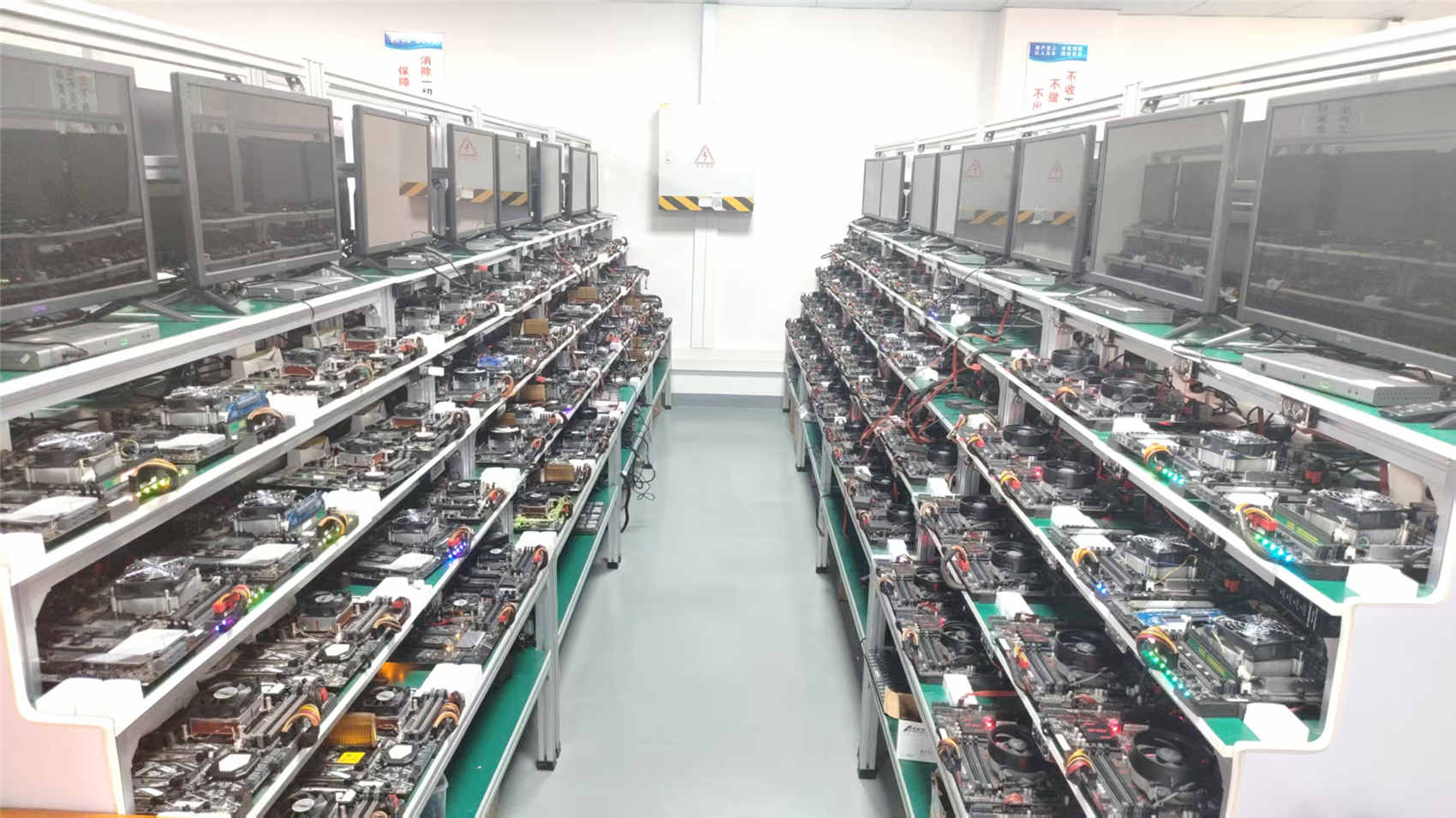
We deploy a 100% full inspection methodology paired with automated random sampling reliability procedures. This guarantees extreme structural stability and long-term functional consistency under harsh computational workloads.
Our 160-engineer strong R&D team works directly with global cloud service providers and enterprise clients to tailor monitoring hardware configurations. Custom profiles include:
The manufacturing ecosystem of China provides unparalleled structural efficiencies in producing remote monitoring hardware and high-performance server structures. With an integrated network of approximately 860 upstream and downstream supply chain partners, Bexora coordinates GPU sourcing, server chassis fabrication, networking modules, and advanced thermal management components within a highly localized cluster. This physical proximity minimizes transit bottlenecks, reduces production overhead, and dramatically accelerates the prototyping lifecycle.
China's engineering talent pool further enhances our software-hardware co-design capabilities. R&D centers in Shenzhen and key technology clusters possess deep expertise in micro-controller firmware development, enabling us to deliver optimized BIOS and BMC source configurations that integrate smoothly with systems like OpenBMC, Dell iDRAC, HPE iLO, and xFusion FusionServer management tools.
Traditional monitoring tools trigger alerts only after thresholds are breached. Future systems leverage ML models running within the BMC to analyze vibration, thermal fluctuations, and memory parity errors, predicting physical disk or power supply unit (PSU) failures before they disrupt operations.
With BMC interfaces becoming prime targets for exploits, the industry is transitioning to hardware-enforced cryptographic verification. Security architectures implement strict credential cycling, encrypted IPMI channels, and validation of digital signatures at the silicon level before allowing firmware changes.
As GPU power draws break the 1000W barrier per chip, liquid loop metrics must be monitored as closely as CPU core temperatures. Advanced BMC profiles incorporate flow-rate sensors, leak detection, and coolant chemistry indicators directly into the out-of-band monitoring stream.
Deploying thousands of compute nodes across multiple regions requires zero-touch provisioning. Out-of-band management structures permit administrators to boot server racks remotely, configure BIOS settings via automation playbooks, configure RAID array cards like the 9560-8I, and flash microcode updates concurrently without requiring single-unit terminal connections.
Edge nodes operating in unmanned stations, telecommunication towers, or offshore energy facilities lack onsite IT support. The remote management controller must function even if the primary operating system experiences a crash. Integrated remote controllers facilitate emergency power cycles, serial-over-LAN diagnostic checks, and recovery from firmware issues without dispatching maintenance technicians.
In highly regulated finance, military, and clinical contexts, system isolation is mandatory. Modern remote control architectures support dedicated physical control networks, separating administration data streams from general corporate network traffic. Cryptographically signed logs track administrator activity to prevent unauthorized access.
AI training clusters run systems at high processing capacities for consecutive weeks. Standard server platforms run high thermal risks. Custom thermal control logic in the BMC manages dynamic cooling profiles, utilizing external temperature inputs to ramp high-CFM chassis fans up and down, preventing chip throttling and preserving overall system lifespan.
Our infrastructure designs integrate remote monitoring mechanisms across hardware components to ensure uninterrupted enterprise operation.
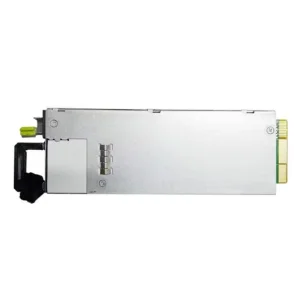
Compatibility with high-efficiency platinum computer power supplies (900W to 2000W) hosting PMBus telemetry. Permits monitoring of input/output voltage, current draw, temperature profiles, and conversion efficiency directly from the system management console.
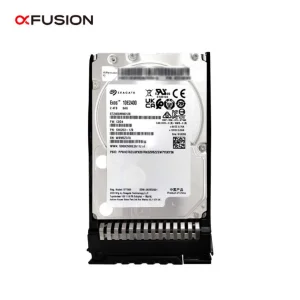
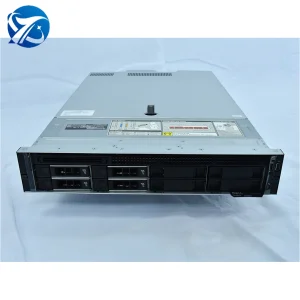
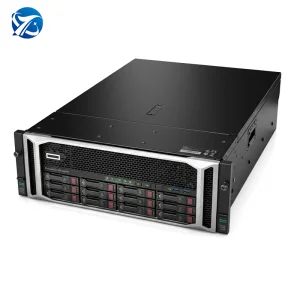
Management of array architectures via modern SAS/SATA RAID controller configurations (such as the XC170-M-8i and 9560-8I card families). Allows operators to monitor array status, execute online capacity extensions, and rebuild disks remotely.
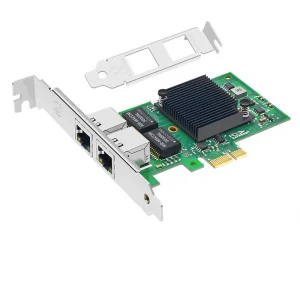
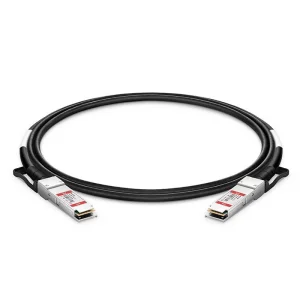
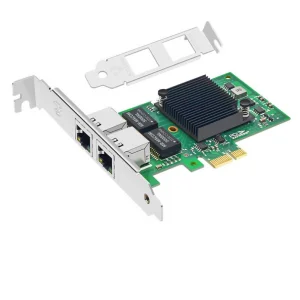
Monitoring network interfaces and physical links through QSFP+ 10G/40G direct-attach cables. Detects link attenuation, transceiver temperature profiles, and port errors to optimize packet delivery across the server infrastructure.
International procurement professionals face multi-layered challenges when importing high-density computing server products from China. Navigating regional regulatory standards requires hardware systems that carry valid safety and efficiency certifications, including CE, FCC, RoHS, and UL marks. Bexora addresses these procurement requirements by maintaining strict quality records, facilitating audit access to our 18,600㎡ manufacturing plant, and providing comprehensive documentation for all exported hardware assemblies.
To mitigate long-term maintenance risks, we offer lifecycle assurances on component supplies. We sustain product and component lines for years after launch, ensuring that replacement elements—such as system fans, storage controllers, power distribution boards, and SAS controllers—remain accessible throughout the entire deployment lifetime.
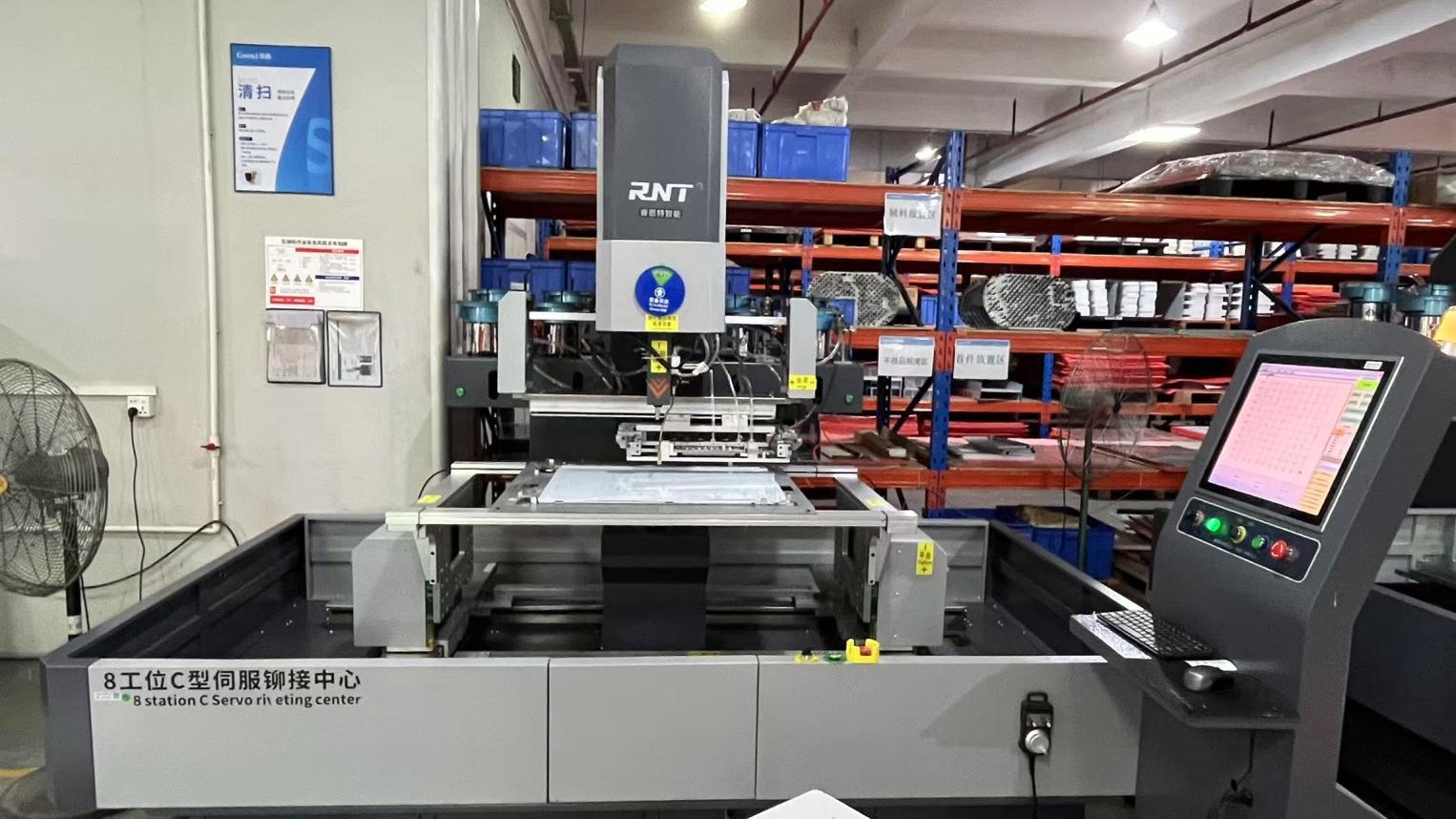
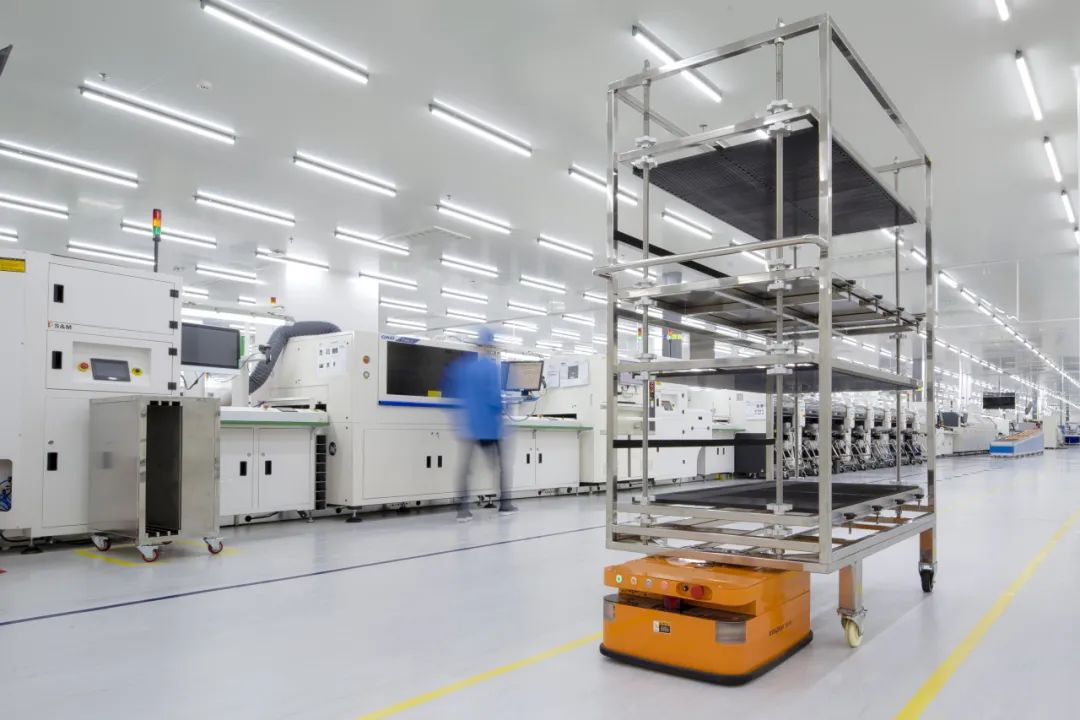
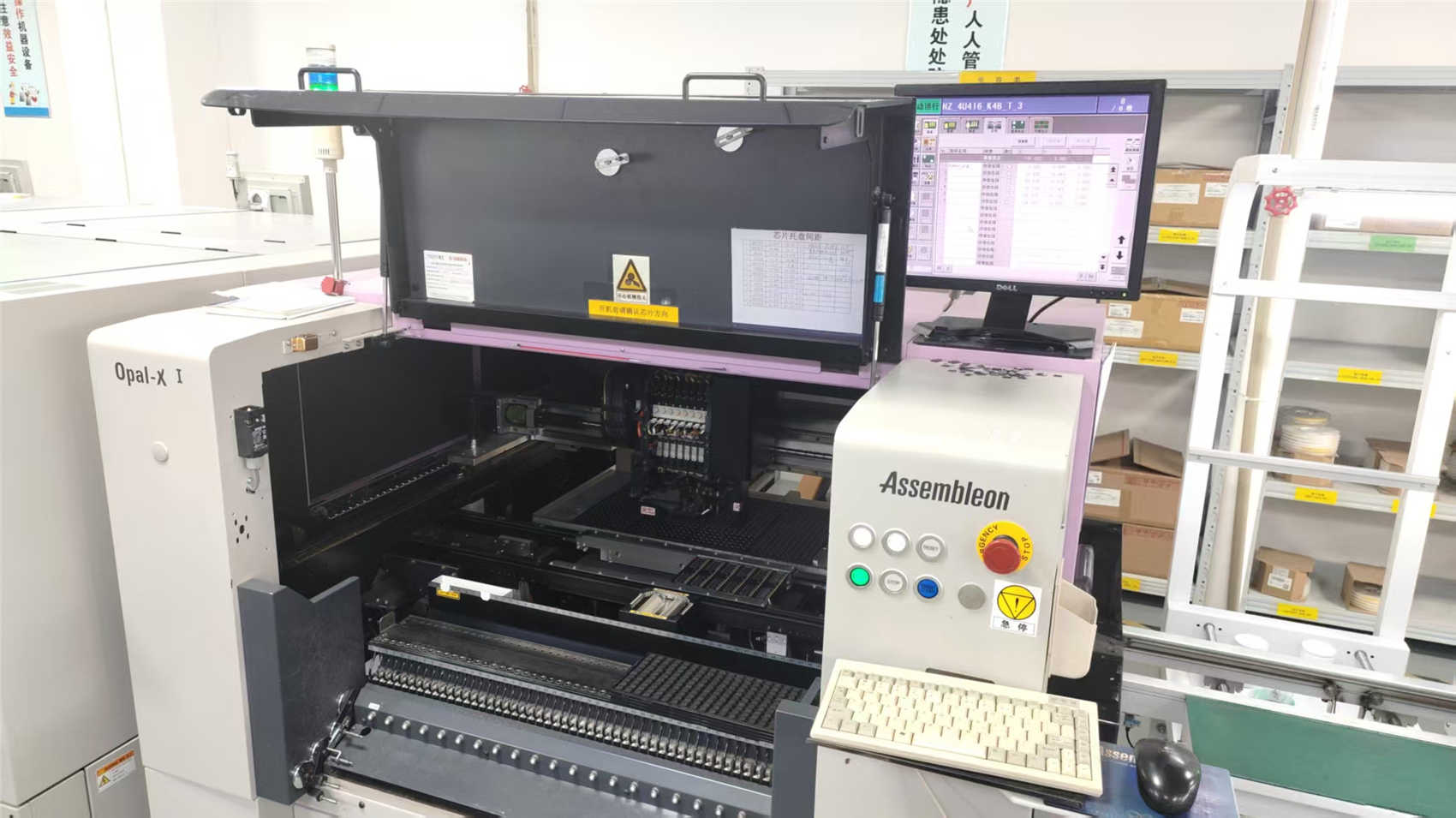
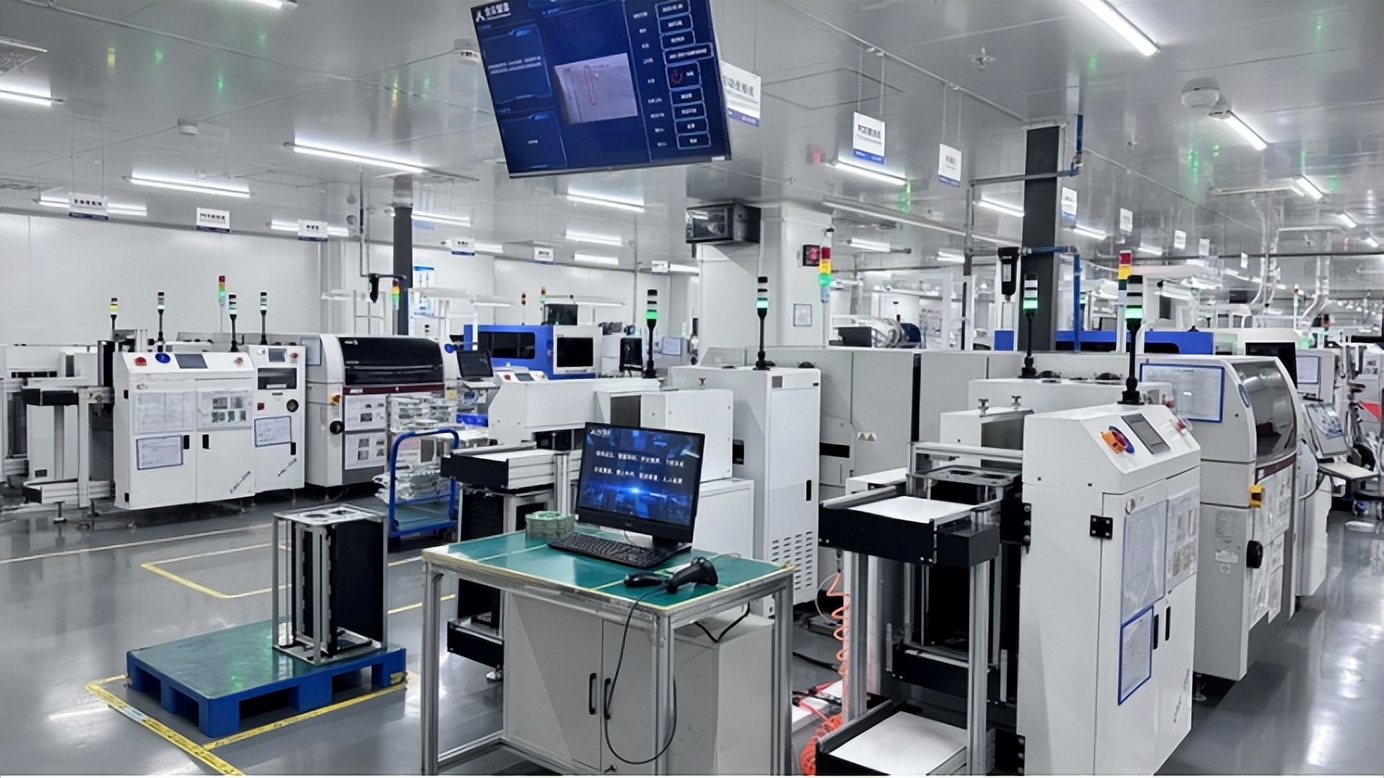
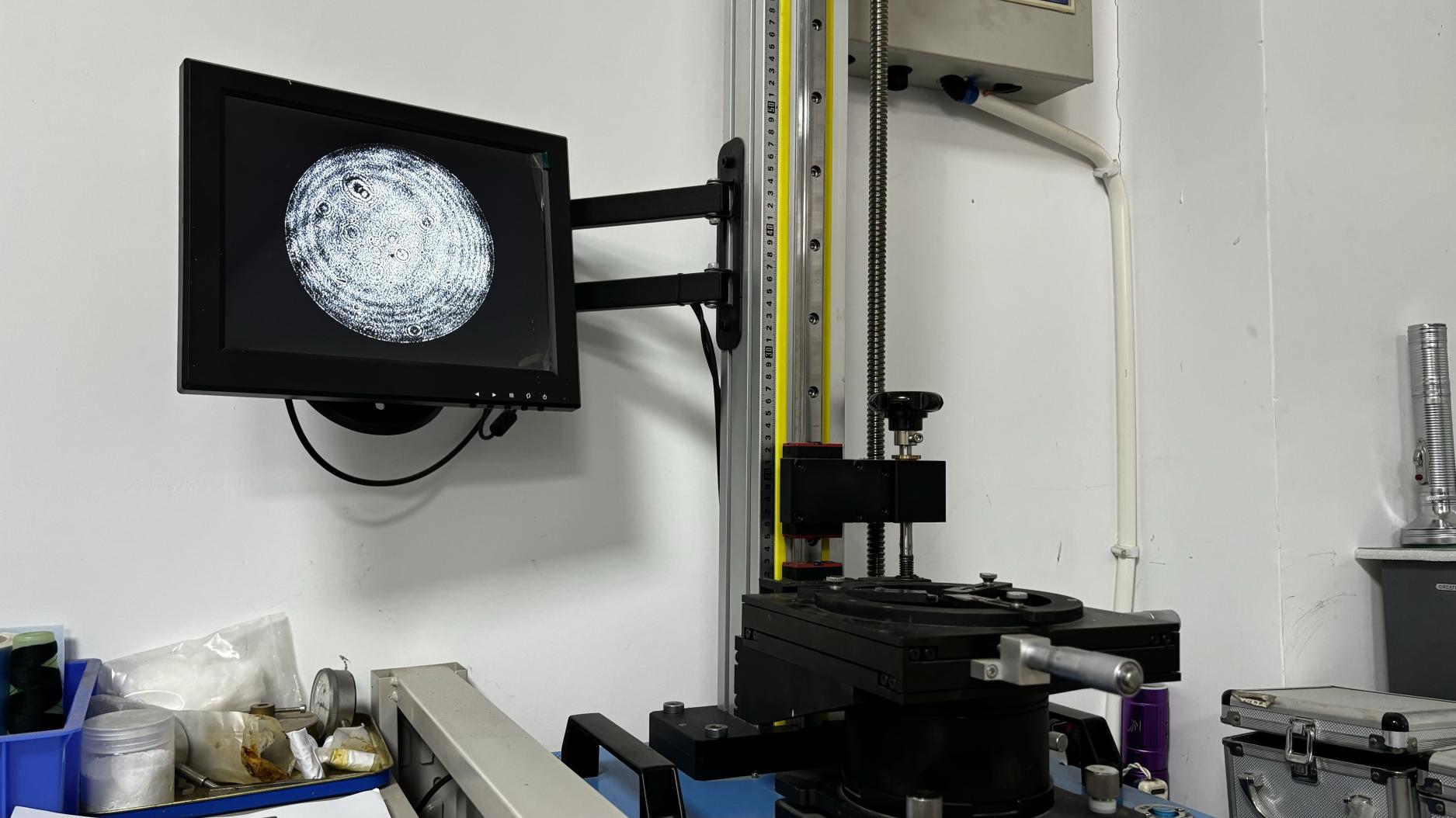
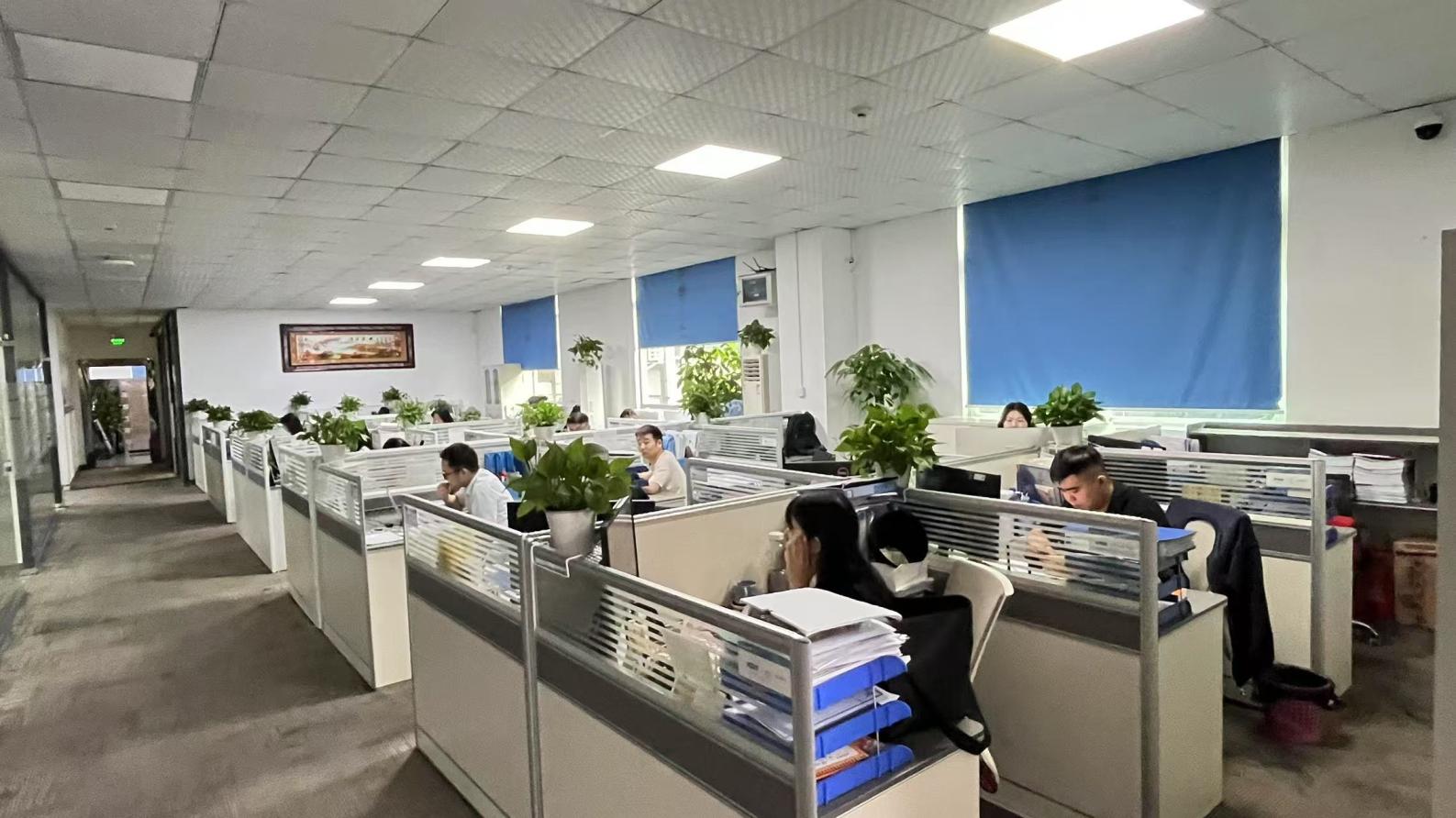
A look inside our 18,600㎡ manufacturing facilities, cleanrooms, and testing departments, where our hardware systems undergo strict validation.