Bexora
Bexora
Bexora
Explore our enterprise-grade server systems, high-bandwidth host bus adapters, and hyper-converged hardware designed for maximum network throughput.

Empowering Global Telecommunications & AI Compute Infrastructure
Established in 2016, Bexora AI Systems (China) Co., Ltd. stands as a premier manufacturer of high-performance artificial intelligence computing infrastructures, hyperscale GPU servers, and OEM/ODM telecom systems. Over the past decade, we have cemented our position as an indispensable link in the global information technology supply chain, translating complex silicon capabilities into stable, scalable systems.
Our operation is optimized for enterprise data centers, Tier-1 telecommunication companies, research institutions, and emerging cloud providers. We bridge the gap between high-speed networking adapters, extreme-load multi-socket server platforms, and high-density thermal management systems. By leveraging an ecosystem of over 860 domestic supply partners, we guarantee custom hardware layout, specialized firmware configuration, and structural layout flexibility for clients across North America, Europe, Southeast Asia, and the Middle East.
"Bexora specializes in hardware design, structural customization, and firmware optimization, ensuring high stability and performance under extreme AI workloads and telecom switching demands."
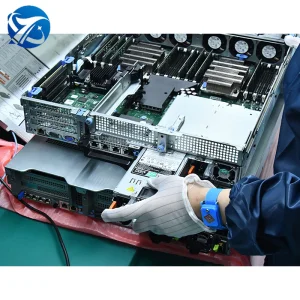
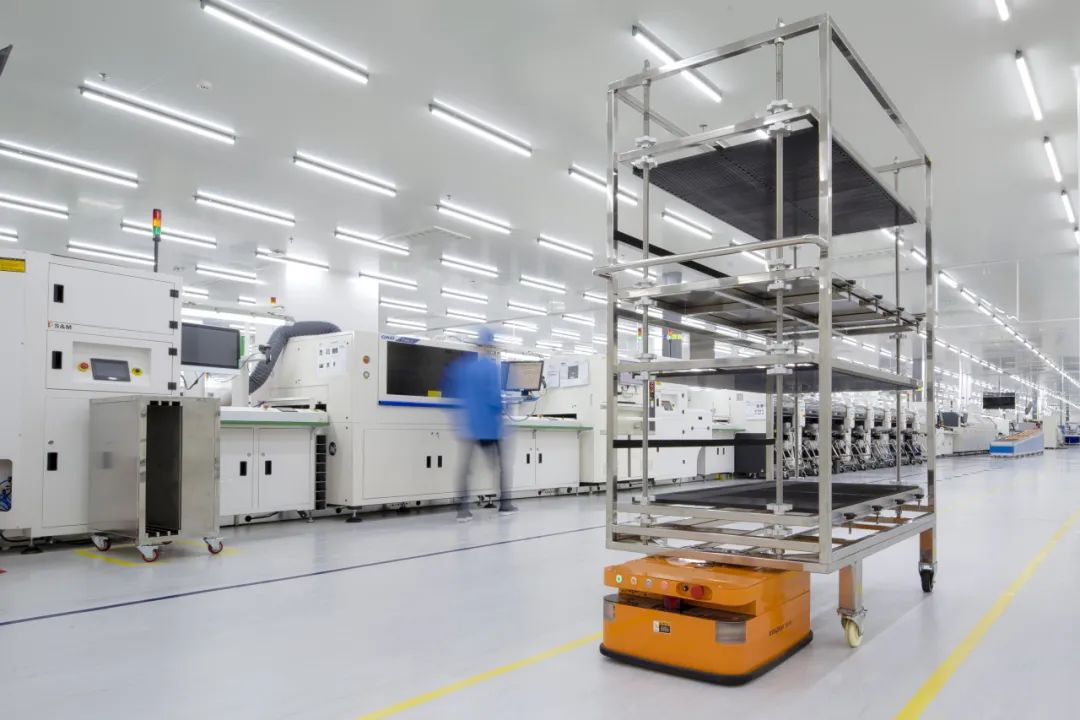
Operating a state-of-the-art facility spanning 18,600㎡, our lines are optimized for complex system builds. From dual-socket and quad-socket motherboard deployment to low-latency Fibre Channel adapter configuration, Bexora utilizes automated testing to streamline deployment and reduce hardware failure rates.
How our localization within China's primary hardware corridors translates to massive structural advantages for global B2B buyers.
Bexora partners with approximately 860 upstream and downstream suppliers. Within a 50-kilometer manufacturing radius, we source chassis components, multi-layer PCBs, advanced copper/liquid cooling units, and low-latency storage drives, cutting lead times to a fraction of the global average.
With an engineering team of over 160 specialists, we transition systems from layout designs to functional bare-metal chassis within weeks. Our R&D team specializes in server chassis structural customization, optimizing routing pathways for up to 32Gbps PCIe 4.0/5.0 pipelines.
We reduce unit production costs through optimized materials planning, automated assembly processes, and standardized mechanical layouts. This enables global enterprises to stretch capital budgets and maximize returns on data center expansions.
The convergence of 5G Standalone (SA) architectures, edge intelligence, and software-defined networking has fundamentally altered infrastructure requirements. Today's telecom grids are no longer simple conduits for voice and static packet transmission; they are distributed hyper-scale computing grids.
Modern telecommunication networks demand server platforms placed at the edge of the grid. These edge systems process multi-gigabit workloads locally, dropping latency down to sub-millisecond ranges. This transition requires rugged, small-form-factor servers that operate outside controlled data center conditions.
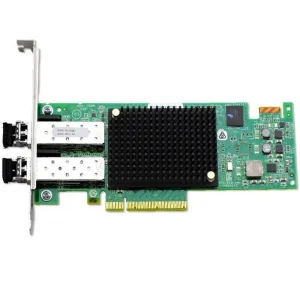
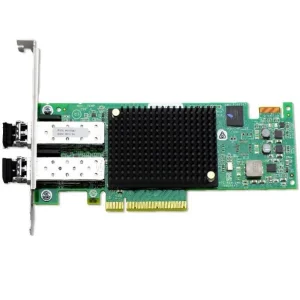
As networks expand, standard storage networks struggle to handle the high volume of parallel compute jobs. Upgrading to 32Gb/s and 64Gb/s Fibre Channel systems—using cards such as the Emulex LPe35002-M2 and LPE35000 series—is critical for connecting compute and storage layers with minimal packet loss.
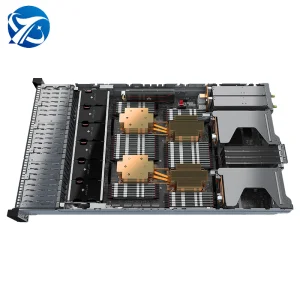
Modern processors generate significant heat, with CPU thermal design power (TDP) exceeding 350W and high-end GPUs passing 700W. Modern layouts utilize custom liquid cooling integration, allowing racks to manage these heat profiles without requiring massive, energy-intensive air conditioning systems.
Our custom hardware configurations are built for diverse enterprise and telecommunication applications:
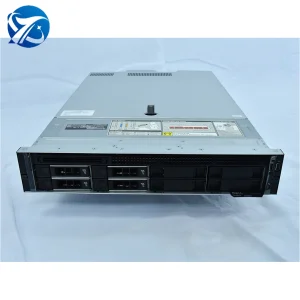
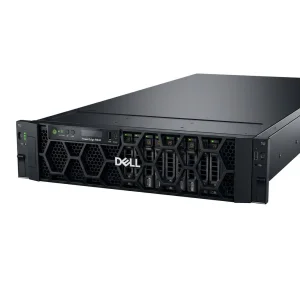
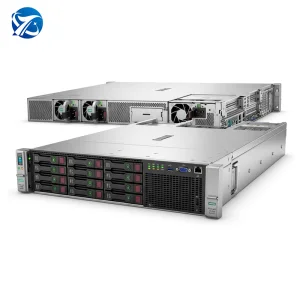
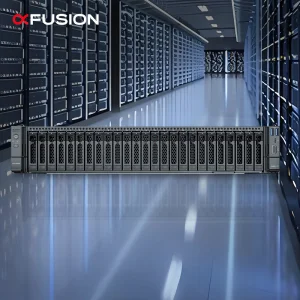
Integrating 2U dual-socket servers with multiple SFP28/SFP56 network interface cards to process regional core traffic and support virtualized RAN functions.
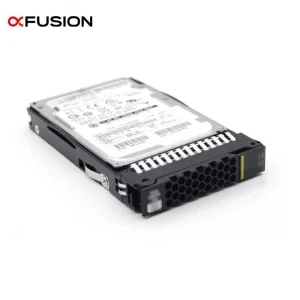
Utilizing 32GFC Fibre Channel HBA units connected to low-latency SAS and NVMe enterprise drives to process millions of transactions per second.
Deploying high-efficiency, multi-GPU hardware configurations directly to smart city grids and distributed enterprise facilities for localized computer vision processing.
How Bexora guarantees system stability, signal integrity, and uptime under high-load AI and telecom workloads.
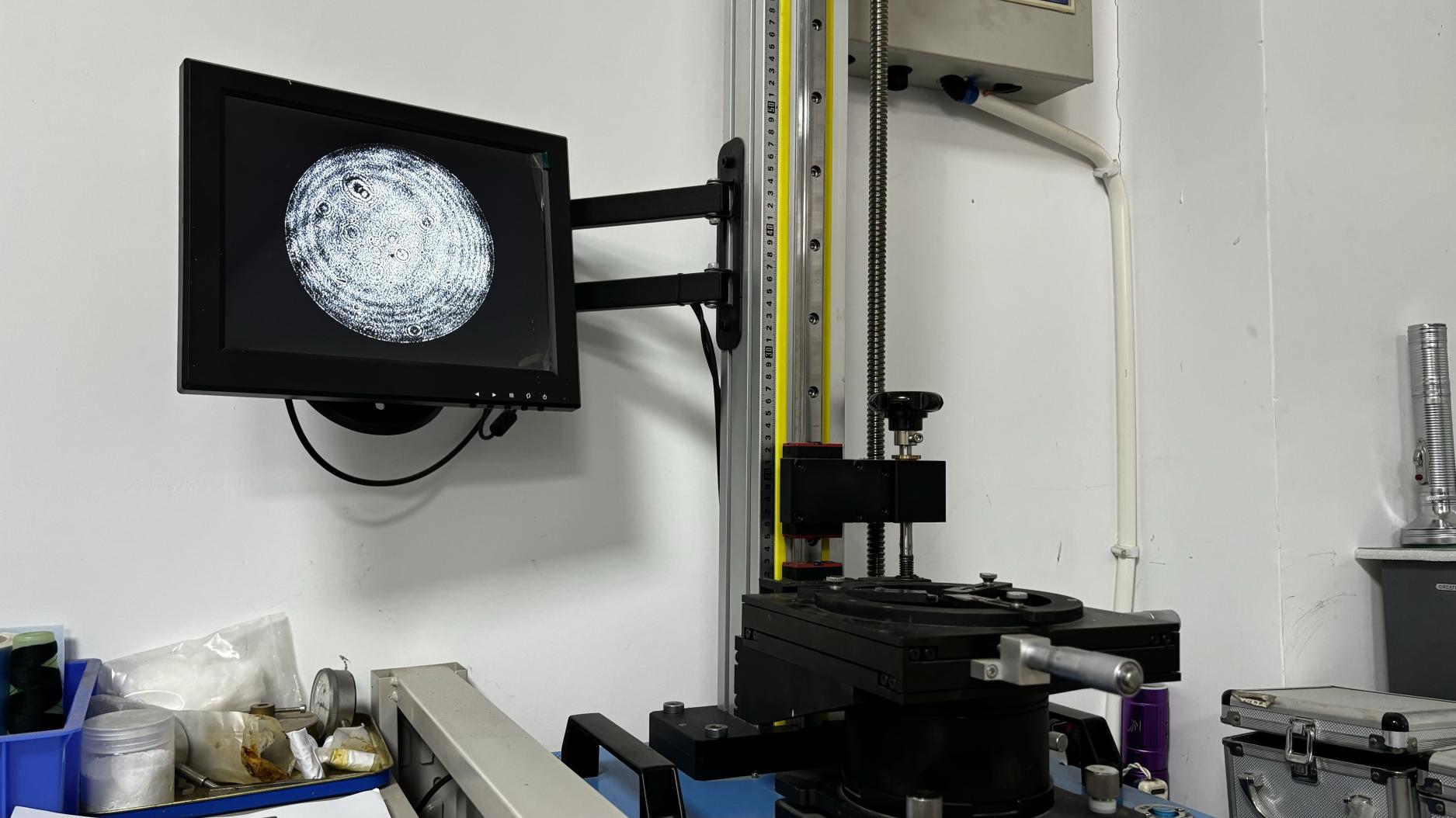
Every system undergoes full validation checking prior to packaging. We combine 100% inline functional inspection with random sampling reliability testing to isolate defects before shipment.
Our servers are evaluated in thermal chambers, cycling through operating conditions from 5°C to 45°C. This testing ensures system stability during temperature swings in edge data centers.
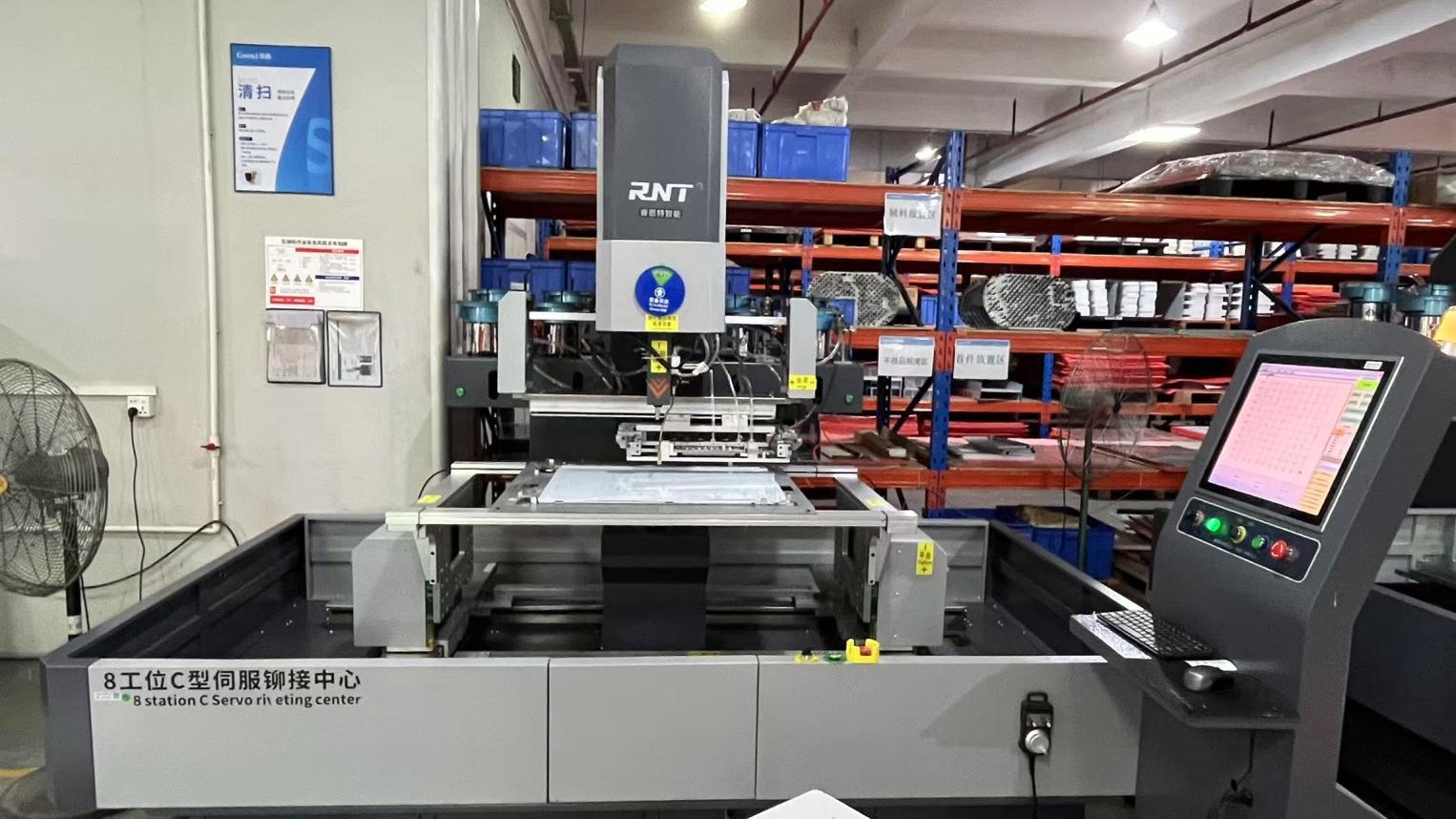
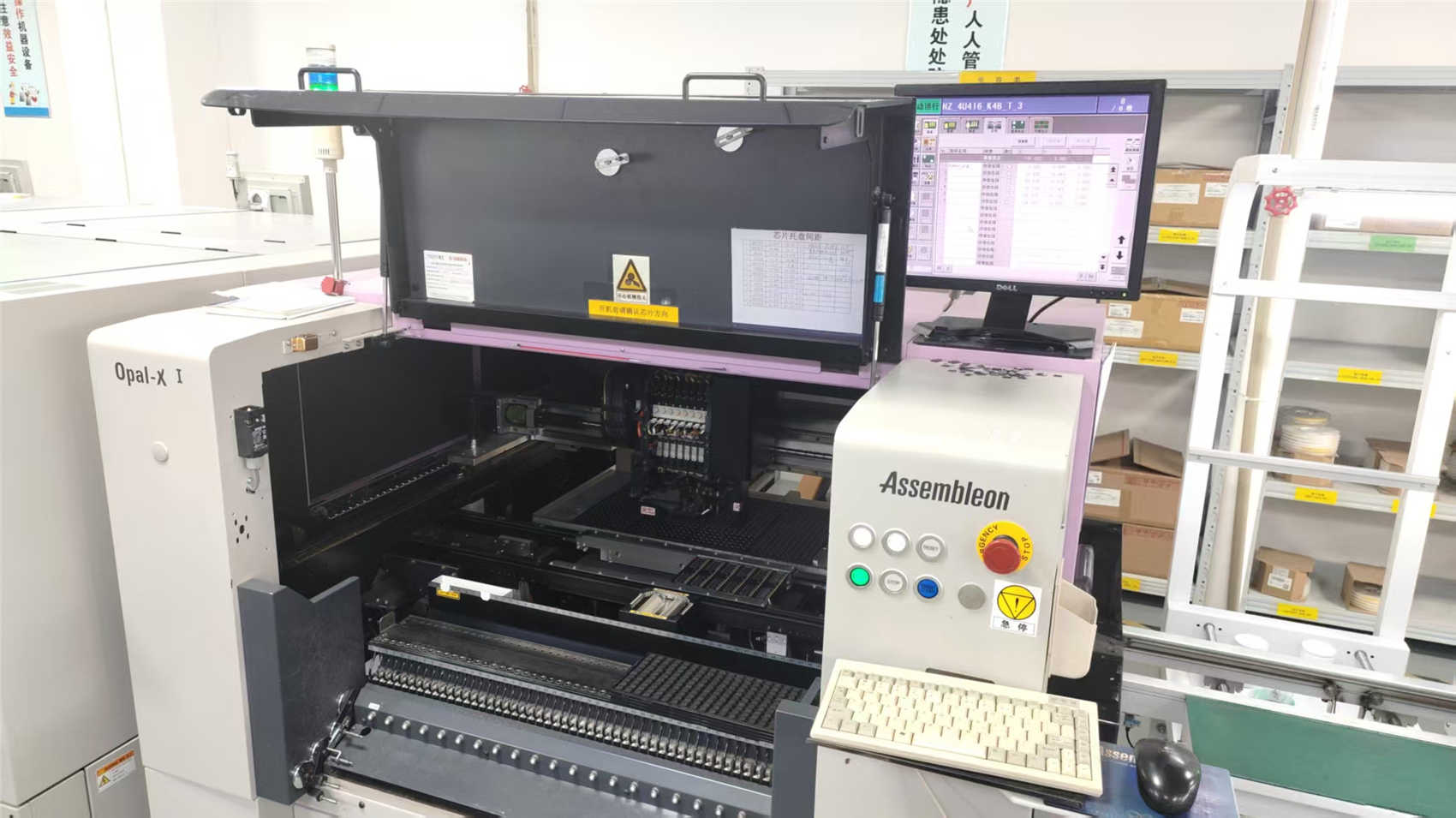
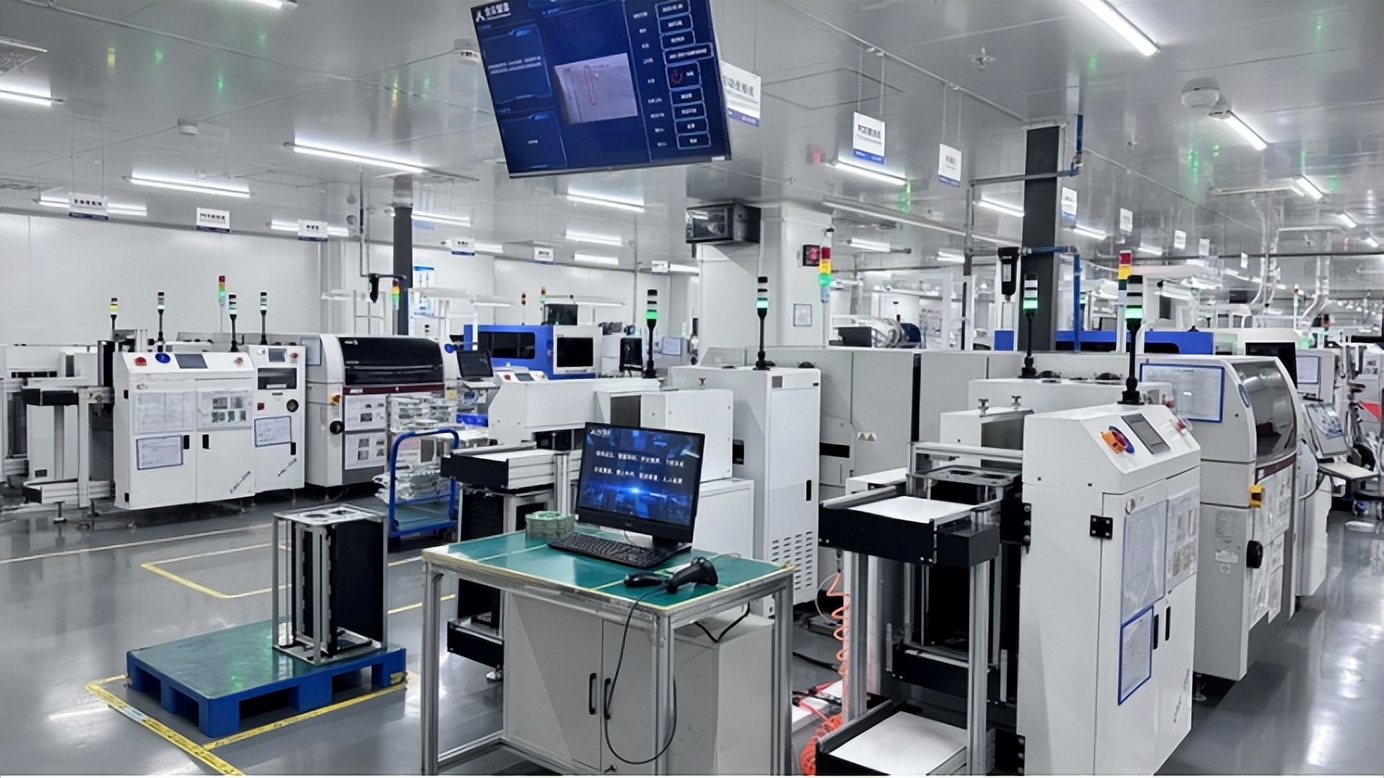
Our surface mount technology lines utilize automated optical inspection to check component alignment, solder joints, and high-frequency trace configurations on our multi-layer backplanes.
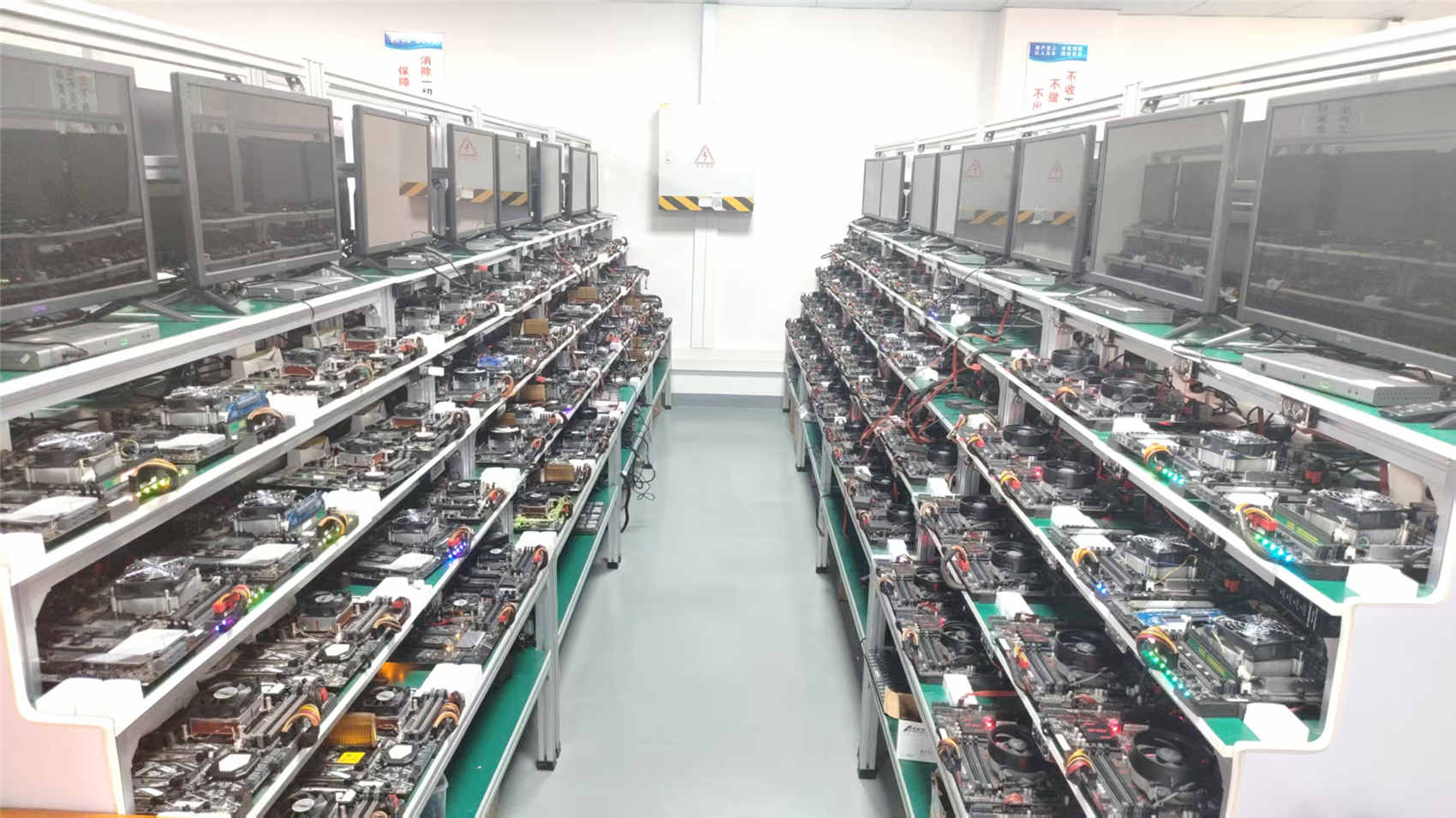
Prior to signing off on custom builds, we subject servers to continuous loop simulations utilizing GPU workloads and high-throughput network packets. This tests the power subsystem and thermal pathways under realistic operational loads.
Global telecom operators and hyper-scale buyers require platforms configured for their specific workloads. Bexora's OEM/ODM customization services are structured to address these specialized hardware and system demands.
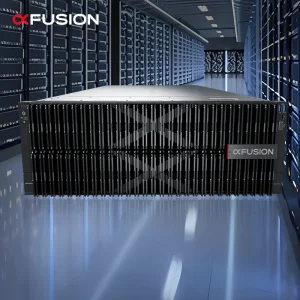
We modify server rack chassis configurations to fit specific depth restrictions, optimize airflow patterns, and support customized card form factors. Whether you need a short-depth 1U carrier server or a high-density 4U GPU compute platform, our structural design team can customize the layout to your specifications.
Our software engineers write custom BIOS codes, configure IPMI/Redfish-compliant system management interfaces, and adjust PCI Express allocations. This customization allows for optimal performance when integrating third-party accelerators and high-performance network interface cards.
Depending on the deployment site, we can design custom cooling solutions. These range from high-reliability, redundant fan grids for standard data centers to integrated liquid cooling plates designed to work with local water lines.
Procuring telecom hardware on a global scale requires navigating complex engineering, compliance, and logistics challenges. Bexora addresses these demands through structured support services:
Addressing common questions about telecom hardware manufacturing, customization processes, and shipping logistics.
We offer full-cycle customization, including mechanical chassis redesign, thermal simulation testing for custom cooling loops, customized silk-screening, custom BIOS configurations, and customized IPMI/Redfish system management software. This allows you to deploy hardware that integrates directly with your existing infrastructure.
Our QA framework combines Automated Optical Inspection (AOI) on the SMT lines with environmental stress chambers to test systems across various thermal ranges. In addition, we run full system burn-in tests and high-density network workload simulations for 24 to 72 hours, ensuring hardware stability before shipment.
Yes. We validate PCIe layout compatibility and signal integrity for high-bandwidth Fibre Channel adapters (including 32GFC and 64GFC variants). Our engineers configure the system BIOS to allocate lanes and resource tables properly, preventing bottlenecks and device conflicts.
All systems can be built to comply with CE, FCC, RoHS, and UL requirements. If your regional telecommunications cluster requires NEBS Level 3 or other specialized certifications, our engineers can design and test systems to meet those standards.
Our partner network allows us to source components quickly, including raw metal stampings, multi-layer PCBs, custom cooling blocks, and specialized internal cabling. This vertical integration reduces production lead times and helps stabilize costs during supply shortages.
Standard sample configurations can be built and shipped within 2 to 3 weeks. Volume OEM builds generally require 4 to 6 weeks, depending on component availability, custom tooling needs, and the depth of system modifications.
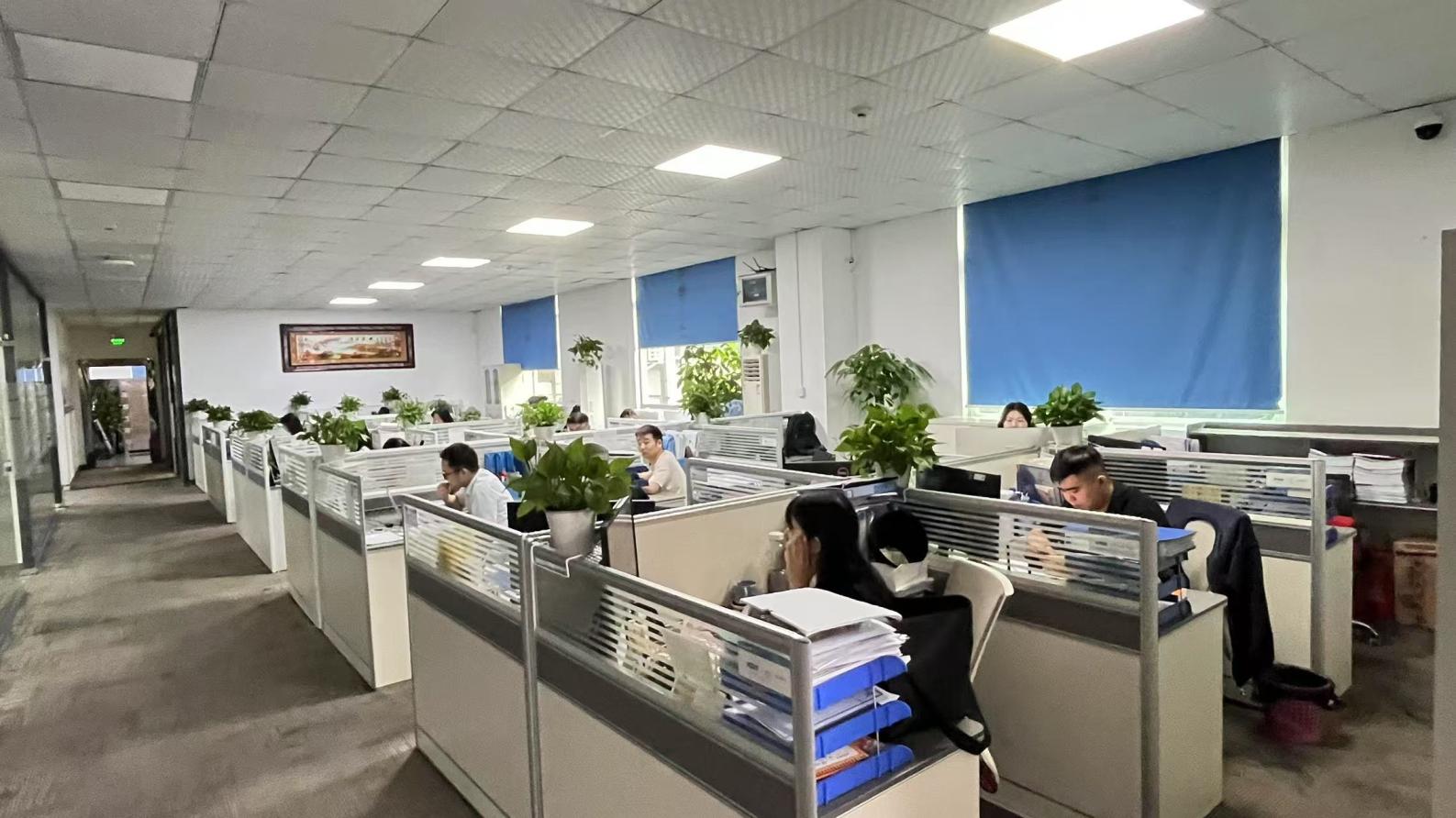
Inside our 18,600㎡ assembly plant: specialized SMT lines, burn-in chambers, and system packaging zones.

Scale your computing clusters, database architectures, and edge systems with our verified components.