Bexora
Bexora
Bexora
Crucial back-end servers, storage solutions, and network hardware components powering enterprise-level, high-capacity access control databases and video analytics systems globally.
The convergence of IoT, AI analytics, and high-performance server backbones has shifted modern Access Control Systems (ACS) from basic lock-and-key portals to intelligent, edge-computed neural nodes.
Modern gates deploy facial recognition, iris scans, and gait analysis. Processing these complex models in real-time requires GPU servers equipped with high-speed memory arrays to reduce latency to less than 100 milliseconds.
Hybrid setups sync local controllers with global clouds. Relaying physical events across remote campuses hinges on high-availability server racks that store log registries and run real-time policy checks.
Modern corporate policies mandate constant re-verification of permissions. Access is calculated instantly based on location, device posture, and historical logs, driving up the need for fast storage reads and robust CPU workloads.
These global leaders supply the controllers, readers, identity systems, and the essential back-end server platforms that power physical access control deployments.
| Rank | Manufacturer | Headquarters | Core Focus | Key Platform / Infrastructure Requirement |
|---|---|---|---|---|
| 1 | ASSA ABLOY Group | Sweden | Smart locks, mobile keys, digital identity management | High-reliability database servers for multi-tenant SaaS sync. |
| 2 | Honeywell Commercial Security | United States | Enterprise security panels, building automation integration | Stable server racks handling heavy industrial I/O polling rates. |
| 3 | Bosch Security & Safety Systems | Germany | Biometrics, IP door controllers, video verification | GPU cluster arrays for edge biometric parsing. |
| 4 | Johnson Controls (Software House) | Ireland / USA | C•CURE 9000 platforms, scalable physical security | Highly redundant network storage architectures (SATA/NVMe SSDs). |
| 5 | LenelS2 (Carrier) | United States | OnGuard software, global access control platforms | Multi-socket server setups running high-transaction SQL databases. |
| 6 | Hikvision Digital Technology | China | Facial recognition terminals, integrated CCTV & gate controllers | Unified network video recorder (NVR) and database storage nodes. |
| 7 | Dahua Technology | China | Biometric access readers, parking control, intelligent video | High-throughput network compute systems for automated license recognition. |
| 8 | Axis Communications | Sweden | Open IP access control controllers, network intercoms | Open API integration servers and distributed network edge compute. |
| 9 | Avigilon (Motorola Solutions) | Canada / USA | Video-integrated access control, AI cloud verification | GPU accelerators and low-latency storage for real-time video match logic. |
| 10 | Bexora AI Systems (China) Co., Ltd. | China | AI GPU servers, edge infrastructure, server memory & storage | High-density AI workloads, cluster training, and robust access logs. |
Securing corporate offices, logistics hubs, and secure facilities requires more than off-the-shelf locks. Global procurement heads must analyze systems based on hardware integration, local compliance, and structural redundancy.
How back-end enterprise server nodes, SSD write stability, and memory speed define physical access control responsiveness.
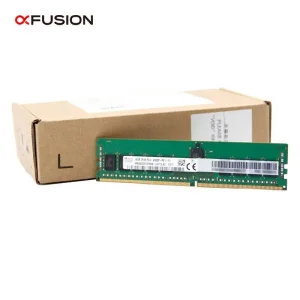
Using enterprise memory, like the XFusion Fusionserver DDR4 RDIMM 16GB/32G/64GB ECC, enables servers to index millions of access log events in real-time, preventing network log queues.
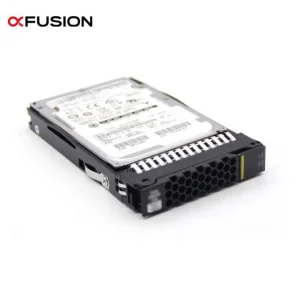
Storage modules such as the S4520 Series Read Intensive 2.5 Inches SATA SSDs provide the fast read cycles needed to instantly query user badges, access levels, and credentials.
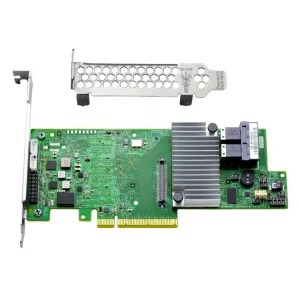
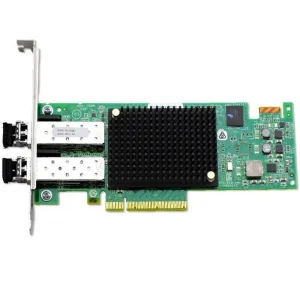
Enterprise array management cards like the 9560-16i-PCIe RAID Controller Card protect security logs from drive failure by mirroring data across redundant backup systems.
Bexora AI Systems (China) Co., Ltd. is a professional AI GPU server and high-performance computing infrastructure manufacturer based in China. We specialize in scalable compute systems engineered for AI training, inference, and global data center deployments.
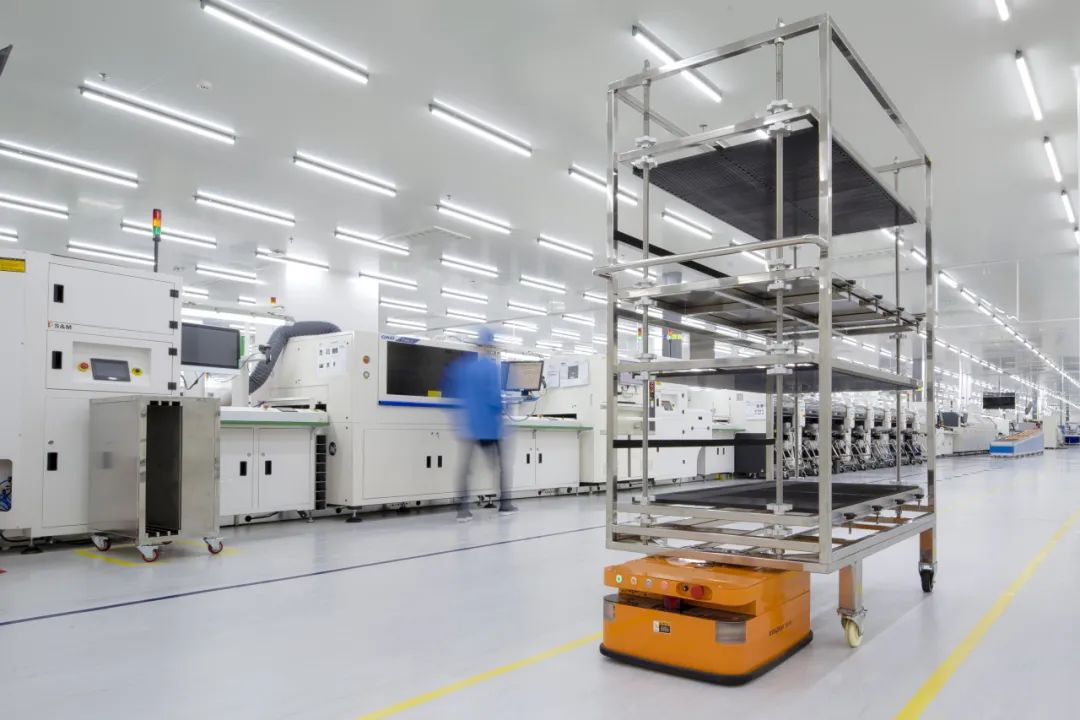
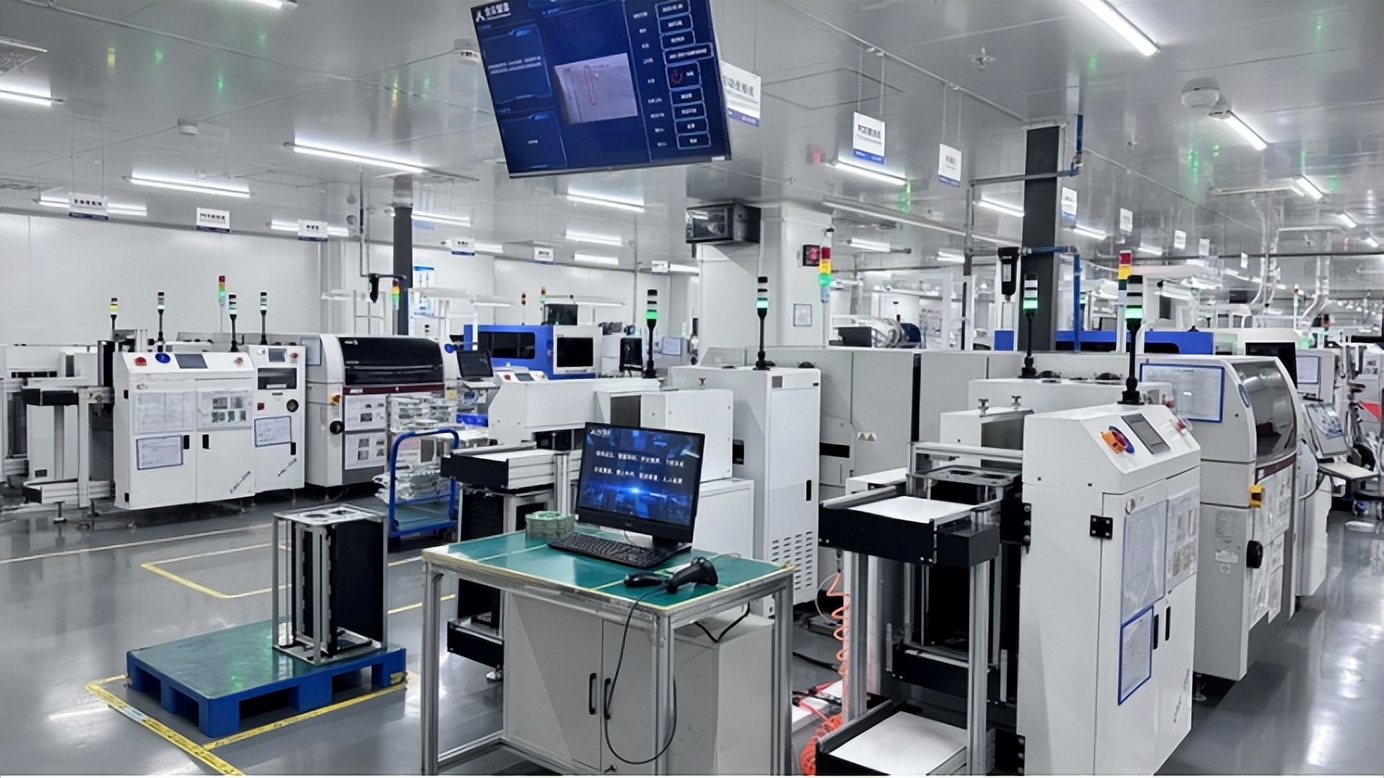
With deep manufacturing roots dating back to our registration in 2016, we operate an advanced 18,600㎡ building area production facility. Backed by 12 years of industry experience and 7 years of direct B2B export operations, we deliver server hardware to North America, Europe, Southeast Asia, and the Middle East.
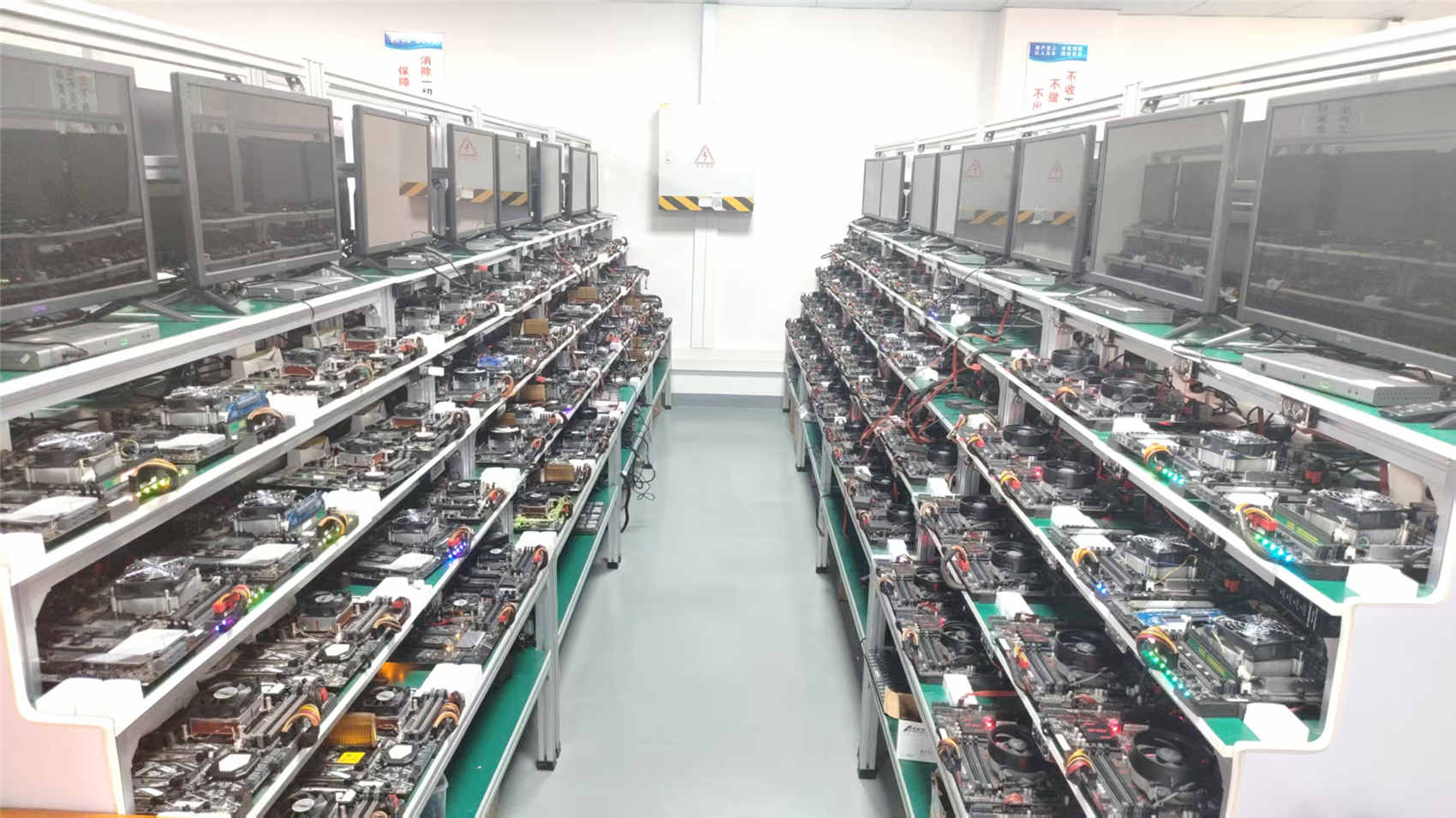
Our quality control program utilizes a 45-professional QC team conducting 100% full inspections paired with random sampling reliability protocols. This ensures system stability and sustained performance under heavy AI-workload simulations.
| Manufacturing Assets & Capacity | |
|---|---|
| Factory Facility Area | 18,600㎡ specialized infrastructure |
| Annual Export Revenue | USD 18 Million |
| R&D Team Strength | 160 hardware & systems engineers |
| Upstream Sourcing Partners | 860+ integrated suppliers |
| Product Launches (Last Year) | 120 models and system iterations |
| Core Quality Protocols | Burn-in, thermal stress, AOI, AI workload simulations |
Deploying reliable hardware requires systematic verification. We ensure our components survive harsh, continuous operational environments.
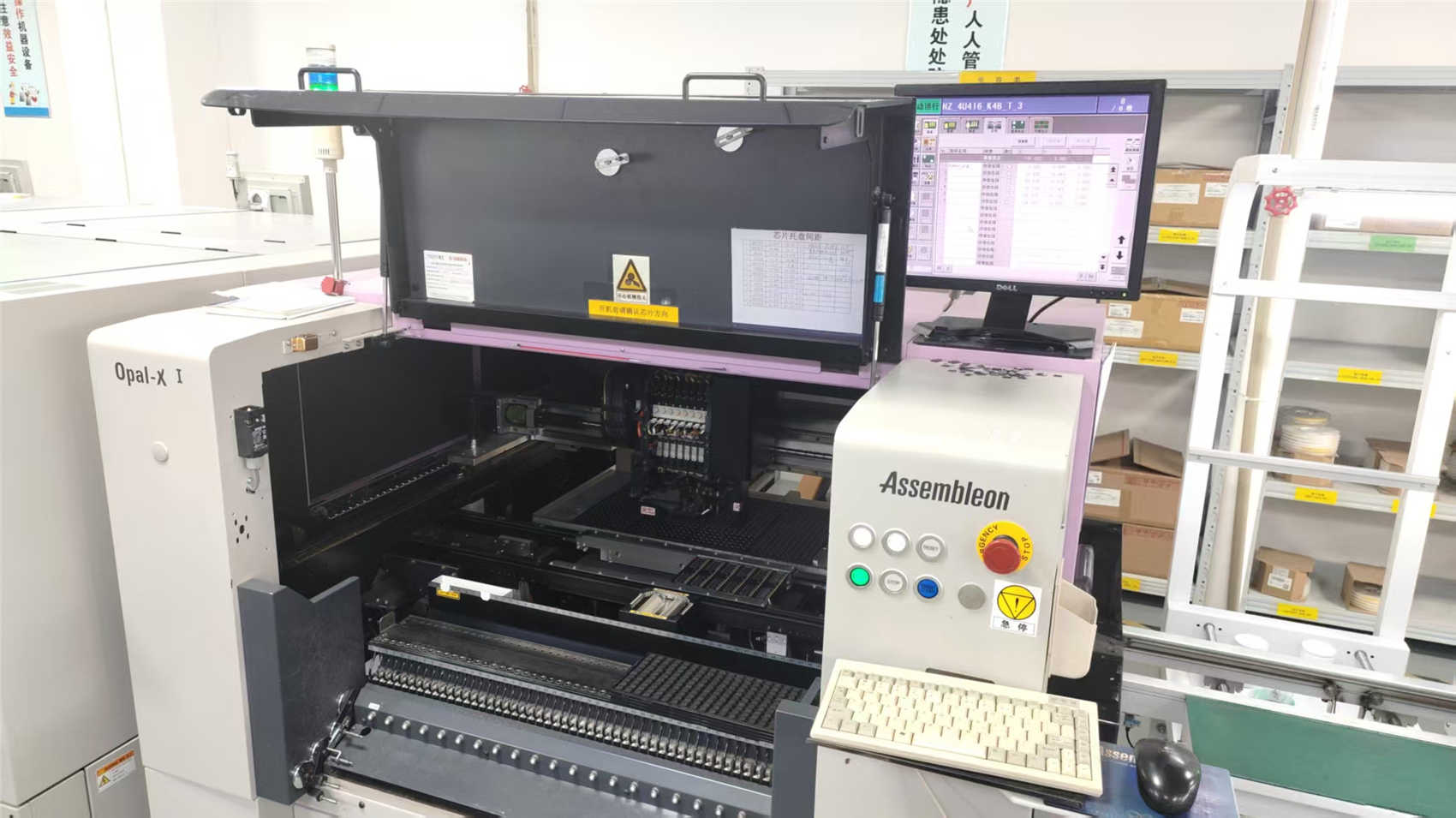
We perform burn-in tests, thermal stress testing, automated optical inspection (AOI), firmware validation, and full system workload simulation testing before dispatch.
Our capabilities include custom chassis structural engineering, GPU configuration matching, liquid cooling integration, and system firmware tuning for optimized efficiency.
Over 860 partners support our sourcing network, ensuring access to quality GPU silicon, durable chassis metalwork, components, and thermal systems.
Answers to key technical questions concerning enterprise access control setups and hardware infrastructure.
What role does server memory (RAM) play in large-scale access control systems?
In enterprise-level configurations, access databases process high volumes of simultaneous queries. Deploying ECC (Error-Correcting Code) RAM like DDR4 RDIMM modules prevents memory errors and system lockups. This ensures authentication checks keep moving during peak shift changes or emergency situations.
How do solid-state drives (SSDs) improve log stability in access systems?
Access control engines log thousands of telemetry points per second (such as card reads, sensor updates, and exit alerts). Read-intensive SATA/NVMe SSDs offer high IOPS (Input/Output Operations Per Second), reducing wait times. They ensure all event details are quickly written to the drive without bottlenecking.
Why are dual-socket and multi-socket servers deployed for physical security management?
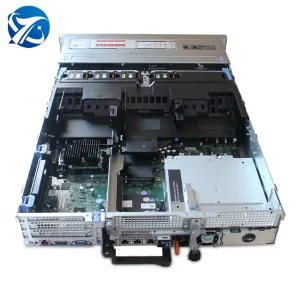
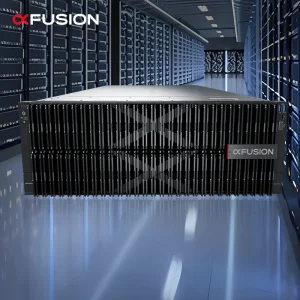
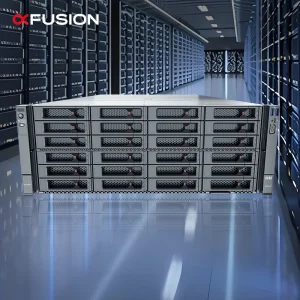
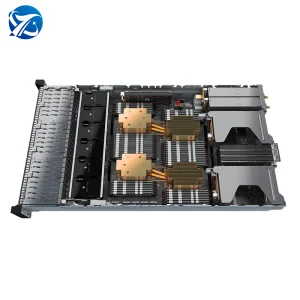
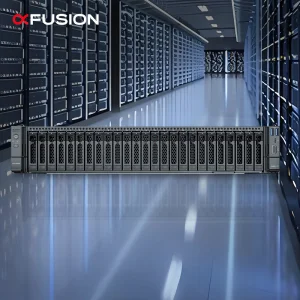
Multi-socket systems, such as Xeon 4U Rack Servers, run virtualization environments that host the access management software, CCTV streams, visitor check-in, and fire alarms on a single hardware footprint. This reduces maintenance overhead and centralizes power control.
How do hardware factories guarantee system reliability under high-load conditions?
Factories rely on strict testing cycles: running burn-in tests at elevated temperatures, thermal shock profiling, automated optical inspection (AOI) on circuit boards, and custom script simulations. This process filters out component-level failures before global shipment.
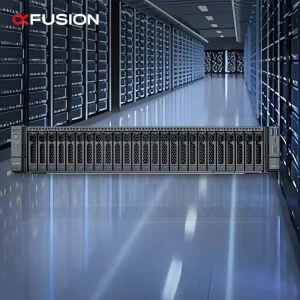
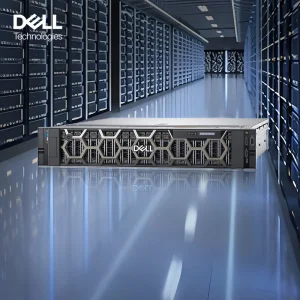
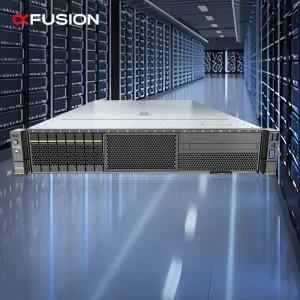
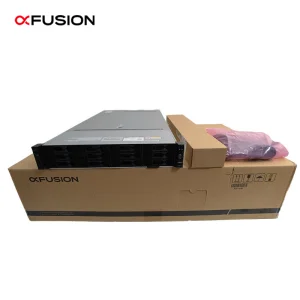
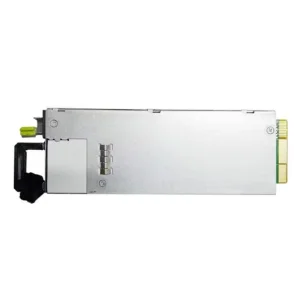
High-speed interface cards, rack-mount power units, and computing nodes designed to support intensive physical security workloads and video analysis networks.
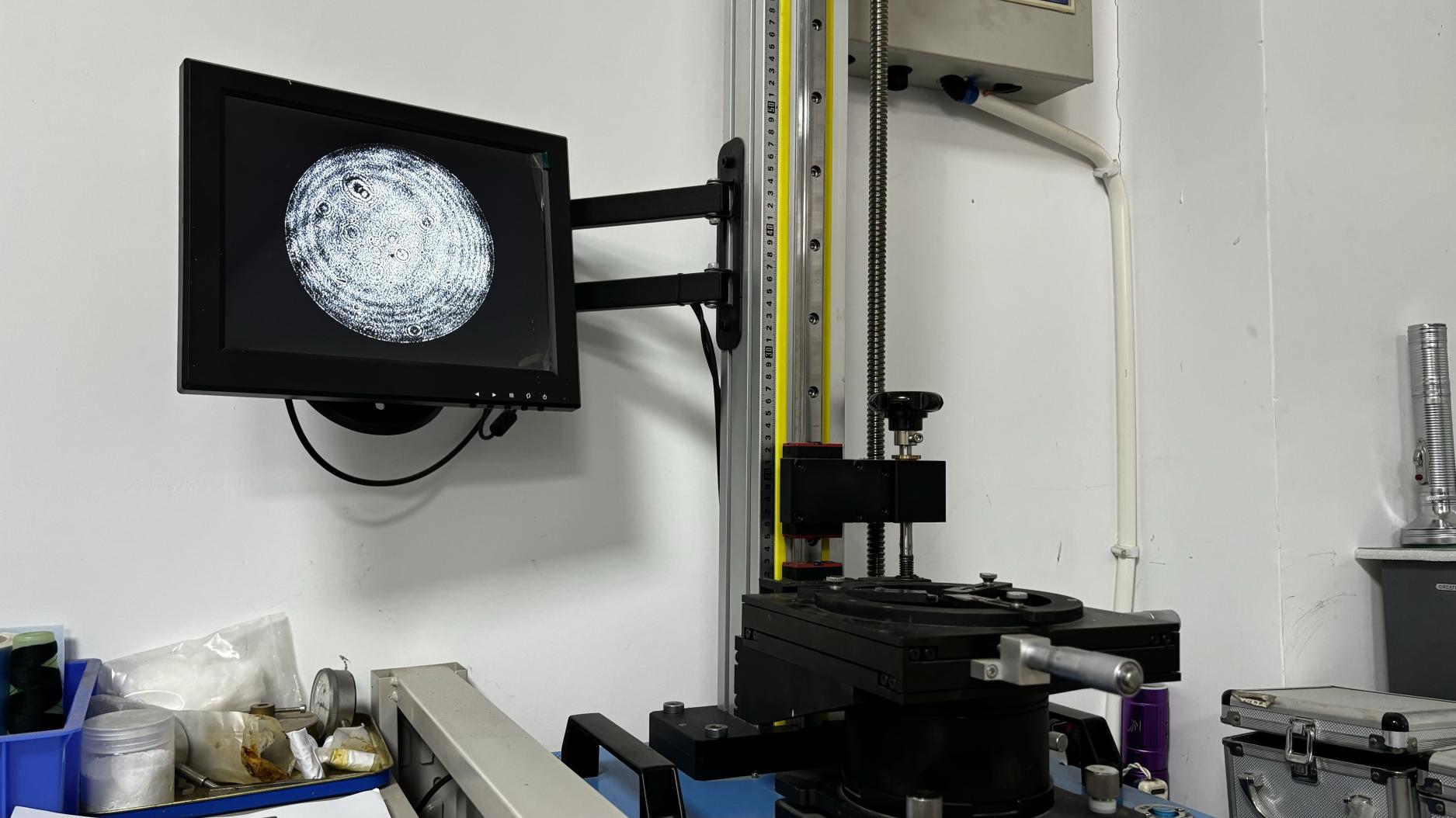
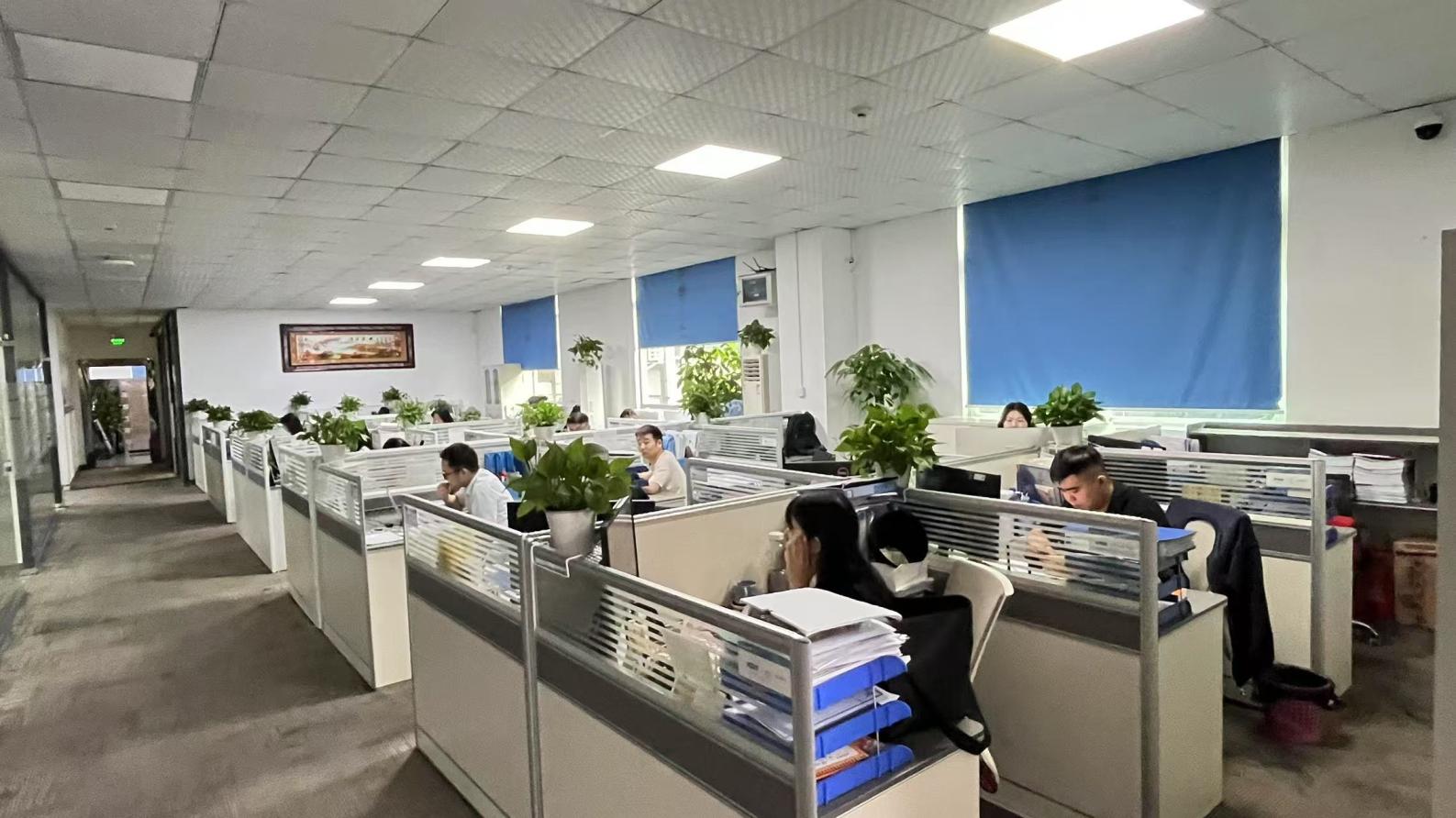
A view inside our ISO-certified facilities, illustrating our SMT lines, burn-in chambers, and computing assembly operations.