Bexora
Bexora
Bexora
Deploy enterprise-ready server enclosures, high-throughput host bus adapters, and scalable GPU network compute setups custom-tuned for performance and longevity.
Industrial workloads, advanced LLM models, and global hyper-scaler workloads require hardware setups optimized for thermal distribution, low-latency interconnects, and resilient bus topologies.
Modern Large Language Models (LLMs) like Deepseek, GPT-4, and specialized transformer systems require GPU compute clusters capable of running sustained, high-load FP8 and BF16 execution matrices. Our systems feature multi-node interconnect optimization to prevent bottlenecks.
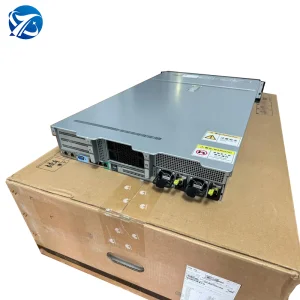
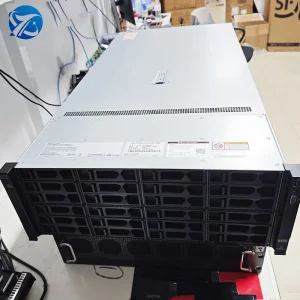
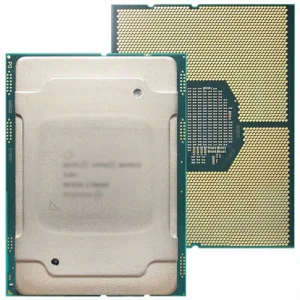
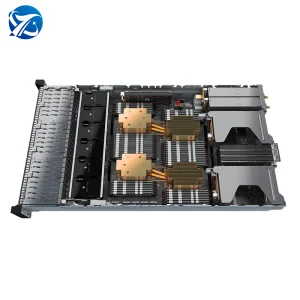
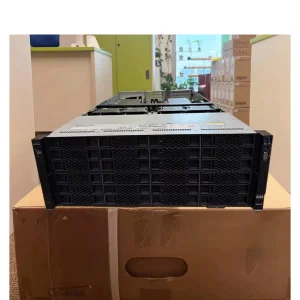
By optimizing 1U, 2U, 4U, and 8U form factors, we allow enterprise facilities to scale computational density per rack cabinet. Thermal stress dissipation mechanisms ensure CPUs like Intel Xeon Gold and AMD EPYC processors operate comfortably within peak performance envelopes.
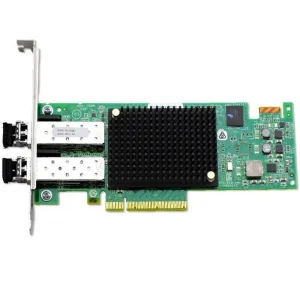
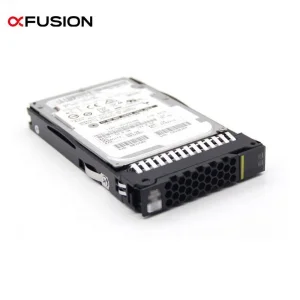
Implementing high-bandwidth controllers, PCIe Gen4/Gen5 lanes, and specialized SAN components like Emulex Fibre Channel HBA cards removes high-IOPS bottlenecks, ensuring rapid data ingestion directly into fast NVMe arrays and GPU framebuffers.
A look into our operational scale, testing facilities, and proven design metrics that establish Bexora as a primary source for critical server deployments.
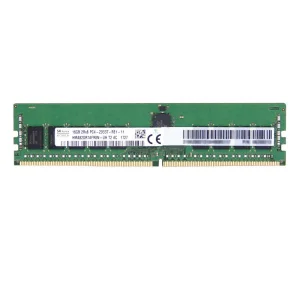
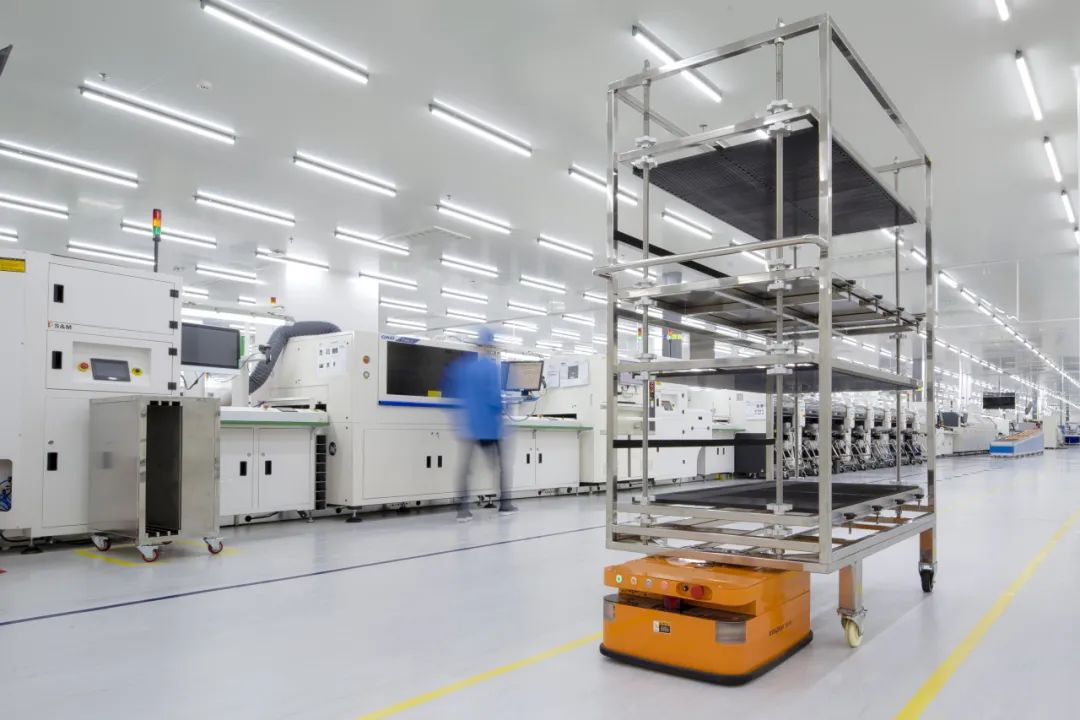
Bexora AI Systems (China) Co., Ltd. specializes in design and validation of bare-metal computing systems. Operating with a robust network of 860+ supply chain partners, we secure allocations for crucial system elements (GPUs, DDR4/DDR5 high-density RAM modules, SSDs, and controller chips) even in challenging market periods.

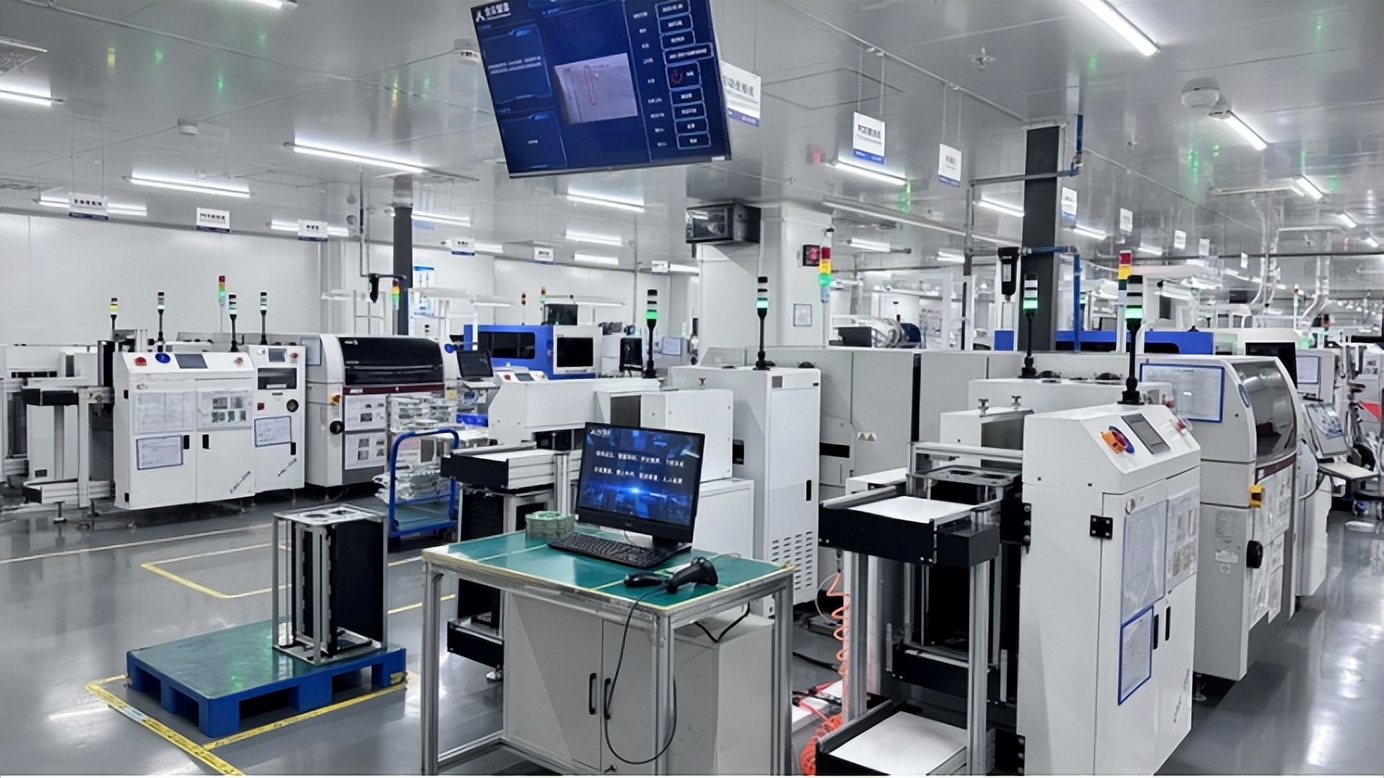
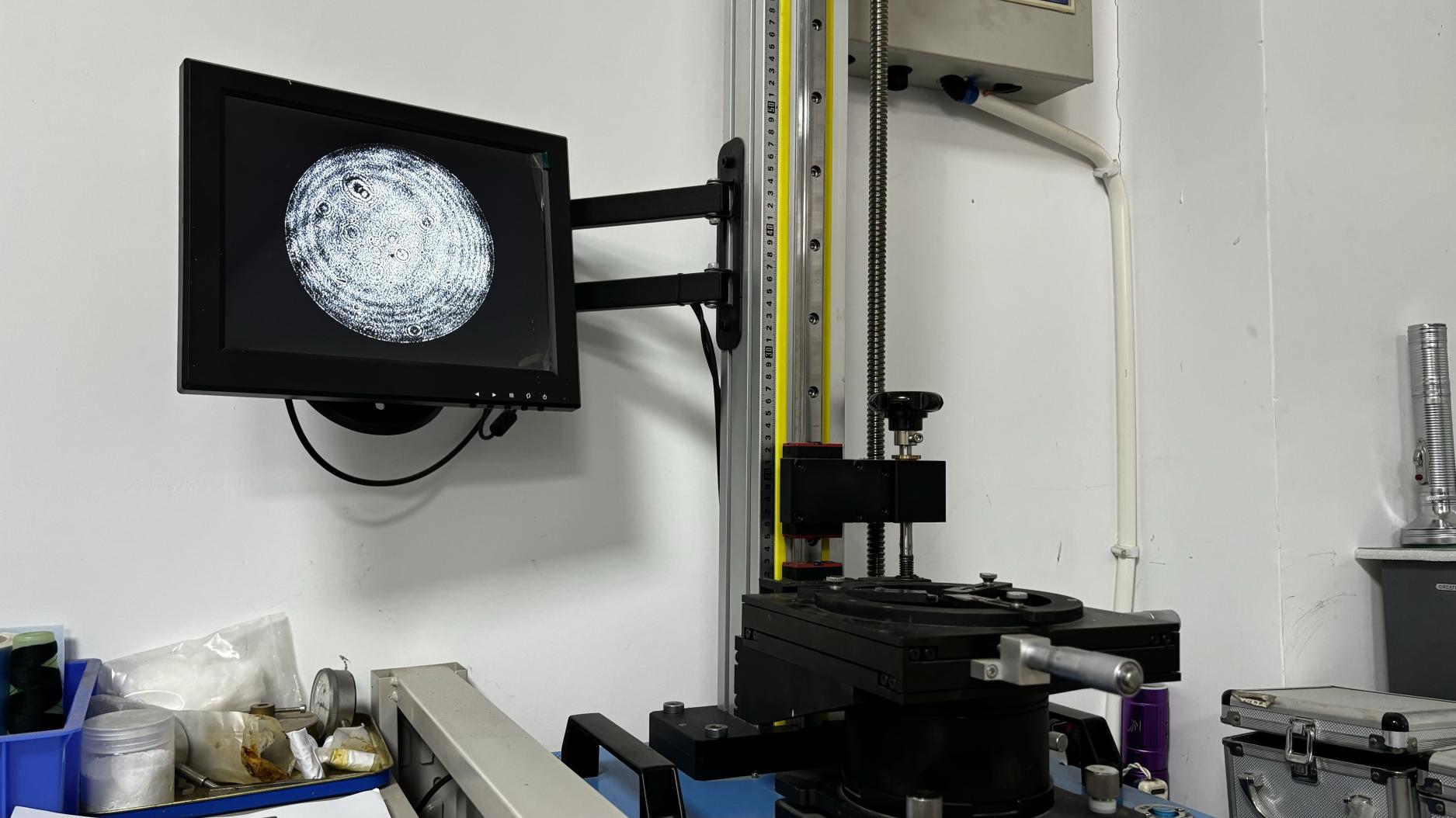
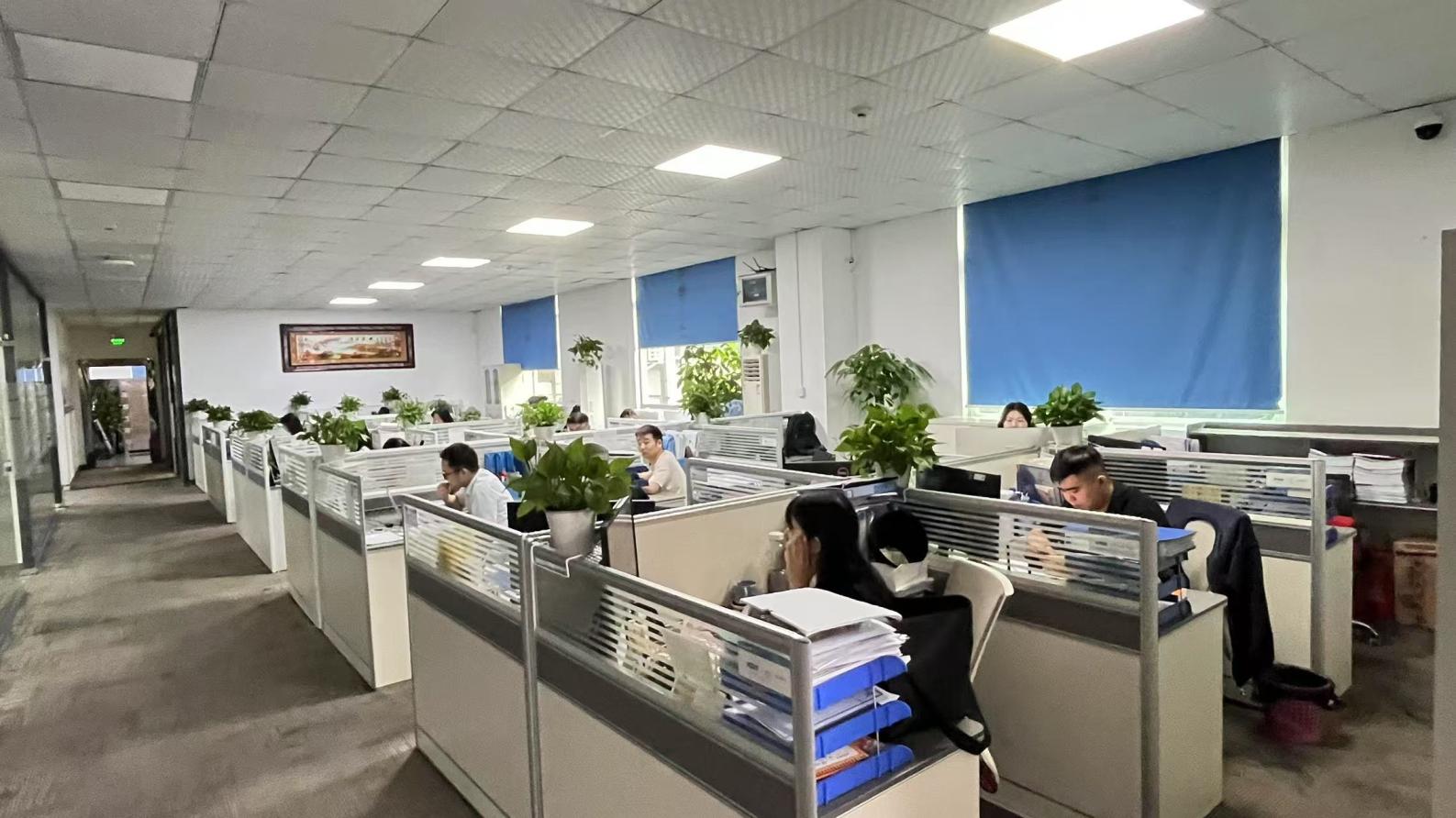
Every geographical market demands custom regulatory considerations, cooling profiles, and power delivery standards. We ensure direct local compatibility.
Our rack servers and custom compute blocks undergo systematic evaluation to comply with CE, FCC, RoHS, UL, and CCC criteria. This regulatory compliance simplifies customs processes and accelerates onsite installation timelines.
We provide tailorable mechanical specifications for varying rack depths. If physical cabinet space is limited (e.g., edge deployments or short-depth configurations), our design teams adjust thermal ducts and power configurations accordingly.
We partner with local systems integrators in North America, Europe, the Middle East, and Asia-Pacific to guarantee quick replacement of parts (drives, RAM, power supply units) and minimize infrastructure downtime.
Where raw performance meets real-world application. Our bare-metal systems target demanding computational workloads.
Scenario: Processing dense datasets for AI inference models.
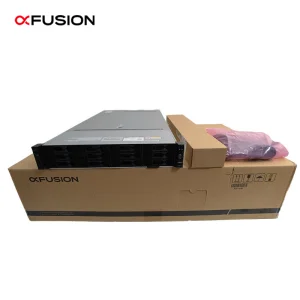
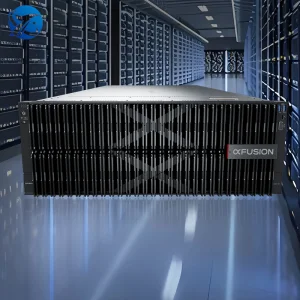
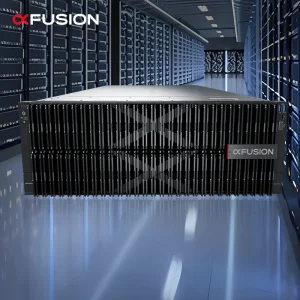
Hardware Blueprint: AI xFusion G8600 V7 8U GPU servers paired with NVLink architecture, redundant 2000W PSUs, and high-density liquid cooling loops to sustain multi-month execution workloads.
Scenario: Low-latency data ingestion and continuous risk modeling.
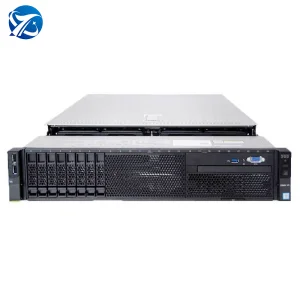
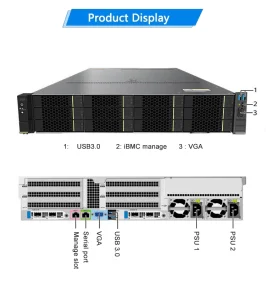
Hardware Blueprint: xFusion 2288H V6 dual-socket rack systems coupled with ultra-fast NVMe storage, DDR4/DDR5 high-frequency RAM, and dedicated Emulex HBA cards for quick storage access.
Scenario: Telecommunications and remote location server deployments.
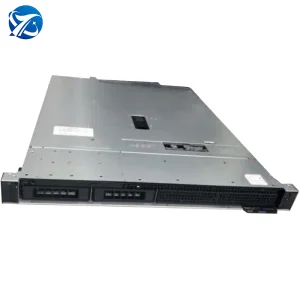
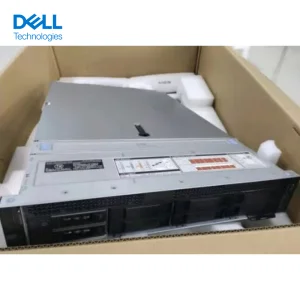
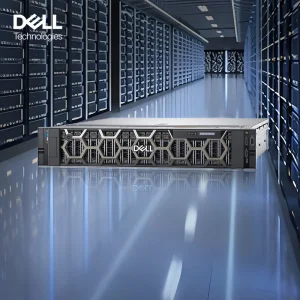
Hardware Blueprint: PowerEdge R360 and custom short-depth OEM models designed for restricted space, offering low acoustic profiles and specialized dust filtering.
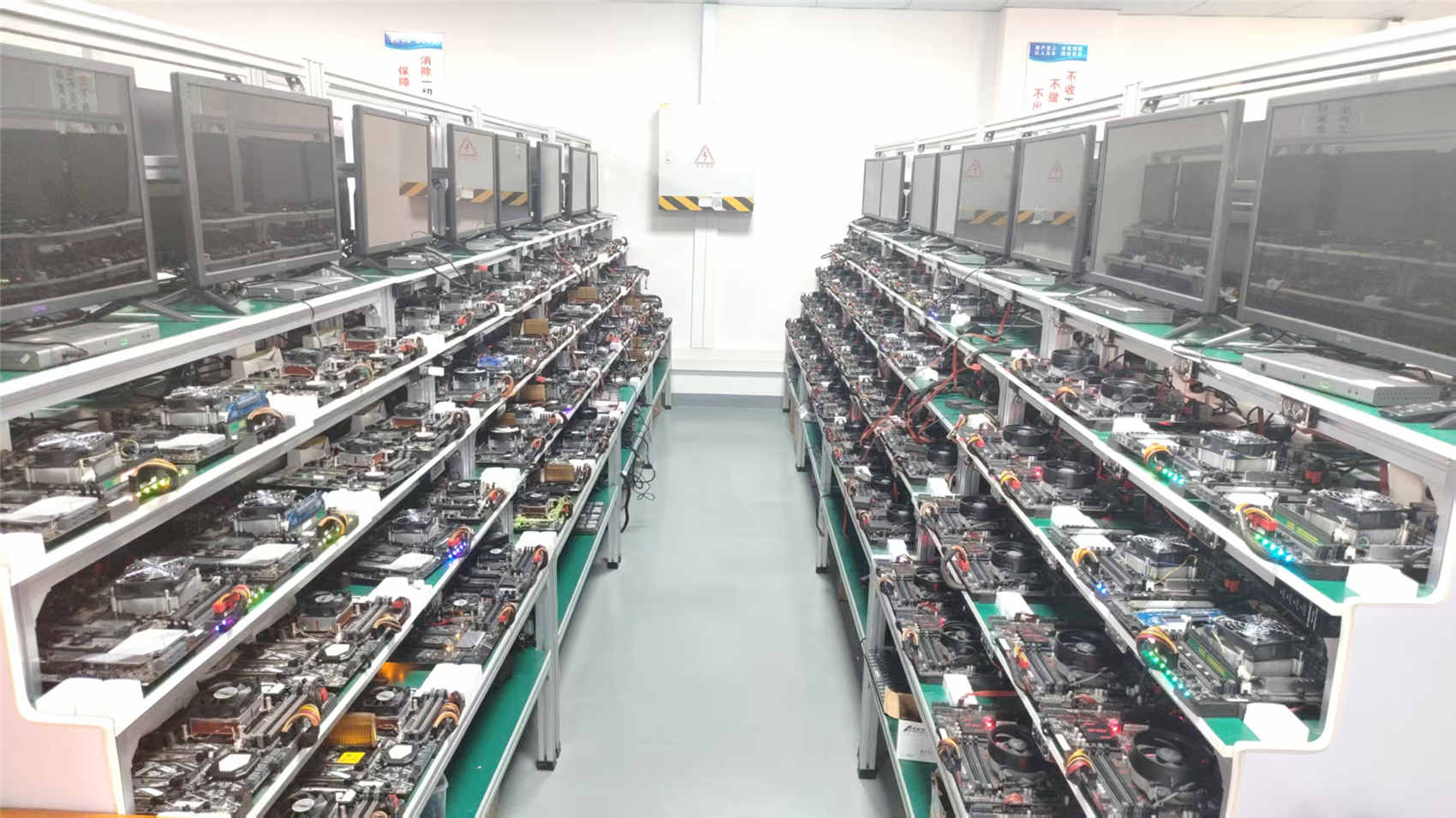
To ensure continuous performance, every server undergo strict QA steps overseen by our 45-person Quality Inspection team.
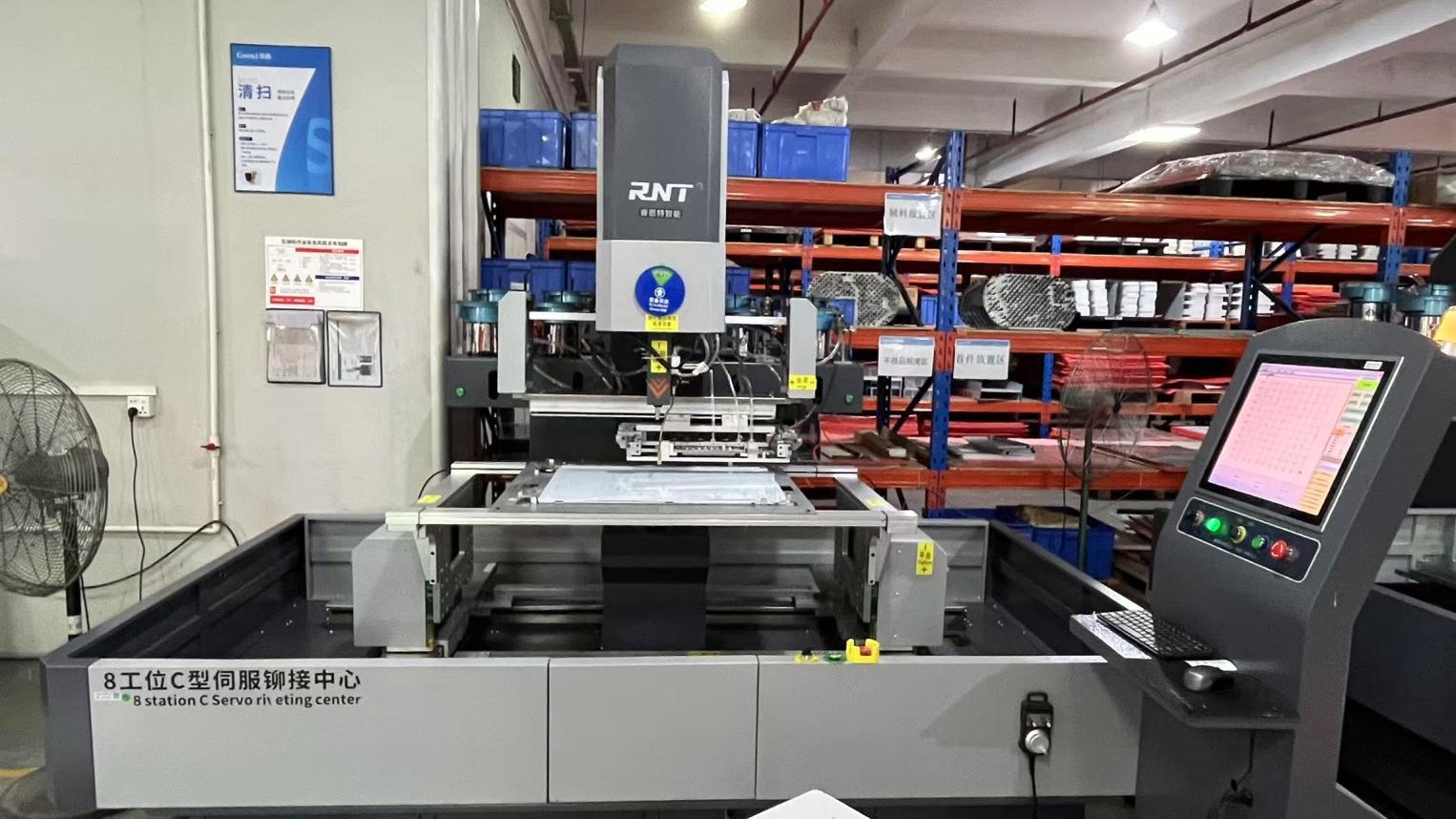
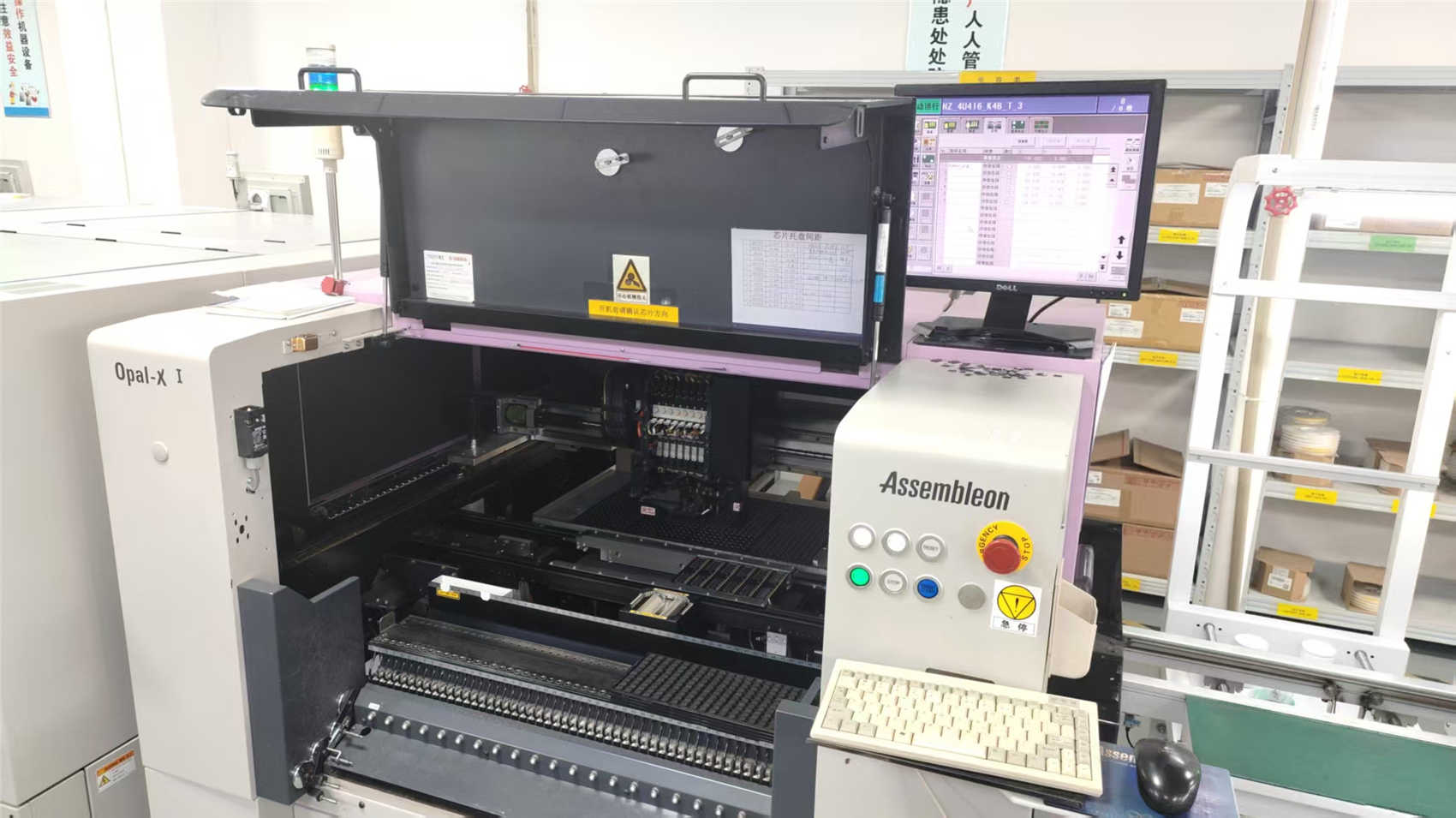
Automated Optical Inspection verifies component placement, ensuring error-free soldering on complex high-density PCBs before assembly.
Assembled nodes undergo temperature cycling from -10°C to 60°C to identify potential structural issues before shipping.
Systems run at max capacity using stress-testing tools to verify performance consistency under high load.
We run custom AI workloads and disk I/O operations to confirm that all nodes, RAM, and HBAs match specifications.
Our engineering path for upcoming platform shifts, ensuring long-term compatibility for our global clients.
Integrating hybrid and direct-to-chip liquid cooling into 2U and 4U chassis configurations. Preparing systems to handle up to 1000W TDP per component.
Deploying motherboard layouts compatible with PCIe Gen 6.0 to double local component communication bandwidth.
Launching unified management systems to automatically allocate hardware resources across multi-rack deployments.
Answers to key considerations regarding deployment, customized builds, and testing parameters.
Expand compute capabilities with enterprise storage upgrades, high-capacity DDR4/DDR5 system memory modules, and multi-socket server configurations.