Bexora
Bexora
Bexora
Engineered for mission-critical operations, high-performance networking, and next-generation datacenter topologies.
Analyzing the architectural transitions from V5 legacy systems to V7 AI-optimized configurations under high-density compute paradigms.
Modern computational workloads demand architectures that transcend classical computing boundaries. The evolution of cloud platforms has brought V5 Cloud Infrastructure to the forefront as a balanced solution of cost-performance optimization, high IOPS storage throughput, and reliable multi-socket processing cores. While V6 and V7 cycles introduce extreme-density compute models, V5 systems continue to anchor the bulk of enterprise backend operations, web hosting clusters, and structured database operations globally.
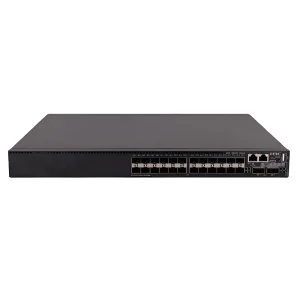
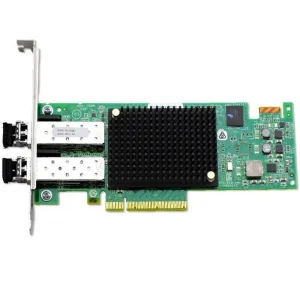
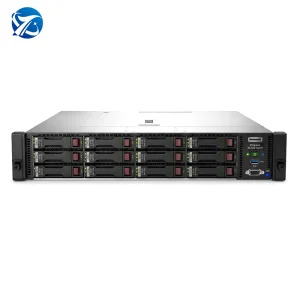
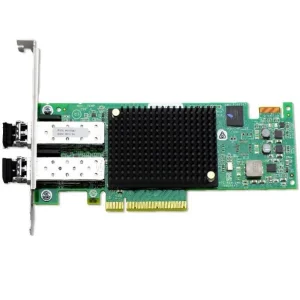
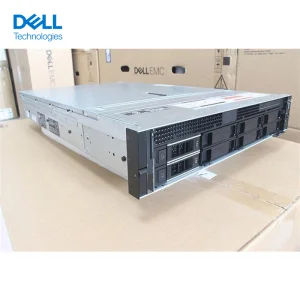
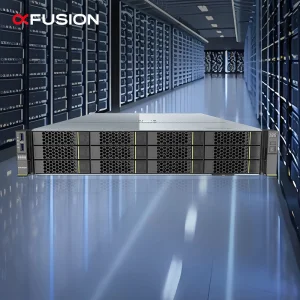
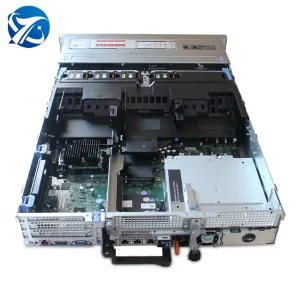
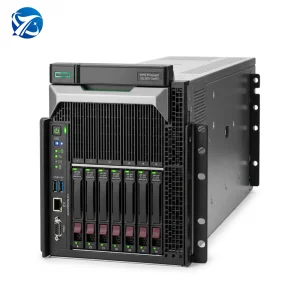
High-performance storage array controls, low-latency Fibre Channel connectivity through 32Gb/s Host Bus Adapters (HBAs), and layer-3 core network routing form the crucial triad of this architecture. Companies leveraging platforms like the FusionServer 2288H V5 benefit from established microarchitectures that deliver peak reliability metrics with simplified spare parts logistics and standardized server rack provisioning.
As search engines and system architects seek factual authority, understanding the mechanics of bus speeds (e.g., PCIe Gen4 vs Gen5), RAM configurations (such as DDR4 vs DDR5 compatibility zones), and RAID controller performance (like SAS 12Gb/s throughput limits) becomes essential. Quality hardware design relies on validated thermal dissipating models, redundant PSU layouts (e.g., 800W Platinum/Titanium standards), and validated firmware layers.
Through certified system builders, enterprise operations acquire configurations that match their localized workload requirements. This minimizes latency bottlenecks, eliminates system throttles during long computational cycles, and protects data integrity through hardware-level disk redundancy policies.
Analyzing the intent pathways of enterprise buyers across North America, Europe, the Middle East, and Asia-Pacific markets.
Datacenters are rapidly incorporating high-capacity GPU systems (e.g., 256GB RAM to 1TB memory footprints) to handle modern large language model (LLM) fine-tuning. Procurement centers look for hardware that natively hosts acceleration systems while preserving legacy network fabrics.
Rather than replacing entire topologies, buyers utilize hybrid solutions. Standard V5 architectures support regular workloads, database hosting, and peripheral storage controllers, while newly integrated V7 servers handle real-time edge processing and deep learning modules.
With standard chip sets rising in TDP, modern server deployment projects emphasize thermal balance. The transition to liquid cooling systems and high-density, multi-drive arrays (such as EDSFF platforms) helps datacenters maintain low power usage effectiveness (PUE) metrics.
Custom GPU-Accelerated Hardware, Advanced Thermal Management, and Enterprise Networking Engineering.
Based in China's high-tech manufacturing sector, Bexora AI Systems (China) Co., Ltd. is a professional AI GPU server and high-performance computing infrastructure manufacturer. Specializing in scalable compute systems for AI training, inference, and global data center deployment, Bexora leverages advanced structural configurations, customized motherboard placements, and thermal management technologies.
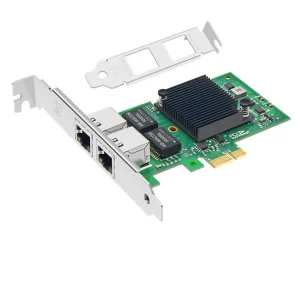
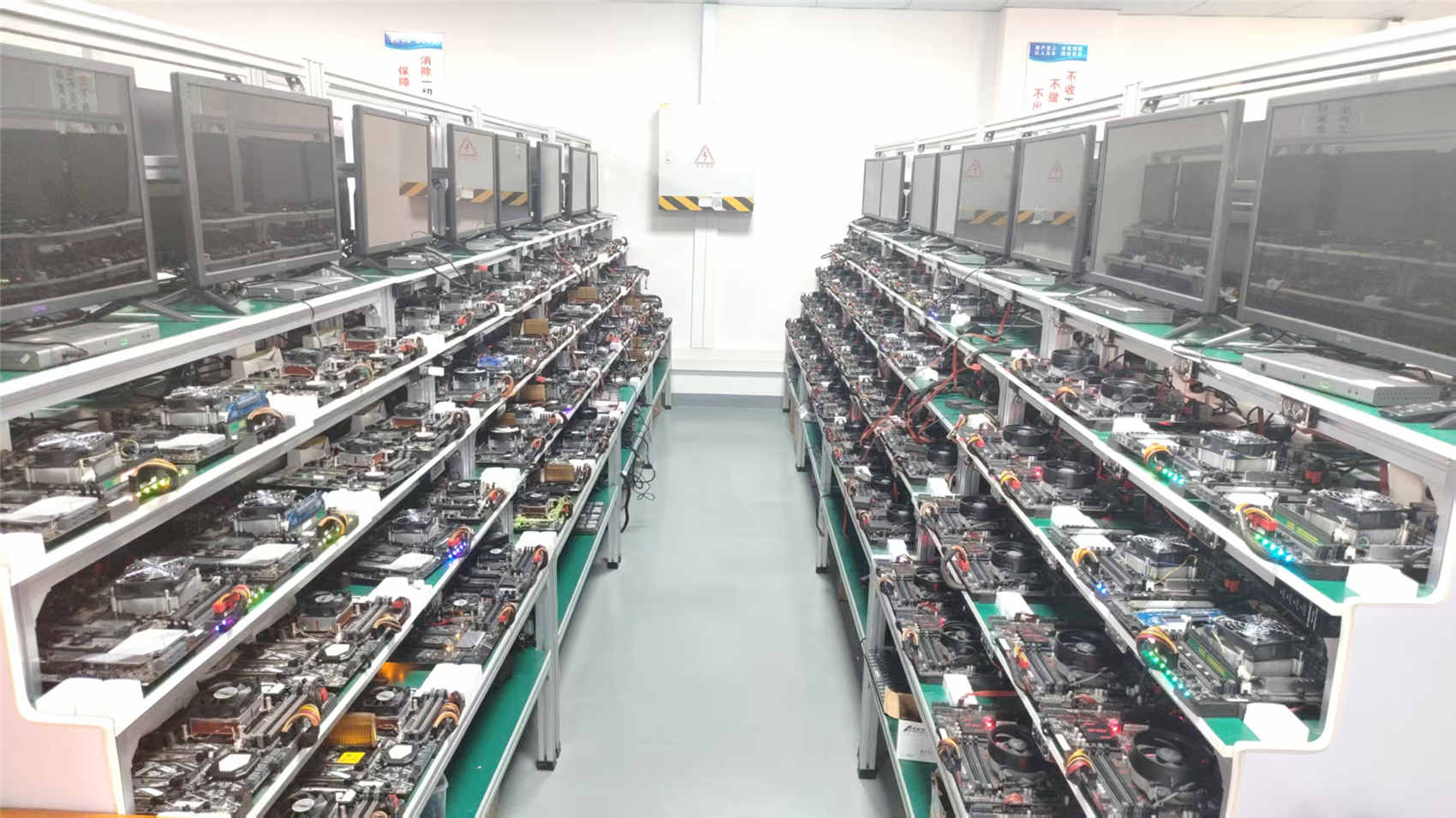
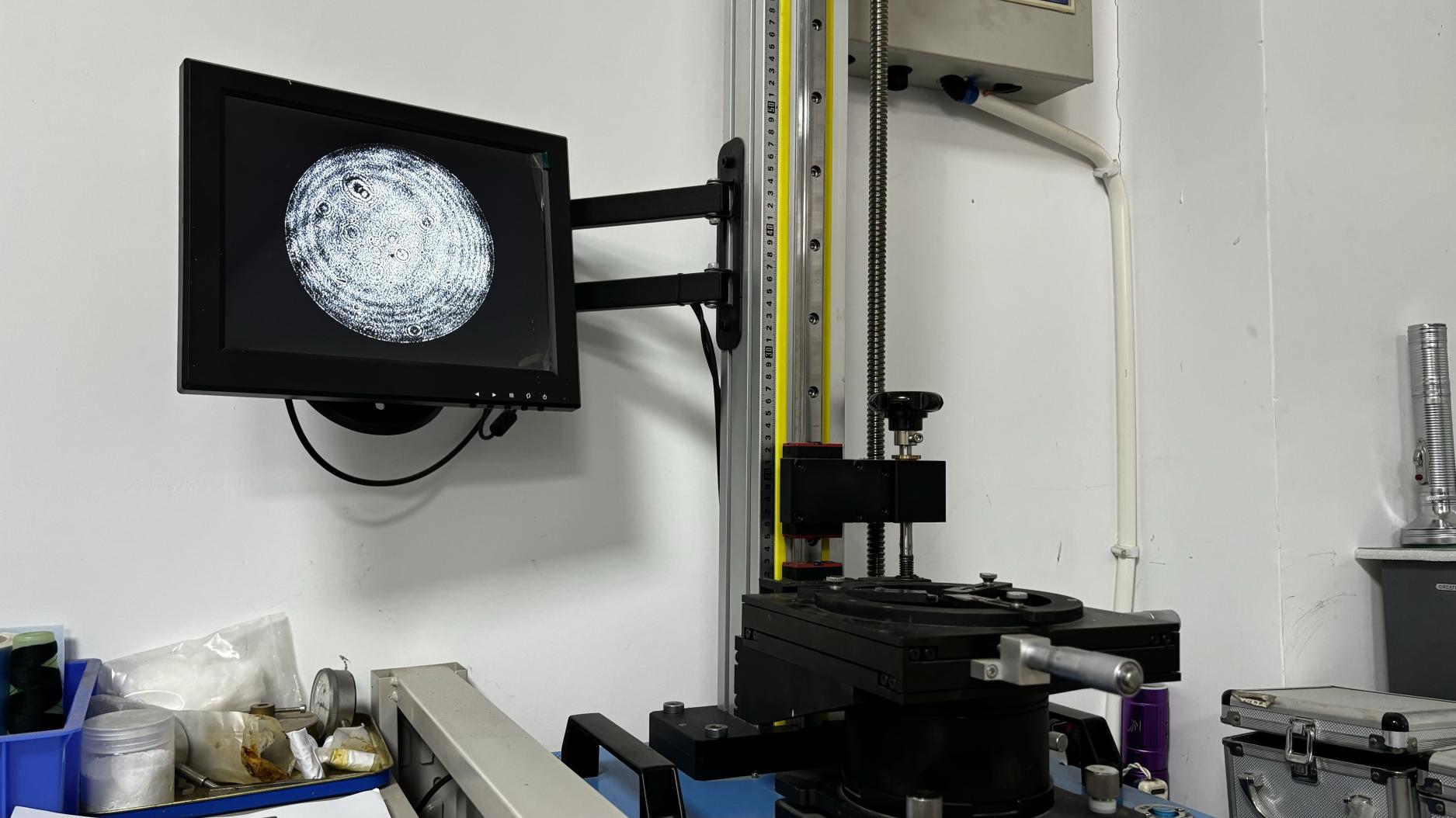
Our facility relies on strict quality protocols to manufacture and validate enterprise-grade server boards, network arrays, and storage configurations. Through 100% full inspection methodologies combined with random sampling reliability testing, we ensure that every node, network interface card, and storage expander delivers long-term stability and high reliability under heavy AI workloads.
To maintain high hardware compatibility, our testing phases simulate complex deployment environments, verifying compatibility across diverse OS platforms, hypervisors, and AI software stacks.

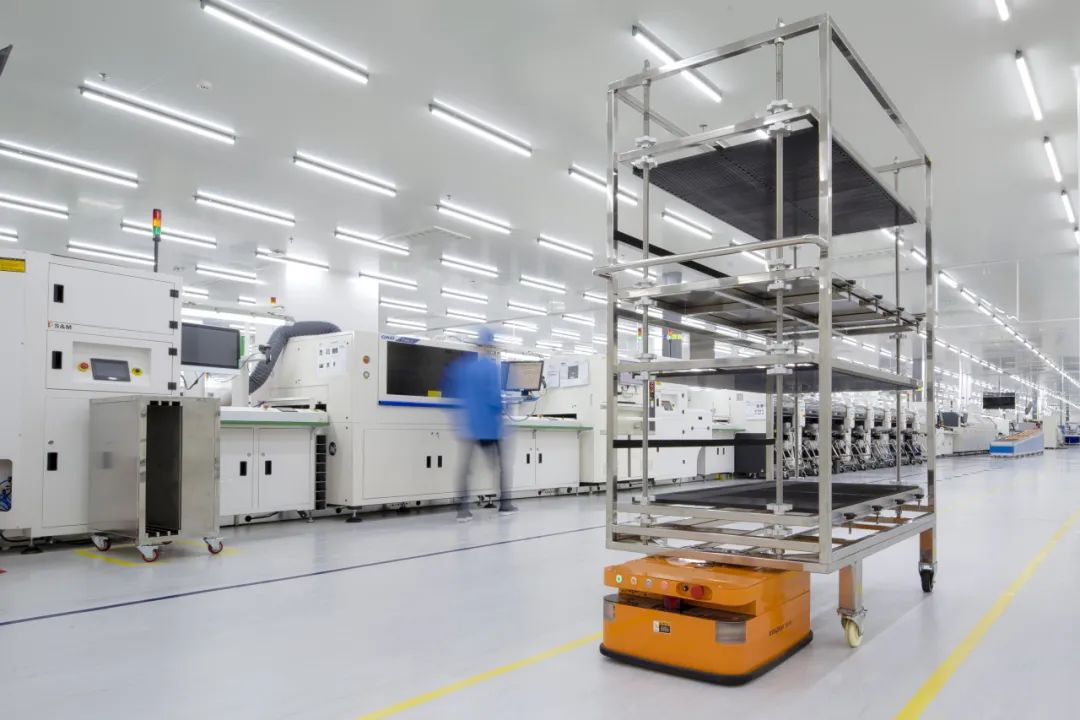

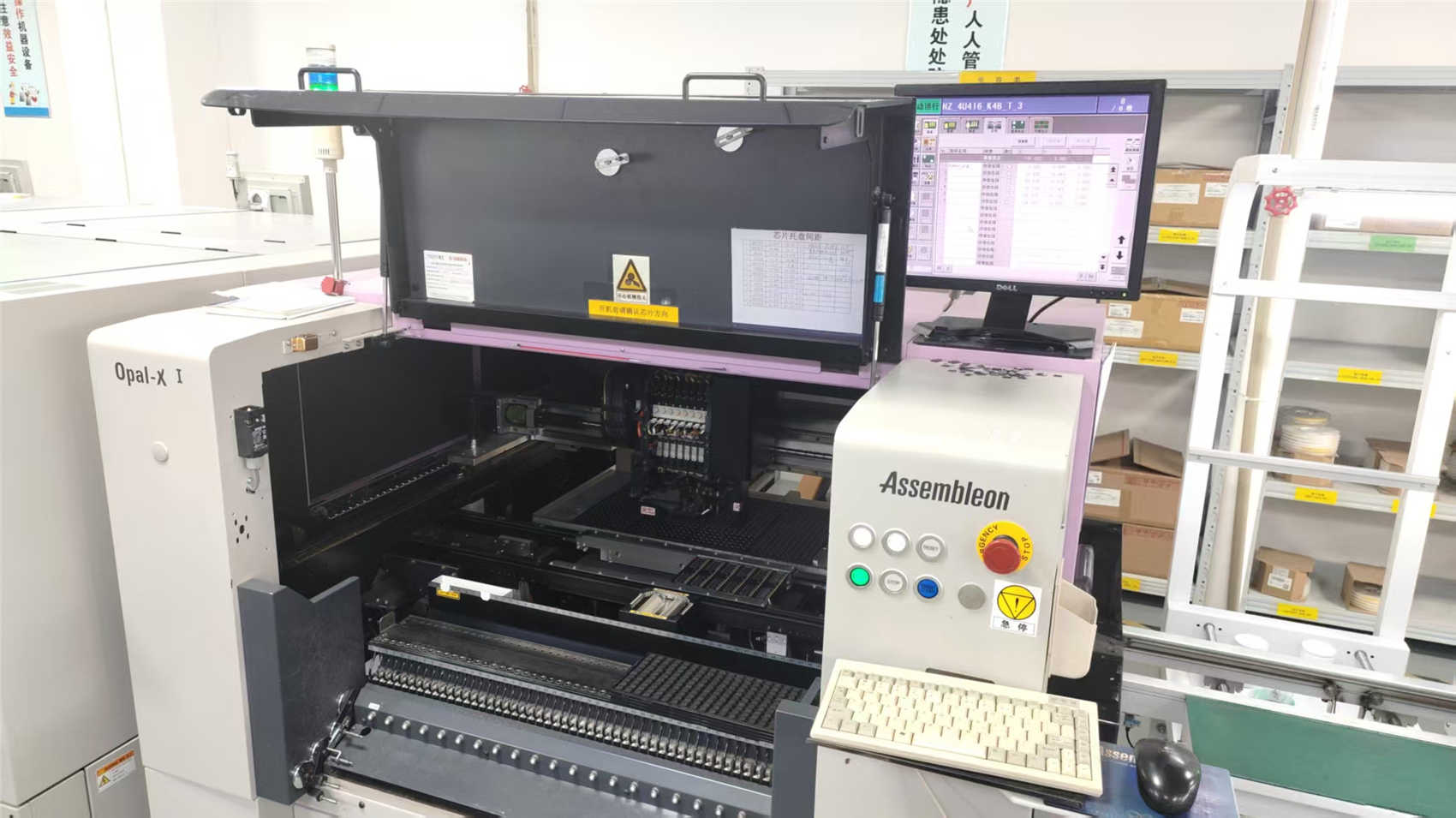
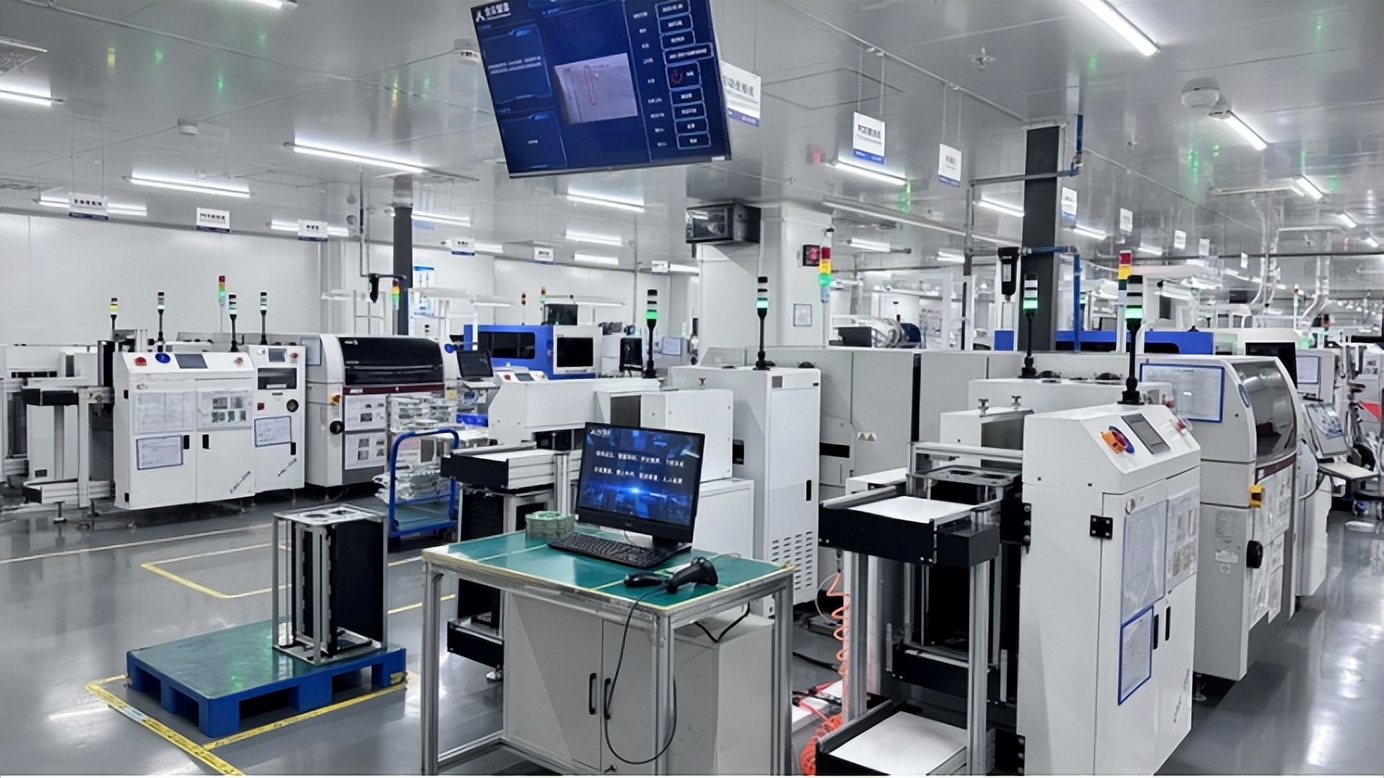
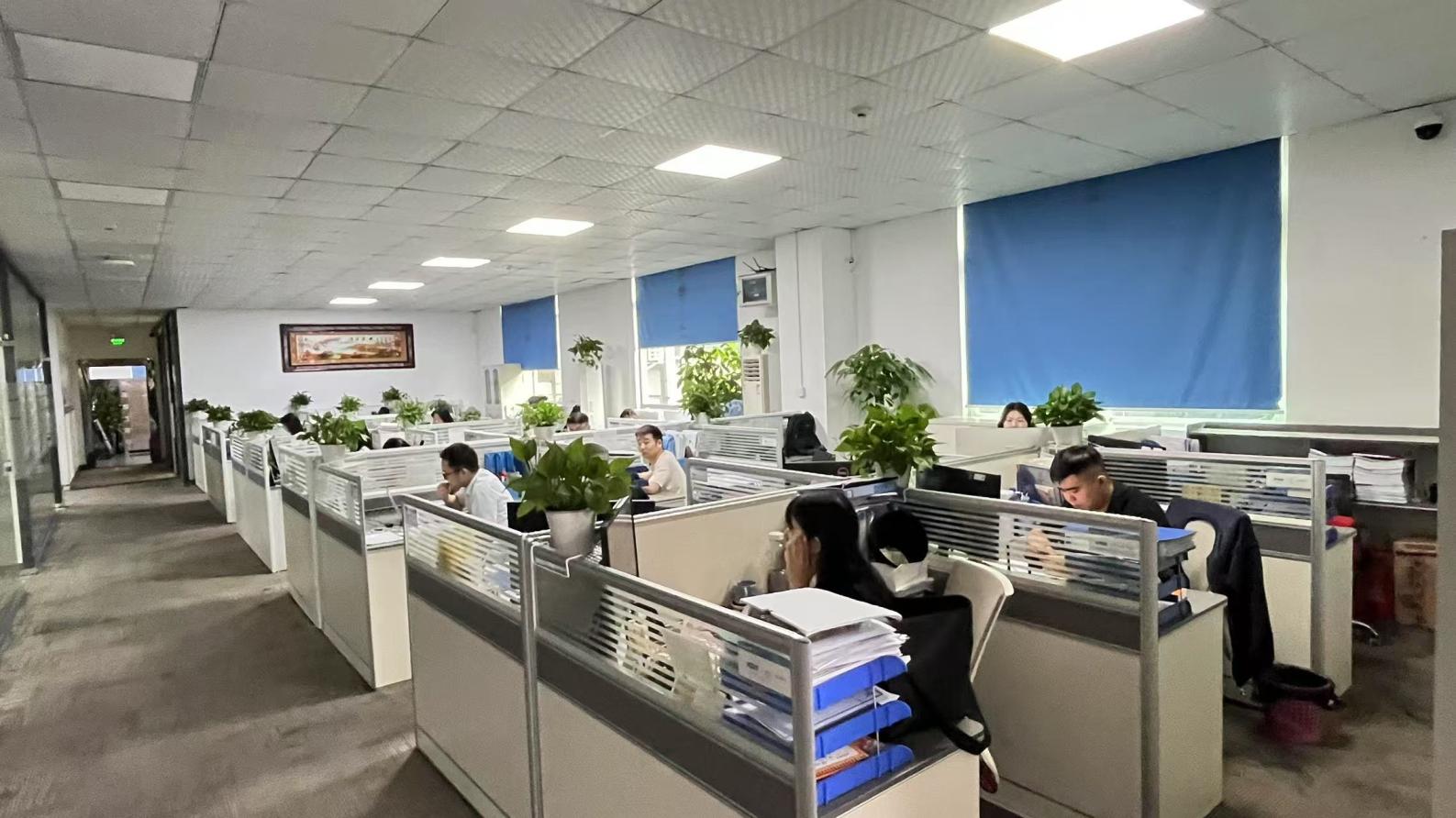
How integration across industrial zones keeps enterprise manufacturing reliable and cost-effective.
Reliable server infrastructure begins with rigorous diagnostics. Our Quality Control team utilizes thermal chamber stress testing, Automated Optical Inspection (AOI), high-load computational simulations, and firmware integrity validations to verify every system configuration.
This methodology minimizes runtime failures, ensuring components such as memory bus lanes, PCIe power systems, and storage interfaces run stably. For global purchasers, this reduces on-site troubleshooting and protects system uptime in enterprise environments.
Operating near major component hubs allows Bexora to quickly source specialized items, from low-latency RAID controller modules to high-capacity SAS hard disks. This integration shortens development cycles for custom projects.
By working directly with certified providers, we avoid single-point sourcing bottlenecks. This supports a reliable supply of compute nodes for international datacenters and system integrators.
Tailoring hardware setups to meet the latency and throughput needs of modern industrial workloads.
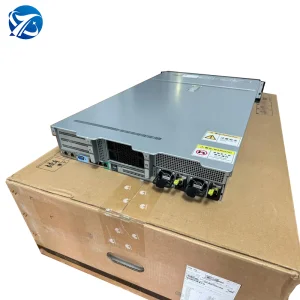
Edge nodes require compact footprints, low energy consumption, and high network throughput. In smart manufacturing zones, localized 1U/2U server platforms handle sensor telemetry, run fast anomaly-detection models, and forward filtered data to central cloud repositories.
Running advanced LLMs like DeepSeek requires massive parallel processing. Bexora's dedicated GPU configurations feature high-density RAM (e.g., 256GB configurations) and high-bandwidth interconnects, helping research organizations minimize epoch times and inference lag.
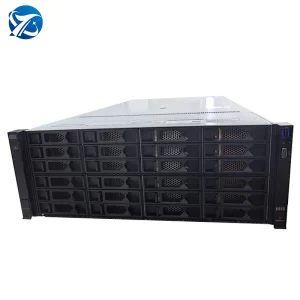
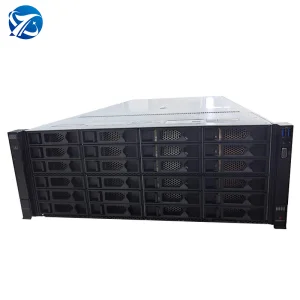
Media archives, cold backups, and large database applications require highly stable storage. Combining SAS/SATA RAID solutions with multi-drive arrays provides the read/write performance and capacity required for data protection in enterprise setups.
A detailed examination of data paths, storage controller designs, and host connectivity standards.
Clarifying hardware capabilities, configurations, and deployment strategies for enterprise buyers.
High-density processors, RAID storage controllers, and AI computing chassis built for enterprise reliability.