Bexora
Bexora
Bexora
Explore high-availability server platforms and network expansions engineered to secure mission-critical databases.
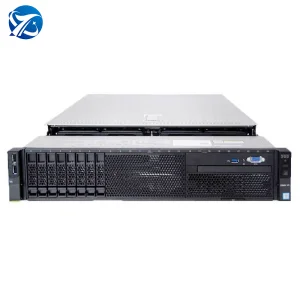
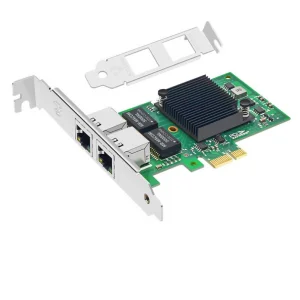
In the digital economy, data recovery solutions have transitioned from post-incident software scans to proactive, hardware-embedded resilience strategies. The loss of critical information because of disk corruption, power drops, or storage medium fatigue is a multi-million dollar vulnerability for global firms. Achieving 99.999% uptime requires system architectures constructed around enterprise-grade computing nodes, redundant arrays, and robust PCIe components designed to minimize Mean Time to Recover (MTTR).
When engineering a modern backup or bare-metal environment, the physical layer must integrate components that resist unexpected failures. As an exporter of enterprise infrastructure solutions based in the hardware manufacturing hub of Shenzhen, China, Bexora AI Systems addresses this integration. By optimizing data paths, maximizing hardware-level fault tolerance, and providing deep custom tuning, we allow system engineers to build storage and computing clusters that prevent permanent sector loss before it initiates.
Traditional recovery operations rely heavily on magnetic sector scans or logical rebuilding. However, if the underlying host machine experiences catastrophic failure, software is useless. Redundancy at the structural level is the first line of defense:
Empowering global enterprises with high-load AI computing infrastructures and resilient data architecture.
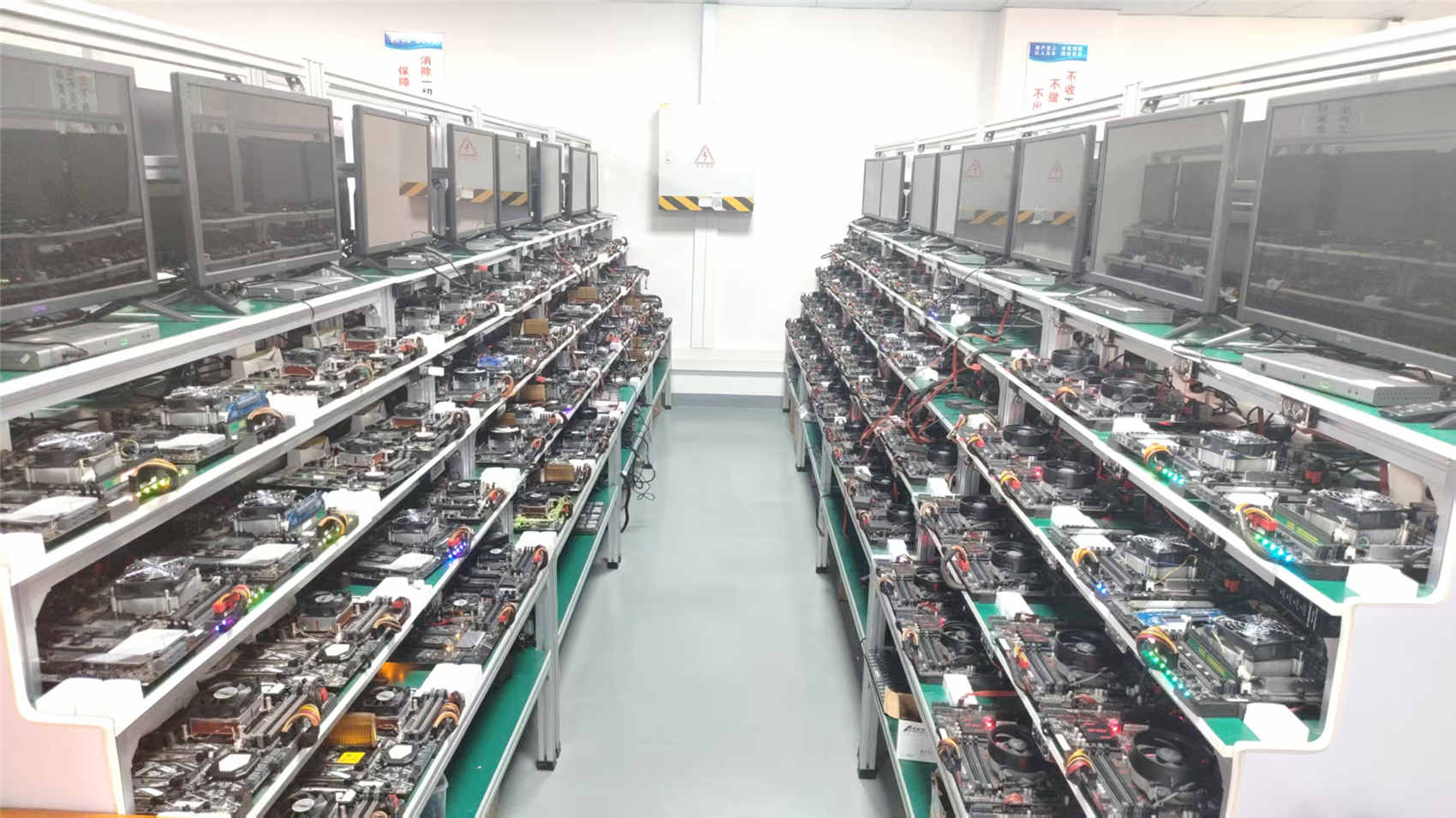
We execute 100% full system diagnostics and burn-in inspections combined with random environmental simulation to secure peak compute and recovery availability under continuous enterprise workflows.
Bexora offers deep structural design options, optimized thermal dissipation, and liquid cooling systems integration tailored to keep recovery systems operative during processing peaks.
Leveraging partnerships with over 860 component distributors, we configure multi-terabyte arrays, solid-state NAS blocks, and cloud backplanes optimized to handle instant snapshotting and backup replication.
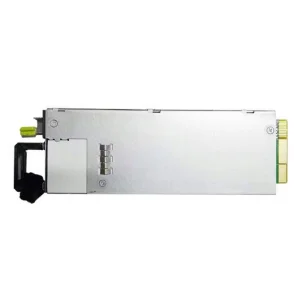
The concentration of raw material processors, precision machine shops, and dynamic validation centers in the Guangdong-Shenzhen economic zone allows for unmatched turnaround speeds. When a company needs to scale physical database nodes to mirror active backup sites, the traditional supply chain lag can span quarters. Our industrial location in China provides access to rapid prototype casting, immediate sourcing of high-frequency power units, and streamlined logistics.
By keeping production close to major global logistics nodes, we decrease procurement lead times. This allows global teams to construct backup systems or swap failed hardware configurations with minimized latency. More importantly, it keeps the cost per Terabyte lower, enabling institutions to establish wider redundancy windows (e.g., maintaining three hot backup locations instead of two).
Modern system operations are subject to strict regulatory compliance policies globally, including GDPR, HIPAA, SOC 2, and localized national cyber security frameworks like China's Multi-Level Protection Scheme (MLPS 2.0). Because data protection solutions process highly sensitive records, the underlying servers must facilitate clean data isolation:
High-reliability infrastructure performs differently across specific sectors, but the core objective remains to prevent service drops:
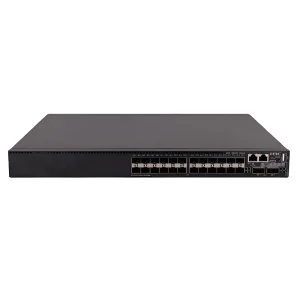
1. Financial Transaction Centers: Banking transactions demand transactional integrity. In these topologies, NVMe write speeds must map synchronously with database commits. Redundant H3C switches enable high-speed replication channels across data nodes, securing consistent database records across offsite target repositories.
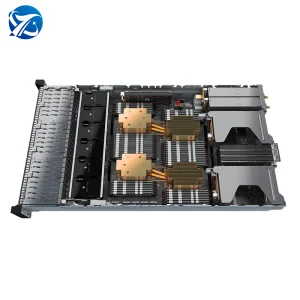
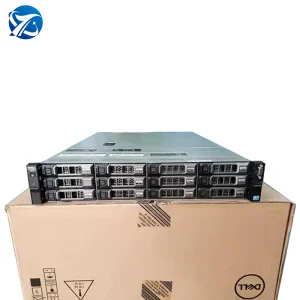
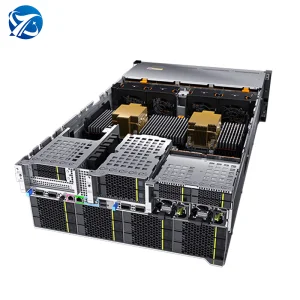
2. Healthcare PACS & Archive: Medical imaging formats require massive storage capacity coupled with strict uptime profiles. Storage-dense 4U architectures (e.g., FusionServer 5288 V6 / V7) offer the volume needed to store historical patient imagery, with built-in hot-swap bays to allow storage expansion without system power-down.
3. Distributed Cloud Centers: Web platforms use distributed server networks to cache and serve application nodes. Should a server fail because of system software issues, the local hardware handles automatic failover routing, maintaining server pool viability during maintenance windows.
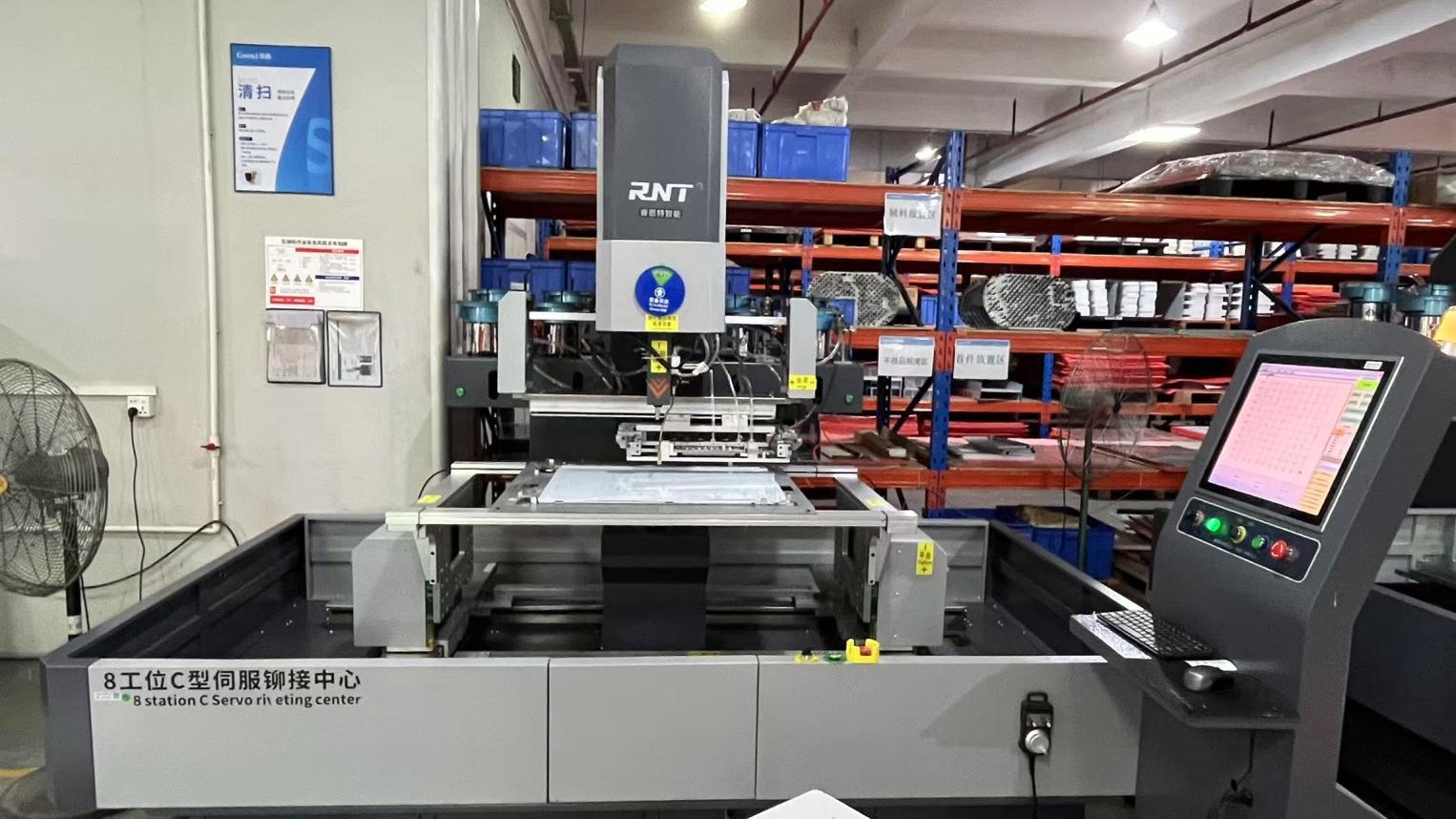
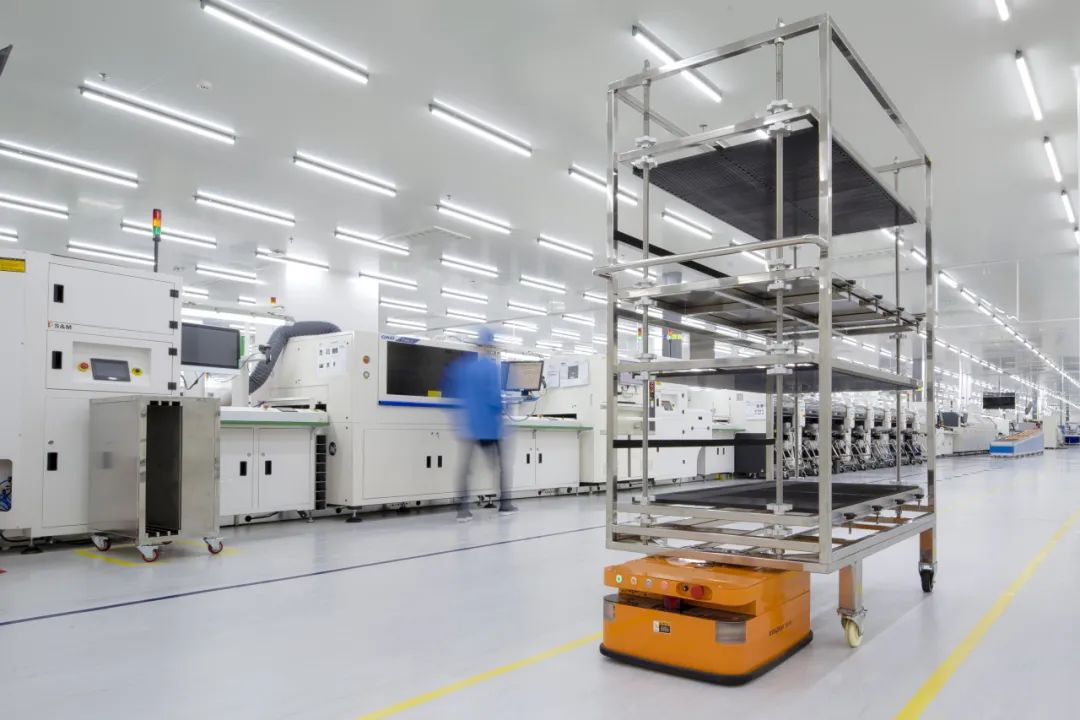
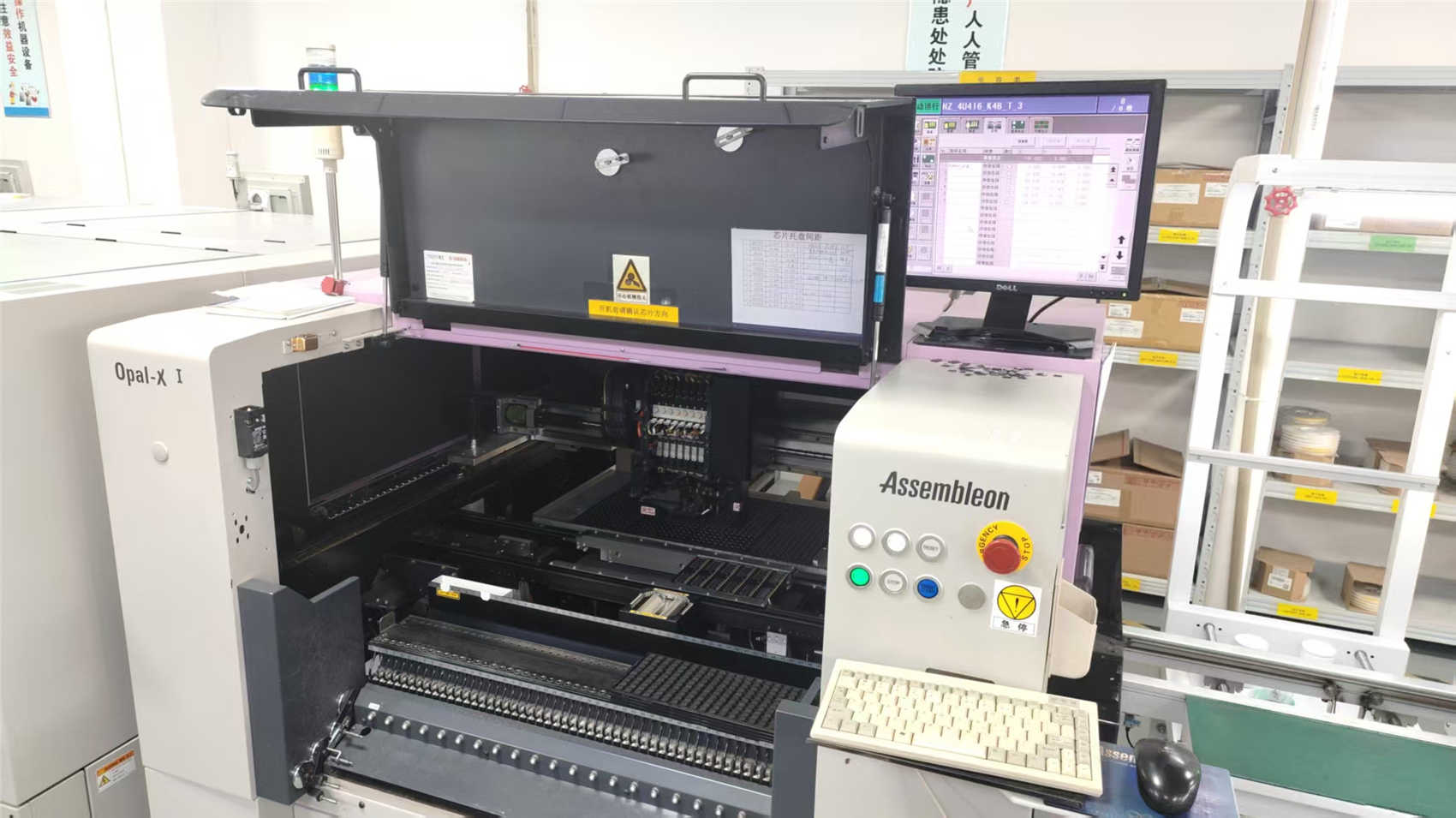
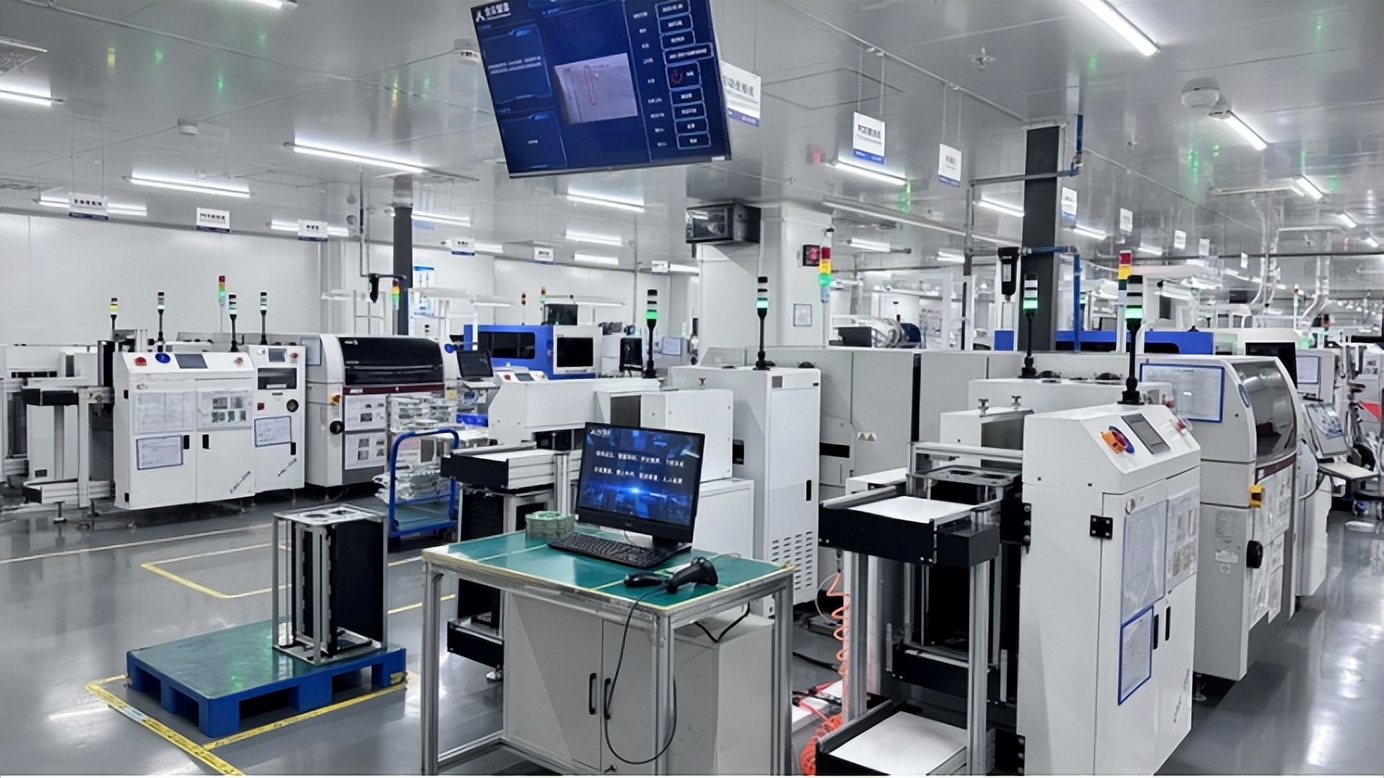
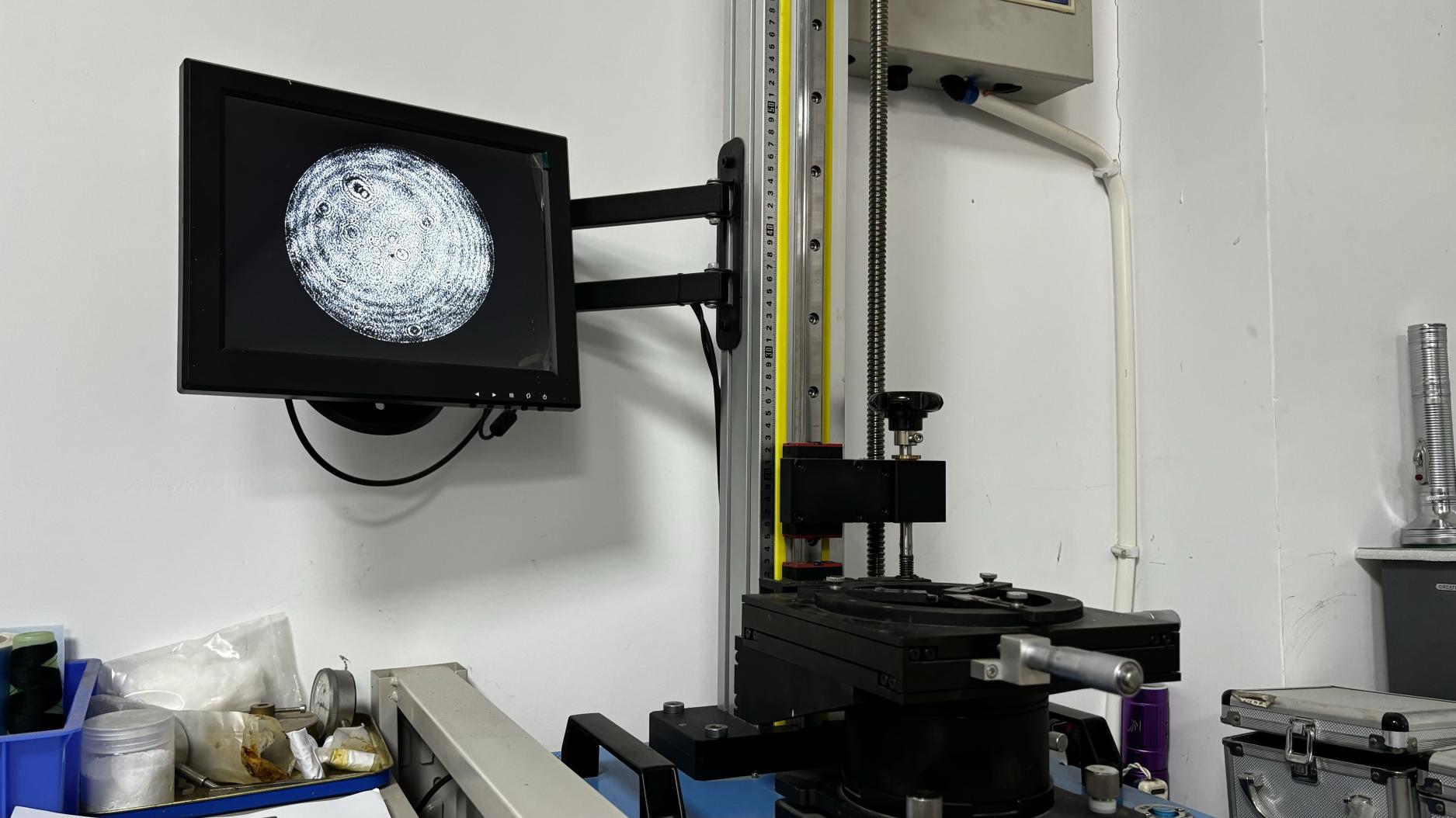
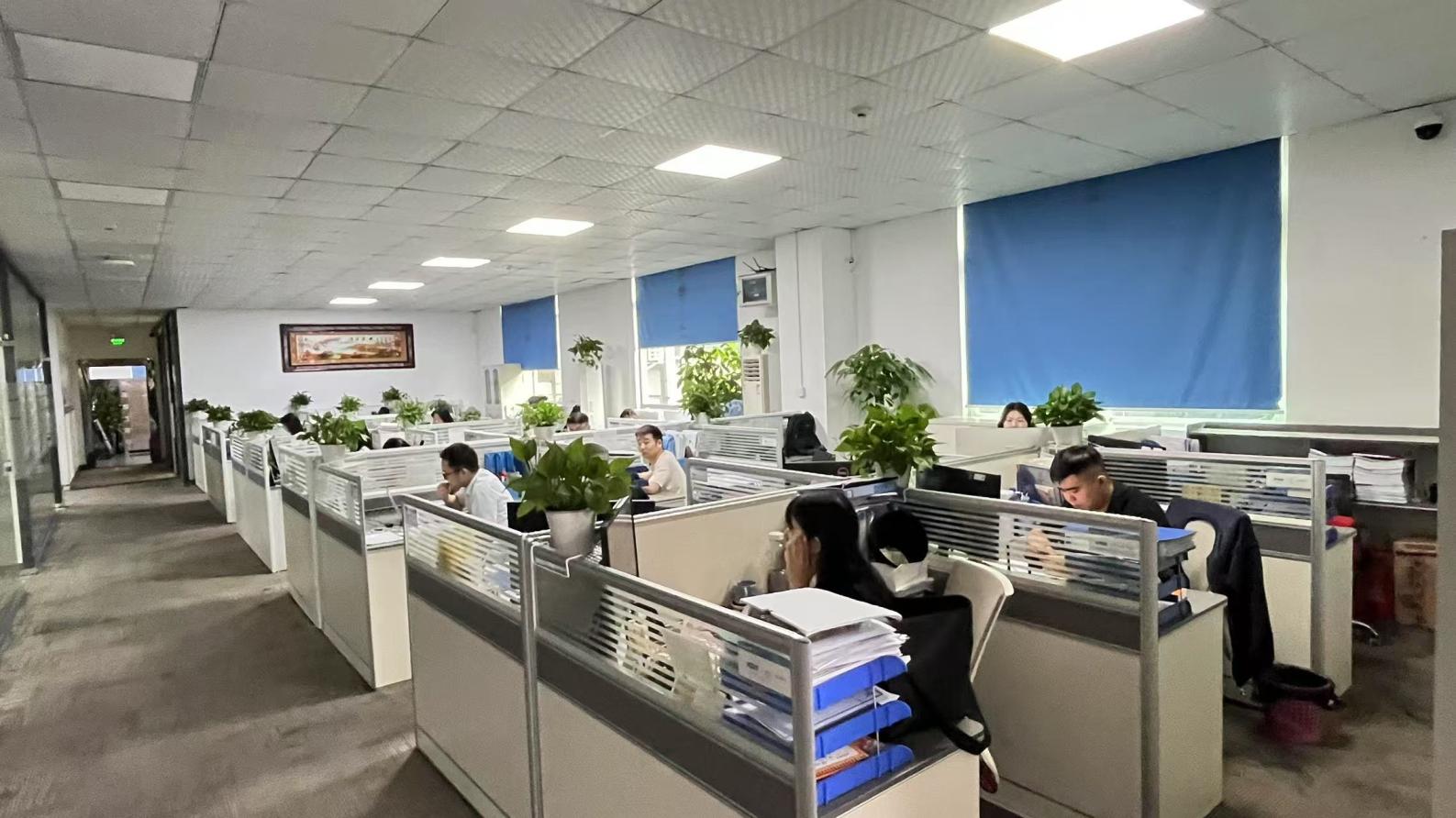
Direct view into our ISO-compliant manufacturing lines, thermal testing chambers, and system configuration floors.

Common questions concerning enterprise storage deployment, hardware-based data loss prevention, and custom OEM services.
Explore high-availability server platforms and network expansions engineered to secure mission-critical databases.