Bexora
Bexora
Bexora
Unveiling the structural synergy between light-speed data transmission and high-density GPU computing fabrics in global B2B operations.
As artificial intelligence (AI) workloads and large language models (LLMs) expand exponentially, data center architecture is undergoing a foundational paradigm shift. The conventional bottlenecks of copper networking cabling have driven modern computing structures to rely implicitly on advanced fiber optic equipment. High-speed optical transceivers, DWDM (Dense Wavelength Division Multiplexing) terminals, and optical switch fabrics have moved from peripheral wide-area networks (WANs) directly into the heart of the inner data center fabric, interconnecting thousands of GPUs and high-speed NVMe storage systems.
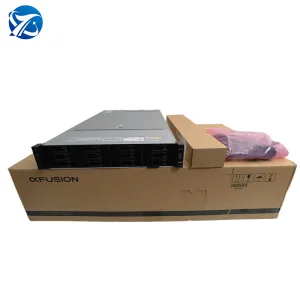
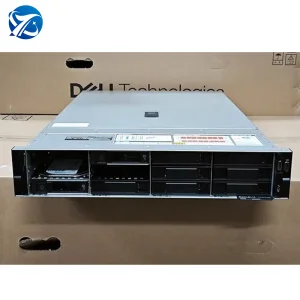
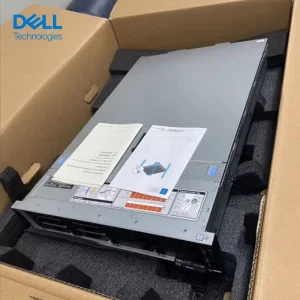
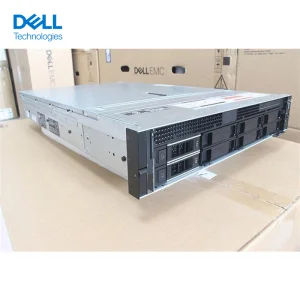
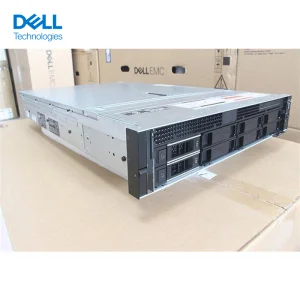
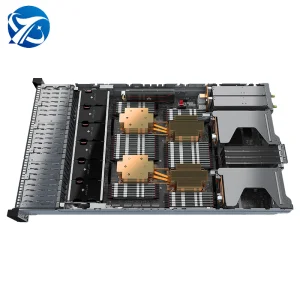
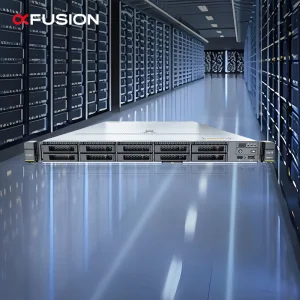
In this context, the integration of enterprise-class computing engines (such as the xFusion FusionServer 5885H V7 and the DEll PowerEdge R750XS) requires robust optical backbones. High-performance computing nodes cannot execute real-time training or distributed inference without low-latency, high-bandwidth interconnects powered by fiber-to-the-chassis systems. As a leading manufacturer based in China, Bexora AI Systems Co., Ltd. orchestrates this computational convergence by manufacturing systems optimized for seamless fiber-optic interfacing, delivering ultra-reliable high-density storage nodes and computing engines configured to match global optical transport networks.
Founded in 2016, Bexora has established itself as a premier AI GPU server and high-performance computing infrastructure manufacturer. Our state-of-the-art facilities in China specialize in scalable computing networks designed to handle critical workloads including AI training, large-scale inference, and unified data center operations.
With a comprehensive manufacturing footprint of over 18,600㎡, we operate advanced assembly lines and quality control chambers. We bridges the gap between hardware system design and fiber-optic networking layers. By leveraging our 12 years of industry experience, we ensure that every platform—from ultra-dense rack systems like the FusionServer 1288H V7 to specialized high-load GPU platforms—integrates flawlessly into networks utilizing fiber optic transceivers, multiplexers, and physical distribution frames.

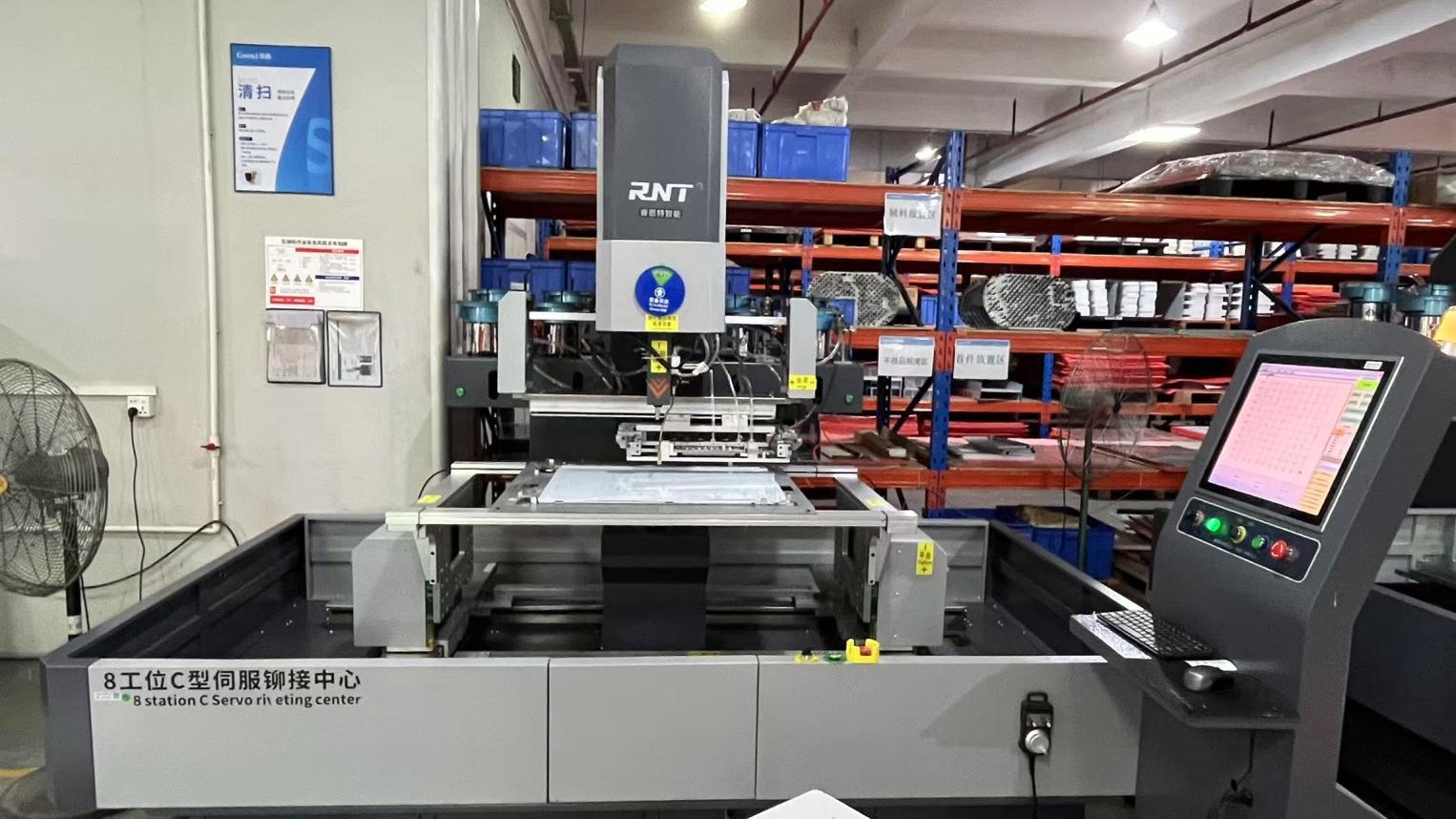
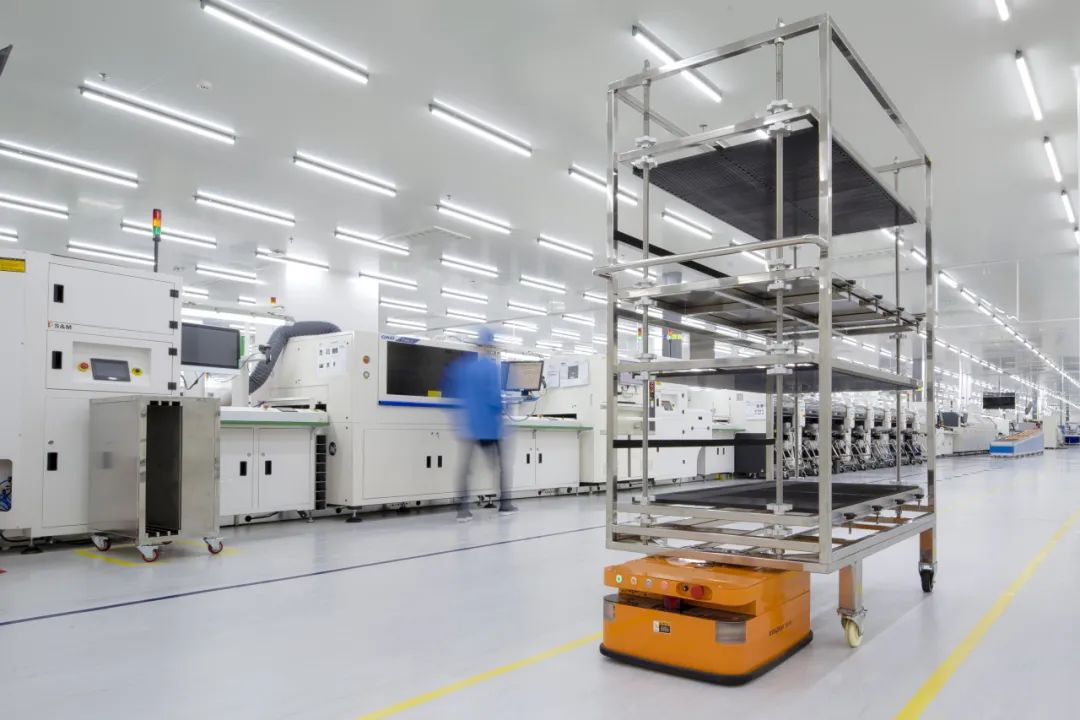

How our ecosystem of over 860 partners drives unparalleled cost efficiency, rapid scaling, and robust continuity for global enterprise infrastructure.
Our alliance network of 860+ integrated suppliers ensures immediate raw-material and micro-component allocation. This direct access mitigates component delays and allows us to scale manufacturing rates rapidly for large-scale fiber optic components and computing node deployments.
From mechanical design and automated optical inspection (AOI) to advanced thermal modeling, Bexora maintains strict end-to-end sovereignty. Controlling design parameters locally yields high performance-to-cost metrics and superior physical durability.
We coordinate real-time tracking of essential high-speed hardware components. This limits inventory volatility, stabilizes long-term component pricing, and provides dependable multi-year delivery cycles for overseas buyers, public clouds, and telecommunications firms.
Enabling seamless interconnectivity across diverse edge networks, private enterprises, and hyper-scale infrastructure sites worldwide.
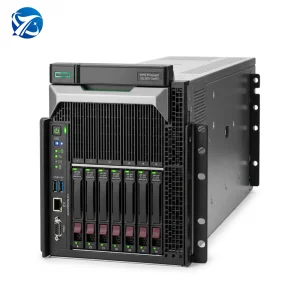
Within metropolitan area networks (MANs) and Fiber-to-the-Home (FTTH) architectures, massive packet streams converge onto regional core networks. Deploying high-throughput equipment at these junctions prevents network traffic choking. Utilizing enterprise network servers such as the HPE ProLiant DL380 Gen12 allows network carriers to analyze telemetry data, run real-time packet inspection (DPI), and dynamic bandwidth allocation at the edge of the fiber termination point.
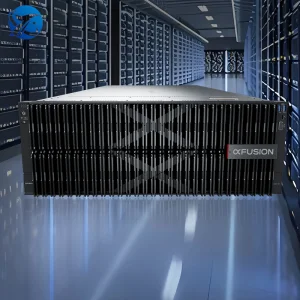
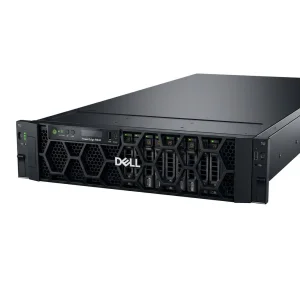
Modern neural-network model training (e.g., DeepSeek, LLaMA models) relies on non-blocking physical topologies. Active Optical Cables (AOC) and optical transceivers operate as the key bridge, linking dense computing blocks like the xFusion 2U Rack Deepseek Cloud AI Server. By transferring signals through optical fibers instead of high-resistance copper cables, network latency is kept in check, maintaining the system cohesion needed for synchronous training runs.
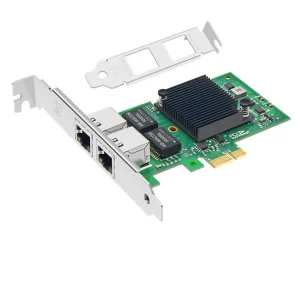
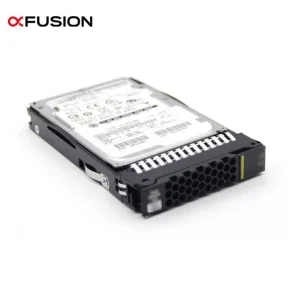
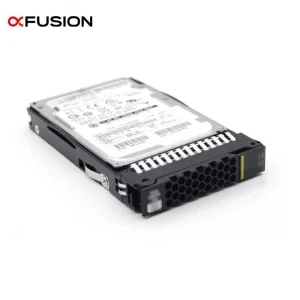
For financial institutions and secure data center hosting, data durability is a primary concern. The storage architecture relies heavily on host-bus adapters (HBAs) and SAS controller arrays, such as the 9540-8i RAID PCIE 4.0 Card, paired with dense disk systems like the SAS HDD Universal Hard Drive Disk. Operating these arrays over fiber-optic backbones minimizes signal degradation over distance, ensuring continuous read/write cycles and enabling reliable, high-speed remote recovery operations.
Industrial manufacturing plants require processing nodes that stand up to harsh physical environments while transmitting data over optical backbones to avoid electromagnetic interference. System platforms like the XP270-M2- SAS3808 Boot Card support edge management capabilities, enabling operators to run real-time hardware diagnostics and transmit status reports across optical pathways directly to cloud command centers.
Exploring our strategic technical milestones spanning optical transmission developments and high-density platform architectures.
| Technology Vector | Current Standard | Next Gen (1-2 Years) | Future Roadmap (3-5 Years) |
|---|---|---|---|
| Interconnect Bandwidth | PCIe Gen 4.0 / 100G Ethernet | PCIe Gen 5.0 / 400G Optical Networks | PCIe Gen 6.0 / 800G & 1.6T Co-Packaged Optics |
| Optical Transceiver Integration | Pluggable SFP28 / QSFP28 modules | OSFP / QSFP-DD high density interfaces | Direct Silicon Photonics / Co-Packaged Optical Engines |
| Storage Protocols | SAS 12Gb/s / SATA 6Gb/s | SAS 24G / NVMe over Fabrics (RoCEv2) | Optically-Switched Disaggregated Storage Architectures |
| Thermal Management | Air Cooling / Copper Heatpipes | Closed-loop Direct-to-Chip Liquid Cooling | Two-phase Immersion Cooling for High-Density Racks |
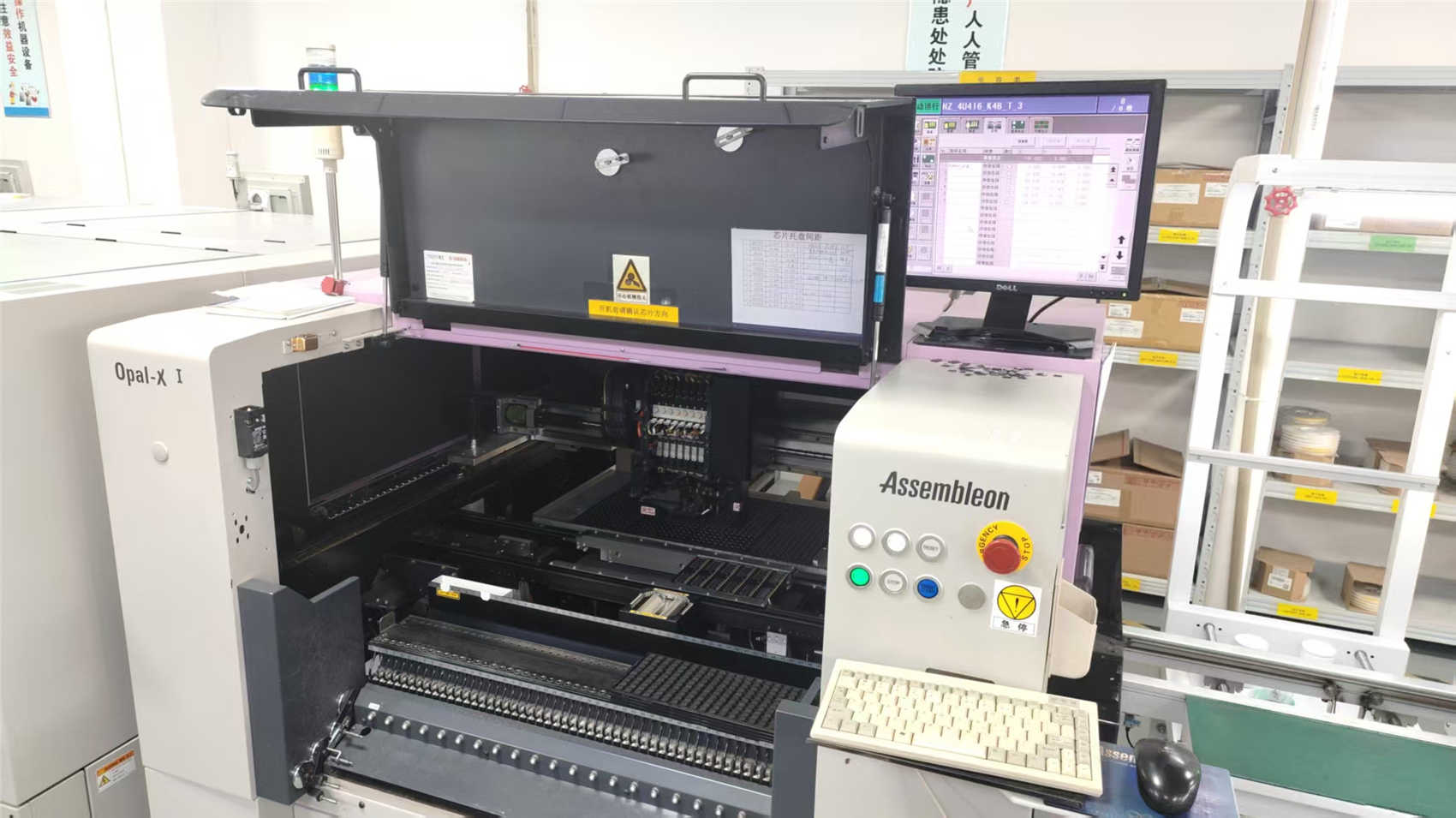
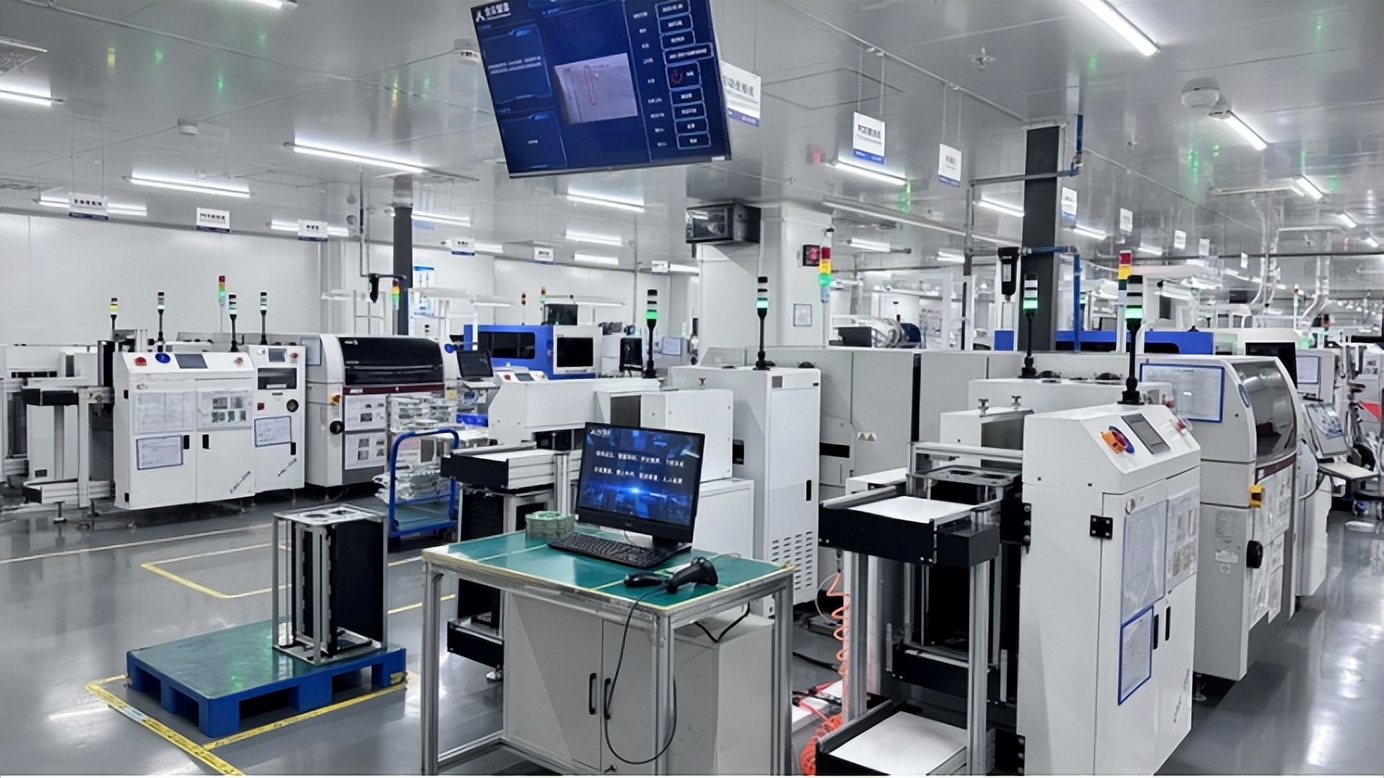
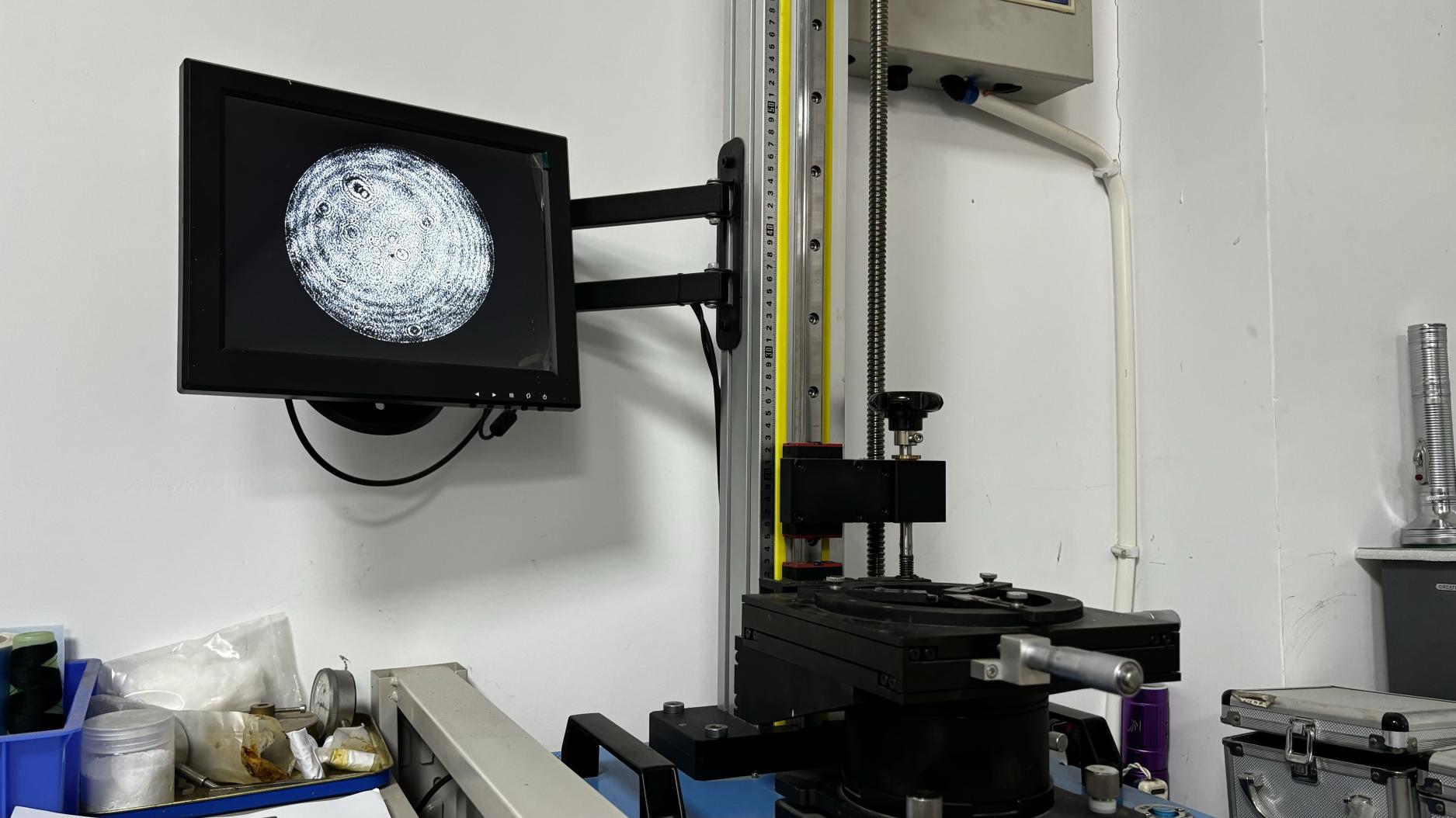

High-capacity optical networks leave little room for component errors. A single dropped frame or thermal spike can interrupt large-scale compute workloads. Bexora's 45-person Quality Assurance division enforces a multi-tier testing pipeline. Every computing node and interface controller is put through 100% full inspection procedures before leaving the factory.
Expert clarifications regarding computing systems, optical interconnects, and global B2B procurement processes.