Bexora Bexora

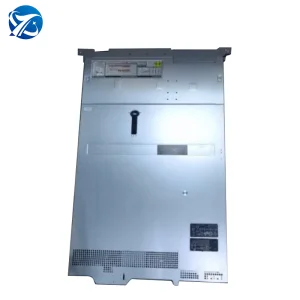
Top China V5 Server Innovations Manufacturer & Exporters

Next-Generation Enterprise Compute Infrastructure & High-Density AI Cluster Integration

The Paradigm Shift in Enterprise Servers: Global Commercial Status of V5 Innovations

The global digital infrastructure landscape is undergoing a massive architectural shift. Historically, enterprise database systems and hybrid cloud platforms relied on standard rack designs. However, the rise of intensive deep learning workloads, multi-tenant cloud architectures, and extreme data density needs has pushed legacy systems to their absolute thermal and computing limits. This is where V5 server innovations and their subsequent generations (V6 and V7) have redefined the baseline parameters of data center deployments.

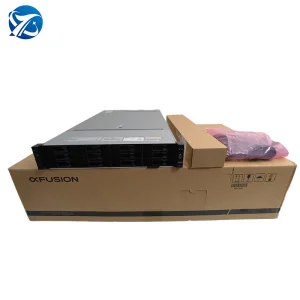
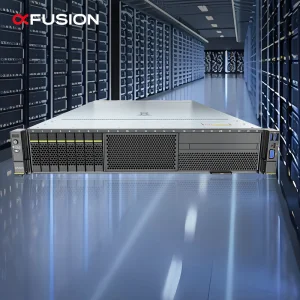
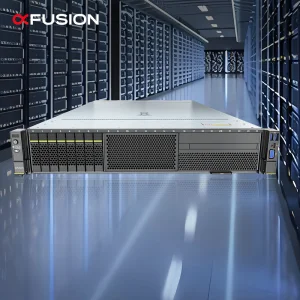
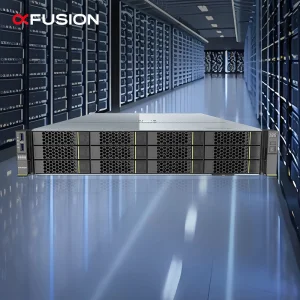
Internationally, enterprise buyers are no longer evaluating servers based solely on raw CPU speed. Instead, metrics like compute-to-power efficiency ratios, thermal envelope adaptability, and PCIe lane flexibility dictate procurement decisions. Systems like the FusionServer 2288H V5 paved the way for advanced energy management by deploying dynamic demand-management energy technologies. This architecture optimizes power consumption at the motherboard level, adjusting voltage and clock speeds dynamically based on real-time task loads.

Architectural Advantages & Multi-Protocol Storage Adaptability

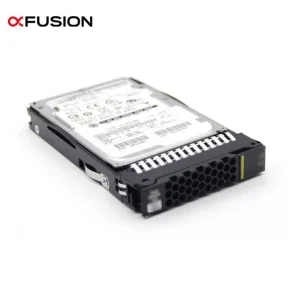
A fundamental innovation of the V5 generation is its native compatibility with multiple storage protocols within a unified chassis design. By integrating tri-mode RAID storage controllers (such as the 9560-8i and SAS3808iMR chips), these servers support SAS, SATA, and NVMe drives simultaneously. This avoids the costly motherboard and backplane redesigns that plagued older architectures. Consequently, IT directors can deploy high-speed NVMe drives for fast database caching while using high-capacity SAS/SATA drives for cold archival storage, all inside the same 1U or 2U compute node.

Adaptive Thermal Regulation

Employs intelligent zone-cooling loops that dynamically adjust individual fan speeds, lowering overall data center cooling energy footprints by up to 15% under peak loads.

Tri-Mode Storage Control

Direct hardware mapping for SAS, SATA, and NVMe PCIe Gen4/Gen5 devices via intelligent controllers, maximizing throughput to 12Gb/s per channel without latency bottlenecks.

High-Density Virtualization

Optimized bus-routing pathways and high-speed memory channel structures allow virtual machine densities to scale up to 40% higher compared to baseline industry systems.
Bexora AI Systems: Trusted Global GPU Infrastructure Partner

Based in China, Bexora AI Systems (China) Co., Ltd. builds scalable, enterprise-grade hardware that drives global AI training, deep learning inference, and virtualization workloads.

2016
Company Established
18,600㎡
Modern Manufacturing Area
$18 Million
Annual Export Revenue
45 Pros
Quality Control Specialists
160 Engineers
In-House R&D Experts
860+
Supply Chain Partners

Rigorous Testing Framework & Supply Chain Resiliency

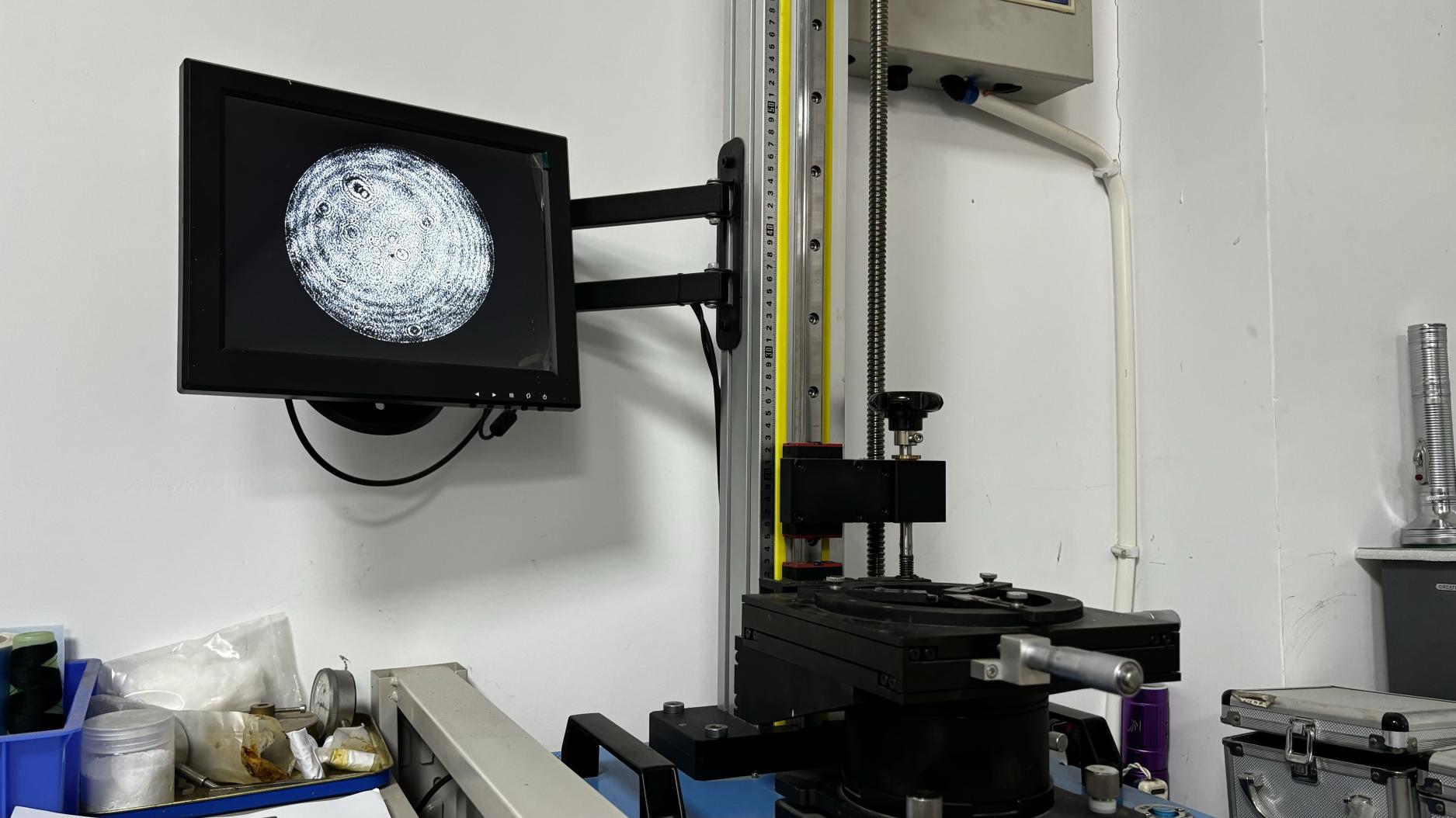
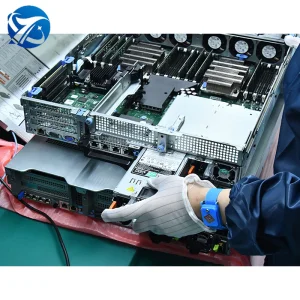
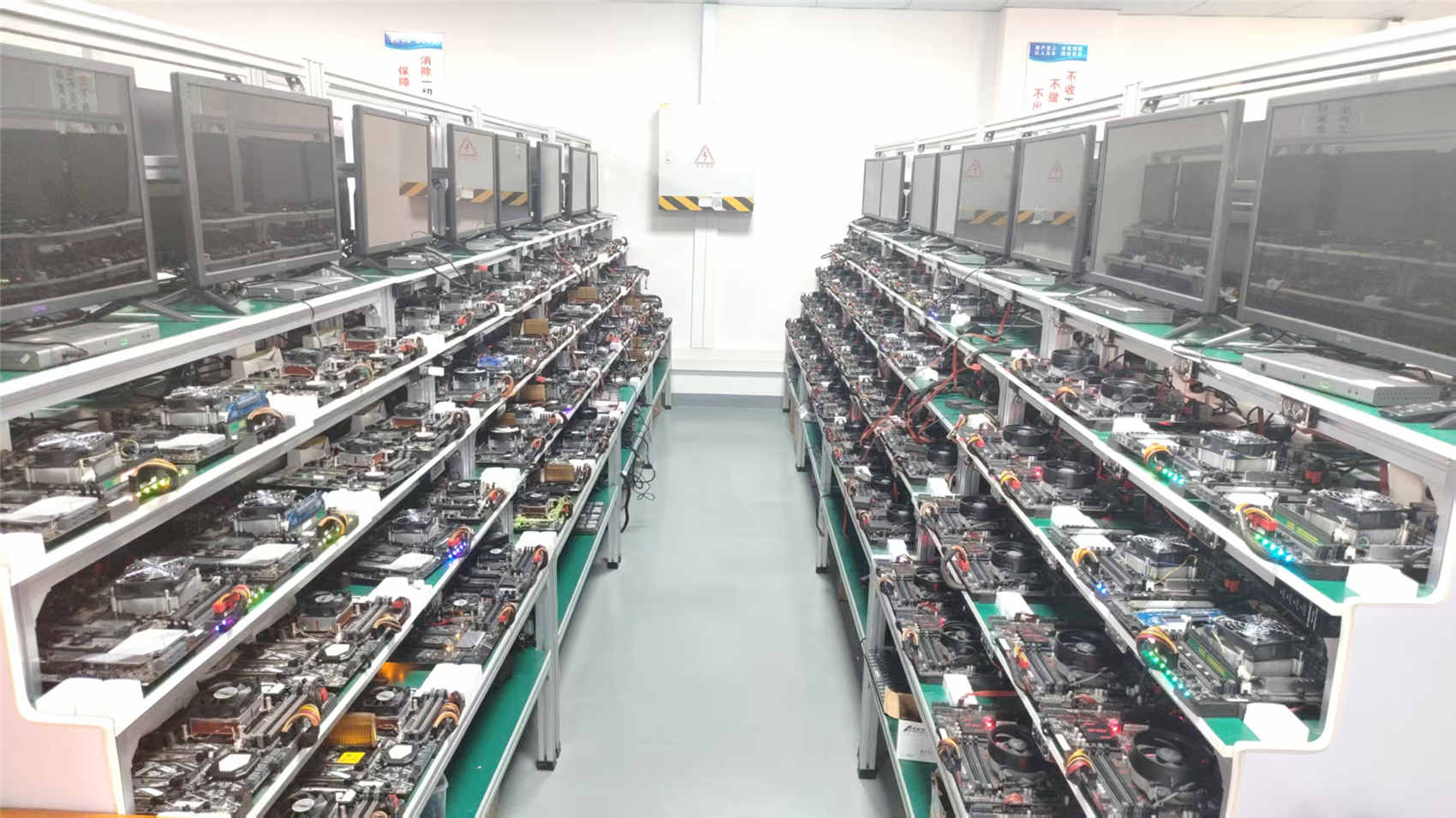
At Bexora, we operate under a strict quality management system to ensure that every server rack leaving our facility performs reliably in the field. Our quality control team of 45 dedicated professionals runs a comprehensive inspection program. Every system undergoes a continuous 48-hour burn-in phase, dynamic thermal stress testing (-10°C to 55°C), Automated Optical Inspection (AOI), firmware validation, and simulated AI-cluster training runtimes to verify node stability.

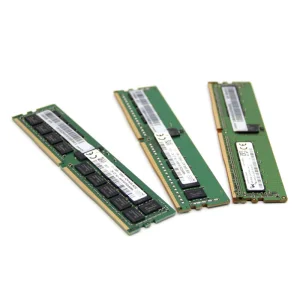
By working closely with over 860 upstream and downstream supply partners, we ensure access to key components like high-performance GPUs, motherboard chipsets, memory modules, and specialized raw chassis steel. This robust network keeps our production lines running smoothly and protects our global clients from component shortages and pricing spikes.

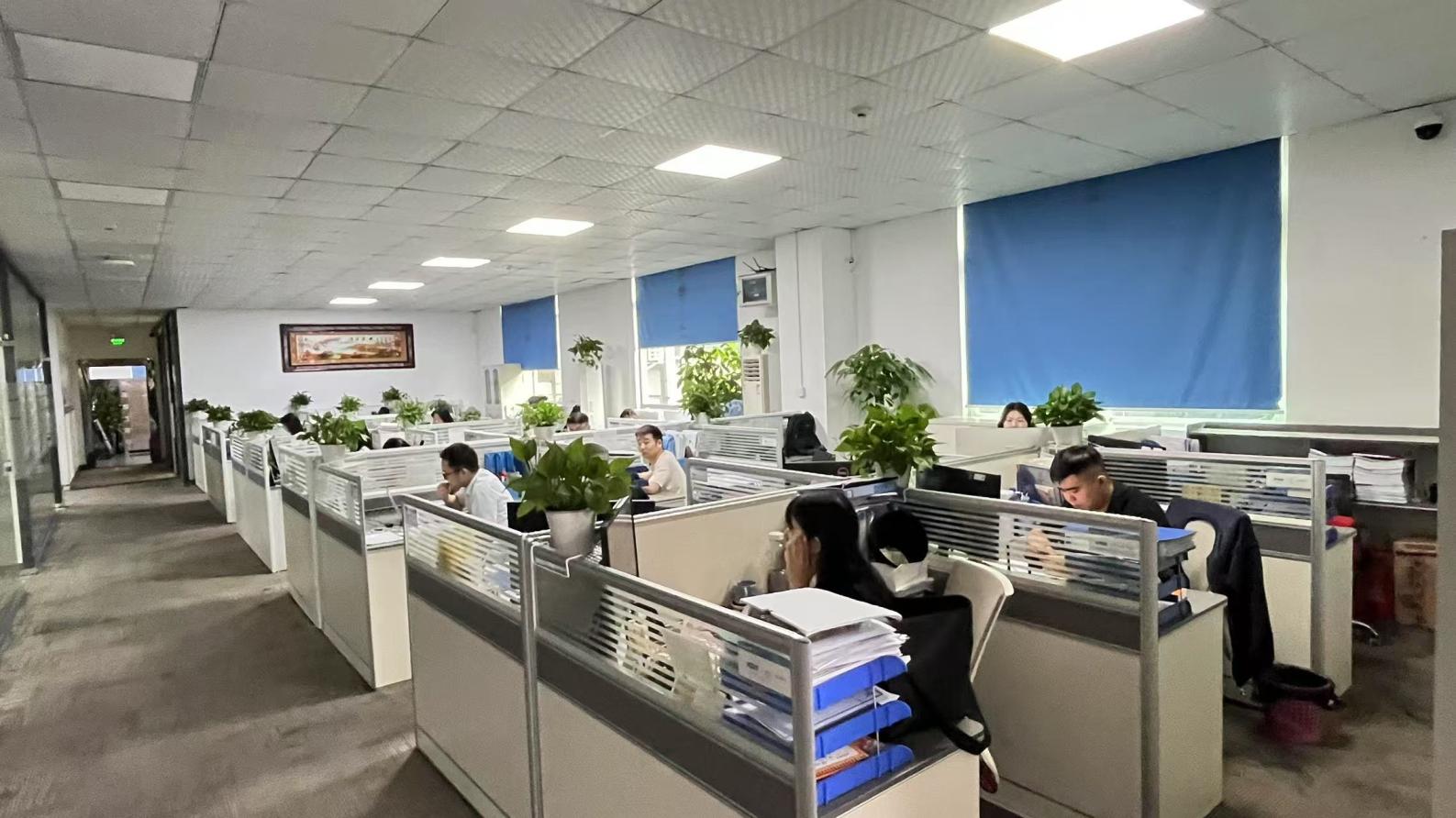
Bexora's Advanced Manufacturing & Testing Facilities

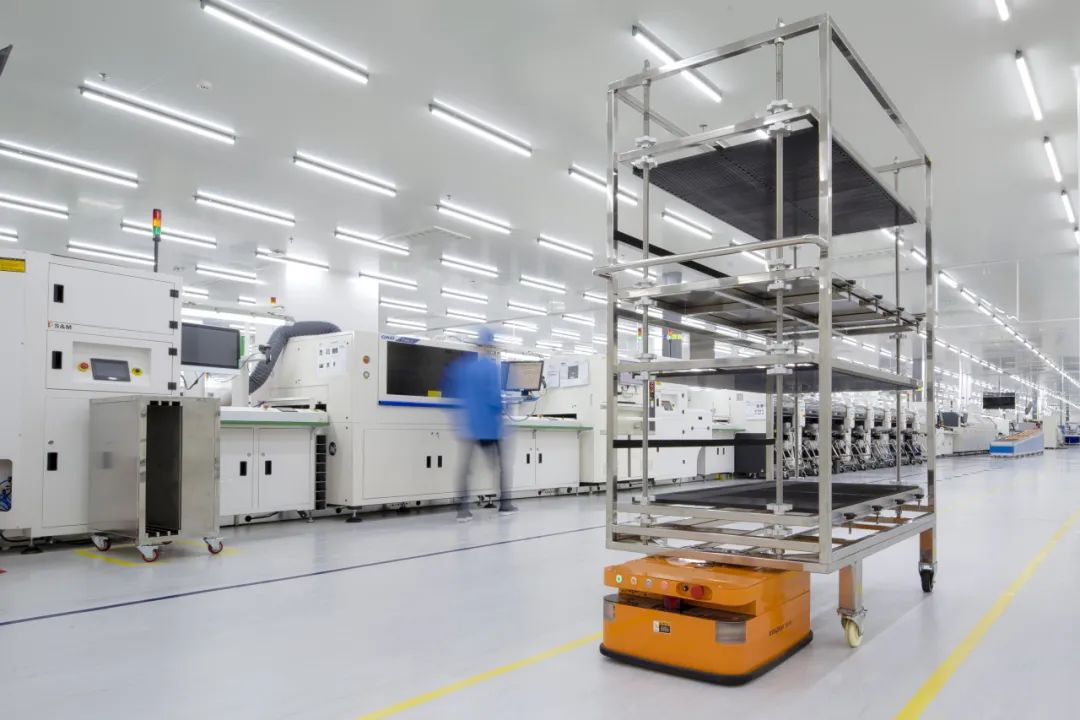
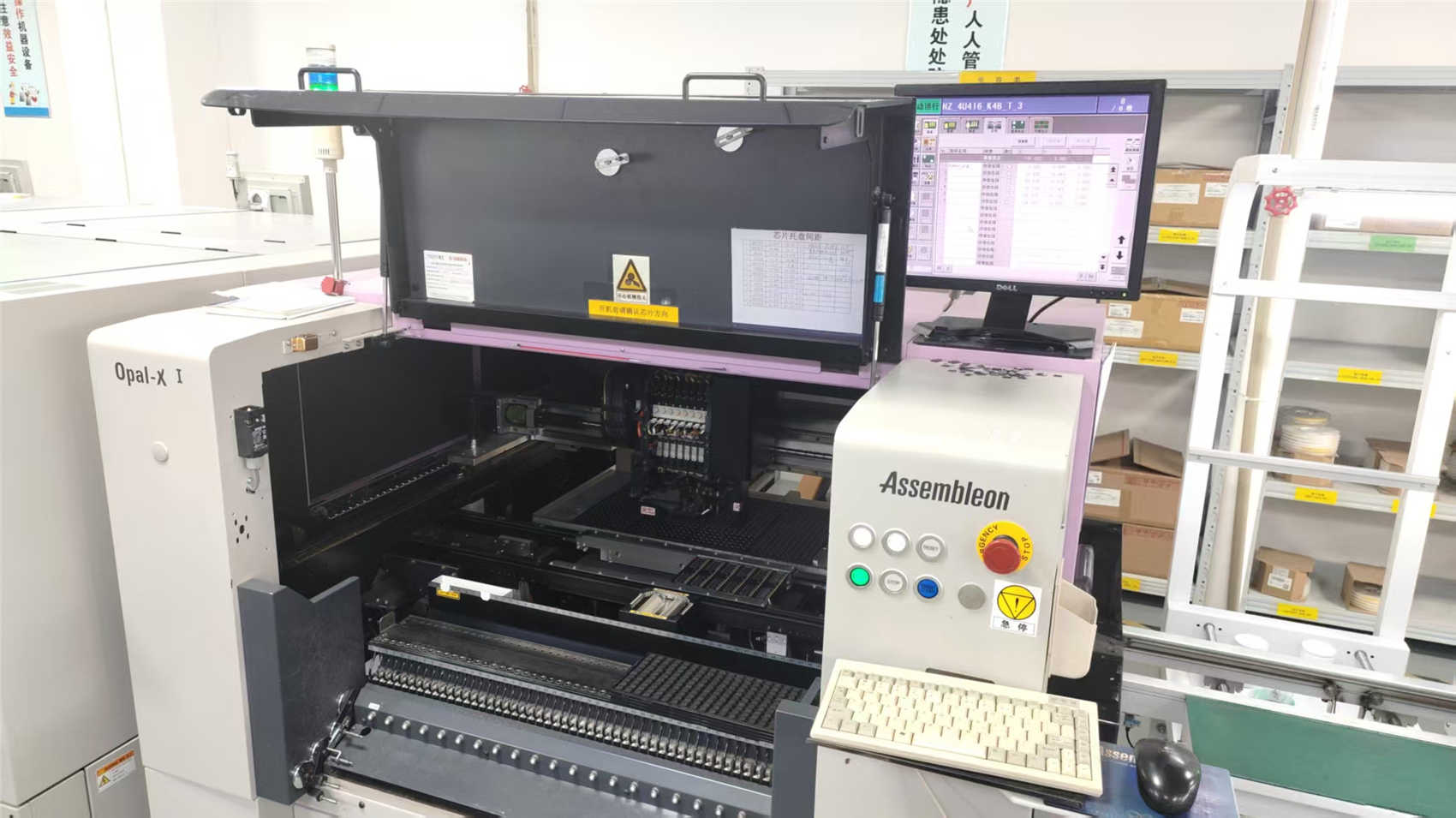
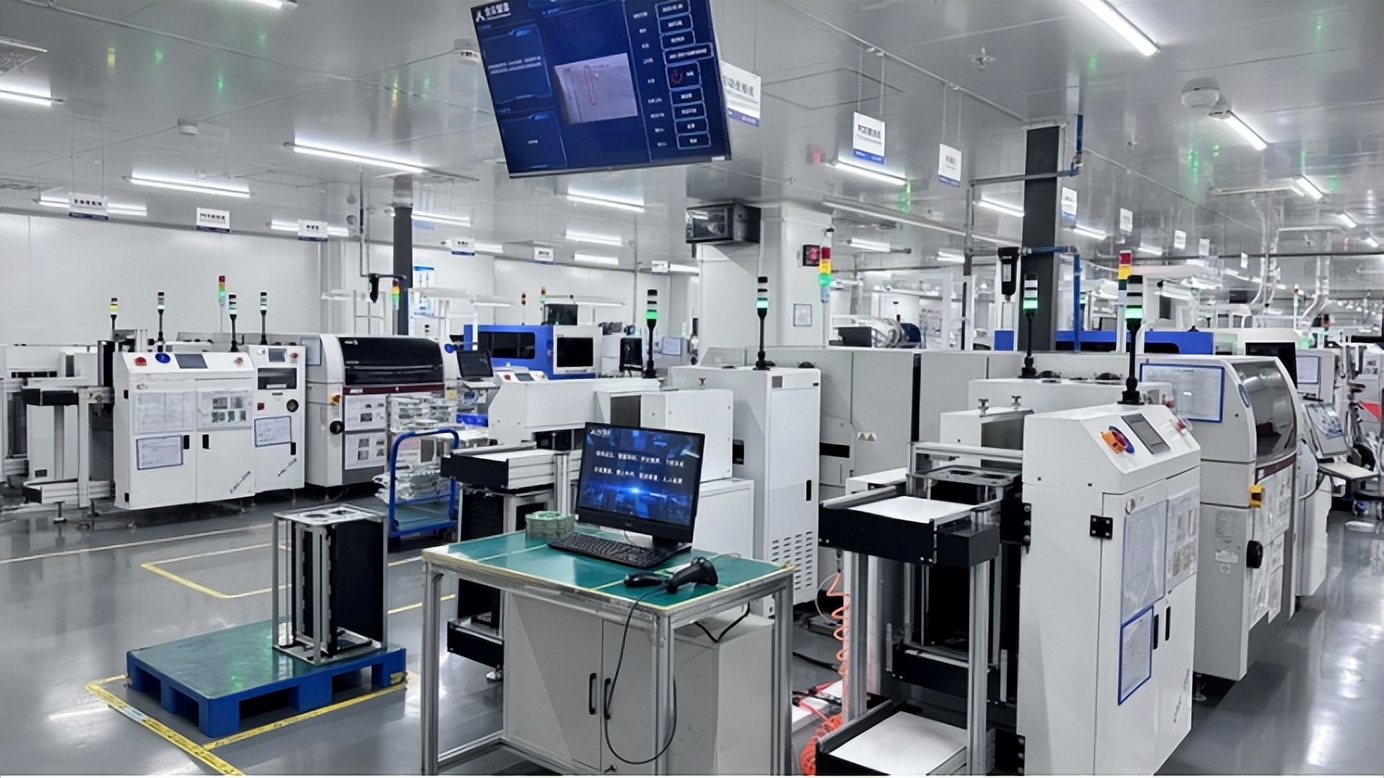
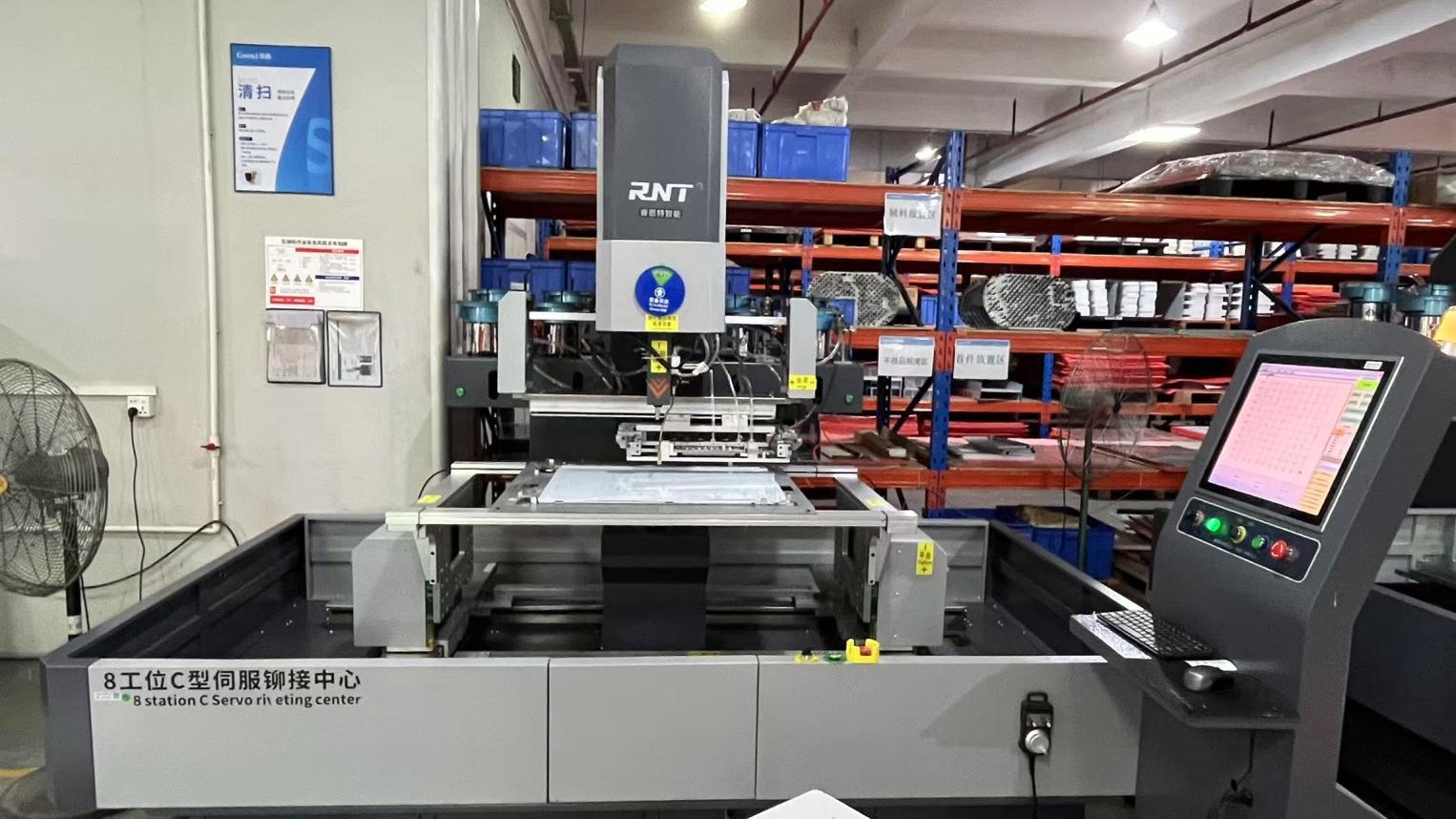
Take a look inside our state-of-the-art facilities in China. Our ISO-certified production lines feature advanced SMT robotics, precise chassis assembly stations, and dedicated high-load thermal testing chambers. This environment ensures high build quality and fast turnaround times for bulk OEM/ODM enterprise requests.

Architectural Comparison: V5, V6, and V7 Server Infrastructures

To help database architects and system engineers make informed decisions, this technical table highlights the differences between the V5 platform and subsequent V6 and V7 generations.

Performance Metrics FusionServer V5 Platforms FusionServer V6 Platforms Enterprise V7 Platforms
Supported Chipsets Intel Xeon Scalable 1st / 2nd Gen (Skylake/Cascade Lake) Intel Xeon Scalable 3rd Gen (Ice Lake) Intel Xeon 4th / 5th Gen (Sapphire Rapids/Emerald Rapids)
Memory Architecture DDR4 RDIMM @ Up to 2933 MHz DDR4 RDIMM @ Up to 3200 MHz DDR5 RDIMM @ Up to 4800 / 5600 MHz
PCIe Lane Standard PCIe Gen 3.0 (8 GT/s per lane) PCIe Gen 4.0 (16 GT/s per lane) PCIe Gen 5.0 (32 GT/s per lane)
Max GPU Support Density Up to 2x Double-width / 4x Single-width GPUs Up to 4x Double-width / 8x Single-width GPUs Up to 8x Double-width AI Accelerators (PCIe / OAM)
Storage Bandwidth Capabilities SAS-3 12Gb/s, SATA 6Gb/s Tri-mode support, NVMe Gen 4 (Up to 64Gb/s) Direct NVMe Gen 5 PCIe lanes (Up to 128Gb/s)
Intelligent Cooling Loops Dynamic zone fan control Dual-path PID thermal balancing Direct-to-chip Liquid Cooling loops (Hybrid design)

Application Scenarios & Industry Procurement Trends

Modern compute loads vary widely. Understanding how these servers handle different tasks is key to maximizing return on investment. Our hardware designs target these specific environments:

Large Language Model Optimization & DeepSeek

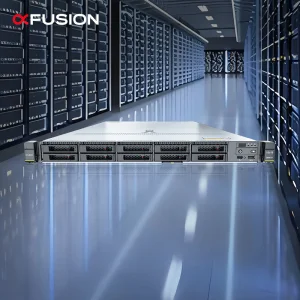
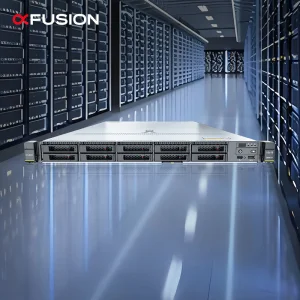
Running models like DeepSeek requires massive matrix-multiplication operations. With PCIe Gen4/Gen5 pathways and configurations designed for high-end GPUs, servers like the 1288H V7 AI Deepseek system keep interconnect latency low. This prevents CPU bottlenecks and speeds up both training and inference.

High-Performance Computing (HPC) & Research

Scientific simulation and modeling require high reliability. By pairing Xeon Scalable processors with low-latency DDR4/DDR5 RDIMM memory, our servers deliver the compute power needed for complex simulations while minimizing memory corruption risks.

Enterprise NAS & Storage Virtualization

Managing petabytes of unstructured data demands reliable controllers. Combining the 9560-8i Tri-Mode RAID card with SAS/SATA expansion options allows users to build resilient, redundant storage pools (supporting RAID 0, 1, 5, 6, 10, 50, and 60) for mission-critical apps.

Meeting Sourcing Requirements: What IT Buyers Look For

Procurement teams need more than just raw performance. They look for compliance with international safety and environmental certifications like CE, FCC, RoHS, and UL. Our factory in China uses automated testing routines to verify compliance at every step. This makes it easier to import and deploy our systems in regulated environments across North America, Europe, the Middle East, and Southeast Asia.

Technical Q&A: Enterprise Hardware Optimization

Here are answers to common questions about configuring, optimizing, and maintaining V5 and next-gen server platforms.

1. What makes the xFusion FusionServer 2288H V5 dynamic energy technology unique?
The 2288H V5 uses a patented dynamic energy management technology. This system monitors actual CPU, memory, and fan power requirements in real time. It dynamically adjusts VRM (Voltage Regulator Module) performance phases, avoiding power loss when the server is idle and supplying full power during peak usage.
2. How does the 9560-8i RAID card improve NVMe write performance?
The 9560-8i features a built-in Broadcom SAS3908 Tri-Mode ROC (RAID-on-Chip) and 4GB of DDR4 cache. For write-heavy databases, it offloads RAID calculations from the main CPU. It also utilizes a PCIe Gen 4.0 x8 host interface, allowing it to sustain read/write operations up to 12Gb/s per SAS/SATA channel and up to Gen 4 NVMe speeds without cache bottlenecks.
3. Can I run DeepSeek and other advanced AI inference engines on 1U nodes like the 1288H V7?
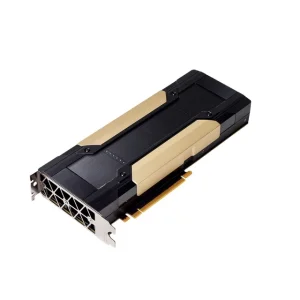
Yes. The 1288H V7 is designed for high-density AI deployments. While 1U systems have less vertical space, their optimized airflow allows them to support high-density accelerators like the V100 PCIe or newer L40S/H100 variants. This design provides plenty of parallel compute power for running large LLMs like DeepSeek in space-constrained data centers.
4. What customization options does Bexora offer for OEM/ODM clients?
Our team of 160 engineers offers full customization services. We can adjust bios features, modify chassis backplanes to support custom storage ratios, configure cooling loops for extreme climates, and co-develop customized liquid-cooling blocks for high-TDP processors.