Bexora
Bexora
Bexora
Explore our premium industrial and enterprise compliance execution servers, optimized for data auditing and secure storage pipelines.

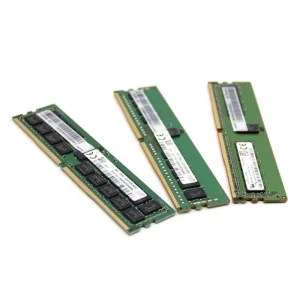
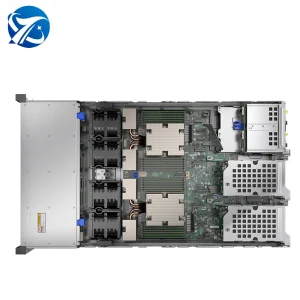
An in-depth whitepaper assessing the critical confluence of computational infrastructure and sovereign data governance regulations.
In the contemporary B2B enterprise landscape, the definition of Compliance Management Tools has undergone a structural paradigm shift. Historically confined to software-level databases and policy manuals, modern compliance frameworks (such as GRC systems, real-time audit engines, and risk analysis packages) now require dedicated, high-performance hardware architectures to execute computations. This shift is driven by stringent regulatory frameworks globally, including the European Union's GDPR and NIS2 Directive, North America's HIPAA and SOC 2 Type II audits, and East Asia's cybersecurity and personal data protection regulations.
Cryptographical keys and compliance telemetry must be secured at the silicon level (TPM 2.0 / Silicon Root of Trust) to prevent host-operating system modification.
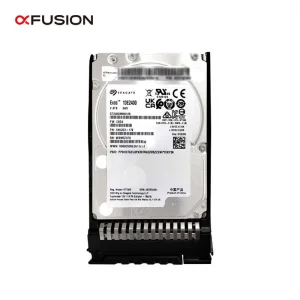
Compliance management tools process millions of logging requests per second, demanding high-throughput NVMe SSD storage arrays and low-latency network interconnects.
Modern GRC systems monitor server status and packet movement natively at the network interface card (NIC) level, avoiding software modifications that expose risk.
Enterprise procurement divisions are no longer looking at raw compute power in isolation. Today, hardware sourcing is fundamentally tied to an organization's compliance posture. Multinational corporations demand hardware platforms that conform to global export controls, data-residency laws, and environmental social governance (ESG) manufacturing footprints. High-security environments, such as banking data centers and defense clouds, mandate physical compartmentalization, hardware-assisted virtualization security (such as AMD SEV or Intel SGX), and robust storage architectures that guarantee instant recovery through advanced RAID controllers with large write-back caches.
Deploying compliance software on unverified hardware layers leaves systems vulnerable to side-channel analysis and firmware injection. Hardware-integrated GRC deployments solve this by generating physical cryptography tokens anchored to the memory architecture, verifying every transaction from boot to runtime.
Established
Factory Floor Area
Annual B2B Exports
R&D Engineers
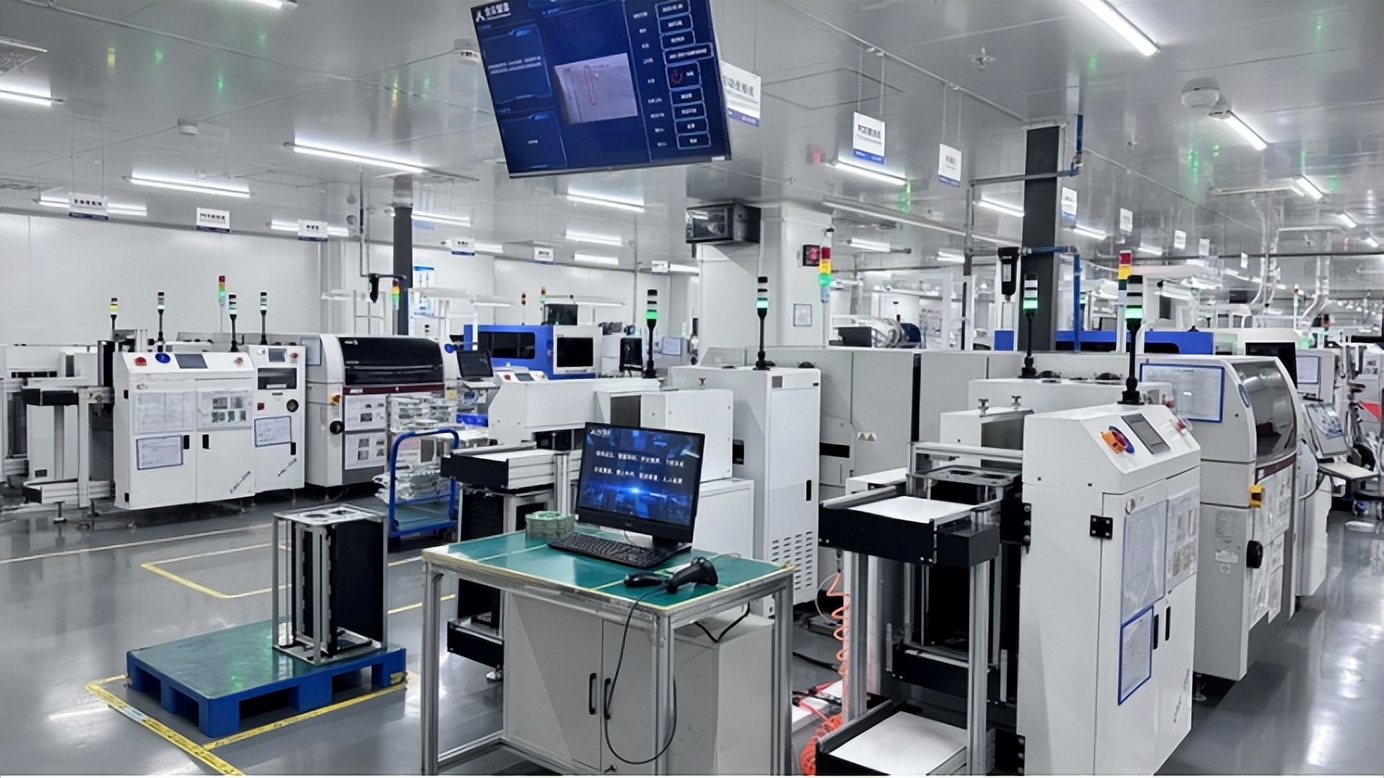
Operating from our advanced manufacturing facility, Bexora AI Systems (China) Co., Ltd. represents the next iteration of industrial supply chains. Built upon a 12-year industry footprint and 7 years of global export capabilities, our operation leverages a network of 860 upstream and downstream component partners. This hyper-integrated network allows us to secure access to critical parts, from physical chassis and server memory to high-frequency interconnect cables, minimizing supply chain vulnerabilities.
Our commitment to compliance starts on the factory floor. By incorporating advanced product life-cycle traceability systems, every server assembly, GPU module, and storage array card is tracked by serial number. This enables downstream enterprises to audit their hardware provenance, aligning with international regulations on supply chain governance and ensuring that no components originate from unsanctioned or unvetted sources.
| Compliance Vector | Manufacturing Standards | Enterprise Benefit |
|---|---|---|
| ISO 9001:2015 | 100% full inspection process | Consistent electrical and mechanical stability |
| Cryptographic Security | Hardware-Rooted TPM 2.0 Integration | Secure boot validations for GRC platforms |
| Thermal Resilience | Dynamic thermal stress & burn-in chambers | Prevent localized node failure in audit clusters |
| ESG Directives | RoHS and WEEE compliant sourcing | Simplified corporate carbon audits |
Visualizing our cleanroom assemblies, system level burn-in processes, and dynamic logistics coordination hubs.
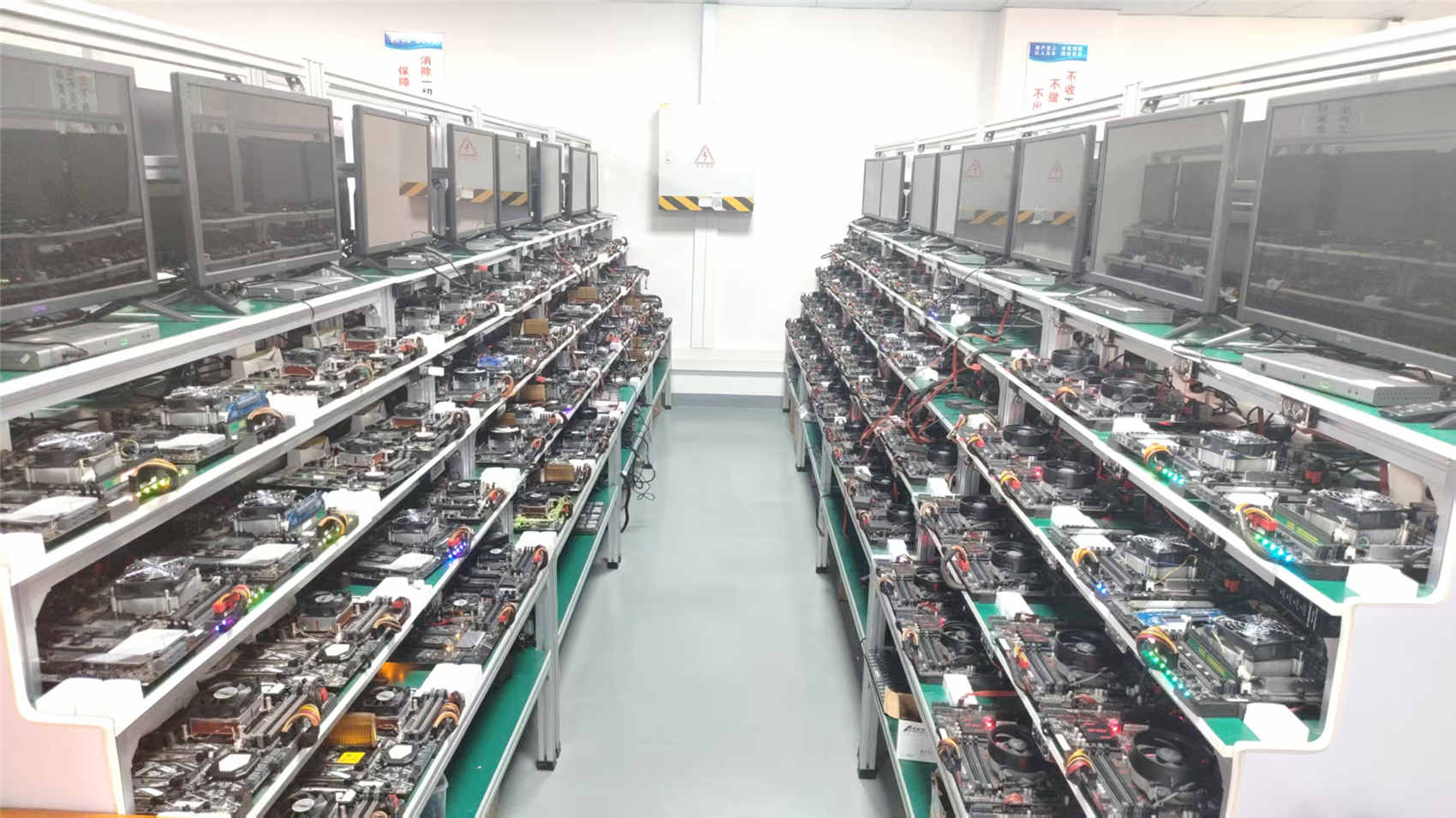

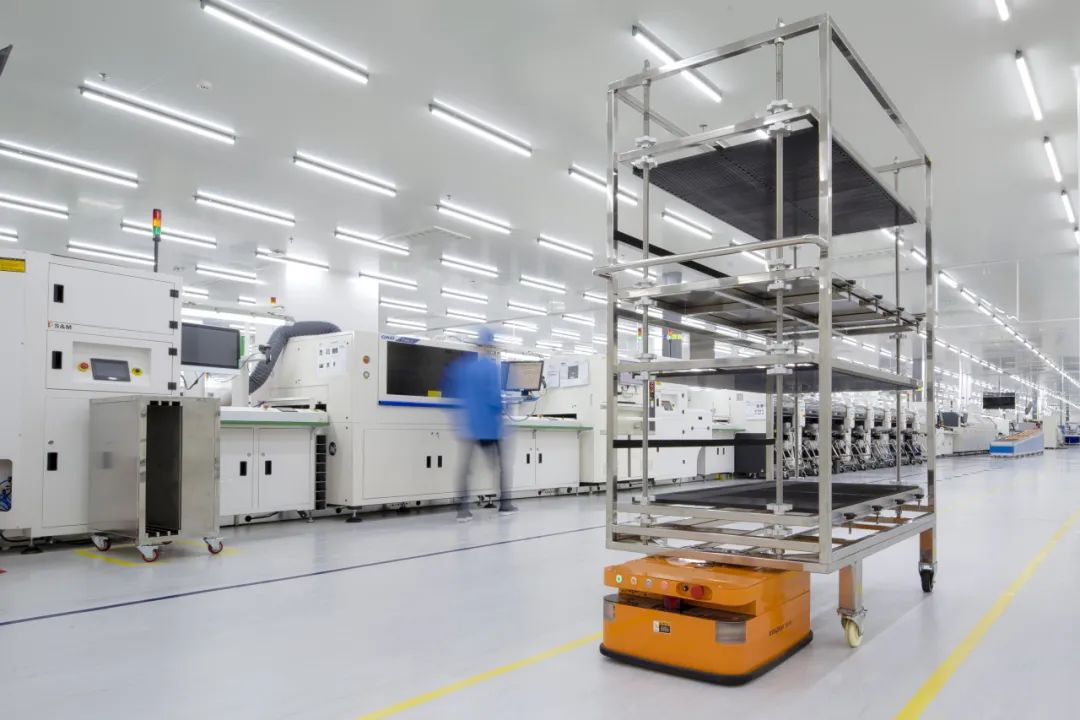

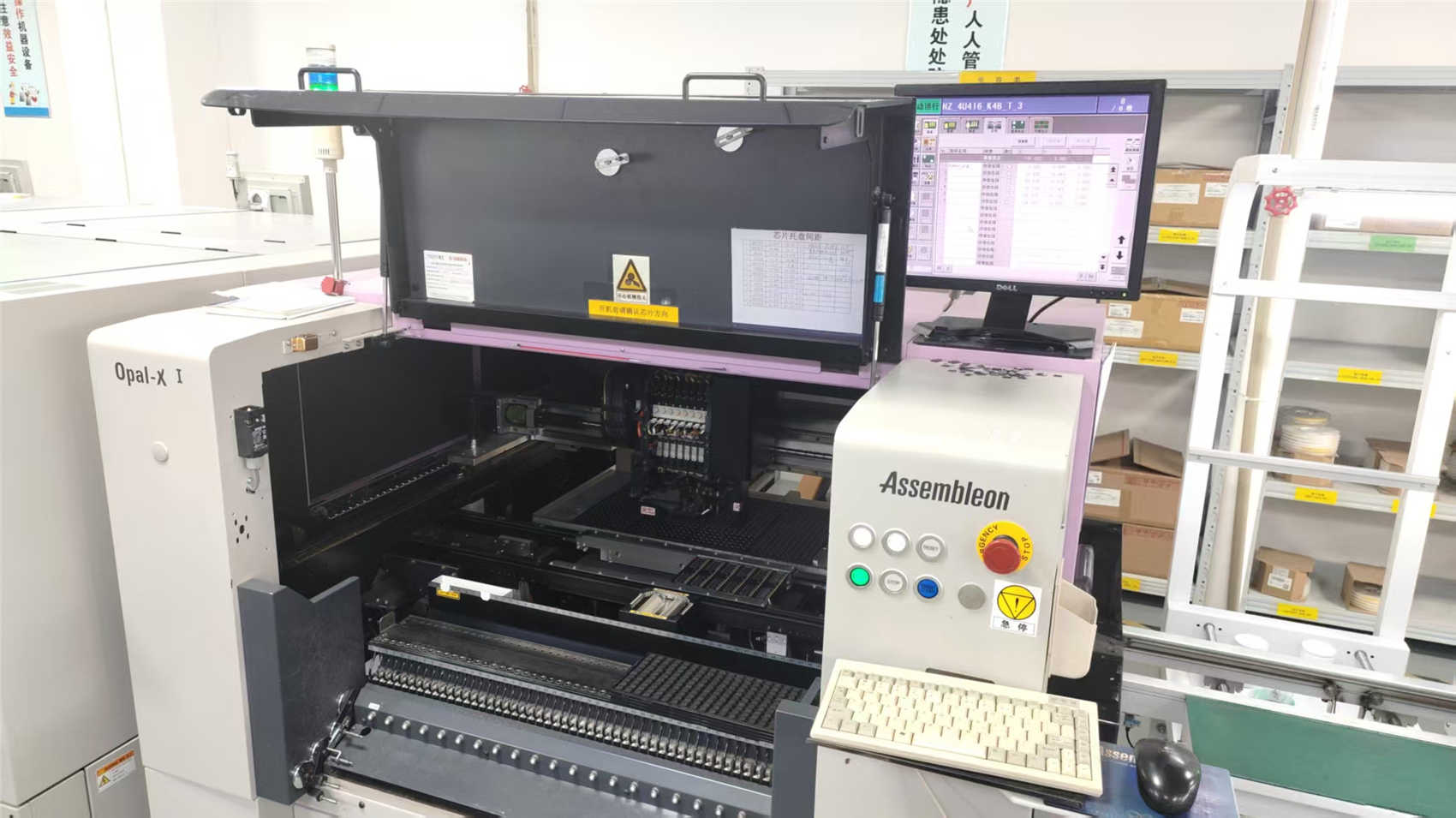
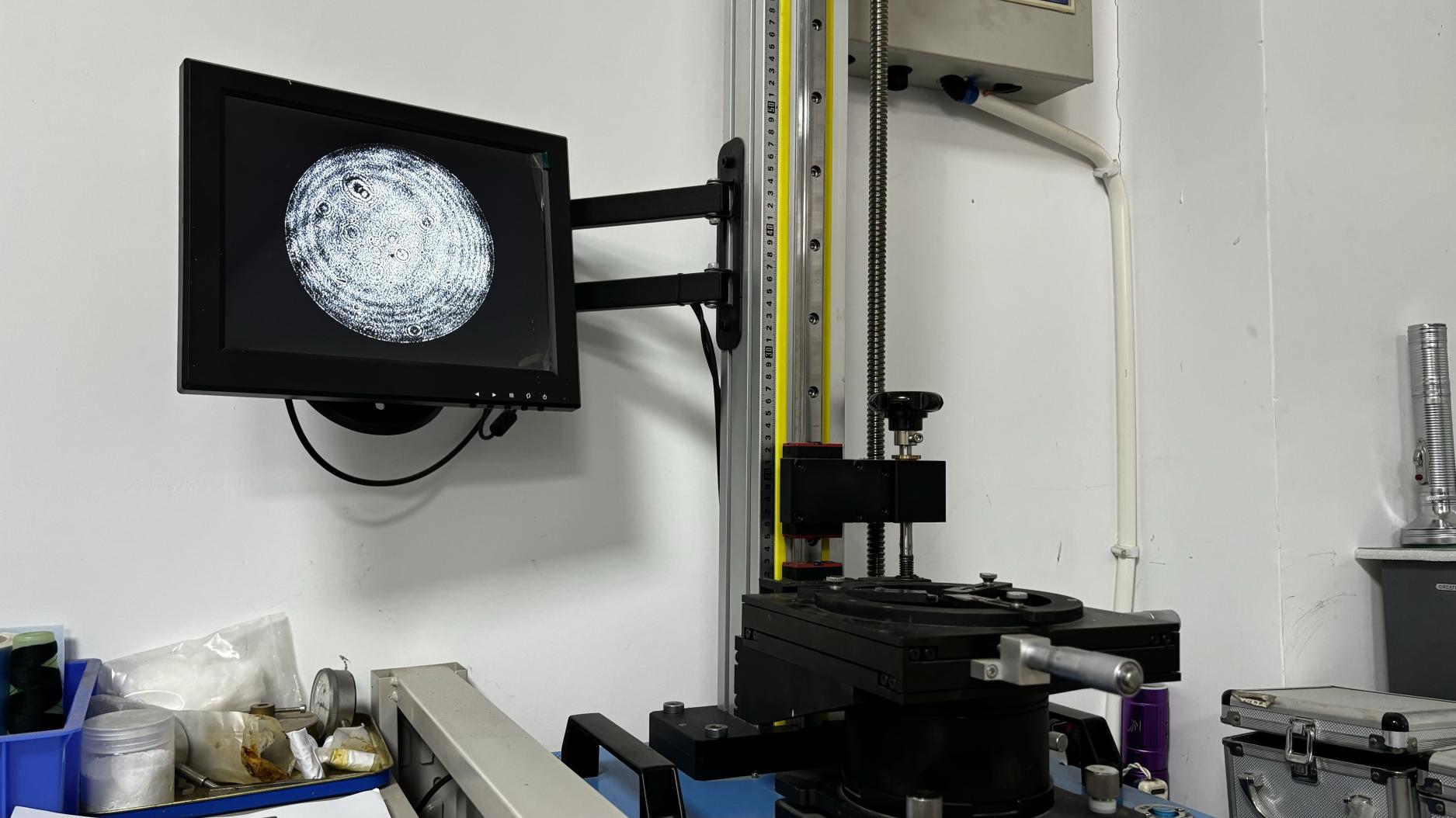

Detailing the engineering workflows executed by Bexora's 45-person QC department to guarantee continuous operation.
To operate reliably under critical AI workloads and massive compliance auditing operations, computing hardware must undergo comprehensive physical stress testing. At Bexora, our quality control process relies on 100% full inspection supplemented by random sampling reliability tests. We execute the following specific protocols:
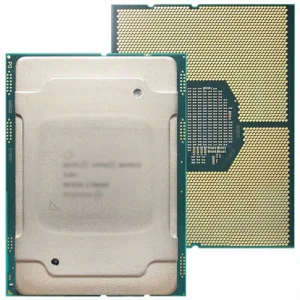
Every server model undergoes dynamic thermal chamber validation, subjecting the CPU and memory modules to ambient temperatures of up to 45°C under maximum processing load. This ensures the physical silicon integrity of components like the Xeon Gold series processors, preventing thermal throttling or premature node failure during critical corporate audit windows.
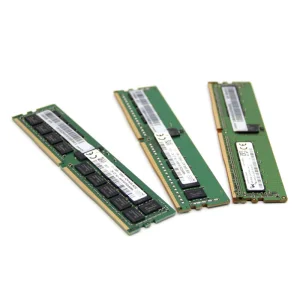
Using multi-angle camera arrays, our AOI systems inspect trace integrity on server motherboard backplanes and memory modules (e.g., DDR4 RDIMM systems). Any soldering or micro-fracture anomaly is automatically flagged and isolated, preventing latent errors that could cause data corruption during log file processing.
Before leaving the factory floor, every rack server is loaded with specialized testing firmware to simulate high-load database queries and parallel AI calculations. This ensures that memory banks, NVMe SSD storage subsystems, and PCIe controller cards interact without driver discrepancies under standard environments (e.g., Linux, Windows Server, VMware ESXi).
North America: Focuses heavily on SOC 2 physical security controls and encrypted storage arrays at rest. Requires automated encryption cards and quick-swap drives.
Europe: Prioritizes energy-efficient systems, requiring Titanium or Platinum-rated power supplies to meet carbon footprint directives, as well as localized storage to meet strict GDPR data isolation guidelines.
Asia-Pacific & Middle East: Focuses on rugged cooling architectures to handle high ambient temperatures in local data centers, coupled with hybrid hyperconverged nodes that consolidate compute and storage fields.
Addressing the key technical inquiries from global B2B procurement managers and data compliance specialists.
Compliance management tools process structured and unstructured log data across enterprise applications in real time. If the physical server layers experience input/output bottlenecks, real-time security alerts and audits will face delays, creating windows of regulatory exposure. Selecting systems with high-speed PCIe NVMe SSDs, large DDR4/DDR5 ECC RAM buffers, and multi-socket processors ensures GRC engines process log streams with minimal latency.
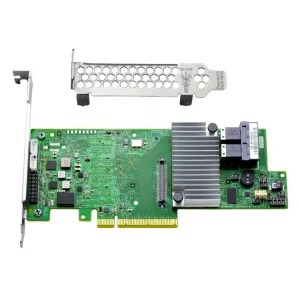
GDPR demands complete control over data privacy, transmission security, and access controls. Modern server hardware addresses this by integrating TPM 2.0 security chips, secure BIOS architectures, and silicon-anchored root keys. Furthermore, high-reliability PCIe RAID array cards prevent localized disk failures from causing data loss or service downtime, which violates availability guarantees under modern SLAs.
Bexora operates with 12 years of industry engineering experience and utilizes a strict quality control matrix. Our team of 45 QC professionals runs every server chassis through rigorous testing, including burn-in, thermal stress cycles, Automated Optical Inspection (AOI), and full system AI workload simulations. This multi-layered validation prevents unexpected component failure once installed in remote client data centers.
Yes. Bexora provides comprehensive OEM/ODM customization. This includes custom structural chassis designs, variable GPU configurations, liquid cooling integrations, and firmware adjustments (such as securing the BIOS configuration or pre-installing hardware tokens) to optimize performance for specific compliance tools or data mining applications.
Bexora is supported by approximately 860 partners across the upstream and downstream supply chain. This deep relationship ensures we maintain access to raw metals, custom plastic tooling, and specialized electronic components, ensuring consistent manufacturing throughput and prompt deliveries even during global chip supply disruptions.
Enhance the physical layer of your enterprise governance systems with compliant network interfaces and dense flash storage.