Bexora
Bexora
Bexora
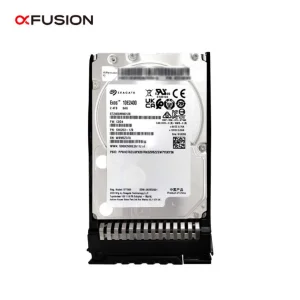
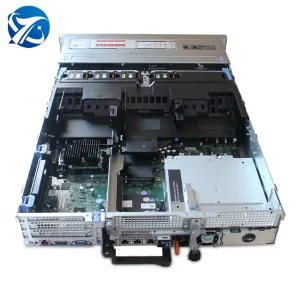
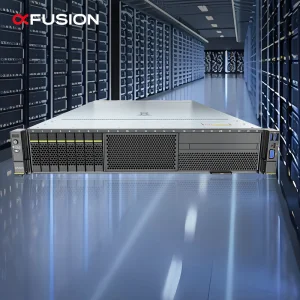
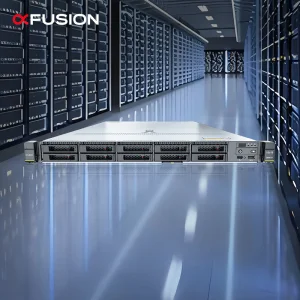
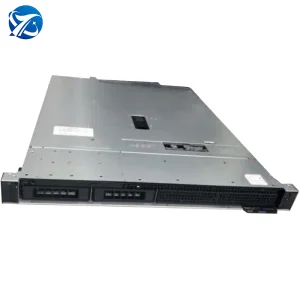
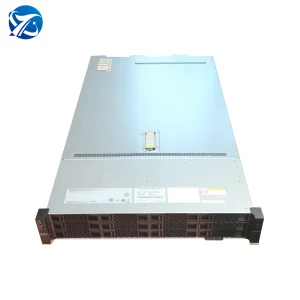
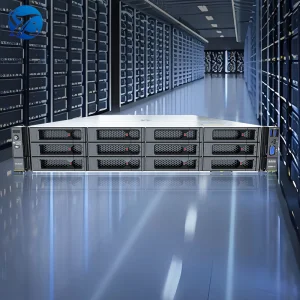
In the era of hyper-scale cloud deployments, intensive artificial intelligence (AI) workloads, and distributed edge computing, selecting a top trusted CPUs supplier is no longer just a procurement task—it is a critical pillar of enterprise IT strategy. The Central Processing Unit (CPU) remains the architectural anchor of the modern server ecosystem, orchestrating memory traffic, handling virtualization hypervisors, managing storage fabrics, and routing complex workloads to auxiliary accelerators like GPUs and TPUs.
As computational complexity escalates under modern frameworks like Large Language Models (LLMs), deep learning (such as the optimization of the DeepSeek system), and real-time data analytics, CPU architecture has evolved beyond raw clock speed. Today’s platforms emphasize multi-core efficiency, localized vector acceleration, built-in security features, and native high-speed PCIe Gen 5 and Gen 6 interfaces. Global data centers require processing units that guarantee maximum uptime, robust thermal resilience, and a secure supply chain framework to safeguard continuous operations.
The global processor landscape is characterized by a transition toward hybrid computing paradigms. Industrial, financial, and scientific sectors are experiencing an unprecedented surge in request volumes. High-Frequency Trading (HFT) platforms, database virtualization infrastructures, and containerized microservices depend heavily on CPU core density and L3 cache size to minimize application latencies.
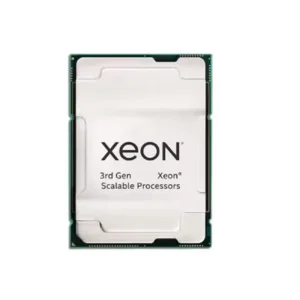
Currently, x86 architecture systems dominated by Intel® Xeon® and AMD EPYC™ processors still command the largest market share in standard enterprise applications due to their broad software ecosystems and legacy software backward compatibility. Concurrently, the rise of ARM-based custom silicon for cloud-native applications and the emergence of RISC-V for highly specialized edge architectures represent a shift in the global processor supply dynamics. Data centers are transitioning to high-density layouts where CPUs like the Intel Xeon Scalable series provide crucial instructions such as Intel AMX (Advanced Matrix Extensions) and AVX-512, which allow the CPU to execute certain AI workloads without relying entirely on discrete accelerator cards.
The silicon roadmap is driven by architectural breakthroughs designed to bypass physical transistor limitations (the twilight of classical Moore's Law). Key technologies shaping the next decade of enterprise processors include:
Computing demands vary widely based on the deployment environment and the localized requirements of the target application. Below is an overview of how tailored server CPUs function across distinct industrial scenarios:
| Application Scenario | Core CPU Requirement | System Architecture Focus | Example Server Deployment |
|---|---|---|---|
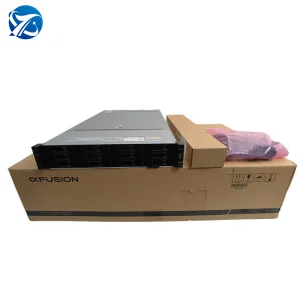
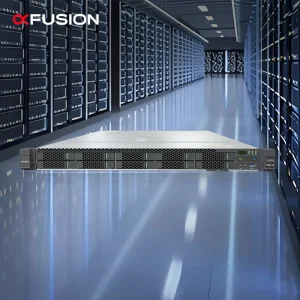
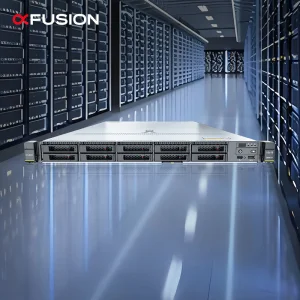
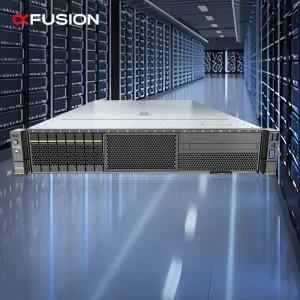
| Enterprise AI Inference | Matrix extension instructions (e.g., AVX-512, AMX), High core count | Optimized GPU-to-CPU lanes (PCIe Gen 5/6), large memory footprint | xFusion 2288H V7 / 2258 V7 Deepseek Systems |
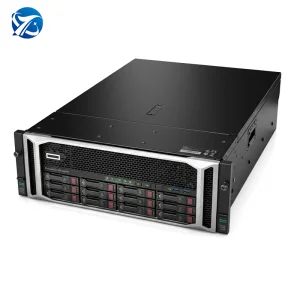
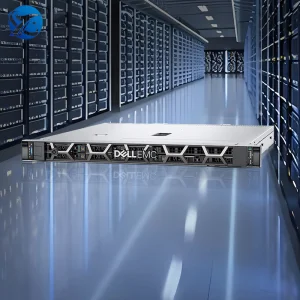
| Database Virtualization | High single-core clock speeds, vast L3 cache size | Multi-socket configurations, high-density DDR4/DDR5 RAM pools | Dell PowerEdge R960 (Intel Xeon, 64GB) |
| Industrial Edge Compute | Low TDP, robust thermal operating range, fanless compatibility | Compact form factor, localized hardware security module | 1U Workstation / Dell PowerEdge R260 |
| High-Performance Storage (NAS/SAN) | Dedicated PCIe lanes for storage controllers, integrated crypto engines | NVMe hybrid arrays, high-throughput network interfaces | FusionServer 2288H V5 / EP600 Series SSD Servers |
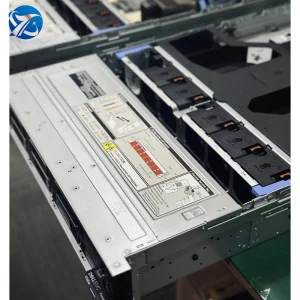
In enterprise setups like the Dell PowerEdge R760XD2, dual-socket processor designs allow operators to host localized virtual desktop infrastructures (VDI) and high-density software-defined storage (SDS) in the same chassis. Meanwhile, dedicated AI servers like the 2025 1288H V7 AI Deepseek system rely heavily on the CPU to manage system orchestration, offloading intensive vector calculations to GPUs while handling data pre-processing and system-level pipelines locally.
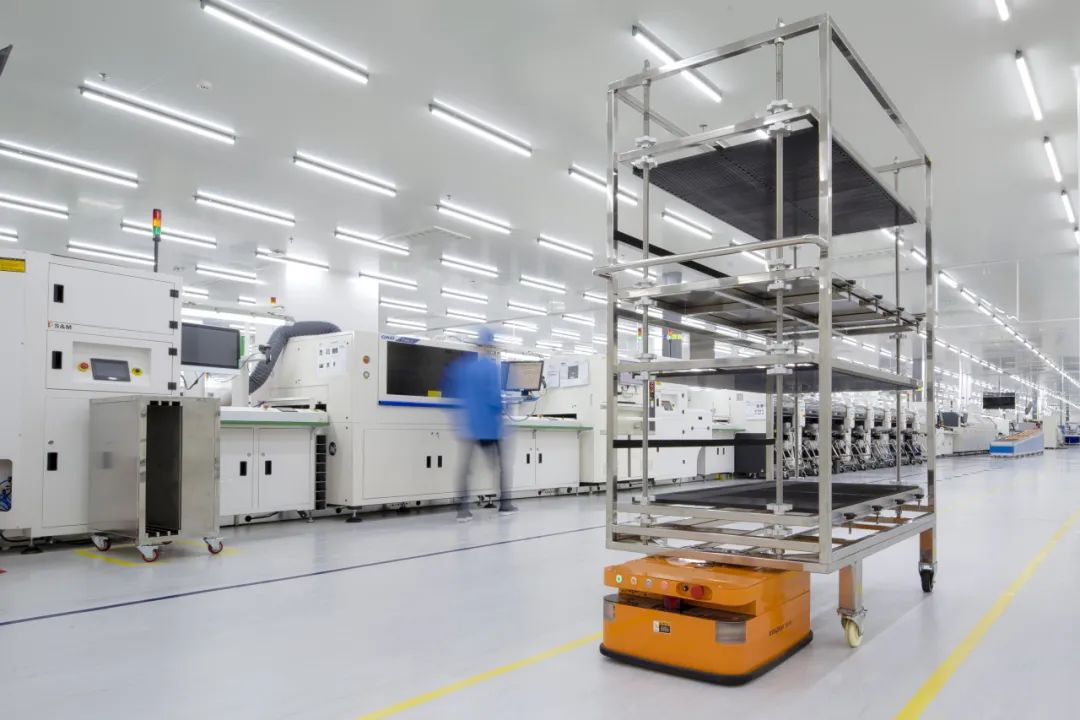
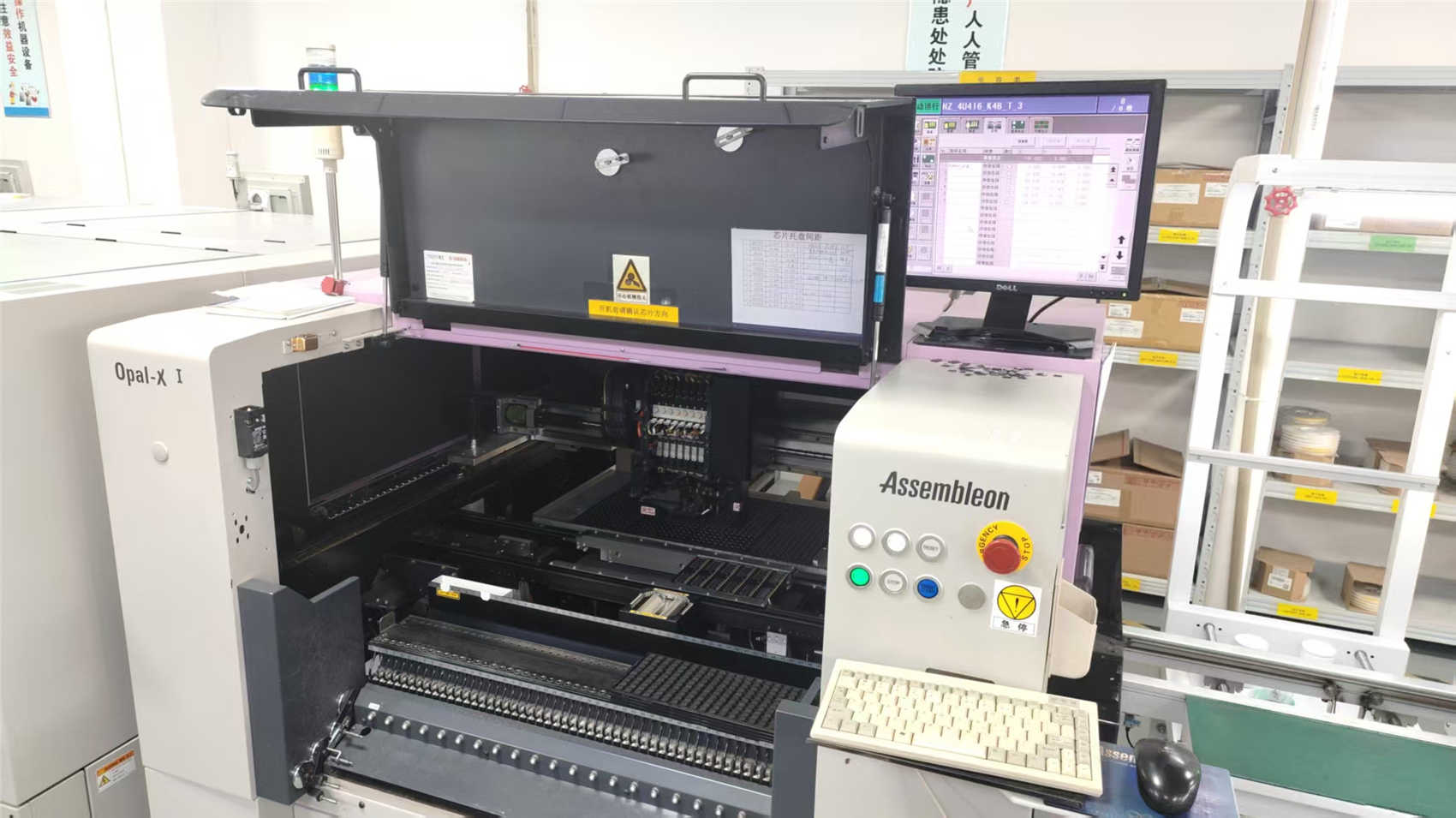
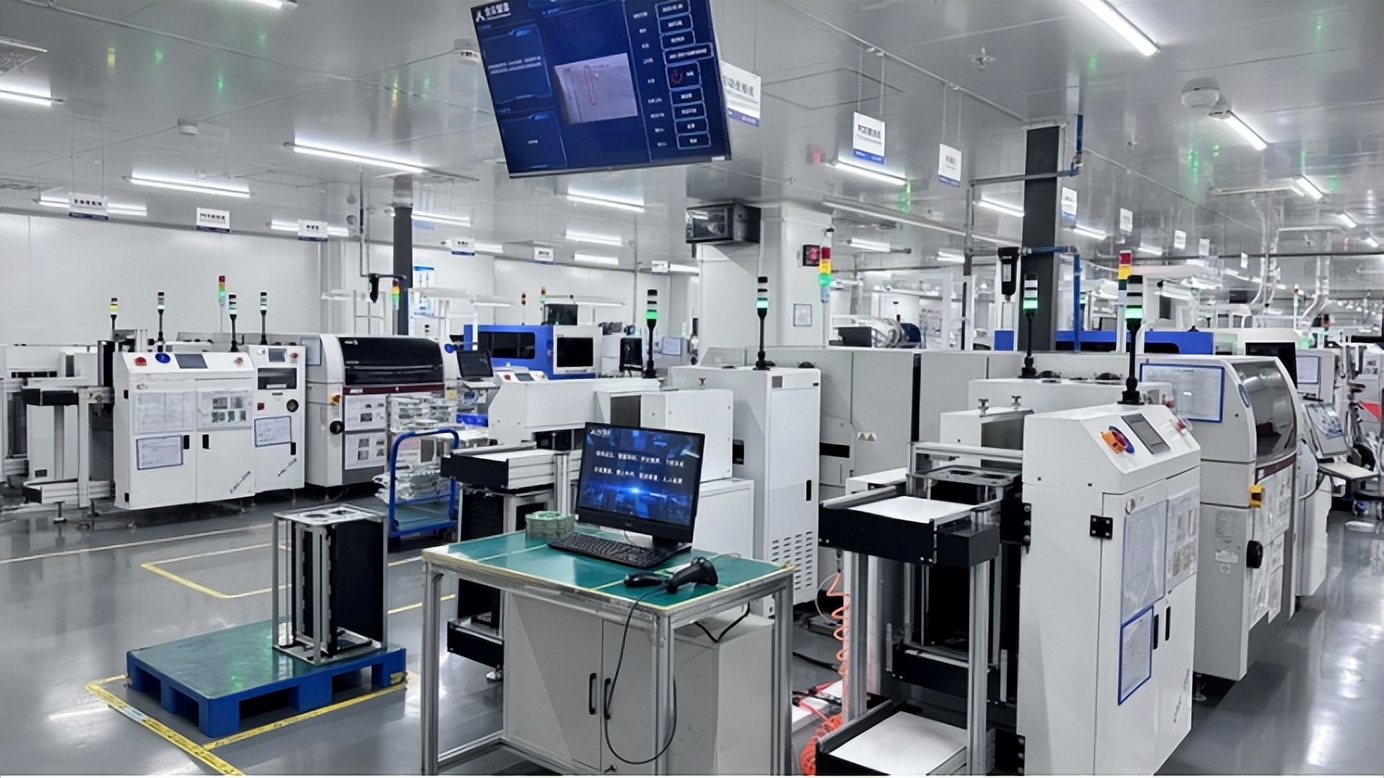
Bexora AI Systems (China) Co., Ltd. leverages the strength of China's advanced industrial and electronic manufacturing clusters. Established in 2016, Bexora operates a state-of-the-art 18,600㎡ production and system integration facility. Over the past 12 years of industry experience, we have built a highly resilient supply ecosystem, forging partnerships with approximately 860 upstream and downstream partners globally.
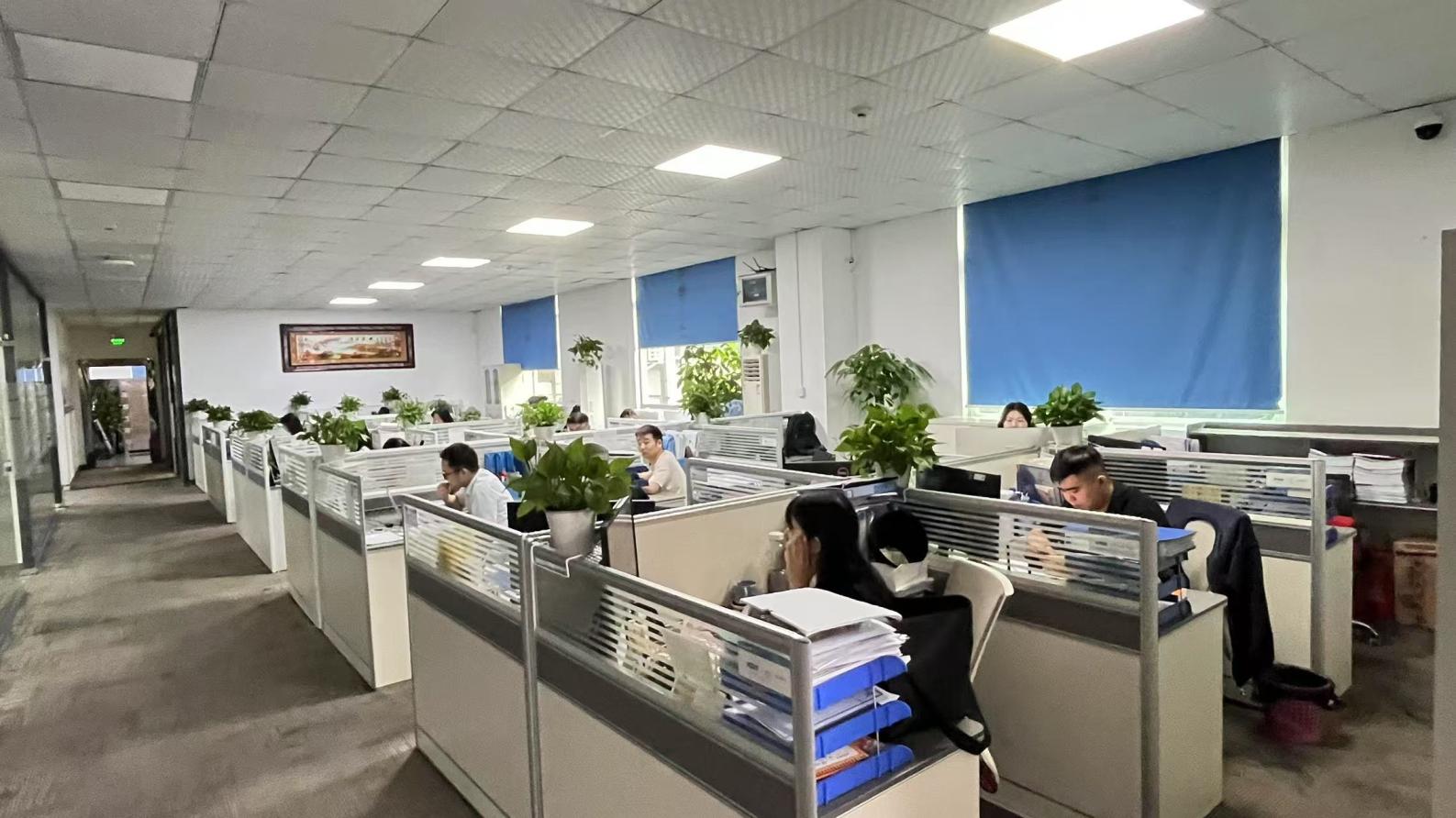
This massive network ensures that critical server sub-components, chassis systems, high-frequency PCB layers, advanced power supply units, and cooling solutions are constantly in stock or rapidly procurable. Our OEM/ODM capabilities allow international buyers to order tailor-made chassis structural layouts, flexible CPU configurations, and optimized liquid cooling blocks. With a dedicated engineering team of 160 R&D experts, we rapidly prototype, iterate, and roll out high-performance equipment—exemplified by our introduction of 120 models and system iterations in the last fiscal year alone.
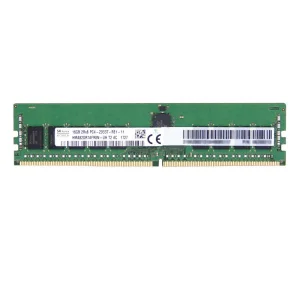
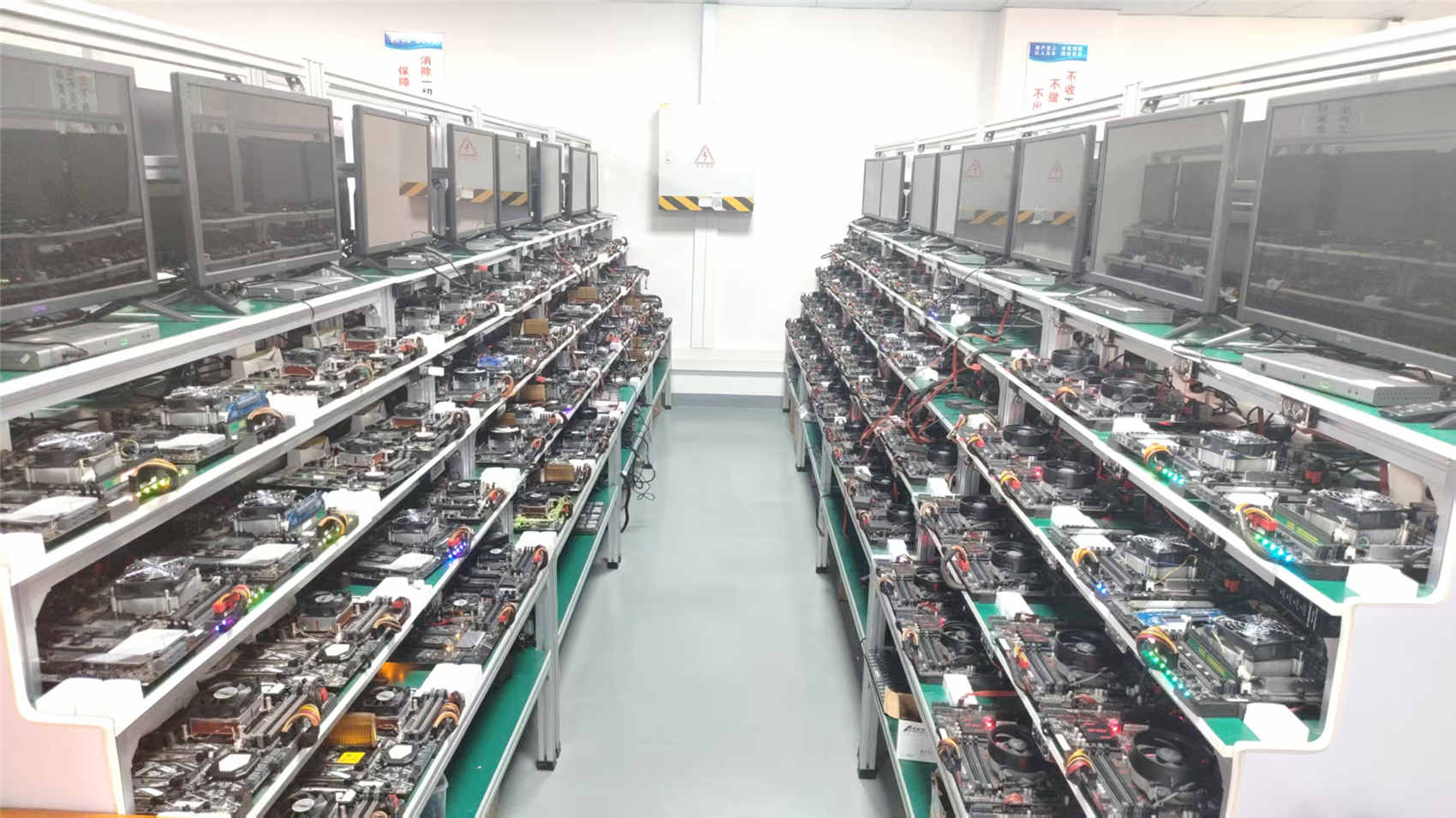
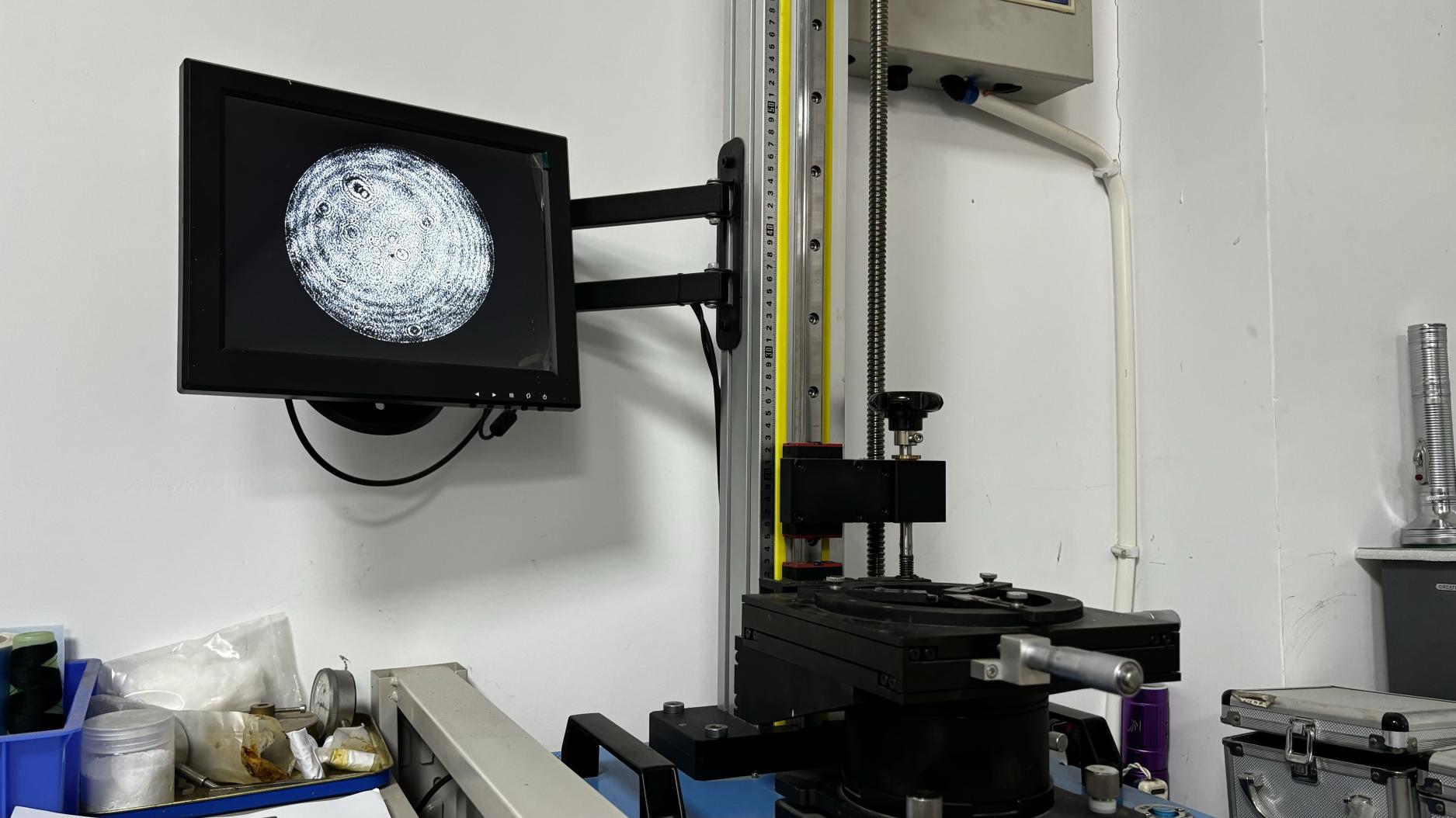
Reliability is the cornerstone of Bexora’s systems deployment. To support high-load AI workloads and demanding data center installations, our 45-professional QC team enforces a stringent 100% full inspection regime backed by random sampling reliability tests. Every processor, memory module, and server chassis must pass through a strict testing pipeline:
Bexora provides comprehensive localization support for our main markets in North America, Europe, Southeast Asia, and the Middle East. All products comply with major global trade standards, including CE, FCC, RoHS, and UL safety certifications. We provide our global partners with remote diagnostic support, extended multi-year warranties (up to 3 years), and physical custom configurations to meet country-specific electrical grid and safety requirements.