Bexora
Bexora
Bexora
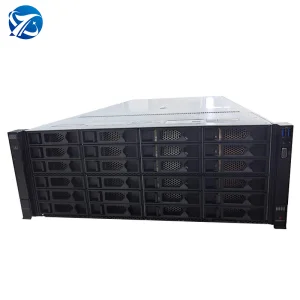
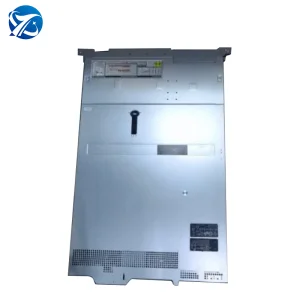
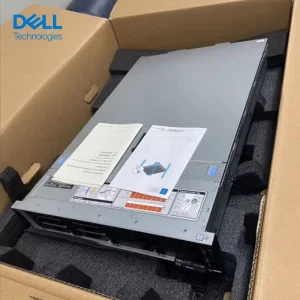
Modern enterprise data analytics demands massive computational processing power. While software parses the algorithms, physical hardware platforms—specifically high-density GPU/CPU servers, high-speed ECC RDIMM memory, and enterprise SAS RAID storage array systems—form the back-end engines that drive real-time intelligence. As a premier Chinese manufacturer, Bexora AI Systems engineered these systems to deliver unmatched throughput for global markets.
Explore our elite selection of data servers and memory configurations engineered to handle petabyte-scale analytics and AI workloads.
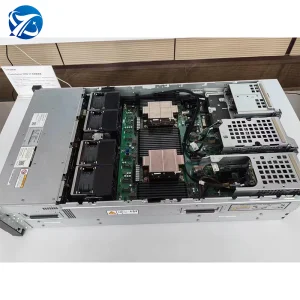
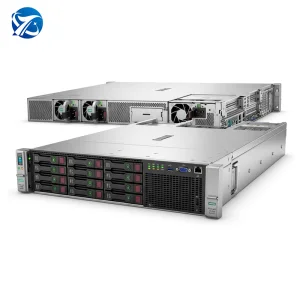
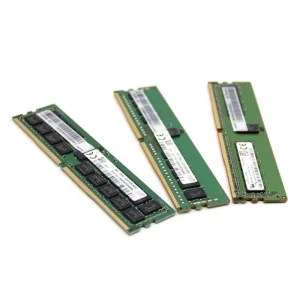
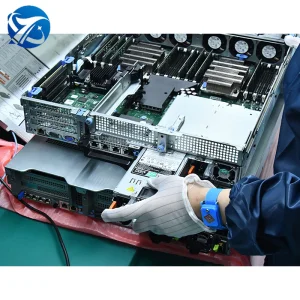
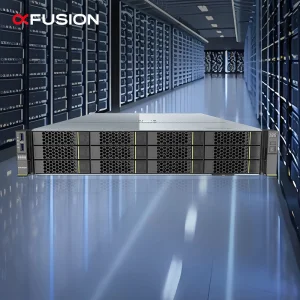
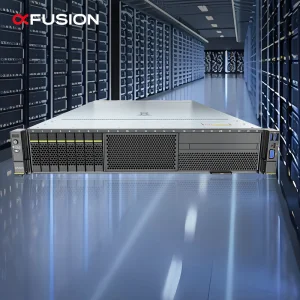
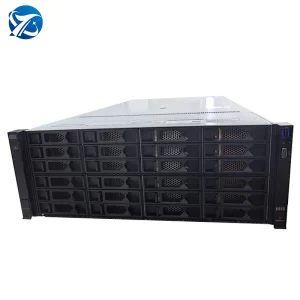
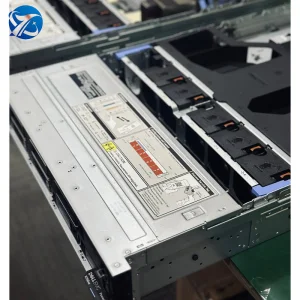
High-density server architecture constitutes the hardware backbone of international AI and enterprise data analytics.
Enterprise data analytics scales rapidly past single-node capacities. Global corporations in North America, Europe, and Asia-Pacific require computing nodes capable of low-latency ingestion. Distributed SQL databases, Hadoop ecosystems, and LLM orchestration (like DeepSeek integrations) rely on servers designed for raw I/O performance.
Modern data pipelines use CPUs for control tasks and memory indexing, while offloading vector transformations and tensor analytics to dedicated GPU accelerators. This heterogeneous computing architecture requires servers with robust PCIe bus setups to maximize throughput and eliminate bottlenecks.
Building high-performance data systems requires dynamic supply chain coordination. We leverage relationships with more than 860 domestic and global component manufacturers to secure allocation for GPU chipsets, high-frequency DDR5 RDIMMs, SAS controllers, and high-density chassis panels.
As physical analytics hardware advances, our engineering department outlines key trends for the next generation of data architectures.
PCIe Gen 5 offers double the bandwidth of Gen 4, yielding faster throughput between CPUs and accelerators. Integrating NVMe-over-Fabrics (NVMe-oF) directly onto the hardware controller interface minimizes cluster latency, allowing remote storage arrays to perform similarly to local drives.
As server component thermal output exceeds 350W per processor and 700W per GPU, standard fan-cooling configurations face limits. Future rack designs will feature closed-loop liquid cooling manifolds, allowing servers to run at maximum compute capacity without throttling.
DDR5 RDIMM modules running at speeds up to 6400MT/s reduce data bottle-necks in memory-bound databases. Built-in Error Correcting Code (ECC) algorithms identify and resolve single-bit memory faults, preventing system crashes during critical analytics runs.
Modern analytics requires run-time inference of generative models. Modern servers feature pre-optimized microcode and bios setups designed for rapid weight loading, maximizing token-generation performance for platforms like DeepSeek.
Our hardware platforms are engineered to solve high-density processing challenges across major industries.
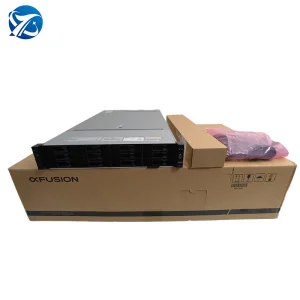
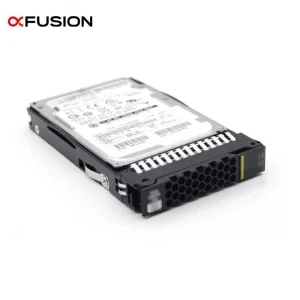
Financial institutions process millions of real-time transactions. By combining Dell PowerEdge and xFusion server systems with high-IOPS SAS arrays, companies can run predictive market models and fraud detection routines with sub-millisecond latencies.
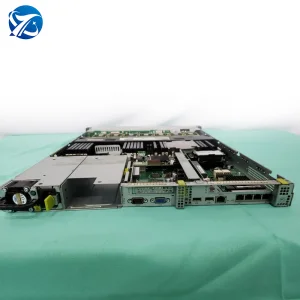
Edge analytics nodes deployed in factories collect real-time data from vibration sensors, cameras, and PLC networks. Using short-depth, high-durability server units ensures stable performance in harsh environment conditions.
Processing genomic sequences requires high-density storage and massive compute pools. Dual-socket systems configured with 256GB RAM and dedicated hardware RAID accelerators reduce multi-day sequencing tasks to a few hours.
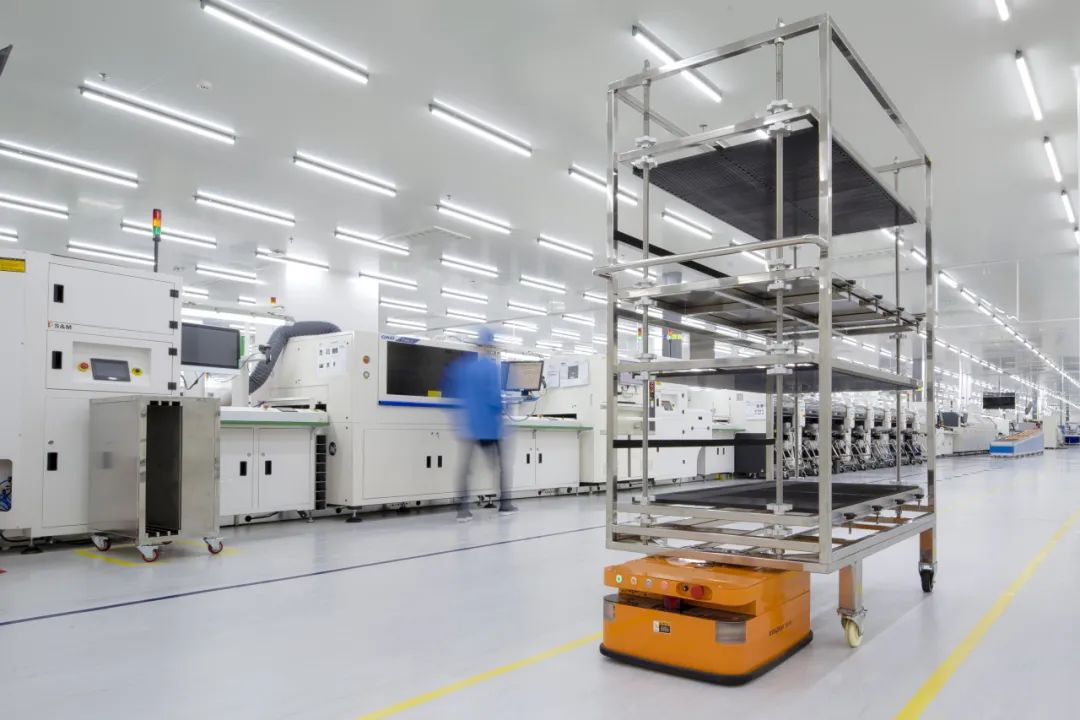
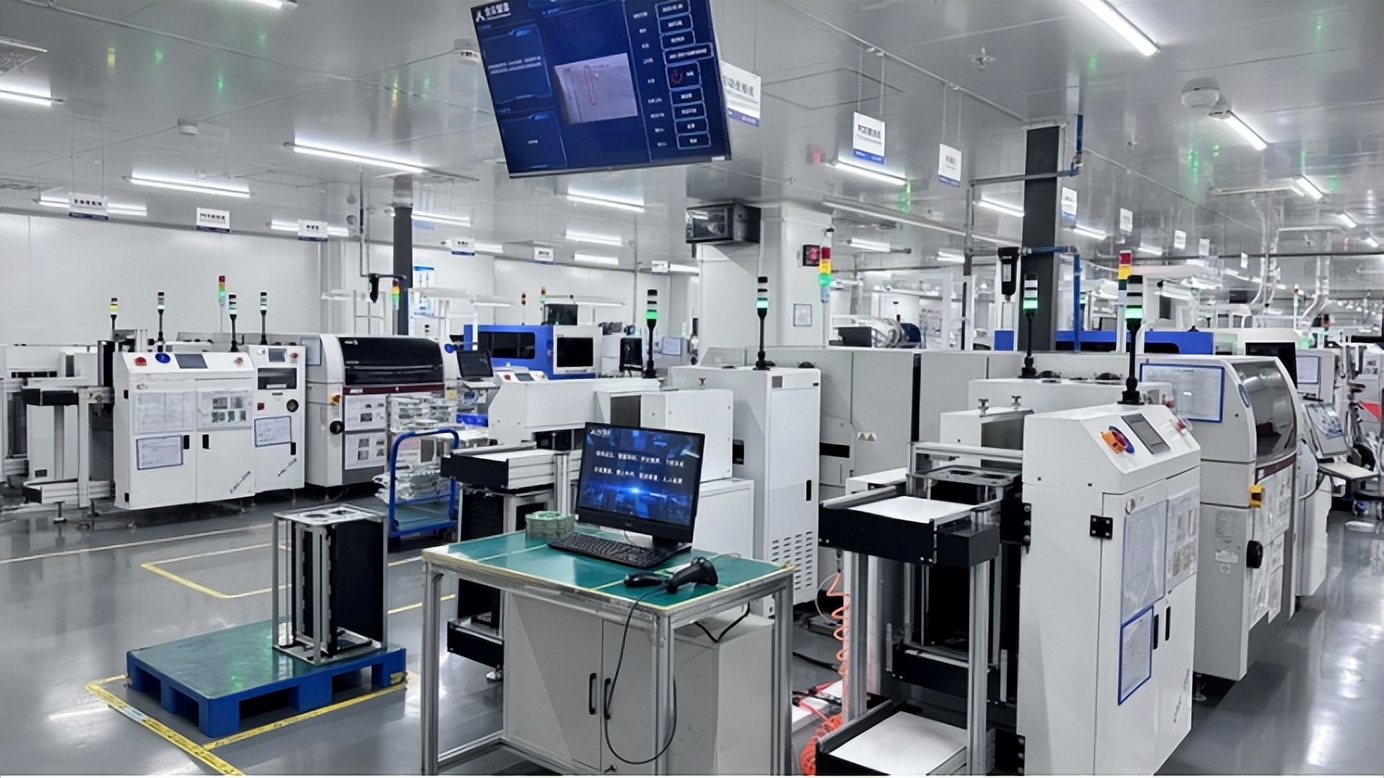
Industry-leading production facilities, rigorous quality controls, and customized hardware engineering.
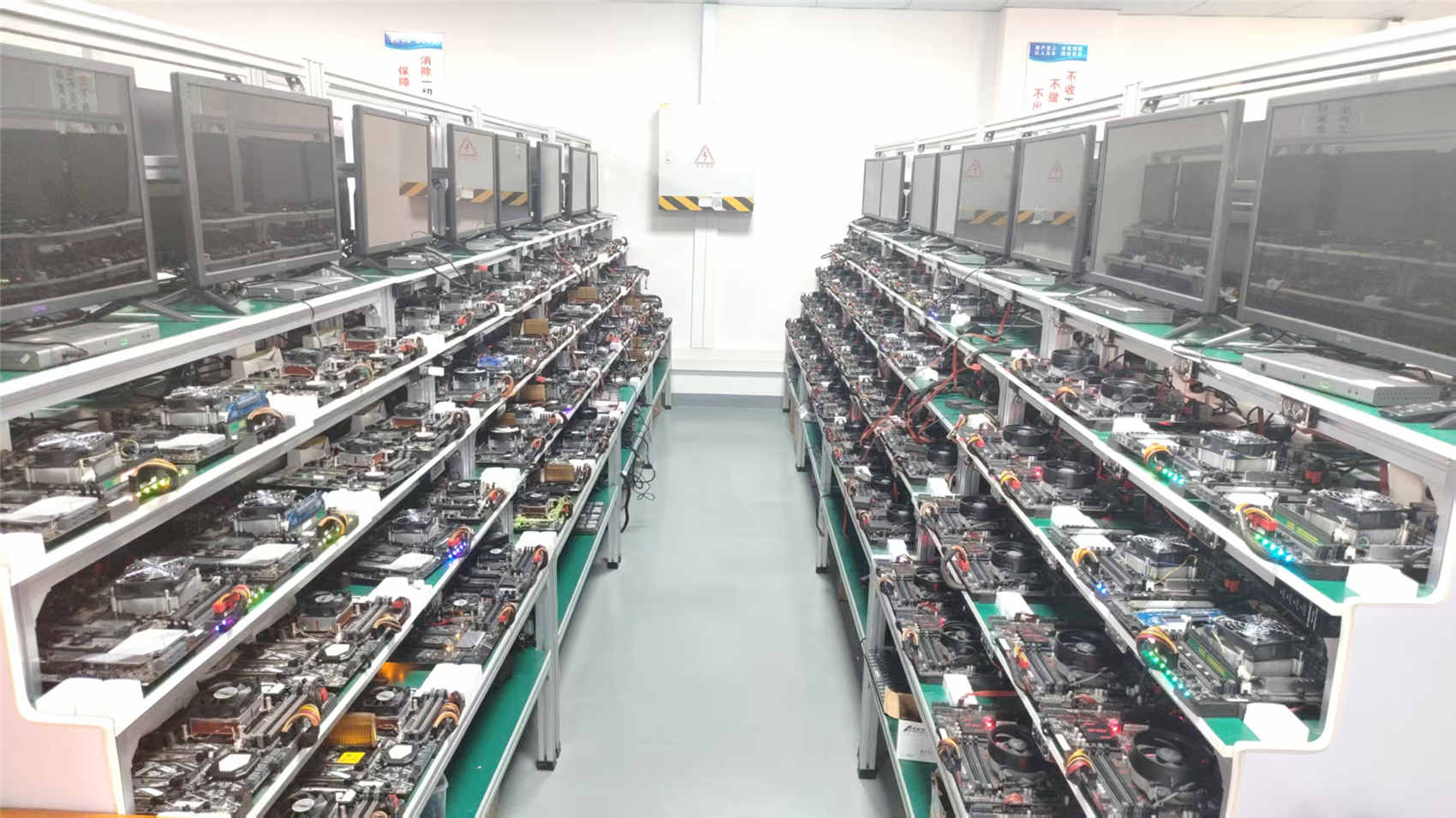
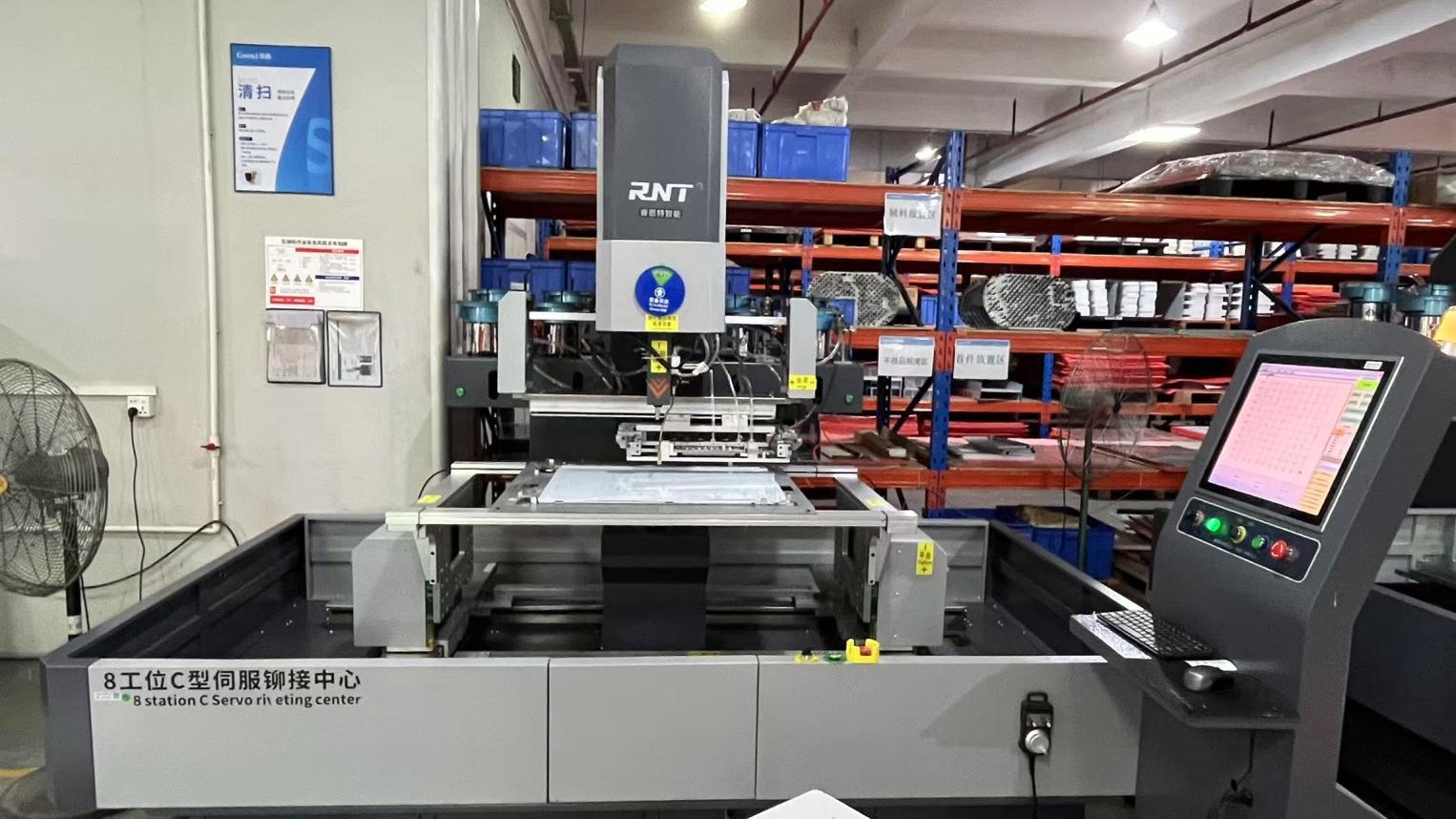
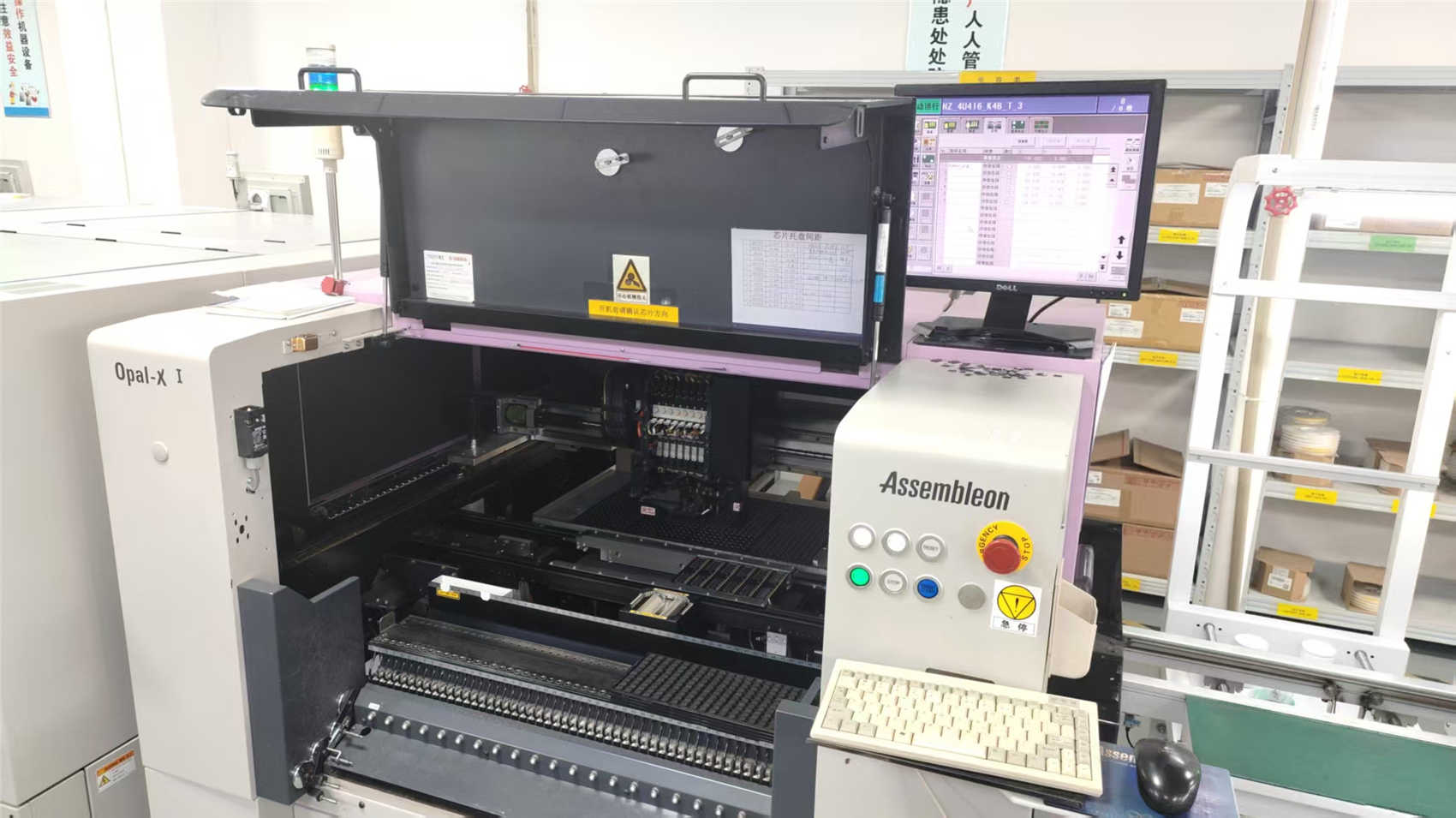
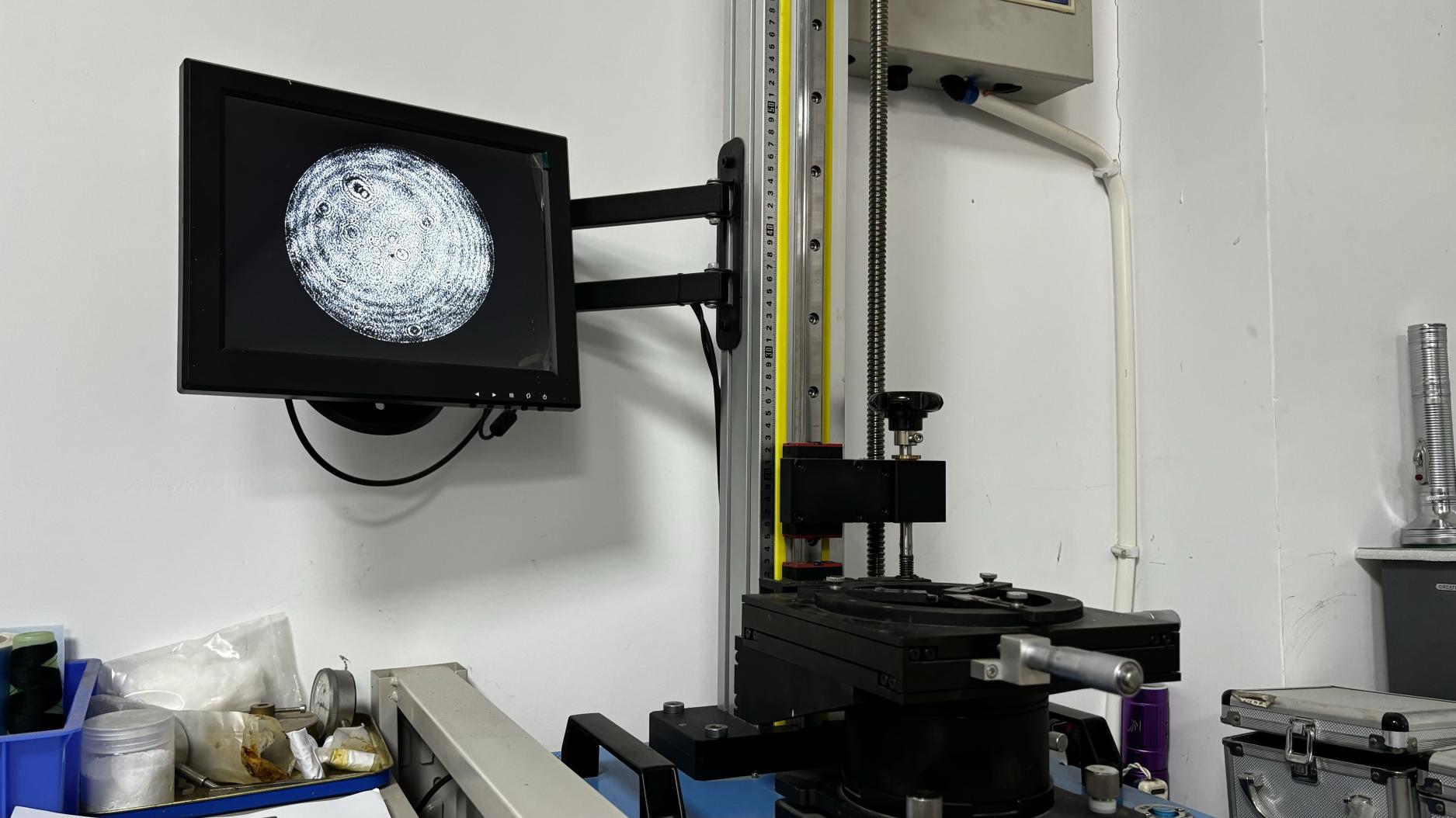
To guarantee system reliability under heavy workloads, we deploy a team of 45 quality assurance specialists. We conduct 100% full inspections paired with random sampling reliability testing. Testing stages include long-duration burn-in chamber evaluations, thermal stress tests up to 55°C, Automated Optical Inspection (AOI) for PCB solder joints, firmware validation, and full system simulated AI training sweeps.
Through our flexible OEM and ODM services, we adapt physical servers to fit specific customer configurations. We offer structural modification of the server chassis, custom backplane wiring routing, optimized power delivery setups, custom BIOS firmware tuning, and pre-integrated thermal systems suited for your specific data center environment.

Get answers to critical hardware architecture questions from our engineering support team.
Array cards utilize dedicated hardware processors (like the SAS3908 controller) and onboard cache memory (e.g., 4GB) to offload RAID parity calculations from host CPUs. This architecture ensures high-throughput SAS/SATA performance at up to 12Gb/s, reducing read/write latencies during heavy datastore queries.
Error-Correcting Code (ECC) Registered DIMM (RDIMM) memory features a register that buffers address and command signals. This design reduces electrical loading on the memory controller, allowing systems to support more memory modules while identifying and correcting single-bit data errors on the fly.
Short-depth servers fit inside shallower, space-constrained racks, making them ideal for edge locations, branch offices, and mobile telecom stations. They provide high-performance compute and storage capabilities without requiring deep, standard data center server racks.
We load-test our systems with AI model pipelines, validating PCIe lanes and ensuring proper air/liquid thermal dissipation. This design helps minimize performance throttling when processing high-density model workloads.
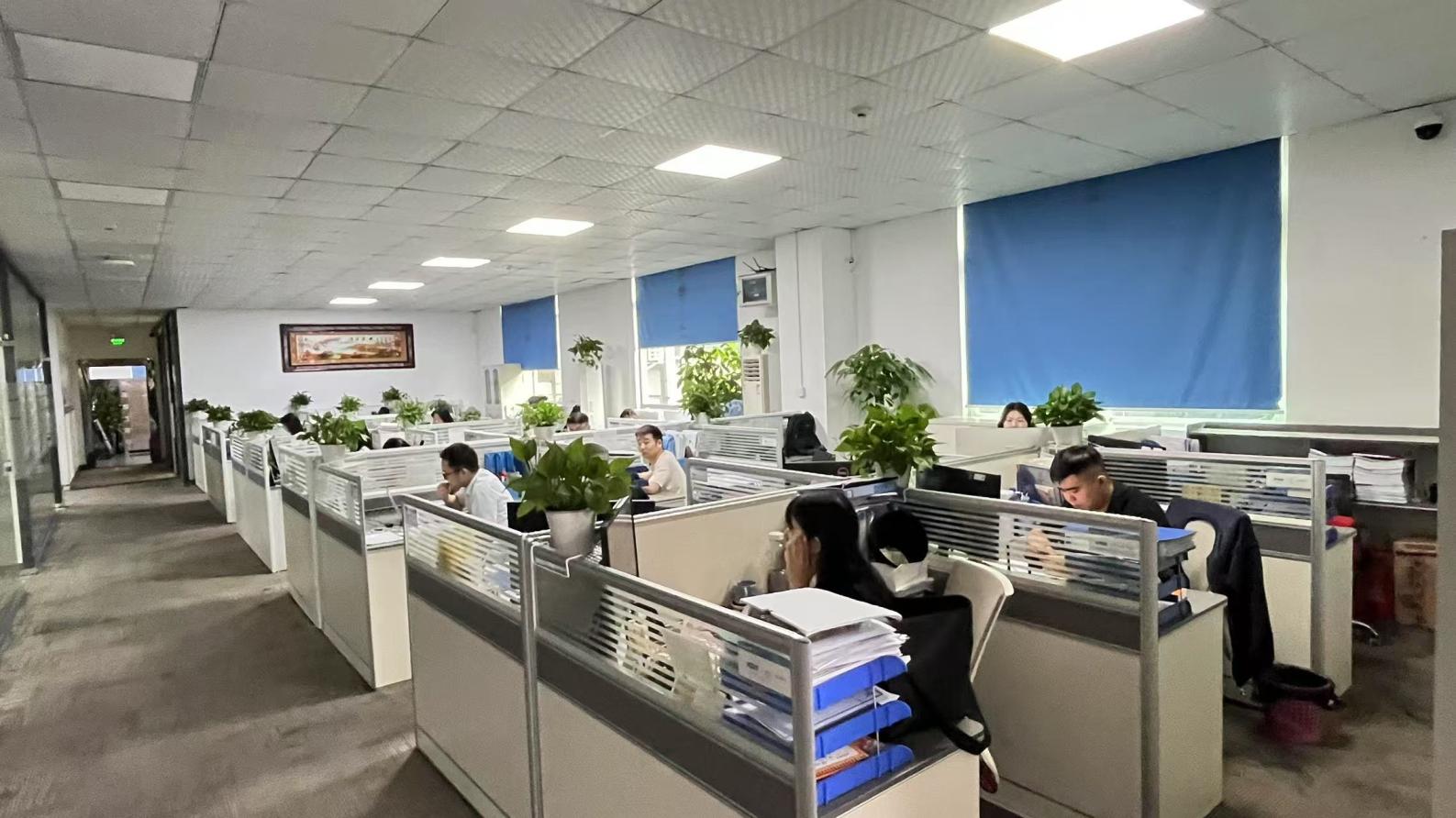
Our engineering process begins with architectural mapping, followed by chassis thermal modeling, motherboard layout design, and bios/firmware customization. We then build prototypes, test them under full operational loads, and scale up to volume production once qualified.
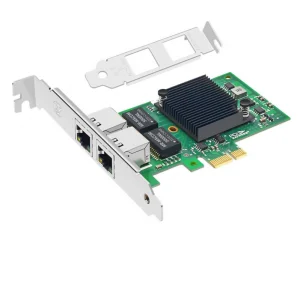
Upgrade your existing system architectures with high-performance expansion cards, storage drives, and computing modules.