Bexora
Bexora
Bexora
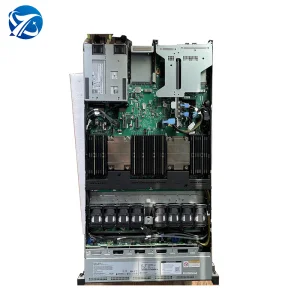
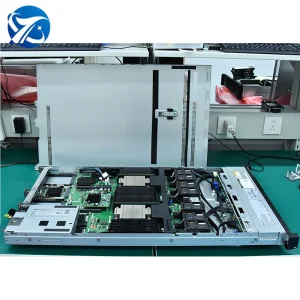
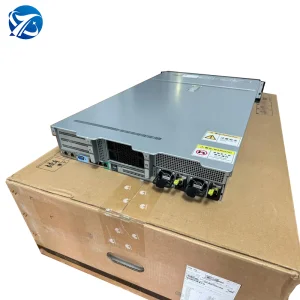
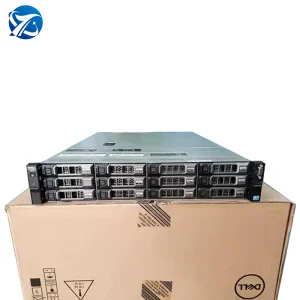
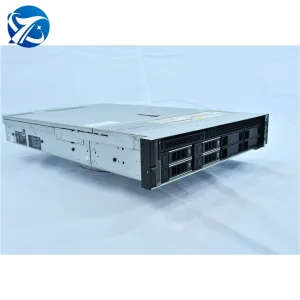
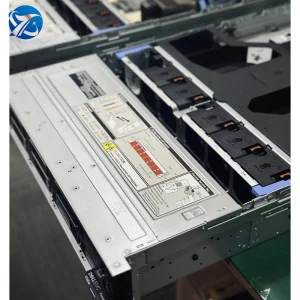
In modern hyper-connected markets, application downtime is no longer just an operational inconvenience; it is a critical threat to enterprise viability. Organizations across financial services, healthcare networks, industrial automation, and deep learning fabrics depend on High Availability (HA) systems to guarantee absolute continuous operation. True High Availability refers to the elimination of Single Points of Failure (SPOFs) through hardware redundancy, hot-swappable sub-systems, real-time failover processes, and rigorous environmental stress isolation.
As global workloads scale toward hybrid environments, the demand for enterprise-grade network cards, advanced PCIe RAID controllers, and dual-socket node configurations has skyrocketed. High availability structures are designed to deliver "Five Nines" (99.999%) reliability. This mathematically translates to a maximum of only 5.26 minutes of unplanned downtime per calendar year. Attaining this benchmark requires precision hardware manufacturing, specialized thermal dissipation management, and rigorous quality check validations that exceed traditional computing limits.
Complete component-level redundancy. Our server systems isolate failure nodes automatically, routing operations through hot-swap backups without latency loss.
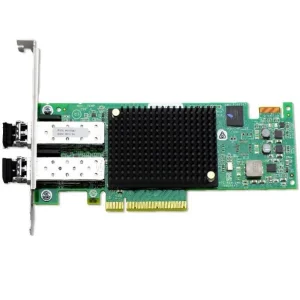
Real-time transaction synchronization utilizing dual-port Fibre Channel HBAs (Host Bus Adapters) to sustain multi-path I/O transfer dynamics.
Embedded sensors monitoring temperature variance, power draw anomalies, and hardware read/write cycle degradation before failure manifests.
The rapid deployment of Large Language Models (LLMs) and Deep Learning pipelines has shifted the parameters of High Availability server design. Traditional load balancing architectures are insufficient when managing high-density GPU training arrays. In an AI cluster, a single node loss can invalidate weeks of training operations. AI-focused infrastructure requires deep integration between high-bandwidth storage networks, GPU interconnects, and fault-tolerant server designs.
To address these compute-intensive realities, companies like Bexora AI Systems manufacture compute clusters that incorporate:
Our server integration aligns physical hardware durability directly with the application layers, giving platforms running AI training models maximum operational stability.
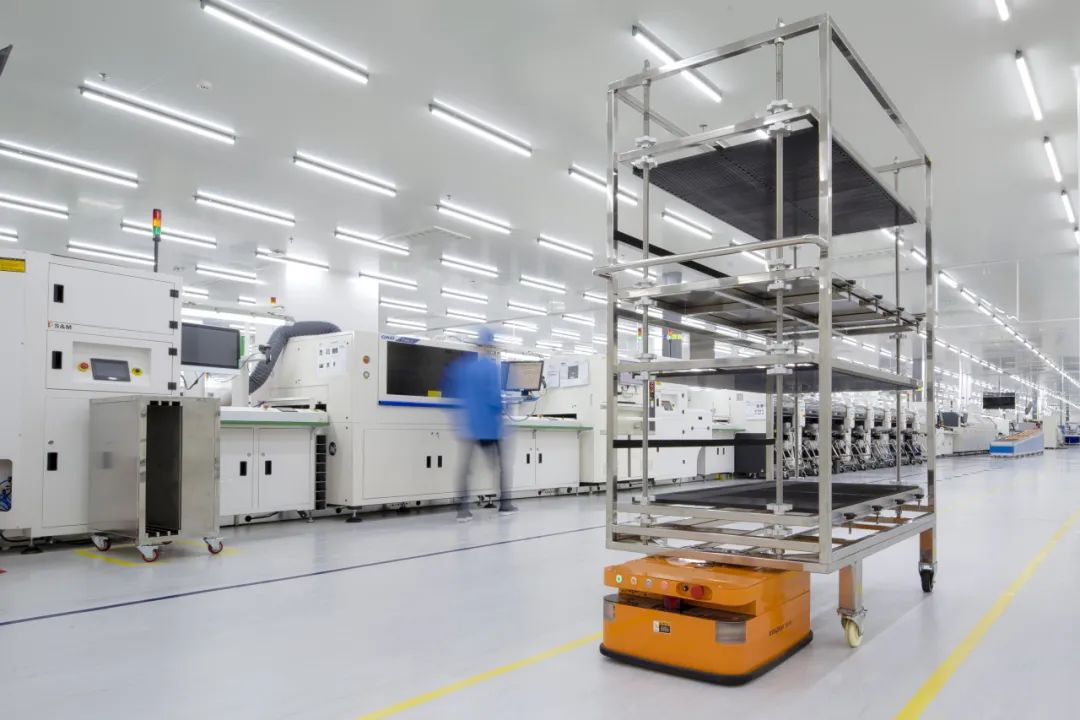
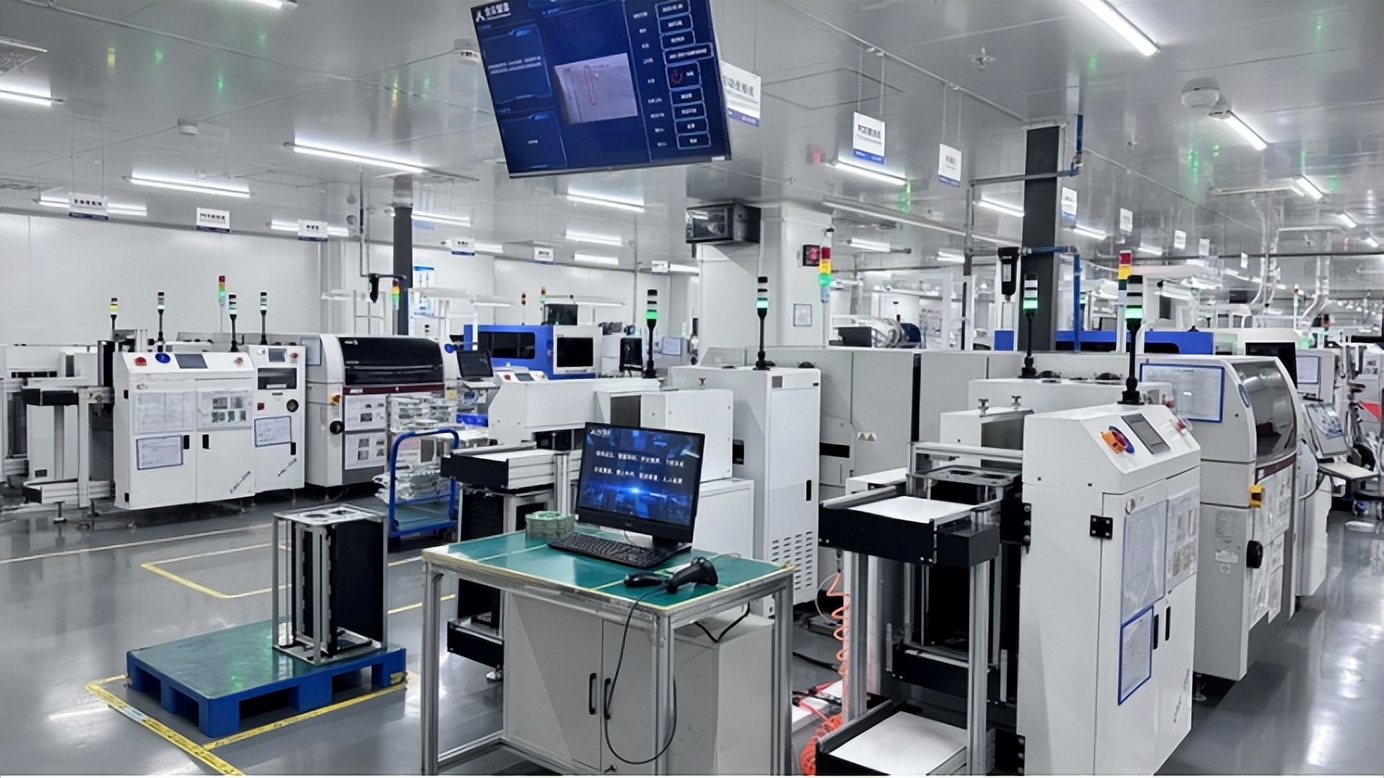
Established in 2016, Bexora AI Systems (China) Co., Ltd. has evolved into a key manufacturer of AI GPU servers and high-performance computing (HPC) hardware. Operating out of an 18,600㎡ manufacturing complex, we manage complex hardware development projects spanning structural custom work, high-performance thermal tuning, and component-level architecture configuration.
With over 12 years of core industry experience and 7 years of active global export success, Bexora has established a highly robust production line. We support:
We provide full OEM/ODM options, customizable server chassis layouts, custom GPU distribution configurations, and integration for liquid-cooled systems.
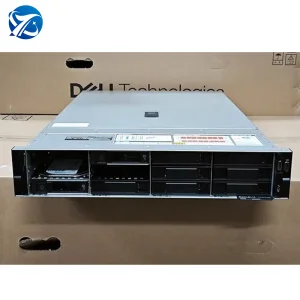
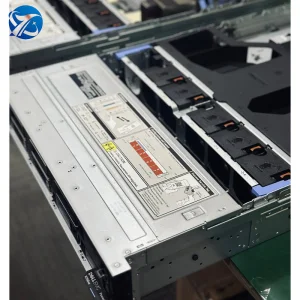
Hardware optimization for dual-socket motherboard layouts, hot-swappable fans, redundant power supplies (PSUs), and specialized SAS/SATA configurations.
With an R&D engineering group of 160 specialists, Bexora launched 120 server models and hardware iterations last year alone to meet evolving industry needs.
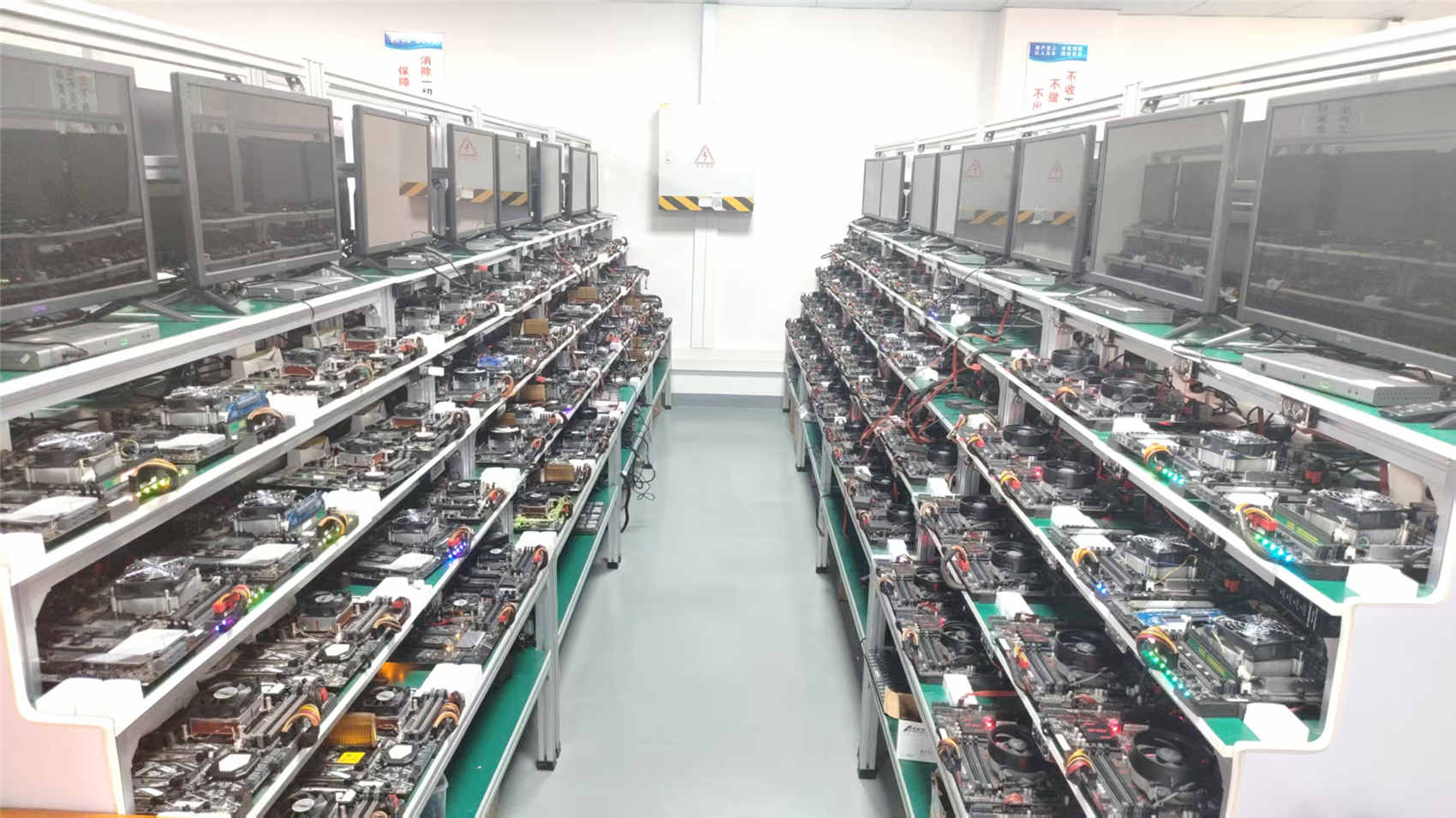
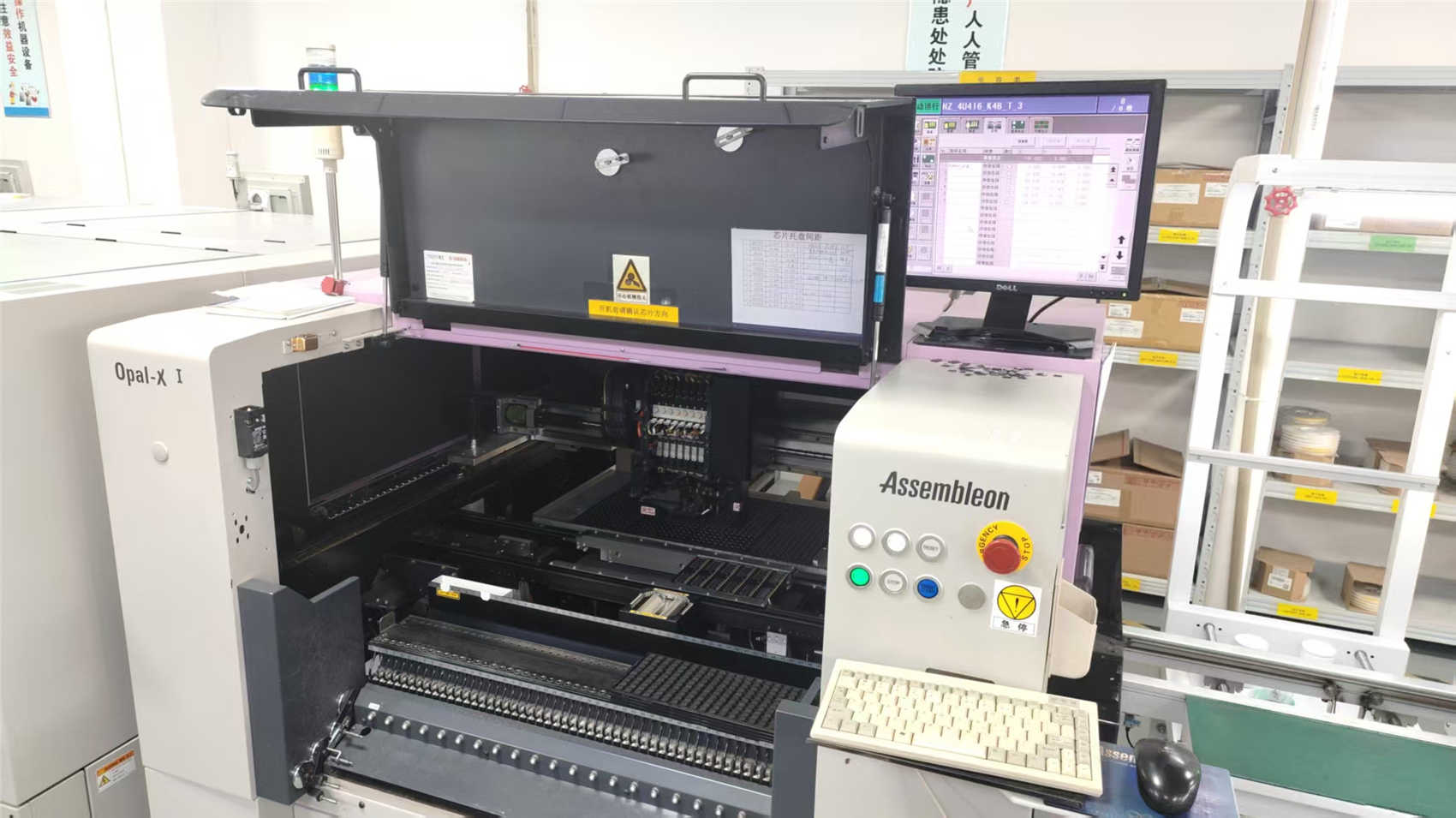
Our facility functions with a dedicated 45-person Quality Assurance division that oversees all stages of production. Our verification processes include: Burn-in testing, thermal stress verification, automated optical inspection (AOI), firmware validation, and full system AI workload simulations. This end-to-end testing cycle ensures that our custom compute hardware arrives configured to perform stably under high thermal loads.
A technical assessment of standard computing systems compared to our High Availability optimized platforms.
| Feature Set | Standard Compute Platforms | Bexora High-Availability Architecture | Primary Technical Advantage |
|---|---|---|---|
| Power Infrastructure | Single PSU configuration | Dual or Quad redundant hot-swap (1+1, 2+2) | Eliminates electrical grid and input failures. |
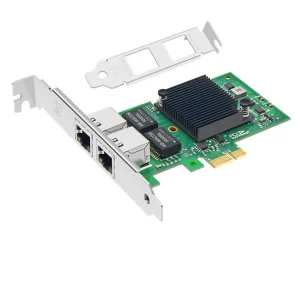
| Network Connectivity | Single onboard copper RJ45 port | Dual-port 32G Fibre Channel / Multi-port SFP28+ | Enables multipath I/O data routing; mitigates switch downtime. |
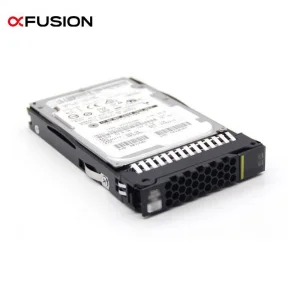
| Storage Resilience | Software-based array configuration | Hardware SAS RAID controllers with non-volatile cache | Maintains data integrity during power outages without CPU load. |
| Thermal Architecture | Standard fan arrays | Intelligent N+1 cooling loops or liquid block systems | Eliminates hot spots, maximizing computing efficiency. |
| Diagnostics | Basic BIOS monitoring interface | Advanced Out-of-Band IPMI 2.0 & Redfish compliance | Provides absolute remote management and telemetry access. |
Bexora hardware systems are deployed in key regions worldwide, including North America, Europe, Southeast Asia, and the Middle East. Every region presents distinct structural and regulatory requirements:
Focuses on maximum power efficiency (Title 24 compliance), FCC Class A certifications, and low-latency storage integration for regional hyperscale facilities.
Requires compliance with CE markings, RoHS environmental guidelines, WEEE waste recovery programs, and security integrations for GDPR-aligned data centers.
Optimized for high-humidity and high-temperature environments. Standard hardware configurations are adapted with ruggedized designs to handle climate variations.
To ensure smooth international deployments, we collaborate with a network of 860 partners. This collaborative supply ecosystem helps coordinate the delivery of key components, custom metal fabrications, and custom firmware modifications to meet regional compliance standards.
The technology stack supporting High Availability compute is evolving rapidly. We are focused on integrating several upcoming hardware advances:
Upgrading bus bandwidth rates to 64GT/s and beyond. This allows next-generation storage controllers to scale without creating system bottlenecks.
Utilizing Compute Express Link architectures to construct pools of shared system memory, lowering latencies across node clusters.
Designing direct-to-chip liquid cooling plates to maintain optimal temperatures for processors operating at 350W+ thermal design power (TDP).
Integrating machine learning algorithms directly into the system controller firmware to monitor and preempt component degradation.
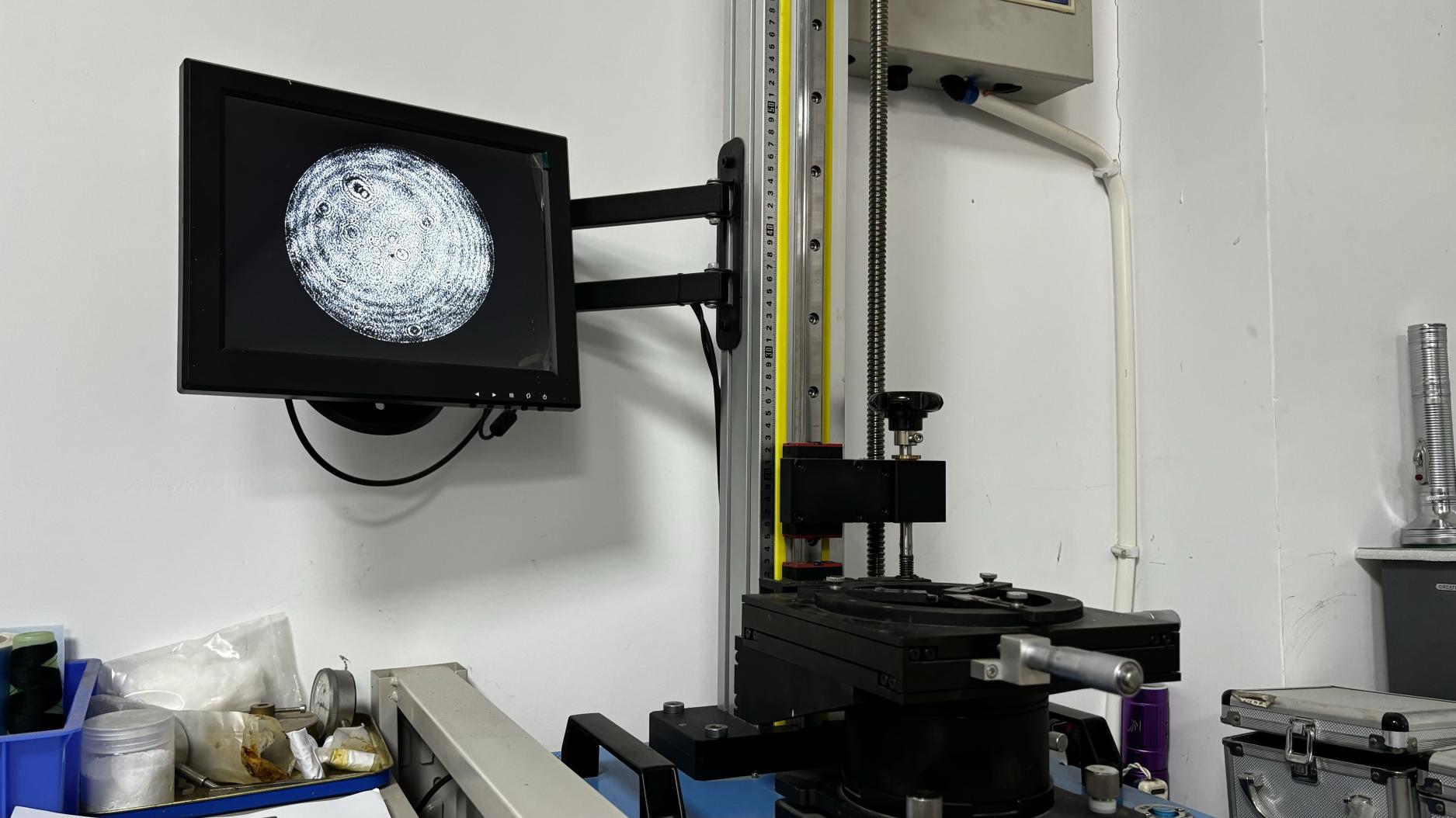
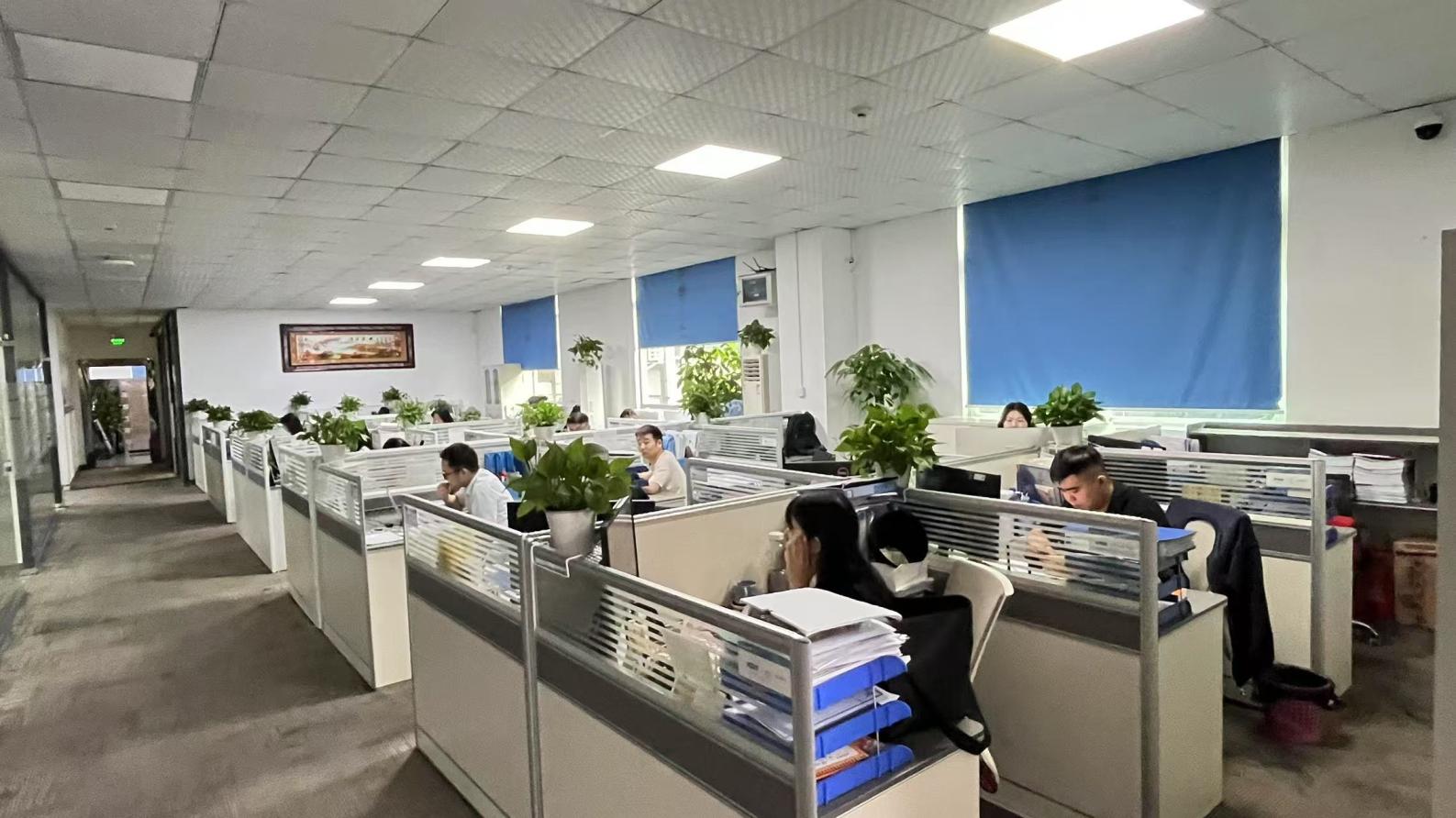
A visual overview of our manufacturing facilities, assembly stations, and quality control systems.