Bexora
Bexora
Bexora
Engineered for low latency, dense compute environments, and resilient enterprise networking. Fully verified under maximum workload simulations.





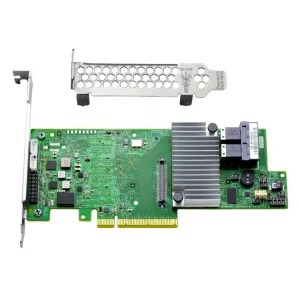
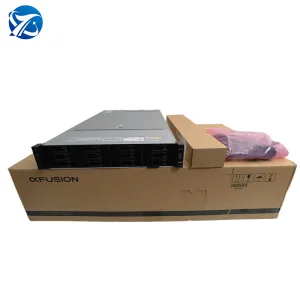
In modern hyperscale environments, data flow is no longer bound by traditional localized execution. The exponential proliferation of large language models (LLMs) such as DeepSeek and other complex AI workflows has transitioned the bottleneck from pure localized computational flops to overall network interconnect speeds. Low-latency, high-bandwidth switching architectures represent the nervous system of modern compute grids.
Deploying switches that operate at 10G, 40G, 100G, and up to 400G/800G per port is no longer optional. These high-speed network components manage the high-density communication requirements between GPU clusters, SAN systems, and high-performance network storage nodes. High-speed switches utilize advanced non-blocking switching architectures, ensuring line-rate L2/L3 packet forwarding under peak operational stress.
Modern networking leverages Remote Direct Memory Access (RDMA) over Converged Ethernet (RoCEv2) to bypass CPU overhead. This allows servers to exchange data directly at memory level, drastically lowering system latency to sub-microsecond levels.
Scaling complex AI or cloud architectures internationally demands rigorous adherence to regional regulatory frameworks and hardware compatibility guidelines. Global buyers require confidence in their supply partners to deliver products that comply with strict regulatory benchmarks including CE, FCC, RoHS, and UL standards. Without absolute compliance, deployment can face operational bottlenecks and customs clearance delays.
All hardware undergoes structured electrical safety, emissions, and hazardous substances checking, guaranteeing flawless approval in European, American, and Asian markets.
On-site deployment assistance, customized firmware flashing, and rapid Service Level Agreements (SLAs) tailored to regional data center demands.
Continuous availability of identical hardware configurations, guaranteeing that optical components and replacement switches can be shipped and installed seamlessly.
Procuring network hardware requires balancing initial Capex with ongoing Opex. Efficient power supplies (80 Plus Titanium/Platinum certifications), optimized chassis design for directional cooling (front-to-back/back-to-front airflow), and open-source operating system compatibility (like SONiC) prevent vendor lock-in. By adopting white-box and customized hardware variants, global procurement departments can expect a 30% to 40% reduction in long-term infrastructure operational costs.
A professional AI GPU server and high-performance computing infrastructure manufacturer specializing in scalable compute systems for AI training, inference, and data center deployment.
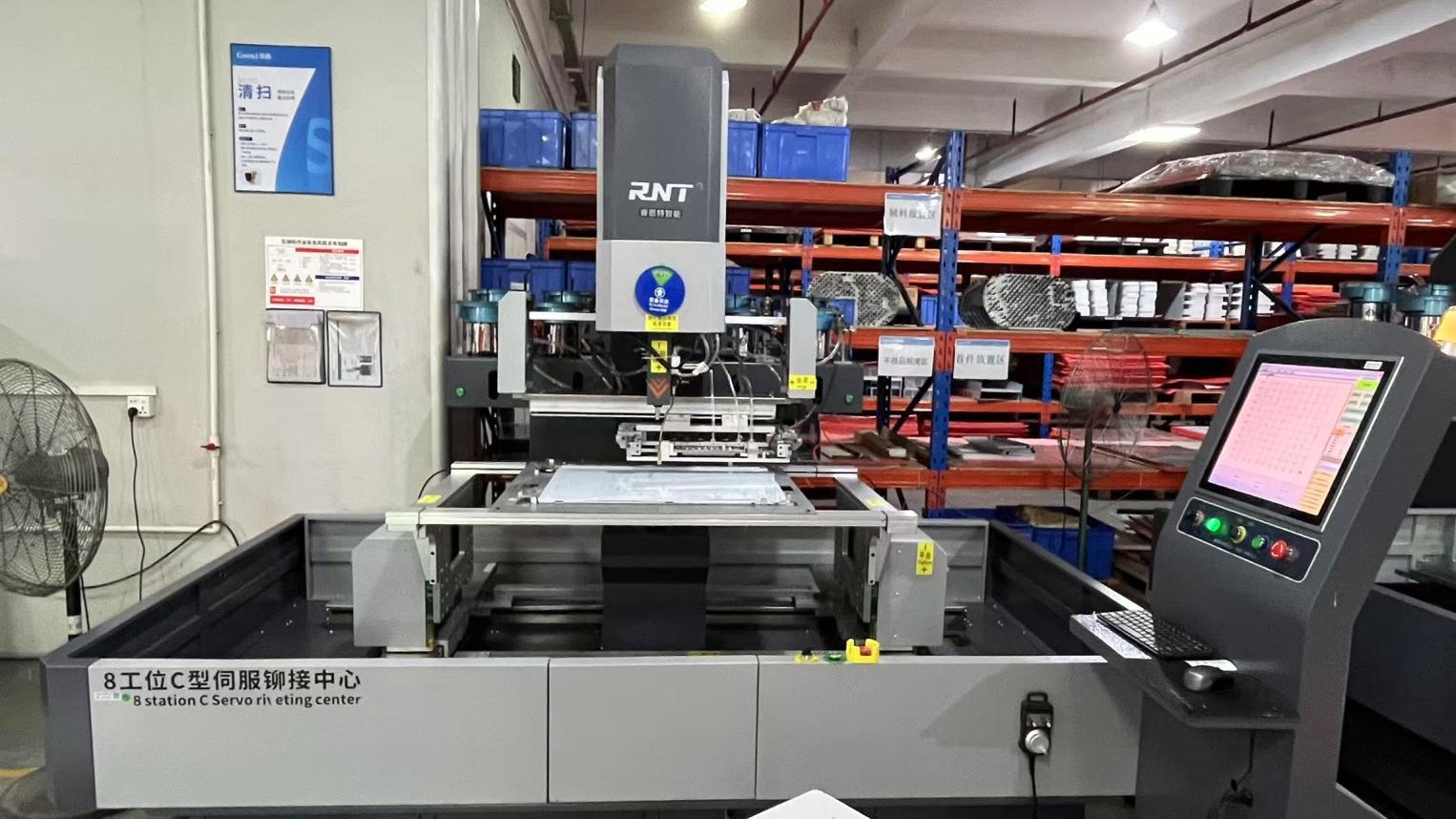
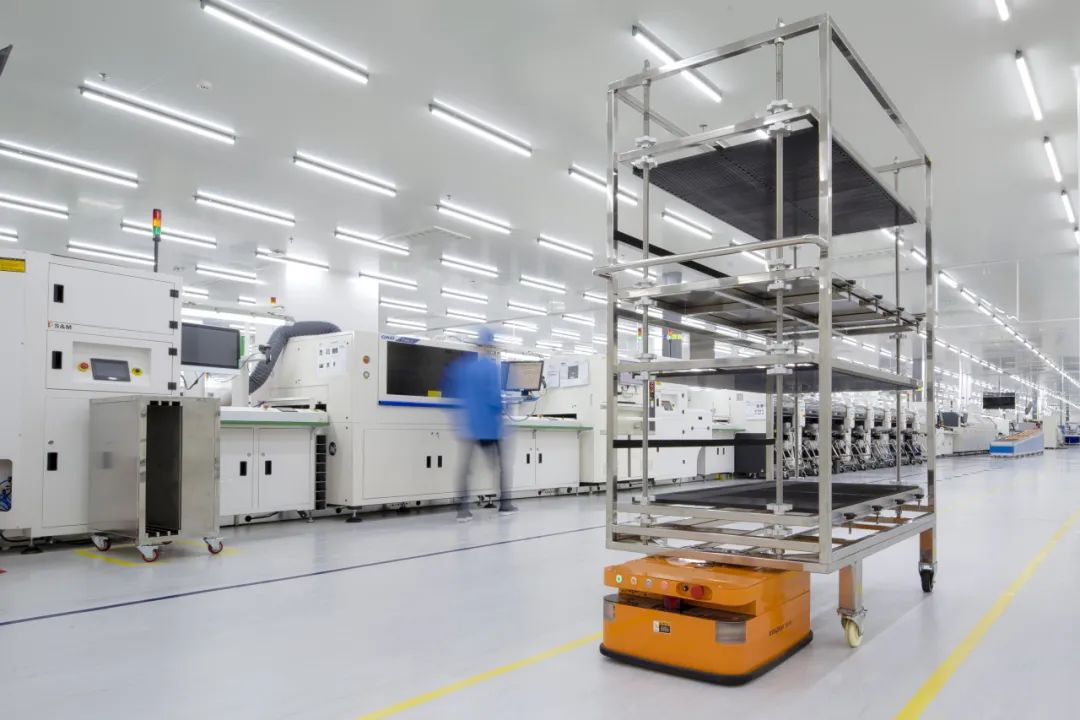
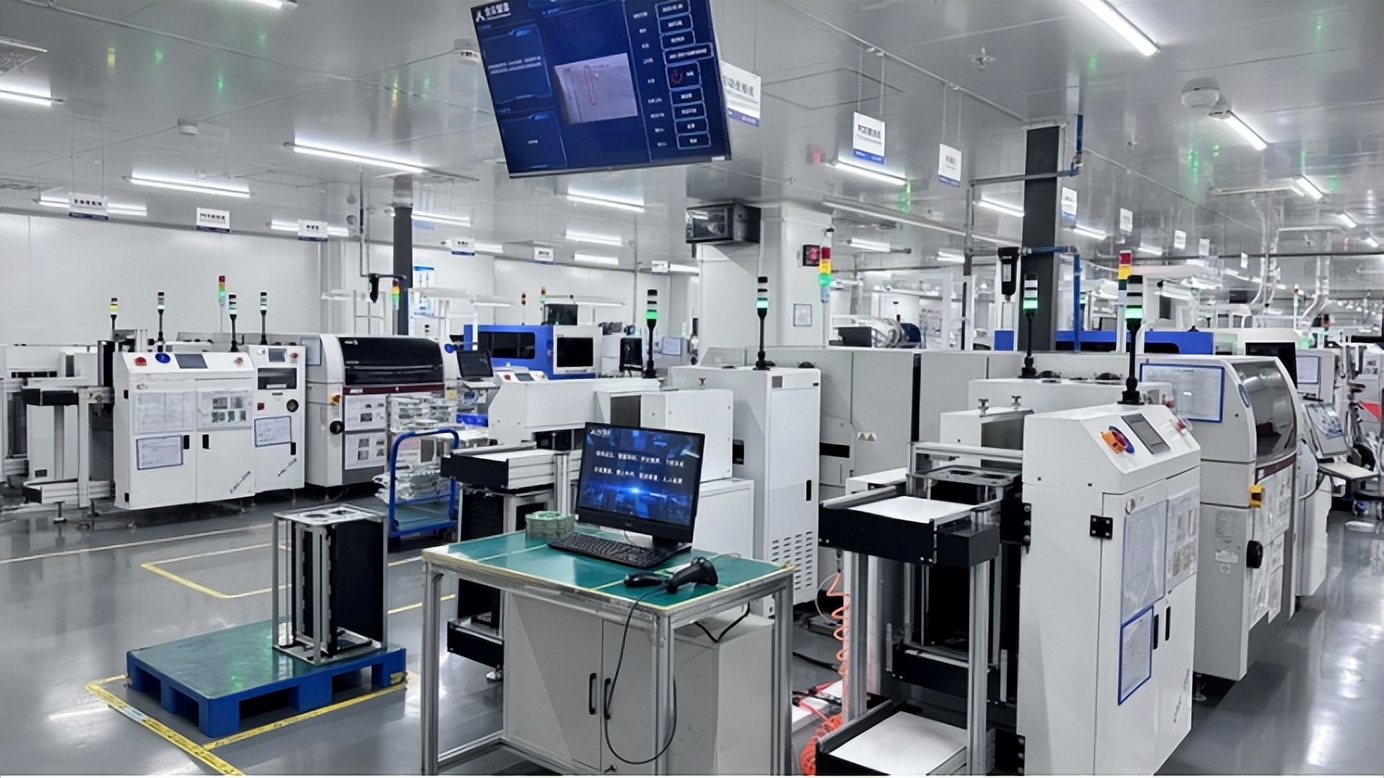
Operating out of the global hardware innovation hub allows Bexora to leverage deep integration across the entire manufacturing ecosystem. With over 860 upstream and downstream partners supporting specialized GPU sourcing, structural chassis fabrication, system thermal development, and precision optical networking components, we significantly reduce time-to-market compared to regional competitors.
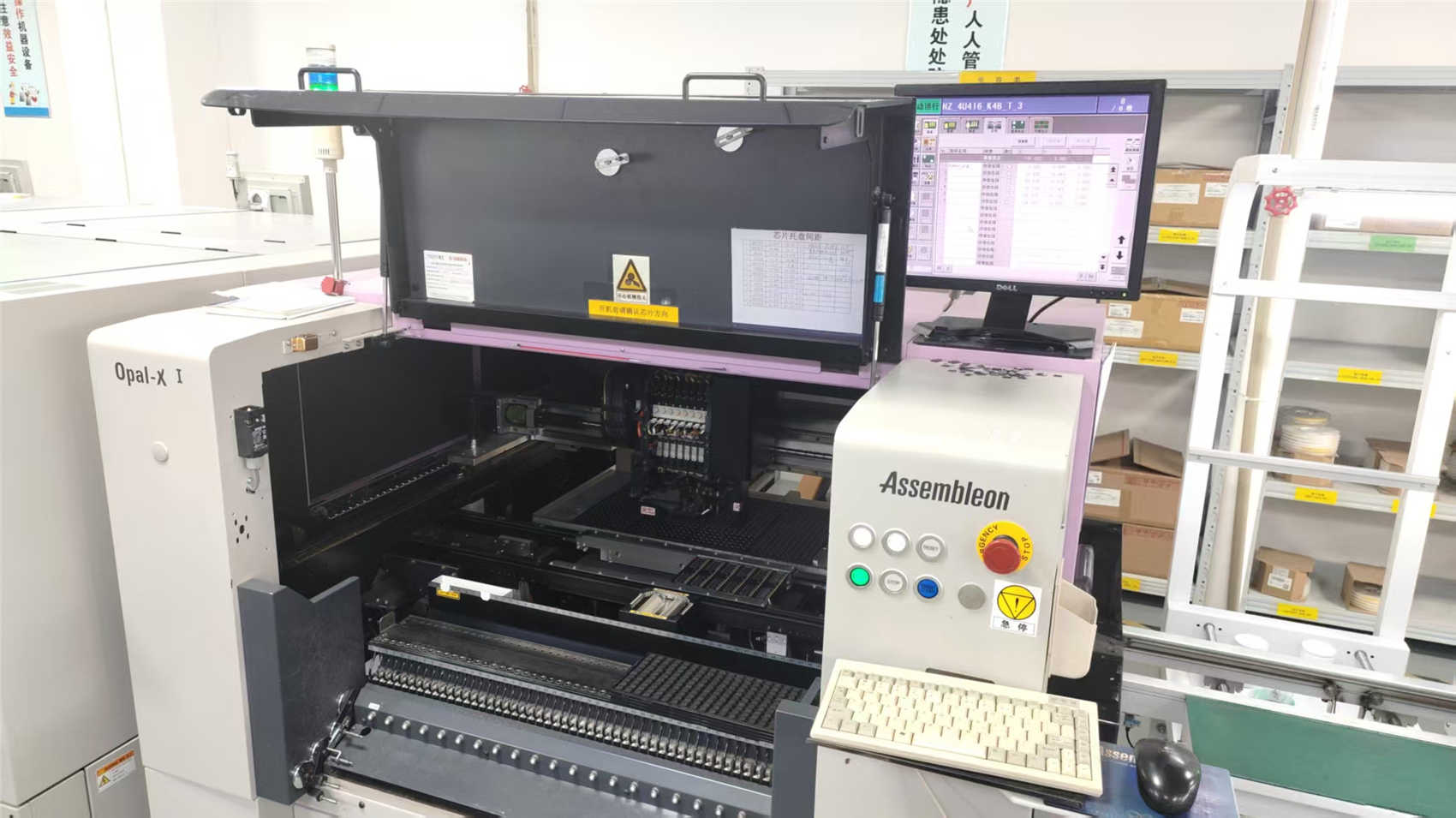
With 12 years of industry experience and 7 dedicated years of global export operations, our processes are engineered to scale production rapidly while maintaining customized options like OEM/ODM, chassis fabrication adjustments, liquid-cooling solutions, and low-level firmware tweaks (e.g., custom BIOS/BMC settings).
Bexora launched over 120 new models and hardware iterations last year. Our engineering team specializes in:
• High-density computing optimization
• GPU server architecture structural design
• High-airflow system dynamics
• High-speed fabric network planning
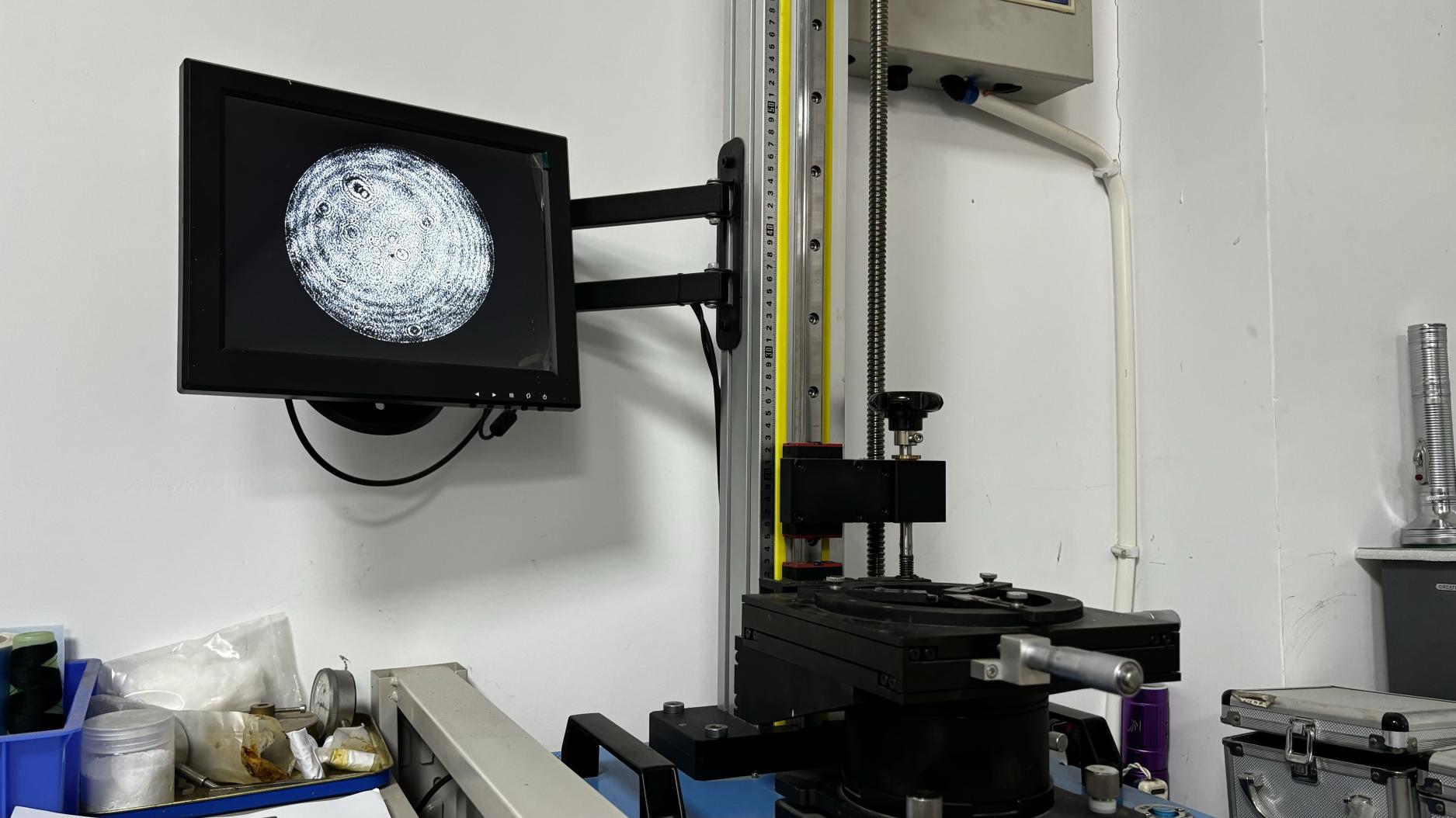
Ensuring system stability and sustained long-term performance under maximum workloads requires uncompromising product verification processes.
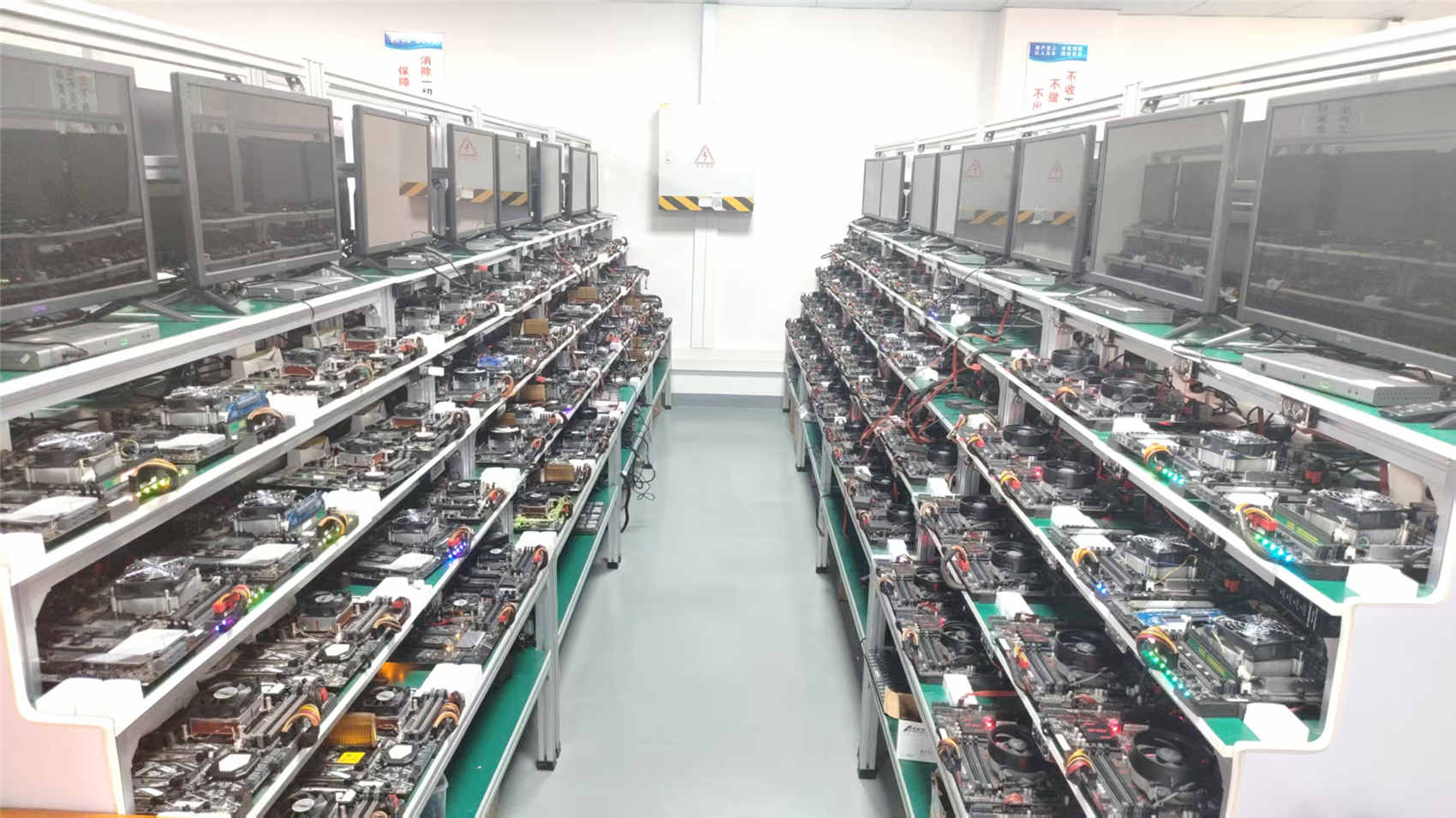

Whether optimizing data flows in hyperscale AI infrastructures or ensuring zero-packet-loss setups in high-frequency trading platforms, high-speed switching remains a primary component of network design. Let's analyze how these structures perform under real-world scenarios:
In massive LLM model training runs, hundreds of GPU-equipped nodes communicate synchronously. High-speed switches supporting 100G and 400G configurations utilize RoCEv2 to dynamically manage packet transport. By minimizing latency, the network helps prevent GPU idle time (synchronization delays), maximizing processing efficiency and reducing training costs.
In automated trading environments, microseconds translate to financial outcomes. Network architectures must utilize L2/L3 cut-through switching protocols. This enables packet routing decisions to occur in real-time, bypassing internal storage steps and forwarding packets instantly to their destination interfaces.
Cloud service providers require extensive multi-tenant setups. Employing switches that support EVPN-VXLAN virtualization allows operators to partition virtualized client networks dynamically. This ensures secure layer-2 connectivity overlays across separate hardware switches, maintaining clean tenant isolation and ease of migration.
Processing data closer to the user reduces origin load. High-speed switch setups deployed in edge enclosures enable local data processing and forwarding. This architecture handles high-volume 4K video streams, IoT sensor data, and local user queries without congesting core fiber networks.
Comprehensive details for networking engineers, network architects, and global technology procurers.
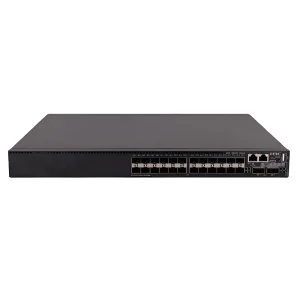
High-speed optical Layer-3 switches, processing rack systems, dynamic data storage drives, and server memory configurations.