Bexora
Bexora
Bexora
Integrate our industry-leading rack servers, hyperconverged architectures, and memory modules directly with premium smart Power Distribution Units (PDUs) to maximize system reliability and thermal efficiency.
As deep learning models, quantum computations, and hyperscale environments demand unprecedented computational capacities, power infrastructure has emerged as the defining bottleneck of the modern data center. The global shift toward high-density computing (often exceeding 30kW to 100kW per rack) has rendered traditional, basic Power Distribution Units (PDUs) obsolete. Modern engineering demands Intelligent Power Distribution Units (iPDUs) capable of real-time monitoring, microsecond-level outlet control, and seamless environmental system integration.
At Bexora AI Systems (China) Co., Ltd., we recognize that the path to optimal Power Usage Effectiveness (PUE) begins at the rack level. High-performance GPUs and storage systems—such as our liquid-cooled server racks—require robust, low-impedance electrical distribution topologies to prevent transient voltage drops, suppress harmonics, and handle high inrush currents during boot cycles.
Modern enterprise environments are migrating from standard 120V/208V power architectures to high-voltage AC (415V/480V) and direct-current (HVDC) topologies. This transition reduces copper deployment, mitigates line losses by up to 15%, and streamlines conversion efficiency directly from the substation to the server power supply unit (PSU).
Procuring raw electrical components is no longer merely a purchasing decision; it is a thermal and electrical risk-mitigation process. System designers must account for Total Cost of Ownership (TCO), safety compliance standards (such as UL 62368-1, CE, and IEC 60950), and dynamic load balancing across phases to maintain phase equilibrium and avoid neutral conductor overloading.
Bexora leverages its extensive expertise in high-density GPU server design to engineer integrated rack architectures where power distribution systems run in perfect synergy with advanced thermal management configurations. By pairing intelligent PDUs with our liquid-cooling and hyperconverged infrastructure, we help cloud service providers optimize their power architecture and achieve optimal PUE levels.
Global procurement teams face complex challenges when sourcing power distribution hardware. With varying local electrical grids, safety certifications, and spatial constraints within server cabinets, standard off-the-shelf solutions rarely align with project requirements. Our B2B clients demand bespoke configurations tailored to specific operational contexts.
With 12 years of industry experience and an export history spanning 7 years, Bexora offers global cloud operators, research centers, and enterprise datacenters the custom tailoring they require. We address the root cause of deployment failure by offering comprehensive OEM/ODM services, including custom input power cords (domestic/international plugs), tailored chassis colors for redundant A/B feed identification, and configurable outlet densities.
Our collaborative design model ensures that our rack-level products align with local safety codes (UL for North America, CE for Europe, SASO for the Middle East, and CCC for China), providing hassle-free global deployment.
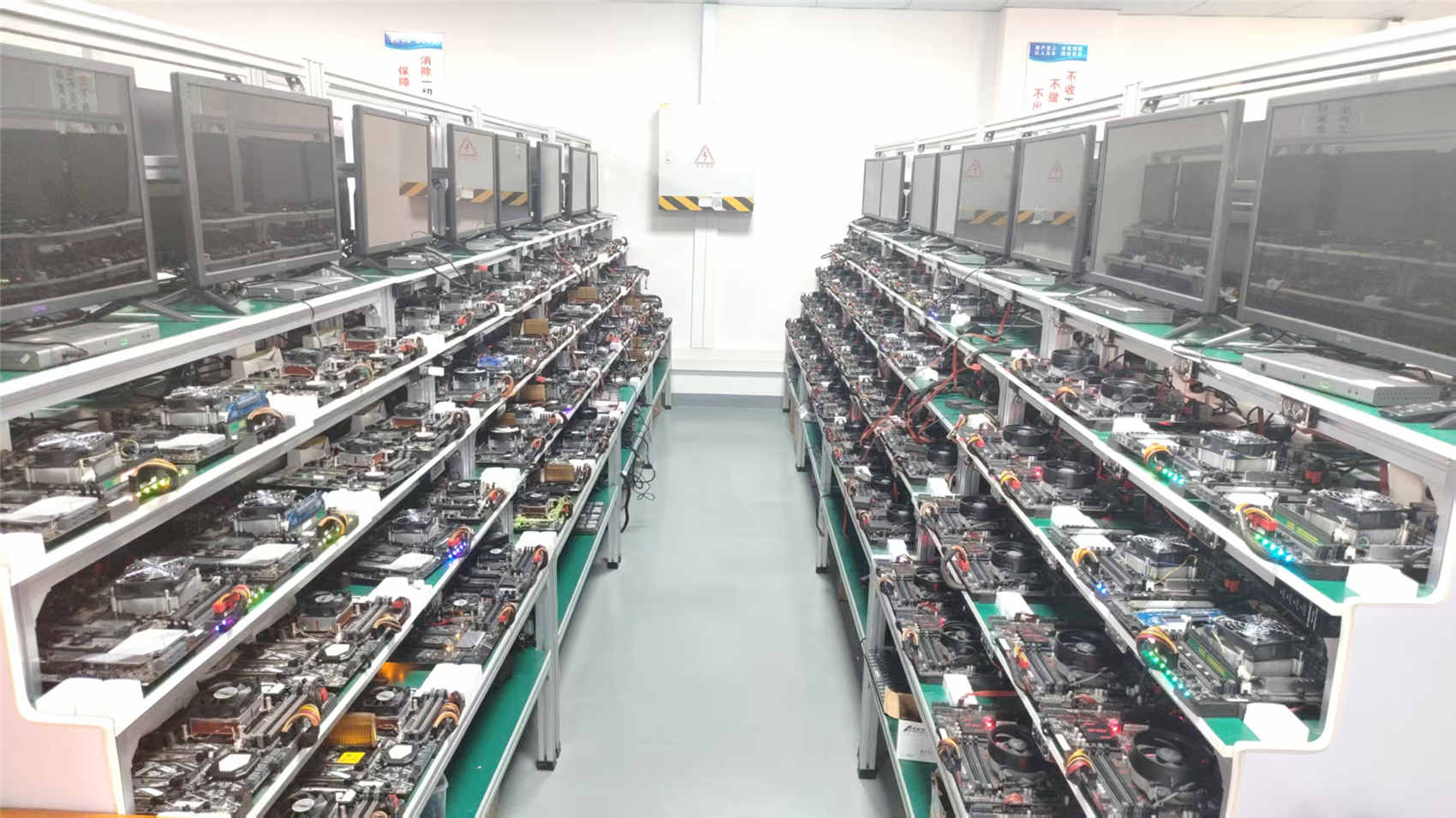
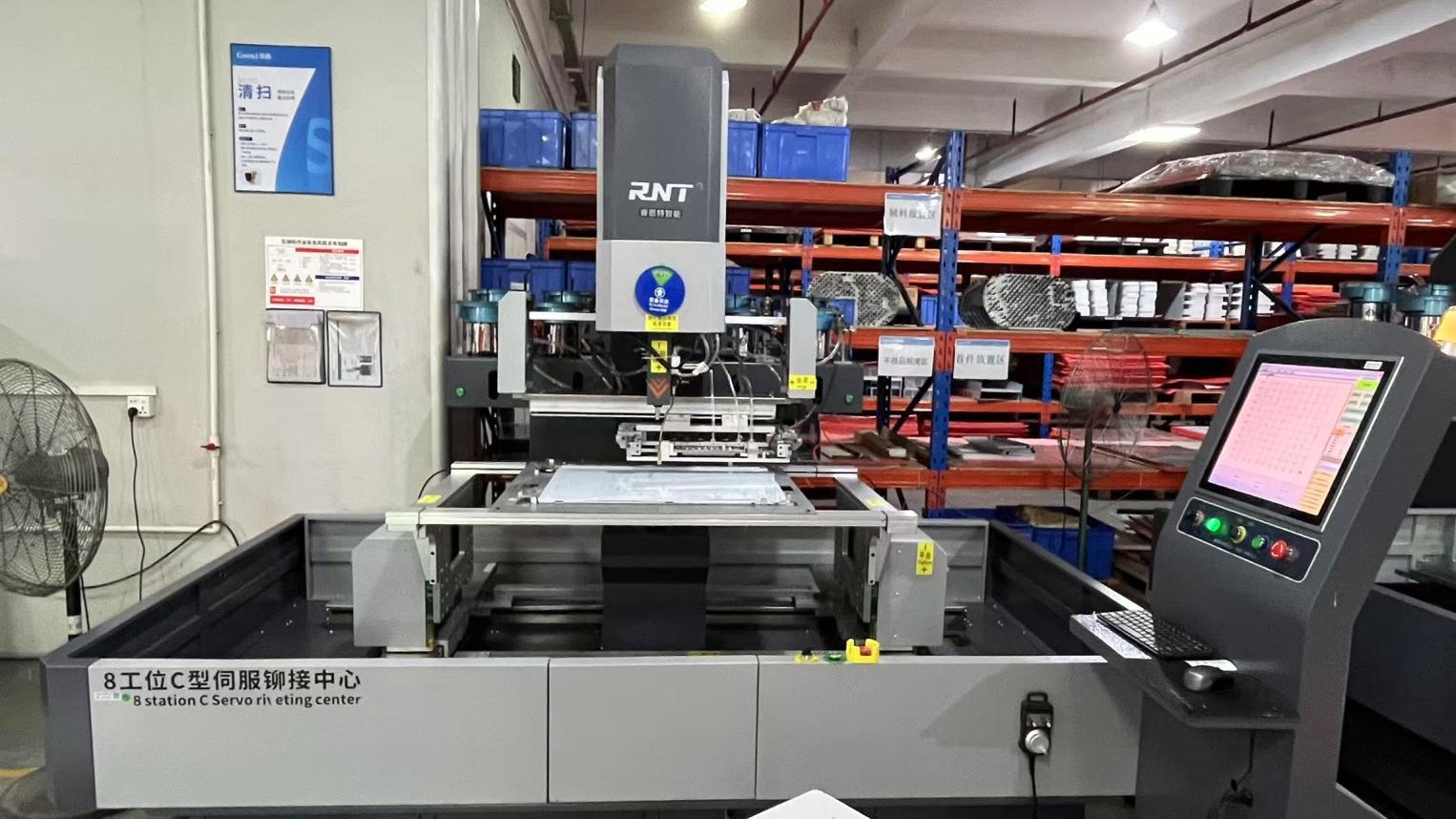
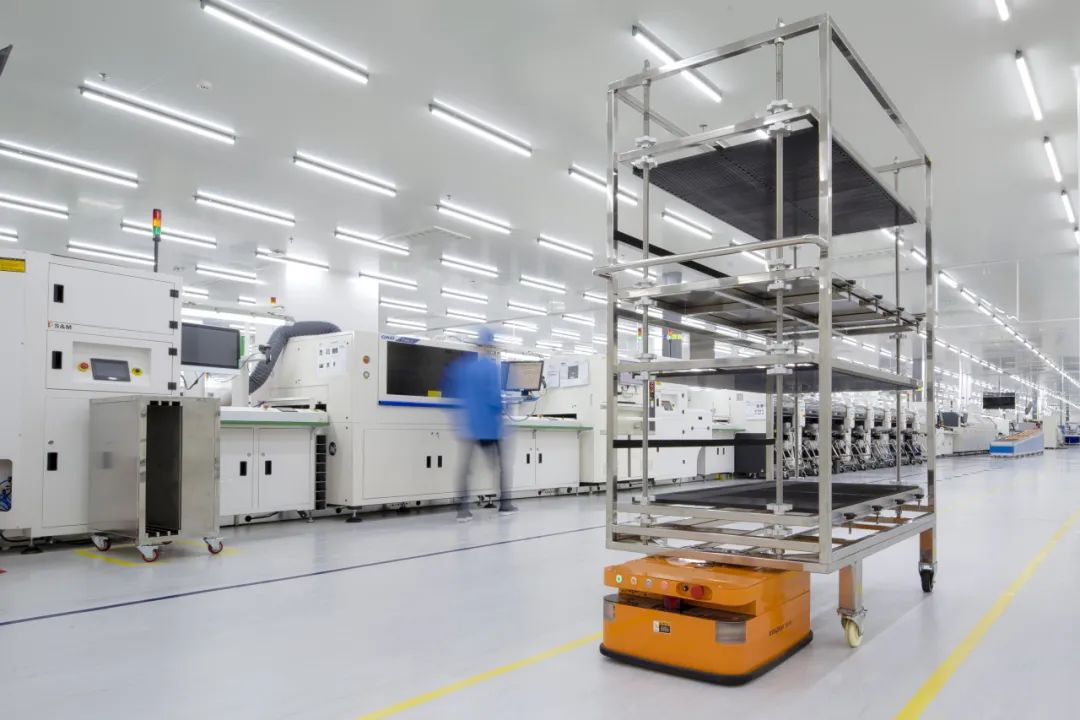
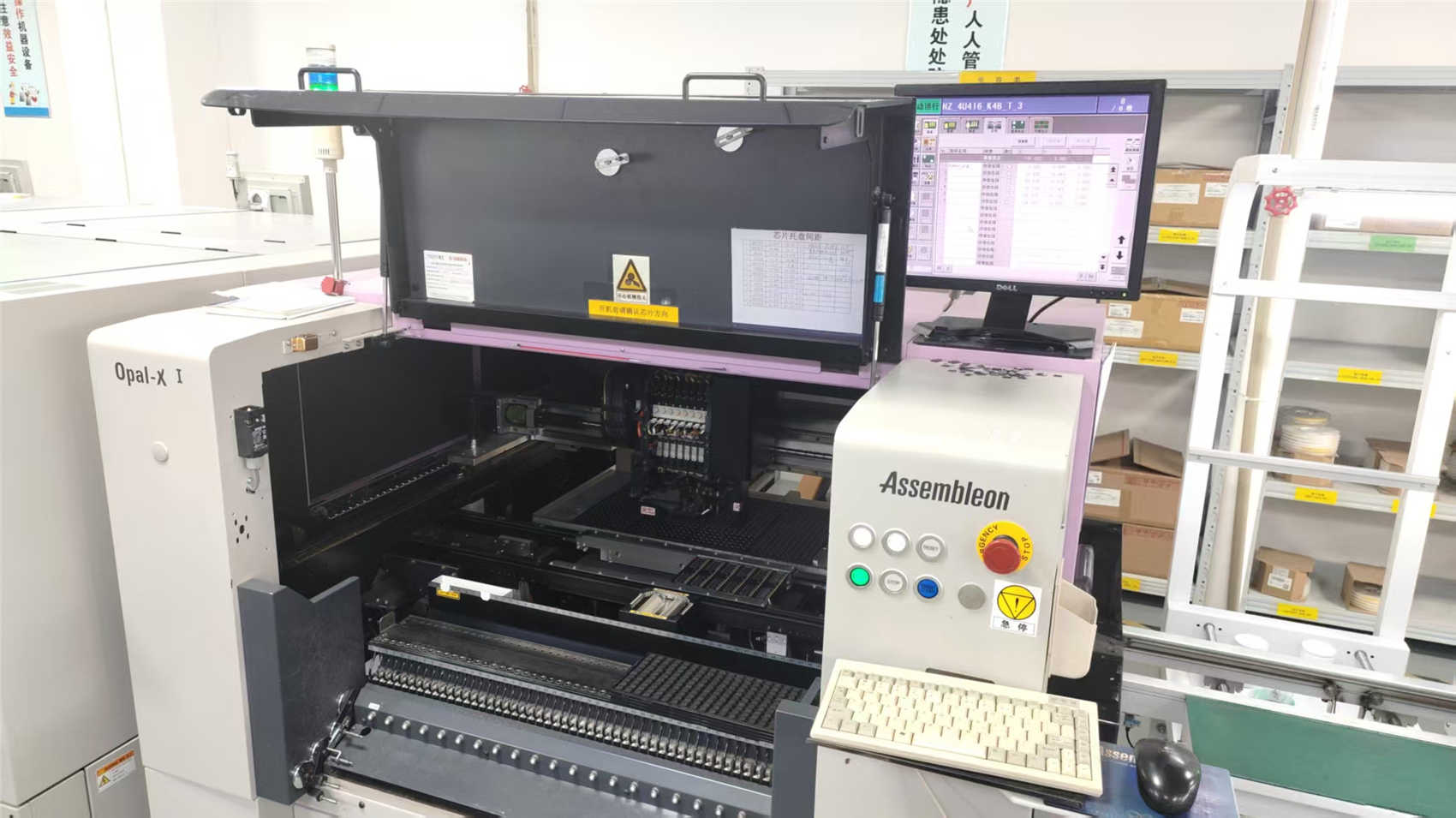
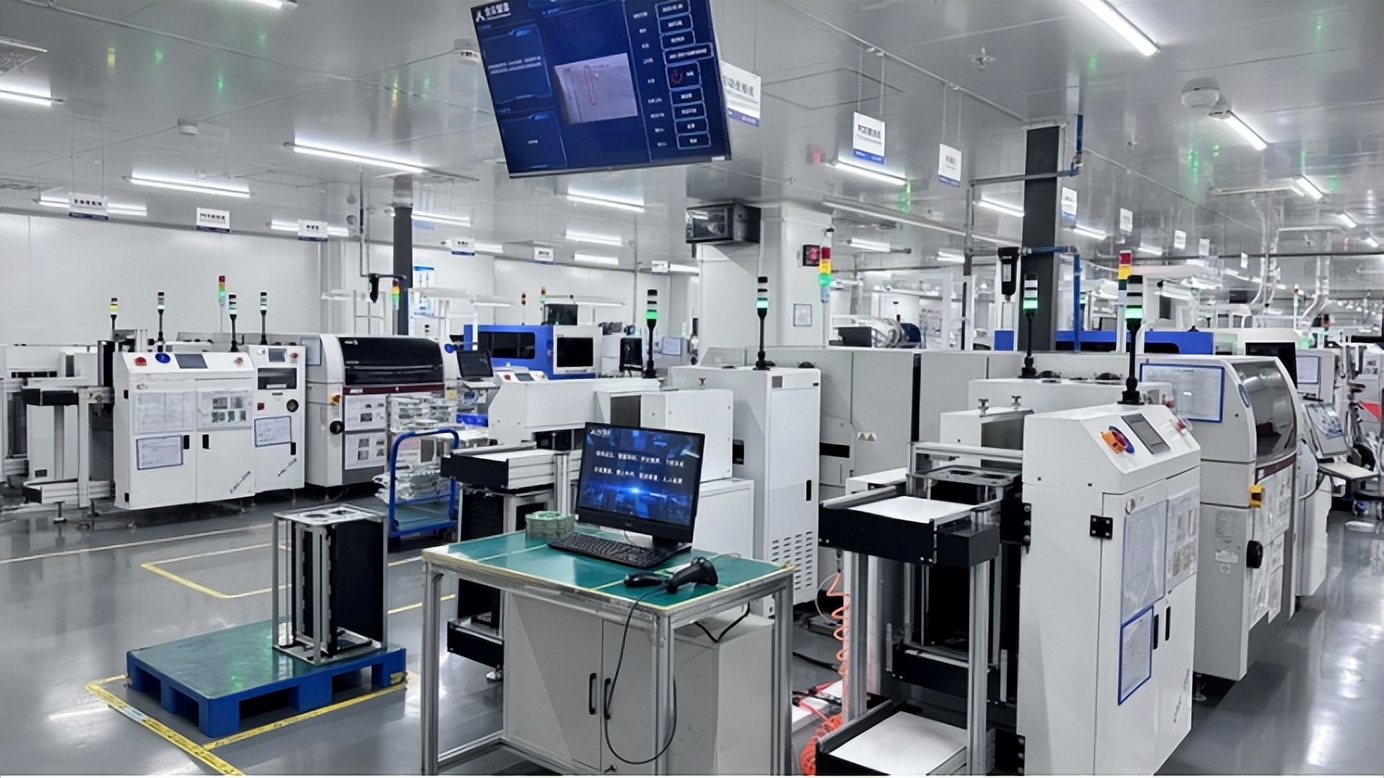
Operating from our modern 18,600㎡ manufacturing facility in China, Bexora integrates the principles of Industry 4.0. Our production lines feature automated sheet-metal processing, robotic precision assembly, and fully digitalized testing bays. This degree of automation guarantees high precision, quick scalability, and unmatched consistency across large-scale manufacturing runs.
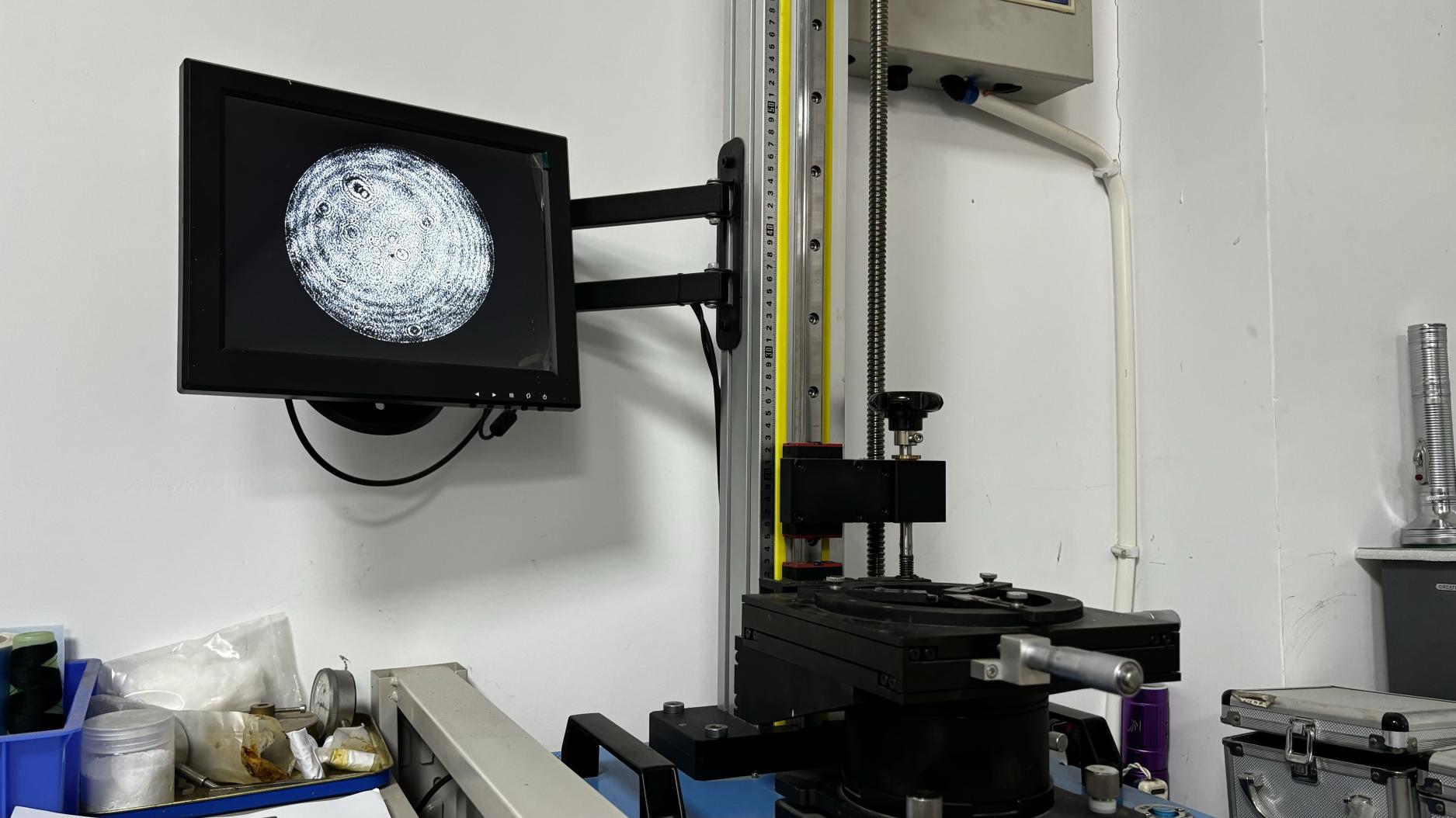
Our quality control program is managed by an in-house team of 45 dedicated QC professionals. Rather than relying on simple batch inspections, we deploy a comprehensive QA regimen designed to eliminate defects before shipping:
Supply chain security is vital for maintaining project schedules. Bexora operates a robust vendor ecosystem comprised of approximately 860 upstream and downstream supply partners. This vast network allows us to source high-grade raw copper, premium hydraulic-magnetic circuit breakers, high-temperature thermoset plastics, and advanced semiconductors without long lead times.
Even during volatile market periods, our vertical integration and strategic material reserves ensure consistent lead times and price stability for our global clients.
Take a virtual tour of our production floors, high-stress testing rooms, and research and development laboratories. Our facilities showcase our investment in manufacturing precision and technical innovation.


Data center topologies vary significantly depending on geography, utility stability, and the target application. Understanding these variations allows Bexora to tailor power distribution architectures to specific deployments.
AI training clusters running multiple Nvidia H100/A100 or AMD MI300X servers experience dynamic power draws. These sudden load variations can trigger false overcurrent protection trips on basic thermal circuit breakers.
Bexora Solution: We implement intelligent PDUs equipped with hydraulic-magnetic circuit breakers. Unlike thermal breakers, magnetic breakers are unaffected by ambient cabinet temperature, ensuring stable operations under heavy AI compute loads.
For cloud operators with thousands of server racks, optimizing Power Usage Effectiveness (PUE) and ensuring remote manageability are top priorities. Managing power at scale requires precise monitoring at the individual outlet level.
Bexora Solution: Our switched PDUs support daisy-chaining of up to 32 units under a single IP address. This helps operators reduce network infrastructure costs while retaining granular control and monitoring over every server node.
Edge nodes deployed in remote locations, oil rigs, or smart factories operate with minimal on-site IT support. These systems require remote troubleshooting capabilities to handle power anomalies.
Bexora Solution: Switched Rack PDUs with built-in sensors monitor local environment metrics and allow remote power cycling. Remote rebooting reduces truck rolls, cutting operational costs in remote locations.
Financial infrastructure demands absolute redundancy (N+N architectures) and fast circuit transition speeds to prevent system crashes and transaction errors.
Bexora Solution: High-speed Rack Automatic Transfer Switches (ATS) deliver fast transfer times (less than 10-16 milliseconds). This ensures seamless power transfer to secondary feeds in the event of a primary source failure, keeping servers running continuously.
Get answers to common technical queries concerning high-density power architectures, compliance, thermal management, and customization options.
A basic *monitored PDU* tracks total aggregate power metrics at the cabinet input level. A *monitored-per-outlet PDU* provides granular power usage measurements at each individual plug receptacle, allowing precise server-by-server billing and efficiency profiling. A *switched PDU* adds outlet-level control, enabling administrators to remotely turn specific receptacles on or off to manage power sequences and reboot equipment.
By routing 415V three-phase power directly to the rack PDU, you step down directly to 240V single-phase at the server power supplies. This design bypasses step-down transformers elsewhere in the facility, which in turn reduces energy losses, decreases cabling weight, and minimizes structural copper usage across the data center.
Thermal circuit breakers are sensitive to ambient air temperature; as cabinet temperatures rise, their current capacity decreases. Hydraulic-magnetic breakers rely on magnetic force rather than temperature to trip, meaning they consistently hold their full rated load up to their maximum operating temperatures (up to 60°C) without risk of false trips.
Yes. Our intelligent controllers support standard network protocols, including SNMP (v1, v2c, v3), Modbus TCP, HTTP/HTTPS, and JSON REST APIs. This allows integration into any major Data Center Infrastructure Management (DCIM) software for real-time monitoring and automation.
We provide full OEM/ODM customization services. We can configure specific chassis lengths, change outlet configurations (e.g., mixing NEMA 5-20R, IEC C13, and IEC C19 receptacles), configure distinct input cord types (such as Hubbell, IEC 60309, or regional standards), and match custom powder-coating colors for dual-path red/blue redundancy schemes.
Our quality control team of 45 professionals enforces a rigorous testing program. Every single unit undergoes automated electrical safety inspections, high-pot isolation tests, functional firmware validation, and load-stress burn-in testing to ensure reliable, long-term performance under demanding high-load compute environments.
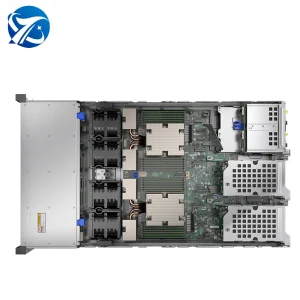
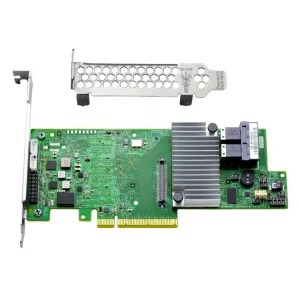
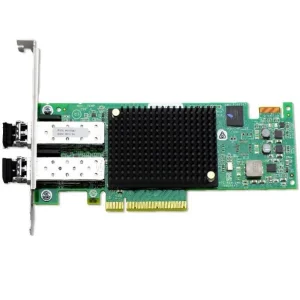
Complement your rack power configuration with our high-density storage arrays, high-speed fibre channel cards, and server expansion modules designed for performance and reliability.