Bexora
Bexora
Bexora
In the era of hyper-scale computing, ransomware proliferation, and strict compliance dictates (such as GDPR, HIPAA, and NIS2), remote backup solutions have evolved from simple secondary storage pools into complex, active-defensive architectures. Modern enterprise demands go beyond local arrays; they require real-time synchronization, zero-trust cryptographic access, and container-level granularity.
As a leading exporter of infrastructure, we observe a tectonic shift towards hybrid topologies. Today's architectures leverage heavy, resilient local node caching paired with immutable offsite replicates. This design prevents point-of-failure exposure while guaranteeing compliance with strict recovery time objectives (RTOs).
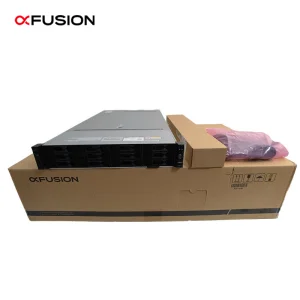
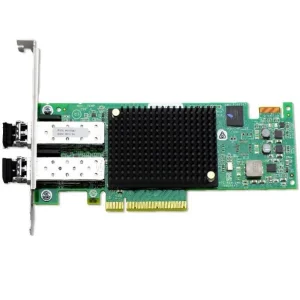
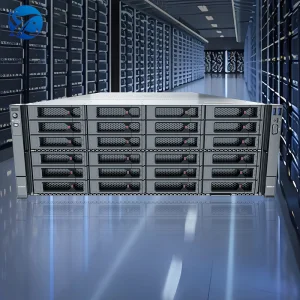
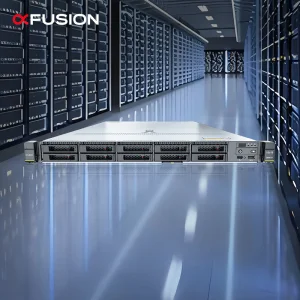
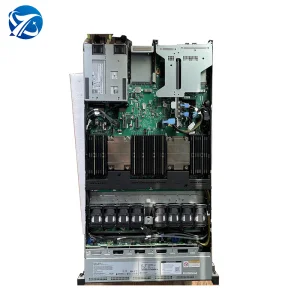
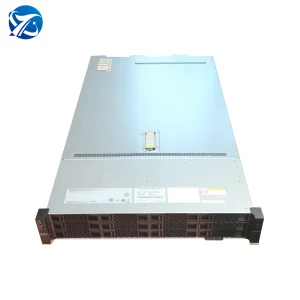
Worldwide, hardware procurement focuses on high-density servers capable of handling massive deduplication workloads. Our manufacturing line focuses on this optimization, incorporating low-latency PCIe 5.0 systems, dual-port high-speed HBAs, and high-density, multi-terabyte arrays to sustain continuous replication cycles without throttling critical database operations.
• Ransomware Mitigation: Air-gapped, immutable physical backups as the absolute final line of defense.
• Regulatory Mandates: Global data residency guidelines driving localized, regional data vaults.
• AI-Driven Workloads: Need for fast restore pathways to feed massive GPU deep learning clusters.
How hyperconverged storage networks, hardware-level immutable logic, and liquid cooling systems are reshaping disaster recovery operations.
Traditional software-level write restriction is no longer sufficient. Modern systems integrate WORM (Write Once, Read Many) logic directly inside controller microcode. If malware gains root access to host OS layers, the underlying hardware blocks sector modification, preventing backup manipulation.
Eliminating bottleneck protocols. By utilizing NVMe-oF, disaster recovery targets sync with local memory-like latency across fiber channels (FC32). This reduces transaction pipeline overhead and maximizes throughput capabilities.
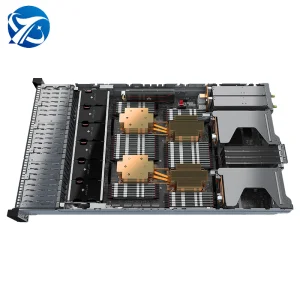
AI architectures scan data access patterns dynamically. Hot datasets are retained on liquid-cooled, high-performance NVMe SSD pools. Meanwhile, cold backups transfer automatically to high-density SATA/SAS HDD arrays, keeping power consumption balanced.
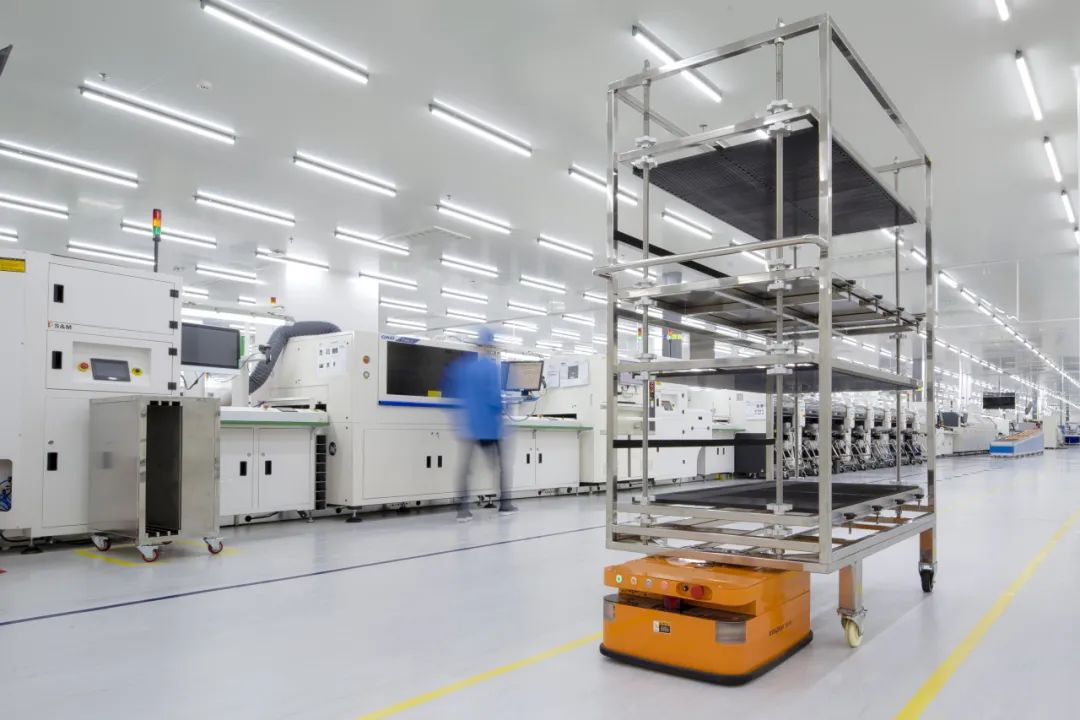
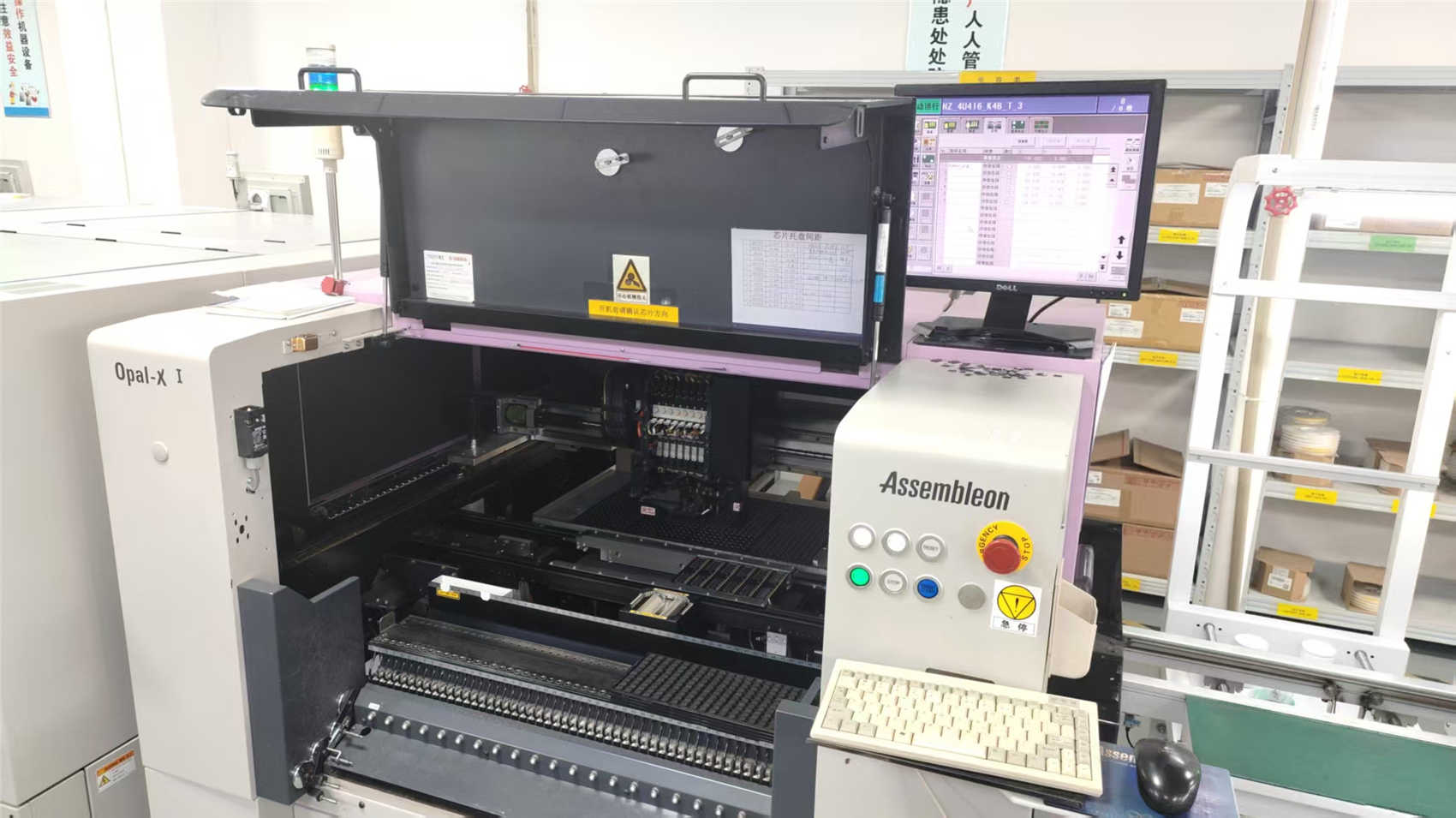
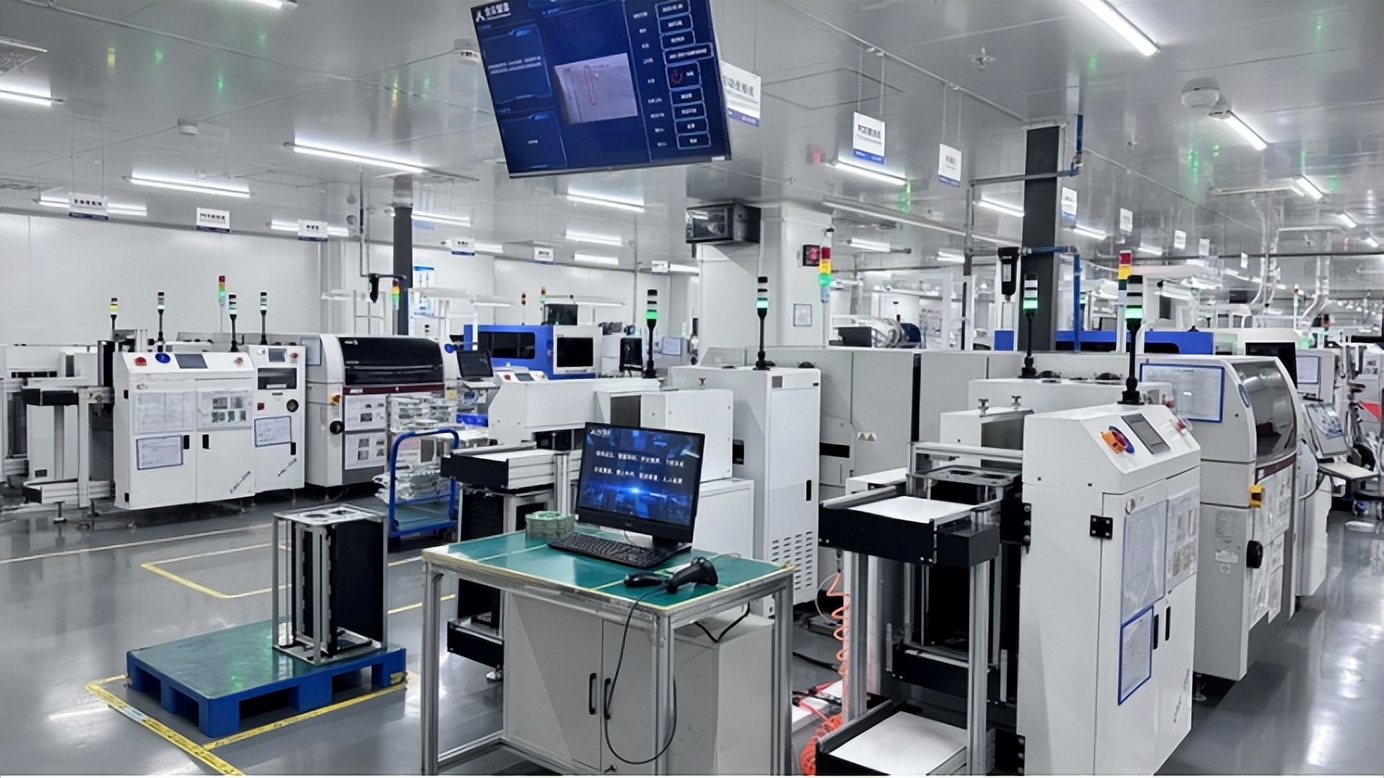
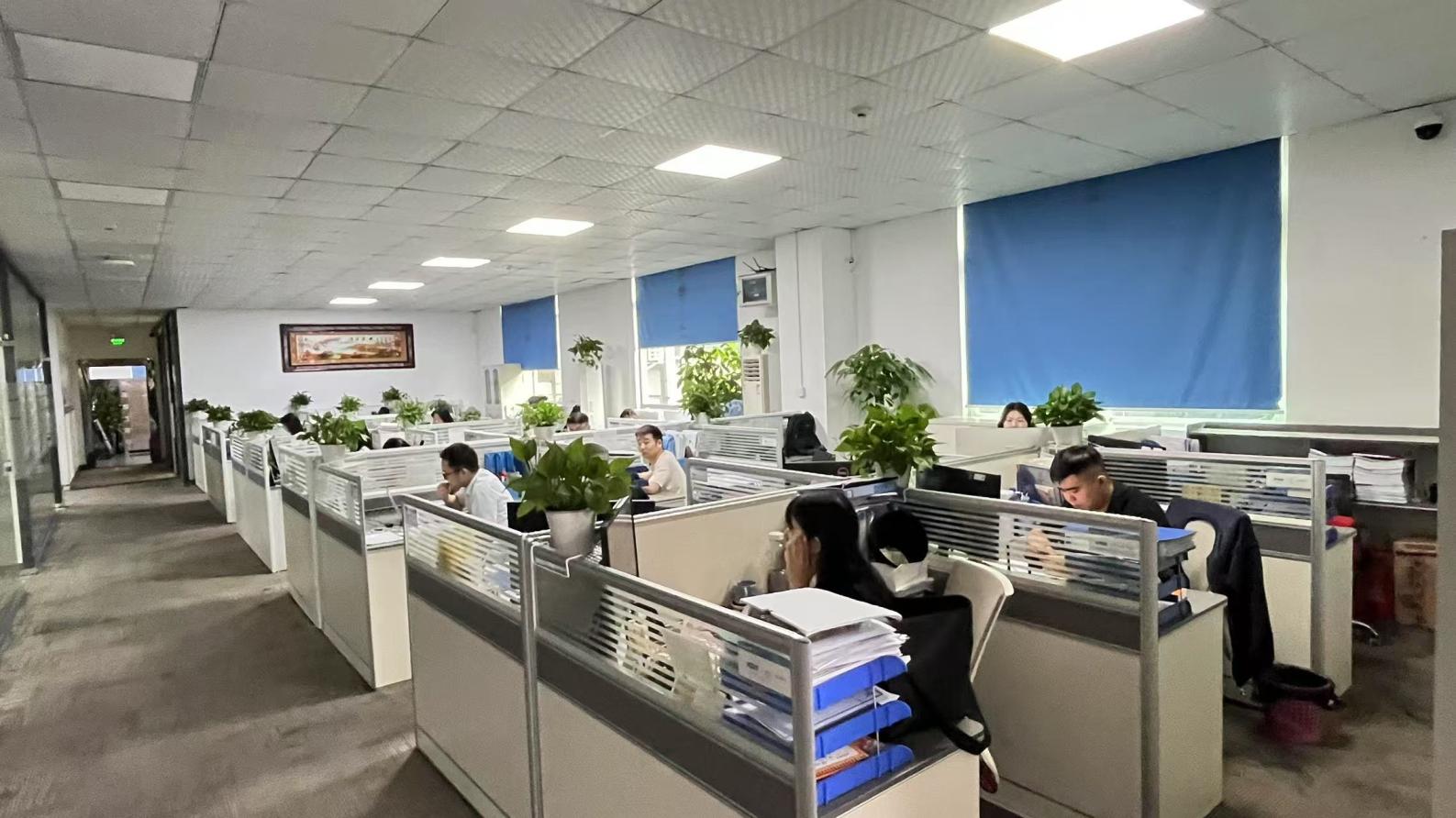
As a global B2B export-oriented manufacturer, Bexora AI Systems (China) Co., Ltd. builds the server components, arrays, and rack enclosures that form the physical backbone of international remote backup infrastructures. Our facility leverages high-density computing optimization, hardware engineering, and comprehensive stress simulations.
Registration Date
Building Area
Annual Export Revenue
Quality Control Team
R&D Engineers
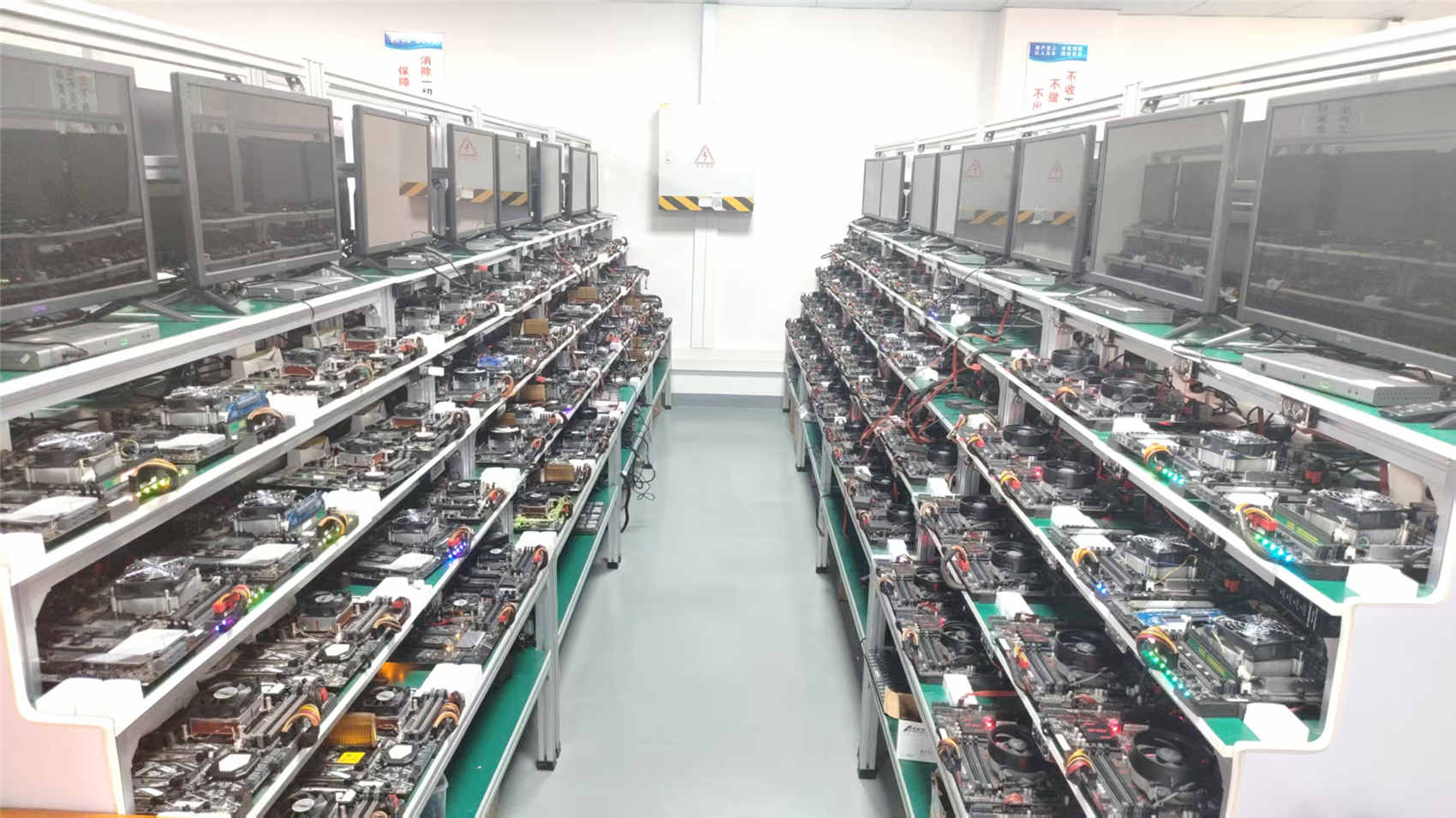
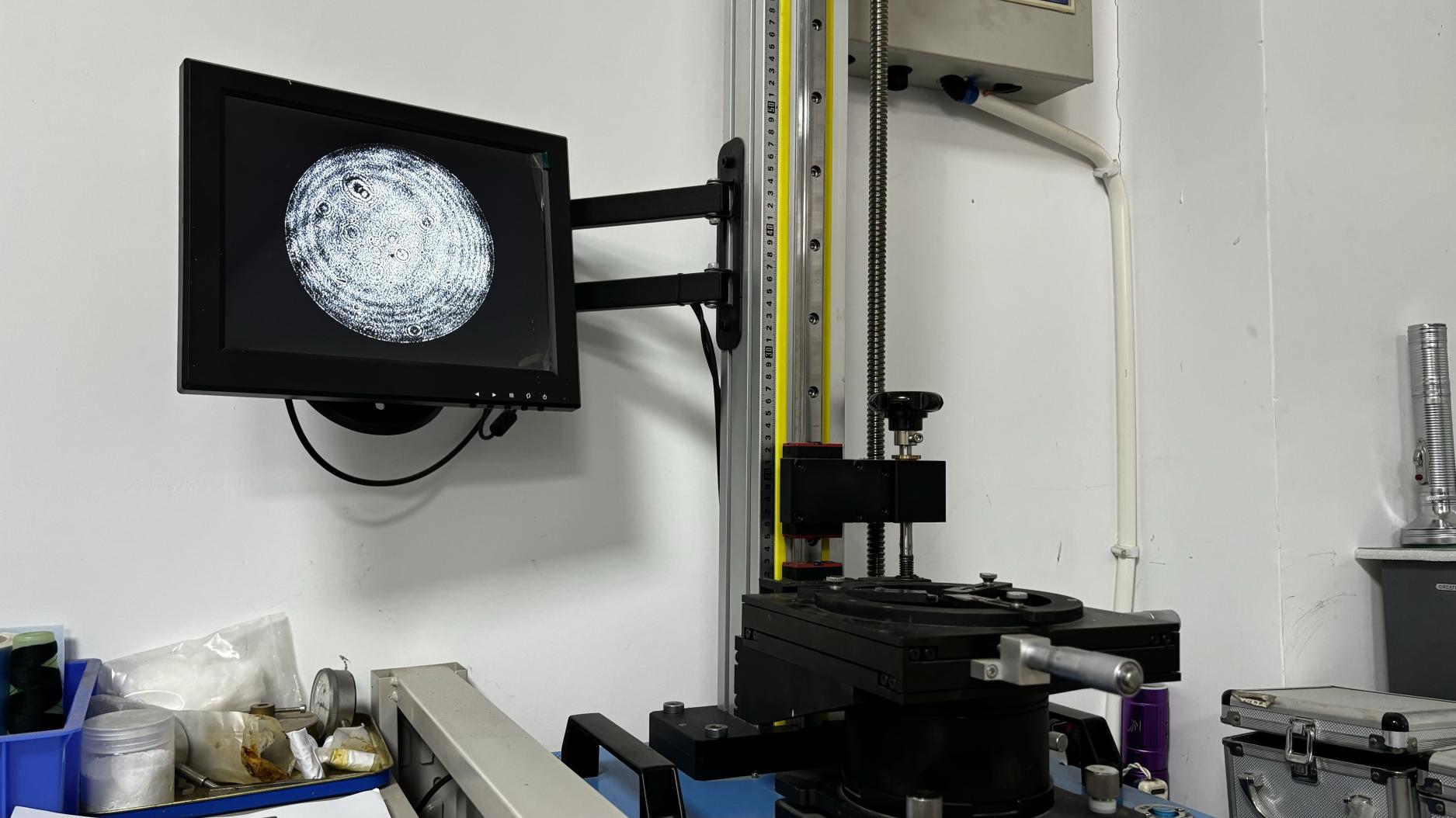
Our servers and storage arrays run mission-critical operations. We employ a 100% full-inspection methodology paired with random reliability testing to prevent system failures before shipping. Our verification protocol includes:
We serve international AI, HPC, and cloud computing markets with customized configurations. Our supply chain comprises over 860 verified partners, guaranteeing access to high-demand chassis, cooling, and component supplies.
Through our comprehensive ODM/OEM models, clients specify layout components, chassis dimensions, storage backplane standards, liquid cooling manifolds, and firmware controls. In the last calendar year alone, we deployed 120 new products and hardware iterations to meet changing market demands.


How enterprise entities deploy physical remote backup storage to maintain business continuity.
Highly secure systems requiring multi-site synchronizations. Custom 2U storage nodes enable real-time replication with transaction ledger recovery metrics.
High-density clusters designed to house petabytes of PACS medical imaging files while complying with HIPAA retention structures.
Edge deployment designs where rugged storage nodes act as cache gateways before sending system telemetry back to cloud environments.
Deep learning training structures requiring hyperconverged node arrays for quick restoration of model weights.
Enterprise data environments require strategic hardware layouts. Below is the blueprint of our current engineering cycle, focused on performance and structural security.
Incorporating high-end U.2 and U.3 NVMe SSDs into front-end drive arrays to ingestion workloads without write stalls.
Deploying energy-efficient Multi-Core Xeon processors paired with system-level ECC memory modules to handle block-level compression algorithms.
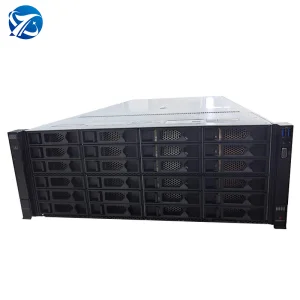
Transferring data blocks to dense SATA storage drawers. This design relies on automated spin-down states to minimize heat buildup and lower overall power costs.
Modern data security strategies depend on robust hardware planning: