Bexora
Bexora
Bexora
Enterprise Compute, SAS HDD Arrays, High-Density Acceleration Nodes & Multi-Socket Storage Configurations
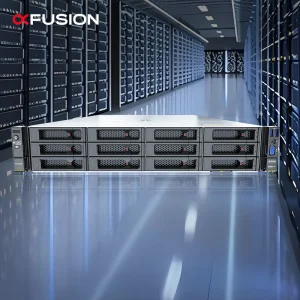
Establishing High-Reliability Standards in Artificial Intelligence & GPU Infrastructure
In the contemporary digital landscape, data has shifted from being a passive corporate asset to the direct driver of competitive intelligence. As architectures transition from traditional localized databases to distributed Large Language Models (LLMs) and massive machine learning (ML) pipeline infrastructures, the storage layer must adapt. Enterprise storage nodes are now subjected to constant, high-throughput operations under demanding execution cycles. Hardware reliability is no longer optional; it is the core determinant of corporate service uptime and compliance validation.
Traditional network-attached storage (NAS) and storage area network (SAN) configurations were engineered for predictable transactional workloads. Today's training sets demand massive parallel throughput across high-speed connections. With workloads like deep learning scaling across hundreds of nodes, memory bottlenecks must be aggressively managed. Hardware layers must achieve maximum physical data density and incorporate advanced data encryption protocols directly into the storage controller, preventing execution-level exploits and protecting cold data repositories.
Enterprise data storage is characterized by diverse application patterns, each requiring specialized server optimization:
| Workload Type | Ideal Interface | Required Hardware Profile | Key Security Protocol |
|---|---|---|---|
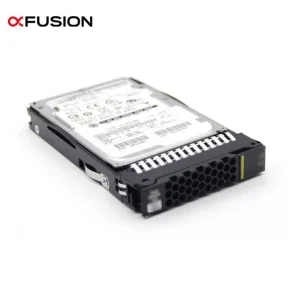
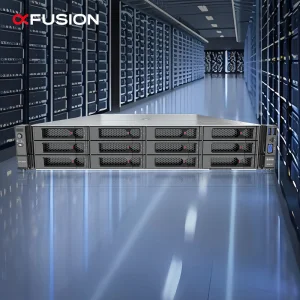
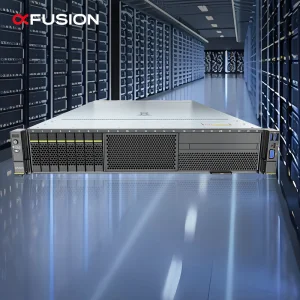
| AI Parameters & Inference Cache | NVMe Gen5 PCIe x4 | Direct CPU Attached SSDs, xFusion V7 Series | Self-Encrypting Drives (SED), TCG Enterprise |
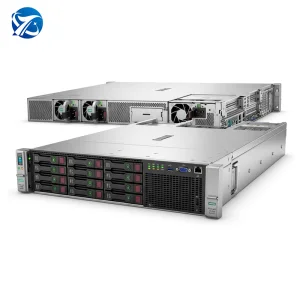
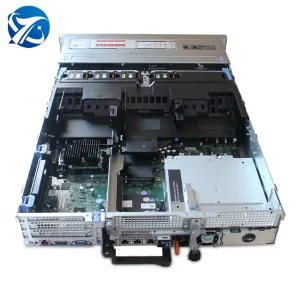
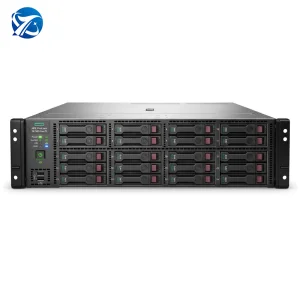
| Multi-Tenant Cloud Compute | SAS 12Gb/s / NVMe | HPE ProLiant DL380 / Dell R960 | Hardware Root of Trust, Secure Boot VM Guard |
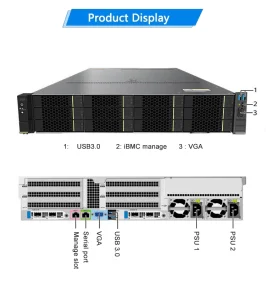
| High-Volume Industrial Media | NL SAS / SATA III | 2U 12-Bay Rack Server System | Hardware-Level RAID Array Isolation |
| Edge Analytics & IoT Gateway | SATA / SAS | 1U Low-Depth Servers (Dell R450 Class) | Chassis Intrusion Detection, TPM 2.0 |
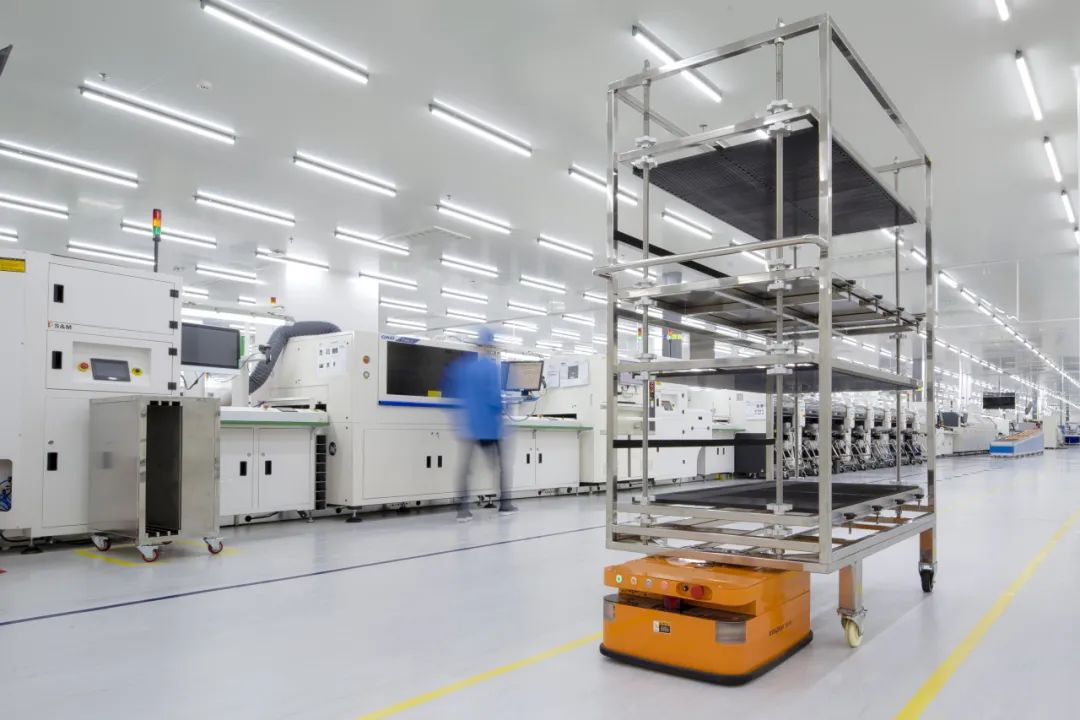
Modern global logistics require more than standard manufacturing capacity; they demand comprehensive supply chain control. Located in China's advanced manufacturing center, Bexora AI Systems coordinates an integrated ecosystem of over 860 upstream and downstream partners. This direct access to domestic silicon foundries, high-grade steel fabrication, PCB prototyping, and advanced thermal cooling components enables the company to reduce typical hardware production cycles by up to 40%.
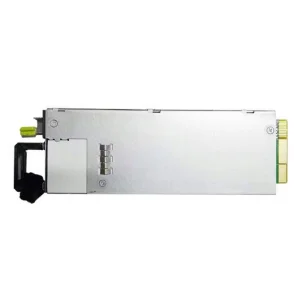
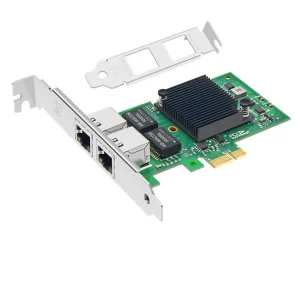
By bypassing multiple layers of component brokers, Bexora retains strict quality control over every link in the supply chain—from custom SAS controller fabrication to high-efficiency Power Supply Units (such as the HVDC1500WB Module). This structural advantage translates directly into architectural consistency, reliable delivery schedules, and highly customizable OEM/ODM configurations for international enterprises.
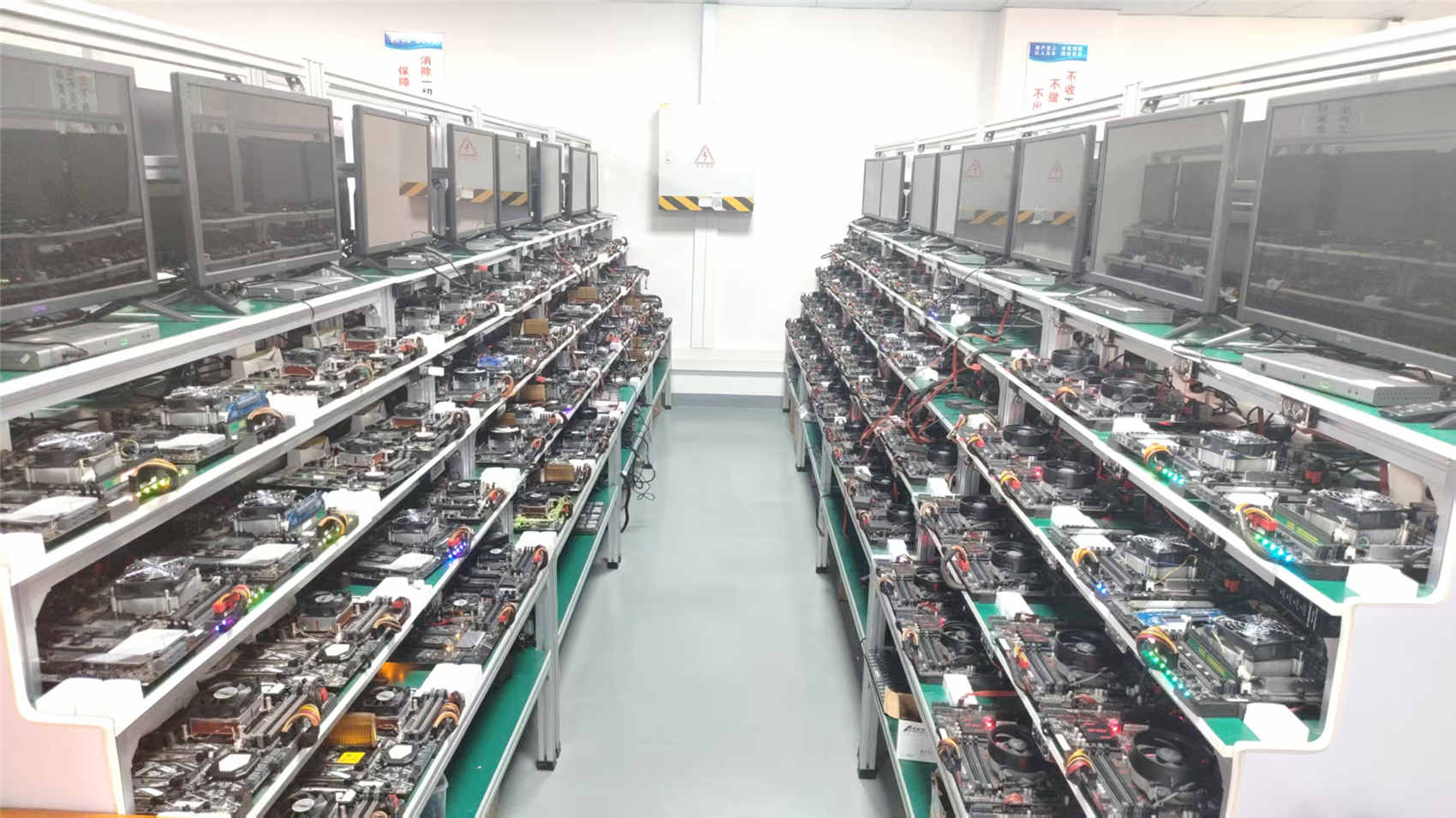
To operate continuously in high-workload environment configurations, every server and controller card must undergo a strict quality control matrix managed by Bexora's dedicated team of 45 quality assurance professionals:
Developing Hardware Solutions Optimized for Modern Machine Learning Workloads
Transitioning storage systems to PCIe Gen 5 configurations, enabling throughput rates up to 128GB/s to eliminate bus-level bottlenecks during parameter exchanges.
Integrating CXL memory pooling architectures to allow dynamically shareable storage pools across high-performance CPU/GPU nodes, optimizing memory utilization.
Deploying direct-to-chip liquid cooling loops within 2U and 4U chassis. This stabilizes thermal performance, lowering Power Usage Effectiveness (PUE) ratios below 1.15.
Embedding quantum-resistant hardware security modules (HSMs) directly into backplane controllers, protecting cold storage arrays against emerging threats.
Enterprise hardware optimized for security, performance, and long-term durability
Features hardware TPM 2.0 cryptoprocessors, secure boot pathways, and cryptographic device authorization keys embedded at the physical level to secure data structures against firmware exploits.
Uses multi-zone cooling bays with independent, hot-swappable fan structures to maintain low component temperatures, reducing drive degradation and prolonging hardware life.
Equipped with low-resistance data channels configured for PCIe 5.0 and NVMe connections, minimizing transport delays for high-density compute tasks.
Addressing core integration, architectural, and security queries for enterprise systems
High-Density Hardware Units, Auxiliary Power Modules & High-Output Storage Arrays
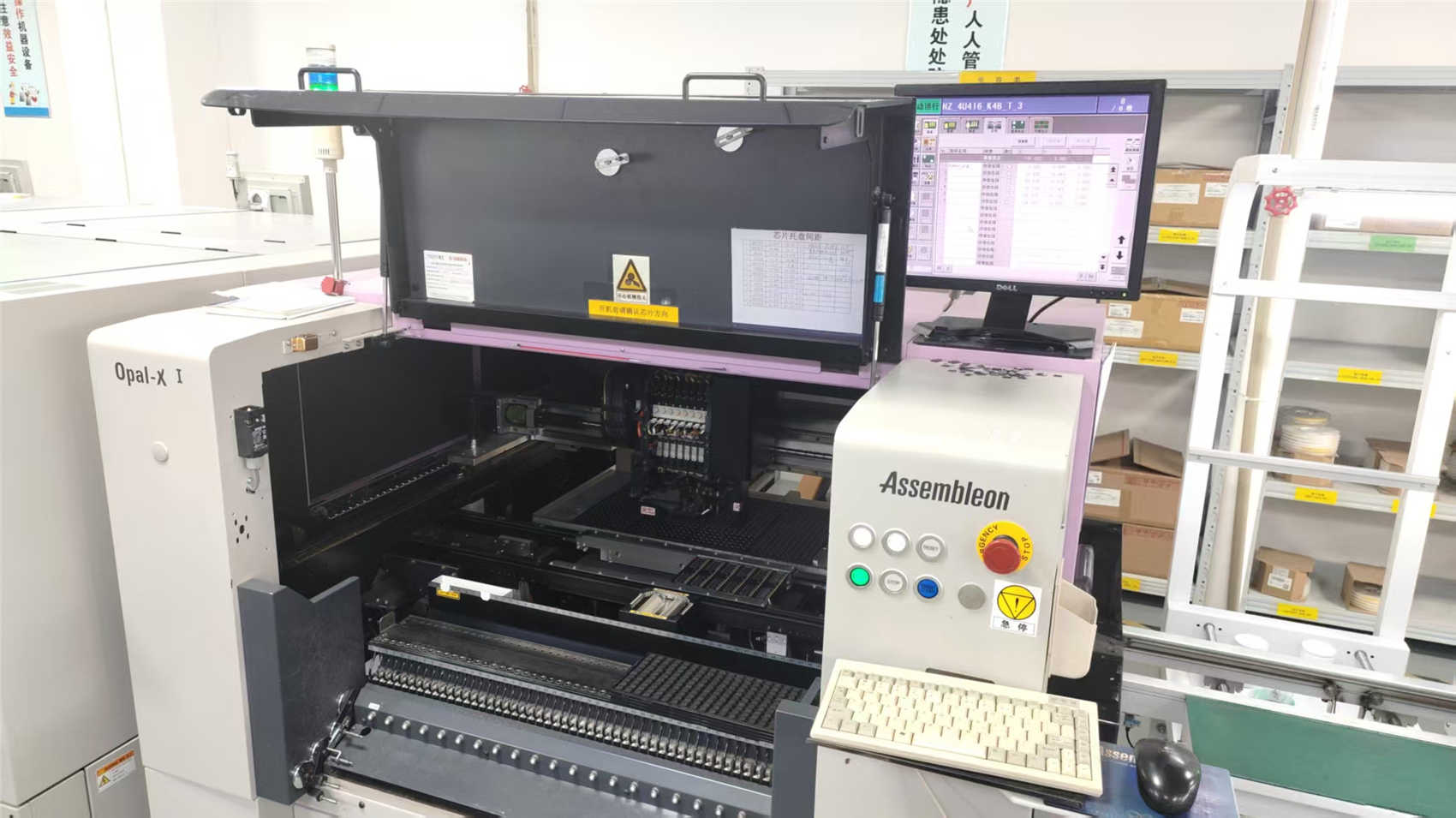
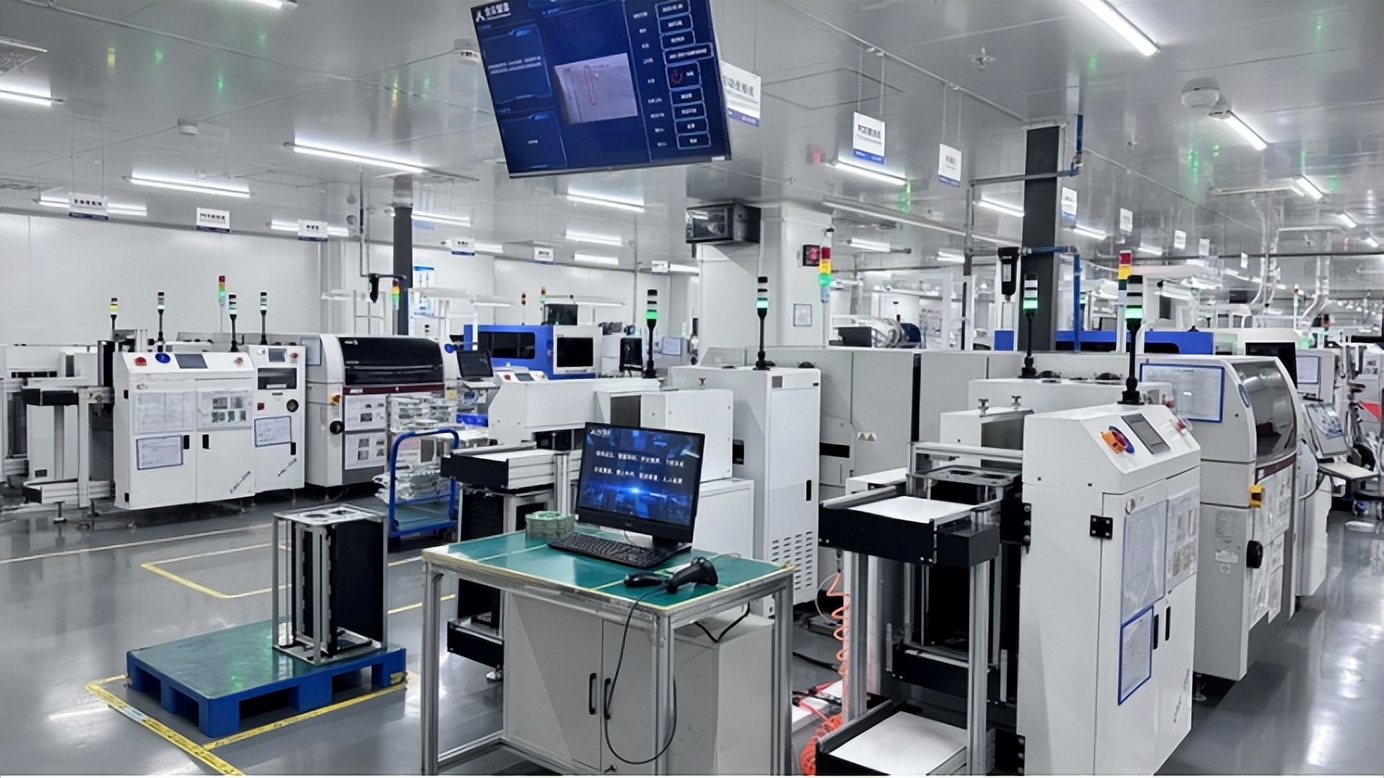
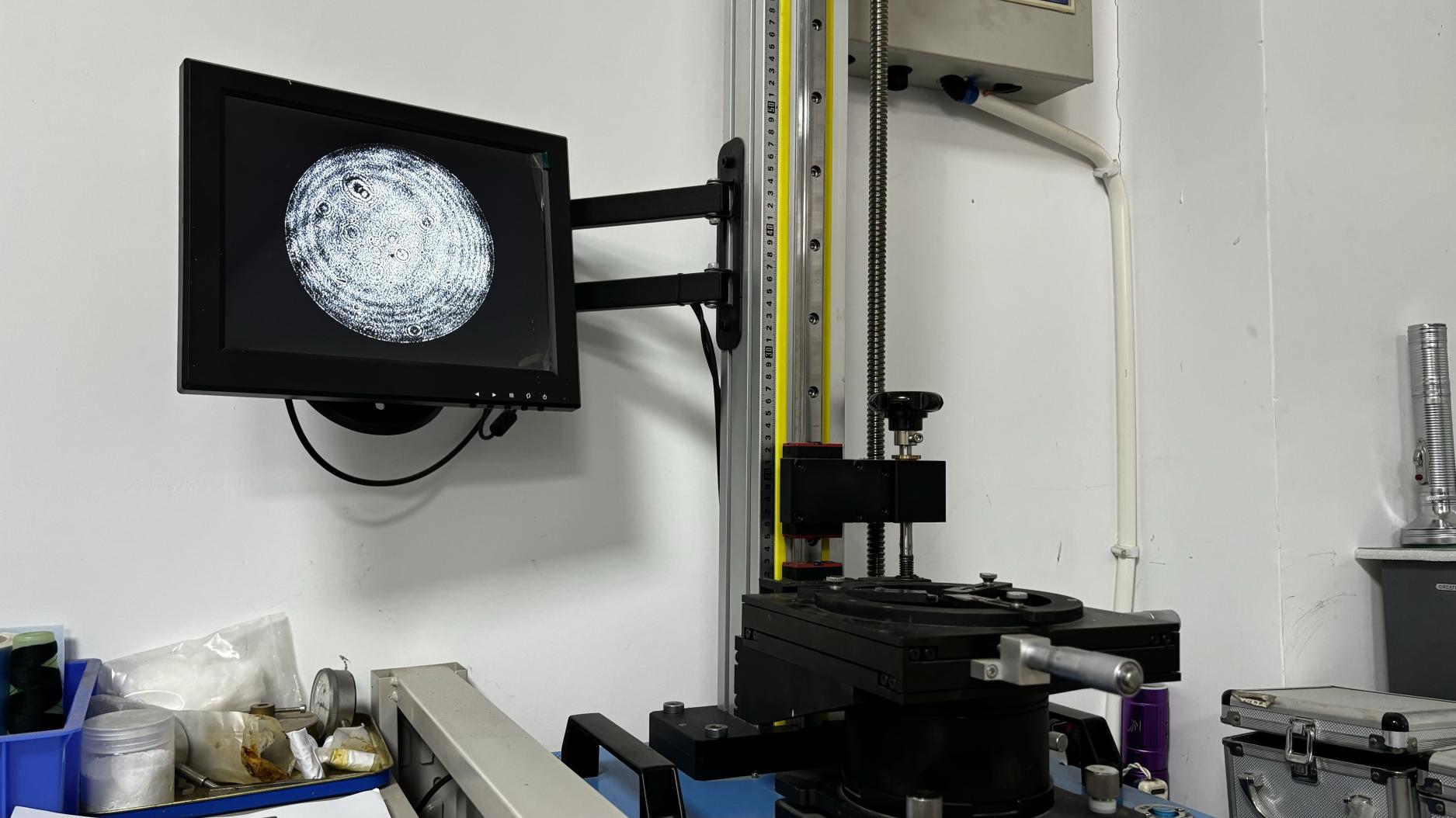
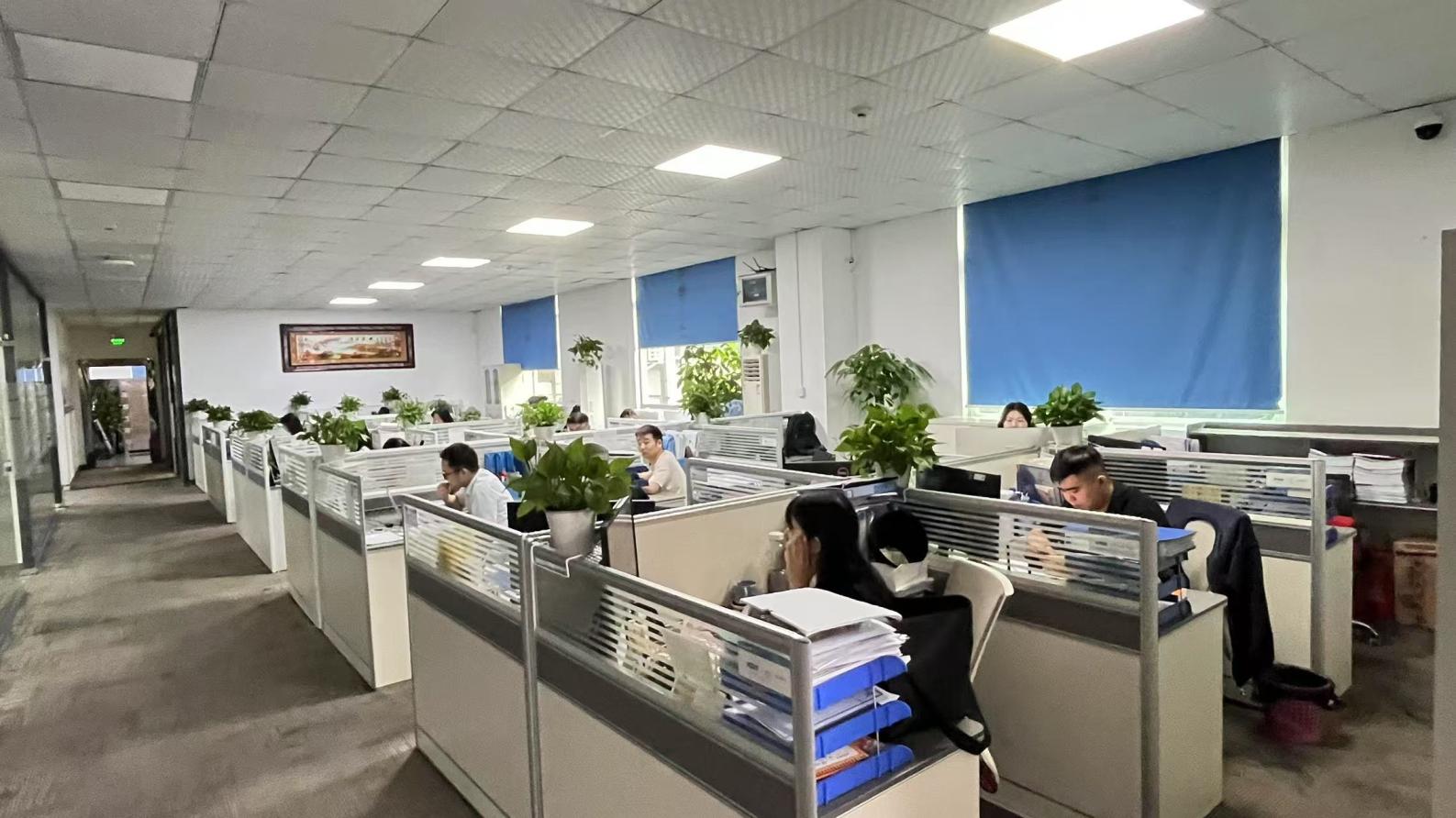
A tour of our automated manufacturing lines, quality verification areas, and research laboratories.