Bexora Bexora

Top Trusted Server Cooling Solutions Factory & Exporters

Pioneering High-Efficiency Liquid Loop & Thermal Control Infrastructures for Next-Gen Hyperscale & AI Server Deployments

18,600㎡
Advanced Facility Area
160+
R&D Engineers
12+ Yrs
Thermal Industry Experience
860+
Supply Chain Partners

The Revolution in Server Thermal Management

Understanding the physics of high-density computation, TDP scaling, and AI cluster cooling demands.

As artificial intelligence models scale exponentially, processing demands have pushed traditional cooling systems past their physical thresholds. Modern hyper-scale data centers, deploying chips for complex workloads like DeepSeek AI architectures, are operating under unprecedented thermal envelopes. Total Design Power (TDP) for state-of-the-art CPU and GPU configurations now regularly exceeds 700W to 1000W per socket, creating localized heat flux profiles that traditional air circulation cannot dissipate efficiently.
This shift has transformed server cooling from a supporting facility operation into a mission-critical vector of hardware performance. Without dynamic, low-resistance thermal solutions, modern silicon faces severe thermal throttling, causing computational latency and premature wear. Global enterprise operators are aggressively adopting liquid-to-air, cold-plate direct liquid cooling (DLC), and multi-phase immersion systems to sustain performance, minimize Energy Reuse Effectiveness (ERE) values, and target Power Usage Effectiveness (PUE) ratings below 1.15.

Direct-to-Chip Liquid Cooling

By routing dialectic or water-glycol loops directly over custom copper micro-channel cold plates, heat is transferred straight from the silicon to fluid channels with minimal thermal resistance.

Single & Dual-Phase Immersion

Complete submersion of active compute components inside specialized dielectric fluids, eliminating structural hot-spots and mechanical fan failures entirely across the server rack.

Hybrid Air-Assisted Liquid Loops

Integrating compact closed-loop liquid systems with rear-door heat exchangers (RDHx) to allow traditional data centers to support high-density AI nodes without total facility refitting.

Bexora AI Systems: Advanced Infrastructure Manufacturing

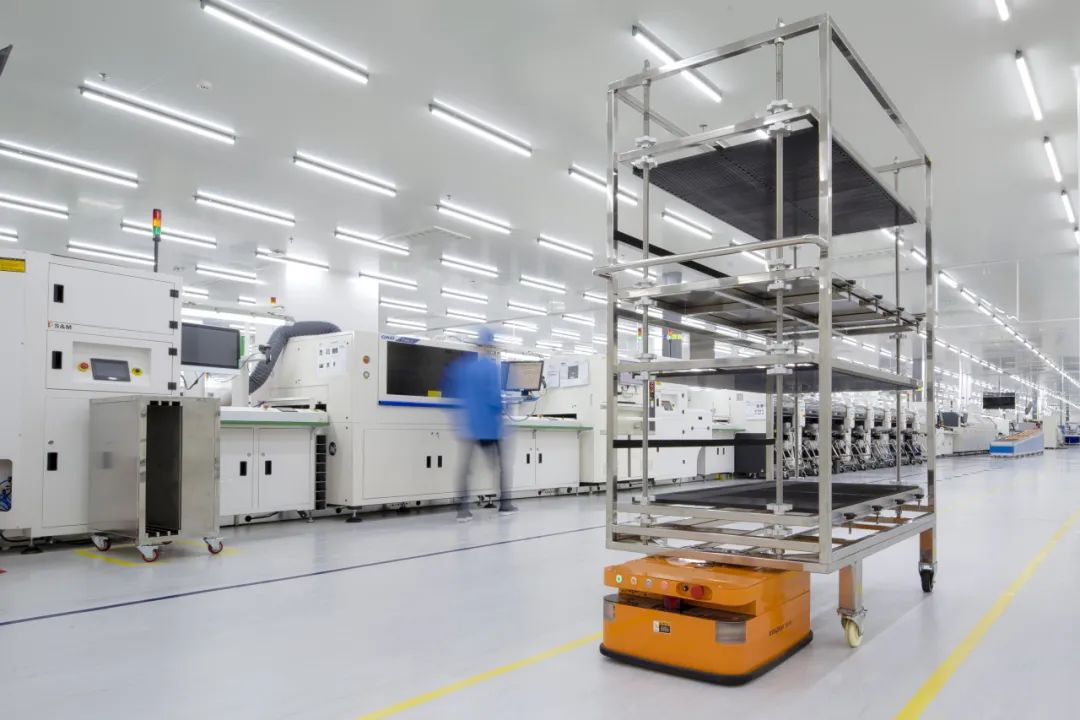
Uncompromising precision engineering and vertical integration out of our 18,600㎡ production headquarters.
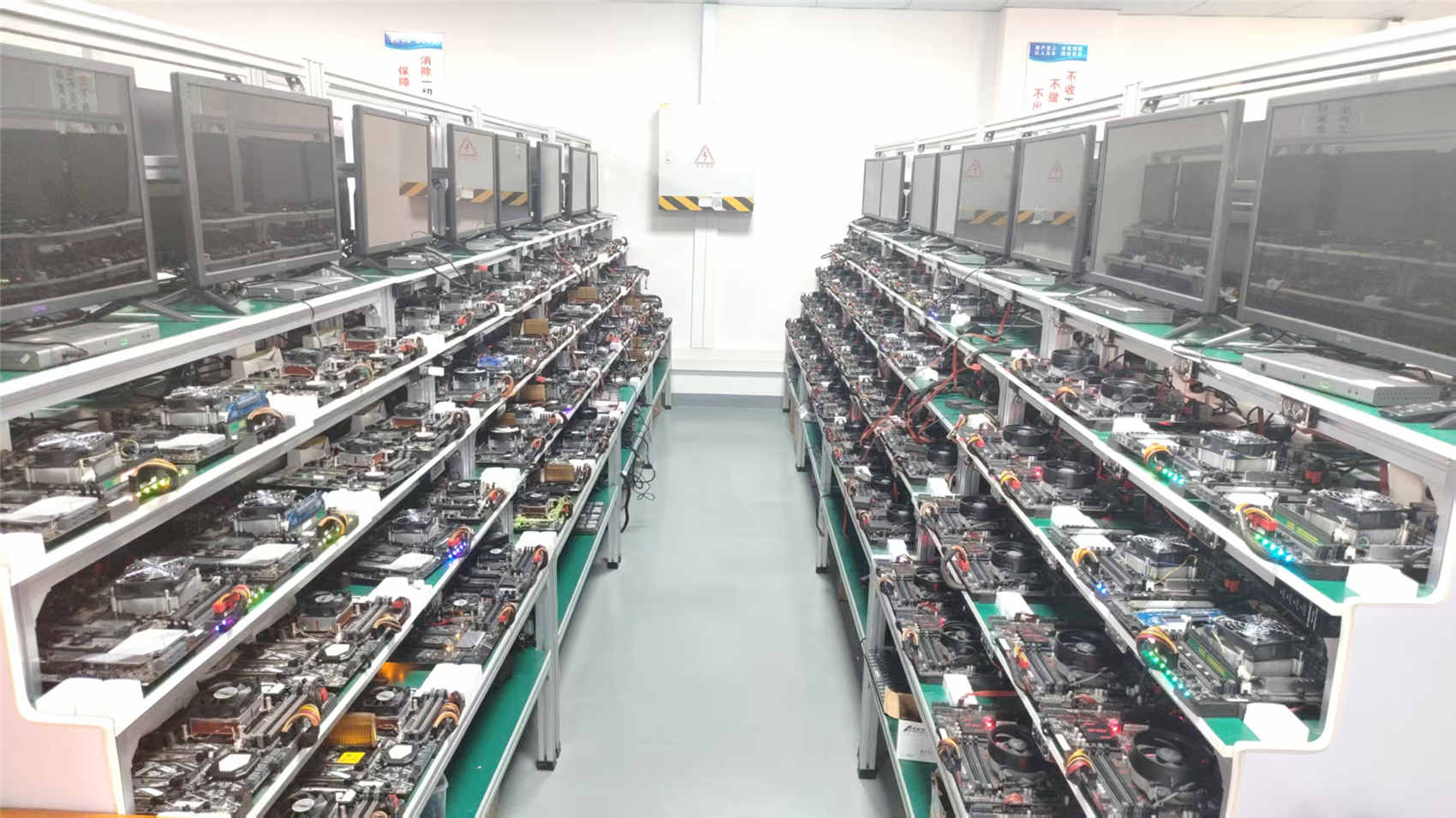

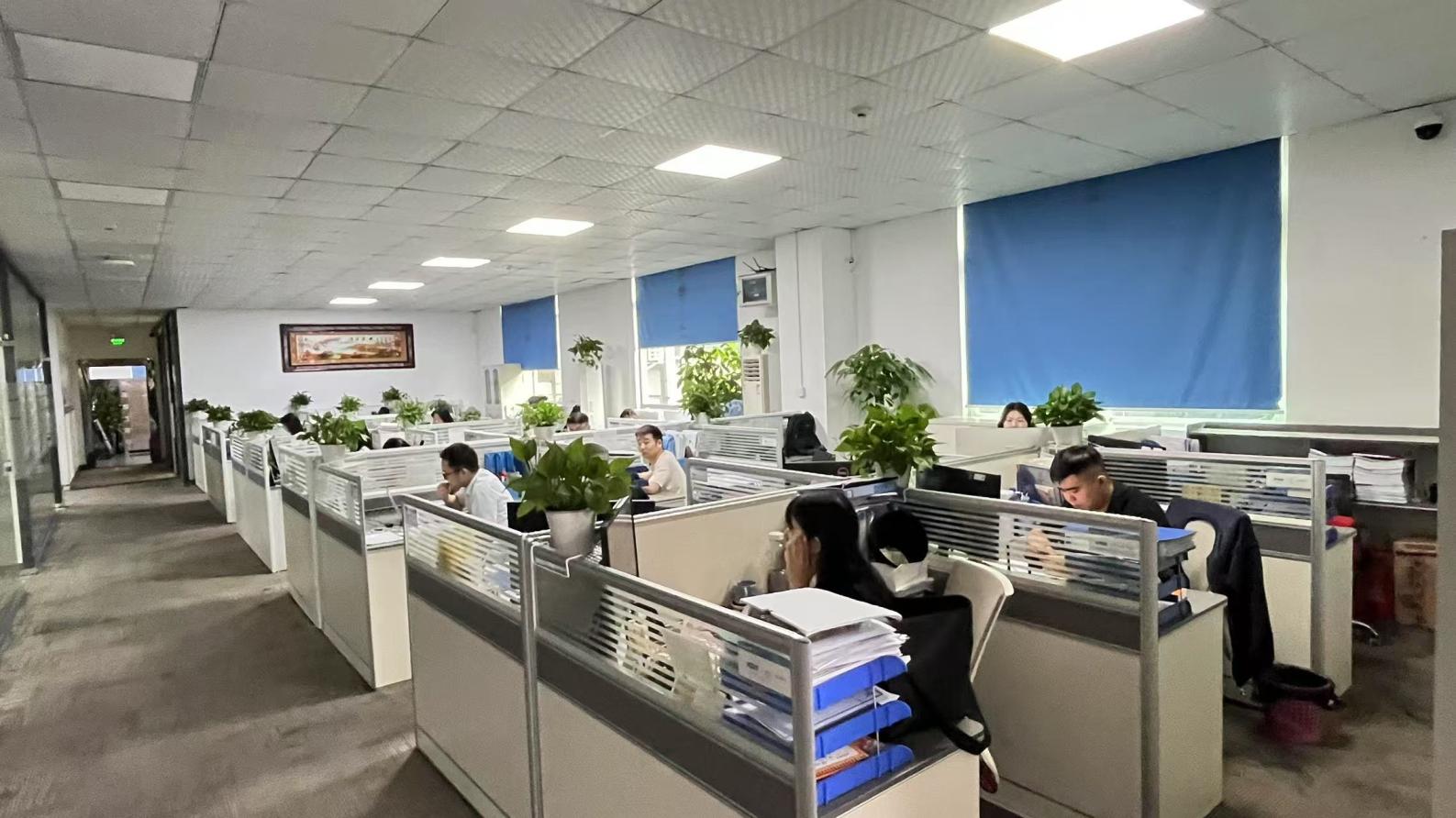
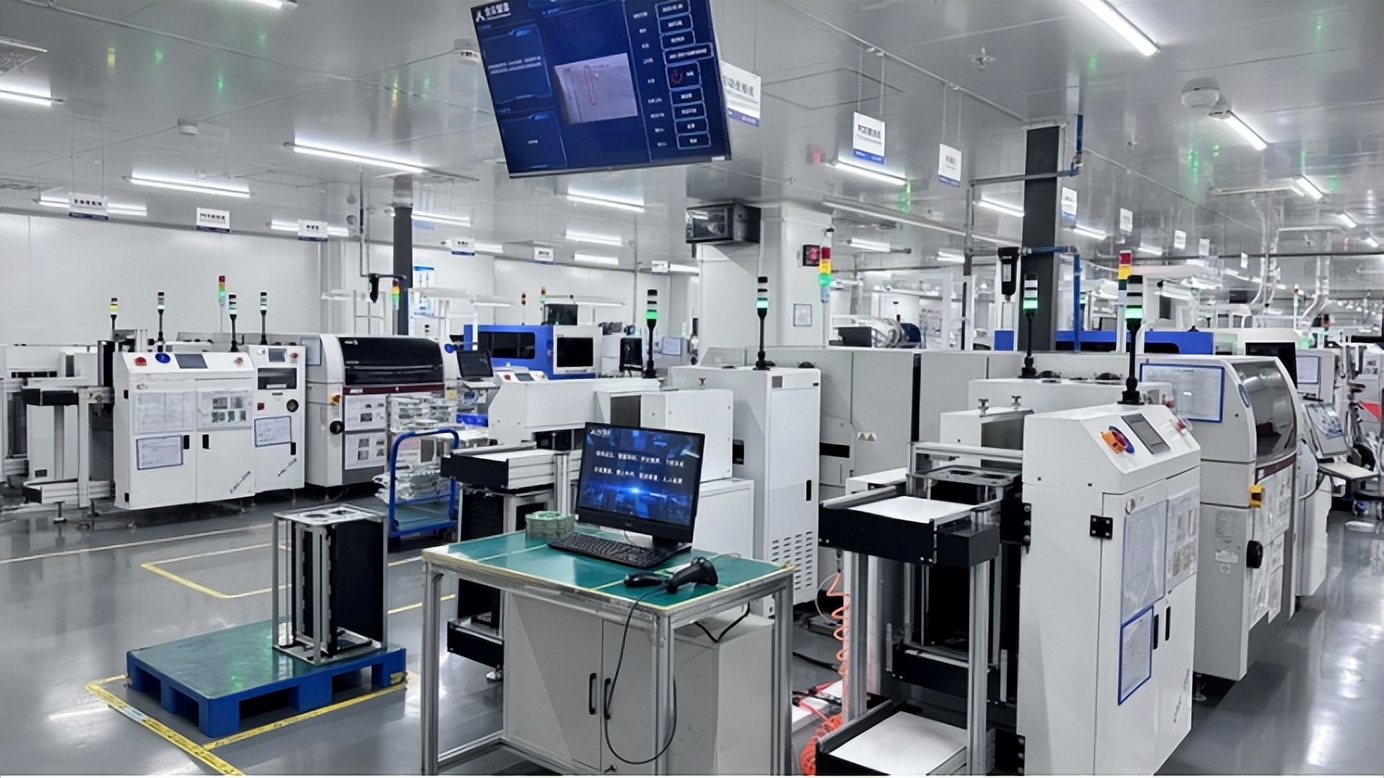
Operating from our state-of-the-art facility, Bexora AI Systems (China) Co., Ltd. stands as a premier manufacturer of high-performance computing infrastructure. Established in 2016, our business has combined deep thermodynamic research with automated industrial manufacturing. Backed by 12 years of industry experience and a highly qualified workforce featuring over 160 R&D engineers, we specialize in building computing platforms capable of meeting the stringent thermal requirements of modern GPU clusters.
Our global footprint relies on a robust network of approximately 860 upstream and downstream supply chain partners. This vast ecosystem allows us to source pristine raw materials, premium structural chassis components, high-flow fans, and custom-designed cold plates. This integration guarantees consistent component availability, even when developing custom OEM/ODM solutions or executing mass production runs for international exporters.

Stringent Testing Protocol: Zero-Leak, Infinite Thermal Stability

How our 45-person QA team guarantees structural and thermodynamic reliability before global export.

Cooling components represent a high-stakes vector of failure. Standard data storage devices or server clusters can suffer total structural loss if a single joint or micro-channel experiences fluid degradation or mechanical leakage. At Bexora AI Systems, we deploy a comprehensive QC workflow that combines 100% full inspection with strict random reliability stress testing. Every unit must pass through multi-layered validation phases:

1. Computational Fluid Dynamics & Stress Run

Simulating maximum heat dissipation demands using AI workload modeling to ensure no localized structural thermal hotspots develop under peak compute stress.

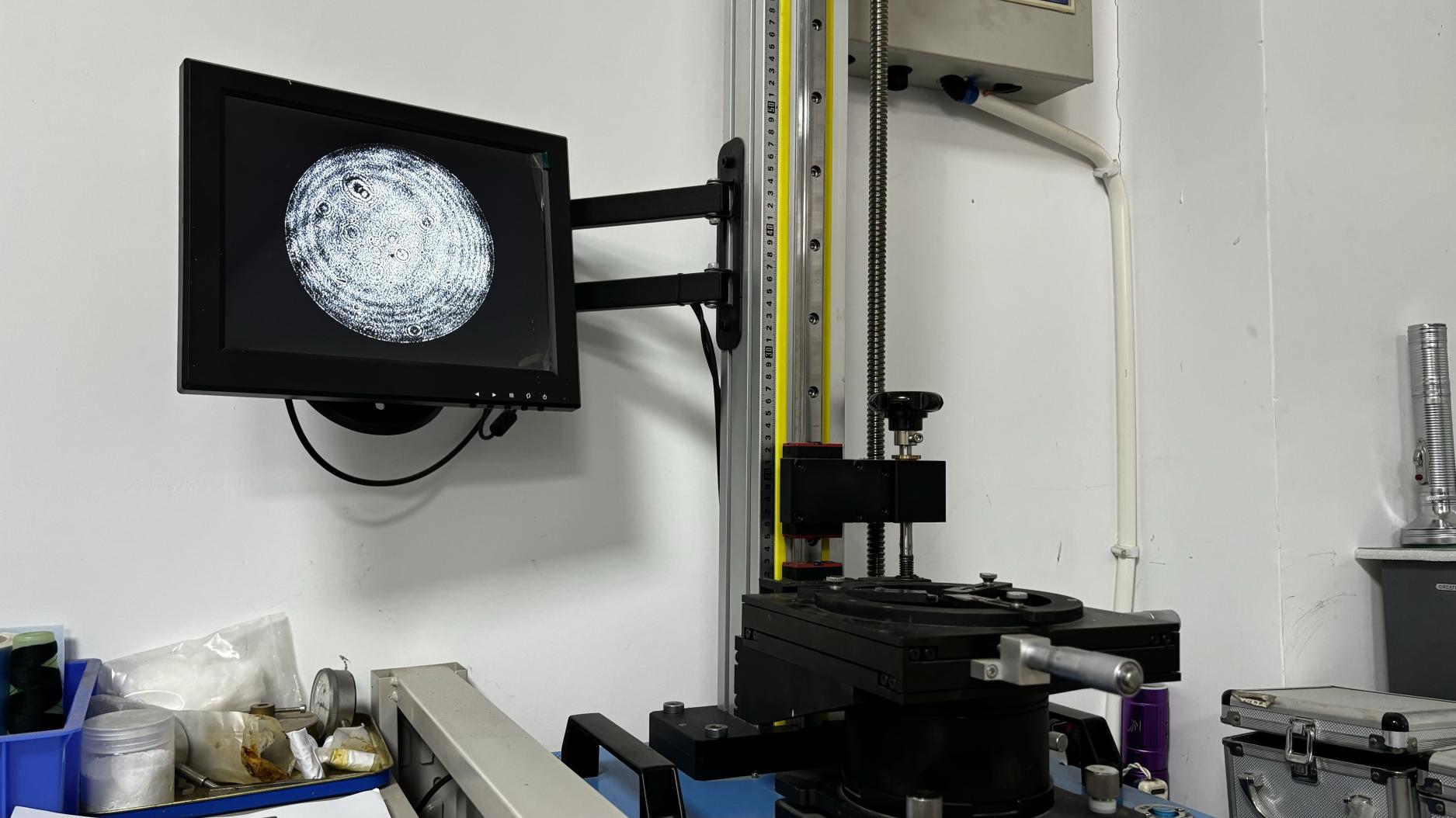
2. Automated Optical Inspection (AOI)

Every cold plate micro-channel and weld joint undergoes micro-level optical verification to find imperfections before assembly.

3. Helium Mass Spectrometer Leak Testing

All liquid cooling loops are subjected to pressurized helium detection systems to ensure gas-tight hermetic seals, exceeding standard industrial requirements.

Testing Stage Methodology Applied Target Parameter Acceptance Threshold
Chassis Thermal Run Chamber thermal load simulation Delta T (Junction to Ambient) < 12°C at peak load
Fluid Integrity Pneumatic pressure hold test Loop pressure resistance 1.5x maximum working pressure
Electrical Insulation Hi-pot dielectric evaluation Insulation resistance > 100 MΩ at 500V DC
Operational Lifespan Accelerated aging & vibration Mean Time Between Failures (MTBF) > 150,000 continuous hours

Localized Application Scenarios & Regional Engineering Integration

Tailoring complex thermal system integrations to diverse operational environments across the globe.

Data center operations face widely varying ambient environments. Designing a server cooling array for a facilities operator in the arid Middle East requires vastly different considerations than designing for a high-latitude hyperscale node in Northern Europe. Factors like local water availability, ambient wet-bulb temperatures, and electricity costs influence which cooling architecture will yield the optimal PUE.
For instance, in regions with extreme seasonal heat, direct liquid loops utilizing dry coolers with evaporative pre-cooling provide high thermal efficiencies. Conversely, in cold regions, structural designs can leverage direct outside air economizers coupled with passive liquid heat exchangers, capturing ambient cold air to achieve near-zero energy consumption for thermal regulation. Our engineering team specializes in adapting physical structures, fan performance profiles, and fluid choices to meet these requirements.

Hyperscale Cloud AI Clusters

Deploying specialized manifold distribution networks and secondary cooling loop circuits to handle multi-rack AI training clusters with rack densities exceeding 100kW per cabinet.

Edge Computing Nodes

Maintenance-free closed-loop cooling configurations designed for dust-heavy or remote environments, protecting components without complex site infrastructure.

Legacy Data Center Retrofits

Modular fluid-to-air cooling options that slide directly into standard 19-inch racks, enabling liquid-cooled chips without rebuilding structural facility lines.
The China Supply Chain Advantage: Speed, Scale, and Reliability

How Bexora blends high manufacturing efficiency with global logistics excellence.

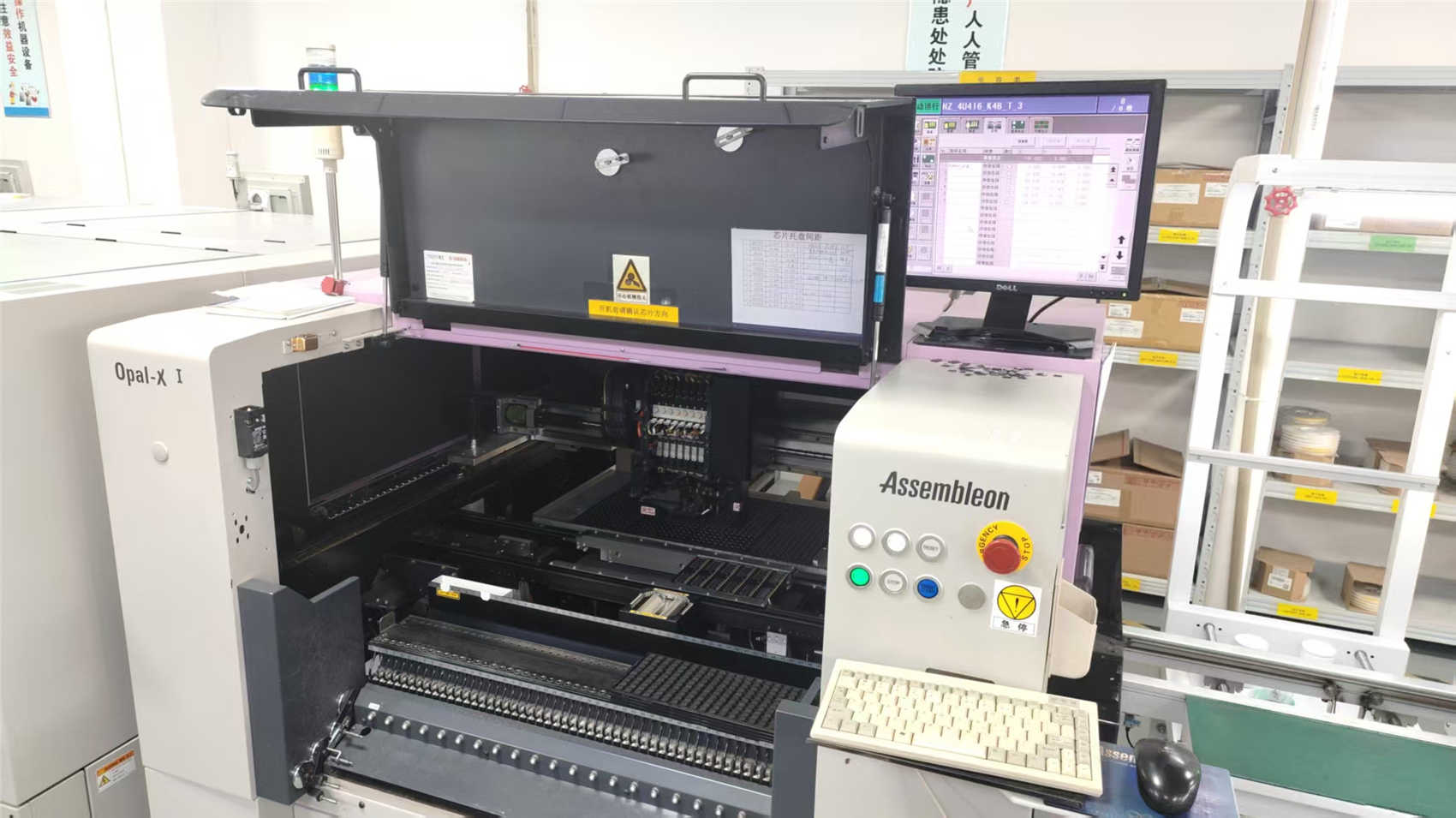
China stands as the global hub for advanced hardware manufacturing. This positioning provides Bexora with access to an integrated ecosystem that covers everything from raw aluminum and copper processing to microchip mount technology. This proximity speeds up our design-to-prototype cycle. While global manufacturing can take months to iterate on custom cold plate profiles, our engineering team can complete fluid dynamics modeling and deliver functional prototypes within days.
Our logistics and supply chain integrations ensure that we can export high-quality products efficiently. Located near major shipping ports, we streamline B2B delivery pipelines to markets in North America, Europe, Southeast Asia, and the Middle East. Whether managing custom OEM configurations or bulk supply lines for global data centers, our team handles international compliance, export documentation, and transport coordination for a smooth delivery process.

Technical & Procurement FAQ

Deep-dive technical questions answered by our system engineering team.
Why is liquid cooling transitioning from an option to a necessity for AI server platforms?
As chip designs push past 350W TDP, the heat density exceeds the thermal transfer capacity of air. Air cannot remove heat fast enough from small surface areas without extremely loud, power-intensive fans. Direct liquid cooling utilizes fluids with high heat capacities to absorb heat at the source, allowing components to run safely under sustained workloads.
What materials does Bexora use for its liquid cooling cold plates?
We use high-purity, oxygen-free copper (typically C10200 or equivalent) for our cold plates to achieve maximum thermal conductivity. These plates feature precision-skived micro-channels down to 0.2mm to maximize contact surface area with the working fluid.
How does Bexora prevent fluid leaks in direct-to-chip systems?
We prevent leaks through high-precision manufacturing and testing. We use EPDM or FKM synthetic rubbers for seals and perform automated testing, including vacuum decay, helium leak detection, and pressure hold tests at 1.5 times the maximum operating pressure.
What working fluids are compatible with your liquid cooling loops?
Our systems support various working fluids, including treated water-glycol mixtures (typically PG25 or EG25 with corrosion inhibitors) and specialized non-conductive dielectric fluids for direct immersion configurations.
How do you support custom OEM/ODM projects for cloud service providers?
Our 160-person R&D team provides full-cycle support. We analyze the client's chassis geometry, thermal requirements, and pump parameters, run thermal simulations, design custom manifolds and cold plates, and manufacture functional prototypes for validation.
What is the typical PUE reduction when upgrading from air cooling to Bexora liquid loops?
While results vary depending on the facility's ambient conditions, upgrading to direct-to-chip liquid cooling can reduce fan power consumption by up to 80%, lowering overall data center PUE from a typical 1.6 down to 1.15 or less.
Can legacy server racks be retrofitted with your hybrid cooling systems?
Yes. We design closed-loop, air-assisted liquid systems that fit within standard 19-inch server chassis, allowing operators to deploy high-TDP processors without upgrading their entire facility to support plumbing infrastructure.
How does Bexora ensure structural durability under thermal cycling?
Our components undergo thermal shock testing, cycling between extreme temperatures (-40°C to 120°C) to verify that material bonds, welds, and seals can withstand the structural stresses of expansion and contraction over time.
What quality certifications do your manufacturing lines hold?
Our manufacturing processes are certified under ISO 9001 for quality management and ISO 14001 for environmental management. Our products are designed to meet international safety and environmental compliance standards, including CE, FCC, and RoHS.
What is the turnaround time for bulk global shipments?
Standard configurations can ship within 4 to 6 weeks, while custom OEM/ODM orders typically take 8 to 12 weeks from initial design approval to port delivery.